How to Find a Motorcycle Accident Lawyer in Georgia
Finding yourself in the aftermath of a motorcycle accident in Georgia is an incredibly stressful and often painful experience. Beyond the immediate physical injuries and damage to your bike, you're suddenly thrust into a confusing world of insurance claims, legal jargon, and potential blame games. It’s a really tough spot to be in, and frankly, it feels like the system is stacked against you. This guide is here to walk you through the essential steps and considerations for finding the right motorcycle accident lawyer in Georgia, ensuring you have a strong advocate by your side to navigate these complex challenges.
Understanding the Unique Challenges of Motorcycle Accidents in Georgia
Motorcycle accidents are inherently different from typical car crashes, and the legal landscape in Georgia reflects some of these distinctions. It's not just about two vehicles colliding; it's about deeply ingrained biases, specific state laws, and the unique physics of a bike crash that often lead to more severe injuries. You need someone who understands these nuances, not just a general personal injury lawyer.
Georgia's Comparative Negligence Rule
One of the biggest hurdles you might face in Georgia is the state's modified comparative negligence rule. This rule dictates that you can still recover damages even if you were partly at fault for the accident, as long as your share of the blame doesn't exceed 49%. If you are found 50% or more at fault, you generally won't be able to recover anything. This isn't just some dry legal detail; it has massive implications for your potential settlement.
Imagine you're cruising down Peachtree Street in Atlanta, and a car unexpectedly merges into your lane, causing a collision. Even if the other driver was clearly negligent, the insurance company might try to argue that you were speeding, or that your custom exhaust was too loud and distracted them, or that you didn't react quickly enough. They'll try to push your fault percentage past that 49% mark to reduce or even eliminate their payout. A knowledgeable Georgia attorney understands these tactics and knows how to build a case that minimizes your perceived fault, protecting your right to compensation under Georgia's modified comparative negligence laws. This is a critical factor in how comparative negligence affects your settlement.
Overcoming Rider Bias in Georgia
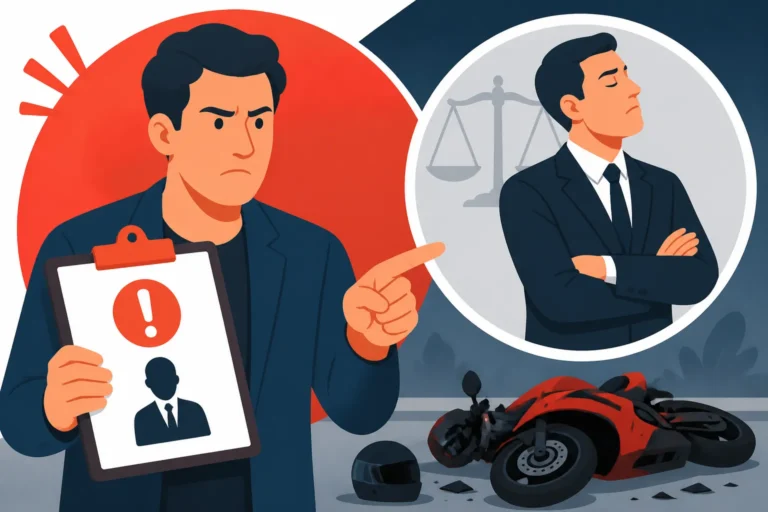
Let's be real: there's a pervasive bias against motorcyclists. Many people, including some jurors, law enforcement officers, and even insurance adjusters, often assume the rider was doing something reckless or dangerous. They might believe stereotypes about bikers, regardless of the actual circumstances of your accident. This "rider bias" can be a huge obstacle to getting a fair shake in your claim.
For instance, after a collision on I-75 near Marietta, an investigating officer might arrive at the scene with preconceived notions. If they see your damaged bike and assume you were speeding or lane splitting, their initial report might reflect this bias, even if untrue. Insurance companies, like those from GEICO or State Farm, are adept at exploiting these biases to deny or devalue claims, often using phrases like "I didn't see the motorcycle" as a defense. A good motorcycle accident lawyer in Georgia knows how to confront this bias head-on, presenting evidence that focuses on facts, not stereotypes, and ensuring that your story is heard and respected. They understand the need to vigorously defend your reputation and actions.
Qualities to Look for in a Georgia Motorcycle Accident Attorney
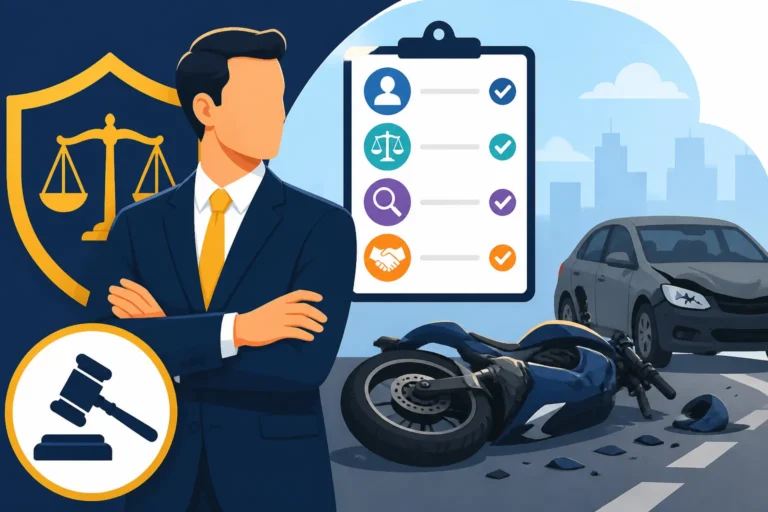
When you're searching for legal representation after an accident, it can feel overwhelming. Every law firm promises results, but not all are created equal, especially when it comes to the unique intricacies of motorcycle accident claims. Knowing what specific qualities to prioritize can make all the difference.
Experience with Georgia Motorcycle Law
It's not enough for a lawyer to simply practice personal injury law in Georgia. You need someone who has specific, demonstrable experience with motorcycle accident cases within the state. Georgia has its own set of traffic laws, insurance regulations, and court procedures that are distinct from other states. An attorney well-versed in these specific laws understands the nuances of things like helmet laws by state, or how specific equipment requirements might impact a claim.
Think about it: a lawyer who regularly handles cases involving motorcycles in Georgia will be intimately familiar with local police departments, accident reconstructionists, and even specific judges who handle these types of cases. They'll know the common defenses insurance companies use in Georgia and how to counter them effectively. For example, they'll understand how to fight an unfair fault assignment or address challenges related to proving fault in a motorcycle accident caused by another driver's negligence. This specialized knowledge means they won't be learning on your dime; they'll be applying tried-and-true strategies to your case from day one.
Proven Track Record and Resources
A lawyer's track record isn't just about winning cases; it's about consistently achieving favorable outcomes for their motorcycle accident clients. Look for evidence that they have successfully negotiated settlements and, if necessary, won verdicts for riders who have been injured. This includes experience with specific types of motorcycle accident injuries and understanding the long-term effects of motorcycle injuries, such as traumatic brain injuries or spinal cord injuries, which often require extensive medical treatment and compensation.
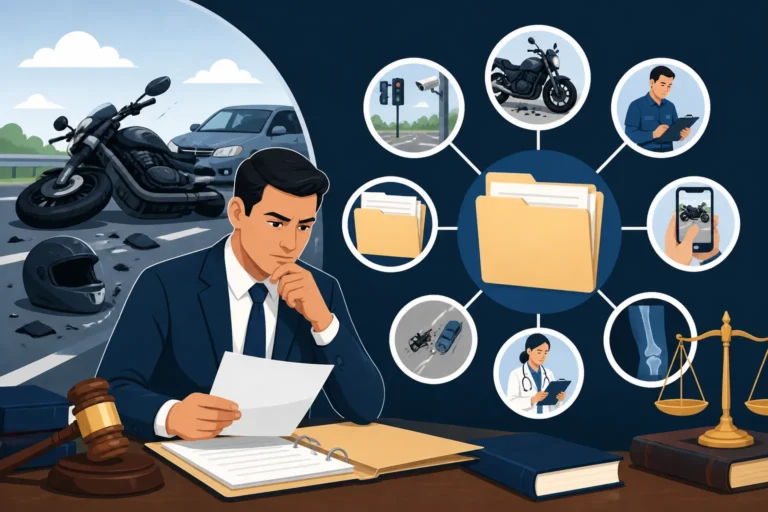
Furthermore, a robust law firm will have the resources to properly investigate your accident. This might involve hiring accident reconstruction experts, medical specialists, and investigators to gather evidence like traffic camera footage, witness statements, and black box data from vehicles. These resources are costly, and smaller, less established firms might not be able to front these expenses. A firm with a proven track record demonstrates they've invested in the infrastructure to support complex litigation, giving your case the best chance to succeed. When considering who to choose, look into what a motorcycle accident lawyer does beyond just court appearances.
Local Knowledge and Courtroom Familiarity
Knowing the legal landscape of Georgia is one thing, but having a deep understanding of the local jurisdictions within Georgia is another entirely. A lawyer who has practiced extensively in specific counties, like Fulton County, Gwinnett County, or Cobb County, will have invaluable insight into the local courts, judges, and even the tendencies of local defense attorneys and insurance adjusters.
This hyper-local knowledge can be a significant advantage. For instance, if your accident occurred in Savannah, an attorney with experience in Chatham County courts will know the local rules, the typical jury pool demographics, and how cases are generally handled there. They might even have existing professional relationships that can streamline certain aspects of your case. This familiarity ensures that your lawyer isn't just competent in law, but also savvy in the local practicalities that can influence the outcome of your motorcycle accident claim.
Step-by-Step Guide to Finding a Lawyer in Georgia
Alright, you know what kind of lawyer you need. Now, how do you actually go about finding one amidst all the noise? It can feel like a daunting task, but breaking it down into manageable steps makes it much less overwhelming.
Utilizing Online Directories and Referrals
One of the easiest ways to start your search is through online legal directories. Websites like LegalMatch are fantastic resources because they allow you to input details about your motorcycle accident, and then connect you with attorneys in Georgia who specialize in personal injury and, more specifically, motorcycle claims. It saves you the headache of sifting through countless general listings. You can also use other reputable platforms like Avvo or Super Lawyers to find attorneys in your area. These sites often provide detailed profiles, client reviews, and peer endorsements, giving you a comprehensive look at a lawyer's background and reputation.
Beyond online tools, don't underestimate the power of word-of-mouth referrals. If you know other riders, ask if they've ever needed legal help after an accident and who they recommend. Sometimes, the best advice comes from someone who has been in your boots. Your mechanic or even a local motorcycle club might have recommendations for attorneys known to support the riding community. This kind of personal recommendation can give you a lot of confidence that you're choosing someone who truly understands the rider's perspective.
The Initial Consultation Process
Once you've narrowed down a few potential lawyers, the next crucial step is to schedule initial consultations. Most personal injury attorneys, especially those handling motorcycle accidents, offer a free case consultation. This isn't just a formality; it's your opportunity to interview them and assess if they're the right fit for you and your case. Be prepared to discuss the specifics of your accident, your injuries, and any documentation you've already gathered.
During this meeting, pay close attention to how they listen to your story, how clearly they explain the legal process, and whether they seem genuinely empathetic to your situation. This is also your chance to ask detailed questions to ask a motorcycle accident attorney. Do they have experience with similar cases? What is their strategy for handling your specific type of accident? How do they communicate with clients? This initial meeting is incredibly important for establishing trust and confidence in your potential legal advocate.
| Factor to Evaluate | Importance | Questions to Ask Your Lawyer | What to Look For |
|---|---|---|---|
| Experience in GA | High | "How many motorcycle cases have you handled in Georgia?" | Specific numbers, local case examples. |
| Motorcycle Focus | High | "Do you ride? What's your experience with motorcycle claims?" | Understanding of rider unique challenges, not just general PI. |
| Track Record | High | "What outcomes have you achieved in similar cases?" | Demonstrable success in settlements and trials. |
| Communication | Medium-High | "How often will you update me? Who will I communicate with?" | Clear, consistent communication plan; direct access to lawyer. |
| Resources | Medium-High | "Do you work with accident reconstructionists or medical experts?" | Willingness and ability to invest in your case. |
| Fee Structure | High | "How do motorcycle accident lawyers get paid?" | Transparent contingency fee agreement, no hidden costs. |
| Local Knowledge | Medium | "Are you familiar with the courts in your county?" | Specific knowledge of local judges, procedures. |
Understanding Fee Structures
Let's be honest, worrying about how you'll pay for a lawyer on top of everything else is a major concern. Thankfully, most motorcycle accident lawyers operate on a contingency fee basis. This means you don't pay any upfront legal fees. Instead, their payment is "contingent" on them winning your case, either through a settlement or a court award. If they don't win, you generally don't owe them attorney fees.
Typically, the lawyer takes a percentage of your final settlement or award – often around 33% to 40%. This percentage can vary depending on whether the case settles out of court or goes to trial. It's vital that you thoroughly understand this agreement, including how case costs (like filing fees, expert witness fees, and investigation costs) are handled. Some firms cover these costs upfront and then deduct them from your settlement, while others might require you to pay them as they arise. Don't be shy about asking for a detailed breakdown and clarification during your initial consultation. Make sure you understand how contingency fee agreements work so there are no surprises down the road.
Key Questions to Ask Prospective Georgia Lawyers
You're the one hiring them, so it's perfectly acceptable, even encouraged, to come armed with a list of questions. This isn't just about getting answers; it's about seeing how they respond, how knowledgeable they are, and how well they communicate.
Inquiring About Case Strategy and Communication
Beyond general experience, you need to understand how a prospective lawyer plans to handle your specific case. Every accident is unique, and a good lawyer will be able to outline a preliminary strategy based on the information you provide. Ask them about the steps they envision taking, from gathering evidence to negotiating with the insurance company. For example, if you were involved in a rear-end collision, ask them how they plan to prove fault in a rear-end collisions crash and what evidence they would prioritize.
Equally important is communication. You're going through a tough time, and being left in the dark about your case can add immense stress. Ask about their communication policy: How often will they provide updates? What's the best way to reach them or their legal team? Will you be communicating directly with the attorney, or primarily with paralegals? A good answer here shows a commitment to client service and transparency. You want to feel confident that you'll be kept in the loop throughout the entire process.
Discussing Settlement Expectations and Trial Readiness
While no ethical lawyer can guarantee a specific outcome or settlement amount, they should be able to provide you with realistic expectations based on the specifics of your case and their experience. Ask them about potential settlement amounts for similar injuries in Georgia, and what factors could increase or decrease your potential payout. They should be able to explain how factors like injury severity, medical expenses, lost wages, and pain and suffering are calculated into a potential settlement. This conversation helps you understand how your motorcycle accident settlements are calculated.
It's also crucial to discuss their willingness and experience to take a case to trial if a fair settlement cannot be reached. Many personal injury cases settle out of court, but if the insurance company offers a lowball settlement, you want a lawyer who isn't afraid to go to court. Ask about their trial experience, their success rates in the courtroom, and how they would prepare your case for trial. This shows you that they're not just looking for a quick settlement, but are prepared to fight for the compensation you deserve, even if it means stepping into a courtroom. Remember, a lawyer's willingness to go to trial can often influence how seriously insurance companies take your settlement demands.
Disclaimer
Please note that this article provides general informational guidance and is not a substitute for professional legal advice. Every motorcycle accident claim is unique, and the information presented here may not apply to your specific situation. Laws vary by jurisdiction and are subject to change. For personalized advice regarding your motorcycle accident claim in Georgia, it is essential to consult with a qualified attorney specializing in motorcycle accident law.