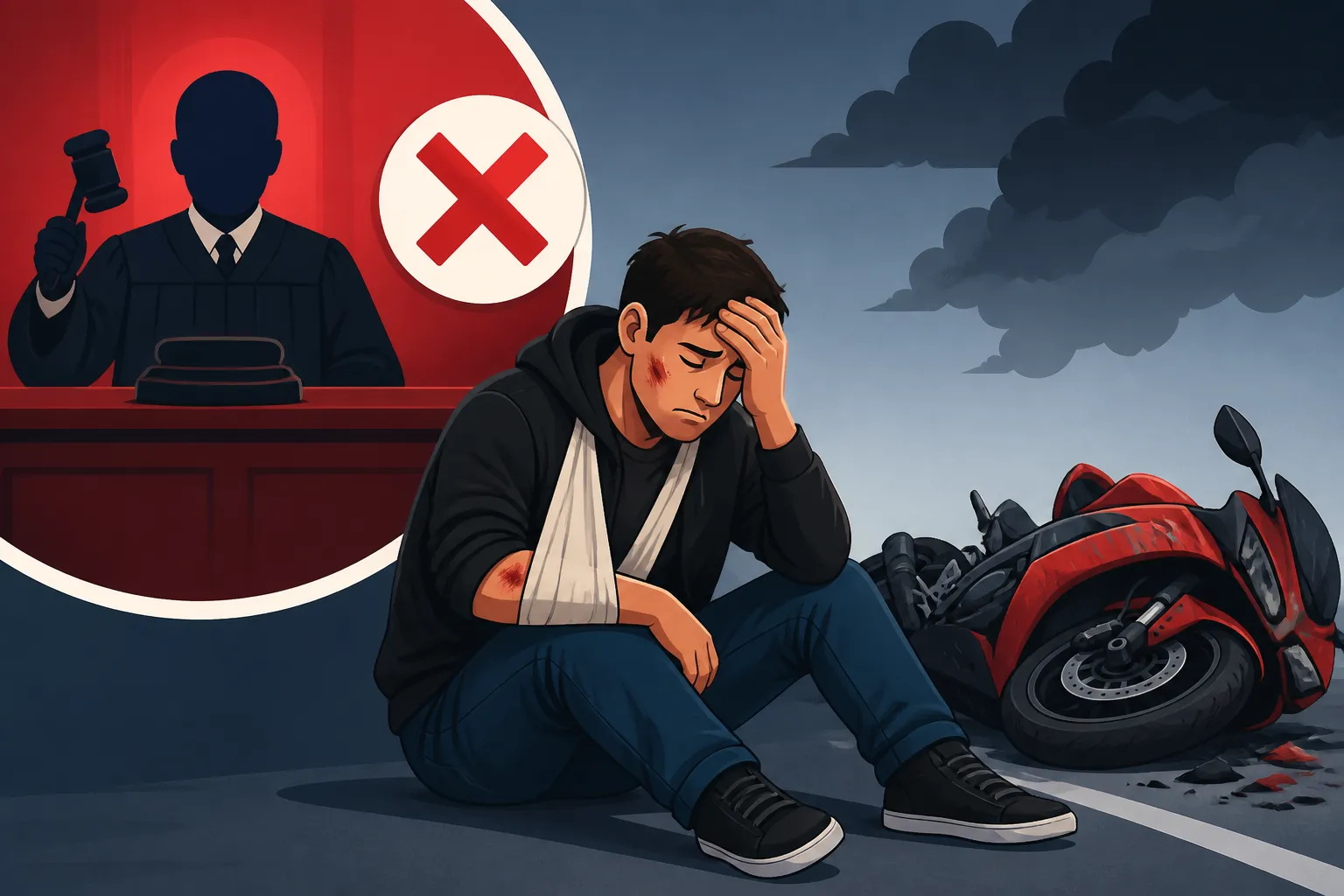
What Happens If You Lose Your Injury Case
It’s a thought that gnaws at the back of every motorcycle accident victim's mind: "What if I go through all this effort, all this stress, and still lose my injury case?" The prospect of walking away with nothing after enduring severe injuries, mounting medical bills, and lost income is terrifying. This guide is here to shed light on what genuinely happens if your motorcycle accident claim doesn't succeed, exploring the potential consequences, your remaining options, and practical steps to safeguard yourself from such a devastating outcome.
Understanding What "Losing" Your Case Truly Means
When we talk about "losing" a personal injury case, it's often not as simple as a clear-cut win or defeat in a courtroom drama. The reality of motorcycle accident claims is far more nuanced, encompassing various scenarios that can lead to an unfavorable outcome for the injured rider. It's crucial to differentiate between these possibilities so you understand the specific implications of each.
Dismissal Before Trial
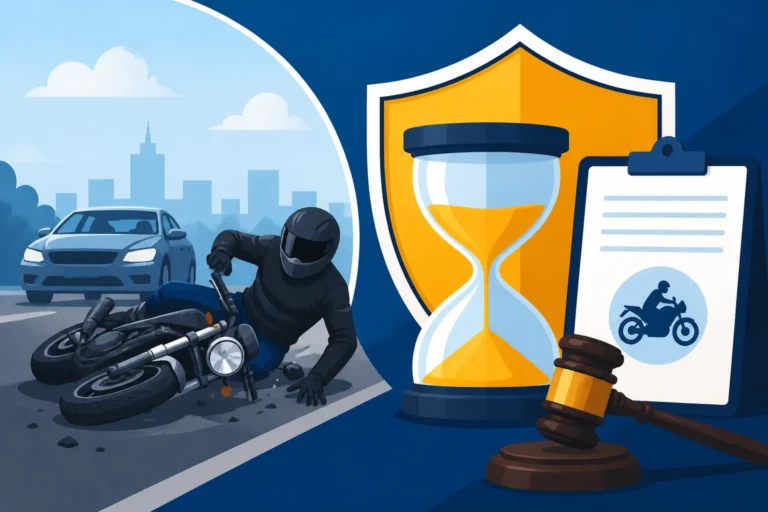
One common way a case can "lose" is by being dismissed long before it ever sees the inside of a courtroom. This can happen for several reasons, often related to procedural missteps or a lack of sufficient evidence. Imagine you're trying to pursue a claim, but you've missed a critical deadline, like the statute of limitations for motorcycle claims in your state. If you wait too long to file your lawsuit, the court can simply dismiss your case, effectively ending your legal journey before it even truly begins. This isn't about the merits of your injury or the other driver's fault; it's about adhering to the legal system's strict timelines and requirements.
Another scenario for dismissal could be if your claim lacks proper evidentiary support. Perhaps you didn't gather enough documentation at the scene, failed to seek timely medical attention, or crucial witnesses became unavailable. Without a solid foundation of evidence, the opposing side, usually the insurance company, might file a motion to dismiss, arguing that your claim has no legal standing. This can be incredibly frustrating, especially if you know you were wronged, but the legal system operates on proof.
Losing at Trial
If your case does make it to trial, a loss here means that the judge or jury decided in favor of the defendant (the at-fault driver or their insurance company). This is the most public and often most emotionally draining form of "losing." After weeks, months, or even years of litigation, presenting evidence, and testimony, the verdict simply doesn't go your way.
This outcome doesn't necessarily mean the jury didn't believe you were injured or that the accident didn't happen. Instead, it means that, based on the evidence presented, they were not convinced that the defendant was legally responsible for your injuries, or they didn't believe the extent of your damages was as significant as you claimed. For example, if the other driver successfully argued that you were speeding on a motorcycle or made an unsafe maneuver, a jury might find them not liable, or they might assign a significant portion of the fault to you, which can drastically reduce or eliminate your compensation under comparative negligence laws. The burden of proof rests heavily on the plaintiff in these cases, and if that burden isn't met to the satisfaction of the court, the outcome can be devastating.
Accepting a Lowball Settlement Offer
While not a "loss" in the traditional sense of a court ruling, many riders feel like they've lost if they're pressured into accepting a settlement offer that doesn't adequately cover their damages. Insurance companies are notorious for offering lowball settlement offers early in the process, especially when riders are unrepresented or vulnerable due to mounting medical bills. If you accept such an offer, you relinquish your right to pursue further compensation, even if your injuries turn out to be more severe or long-lasting than initially thought.
This can feel like a loss because you didn't receive fair compensation for your pain, suffering, and financial burdens. It’s a common scenario where the immediate need for funds outweighs the long-term implications, leading to regret down the line. That's why understanding how to negotiate a motorcycle accident settlement is so important, and knowing when to reject a settlement offer.
The Financial Ramifications of a Lost Case
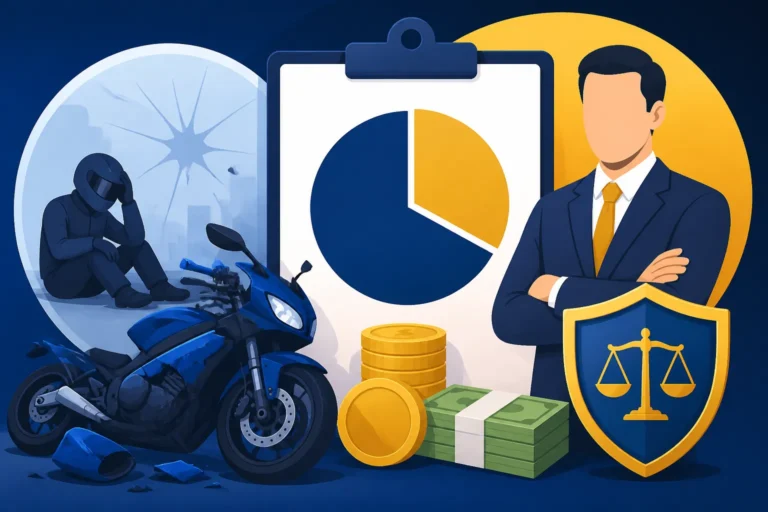
The financial fallout from losing a motorcycle accident injury case can be substantial, adding insult to injury for someone already struggling with physical recovery and emotional distress. It’s not just about not getting the compensation you hoped for; there are often direct costs you may be responsible for.
Your Own Medical Bills and Lost Wages
The most immediate and painful consequence of losing your case is that you will likely be on the hook for all your medical expenses related to the accident. This can include everything from emergency room visits, ambulance rides, surgeries, physical therapy, medications, and ongoing care. These costs can quickly skyrocket into tens or even hundreds of thousands of dollars, depending on the severity of your injuries. For example, a traumatic brain injury or spinal cord injury from a motorcycle accident can incur lifelong medical costs.
Furthermore, if you've been unable to work due to your injuries, you will not recover any lost wages. This means you’ve suffered a double blow: accumulating debt from medical treatment and simultaneously losing your income source. Many riders depend on their paychecks to cover daily living expenses, and without a settlement or judgment, they face immense financial pressure, potentially leading to bankruptcy or severe hardship.
Attorney Fees and Court Costs
This is where the structure of legal representation becomes critical. Most reputable motorcycle accident lawyers work on a contingency fee basis. This means they only get paid if they win your case, typically taking a percentage of your final settlement or judgment. The beauty of this arrangement is that if you lose, you generally don't owe your attorney legal fees. This is a huge relief for accident victims who are already under financial strain.
However, even with a contingency fee agreement, there are often case costs that can be substantial. These aren't attorney fees but rather expenses incurred during the litigation process, such as:
- Filing fees: The cost to file your lawsuit with the court.
- Court reporter fees: For depositions and trial transcripts.
- Expert witness fees: If an accident reconstruction expert or medical specialist is needed to testify. These can be incredibly high.
- Investigation costs: For gathering evidence, police reports, and accident reconstruction.
- Deposition costs: For questioning witnesses under oath.
While many law firms will front these costs, your contingency fee agreement will typically stipulate that you are responsible for repaying them, regardless of the outcome. If you lose your case, you might find yourself owing thousands, or even tens of thousands, of dollars in these expenses, even if you don't owe your lawyer a dime in fees. It’s crucial to understand how case expenses are handled when you initially hire a motorcycle accident lawyer.
Here’s a simplified breakdown of typical financial responsibilities:
| Scenario | Attorney Fees (if on contingency) | Case Costs (e.g., filing, expert fees) | Medical Bills | Lost Wages |
|---|---|---|---|---|
| Case Won/Settled | Percentage of recovery | Deducted from recovery | Covered by recovery | Covered by recovery |
| Case Lost/Dismissed | None | You are typically responsible | You are responsible | You are responsible |
Potential for Sanctions or Opponent's Legal Fees
In rare cases, especially if a lawsuit is deemed frivolous or brought in bad faith, a court might impose sanctions on the losing party. These sanctions could include requiring you to pay a portion of the opposing side's legal fees. This is not common in legitimate personal injury cases, but it's a risk to be aware of if your claim lacks any credible basis. Your attorney will generally advise you strongly against pursuing a case that risks such an outcome.
What Options Remain After a Loss?
If your motorcycle accident injury case doesn't go your way, it can feel like the end of the road. But depending on how and why you "lost," you might still have a few avenues to explore. It's important to discuss these thoroughly with your legal counsel, as each option has its own complexities and limitations.
Appealing the Decision
If you lost at trial, one of the primary options available is to appeal the court's decision. An appeal isn't a retrial where you present new evidence or argue the facts of the case again. Instead, an appellate court reviews the trial court's proceedings to determine if there were any legal errors that affected the outcome. For instance, if your lawyer believes the judge made a mistake in admitting or excluding certain evidence, or if the jury received incorrect instructions on the law, these could be grounds for an appeal.
The appeals process is lengthy, expensive, and has a high bar for success. You typically need to demonstrate a significant legal error, not just that you disagree with the jury's verdict. Your attorney will evaluate the trial transcripts and rulings to determine if there are strong enough grounds to pursue an appeal. This is a complex legal undertaking and should only be pursued if your legal team identifies clear, reversible errors.
Re-evaluating Your Own Insurance Policies
Sometimes, if your claim against the at-fault driver fails, you might still have recourse through your own insurance policies, depending on your coverage.
- Uninsured/Underinsured Motorist (UM/UIM) Coverage: Even if you lost your case against the other driver, if they were uninsured or their policy limits were too low to cover your damages, your own UM/UIM coverage might kick in. This is especially relevant if the reason for your "loss" wasn't due to your own fault, but perhaps a procedural issue or an inability to definitively prove the other driver's liability in court. However, you often need to prove the other driver's fault to your own insurer. Learn more about how UM/UIM coverage increases payouts.
- Medical Payments (MedPay) or Personal Injury Protection (PIP): These coverages, if you have them, pay for your medical expenses regardless of who was at fault in the accident. If you haven't exhausted these benefits, they could still provide some relief for your medical bills, even after a lost lawsuit. The availability and specifics of MedPay and PIP vary significantly by state. For example, some states are "no-fault" states and motorcycle accidents can be complicated under these rules.
It’s crucial to review your policy documents thoroughly and discuss these options with your insurance provider or your attorney.
Considering Bankruptcy
While a harsh reality, if you're facing insurmountable medical debt and lost income with no legal recourse, bankruptcy might become a necessary consideration. Chapter 7 or Chapter 13 bankruptcy can help discharge or reorganize significant debts, providing a fresh financial start. This is a serious decision with long-term financial implications, and it's essential to consult with a qualified bankruptcy attorney to understand if it's the right path for your specific situation.
Learning from the Experience for Future Prevention
While not a direct "option" for recovery, understanding why your case was lost can be invaluable for personal growth and future safety. Perhaps it highlighted the importance of documenting the scene thoroughly, wearing all appropriate motorcycle safety gear and legal protection, or seeking immediate medical attention after any crash, even if you feel fine. Every unfortunate experience carries lessons that can inform future decisions, potentially preventing similar outcomes down the line.
How to Minimize the Risk of Losing Your Case
Nobody wants to face the prospect of losing their motorcycle accident injury case. The good news is that there are proactive steps you can take, both immediately after an accident and throughout the legal process, to significantly improve your chances of a successful outcome.
Document Everything Meticulously
From the moment the accident happens, every detail matters. The more thoroughly you document everything, the stronger your case will be.
- At the Scene: Take photos and videos of everything – your motorcycle, the other vehicle, road conditions, traffic signs, skid marks, and your injuries. Get contact information from any witnesses. Do not admit fault at the scene. This early evidence is crucial for proving fault in a motorcycle accident.
- Medical Records: Seek immediate medical attention, even for seemingly minor injuries. Follow all doctor's orders, attend all appointments, and keep a detailed record of your symptoms, pain levels, and how your injuries affect your daily life. Gaps in medical treatment or a lack of documentation can be used by the defense to argue your injuries aren't severe or weren't caused by the accident.
- Financial Records: Keep meticulous records of all medical bills, receipts for prescriptions, therapy, and any out-of-pocket expenses related to your injuries. Also, document your lost wages by keeping pay stubs, employment records, and a log of missed workdays. These documents are vital for proving economic damages.
Avoid Admitting Fault and Speaking to Insurance Companies
One of the biggest mistakes riders make is admitting fault at the accident scene or giving a recorded statement to the other driver's insurance company without legal counsel. Remember, insurance adjusters are trained to find reasons to deny or minimize your claim. Anything you say can and will be used against you.
It’s best to exchange contact and insurance information, report the accident to your own insurance company (briefly), and then direct all further inquiries from the other party's insurer to your attorney. Never sign any documents or accept any payments from the other insurance company without first consulting your lawyer.
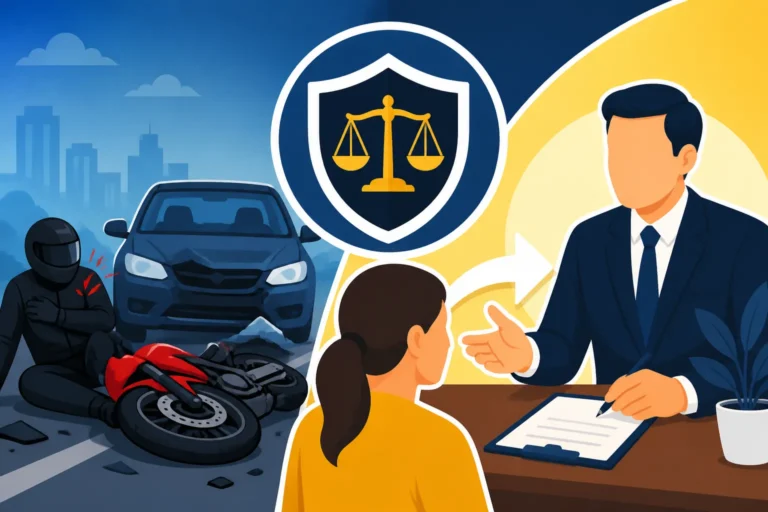
Hire an Experienced Motorcycle Accident Lawyer
This is, without a doubt, the most critical step you can take to protect your claim. An experienced motorcycle accident lawyer knows the nuances of motorcycle law, understands how insurance companies operate, and can navigate the complexities of the legal system.
- Expertise in Motorcycle Cases: Motorcycle accidents often involve unique challenges, such as rider bias, where insurers try to blame the rider. A lawyer specializing in motorcycle claims understands these biases and how to counter them effectively. They're also familiar with specific laws like those concerning lane splitting and how they impact liability.
- Evidence Gathering: Your lawyer will conduct a thorough investigation, gathering police reports, witness statements, accident reconstruction reports, and medical records. They know what evidence is needed to prove fault and damages. For example, they can obtain dashcam footage to prove fault or hire accident reconstruction experts when needed.
- Negotiation Skills: Lawyers are skilled negotiators who can effectively counter lowball offers from insurance companies and fight for the full and fair compensation you deserve. They understand how motorcycle accident settlements are calculated and won't be intimidated by aggressive tactics.
- Courtroom Experience: If negotiations fail, your lawyer will be prepared to take your case to trial. They know how to present a compelling case to a judge and jury, ensuring your story is heard and understood. They prepare a case for trial, anticipate defenses, and present evidence strategically.
Finding the right legal representation is crucial. Resources like LegalMatch can help you find experienced attorneys in your area who specialize in personal injury and motorcycle accidents, allowing you to compare profiles and schedule consultations. Don't assume you can handle it alone; the stakes are simply too high. Understanding do you need a motorcycle accident lawyer and when to hire a motorcycle accident lawyer can make all the difference.
Understand Your State's Laws
Laws regarding personal injury claims, especially those concerning fault and compensation, vary significantly by state. For example, some states follow "pure comparative negligence," while others adhere to "modified comparative negligence" (like the 50% fault rule or 51% fault rule). These rules dictate how your compensation might be reduced if you are found partially at fault for the accident. Your attorney will be able to explain how these specific laws affect your claim in your jurisdiction.
By being proactive, meticulous, and ensuring you have experienced legal representation, you dramatically reduce the likelihood of facing the devastating outcome of losing your motorcycle accident injury case.
Disclaimer
The information provided in this guide is for general informational purposes only and does not constitute legal advice. Every motorcycle accident claim is unique, and the outcome depends on specific facts, applicable laws, and individual circumstances. It is essential to consult with a qualified motorcycle accident attorney to discuss your specific situation and receive personalized legal advice.