How to Research a Motorcycle Accident Attorney
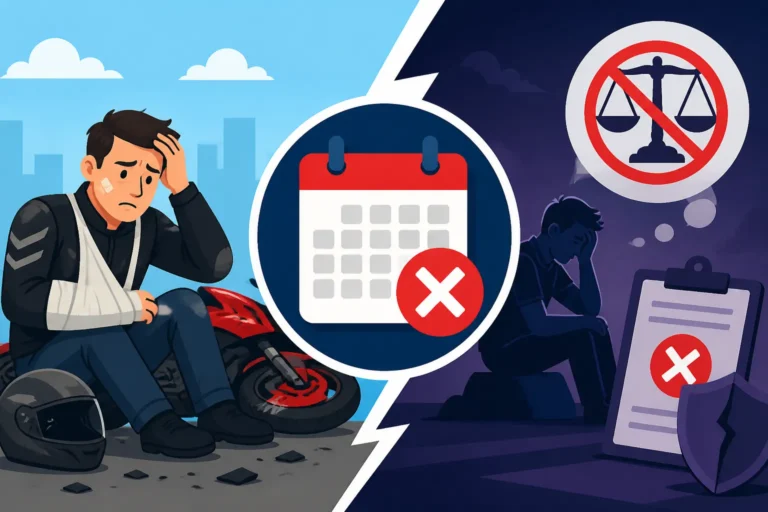
Finding yourself reeling from a motorcycle accident is an incredibly stressful and often painful experience. Beyond dealing with injuries, property damage, and the emotional toll, many riders face the daunting task of figuring out how to pursue a claim and, critically, how to find the right legal help. This guide will walk you through the essential steps to thoroughly research and select a motorcycle accident attorney who can truly advocate for your unique situation.
Why Researching the Right Attorney Matters for Your Claim
When you've been in a motorcycle accident, it's not just another fender bender. The stakes are often much higher, the injuries more severe, and the biases against riders can be frustratingly prevalent. Hiring just any personal injury lawyer often isn't enough; you need someone who truly understands the nuances of motorcycle claims.
The Specific Needs of a Motorcycle Accident Claim
Motorcycle accidents are distinct from car accidents in several crucial ways, and these differences directly impact the legal approach. First, the injuries sustained by riders are typically far more severe. We're talking about everything from devastating road rash and broken bones to life-altering traumatic brain injuries and spinal cord injuries. These aren't minor scrapes; they often require extensive medical treatment, rehabilitation, and can lead to long-term disability. A lawyer who specializes in motorcycle accidents understands the full scope of these damages – not just the immediate medical bills, but also future medical costs, lost earning capacity, and the profound impact on your quality of life.
Secondly, proving fault in a motorcycle accident can be uniquely challenging. Often, drivers involved in crashes with motorcycles claim they "didn't see" the rider. This common defense, sometimes referred to as the "I Didn't See the Motorcycle" Defense Explained, requires an attorney who knows how to counter such narratives with strong evidence, accident reconstruction, and an understanding of driver negligence. They know how to investigate thoroughly to uncover details like distracted driving, unsafe lane changes, or failure to yield, which are common causes of motorcycle accidents. Without this specialized understanding, a lawyer might struggle to build a compelling case that accurately reflects the driver's liability.
Avoiding Common Pitfalls with Generic Lawyers
Imagine hiring a general practitioner to perform open-heart surgery. It sounds absurd, right? The same principle applies to legal representation after a serious motorcycle accident. A lawyer who primarily handles slip-and-fall cases or minor car accidents might be perfectly competent in their field, but they often lack the specific knowledge, resources, and experience necessary for a complex motorcycle claim. They might not understand the subtle ways in which insurance companies try to assign blame to riders or the unique biases that juries sometimes hold against motorcyclists.
A generic attorney might also undervalue your claim, not fully grasping the long-term financial and emotional impact of catastrophic motorcycle injuries. They may settle for less than your case is truly worth simply because they don't have a deep understanding of what constitutes a fair motorcycle accident settlement. Furthermore, they may not be adept at navigating the specific evidence required, such as helmet damage analysis or expert testimony on road conditions, which can be pivotal in proving fault and damages. Choosing an attorney who isn't well-versed in this area could mean leaving significant compensation on the table, jeopardizing your financial recovery, and adding to your already considerable stress.
Essential Steps to Researching a Motorcycle Accident Attorney
Now that we understand why specialized representation is so vital, let's dive into the practical steps of finding that perfect advocate. This isn't just about picking the first name you see; it's about strategic, thorough investigation.
Verifying Credentials and Specialization
The first step in your research should always be to verify a lawyer's credentials. Every attorney must be licensed to practice law in their state. You can usually check their status with the state bar association – for example, the State Bar of California for attorneys practicing in California. This isn't just a formality; it confirms they are in good standing and haven't faced disciplinary actions.
Beyond the basic license, you need to look for specialization. Does their website prominently feature motorcycle accident cases? Do they belong to any motorcycle-specific legal associations? Look for phrases like "motorcycle accident attorney," "motorcycle injury lawyer," or "bike crash specialist." Many firms will list their practice areas, and a dedicated section for motorcycle accidents is a strong indicator of expertise. An attorney who focuses on this niche is more likely to be familiar with the unique challenges, defenses, and laws applicable to motorcycle riders, including nuanced topics like how to prove fault in a lane splitting crash or the impact of helmet laws on your accident claim.
Assessing Track Record and Experience
Once you've confirmed their credentials, the next step is to dig into their experience and track record. It's not enough for a lawyer to say they handle motorcycle cases; they need to prove it with a history of successful outcomes.
- Case Results and Settlements: Many law firms proudly display their past case results on their websites. While every case is unique and past results don't guarantee future outcomes, seeing a pattern of significant settlements and verdicts for motorcycle accident victims is a good sign. Look for cases that involve similar injuries or circumstances to yours. This helps you understand how Motorcycle Accident Settlements Are Calculated and what kind of payouts might be possible.
- Trial Experience: While most personal injury cases settle out of court, having a lawyer with a strong trial record is invaluable. Insurance companies are far more likely to offer a fair settlement if they know your attorney isn't afraid to take them to court. Ask about their experience in courtrooms, specific motorcycle accident trials they've handled, and their comfort level with litigation.
- Years in Practice: Experience often brings wisdom. A lawyer who has been practicing personal injury law for several years, specifically in motorcycle accidents, will have a deeper understanding of the legal landscape, the opposing counsel's tactics, and the local court system. This experience often correlates with a better ability to effectively negotiate and advocate on your behalf.
Reading Reviews and Testimonials
In today's digital age, online reviews are a powerful tool for consumer research, and legal services are no exception. Look beyond just the star rating and delve into the content of the reviews.
- Where to Look: Check reputable legal directories like Avvo, Lawyers.com, and, of course, general review platforms like Google, Yelp, and Facebook. Websites like LegalMatch can also help you connect with attorneys and often feature client reviews. These platforms allow you to compare various legal professionals.
- What to Look For in Reviews: Pay attention to comments about communication, empathy, responsiveness, and the attorney's ability to explain complex legal concepts clearly. Did previous clients feel heard and understood? Were their calls and emails returned promptly? Did the attorney manage expectations realistically? Be wary of reviews that seem overly generic or suspiciously perfect. Similarly, don't dismiss a lawyer entirely based on one or two negative reviews; sometimes, unhappy clients are just louder. Look for overall patterns and consistency.
- Client Success Stories: Many law firm websites feature testimonials or detailed client success stories. These can provide insight into the firm's approach, how they handle specific challenges, and the kind of results they achieve for their clients.
Utilizing Legal Directories and Referral Services
Navigating the vast sea of legal professionals can feel overwhelming, especially when you're recovering from an injury. This is where legal directories and referral services become incredibly useful.
- Online Legal Directories: Sites like Avvo, FindLaw, and Nolo allow you to search for attorneys by practice area, location, and even client ratings. They often provide detailed profiles, including educational background, bar admissions, awards, and sometimes even articles or publications by the attorney. This can be a great starting point to identify potential candidates who specialize in motorcycle accidents.
- Bar Association Referral Services: Many state and local bar associations offer lawyer referral services. These services typically connect you with attorneys who practice in the specific area of law you need. While they might not strictly vet for motorcycle accident specialization, they ensure you're connected with licensed and reputable practitioners.
- Reputable Platforms like LegalMatch: Services like LegalMatch are designed to simplify the attorney search. You submit details about your case, and LegalMatch connects you with qualified attorneys in your area who are interested in taking on your case. This can save you a lot of time and effort in the initial screening process, helping you find lawyers who understand the intricacies of a motorcycle accident liability. These platforms can be particularly helpful for riders trying to find legal help quickly after a crash. You can review profiles, compare proposals, and read client feedback all in one place.
- Personal Referrals (with caution): While a recommendation from a friend or family member is a good starting point, remember that their experience might be different from yours. Always conduct your own thorough research, even if an attorney comes highly recommended.
What to Look for Beyond the Basics
Finding a lawyer isn't just about checking boxes; it's about finding a true partner in your legal journey. Beyond credentials and experience, several soft skills and practical considerations can make a huge difference in your experience and the outcome of your case.
Communication Style and Client Relationship
This is often overlooked but is absolutely critical. You will be sharing intimate details about your injuries, your finances, and your life with your attorney. You need to feel comfortable and confident in their ability to communicate effectively with you, with the opposing counsel, and potentially with a jury.
- Clarity and Empathy: Does the attorney explain complex legal terms in a way you can understand? Do they listen attentively to your concerns? A good attorney will treat you with respect and empathy, understanding the emotional toll of a motorcycle accident. They should be able to clearly articulate their strategy and what you can expect during the motorcycle accident settlement process.
- Responsiveness: How quickly do they or their team respond to your calls and emails? A lack of communication can be incredibly frustrating and leave you feeling in the dark. While attorneys are busy, a reputable firm should have systems in place to keep you updated and answer your questions in a timely manner. Ask about their communication protocols during your initial consultation.
- Trust and Rapport: During your initial consultation, pay close attention to your gut feeling. Do you feel a sense of trust? Do you feel comfortable asking them questions, even if they seem basic? A strong client-attorney relationship built on trust and mutual respect is a cornerstone of a successful legal outcome. This relationship will be vital, especially when discussing sensitive topics like pain and suffering damages explained.
Fee Structures and Financial Transparency
Understanding how your attorney will be paid is paramount. Most motorcycle accident attorneys work on a contingency fee basis, which means they only get paid if you win your case.
- Contingency Fees: This is standard in personal injury law. The attorney's fee is a percentage of the final settlement or court award. This percentage typically ranges from 25% to 40%, with 33.3% (one-third) being very common if the case settles before a lawsuit is filed. If the case goes to litigation, the percentage might increase. It's crucial to understand how contingency fees work upfront.
- Case Expenses: Beyond the attorney's fee, there are also "case expenses." These are costs associated with pursuing your claim, such as filing fees, court costs, expert witness fees, deposition costs, and the cost of obtaining medical records. Find out who is responsible for these costs – do they come out of the settlement, and are they repaid even if you lose the case? A transparent attorney will provide a clear breakdown of these potential expenses.
- Retainer Agreement: Before hiring anyone, you will sign a retainer agreement. Read this document thoroughly. It should clearly outline the contingency fee percentage, how case expenses are handled, and what services the attorney will provide. Don't hesitate to ask questions about anything you don't understand. LegalMatch or similar platforms often provide resources that explain these agreements in simpler terms.
Geographic Proximity and Local Court Experience
While some large firms operate nationally, having an attorney with local ties can offer significant advantages.
- Local Court Knowledge: Legal systems vary not just state by state but sometimes even county by county. A lawyer who regularly practices in your local courts (e.g., Los Angeles County Superior Court or Dallas County Civil District Court) will understand the specific procedures, the tendencies of local judges, and the demeanor of opposing counsel. This local insight can be invaluable in strategizing your case. For instance, knowing the local jurisdiction's approach to comparative negligence in motorcycle accidents can significantly impact your claim.
- Accessibility for Meetings: While much can be done remotely these days, there may be times when an in-person meeting is necessary. Having a local attorney means easier access for you, especially when dealing with injuries that make travel difficult.
- Community Reputation: An attorney with a strong local reputation in the legal community can sometimes leverage those relationships during negotiations, potentially leading to a more favorable outcome without the need for a lengthy trial.
Preparing for Your Initial Consultation
You've done your homework, identified a few promising candidates, and now it's time for the "interview." The initial consultation is your opportunity to ask probing questions and assess whether an attorney is the right fit. Many attorneys offer a free case consultation, so take advantage of it!
Questions to Ask Potential Attorneys
This meeting is a two-way street; they are evaluating your case, and you are evaluating them. Come prepared with a list of specific questions to ensure you get all the information you need. Here are some critical ones:
- "What is your specific experience with motorcycle accident cases, and what percentage of your practice is dedicated to them?"
- "Have you handled cases similar to mine in terms of injury type or accident circumstances?"
- "What do you believe are the strengths and weaknesses of my case?"
- "What is your general strategy for a case like mine, and what are the potential timelines?"
- "What are the typical challenges we might face, such as how insurance companies assign blame to riders?"
- "Who will be my primary contact at the firm, and how often can I expect updates on my case?"
- "Can you explain your fee structure and all potential case expenses in detail?"
- "What is your firm's policy on communication and responsiveness?"
- "Do you have a strong track record of taking cases to trial if necessary?"
- "What is your opinion on the average motorcycle accident settlement amounts for injuries like mine?"
- "What documents or information will you need from me to get started?"
These questions will give you a comprehensive understanding of their expertise, their approach, and what you can expect if you choose to work with them. Don't be afraid to take notes or even bring a friend or family member for support and to help remember details. This is part of the process of how to choose a motorcycle accident attorney.
Documents to Bring
To make the most of your initial consultation, it's incredibly helpful to bring relevant documents and information. The more prepared you are, the more accurately the attorney can assess your case.
- Accident Report: If you have a copy of the police report, bring it. It contains crucial details like driver information, witness statements, and initial findings of fault.
- Medical Records: Bring any medical records, diagnoses, or bills related to your injuries. Even if you only have emergency room summaries, they are a good starting point to show the extent of your injuries and the need for immediate medical treatment.
- Insurance Information: Have your motorcycle insurance policy details and the other driver's insurance information readily available.
- Photos and Videos: Any photos or videos you took at the scene of the accident – of your motorcycle damage, the other vehicle, the road conditions, your injuries, or even traffic signs – are invaluable.
- Witness Information: If there were any witnesses, provide their contact details.
- Journal of Events: A personal journal detailing the accident, your injuries, pain levels, and how your daily life has been affected can be extremely powerful. It helps document things like emotional distress damages and other non-economic impacts.
- Lost Wages Documentation: If you've missed work, bring pay stubs or other proof of lost income.
Having these documents on hand allows the attorney to quickly grasp the specifics of your situation and advise you more effectively. This is vital when learning how to prepare for a lawyer consultation.
Trusting Your Gut
Finally, after all the research and all the questions, there's an element of human connection. Trust your intuition. Do you feel comfortable with this person? Do they seem genuinely invested in your well-being and the success of your case? You are entrusting them with a significant part of your recovery and future. It's okay to choose the attorney who not only has the right credentials but also the right demeanor and communication style that makes you feel supported and confident during a very challenging time.
Disclaimer
Please remember that this article provides general information and insights into researching a motorcycle accident attorney. It is not legal advice. Every motorcycle accident case is unique, and the laws governing personal injury claims vary by state and jurisdiction. For personalized legal advice regarding your specific situation, it is crucial to consult with a qualified motorcycle accident attorney in your area.