How to Maximize Your Motorcycle Accident Settlement
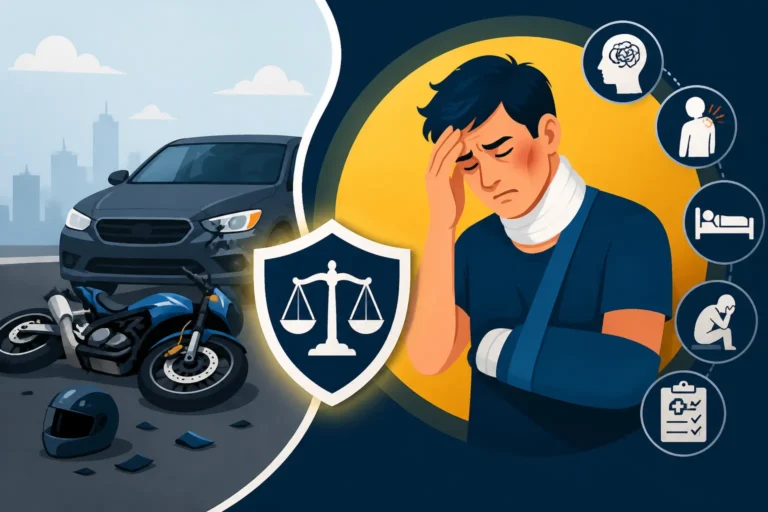
After a motorcycle accident, the last thing you want to worry about is battling insurance adjusters or crunching numbers for a settlement. You're likely focused on healing, dealing with pain, and getting your life back on track, all while facing mounting medical bills and lost wages. It can feel incredibly isolating and overwhelming, but you're not alone. This comprehensive guide is designed to empower you with the knowledge and strategies to meticulously build your claim and maximize your motorcycle accident settlement, ensuring you get the full compensation you deserve.
Understanding the Factors That Influence Your Settlement
When you're dealing with the aftermath of a motorcycle accident, it's natural to wonder what your claim might be worth. There isn't a magic formula, as every accident is unique, but several critical factors come into play that directly impact the potential value of your motorcycle accident settlement. Understanding these elements from the outset can help you prepare and build a stronger case.
Severity and Nature of Injuries
The extent of your physical injuries is often the most significant driver of your settlement value. More severe, long-lasting, or debilitating injuries typically result in higher compensation because they lead to greater medical expenses, lost income, and pain and suffering.
For example, a rider who suffers from severe road rash requiring multiple skin grafts, or a traumatic brain injury that necessitates extensive rehabilitation and results in cognitive impairment, will naturally have a much higher claim value than someone with minor scrapes and bruises. Think about the impact on your daily life, your ability to work, and your overall quality of life. Are you facing a long recovery with ongoing physical therapy? Will you need future surgeries or adaptive equipment? These are all direct costs and impacts tied to the nature of your injuries. Even seemingly less severe injuries like a broken leg from a motorcycle accident can lead to substantial claims due to the recovery time, potential for complications, and the disruption to your routine. The more profoundly an injury affects your life, the more compensation it warrants.
Clear Evidence of Fault and Liability
Who was at fault in the motorcycle accident is paramount. If the other driver is clearly and demonstrably at fault, your chances of a substantial settlement increase significantly. Conversely, if there's any indication that you, the motorcyclist, shared some degree of blame, it can reduce your payout.
States operate under different rules when it comes to shared fault. For instance, in a "pure comparative negligence" state like California, even if you are 90% at fault, you could still recover 10% of your damages. However, in states following "modified comparative negligence," such as Texas or Ohio, if you are found to be 50% or 51% or more at fault, you might be barred from recovering any damages at all. This is why proving fault in a motorcycle accident is so critical. A clear police report, witness statements, dashcam footage, and accident reconstruction can all contribute to establishing that the other driver was solely responsible, whether through distracted driving, a left-turn collision, or any other form of negligence. The less doubt there is about the other driver's liability, the stronger your negotiating position.
Available Insurance Coverage
The amount of insurance coverage held by the at-fault driver is a practical ceiling on your settlement. Even if your damages are incredibly high, you can generally only recover up to the limits of the at-fault driver's bodily injury liability policy.
Let's say a negligent driver with minimal state-mandated coverage (e.g., a $25,000 bodily injury limit) causes an accident that leaves you with $100,000 in medical bills and lost wages. In this scenario, the most you can typically recover directly from their insurance is that $25,000 limit. This is where your own uninsured/underinsured motorist (UM/UIM) coverage becomes a lifesaver. If you have UM/UIM coverage on your own policy, it can step in to cover the difference up to your policy limits, effectively increasing your potential payout. Without adequate UM/UIM coverage, even a rock-solid case against an at-fault driver might result in a limited recovery if their policy limits are low. It’s a harsh reality that many riders unfortunately discover after a crash.
Documenting Everything From Day One
The foundation of any strong motorcycle accident claim is meticulous documentation. From the moment the accident occurs, every piece of information you gather can become crucial evidence that supports your narrative, proves fault, and justifies the compensation you're seeking.
The Accident Scene: Collecting Immediate Evidence
What you do in the immediate aftermath of a crash can significantly impact your claim. It's often chaotic and stressful, but taking a few critical steps can make a world of difference.
First and foremost, prioritize safety and seek medical attention, even if you feel okay. Your health is paramount, and delays in seeking treatment can be used by insurance companies to argue your injuries weren't severe or weren't caused by the accident. Once safe, take as many photos and videos as possible of the accident scene. Capture vehicle positions, damage to both vehicles, skid marks, road conditions, traffic signs, and any debris. If the accident happened due to road hazards, snap pictures of potholes, gravel, or other dangerous conditions. Get contact information from any witnesses, as their statements can be invaluable in establishing fault. Remember to call the police to file an official report, as this document often serves as a key piece of evidence in determining fault in motorcycle accidents. Even if it's just a quick snapshot, every detail helps paint a clearer picture of what transpired.
Medical Records: Your Injury Timeline
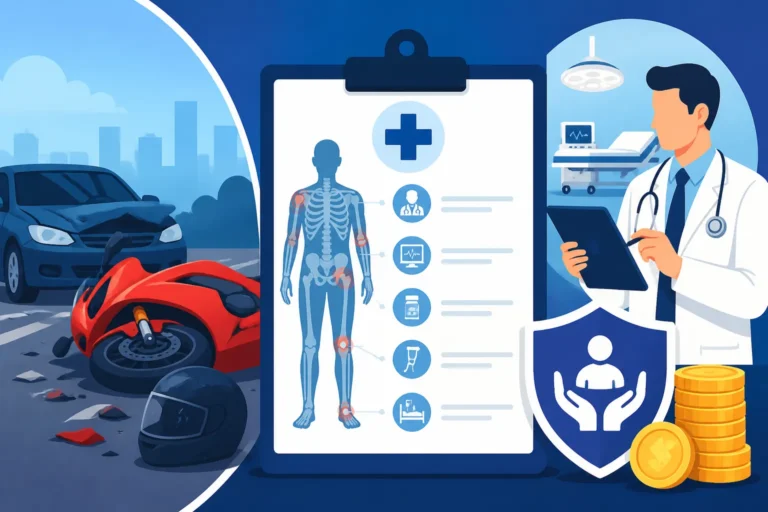
Your medical records are the backbone of your injury claim. They establish a direct link between the accident and your injuries, document the severity, and track your recovery.
This means seeking prompt medical treatment and following all doctor's recommendations diligently. Every visit, every diagnosis, every prescription, and every therapy session should be recorded. Don't skip appointments or delay treatments, as insurance companies will scrutinize your medical records for "gaps in treatment" to imply your injuries aren't as serious as you claim or that they were caused by something else. Keep a detailed journal of your symptoms, pain levels, limitations, and how your injuries affect your daily life. This personal account, alongside professional medical documentation, provides a comprehensive overview of your physical and emotional struggle, directly supporting your claims for pain and suffering damages. These records are vital for proving your injuries and demonstrating the full impact of the accident on your life.
Financial Records: Tracking All Expenses and Losses
Beyond medical bills, a motorcycle accident can hit your wallet hard in countless ways. Maximizing your settlement means accounting for every single financial loss.
This includes obvious costs like hospital bills, doctor's visits, physical therapy, prescription medications, and adaptive medical equipment. But don't stop there. Document lost wages from time missed at work, even if it's just a few hours for appointments. If your motorcycle was damaged, get detailed repair estimates or fair market value if it was totaled. Keep receipts for transportation costs to medical appointments, rental car expenses (if applicable), and even household services you had to pay for because your injuries prevented you from performing them (e.g., cleaning, childcare, yard work). If you had to cancel a trip or an event due to your injuries, keep records of those non-refundable expenses. Every dollar you spend or lose due to the accident should be tracked, categorized, and documented with receipts, pay stubs, or invoices. This thoroughness is essential for accurately calculating your economic damages.
Navigating Medical Treatment and Recovery
The path to maximizing your settlement is inextricably linked to your medical journey. Your treatment, recovery, and the way you document them are paramount to proving the full extent of your damages.
Prioritizing Your Health and Following Medical Advice
It might seem obvious, but putting your health first is the single most important step after a motorcycle accident, both for your well-being and your legal claim.
Seek immediate medical attention, even if your injuries seem minor. Adrenaline can mask pain, and some serious conditions, like a traumatic brain injury or internal injuries, might not manifest symptoms right away. A doctor can properly diagnose your injuries, ensuring you get the care you need and creating an official record of your injuries linked directly to the accident. Once diagnosed, meticulously follow all medical advice. This means attending every appointment, taking prescribed medications, and completing all recommended therapies. If a doctor recommends physical therapy for your neck injury, missing sessions can lead insurance adjusters to argue that you weren't seriously injured or weren't trying to mitigate your damages. Your consistent compliance shows a clear, unbroken chain between the accident, your injuries, and the necessary treatment, which is vital for proving the full scope of your damages.
Understanding Long-Term Injury Impacts
Motorcycle accident injuries often extend far beyond initial treatment. Considering and documenting these long-term impacts is crucial for a comprehensive settlement.
Many injuries sustained in motorcycle crashes, like spinal cord injuries or complex fractures, can lead to chronic pain, permanent disability, or a reduced quality of life. For instance, a severe case of road rash might require multiple surgeries and leave disfiguring scars that impact your emotional well-being and self-esteem for years. A concussion might evolve into post-concussion syndrome, causing headaches, dizziness, and cognitive issues long after the accident. Work with your doctors to understand the prognosis for your injuries. Will you need ongoing medication, assistive devices, or future surgeries years down the line? Will you be able to return to your previous job, or will your earning capacity be permanently diminished? These are all components of future medical costs and loss of earning capacity that must be calculated and included in your claim. Ignoring these potential long-term consequences can severely undervalue your settlement.
Reaching Maximum Medical Improvement MMI
A critical concept in personal injury claims is "Maximum Medical Improvement" (MMI). Understanding when you reach MMI is key to negotiating a fair settlement.
MMI means that your medical condition has stabilized, and further treatment is unlikely to improve your condition significantly. It doesn't necessarily mean you're completely recovered or pain-free; it simply means you've reached the highest level of recovery anticipated. It’s incredibly important to wait until you reach MMI, or at least have a clear prognosis, before attempting to settle your claim. If you settle too early, before the full extent of your injuries and their long-term impact are known, you risk accepting a settlement that doesn't cover all your future medical needs or lost earning potential. For example, if you settle for a back injury only to discover six months later that you require fusion surgery, you cannot go back and ask for more money. Your doctors will ultimately determine when you've reached MMI, and their professional assessment will be a key piece of evidence in your claim.
Dealing with Insurance Companies
Navigating the world of insurance companies after a motorcycle accident can feel like a labyrinth. They are not on your side, and their primary goal is to minimize their payout. Knowing how to interact with them is crucial.
Initial Contact and What to Avoid Saying
The first few interactions with insurance adjusters can set the tone for your entire claim. Be polite, but be extremely cautious about what you say.
The at-fault driver's insurance company will likely contact you quickly after the accident. They may sound friendly and sympathetic, but remember they are gathering information to use against you. Never, ever give a recorded statement without consulting a legal professional. You might inadvertently say something that can be misconstrued as an admission of fault or that downplays your injuries. For instance, a simple "I'm doing okay" in a casual conversation could be used to argue your injuries aren't severe. Limit your initial communication to providing basic factual information like your name, address, and the date and location of the accident. Do not discuss details of the accident, fault, or the extent of your injuries. You are not obligated to sign any medical releases they send you without understanding their implications; a broad medical release can give them access to your entire medical history, which they might try to use to find pre-existing conditions and deny your claim.
Understanding Insurance Tactics
Insurance companies employ various tactics to reduce payouts, and being aware of these can help you protect your claim.
One common tactic is offering a quick, lowball settlement, especially if you're unrepresented. They hope you're desperate for money and will accept a fast, insufficient offer before you understand the true value of your damages. Another is blaming the motorcyclist, often relying on "rider bias in fault determination." They might claim you were speeding, lane splitting, or simply "unseen" even if the other driver was clearly negligent. They might also try to find gaps in your medical treatment or argue that a pre-existing condition, rather than the accident, caused your current pain. For example, if you had a minor back tweak years ago, they might try to attribute your current severe spinal injury to that old issue. They are experts at delay tactics, hoping you'll become frustrated and give up, or that the statute of limitations will pass. Understanding these strategies helps you anticipate their moves and counter them effectively.
Your Own Insurance Company and UM/UIM Claims
While the at-fault driver's insurance is usually the primary source of recovery, your own insurance company plays a vital role, particularly if the other driver is uninsured or underinsured.
It’s crucial to report the accident to your own insurance company promptly, even if you weren't at fault. This activates your personal injury protection (PIP) or medical payments (MedPay) coverage, if you have it, which can cover initial medical bills regardless of fault. More importantly, it allows you to initiate an uninsured motorist (UM) or underinsured motorist (UIM) claim if the at-fault driver lacks sufficient coverage. If the negligent driver has no insurance, your UM coverage can step in to cover your damages up to your policy limits. If they have some insurance but not enough to cover your extensive injuries, your UIM coverage can provide additional compensation. Handling a UM/UIM claim effectively means understanding your policy, submitting a timely claim, and providing all necessary documentation to your own insurer. This is one area where having a deep understanding of your own policy can truly maximize your settlement.
Types of Damages in a Motorcycle Accident Claim
When we talk about maximizing a settlement, we're really talking about ensuring every single type of damage you've suffered is accounted for and valued appropriately. These damages fall into two main categories: economic and non-economic.
Economic Damages
Economic damages are the quantifiable financial losses you've incurred or will incur as a direct result of the motorcycle accident. These are typically easier to calculate because they come with bills, receipts, or clear financial statements.
First and foremost are medical expenses. This includes everything from emergency room visits, ambulance rides, and hospital stays to doctor's appointments, surgeries, prescription medications, physical therapy, chiropractic care, and even mental health counseling. We also look at future medical costs—if your injuries require ongoing treatment, future surgeries, or long-term care, these projected expenses are a significant part of your claim. Secondly, lost wages are a critical component. This covers any income you've lost from being unable to work, either temporarily or permanently. For example, if you're a self-employed contractor and missed several high-paying jobs, those losses are calculable. If your injuries prevent you from returning to your former profession, you can claim loss of earning capacity, which accounts for the difference in your potential future income. Finally, property damage, covering the repair or replacement cost of your motorcycle, helmet, and other damaged gear, is also an economic damage.
Here's a breakdown of common economic damages:
| Type of Economic Damage | Description | Documentation Needed |
|---|---|---|
| Medical Expenses | Ambulance, ER, hospital stays, doctor visits, surgeries, medications, physical therapy, rehabilitation. | All medical bills, Explanation of Benefits (EOBs) from insurance, receipts for prescriptions, therapy attendance records. |
| Future Medical Costs | Projected expenses for ongoing treatment, future surgeries, long-term care, medical equipment. | Expert medical testimony, life care plans, detailed reports from treating physicians. |
| Lost Wages | Income lost due to time off work for recovery, appointments, or disability. | Pay stubs, employer wage verification, tax returns (for self-employed), employment contracts. |
| Loss of Earning Capacity | Diminished ability to earn income in the future due to permanent injury or disability. | Vocational expert reports, economist calculations, medical records detailing permanent impairment. |
| Property Damage | Cost to repair or replace your motorcycle, helmet, gear, and any other personal property. | Repair estimates, photos of damage, receipts for damaged items, fair market value assessments. |
| Out-of-Pocket Expenses | Transportation to medical appointments, home modifications, childcare, household help, etc. | Receipts, mileage logs, invoices for services rendered. |
Non-Economic Damages
Non-economic damages are harder to quantify with a specific dollar amount because they represent intangible losses related to your pain, suffering, and the emotional impact of the accident. However, they can significantly increase your settlement value.
The most common non-economic damage is pain and suffering. This encompasses the physical pain you've endured, both immediately after the accident and during your recovery. It also includes the emotional distress, anxiety, depression, and psychological trauma that often follow a traumatic event like a motorcycle crash. Many riders experience PTSD after a motorcycle accident, fear of riding again, or general anxiety. Loss of enjoyment of life is another significant non-economic damage. This refers to the inability to participate in hobbies, recreational activities, or daily routines that you once enjoyed due to your injuries. Perhaps you can no longer ride your motorcycle, play with your kids, or participate in sports. Disfigurement and scarring, such as severe road rash scars, are also compensable, as they can cause significant emotional and psychological distress. While there's no fixed price tag for these losses, they are very real and are calculated using methods like the multiplier method, which often multiplies your economic damages by a factor between 1.5 and 5 (or even higher for catastrophic injuries) to arrive at a value for your non-economic damages.
The Role of Legal Representation
Facing off against experienced insurance companies after a devastating accident can feel like an impossible task. This is where a skilled motorcycle accident lawyer becomes your most valuable asset in maximizing your settlement.
Why You Need a Motorcycle Accident Lawyer
Many people wonder if they truly need a lawyer, especially for seemingly straightforward cases. The reality is, a lawyer can dramatically impact the outcome of your claim.
First, insurance companies often use rider stereotypes against you, attempting to minimize your injuries or shift blame. An experienced attorney understands these biases and knows how to counter them effectively. They will conduct a thorough investigation, gather all necessary evidence including police reports, medical records, witness statements, and even accident reconstruction reports. This comprehensive approach helps prove fault and the full extent of your damages. Perhaps most importantly, a lawyer acts as a buffer between you and the insurance company. They handle all communications, protecting you from inadvertently saying something that could harm your claim and allowing you to focus on your recovery. Without legal representation, you're often at a significant disadvantage, negotiating against professionals whose job it is to pay as little as possible. When fault is disputed in a motorcycle crash, or when injuries are severe, a lawyer is practically indispensable.
How a Lawyer Maximizes Your Claim Value
Beyond handling paperwork and negotiations, a skilled motorcycle accident lawyer knows exactly how to build a case that maximizes your potential payout.
They have access to resources you don't, such as accident reconstruction experts, medical specialists, and vocational rehabilitation experts, who can provide expert testimony to establish fault and quantify future damages like lost earning capacity. They understand how to value pain and suffering, which is often a subjective but significant portion of a settlement. They know how to identify all potential sources of recovery, including multiple insurance policies, third-party liability, or even government liability for road hazards. For example, if your accident was caused by a defective motorcycle part, they can pursue a claim against the manufacturer. Furthermore, they are seasoned negotiators. They understand how to counter a lowball settlement offer and when to reject an offer that doesn't adequately compensate you. Their experience allows them to push for a fair settlement, and if necessary, they are prepared to take your case to trial, which often leads to higher settlement offers from insurance companies who wish to avoid the time and expense of litigation.
Contingency Fees Explained
One of the biggest concerns for injured riders is the cost of hiring a lawyer, especially when facing mounting medical bills. This is where the contingency fee arrangement offers a significant advantage.
Most personal injury attorneys, especially those specializing in motorcycle accidents, work on a contingency fee basis. This means you don't pay any upfront legal fees. Instead, the attorney's fee is a percentage of the final settlement or court award. If they don't win your case, you don't pay them. This arrangement allows anyone, regardless of their financial situation, to access high-quality legal representation. The typical contingency fee percentage ranges from 25% to 40%, with 33.3% being common if the case settles before a lawsuit is filed, and potentially higher if it goes to trial. It's crucial to have a clear understanding of the fee agreement, including how case expenses (e.g., filing fees, expert witness fees, court reporter costs) are handled. These expenses are usually deducted from the settlement amount before the attorney's percentage is calculated. This transparent system ensures that your lawyer is motivated to maximize your settlement because their own compensation is directly tied to your success.
Common Pitfalls to Avoid That Can Hurt Your Claim
Even with a strong case, certain missteps can significantly reduce your motorcycle accident settlement. Being aware of these common pitfalls can help you safeguard your claim.
Admitting Fault or Apologizing at the Scene
In the moments after an accident, it's natural to be shaken, confused, and perhaps even apologetic. However, admitting fault, even inadvertently, can be detrimental to your claim.
A simple "I'm sorry" or "I didn't see you" might be interpreted by insurance companies as an admission of fault, even if you were just expressing empathy or being polite. Never admit fault at the scene of an accident, even if you think you might be partially to blame. Let the authorities and the investigation determine fault. Stick to the facts when speaking with police and exchanging information with the other driver. Your emotions can betray you in these stressful situations, so consciously choose to remain factual and avoid speculating about who was at fault or how the accident occurred. This advice holds true even if you believe you made a mistake; allow a full investigation to occur before any fault is assigned.
Delaying Medical Treatment or Skipping Appointments
One of the easiest ways for insurance companies to devalue your claim is by pointing to delays or gaps in your medical treatment.
If you wait days or weeks to see a doctor after an accident, or if you consistently miss follow-up appointments or physical therapy sessions, the insurance adjuster will argue that your injuries weren't severe enough to warrant immediate attention, or that your lack of consistent care contributed to your prolonged recovery. They might even suggest that a new injury occurred between the accident and your delayed treatment. This creates doubt about the causal link between the accident and your injuries. To maximize your settlement, seek medical attention immediately after the crash, even for seemingly minor symptoms, and consistently adhere to your doctor's prescribed treatment plan. Document every single appointment and prescription. Your consistent medical care not only aids your recovery but also provides a clear, undeniable record of your injuries and their progression.
Posting on Social Media
In today's digital age, social media is an inherent part of many people's lives. However, what you post after an accident can be used against you by insurance companies.
Adjusters will routinely scour your social media profiles for anything that can contradict your injury claims. Photos of you smiling at a social gathering, participating in a seemingly strenuous activity, or even just comments about feeling "fine" or "doing okay" can be taken out of context and used to argue that your injuries aren't as severe as you claim, or that you're exaggerating your pain and limitations. Even seemingly innocuous vacation photos could be used to imply you're not as incapacitated as your medical records suggest. It's best to either suspend your social media activity entirely during your claim or, at the very least, make your profiles private and refrain from posting anything about the accident, your injuries, or your activities. Your online presence can become a powerful tool for the defense, undermining all the careful documentation you've otherwise compiled.
Negotiating and Finalizing Your Settlement
Once all evidence is gathered, injuries are thoroughly documented, and you've reached MMI, it's time to engage in the negotiation process to finalize your settlement. This is a critical stage where strategic thinking and patience pay off.
Crafting a Strong Demand Letter
The demand letter is your formal opening salvo in the negotiation process. It's a comprehensive document that lays out your case, outlines your damages, and demands a specific settlement amount.
This letter, typically prepared by your attorney, meticulously details how the accident occurred, clearly establishes the other driver's fault, and provides a thorough summary of your injuries, medical treatment, and prognosis. It includes all your economic damages, supported by copies of medical bills, lost wage statements, and property damage estimates. Crucially, it also quantifies your non-economic damages like pain and suffering, emotional distress, and loss of enjoyment of life, often using a "multiplier method" to arrive at a fair figure. A well-crafted demand letter is persuasive and backed by solid evidence, leaving little room for the insurance company to dispute the facts. It sets a strong expectation for the value of your claim and serves as a roadmap for the subsequent negotiations.
The Negotiation Process
Negotiation is typically a back-and-forth process, where patience and a clear strategy are paramount. It's rarely a one-shot deal where you get your desired amount immediately.
The insurance company will likely respond to your demand letter with a lower counteroffer, often significantly less than what you asked for. This is a common tactic, and it's essential not to get discouraged or accept the first offer, as it's almost always a lowball. Your attorney will then evaluate their offer, pointing out its deficiencies and reiterating the strengths of your case. They will highlight specific pieces of evidence, such as testimony from your treating physician about the severity of a traumatic brain injury or an accident reconstruction expert's findings that definitively place fault on the other driver. This process can involve several rounds of offers and counteroffers. Sometimes, if an agreement can't be reached through direct negotiation, the parties might engage in mediation, where a neutral third party helps facilitate a compromise. The goal is to reach a settlement that fairly compensates you without the need for a protracted and expensive trial.
Finalizing Your Settlement and Receiving Funds
Once a mutually agreeable settlement amount is reached, there are a few final steps to formalize the agreement and ensure you receive your funds.
First, you will sign a settlement agreement, also known as a release. This legal document states that in exchange for the agreed-upon sum, you release the at-fault party and their insurance company from any further liability related to the accident. It's crucial to understand every clause of this release, as once signed, you cannot pursue additional compensation for the same incident. Your attorney will then handle the disbursement of funds. They will receive the settlement check, deposit it into a client trust account, and then distribute the money according to your agreed-upon contingency fee, cover any outstanding medical liens (such as those from your health insurance or medical providers), and reimburse any case expenses. Finally, the remaining net amount will be paid to you. The entire process from settlement agreement to receiving funds can take a few weeks as checks clear and administrative tasks are completed. This final step marks the culmination of your claim and, hopefully, provides the financial relief you need to move forward.
Disclaimer
Please remember that this information is intended for educational purposes only and does not constitute legal advice. Every motorcycle accident claim is unique, and the laws governing personal injury vary significantly by state. It is always recommended to consult with a qualified personal injury attorney in your jurisdiction to discuss the specifics of your case and receive personalized legal guidance.