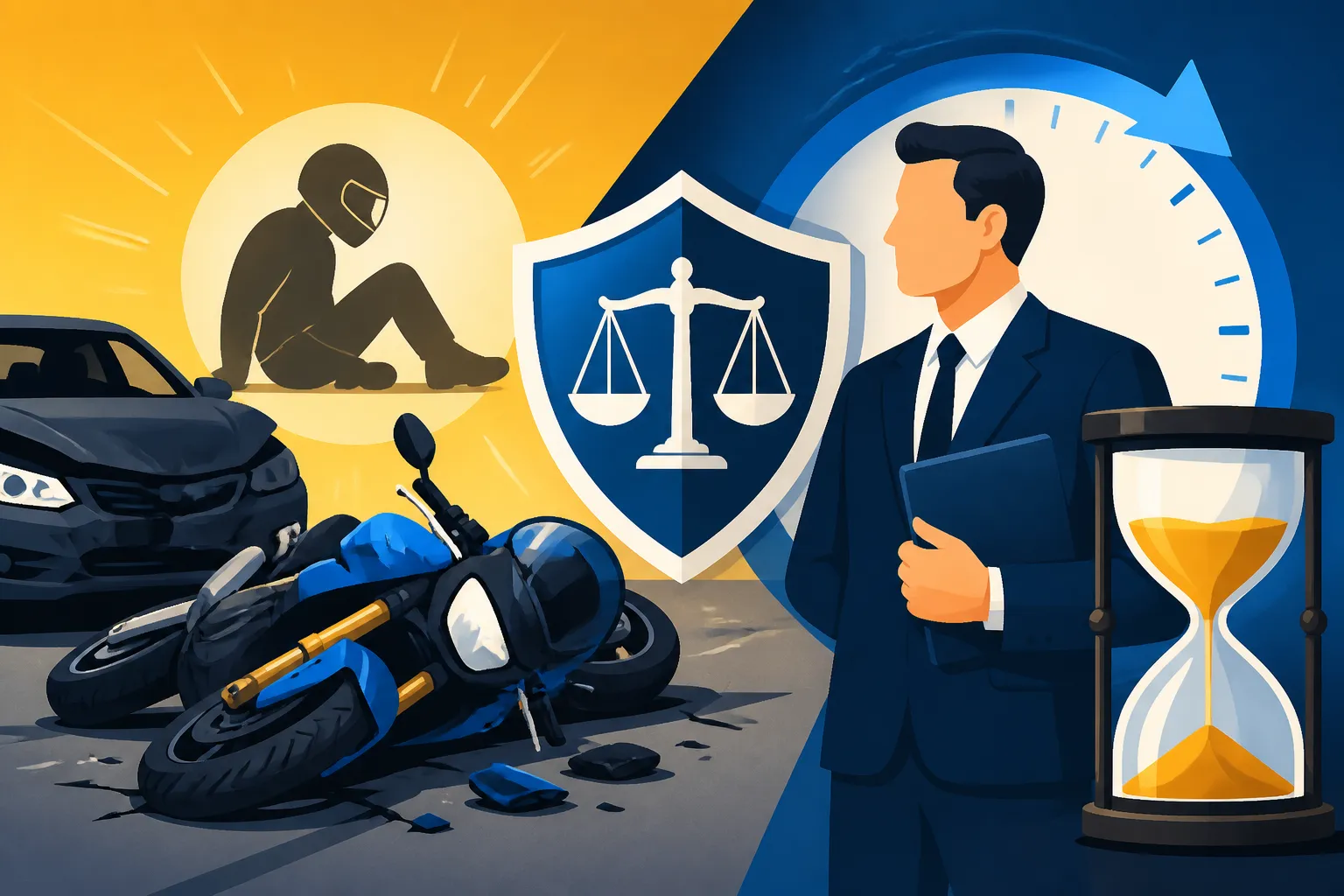
How Long You Have to Hire a Lawyer
After a motorcycle accident, the world can feel like it's spinning out of control. Between the pain of your injuries, the damage to your bike, and the mountain of medical bills piling up, the last thing on your mind is often the complex legal timeline you're suddenly facing. It's an overwhelming situation, and many riders wonder just how much time they truly have to get their ducks in a row and seek justice. This comprehensive guide is here to shed light on exactly how long you have to hire a lawyer and file a claim after a motorcycle crash, helping you understand those critical deadlines so you don't miss your chance for recovery.
Understanding the Statute of Limitations
The term "statute of limitations" might sound like fancy legal jargon, but it’s a crucial concept for anyone dealing with an accident claim. Essentially, it's a law that sets a strict deadline for how long you have to initiate legal proceedings after an incident has occurred. For motorcycle accident victims, this means there's a specific window of time within which you must file a personal injury lawsuit against the at-fault party. Miss this deadline, and generally, your right to sue is forever lost, regardless of how strong your case might be or how severe your injuries are. It's a harsh reality, but understanding it is the first step toward protecting your rights.
What Exactly Is a Statute of Limitations?
Think of a statute of limitations as a legal expiration date. Every state, and even different types of legal claims within a state, will have its own specific timeline. For personal injury claims stemming from a motorcycle accident, this period typically begins on the date of the crash itself. This isn't just about hiring a lawyer; it's about getting the actual lawsuit filed with the court. Your attorney needs sufficient time to investigate, gather evidence, negotiate with insurance companies, and then draft and submit the necessary legal documents before that clock runs out. It's a race against time that often requires meticulous preparation.
Why Do These Deadlines Exist?
You might wonder why such strict deadlines are in place, especially when victims are often in no condition to deal with legal matters immediately after a traumatic event. The reasoning behind statutes of limitations is multi-faceted. First, they ensure fairness by preventing stale claims from being brought years or decades later, when evidence might be lost, witnesses' memories faded, or key individuals are no longer available. Second, these laws provide a sense of finality for potential defendants, meaning they don't have to live with the threat of a lawsuit indefinitely. While it can feel unfair to an injured rider, the legal system aims to balance the rights of both parties, and these deadlines are a fundamental part of that balance.
State-Specific Deadlines for Motorcycle Accident Claims
The exact length of the statute of limitations for a motorcycle accident claim varies significantly from state to state. There isn't a single federal law that governs this, so what applies in California might be entirely different from what's enforced in New York or Florida. This is why getting state-specific information is paramount. Knowing your state's particular deadline is the most critical piece of information you need when considering legal action.
Typical Timeframes Across the U.S.
Most states provide a window ranging from one to three years for personal injury claims. However, some states, like Kentucky and Louisiana, have shorter periods, often as little as one year, while others, like Maine and North Dakota, might give you up to six years. The average, though, tends to hover around two to three years. For instance, in California, you typically have two years from the date of the accident to file a personal injury lawsuit. In Texas, it's also generally two years. Florida also sets a two-year limit for most personal injury claims. These aren't just suggestions; they are hard and fast rules.
Here's a quick look at the typical statute of limitations for personal injury claims, which usually includes motorcycle accidents, in some key states:
| State | Statute of Limitations (Personal Injury) | Notes |
|---|---|---|
| California | 2 Years | From date of injury, with some exceptions. |
| Texas | 2 Years | For most personal injury claims. |
| Florida | 2 Years | Recent change from 4 years for most negligence claims. |
| New York | 3 Years | Generally for bodily injury. |
| Pennsylvania | 2 Years | For personal injury claims. |
| Ohio | 2 Years | For most personal injury claims. |
| Illinois | 2 Years | For bodily injury. |
| Michigan | 3 Years | For bodily injury. |
| Arizona | 2 Years | For most personal injury claims. |
| Virginia | 2 Years | For personal injury claims. |
It's important to note that these are general guidelines for personal injury claims. Specific situations, like claims against a government entity, might have much shorter deadlines, sometimes as little as 30 to 180 days. This makes checking the specifics for your individual case absolutely essential. An attorney from a service like LegalMatch can help you connect with local lawyers who are well-versed in your state's unique rules.
Exceptions for Minors or Incapacitated Individuals
While the general rule is strict, there are specific circumstances where the clock on the statute of limitations might be paused or "tolled." One common exception involves minors. If a child is injured in a motorcycle accident, the statute of limitations typically does not begin to run until they turn 18 years old. This provides them with a full adult period to bring their claim once they are legally able to do so. Similarly, if the injured party is deemed mentally incapacitated or otherwise unable to manage their own affairs, the statute of limitations might be tolled until their capacity is restored. These exceptions are critical safety nets, but proving incapacity can be a complex legal hurdle.
The Discovery Rule Explained
Another important exception is known as the "discovery rule." In some cases, an injury or its connection to the accident might not be immediately apparent. For instance, you might experience a seemingly minor bump, but weeks or months later, a debilitating back or neck injury manifests, or perhaps a traumatic brain injury (TBI) is diagnosed. In such situations, the discovery rule may allow the statute of limitations to begin when the injury was, or reasonably should have been, "discovered," rather than on the date of the accident itself. This rule is particularly relevant in cases where symptoms have a delayed onset or where medical diagnosis takes time. Proving when an injury should have been discovered can be contentious, and insurance companies will often argue for the earliest possible date to minimize their liability. Understanding this can be crucial in a case like a motorcycle accident with a spinal cord injury.
Consequences of Missing the Deadline
Missing the statute of limitations deadline is one of the most devastating mistakes a motorcycle accident victim can make. The consequences are stark and generally irreversible, effectively ending any chance you had to pursue compensation for your injuries and damages. This is not a deadline that can be easily extended or ignored without severe repercussions.
The Harsh Reality: No Claim, No Compensation
If you fail to file your lawsuit within the prescribed time frame, the court will almost certainly dismiss your case. This means you will lose your legal right to seek compensation for your medical bills, lost wages, pain and suffering, and any other damages you incurred as a result of the accident. Even if you have undeniable evidence that the other driver was 100% at fault, the legal system prioritizes adherence to these procedural rules. Imagine suffering significant injuries in a rear-end collision, having extensive medical treatment, and then realizing you waited too long – it's a nightmare scenario, and unfortunately, it happens to people who aren't aware of these critical timelines.
Limited Exceptions to the Rule
While the statute of limitations is generally unyielding, there are a few very narrow exceptions beyond the tolling discussed earlier. These are highly specific and rarely apply. For example, if the defendant fraudulently concealed their identity or actions, preventing you from filing within the timeframe, a court might allow an extension. Similarly, if there was a "mutual mistake" of fact that prevented the timely filing, an exception could be considered. However, these are not avenues to rely on; they are extraordinary circumstances. The vast majority of motorcycle accident claims will be subject to the standard state-specific deadline, and attempting to argue for an exception can be an uphill battle. This is precisely why seeking legal advice promptly is so important.
Why Early Action Matters, Even with the Deadline
Even with what might seem like a generous two or three years in some states, waiting until the last minute to hire a lawyer and pursue your claim is almost always a bad idea. The statute of limitations is the absolute latest you can act, but successful claims are built on timely action long before that final date arrives. The sooner you engage with a legal professional, the stronger your position will be.
Preserving Evidence and Witness Testimony
Time is the enemy of evidence. Skid marks disappear, accident scenes are cleared, vehicles are repaired or salvaged, and, most importantly, memories fade. When you delay, crucial evidence that could prove fault in a motorcycle accident might be lost forever. Witnesses move, change phone numbers, or simply forget the specific details that could be vital to your case. For instance, if you were involved in a left-turn motorcycle accident, the precise position of vehicles and traffic signals immediately after the crash can be crucial. An attorney can swiftly secure traffic camera footage, accident reports, and witness statements while they are still fresh and available. They can even send out letters to preserve evidence, like data from vehicle black boxes, before it's overwritten.
Getting Ahead of Insurance Tactics
Insurance companies are not on your side; their primary goal is to minimize their payout. The longer you wait, the more opportunities they have to build a case against you. They might argue that your injuries aren't severe because you delayed seeking treatment or that your account of the accident is unreliable due to the passage of time. They might even try to settle your claim for a low amount early on, hoping you won't realize the full extent of your damages or understand your rights. By hiring a lawyer early, you put an experienced advocate between you and these tactics, ensuring that all communication goes through someone who understands how insurers try to assign blame to riders and reduce settlements. This allows you to focus on your recovery without the added stress of battling adjusters.
How a Motorcycle Accident Lawyer Helps with Deadlines
Navigating the aftermath of a motorcycle accident, especially the legal labyrinth, is incredibly complex. A qualified motorcycle accident attorney is not just there to represent you in court; they are an invaluable guide who understands these critical deadlines and how to manage your case effectively within them. They are your best defense against missing crucial windows and preserving your right to compensation.
Navigating Complex Legal Timelines
The statute of limitations is just one deadline. There are many other time-sensitive aspects of a personal injury claim, such as deadlines for notifying governmental entities if they are a potential defendant, specific periods for responding to discovery requests from the opposing side, or even internal firm deadlines to ensure ample time for preparation. An attorney specializing in motorcycle accident claims is intimately familiar with all of these intricate timelines. They'll know the specific nuances of Motorcycle Accident Fault Laws in California, for example, or the particular procedures in Texas, ensuring that every step of the process is handled promptly and correctly. This expertise takes the burden off your shoulders during a time when you need to focus on healing.
Strategic Filing and Extension Requests
Sometimes, despite best efforts, a case might require additional time for investigation or medical assessment. While an extension to the core statute of limitations is rare, an experienced attorney understands if and when specific circumstances might warrant an attempt to argue for one, or more commonly, how to strategically prepare and file the lawsuit well within the deadline while still gathering necessary information. They know the procedural rules for filing petitions, motions, and other legal documents that keep your case active and protect your rights. For instance, they might file a "placeholder" lawsuit to stop the clock while continuing to build a stronger case through additional investigation or negotiations. When you need to understand the full scope of your potential settlement, you want a lawyer who can manage the entire Motorcycle Accident Settlement Process Explained from start to finish. Finding a lawyer who understands these intricacies can be made easier through services like LegalMatch, which connects you with pre-screened legal professionals.
The Importance of Prompt Legal Consultation
You've been through enough. The physical pain, the emotional trauma, the financial strain—it’s all overwhelming. The last thing you need is the added stress of deciphering legal codes and tracking deadlines. This is precisely why a prompt legal consultation after a motorcycle accident is not just a good idea, but often a necessity.
Initial Steps to Protect Your Claim
The moment you're able, after ensuring your immediate medical needs are met and reporting the accident, contacting a lawyer should be high on your priority list. An attorney can advise you on what to do immediately after a motorcycle accident, guiding you through collecting evidence at the scene, properly documenting your injuries, and what information to exchange with other parties. They can also ensure you don't inadvertently say anything to insurance adjusters that could jeopardize your claim. This proactive approach helps build a robust case from day one. Many firms offer free initial consultations, making it accessible to get expert advice without an upfront financial commitment.
Finding the Right Legal Partner
Choosing the right lawyer is a critical decision. You need someone experienced in motorcycle accident cases, who understands the unique biases often faced by riders, and who is familiar with the local laws and court systems. Look for a firm with a strong track record and positive client testimonials. Services like LegalMatch can be beneficial here, as they help you connect with qualified personal injury attorneys in your area who specialize in motorcycle accidents. They can help you understand how much a motorcycle accident lawyer costs and how contingency fees work, ensuring you find a legal partner who aligns with your needs and financial situation. Remember, the goal isn't just to beat the clock, but to build the strongest possible case for maximum recovery.
Disclaimer
Please note that this article provides general informational purposes only and does not constitute legal advice. The laws surrounding motorcycle accident claims, including statutes of limitations, are complex and vary by jurisdiction. You should consult with a qualified attorney in your state for advice tailored to your specific situation. Reliance on this information without professional legal counsel is at your own risk.