How to Prepare for a Lawyer Consultation
Navigating the aftermath of a motorcycle accident is incredibly stressful, often leaving you overwhelmed with injuries, damaged property, and mounting bills. One of the first crucial steps to take, if you're considering legal action, is to meet with a motorcycle accident lawyer, but knowing how to prepare for that initial consultation can feel like another hurdle. This guide is designed to cut through that uncertainty, equipping you with everything you need to know to make your first legal meeting productive and empowering.
Why a Consultation is Crucial for Your Motorcycle Accident Claim
An initial consultation with a motorcycle accident lawyer isn't just a formality; it's the foundation upon which your entire potential claim will be built. Think of it as a crucial diagnostic appointment for your legal health. You're not just there to tell your story; you're there to gain clarity, understand your rights, and determine the viability of seeking compensation. Many riders feel intimidated, unsure of what to ask or what to bring, but preparing beforehand transforms this meeting into a powerful tool for your recovery.
Understanding the Initial Assessment
During this first meeting, the attorney will be doing a preliminary assessment of your situation. They're listening intently to the facts, trying to piece together the narrative of the crash, the extent of your injuries, and who might be held responsible. This isn't just about whether you have a case; it's about evaluating its potential strengths and weaknesses. They'll consider factors like the severity of your injuries, the clarity of fault, the available evidence, and the potential for a substantial recovery. For instance, if you're dealing with serious injuries like a traumatic brain injury or spinal cord injury, the complexity of your claim immediately increases, requiring a lawyer who understands those specific medical and legal nuances.
They'll also explain the legal landscape you're facing. Motorcycle accident claims can be complex, often encountering bias against riders. A good attorney will walk you through the typical stages of a personal injury claim, from investigation and demand letters to negotiation and, if necessary, litigation. This initial assessment helps both you and the lawyer decide if pursuing a claim is the right path forward and if their firm is the right fit to represent you. It's truly a two-way street; you're interviewing them as much as they're evaluating your case.
Getting Your Questions Answered
This consultation is your prime opportunity to get answers to all those nagging questions swirling in your mind. You might be wondering about the statute of limitations for filing a claim in your state, how long a motorcycle settlement typically takes, or what types of damages you can even claim. Having a list of questions ready ensures you don't leave feeling more confused than when you arrived. This isn't the time to be shy; no question is too basic or too complex if it helps you understand your situation better.
Consider asking about their specific experience with motorcycle accident cases, how they communicate with clients, and what their firm's general approach is to negotiation versus trial. Understanding how they operate and their philosophy can provide immense peace of mind during what will likely be a challenging period. Preparing your questions also demonstrates your seriousness and engagement, which can build a stronger rapport with the attorney right from the start.
Essential Documents to Gather Before Your Meeting
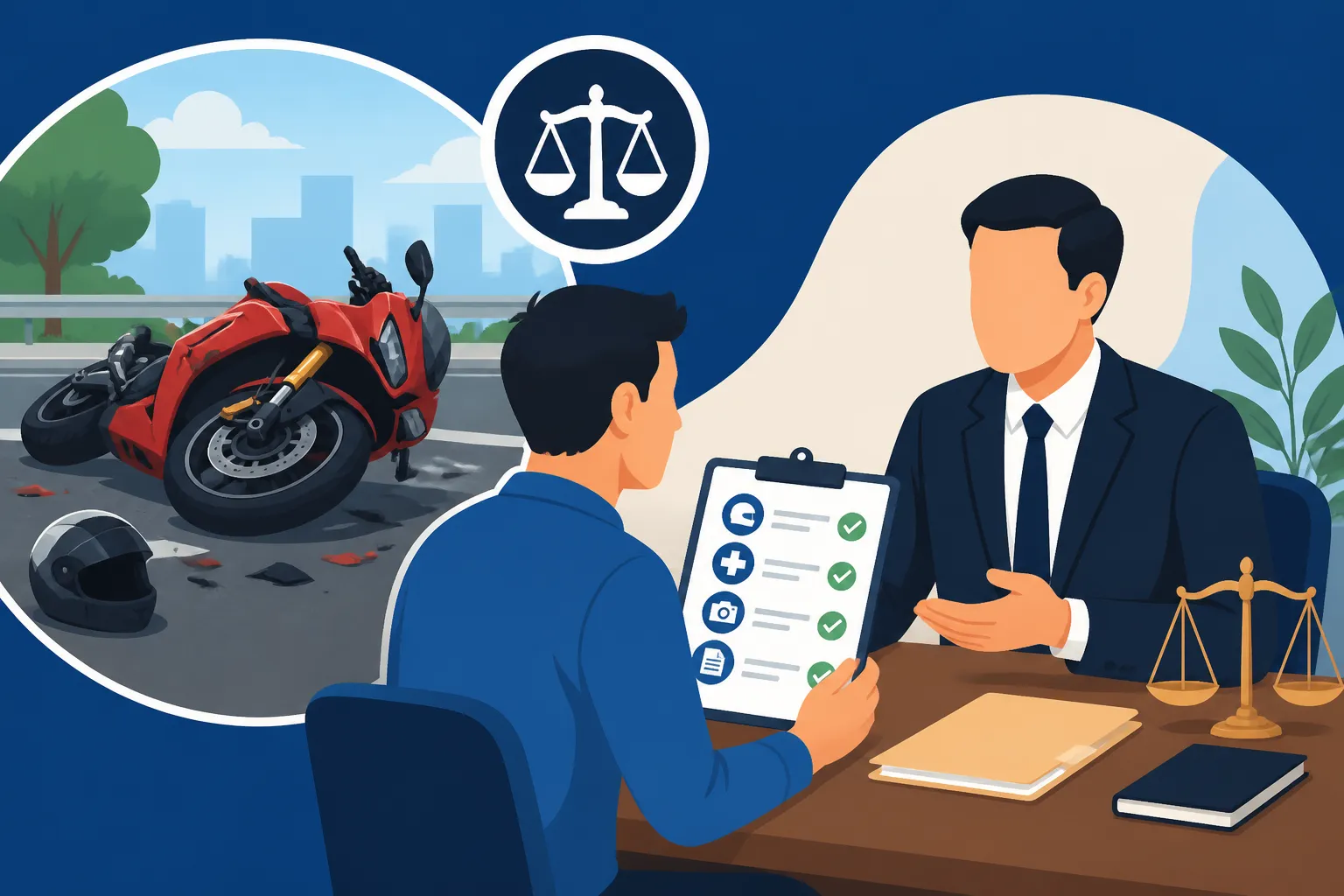
Think of your lawyer as a detective, and you're providing them with the initial clues. The more comprehensive and organized your information, the better they can understand the full scope of your accident and injuries. Gathering these documents beforehand not only saves time during the consultation but also allows the attorney to give you a more accurate and detailed assessment of your case's potential. Don't worry if you don't have everything; just bring what you can.
Accident Details and Police Report
The cornerstone of any accident claim is the official record of the incident. This means details of the crash itself and, most importantly, the police report. Try to recall and write down everything you remember about the accident: the exact date, time, and specific location, including cross streets or highway markers. Note the weather conditions, road conditions, and any observations you made about the other driver or vehicle.
The police report often contains crucial information, such as the involved parties' names and contact details, insurance information, vehicle descriptions, and sometimes even the investigating officer's initial determination of fault. It will also list any citations issued. Even if you haven't received the official report yet, having the police report number can help your attorney obtain it. This document is often the first piece of evidence an insurance company will examine to assign blame, making it vital for understanding who is at fault in a motorcycle accident.
Medical Records and Bills
After an accident, your health is paramount. Any injuries, no matter how minor they seem at the time, should be documented by a medical professional. For your consultation, compile all medical records related to your injuries. This includes emergency room reports, ambulance records, diagnostic test results (X-rays, MRIs, CT scans), doctor's notes, physical therapy records, and any prescriptions. These documents prove the direct link between the accident and your injuries, which is critical for proving damages.
Alongside medical records, gather all corresponding medical bills. This includes bills from the ER, hospital stays, doctor visits, specialists, physical therapy, and even receipts for over-the-counter medications related to your injuries. Even if your health insurance or personal injury protection (PIP) has covered some costs, your attorney needs to see the full extent of your medical expenses. These economic damages are a tangible component of your claim and demonstrate the financial burden you've incurred. For more on documenting these, you might find our guide on how to document injuries for a claim helpful.
Insurance Information
Your attorney will need to understand the insurance landscape surrounding your accident. Bring details of your own motorcycle insurance policy, including your policy number and declarations page. This will show your coverage limits, including crucial components like uninsured/underinsured motorist (UM/UIM) coverage, which can be a lifesaver if the at-fault driver has minimal or no insurance.
Additionally, if you exchanged information at the scene, bring the other driver's insurance details. This includes their company name, policy number, and contact information. Any correspondence you've had with either your own insurance company or the other driver's insurer should also be brought along. This could include claim numbers, letters, or notes from phone calls. Be careful about what you say to insurance adjusters before consulting with a lawyer, as your statements can be used against you.
Photos, Videos, and Witness Information
In today's digital age, visual evidence is incredibly powerful. If you took photos or videos at the accident scene, bring them! These can capture crucial details like vehicle positioning, road hazards, traffic signs, property damage, and visible injuries. Photos showing the damage to your motorcycle can directly support your claim for property damage, while images of your injuries can vividly illustrate your pain and suffering.
If there were any witnesses to the accident, their testimony can significantly bolster your claim. Provide your attorney with their names, contact information, and any statements they may have given. Independent witnesses can often provide an objective account that counters biased interpretations from insurance companies. Even if you just have a name and a phone number, that's a good starting point. This kind of evidence is vital for proving fault in a motorcycle accident and combating common defenses like, "I didn't see the motorcycle."
Key Information to Be Prepared to Discuss
While documents provide the facts, your narrative provides the context and human element. Be ready to articulate your experience clearly and honestly. The attorney needs to understand not just what happened, but how it has impacted your life.
The Accident Narrative: Your Story
This is your chance to tell the attorney, in your own words, what transpired. Start from before the accident – where you were coming from, where you were going, and your general awareness of your surroundings. Then, describe the sequence of events leading up to the impact, the impact itself, and what happened immediately afterward. Focus on objective facts. For example, instead of saying, "The driver was clearly distracted," describe what you saw: "The driver was looking down at their lap, and their vehicle drifted into my lane."
Be as detailed as possible without speculating. Mention specifics like your speed, the other vehicle's actions, traffic signals, and any evasive maneuvers you attempted. The more clearly you can recount the events, the better the attorney can identify potential liabilities and build a strong case. They are looking for ways to establish fault, and your detailed account is a critical component. Don't be afraid to take your time or refer to notes you've made.
Your Injuries and Medical Treatment
Beyond simply listing your injuries, be prepared to discuss the full impact they've had on your life. Describe the pain you've experienced, where it hurts, and how it has changed over time. Talk about how your injuries affect your daily activities, your ability to work, your hobbies, and your overall quality of life. For instance, if you loved riding your motorcycle every weekend but now can barely walk, that's a significant loss of enjoyment.
Discuss your medical treatment journey from the initial emergency care through ongoing therapy or future anticipated surgeries. What diagnoses have you received? What is your prognosis? Are you facing a permanent disability? The attorney needs to understand not just the immediate costs but also the potential for long-term effects of motorcycle injuries, future medical expenses, and how those will be factored into your claim. Your honesty about the physical and emotional toll is crucial for the lawyer to accurately value your pain and suffering.
Financial Damages: Lost Wages and Property Damage
Your financial losses extend beyond medical bills. Be ready to discuss how the accident has affected your income. Provide details about your employment, your wages, and how much time you've missed from work due to your injuries or medical appointments. If you're self-employed, bring tax returns or other documentation that can prove your income loss. This is essential for calculating lost wages in a motorcycle claim.
Additionally, discuss the damage to your motorcycle and any other personal property. Did your helmet get destroyed? Was your gear shredded? Provide repair estimates for your bike or documentation of its total loss. If you had to rent a vehicle while yours was being repaired, bring receipts for that as well. The attorney will need all this information to include property damage in your motorcycle accident claim.
Questions to Ask the Attorney
This consultation is also your opportunity to interview the attorney and ensure they are the right fit for you and your case. Having a prepared list of questions shows you're serious and helps you make an informed decision about who will represent your interests.
Experience and Specialization
It's one thing for a lawyer to handle general personal injury cases, but motorcycle accidents often come with unique challenges, including common biases against riders and specific state laws (like those around lane splitting and Motorcycle Accident Fault Laws in California). Don't hesitate to ask about their specific experience.
| Question Type | Specific Questions to Ask | Why It Matters |
|---|---|---|
| Experience | How many motorcycle accident cases have you handled? | Demonstrates their familiarity with the nuances of these claims. |
| What percentage of your practice is dedicated to personal injury? | Shows their specialization and focus. | |
| Have you handled cases similar to mine (e.g., specific injury type)? | Ensures they understand the complexities of your particular situation. | |
| What is your track record for successful motorcycle accident claims? | Gives you an idea of their past results, though every case is unique. | |
| Approach | What are the potential challenges you foresee in my case? | Reveals their analytical skills and realistic outlook. |
| What is your general strategy for negotiating with insurance companies? | Helps you understand their advocacy style. | |
| How often do your cases go to trial versus settle? | Indicates their willingness and capability to litigate if necessary. |
You want a lawyer who understands the nuances of rider bias and is prepared to fight against it. A well-versed attorney will know the common causes of motorcycle accidents and how to effectively combat insurance company tactics.
Fees and Case Costs
Understanding how your lawyer gets paid is paramount. Most personal injury attorneys work on a contingency fee basis, meaning they only get paid if you win your case. This structure makes legal representation accessible even if you're strapped for cash after an accident.
Ask them to clearly explain their contingency fee percentage. Typically, this ranges from 33% to 40% of the gross settlement or award, but it can vary. Also, clarify what "case costs" entail. These are expenses like filing fees, expert witness fees, court reporter costs, and medical record retrieval fees. Ask if these costs are paid upfront by you, advanced by the firm and reimbursed from the settlement, or if they are waived if you lose. Understanding how contingency fees work is essential for managing your expectations about your net payout. Don't be afraid to ask for a detailed breakdown in writing.
The Legal Process and Timeline
The legal process can feel like a labyrinth, so ask your attorney to demystify it for you. Inquire about the typical steps involved in a motorcycle accident claim, from the initial investigation and evidence gathering to negotiation, potential mediation, and if necessary, filing a lawsuit and going to trial.
Ask about communication: How often can you expect updates? What's the best way to reach them or their team? How long do they anticipate your case might take? While no attorney can give an exact timeline, they should be able to provide a realistic estimate based on their experience and the specifics of your case. For minor injury claims, the process might be relatively quick, but for catastrophic injuries, it could stretch for years. Knowing what to expect at each stage can significantly reduce your anxiety.
Making the Most of Your Consultation
Your preparation doesn't end with gathering documents and crafting questions. How you engage during the consultation itself can also influence its effectiveness and the attorney's perception of your commitment to your case.
Being Honest and Thorough
One of the most important things you can do during your consultation is to be completely honest and thorough. This means disclosing everything, even details you might think are minor or potentially embarrassing. Did you have a prior injury to the same body part? Did you receive a traffic ticket at the scene? Were you lane splitting (which, while legal in California, can still be a point of contention in other states)? These are all factors your attorney needs to know about upfront.
Withholding information can severely weaken your case down the line, especially if the defense uncovers it during discovery. Your attorney is there to advocate for you, and they can only do so effectively if they have the full picture. They can strategize to address any potential weaknesses or challenges if they know about them from the start. Trust in the attorney-client privilege; your discussions are confidential.
Taking Notes and Follow-Up
During the consultation, take diligent notes. Write down the attorney's answers to your questions, any advice they offer, important deadlines, and any documents they ask you to provide. This will help you retain crucial information and prevent misunderstandings later on. It’s easy to forget details when you're under stress, so a notebook or a note-taking app on your phone can be invaluable.
After the consultation, don't rush into a decision. Take some time to process the information, compare notes if you've met with multiple attorneys, and consider how you felt about the lawyer and their team. If you decide to proceed, follow up promptly with any additional documents or information requested. If you're still searching for the right legal partner, resources like LegalMatch can help you find experienced motorcycle accident lawyers in your area, allowing you to compare options and schedule further consultations. Remember, choosing the right legal representation is a significant decision that can profoundly impact the outcome of your motorcycle accident claim.
Disclaimer
Please remember that this article provides general information and guidance. It is not a substitute for professional legal advice. Every motorcycle accident claim is unique, and the laws governing them vary by jurisdiction. You should consult with a qualified motorcycle accident attorney to discuss the specifics of your situation and receive advice tailored to your individual needs.