How to Verify a Lawyer’s Trial Experience
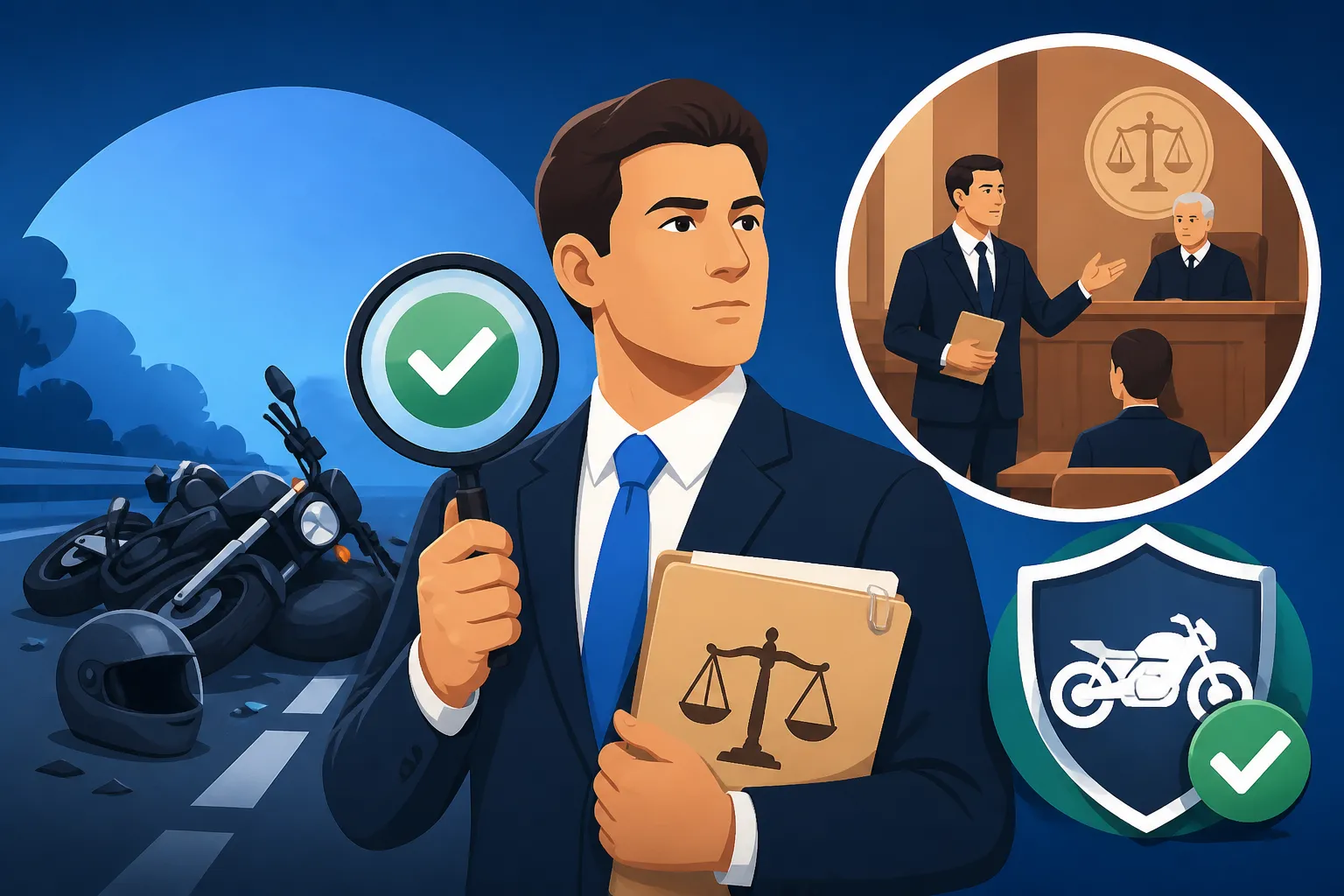
When you've been in a motorcycle accident, the aftermath can be a whirlwind of pain, medical appointments, and confusing paperwork. On top of all that, you’re tasked with finding legal help, and it’s not just about finding any lawyer. It's about finding one who genuinely has the grit and experience to take your case all the way to trial if necessary. This guide will walk you through exactly how to peek behind the curtain and verify a lawyer's true courtroom experience, ensuring you pick an advocate who isn’t afraid to fight for you.
Why Actual Trial Experience is So Crucial for Your Claim
It's a tough reality, but insurance companies are masters of negotiation. They have entire departments dedicated to minimizing payouts, and they're incredibly skilled at assessing the strength of your legal representation. When they see a lawyer with a proven track record of taking cases to trial and winning, their approach shifts dramatically. Without that proven trial experience, your case might be seen as an easy target for a lowball offer.
The Insurance Company's Calculation: Risk vs. Reward
Think about it from their perspective: every insurance company operates on a risk-reward analysis. If your attorney is known for settling cases quickly, never stepping foot inside a courtroom for a jury trial, the insurance adjuster knows they have leverage. They know the lawyer might be hesitant to incur the significant costs and time associated with trial preparation, making them more likely to accept a lower settlement offer to avoid that process.
However, when an insurance company is up against a lawyer who consistently demonstrates the willingness and ability to go to trial—and achieve favorable verdicts—the risk for them skyrockets. A jury trial is unpredictable, expensive, and can result in a much larger payout than they initially hoped for, sometimes including punitive damages if their client was grossly negligent. This increased risk often motivates them to put a much more reasonable settlement offer on the table sooner rather than later. It's not just about how much they might lose, but also the significant legal fees and resources they'd expend fighting a well-prepared trial attorney. This dynamic is a critical factor in how insurance companies assign blame to riders and evaluate claims.
Protecting Your Settlement Value from the Outset
The simple truth is that having a trial-ready attorney is often the best way to avoid a trial altogether. It might sound counterintuitive, but it's true. The threat of a successful trial verdict hangs heavy over negotiations. If the insurance company believes your lawyer is fully prepared to present a compelling case to a jury, they are far more likely to offer a fair settlement that reflects the true value of your injuries and damages. This saves you the emotional toll and prolonged timeline of a trial while ensuring you receive appropriate compensation.
Without that leverage, you might find yourself facing endless delays and inadequate offers. This is why many experienced riders will tell you that the right lawyer can significantly improve how to maximize your motorcycle accident settlement. They understand that a lawyer's reputation for courtroom prowess can be the single most influential factor in compelling a fair outcome without ever having to step foot in front of a jury.
Practical Ways to Vet a Lawyer's Courtroom Chops
Okay, so you understand why trial experience matters. Now, how do you actually figure out if a lawyer has it? It’s not enough to just take their word for it. You need to dig a little deeper. This isn't just about reading a website; it's about asking pointed questions and doing your homework.
The Initial Consultation: Asking the Right Questions
When you sit down for that first consultation, don't be shy. This is your opportunity to interview them. Many people feel intimidated, but remember, you're the one looking for a service, and they need to prove they're the right fit. Go beyond generic inquiries and ask specific, direct questions.
- "How many jury trials have you personally taken to verdict in motorcycle accident cases?" Don't let them conflate arbitration, mediation, or other forms of dispute resolution with a full-blown jury trial. A jury trial is a different beast entirely.
- "What were the outcomes of those trials? Were they plaintiff verdicts, defense verdicts, or mixed?" A lawyer who has lost a trial isn't necessarily a bad lawyer, but their overall track record should show a reasonable percentage of successful outcomes.
- "Can you provide anonymized examples of your most significant trial verdicts?" While they won't share client names, they should be able to discuss the general facts, injuries, and outcomes of key cases they’ve tried.
- "When was your last jury trial in a personal injury or motorcycle accident case?" A lawyer who says they have "trial experience" but hasn't been in a courtroom for a jury trial in 10-15 years might be rusty. The legal landscape and courtroom technology evolve.
- "What percentage of your cases actually go to trial?" While most personal injury cases settle, a lawyer who never goes to trial might indicate a hesitancy or lack of resources to do so. Conversely, a lawyer who takes every case to trial might not be efficient or strategic in their negotiations. You're looking for a balance – someone who is willing and able, but also smart about it.
Remember, this is a two-way street. A good attorney will be transparent and proud to discuss their courtroom achievements. If they become defensive or vague when you ask about specific trial experience, consider that a warning sign. These questions are crucial to help you choose a motorcycle accident attorney who truly aligns with your needs.
Beyond the Resume: Investigating Their Track Record
Don't just rely on what a lawyer tells you; verify it. The internet provides a wealth of information if you know where to look.
- Online Legal Directories and Review Sites: Websites like Avvo, Martindale-Hubbell, and even platforms like LegalMatch allow you to search for attorneys and often include their professional profiles. These profiles can list areas of practice, case types handled, and sometimes even specific case results or distinctions like "Board Certified in Civil Trial Law." Pay attention to peer reviews from other attorneys, as these can be particularly insightful into a lawyer's reputation and abilities.
- Court Records: In many jurisdictions, civil court records are public. While navigating these can be complex, you can often search for a lawyer's name to see cases they’ve been involved in. Look for case numbers that indicate a jury trial went to verdict, not just a settlement. Websites for state and federal courts often have searchable databases. For instance, in Los Angeles, you might check the LA Superior Court's civil portal, or if it's a federal case, PACER.
- Legal News and Publications: Industry publications, local bar association newsletters, and even local newspapers often report on significant civil trials and verdicts. A prominent trial attorney will likely have their name appear in such reports. Searching for their name along with "verdict" or "trial" might yield results that confirm their courtroom activity.
- Professional Organizations: Membership in organizations like the American Board of Trial Advocates (ABOTA) or state-specific trial lawyer associations (e.g., California Trial Lawyers Association) often indicates a serious commitment to trial work. ABOTA, for example, is an invitation-only organization for experienced trial lawyers. Check if your prospective attorney is a member of such groups.
When you're looking for a lawyer, particularly through a service like LegalMatch, you'll often find detailed profiles that give you a starting point for this kind of deeper investigation. They often highlight specialties and experience levels, which can guide your initial search.
Seeking Proof: Case Results and References
A lawyer might boast about their trial experience, but tangible proof speaks volumes. Don't hesitate to ask for it.
- Verifiable Case Results: Ask if they can provide specific (anonymized) case numbers or citations for trials they have taken to verdict. While sensitive client information is protected, the public record of a trial verdict is not. They should be able to point you to records of their successes. This is different from settlements, which are often confidential. For instance, if a lawyer claims a $X million verdict, ask for the court, case name (or redacted version), and date to verify.
- Professional References: Beyond past clients (who might be biased), ask for references from other attorneys, particularly defense attorneys or judges who have seen them in action. Defense attorneys, in particular, will have a clear idea of which plaintiff lawyers are serious trial threats and which ones are more inclined to settle. While these might be harder to obtain due to professional courtesy, a well-connected and respected trial lawyer should have peers who can vouch for their abilities.
- Mock Trial Participation: While not actual trial experience, participation in mock trials or trial advocacy competitions, especially for younger attorneys, demonstrates a commitment to honing trial skills. Some seasoned attorneys even serve as judges or mentors in these programs.
It's about gathering multiple data points to build a comprehensive picture. A lawyer's reputation, online presence, and specific answers to your questions should all align to confirm their genuine trial expertise. This thorough vetting process is crucial because when a lawyer prepares a case for trial, they need to know every angle, every piece of evidence, and every legal argument.
What "Trial Experience" Really Means
The phrase "trial experience" can be a bit of a chameleon, changing its meaning depending on who's using it. For some, it might mean going to court for a motion hearing; for others, it means picking a jury and presenting a full case. When your future depends on it, you need to understand the critical distinction.
The Difference Between Litigation and Trial
Almost every personal injury lawyer will tell you they have "litigation experience." And they probably do! Litigation simply means engaging in legal proceedings. This can involve many things, such as:
- Filing a lawsuit: The initial step to get the legal process started.
- Discovery: Exchanging information with the opposing side, including written questions (interrogatories), requests for documents, and taking depositions (sworn testimony outside of court).
- Motion practice: Arguing various legal points before a judge, such as motions to compel discovery, motions for summary judgment, or motions to exclude certain evidence.
- Mediation or arbitration: Alternative dispute resolution processes where a neutral third party helps the parties reach a settlement.
All of these are part of litigation. However, none of them involve a full jury trial. A lawyer can be a fantastic litigator—skillful at depositions, crafting motions, and negotiating settlements—without ever having picked a jury or delivered a closing argument in a courtroom. The skills required for litigation are certainly valuable, but they are not the same as the specialized skills needed for a jury trial. The courtroom is a performance stage, a place where a lawyer must connect with a jury, present evidence compellingly, and think on their feet under immense pressure.
The Importance of a Verdict History
What you're truly looking for is a lawyer with a "verdict history." This means they have actually:
- Selected a jury: The art of voir dire (jury selection) is a specific skill, involving psychological insights and legal strategy to pick jurors who will be fair and open to your case.
- Presented an opening statement: Laying out your case story to the jury.
- Called and cross-examined witnesses: Guiding your witnesses through their testimony and challenging the opposing side's witnesses.
- Introduced evidence: Ensuring documents, photos, videos, and other exhibits are properly admitted and understood by the jury.
- Presented a closing argument: Summarizing your case and persuading the jury to find in your favor.
- Received a verdict from the jury: The ultimate outcome of a trial.
A lawyer who has successfully navigated this entire process multiple times demonstrates a level of confidence, skill, and strategic thinking that sets them apart. They understand the courtroom's rhythm, the judge's nuances, and how to effectively communicate with a jury. A lawyer who focuses solely on negotiation might leave significant money on the table if they are unwilling or unable to take a case to verdict. This experience directly impacts how fault affects your settlement and overall financial recovery.
Consider a firm like the Arnold Law Firm in Sacramento, for example. While I can't speak for their specific trial stats, firms that consistently represent clients in complex personal injury cases often emphasize their trial readiness because they know it's a key differentiator. They understand that a track record of winning verdicts demonstrates a commitment to justice that goes beyond merely settling cases for convenience.
Red Flags and Common Misconceptions
As you search for the right attorney, it's easy to get caught up in marketing speak or feel pressured to make a quick decision. But it's vital to stay vigilant for signs that a lawyer might not have the robust trial experience you need.
Vague Answers and Evasive Language
When you ask those critical questions about trial experience, pay close attention to the lawyer's response. Are they direct and specific? Or do they pivot, generalize, or even get defensive?
- "Oh yes, we handle many cases like this in court." This is vague. "In court" could mean anything from filing a brief to attending a hearing, not necessarily a full trial.
- "We litigate extensively." Again, litigation is broad. Ask for specifics about jury trials.
- "Most cases settle, so trial experience isn't that important." While most cases do settle, this statement misses the crucial point: they often settle for a fairer amount precisely because the opposing side knows your lawyer can go to trial. This is a tactic that can diminish your potential payout.
- "We have great negotiators." Negotiation skills are important, no doubt. But negotiation without the credible threat of a successful trial is like playing poker without the option to go all-in – you're at a significant disadvantage.
If a lawyer hesitates to provide concrete examples, specific trial dates, or openly discuss their trial outcomes (even anonymized ones), it's a major red flag. They might be trying to obscure a lack of actual courtroom trial experience. When you're looking through profiles on platforms like LegalMatch, remember that what’s not said can be as important as what is. Look for profiles that specifically highlight trial victories or jury verdicts.
Over-Reliance on Settlements: The "Settlement Mill" Trap
Many personal injury law firms pride themselves on high settlement rates, and it's true that settling out of court can save time and costs. However, there's a difference between strategic settlements and becoming a "settlement mill."
A "settlement mill" firm typically focuses on processing a high volume of cases, often accepting the first reasonable offer from the insurance company to avoid the time and expense of trial preparation. These firms might have excellent negotiation skills for straightforward cases, but they often lack the infrastructure, resources, or willingness to take complex, high-stakes cases to a jury.
Here's why an over-reliance on settlements can be a problem:
- Undervalued Cases: If an insurance company knows a firm never goes to trial, they have less incentive to offer top dollar. They'll often offer a settlement that's just enough to make it appealing but still significantly less than what a jury might award.
- Lack of Leverage: True leverage in personal injury claims comes from the credible threat of a jury verdict. Without it, you're essentially begging for a settlement, not demanding fair compensation. This is especially true in cases where fault is disputed in a motorcycle crash or when there are complex injuries.
- Missed Opportunities: Sometimes, a case genuinely needs to go to trial to achieve justice, especially for catastrophic injuries like a spinal cord injury or traumatic brain injury from motorcycle accidents. A firm unwilling to take that step might force you into a suboptimal settlement.
While most cases do settle, a good lawyer uses their trial readiness as a tool to achieve the best possible settlement. Their philosophy should be: "We're prepared to try every case, but we'll settle if the offer is fair." Not: "We only settle cases because going to trial is too much work."
When considering different lawyers, ask about their philosophy regarding settlement versus trial. A lawyer should be able to articulate when and why a case might need to go to trial, even if the vast majority of their cases settle. This shows strategic thinking, not just a preference for convenience.
| Aspect to Verify | What to Ask/Look For | Red Flag |
|---|---|---|
| Direct Trial Experience | "How many jury verdicts have you personally obtained?" | Vague answers; avoiding specific numbers. |
| Recent Trial Activity | "When was your last jury trial?" | "It's been a while, most cases settle."; no trials in several years. |
| Trial Outcomes | "Can you share anonymized examples of trial results?" | Refusal to discuss specific cases or outcomes. |
| Role in Trials | "Were you lead counsel, or part of a trial team?" | Consistently being junior counsel without ever leading. |
| Online & Public Records | Search court records, legal news, attorney directories (e.g., LegalMatch). | No public record of significant trials, especially for an experienced lawyer. |
| Professional Affiliations | Membership in trial lawyer associations (e.g., ABOTA). | No affiliation with trial-specific legal groups. |
| Firm's Trial Philosophy | "What's your firm's approach to taking cases to trial?" | Stating that trials are "too risky" or "too expensive" for clients. |
Choosing the right attorney is one of the most critical decisions you'll make after a motorcycle accident. By taking the time to thoroughly vet their actual trial experience, you're not just finding a lawyer; you're finding a powerful advocate who can truly protect your interests and secure the compensation you deserve.
Disclaimer
Please remember that this article provides general information and is not legal advice. Every motorcycle accident claim is unique, and the information presented here may not apply to your specific situation. It is essential to consult with a qualified legal professional to discuss your individual circumstances and understand your legal options.