How TBIs Are Diagnosed After a Crash
A motorcycle accident is a terrifying, life-altering event, and among the many devastating injuries riders can face, a Traumatic Brain Injury (TBI) is one of the most insidious. What makes TBIs particularly challenging is that their symptoms aren't always immediately obvious, leading many riders or their loved ones to underestimate the severity of what's happened. This guide will walk you through the critical diagnostic process for TBIs after a motorcycle crash, helping you understand how these complex injuries are identified, what medical professionals look for, and why a thorough evaluation is absolutely essential for your health and your future.
The Immediate Aftermath and Early Warning Signs
The chaos and adrenaline following a motorcycle accident can mask a lot of serious injuries, and a TBI is often at the top of that list. Many riders, in their natural instinct to minimize the damage or appear "tough," might dismiss initial symptoms, only to find themselves struggling days or weeks later. It's crucial to understand that even a seemingly minor bump to the head can have significant consequences.
Why TBI Symptoms Can Be Tricky to Spot
One of the biggest frustrations with TBIs is their deceptive nature. Unlike a broken bone that screams for attention, a brain injury can present with subtle, vague symptoms that are easily attributed to the stress of the crash, lack of sleep, or even just feeling "shaken up." You might not have lost consciousness, or if you did, it might have been for such a brief moment that you don't even recall it. This can lead both the injured rider and even initial responders to believe the injury isn't severe.
Think about it: in the immediate aftermath, you're likely focused on pain from road rash, a twisted ankle, or the damage to your bike. Headaches, dizziness, or a feeling of being "off" might be shrugged off as part of the overall trauma. Yet, these are precisely the kinds of symptoms that could indicate a mild traumatic brain injury (mTBI), often referred to as a concussion. The brain is an incredibly complex organ, and even subtle disruptions can throw off your entire system. It’s why understanding the potential for a Traumatic Brain Injury: Claims and Compensation is so important.
Recognizing Red Flags at the Scene
Despite the trickiness, there are definite red flags that should immediately raise suspicion of a TBI. While some are obvious, others require careful observation from yourself or those around you. The most alarming signs include any period of unconsciousness, even if brief. If you or someone you're with describes memory gaps around the accident – not knowing how the accident happened, or not remembering the moments immediately before or after – that's a huge warning sign.
Other critical indicators include confusion or disorientation, slurred speech, difficulty understanding simple questions, or appearing dazed. Physically, watch for vomiting, persistent headaches that worsen over time, or any fluid (clear or bloody) draining from the ears or nose, which could suggest a skull fracture. Even changes in pupil size or reactivity can be a sign. It’s vital to report these observations to paramedics or emergency personnel at the scene, as they are key to informing initial treatment protocols. Remember, early intervention can make a world of difference in managing a head injury.
Medical Evaluation and Initial Assessment
After the initial shock of the accident, getting proper medical evaluation is paramount, especially if a TBI is suspected. Emergency room doctors are trained to look for specific signs and symptoms, and they follow protocols designed to quickly assess neurological function and identify potential brain injuries. Don't ever skip the ER after a head trauma, even if you feel mostly okay.
Emergency Room Procedures for Suspected TBIs
Once you arrive at the emergency room, the medical team will conduct a series of assessments. They'll start by stabilizing any life-threatening injuries, but a neurological exam is a top priority if head trauma is reported or suspected. This exam isn't just about asking if you have a headache; it's a systematic check of your cognitive function, motor skills, sensory responses, and reflexes. They'll test your memory, your ability to follow commands, your balance, and the function of your cranial nerves.
They'll also ask detailed questions about the accident itself: how it happened, if you hit your head, if you lost consciousness, and for how long. It's crucial to be as honest and thorough as possible, even if you find it difficult to recall specifics. Any details you can provide, or that a witness can share, will help the medical team build a clearer picture of the potential impact on your brain. This initial evaluation helps determine the severity of your condition and guides the next steps in your care.
The Glasgow Coma Scale and Its Role
One of the most widely used tools in the ER for assessing TBI severity is the Glasgow Coma Scale (GCS). This isn't some obscure medical jargon; it's a quick, standardized method for objectively evaluating a person's level of consciousness immediately after an injury. The GCS assigns a score based on three aspects: eye-opening response, verbal response, and motor response.
For example, a medical professional might ask you to open your eyes, tell them your name, and squeeze their hand. Your responses to these commands are scored, and these scores are added up to give a total GCS score ranging from 3 (deep coma) to 15 (fully conscious and alert). A score of 13-15 usually indicates a mild TBI, 9-12 a moderate TBI, and 3-8 a severe TBI. This scale is invaluable because it provides a baseline measurement that can be tracked over time to see if a patient's condition is improving, worsening, or remaining stable. While it doesn't diagnose the specific type of brain injury, it's a critical tool for initial triage and determining the urgency of further diagnostic imaging.
Advanced Diagnostic Tools and Imaging
While the GCS and clinical observation are vital initial steps, truly understanding the extent of a TBI often requires peering inside the skull. This is where advanced imaging techniques come into play, allowing doctors to visualize the brain and identify structural damage that might not be evident from an external exam alone.
MRI, CT Scans, and Other Brain Imaging
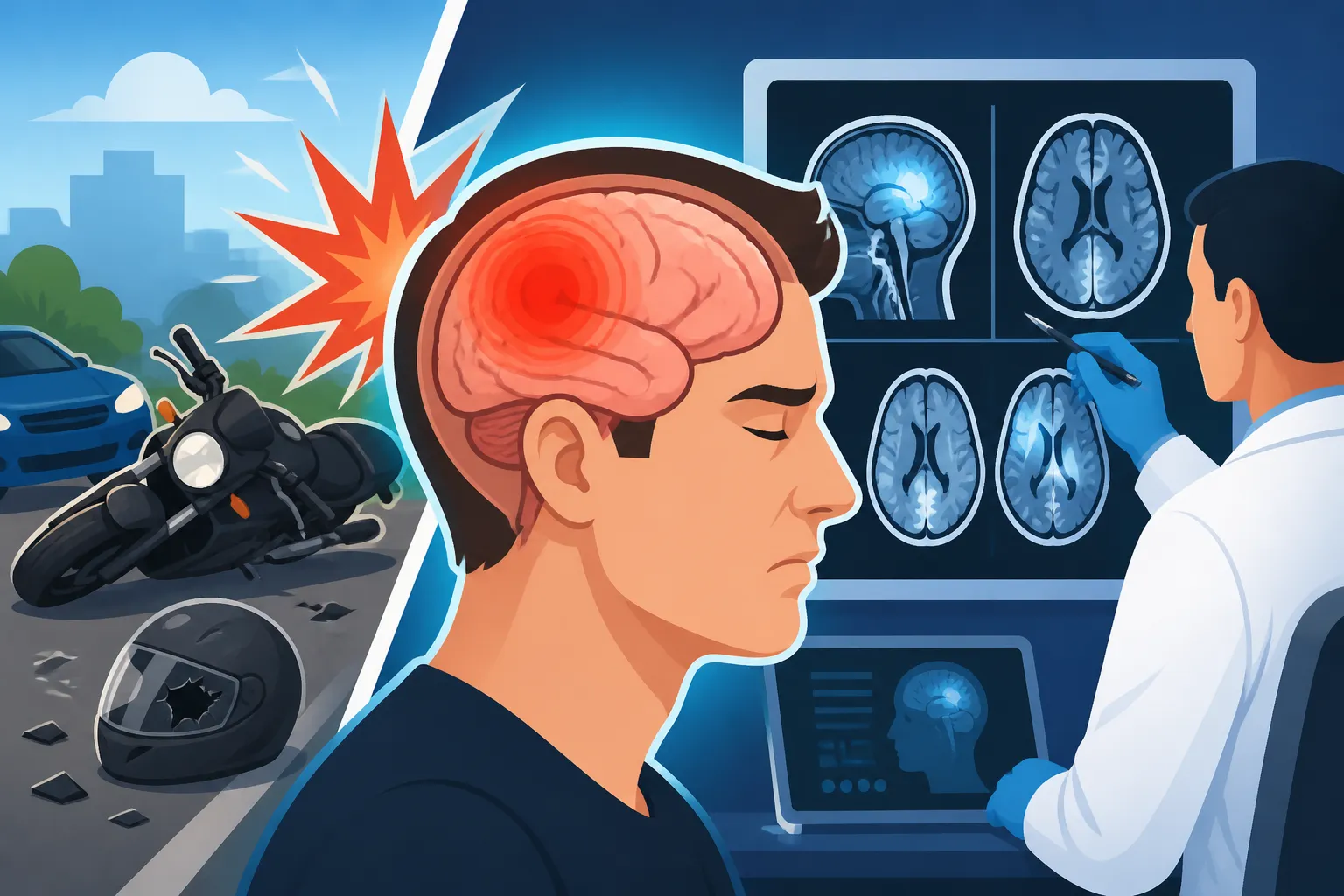
When a TBI is suspected, medical professionals will almost certainly order imaging tests. The most common initial test is a CT (Computed Tomography) scan. This quick imaging technique uses X-rays to create cross-sectional images of the brain. It's excellent for rapidly detecting acute and serious issues like bleeding (hemorrhage), swelling, or skull fractures. If you've been in a motorcycle accident and suffered a head injury, you'll likely get a CT scan in the ER to rule out these immediate life-threatening conditions.
However, a normal CT scan doesn't always mean there's no brain injury. Many mild to moderate TBIs, especially diffuse axonal injuries (DAI) which involve widespread microscopic damage to brain cells, are not always visible on a standard CT. This is where an MRI (Magnetic Resonance Imaging) scan often comes in. MRI uses powerful magnets and radio waves to create much more detailed images of soft tissues, including the brain. It can detect subtle changes, lesions, or swelling that a CT scan might miss. Doctors might order an MRI if your symptoms persist or worsen despite a "clear" CT scan, or if your clinical presentation strongly suggests a TBI that isn't showing up on the initial imaging. Newer, more advanced MRI techniques like Diffusion Tensor Imaging (DTI) can even detect damage to the brain's white matter tracts, which are often affected in shear injuries common in high-impact motorcycle crashes. Learning about Common Causes of Motorcycle Accidents can help underscore why these advanced diagnostics are so important.
Neuropsychological Testing for Cognitive Function
Beyond physical imaging, another critical diagnostic tool for TBIs, especially mTBIs, is neuropsychological testing. This isn't a brain scan, but rather a series of specialized tests designed to evaluate various cognitive functions that might be impaired after a brain injury. These tests are administered by neuropsychologists and can assess things like memory, attention, processing speed, executive function (planning, problem-solving), language skills, and even mood and personality changes.
These evaluations are incredibly important because they can objectively document deficits that aren't visible on a scan but are profoundly impacting a survivor's daily life. For instance, someone might look perfectly healthy, and their CT and MRI scans might be "normal," but they might struggle with remembering new information, staying focused at work, or managing their emotions. Neuropsychological testing can pinpoint these specific areas of impairment, providing crucial evidence of the TBI's functional impact. This information is vital for developing appropriate rehabilitation plans and for supporting any legal claims for damages, as it clearly demonstrates the long-term effects of a TBI. You might be surprised to learn about the Long-Term Effects of Motorcycle Injuries, and how these tests help quantify them.
The Importance of Ongoing Monitoring and Expert Consultation
A TBI diagnosis isn't a one-time event; it's often an evolving process that requires continuous monitoring and a multidisciplinary approach to care. The brain's healing journey can be unpredictable, and symptoms can change or new ones can emerge over time, making long-term follow-up essential.
Long-Term Follow-Up and Specialist Referrals
Once the initial emergency has passed, and a TBI has been diagnosed, the journey is far from over. Ongoing medical follow-up is critical. This typically involves regular appointments with your primary care physician, who will monitor your symptoms, medication, and overall recovery progress. However, depending on the severity and specific symptoms of your TBI, you'll likely be referred to a team of specialists.
This team can include neurologists, who specialize in brain and nervous system disorders; physiatrists, who focus on physical medicine and rehabilitation; and neuropsychologists, as mentioned earlier, to address cognitive and emotional challenges. You might also work with physical therapists to regain balance and coordination, occupational therapists to relearn daily living skills, and speech therapists if speech or swallowing issues arise. The goal is a comprehensive, coordinated approach to help you maximize your recovery and adapt to any persistent changes. This long-term care helps in documenting the Types of Damages in a Motorcycle Accident Claim.
When to Seek a Second Opinion
Given the complexity and potential life-altering consequences of a TBI, seeking a second opinion is not only reasonable but often highly advisable. If you feel your symptoms are not being adequately addressed, if your recovery isn't progressing as expected, or if you simply want more reassurance about your diagnosis and treatment plan, don't hesitate to consult another medical expert. A fresh perspective can sometimes uncover nuances missed in earlier evaluations or suggest alternative treatment approaches.
For example, if your initial CT scan was clear, but you continue to experience debilitating headaches, memory problems, or extreme fatigue months after the accident, a second opinion might lead to more advanced imaging like a specialized MRI, or a more in-depth neuropsychological assessment. Finding a neurologist or a TBI specialist who has extensive experience with motorcycle accident victims can also be beneficial, as they understand the unique injury patterns and challenges riders face. Remember, you are your own best advocate, and ensuring you receive the most thorough and appropriate care is paramount for your long-term health and well-being. This kind of diligent medical care is also crucial for documenting and proving your injuries for a claim.
Table: TBI Diagnostic Methods Overview
To give you a clearer picture, here's a summary of the common diagnostic tools and their primary uses in TBI evaluation:
| Diagnostic Method | What It Assesses | Primary Use | Limitations |
|---|---|---|---|
| Clinical Observation | Level of consciousness, awareness, behavior, basic neurological signs | Initial assessment at the scene or in ER | Subjective, can be masked by adrenaline or shock |
| Glasgow Coma Scale (GCS) | Eye-opening, verbal response, motor response | Standardized, rapid assessment of consciousness level | Doesn't diagnose specific brain damage, only severity of impairment |
| CT Scan | Skull fractures, acute bleeding, major swelling | Emergency detection of life-threatening brain injuries | May miss subtle brain damage, especially mTBIs (concussions) |
| MRI Scan | Soft tissue damage, subtle lesions, diffuse axonal injury, white matter changes | Detailed visualization of brain structure and injury | Takes longer, not always used in acute emergency settings |
| Neuropsychological Testing | Memory, attention, processing speed, executive function, mood changes | Objective assessment of cognitive and emotional deficits | Requires specialist, not a "picture" of the brain, but functional |
| EEG (Electroencephalogram) | Brain electrical activity | Detects seizure activity or general brain dysfunction post-TBI | Not a primary TBI diagnostic, more for secondary issues |
Disclaimer
Please remember that the information provided in this guide is intended for general informational purposes only and not as legal or medical advice. Every motorcycle accident and TBI is unique. You should always consult with qualified medical professionals for diagnosis and treatment of any injuries and speak with an experienced motorcycle accident attorney to discuss your specific legal situation and rights.