How to Read Injury Lawyer Reviews
After a motorcycle accident, when you're hurt and trying to figure out what's next, finding the right legal help can feel like an impossible task. You start looking up lawyers, and suddenly you're drowning in a sea of online reviews – star ratings, glowing testimonials, and sometimes, a few scathing comments. It’s hard to tell what’s genuine, what’s relevant, and how to cut through the noise to find someone who will truly fight for you. This guide is here to help you navigate that often-confusing landscape, teaching you how to read injury lawyer reviews with a critical eye so you can make an informed decision about who to trust with your motorcycle accident claim.
Beyond the Star Rating: Why Review Content Truly Matters
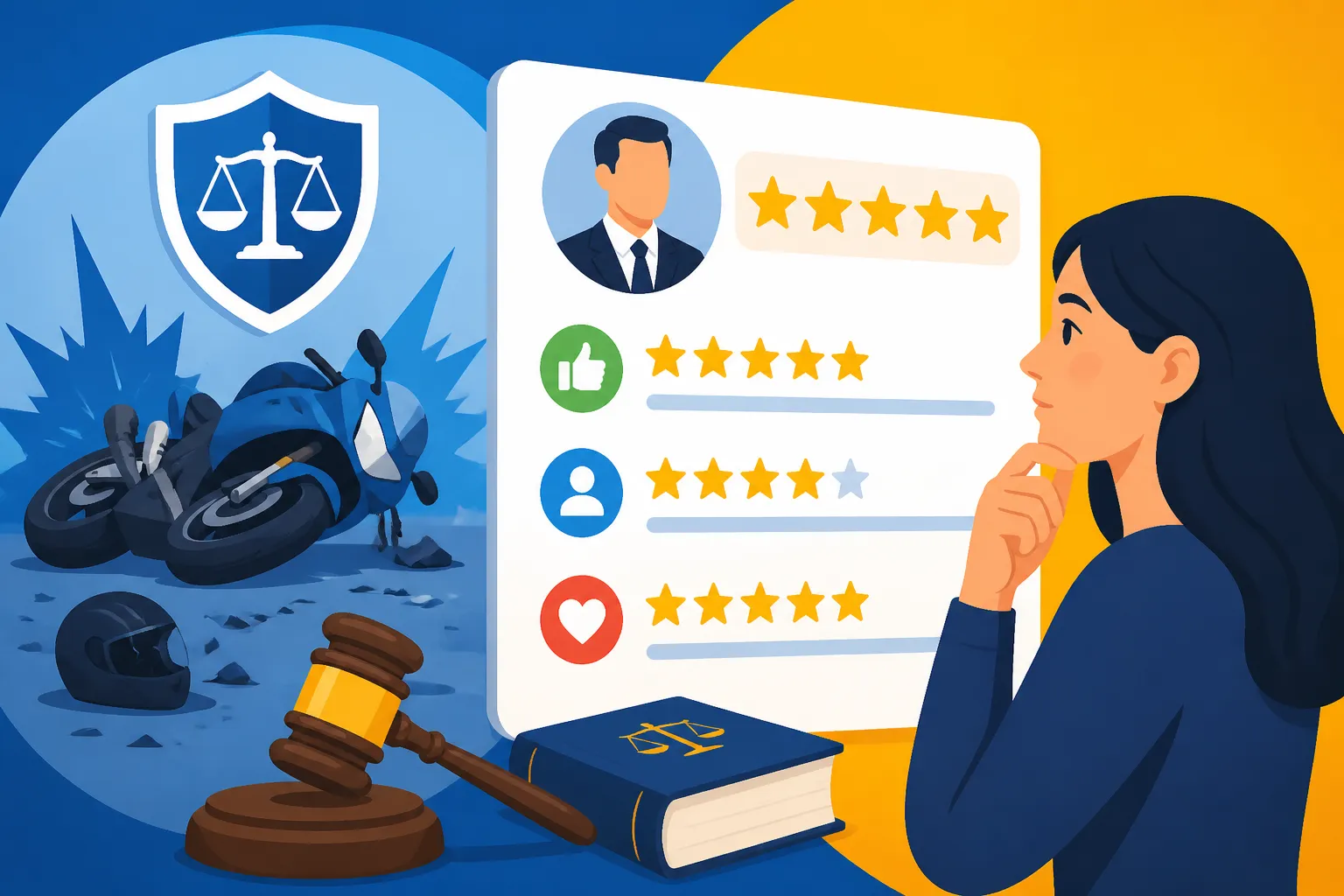
It's natural to gravitate toward the five-star reviews, but relying solely on a numerical rating can be a massive mistake when you're looking for legal representation after a motorcycle crash. A high star count might look great on the surface, but it doesn't tell you the whole story. What you really need to dive into is the substance of those reviews—the actual words people write about their experiences. This detailed feedback offers a window into how an attorney truly operates, their communication style, their effectiveness, and the overall client experience. Think of it like buying a new piece of riding gear; you wouldn't just look at the brand name, you'd want to read about the comfort, protection, and durability from actual riders who've worn it.
The Pitfalls of Superficial Ratings
Many factors can inflate or deflate a star rating without accurately reflecting an attorney's competence in handling complex motorcycle accident cases. Sometimes, friends or family members might leave overly positive but vague reviews that don't offer any real insight. On the flip side, a disgruntled client who had unrealistic expectations or simply didn't like the outcome of their case, despite the lawyer's best efforts, might leave a harsh one-star review that overshadows dozens of positive, detailed ones. It's a tricky balance, and it's why you can't just skim and judge. You need to understand the nuances. For example, a lawyer might have a 4.5-star average, but if all the negative reviews complain about poor communication, that's a huge red flag for a motorcycle accident victim who needs consistent updates and clear explanations.
Focusing on the Narrative and Specifics
The real gold in online reviews comes from the stories clients share. Look for reviews that provide specific examples of the attorney's actions, such as "they always returned my calls within 24 hours," or "they thoroughly explained the legal process step by step, even when I asked the same questions multiple times." These concrete details paint a picture of how the attorney interacts with clients and manages cases. Vague reviews like "great lawyer" or "terrible experience" are far less helpful. You want to see if the reviews align with your own priorities. If you value a lawyer who is aggressive in negotiations, look for reviews that mention the attorney's tenacity and ability to secure a favorable settlement. If empathy and understanding are paramount, seek out comments about the attorney's compassionate approach during a difficult time. Platforms like LegalMatch often allow clients to leave detailed narratives, which can be incredibly useful for this kind of in-depth analysis.
Deciphering the Details: What to Look For and Avoid in Lawyer Reviews
Once you’re ready to dig deeper than just the stars, you’ll find that certain themes and specific pieces of information in reviews are far more valuable than others. This is where you put on your detective hat and start looking for patterns, both good and bad, that can tell you a lot about a prospective attorney and how they might handle your particular situation. Remember, your motorcycle accident claim isn't just another file; it's your life and recovery at stake.
Key Aspects to Prioritize in Positive Reviews
When you're reading positive reviews, don't just note that they're positive. Look for specific praises related to the aspects of legal representation that matter most in a motorcycle accident case:
- Communication: Is the attorney or their team praised for clear, consistent, and timely communication? Did they explain complex legal jargon in an understandable way? Did they keep the client informed about case progress, even when there wasn't a major update? This is crucial because a lack of communication can add immense stress during an already challenging time.
- Empathy and Understanding: Motorcycle accident victims often face unique challenges and biases. Did the attorney show genuine empathy for the client's injuries, pain, and suffering? Did they validate the client's experience and fight against "rider bias in fault determination"? A lawyer who understands the unique struggles of a rider can make a significant difference.
- Results and Outcomes: While no attorney can guarantee a specific outcome, reviews mentioning favorable settlements or successful litigation are strong indicators. Look for details about how the attorney helped to maximize a motorcycle accident settlement, fought for fair compensation, or navigated complex issues like "comparative negligence in motorcycle accidents." Even better if they mention securing compensation for specific injuries like a traumatic brain injury or road rash.
- Professionalism and Expertise: Did the attorney demonstrate deep knowledge of motorcycle accident law? Were they professional in court, during negotiations with insurance companies, and in their interactions with clients? Reviews that highlight an attorney's strategic thinking or ability to handle difficult insurance tactics are very valuable.
- Fee Structure Transparency: While many injury lawyers work on a contingency fee basis, transparency about legal costs and how contingency fees work is important. Positive reviews might mention clear explanations of fees and no hidden surprises.
Red Flags and Warning Signs to Heed
Equally important is identifying potential red flags. Don't dismiss negative reviews out of hand, especially if you see recurring issues across multiple complaints:
- Poor Communication: This is often the biggest complaint. If several reviews mention unreturned calls, lack of updates, or difficulty getting in touch with the attorney, it’s a serious concern. Imagine being months into your claim and having no idea what's happening.
- Lack of Personal Attention: Some large firms might treat clients like just another case number. If reviews suggest a lack of personalized attention or that the client felt unimportant, that might not be the right fit if you prefer a more hands-on approach.
- Unprofessional Conduct: Any mentions of rude staff, aggressive behavior towards clients, or unprofessional conduct in legal settings should be a major warning.
- Promises of Guaranteed Outcomes: No ethical attorney can guarantee a specific settlement amount or outcome. If reviews suggest a lawyer made unrealistic promises, it's a huge red flag. This often leads to client dissatisfaction, regardless of the actual legal work.
- Excessive Delays Without Explanation: While legal cases naturally take time, especially with serious injuries, reviews complaining about unexplained, prolonged delays or slow progress can indicate organizational issues or a lack of proactive management.
Here's a quick reference table to help you dissect those reviews:
| Aspect of Review | Positive Signals | Red Flags |
|---|---|---|
| Communication | Responsive, clear explanations, regular updates | Unreturned calls, vague answers, client feels ignored |
| Empathy/Support | Compassionate, understanding, attentive to client's suffering | Detached, dismissive, solely focused on legal minutiae |
| Results/Expertise | Achieved fair settlements, knowledgeable, strong negotiator | Settlements below expectations, lack of strategic approach |
| Professionalism | Ethical, respectful, well-prepared, organized | Rude staff, aggressive tactics, disorganized paperwork |
| Fees | Transparent, clear contingency fee explanation | Hidden costs, confusion about billing, unexpected charges |
| Timeliness | Proactive, met deadlines, kept case moving | Unexplained delays, slow progress, missed deadlines |
Verifying Authenticity and Context: Are These Reviews Even Real?
In today's digital age, it's an unfortunate reality that not all online reviews are trustworthy. Some can be fake, written by competitors, or even by the firm itself. Others might be old and no longer reflect the current practice. When your future depends on hiring the right legal team, you need to be sure you're getting an accurate picture. This means looking beyond the words themselves and scrutinizing the source and timing of the reviews.
Identifying Suspicious Review Patterns
There are several tell-tale signs that a review might not be legitimate. Be wary of:
- An influx of reviews in a short period: If an attorney suddenly gets dozens of five-star reviews within a week, it could be a sign of a coordinated effort rather than organic client feedback.
- Generic language across multiple reviews: If many reviews use almost identical phrasing or vague compliments, it's suspicious. Genuine client experiences are usually distinct.
- No specific details: As mentioned earlier, reviews without concrete examples or a narrative are less credible. A real client usually describes what the lawyer did for them.
- Anonymous reviews or profiles with no other activity: While some clients prefer anonymity, a profile with only one review ever (for that lawyer) and no other online presence might be questionable.
- Overly emotional or aggressive language: While genuine negative experiences can be intense, excessively vitriolic or seemingly unhinged reviews might be from competitors or individuals with personal vendettas, rather than legitimate clients.
Beyond spotting outright fakes, consider the age of the reviews. A fantastic review from ten years ago might not reflect the attorney's current caseload, staff, or legal approach. Look for recent reviews to get the most up-to-date insight into their practice.
Cross-Referencing and Utilizing Multiple Platforms
To ensure you're getting a well-rounded and authentic view, don't rely on just one review platform. Explore multiple sources. For example, if you find an attorney on LegalMatch, also check their Google Business Profile, Avvo, Yelp, and their own website. Do the reviews align? Are there similar themes? Divergent opinions across different platforms can be healthy and show a range of experiences, but wildly inconsistent information should make you pause.
Look for consistency in the types of cases mentioned. If an attorney is claiming to be a motorcycle accident specialist, do the reviews reflect this? Are clients talking about resolving injuries common in motorcycle accidents like spinal cord injuries or how the attorney navigated complex "motorcycle accident liability" issues? This helps confirm their claimed expertise.
Additionally, consider the attorney's responses to reviews. How they handle criticism, especially, can be very telling. A professional response that acknowledges concerns and offers to resolve them (without violating client confidentiality) shows a level of maturity and dedication to client satisfaction. An aggressive or defensive response to legitimate criticism could be a warning sign.
Putting it All Together: Integrating Reviews into Your Search
Online reviews are undeniably a powerful tool in your search for legal representation, but they are just one piece of a larger puzzle. To truly make the best decision for your motorcycle accident claim, you need to synthesize the information from reviews with other critical research and direct interactions. Think of it as building a strong foundation for your future recovery, not just picking the prettiest brick.
Complementing Reviews with Other Research
Once you've sifted through the reviews and identified a few promising candidates, it's time to broaden your research. Don't stop at reviews; dive into their professional background and what they present themselves as.
- Attorney Websites and Professional Profiles: Visit the attorney's official website. Does it clearly outline their experience with motorcycle accident cases? Do they publish articles or case studies related to personal injury law, specifically for riders? Look for detailed bios that confirm their specialization.
- Bar Association Websites: Check their state bar association's website. This will confirm their licensing status and whether they have any disciplinary actions against them. This is a non-negotiable step to ensure you're dealing with a reputable professional.
- Legal Directories: Utilize platforms like LegalMatch to not only read reviews but also explore attorney profiles, practice areas, and sometimes even firm histories. These directories often provide a more structured overview of an attorney's qualifications.
- Referrals: If you know other riders or individuals who have been through a personal injury claim, ask for their recommendations. Personal referrals, combined with positive online reviews, create a very strong case for an attorney.
This comprehensive approach helps you build a robust understanding of the attorney's credentials, experience, and reputation, ensuring that the positive comments in reviews are backed up by solid professional standing.
The Crucial Step: The Free Case Consultation
No amount of online research, no matter how thorough, can replace a direct conversation. This is why the free case consultation is so incredibly important. It's your opportunity to experience the attorney's communication style firsthand, gauge their empathy, and ask all your pressing questions. Think of it as the ultimate interview for someone who will be advocating for your recovery and financial well-being.
During this consultation, bring a list of "questions to ask a motorcycle accident attorney." These might include how they handle cases similar to yours, their experience with specific injuries, their approach to negotiating with insurance companies, and a detailed explanation of their contingency fees. Pay close attention to:
- How they listen: Do they actively listen to your story, or do they interrupt and seem rushed?
- Their explanations: Do they explain legal concepts in a way you can understand, avoiding overly technical jargon?
- Their empathy: Do they show genuine concern for your situation and your recovery?
- Their confidence (not arrogance): Do they project competence and experience without making unrealistic promises?
- Their team: Will you be working directly with the attorney, or will your case be handled by paralegals or junior associates?
This direct interaction will allow you to see if the attorney's real-life demeanor and approach align with the positive reviews you've read. It's about finding someone who not only has a stellar track record but also someone you feel comfortable and confident entrusting with your sensitive and often overwhelming legal journey. Understanding what a motorcycle accident lawyer does is one thing; feeling good about how they do it is another entirely.
Disclaimer
Please remember that this guide provides general information and should not be considered legal advice. Every motorcycle accident claim is unique, and the information presented here is for educational purposes only. You should consult with a qualified legal professional to discuss the specific details of your case.