Statute of Limitations for Motorcycle Claims in Indiana
Navigating the aftermath of a motorcycle accident in Indiana can feel incredibly overwhelming. Beyond the immediate shock, injuries, and property damage, many riders find themselves facing a ticking clock that most people don't even realize exists: the statute of limitations. This guide will walk you through exactly what Indiana's statute of limitations means for your motorcycle accident claim, why it's so critical, and how to make sure you don't miss your chance to seek the justice and compensation you deserve.
Understanding Indiana's Statute of Limitations for Motorcycle Accident Claims
When you've been hurt in a motorcycle accident in the Hoosier State, the last thing on your mind might be legal deadlines. But trust me, understanding these time limits is paramount to your ability to recover damages. In Indiana, like most states, there are strict legal deadlines for filing a personal injury lawsuit, and motorcycle accidents fall squarely into this category. If you miss this deadline, you generally lose your right to pursue compensation, no matter how strong your case might have been.
What is a Statute of Limitations?
At its core, a statute of limitations is a law that sets the maximum time period during which a party can initiate legal proceedings. Think of it as an expiration date for your right to sue. These laws exist to ensure fairness in the legal system, preventing old, stale claims from being brought forward when evidence might be lost, memories faded, or witnesses no longer available. For personal injury claims arising from a motorcycle crash in Indiana, this clock starts ticking from the date of the accident itself. It doesn't pause for your recovery, your busy schedule, or the insurance company's slow pace.
For most personal injury cases in Indiana, including those stemming from motorcycle accidents, the general statute of limitations is two years. This means you typically have two years from the date of your crash to file a lawsuit in civil court. This applies to claims for bodily injury, property damage, and even wrongful death if the accident was fatal. While two years might seem like a long time when you're caught up in doctor's appointments and physical therapy, it can fly by surprisingly fast, especially when dealing with severe injuries and complex legal matters.
Why the Deadline is So Critical
Missing this two-year deadline in Indiana is not just a minor setback; it's usually a complete bar to your claim. Imagine going through months of recovery, accumulating medical bills, and losing wages, only to find out you waited too long to file your lawsuit. It's a devastating blow that leaves many riders feeling helpless and without recourse. The courts are very strict about these deadlines, and judges rarely make exceptions unless a very specific and legally recognized circumstance applies.
This is why it's so important to act quickly after an accident. Even if you're not sure if you want to file a lawsuit, consulting with a legal professional early on can help you understand your options and ensure that you don't inadvertently let the deadline pass. They can help you understand how How Long You Have to Settle a Claim affects your overall timeline and strategy. Insurance companies, by the way, are well aware of these deadlines and might even drag out negotiations, hoping you'll miss yours. Don't fall into that trap.
Specific Deadlines for Different Types of Motorcycle Accident Claims in Indiana
While the two-year rule is a good general guideline, it's essential to understand that different types of claims related to your motorcycle accident might have slightly different timelines. These nuances can make a significant difference in your case, underscoring why specific legal guidance is invaluable.
Personal Injury Claims
As mentioned, the standard for a personal injury claim stemming from a motorcycle accident in Indiana is two years from the date of the incident. This covers everything from your broken bones, road rash, and concussions to the emotional distress and lost wages you might have suffered. If you were hit by a distracted driver on I-65 near Indianapolis, for example, your clock started the moment that impact occurred. This timeline is paramount for securing compensation for your medical bills, pain and suffering, and other economic and non-economic damages.
For example, if you were involved in a motorcycle accident on June 15, 2023, your deadline to file a personal injury lawsuit would typically be June 15, 2025. It’s not just about notifying the insurance company; it’s about formally filing a complaint with the Indiana civil court system. This crucial distinction often trips up individuals trying to navigate the legal process on their own.
Property Damage Claims
Often, when a rider is injured, their motorcycle is also damaged, sometimes beyond repair. In Indiana, claims for damage to your motorcycle or other personal property typically fall under the same two-year statute of limitations as personal injury claims. So, if your Harley-Davidson Electra Glide was totaled in a collision, you have two years from the accident date to file a lawsuit to recover the costs of repair or replacement. This applies whether you're seeking to recover the value of your bike or other damaged gear like your helmet or riding jacket.
However, property damage claims are often handled much faster than personal injury claims because the damages are usually easier to quantify. Still, it's wise to include both personal injury and property damage claims in the same lawsuit if you're pursuing legal action, to avoid any confusion or complications. If you're wondering What to Do Immediately After a Motorcycle Accident to protect these claims, documenting all damage with photos and getting repair estimates quickly is key.
Wrongful Death Claims
Tragically, some motorcycle accidents result in fatalities. When this happens, family members may be eligible to file a wrongful death claim. In Indiana, the statute of limitations for wrongful death claims is also generally two years from the date of the victim's death. This is an important distinction; it's two years from the date of death, which may or may not be the same as the date of the accident. For instance, if a rider succumbed to their injuries a month after the crash, the two-year clock would start from that later date.
A wrongful death claim seeks compensation for losses suffered by the deceased's family, such as funeral expenses, medical bills incurred before death, loss of financial support, and loss of companionship. Understanding the specifics of Statute of Limitations for Wrongful Death Claims is critical for grieving families, and seeking legal counsel during such a difficult time can ensure their rights are protected.
Here’s a quick overview of the standard statutes of limitations in Indiana for common motorcycle accident claims:
| Type of Claim | Statute of Limitations (Indiana) | Starting Point |
|---|---|---|
| Personal Injury | 2 years | Date of Accident |
| Property Damage | 2 years | Date of Accident |
| Wrongful Death | 2 years | Date of Death |
| Against Government Entity | 270 days to 1 year | Date of Accident |
| Against Minors/Incompetent | "Tolled" until disability ends | Date of Accident (approx.) |
Exceptions and Special Circumstances That Can Adjust the Timeline
While the two-year rule is generally ironclad, there are rare exceptions and special circumstances in Indiana law that can either extend or shorten this deadline. Knowing about these can be crucial, but they are highly specific and often require a detailed legal analysis.
The Discovery Rule
Sometimes, an injury isn't immediately apparent after an accident. For example, you might experience neck pain weeks or months later that's diagnosed as a severe spinal injury directly related to the crash. The discovery rule is a legal principle that can, in limited circumstances, extend the statute of limitations. It essentially states that the clock doesn't start ticking until the injured person discovers, or reasonably should have discovered, both their injury and that it was caused by someone else's negligence.
However, relying on the discovery rule can be challenging. The burden of proof is on you to demonstrate why you couldn't have reasonably discovered the injury sooner. This is not a loophole for simply forgetting about the deadline. Courts in Indiana interpret this rule quite strictly. For instance, a nagging backache that you ignored for a year might not qualify if a reasonable person would have sought medical attention earlier. This is where comprehensive medical documentation and swift action to get treatment, even if you feel "fine" initially, are incredibly important for your claim.
Minors and Individuals with Legal Incapacity
If the injured party in a motorcycle accident is a minor (under 18 years old) or someone who is legally incapacitated (e.g., due to a severe traumatic brain injury from the crash), the statute of limitations may be "tolled." This means the clock essentially pauses. For minors, the two-year clock typically doesn't begin to run until they turn 18. So, if a 16-year-old was injured, they would generally have until their 20th birthday to file a lawsuit.
For individuals with a legal incapacity, the statute of limitations might be tolled until their incapacity is resolved. This is a critical protection for vulnerable individuals who might not be able to advocate for themselves. However, navigating these cases can be complex, often requiring a legal guardian or representative to act on their behalf. If you believe this applies to your situation or a loved one's, it's imperative to get legal advice promptly.
Claims Against Government Entities
This is where things get significantly shorter and more complex. If your motorcycle accident was caused, in whole or in part, by a government entity – for example, if a pothole maintained by the city of Fort Wayne caused you to crash, or a state highway department's faulty road design led to an accident – special rules apply. Under the Indiana Tort Claims Act, you typically have a much shorter window to provide notice of your claim.
For accidents involving state government entities, you generally have 270 days from the date of the loss to file a tort claim notice. For local government entities (like a city, county, or town), the deadline is often 180 days. If you fail to file this formal notice within the specified timeframe, you will almost certainly lose your right to sue the government entity, regardless of the severity of your injuries or the strength of your case. This is a notice deadline, not a lawsuit filing deadline, and it precedes the actual lawsuit. Given the complexities, if a government entity might be involved, you absolutely need to consult with a lawyer without delay. You can find resources on platforms like LegalMatch to connect with attorneys who specialize in such cases.
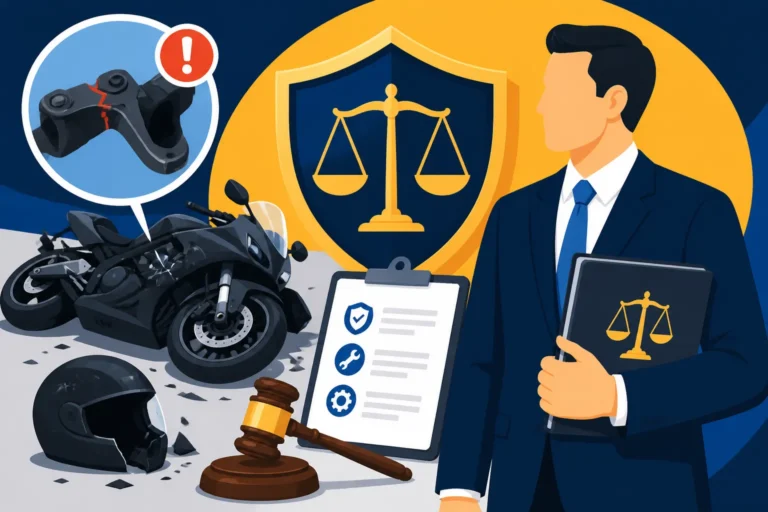
Manufacturer Liability for Defective Parts
What if your accident wasn't solely due to another driver, but also a defective part on your motorcycle, like a faulty brake system or a tire blowout due to a manufacturing defect? In such product liability cases, the statute of limitations in Indiana is still generally two years from the date of injury. However, there's also a "statute of repose" which can act as an outer limit, often ten years from the date the product was first delivered to the buyer.
Proving manufacturer liability is incredibly complex, requiring expert testimony and detailed investigation into the product itself. If you suspect a defective part contributed to your accident, preserving the motorcycle and the specific part in question is paramount. An attorney can help you navigate the nuances of these types of claims, which are often fiercely defended by large corporations. This is an entirely different area from typical car vs. motorcycle accidents and requires specialized legal knowledge.
Protecting Your Claim: Actionable Steps Before the Deadline
Given the strict nature of Indiana's statute of limitations, taking proactive steps right after your motorcycle accident is not just advisable; it's essential. Every day that passes without action can potentially weaken your case or, worse, lead to you missing your window entirely.
Seek Immediate Medical Attention
Your health is the absolute priority after a motorcycle accident. Even if you feel okay, adrenaline can mask injuries. Get checked out by a medical professional immediately. Documenting your injuries from day one creates an undeniable record. Gaps in medical treatment can be used by insurance companies to argue that your injuries weren't serious or weren't caused by the accident. Following through with all recommended treatments and therapies is crucial, not only for your recovery but also for building a strong case. Your medical records will be vital evidence in proving the extent of your damages.
Beyond immediate care, continuing treatment and keeping detailed records of every doctor's visit, medication, and therapy session is paramount. This consistent documentation helps demonstrate the severity and duration of your injuries, which directly impacts the value of your claim for things like Pain and Suffering Damages Explained.
Document Everything at the Scene
The moments immediately following an accident are chaotic, but what you do (or don't do) can profoundly affect your claim down the line. If physically able, take photos and videos of everything: the accident scene from multiple angles, damage to all vehicles involved, road conditions, skid marks, traffic signs, and any visible injuries. Exchange information with the other driver, and get contact details for any witnesses.
Do not admit fault at the scene, even if you think you might have been partly to blame. Statements you make can be used against you. Get a police report filed and make sure it accurately reflects the situation. This initial documentation is often the bedrock of proving Who Is at Fault in a Motorcycle Accident. The more evidence you collect at the scene, the better position you'll be in later to combat common defenses like the "I Didn't See the Motorcycle" defense.
Gathering and Preserving Evidence
Beyond the scene, a lot of other evidence will be crucial. This includes:
- Medical records and bills: Keep everything.
- Lost wage documentation: Pay stubs, tax returns, letters from your employer.
- Photos of your injuries: Document your recovery process.
- Witness statements: Follow up with witnesses to get formal statements.
- Damage estimates for your motorcycle: And photos of the damage.
- Any communications with insurance companies: Keep a log.
Preserving this evidence is vital. Don't throw away damaged gear or your motorcycle until your attorney advises it. Your damaged helmet, for instance, can be powerful evidence. If you're struggling to organize all of this, remember that legal professionals are experts in evidence collection and preservation. They understand what to look for and how to ensure its admissibility in court.
Consult with an Experienced Motorcycle Accident Attorney
This is, by far, the most important step you can take. An experienced Indiana motorcycle accident attorney understands the complexities of state law, including the statute of limitations and its exceptions. They can assess your case, identify all potential parties responsible (including government entities or manufacturers), and ensure that all necessary legal documents are filed within the strict deadlines. Moreover, they can handle all communications with insurance companies, protecting you from common tactics designed to minimize payouts or delay claims.
Trying to navigate a personal injury claim on your own, especially with severe injuries, is incredibly difficult. Insurance adjusters are trained negotiators whose primary goal is to save their company money, not to ensure you receive maximum compensation. A lawyer acts as your advocate, protecting your rights and fighting for your best interests. Many legal services, like LegalMatch, can help you find qualified attorneys in your area who offer free consultations, allowing you to understand your options without upfront cost. This early consultation can determine if you Do You Need a Motorcycle Accident Lawyer and how they can significantly impact How a Lawyer Increases Your Settlement. Don't wait until the last minute – the sooner you engage legal counsel, the stronger your position will be.
Disclaimer
Please remember that this article provides general information and is not legal advice. Every motorcycle accident claim is unique, and the information presented here may not apply to your specific situation. Laws can change, and interpretations can vary. It is crucial to consult with a qualified Indiana motorcycle accident attorney to discuss your individual case and understand the specific statutes of limitations and legal requirements that apply to you.