Pain and Suffering Damages Explained
Riding a motorcycle offers unparalleled freedom, but when an accident happens, the physical pain is often just the beginning. The emotional toll, the anxiety, the sleepless nights, and the profound impact on your daily life can feel just as devastating, if not more so, than the broken bones or road rash. Trying to figure out how the legal system even begins to put a dollar amount on such deeply personal suffering is incredibly frustrating and confusing. This comprehensive guide is here to cut through that confusion, explaining what "pain and suffering" truly means in a motorcycle accident claim, how it’s valued, and how you can ensure your profound personal experience is properly recognized and compensated.
Understanding Pain and Suffering in Motorcycle Accident Claims
When you've been in a motorcycle accident, the immediate aftermath is often dominated by medical emergencies and property damage. You're dealing with hospital visits, doctor's appointments, and worrying about your bike. But beyond these very concrete, calculable losses, there's a whole other category of harm that significantly impacts your life: your pain and suffering. This isn't just a legal term; it encapsulates the very real, often invisible, struggles you face every single day as a result of someone else's negligence. Ignoring this crucial aspect of your recovery would mean settling for far less than you truly deserve, leaving you to bear the brunt of enduring, non-financial burdens alone.
What "Pain and Suffering" Really Means
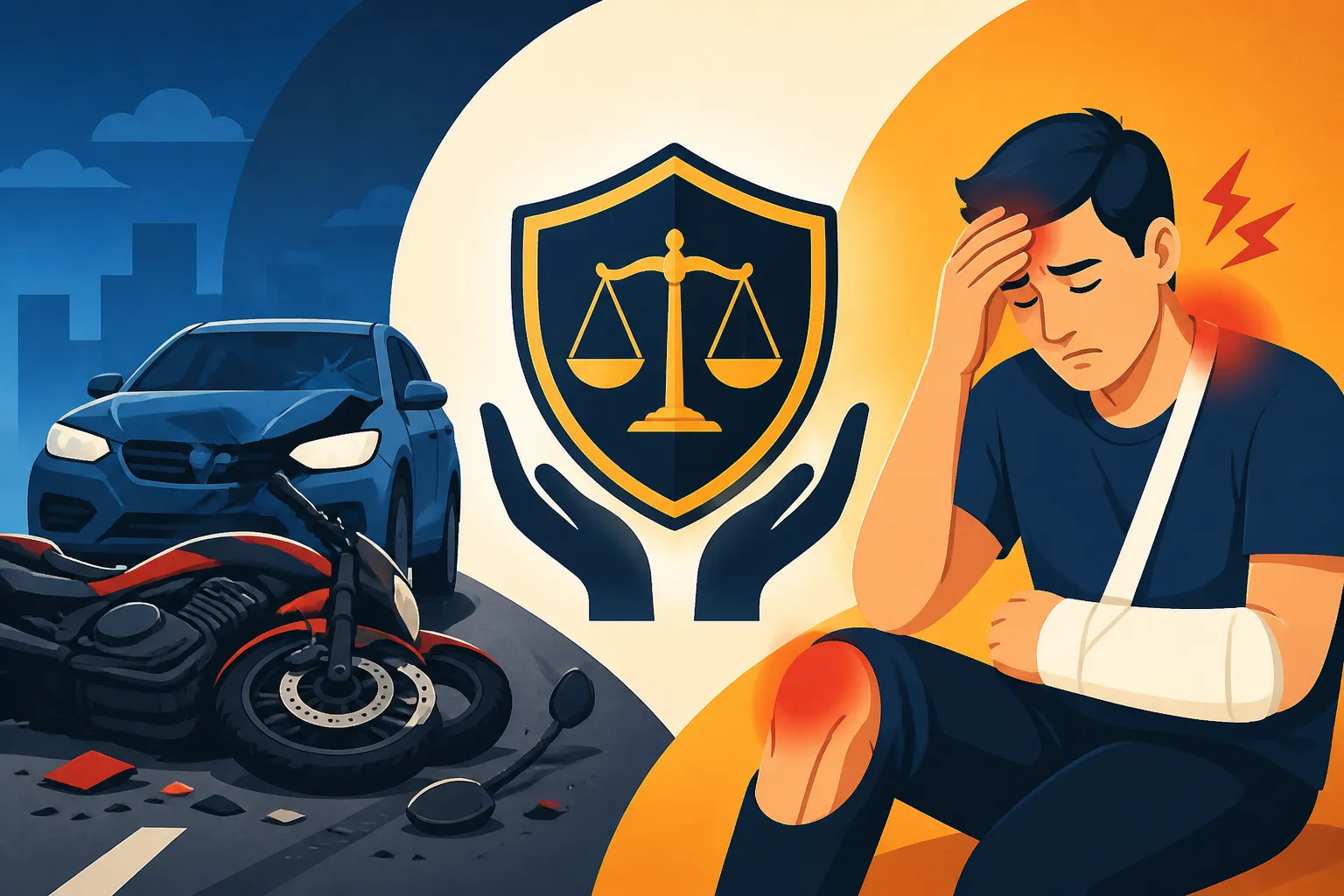
"Pain and suffering" is a broad legal term that covers a wide array of non-economic damages an injured person experiences after an accident. Unlike economic damages, which are tangible losses with a clear dollar value—like medical bills, lost wages, or property damage—pain and suffering are much more subjective. They represent the physical discomfort, emotional distress, and overall diminished quality of life caused by your injuries. Think of it this way: a broken leg has a cast and a surgeon's bill (economic), but the agonizing throbbing, the inability to play with your kids, or the fear of riding again (pain and suffering) are just as real, if not more impactful on your daily existence. These damages are designed to compensate you for the disruption to your normal life and well-being, acknowledging that not all losses come with a receipt.
It’s about recognizing the human cost of the accident. This can include immediate and ongoing physical pain, obviously, but it extends deeply into the psychological realm. We're talking about the chronic discomfort that never truly goes away, the emotional anguish of losing your independence, or the sheer frustration of having your life put on hold. These aspects are often the most challenging to quantify but are absolutely central to a fair and just recovery. The goal of including pain and suffering in your claim is to provide financial relief that helps you cope with these profound, personal hardships, even if money can't truly erase the experience.
Why Motorcycle Accidents Lead to Unique Levels of Suffering
Motorcycle accidents, by their very nature, often result in more severe injuries compared to car accidents. Riders are far more exposed, lacking the protective shell of a car, which means direct impact with the road or other vehicles can be devastating. This inherent vulnerability often translates into a greater degree of physical pain, extensive medical treatments, and a longer, more arduous recovery period. The sheer force of impact, combined with the lack of airbags and seatbelts, means injuries like severe Road Rash Injuries and Claims, broken bones, spinal cord damage, and even Motorcycle Accident Traumatic Brain Injuries are tragically common.
Beyond the physical, there's a unique psychological burden. Many riders experience significant post-traumatic stress disorder (PTSD) or severe anxiety after a crash, often leading to a fear of getting back on two wheels. The very activity that brought joy and freedom suddenly becomes a source of dread. This loss of a cherished pastime, coupled with the societal bias often faced by motorcyclists—where some mistakenly assume riders are always at fault—can exacerbate emotional distress. These factors contribute to a heightened level of non-economic damages that must be thoroughly addressed when considering your Types of Damages in a Motorcycle Accident Claim.
The Legal Basis for Non-Economic Damages
In the legal world, pain and suffering fall under the umbrella of "non-economic damages." This distinguishes them from "economic damages," which are the easily quantifiable financial losses. Most states recognize the right of injured parties to seek compensation for both categories. The reasoning is rooted in the principle that victims should be made "whole" again, as much as possible, after an accident caused by someone else's negligence. While physical injuries heal and bills can be paid, the lingering emotional and physical pain profoundly impacts a person's life, and the legal system acknowledges this.
Historically, courts have understood that true justice involves more than just covering medical expenses. It means acknowledging the deeper impact an injury has on a person's daily existence, their relationships, and their overall happiness. This legal framework allows you to seek compensation for losses that don't have a clear price tag attached but are undoubtedly real and impactful. Understanding this distinction, as covered in a guide like Economic vs Non-Economic Damages Explained, is crucial because insurance companies will often try to minimize the non-economic portion of your claim, arguing that it's too subjective. However, a strong legal precedent supports your right to claim these vital damages.
Types of Pain and Suffering Damages
The term "pain and suffering" is incredibly broad, encompassing a wide range of physical and emotional hardships. It’s not just about the moment of impact or the immediate aftermath, but the ongoing struggles that can persist for weeks, months, or even a lifetime. When building your claim, it's essential to understand the different facets of this damage category so you can accurately represent the full scope of your experience to the insurance company or a jury. Every aspect of your diminished well-being due to the accident deserves to be thoroughly documented and valued.
Physical Pain and Discomfort
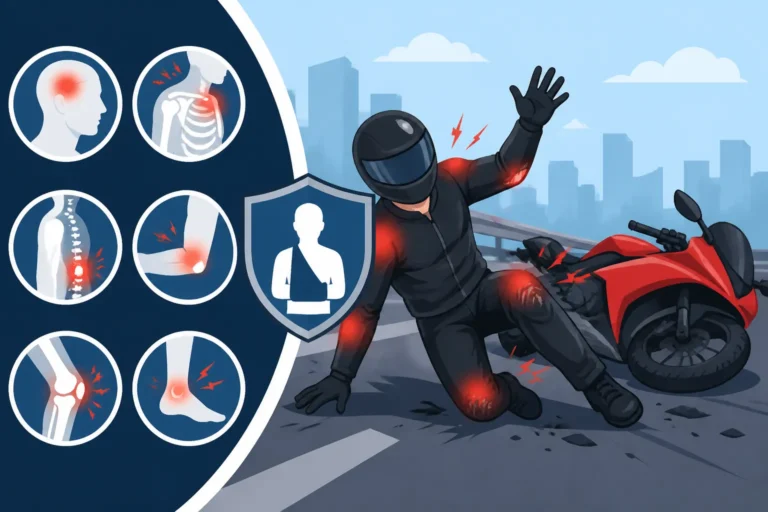
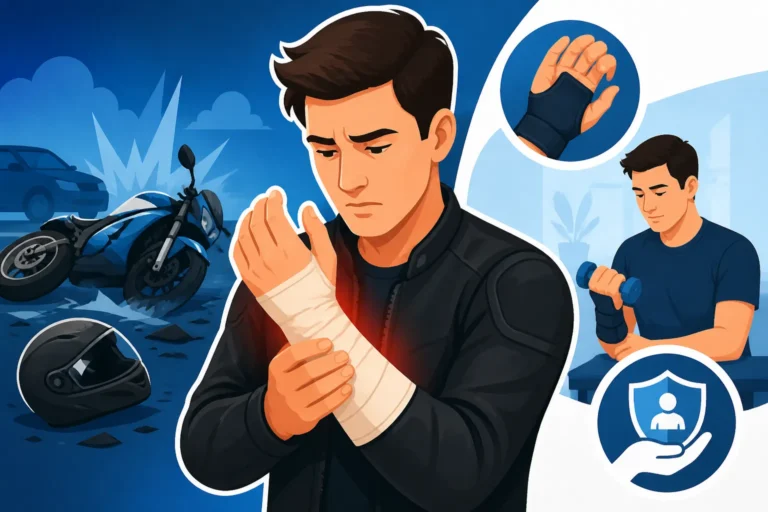
This is perhaps the most obvious component of pain and suffering. It includes the immediate agony of the accident itself, the severe pain experienced during emergency treatment, surgeries, and initial recovery. However, it extends far beyond that. Many motorcycle accident victims grapple with chronic pain, which can be a constant, debilitating presence. This might manifest as persistent back pain after a spinal injury, nerve damage causing tingling or numbness, or phantom limb pain following an amputation. This type of pain often requires ongoing medical management, physical therapy, and can severely limit physical activity, making even simple tasks excruciating.
Consider a rider who suffered multiple fractures and internal injuries. Their initial recovery might involve weeks in a hospital bed, followed by months of intense physical therapy. Even after regaining some mobility, they might live with a dull, constant ache in their joints or a lingering stiffness that makes riding, working, or even sleeping comfortably difficult. This isn't just a temporary inconvenience; it's a fundamental change to their physical comfort and capabilities. Documenting this ongoing physical torment through medical records, pain journals, and doctor's notes is vital to accurately conveying its severity in your claim.
Emotional and Psychological Trauma
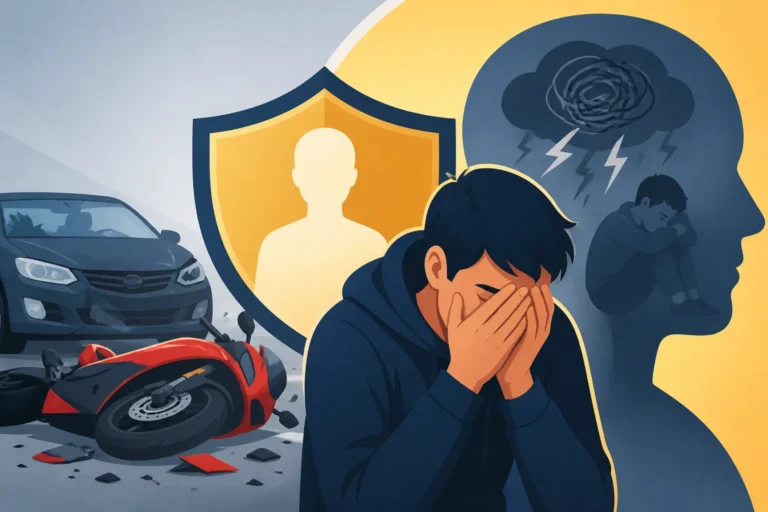
The invisible wounds of a motorcycle accident can be just as, if not more, debilitating than the physical ones. Emotional and psychological trauma covers a vast spectrum of mental anguish. This can include intense fear and anxiety, especially a fear of riding or even being a passenger in a vehicle. Many survivors experience symptoms of Post-Traumatic Stress Disorder (PTSD), characterized by flashbacks, nightmares, hyper-vigilance, and an avoidance of anything that reminds them of the crash. Depression is also common, fueled by feelings of helplessness, loss of independence, or chronic pain.
Imagine a rider who, before the accident, loved nothing more than weekend rides with friends, feeling the wind on their face. After a severe collision, they might find themselves plagued by panic attacks every time they hear a motorcycle engine or see a sudden flash of headlights. They might become withdrawn, losing interest in hobbies they once cherished, and struggling with sleep. This profound shift in mental well-being requires psychological treatment, therapy, and sometimes medication, all of which are part of the damages you can claim. The long-term impact on mental health can significantly affect relationships, work performance, and overall quality of life, making it a critical aspect of your claim for Emotional Distress Damages.
Loss of Enjoyment of Life
This category of pain and suffering speaks to how your injuries prevent you from engaging in activities and pursuits that once brought you joy and fulfillment. It's about the diminution of your quality of life, the things you loved to do that you can no longer do, or can only do with great difficulty. If you were an avid hiker, a keen musician, a dedicated parent who loved playing sports with your children, or simply someone who enjoyed gardening, and your injuries have taken those abilities away, that is a profound loss.
For a motorcyclist, this often hits particularly hard. The motorcycle itself represents freedom, adventure, and a passionate hobby. If an accident leaves you unable to ride, that’s not just the loss of a mode of transport; it’s the loss of a core part of your identity and your enjoyment of life. This can also extend to more mundane activities, such as working out, taking care of your home, or simply walking comfortably. This type of damage highlights how the accident has permanently altered your ability to live life to the fullest, and it's a significant component in determining How Motorcycle Accident Settlements Are Calculated.
How Insurers and Courts Value Pain and Suffering
This is often the million-dollar question: how do you put a price tag on something as intangible as pain, fear, or the inability to enjoy your favorite pastime? It’s true that there's no perfect formula, and much of it comes down to negotiation and persuasive argumentation. However, insurance companies and courts do use several methods and considerations to arrive at a monetary figure. Understanding these methods is key to knowing what to expect and how to advocate for a fair settlement.
The Multiplier Method in Detail
The multiplier method is one of the most common approaches used by insurance adjusters and attorneys to estimate pain and suffering damages. It starts with your total economic damages—things like medical bills, lost wages, and property damage—and multiplies that sum by a certain number, typically between 1.5 and 5. The severity of your injuries, the duration of your recovery, and the impact on your daily life determine where your multiplier falls within that range. For minor injuries with a quick recovery, the multiplier might be on the lower end, say 1.5 or 2. For severe, life-altering injuries with long-term consequences, it could be 4, 5, or even higher.
Let's illustrate with an example. If your total economic damages (medical bills, lost income, property damage) add up to $50,000, and your injuries were significant, requiring surgery and extensive physical therapy, an insurer might apply a multiplier of 3. This would result in $150,000 for your pain and suffering. Add that to your $50,000 in economic damages, and your total claim would be $200,000. It's a crude but widely accepted way to factor in the non-economic toll. However, remember that insurance companies will always push for the lowest multiplier possible, while your attorney will argue for the highest, making the negotiation critical.
The Per Diem Method
Less common than the multiplier method, the per diem (meaning "per day") method is sometimes used, especially for injuries where a clear recovery period can be established. This method assigns a daily rate for your pain and suffering from the date of the accident until you reach Maximum Medical Improvement (MMI). MMI is the point at which your condition is stable and no further improvement is expected, even with continued treatment. The daily rate chosen often reflects your daily wage, or sometimes a reasonable amount like $100-$200 per day, depending on the severity of your injuries.
For instance, if you were seriously injured in a motorcycle crash and endured 180 days (approximately six months) of significant pain and recovery before reaching MMI, and a daily rate of $200 was deemed appropriate, your pain and suffering could be calculated as $200 x 180 = $36,000. This method tends to work best for claims where there’s a defined period of suffering and a clear end point for active treatment. However, it can be less suitable for catastrophic injuries that result in permanent disability or chronic pain, where suffering doesn't truly "end" at MMI.
Here's a quick comparison:
| Method | Basis of Calculation | Best Suited For | Pros | Cons |
|---|---|---|---|---|
| Multiplier | Multiplies economic damages by a factor (1.5-5+) | Moderate to severe injuries, long-term impact | Widely accepted, scales with injury severity | Subjectivity in choosing multiplier, insurers aim low |
| Per Diem | Daily rate for pain from injury date to MMI | Injuries with clear, defined recovery periods | Simple, tied to recovery duration | Not ideal for permanent injuries/chronic pain, daily rate can be arbitrary, less common |
Factors That Influence the Multiplier
The choice of multiplier isn't arbitrary; several factors heavily influence whether an insurance adjuster or jury will lean towards a lower or higher number. The core of it comes down to the demonstrable severity and impact of your injuries. One of the primary considerations is the type and severity of your injuries. Catastrophic injuries, like severe Motorcycle Spinal Cord Injury: Claims and Compensation, traumatic brain injuries, or permanent disfigurement, will naturally warrant a much higher multiplier than a minor sprain or bruise. These injuries lead to lifelong consequences, extensive medical treatment, and significantly altered lives.
Another critical factor is the duration and nature of medical treatment. Did you require surgery, extensive rehabilitation, or ongoing physical therapy? The more intensive and prolonged your medical care, the higher the multiplier tends to be, as this directly correlates with greater pain and disruption. The permanency of your injuries also plays a huge role; if you have permanent scarring, a lifelong disability, or chronic pain, this significantly increases the multiplier. Furthermore, the impact on your daily life, including your ability to work, enjoy hobbies, perform household tasks, and engage in social activities, weighs heavily. If you can clearly articulate and prove how the accident has diminished your quality of life, you strengthen your argument for a higher multiplier. Factors like emotional distress, visible scarring, and even the clarity of fault can also subtly influence this critical number.
Documenting Your Pain and Suffering for a Stronger Claim
Since pain and suffering are subjective, proving their extent requires diligent documentation. You can't just tell an insurance company you're in pain; you need to show them. This part of your claim demands a proactive approach, gathering and preserving evidence that clearly illustrates the physical and emotional toll the accident has taken. Without solid evidence, insurers will have an easier time downplaying your experience, potentially significantly reducing your settlement.
The Importance of Medical Records and Treatment History
Your medical records are the bedrock of any personal injury claim, especially when it comes to proving pain and suffering. They provide objective evidence of your injuries, the severity, the course of treatment, and the prognoses from medical professionals. Every doctor's visit, specialist consultation, physical therapy session, medication prescribed, and surgery performed should be meticulously documented. These records not only confirm your physical injuries but also implicitly demonstrate the pain and discomfort you endured throughout your treatment. If you received psychological counseling for anxiety or PTSD, those records are equally vital.
It’s crucial to seek prompt and consistent medical attention after your accident. Gaps in treatment can be a red flag for insurance companies, allowing them to argue that your injuries weren't as severe as claimed or that a significant portion of your pain is unrelated to the crash. Following your doctor's recommendations diligently, attending all appointments, and documenting everything from prescriptions to referrals, will provide a clear, undeniable narrative of your suffering and recovery journey. This also directly links to the guidance on How to Document Injuries for a Claim, emphasizing the continuous chain of care.
Maintaining a Pain and Symptom Journal
While medical records are objective, your personal pain and symptom journal offers a powerful, subjective, daily account of your suffering. This journal serves as your voice, detailing experiences that doctors might not capture in their clinical notes. Each day, or as frequently as possible, jot down specific details:
- Pain levels: Rate your pain on a scale of 1-10.
- Location of pain: Be specific (e.g., "throbbing in left knee," "stiff lower back").
- Activities affected: What couldn't you do today because of your pain or injuries? (e.g., "Couldn't lift my child," "Couldn't ride my motorcycle," "Struggled to sleep").
- Emotional state: Describe feelings of frustration, sadness, anxiety, fear, or anger.
- Medication and side effects: Note what you took and how it made you feel.
- Sleep quality: Did you have trouble sleeping due to pain or nightmares?
This detailed, consistent log builds a compelling narrative of your daily struggles, making your "invisible" pain tangible for those evaluating your claim. It transforms general statements of suffering into specific, relatable examples, showing how your life has been impacted since the accident.
Witness Testimonies and Personal Statements
Beyond your medical documents and personal journal, the observations of others can significantly bolster your claim for pain and suffering. Friends, family members, co-workers, and even neighbors who witnessed your post-accident struggles can provide powerful testimony. These individuals can attest to changes in your personality, your inability to participate in activities you once loved, your difficulty with daily tasks, or your observable pain. Their statements add an external layer of validation to your internal experience, making it harder for insurance companies to dismiss your suffering.
A personal statement from you is also invaluable. This is your opportunity to tell your story in your own words, detailing the accident's impact on every aspect of your life—physically, emotionally, socially, and professionally. Describe your prior active lifestyle and how that has changed. Explain the emotional toll, the dreams deferred, and the challenges you face daily. Be honest, detailed, and authentic. This humanizes your claim and provides a deep, personal context that statistics and medical reports alone cannot convey.
Common Challenges in Proving Pain and Suffering
Even with diligent documentation, securing fair compensation for pain and suffering isn't always straightforward. Insurance companies are businesses, and their primary goal is often to minimize payouts. They employ various tactics and defenses to dispute the severity of your pain or even shift some blame onto you. Being aware of these challenges is the first step in effectively countering them.
The "Helmet Defense" and Rider Bias
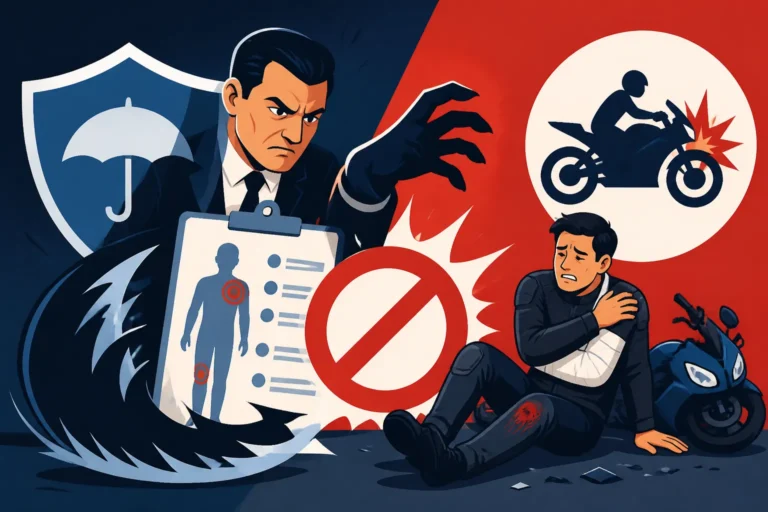
One of the most frustrating challenges motorcyclists face is the inherent "rider bias" that unfortunately exists. There's a persistent stereotype that motorcyclists are reckless thrill-seekers, which can lead to a presumption of fault, even when the other driver was clearly negligent. This bias can seep into how insurance adjusters, and even sometimes jurors, view your claim, making them less sympathetic to your pain and suffering. Compounding this is the "helmet defense," a common tactic used by defense attorneys if you weren't wearing a DOT-compliant helmet, or any helmet at all, in states with partial or no helmet laws.
Even if not wearing a helmet didn't contribute to the cause of the accident, the defense might argue that it worsened your head injuries, thereby limiting the amount of compensation you can claim for those specific damages. This is a complex legal area, and its applicability varies significantly by state, as explored in articles like The Helmet Defense Explained. It's a prime example of how the unique circumstances of motorcycle accidents can be used to challenge your claim, requiring a strong counter-argument to ensure your suffering is not unfairly devalued.
Gaps in Treatment and Pre-Existing Conditions
Insurance companies are always looking for reasons to reduce their liability, and two common targets are "gaps in treatment" and "pre-existing conditions." If there's a significant delay between your accident and seeking medical attention, or if you stop treatment prematurely, insurers might argue that your injuries aren't serious, or that they are unrelated to the accident. They might claim that your pain developed later, due to something else, or that you simply weren't that hurt if you weren't consistently seeing doctors.
Similarly, if you have any pre-existing medical conditions—even something as common as prior back pain or a past knee injury—the insurance company will likely try to attribute your current pain and suffering to those old conditions. They'll argue that your current complaints aren't a direct result of the motorcycle accident but rather a flare-up of an older issue. This is where meticulous documentation of your current injuries and their specific causation becomes paramount. Your medical records must clearly differentiate new injuries from old ones and demonstrate how the accident either caused new pain or significantly exacerbated a pre-existing condition, ensuring you can still recover for these damages, often covered by concepts like the "eggshell skull rule."
Insurance Company Tactics to Minimize Payouts
Insurance companies are masters at devaluing pain and suffering claims. Their adjusters are trained negotiators whose job is to pay out as little as possible. They might initially offer a lowball settlement that covers only a fraction of your actual damages, hoping you'll accept it out of desperation or lack of understanding. They might question the legitimacy of your pain, imply you're exaggerating, or suggest that your emotional distress is simply a normal reaction to an accident, rather than a compensable trauma. This is a common strategy discussed in How Insurers Lowball Motorcycle Riders.
They might also try to delay the process, hoping that time will wear down your resolve and force you to accept a lower offer. They could request an excessive amount of documentation, bury you in paperwork, or demand independent medical exams with their chosen doctors who may not be impartial. These tactics are designed to frustrate you and make you give up, or at least settle for less than your claim is truly worth. Recognizing these strategies is the first step in protecting yourself and ensuring you don't fall prey to their efforts to minimize your legitimate compensation.
Maximizing Your Pain and Suffering Compensation
Given the complexities and challenges involved, maximizing your compensation for pain and suffering requires a strategic and informed approach. It’s not simply about listing your injuries; it’s about building a compelling case that clearly communicates the profound impact the accident has had on your life. This often involves careful planning, thorough preparation, and sometimes, expert guidance.
The Role of a Motorcycle Accident Attorney
Perhaps the single most effective step you can take to maximize your pain and suffering compensation is to hire an experienced motorcycle accident attorney. These legal professionals understand the nuances of personal injury law, the specific challenges faced by motorcyclists, and how insurance companies operate. They know how to effectively counter tactics designed to minimize your claim and are adept at gathering the necessary evidence to prove the full extent of your damages. An attorney will meticulously review your medical records, help you maintain a thorough pain journal, gather witness statements, and, if necessary, work with medical and vocational experts to project future pain and suffering.
Crucially, an attorney will handle all communication and negotiations with the insurance company on your behalf, protecting you from adjusters who might try to trick you into making statements that could harm your claim. They know how to accurately calculate both economic and non-economic damages, leveraging their experience to argue for the highest possible multiplier for your pain and suffering. Their presence alone often signals to the insurance company that you are serious about your claim and unwilling to accept a lowball offer, as detailed in Do You Need a Motorcycle Accident Lawyer. This often leads to significantly higher settlement offers than you would receive on your own.
Preparing for Depositions and Court Testimony
If your case doesn't settle and moves towards litigation, you may be required to give a deposition or even testify in court. This is often the first time you'll have to recount the details of the accident and the extent of your injuries and suffering under oath. Preparing for this is critical. Your attorney will guide you through the process, explaining what to expect and how to answer questions truthfully and effectively, without inadvertently harming your case. The opposing counsel will likely try to poke holes in your story, question the severity of your pain, or highlight any inconsistencies in your statements or documentation.
During depositions and testimony, it’s vital to be honest, consistent, and articulate. Describe your pain and suffering in specific, vivid terms, drawing from your pain journal and personal experiences. Avoid exaggeration, but don't downplay your struggles. Dress appropriately, maintain a respectful demeanor, and be prepared to discuss how the accident has affected every aspect of your life. This is your opportunity to directly convey your suffering to the decision-makers, be they the opposing counsel, judge, or jury, and a well-prepared testimony can significantly impact the valuation of your pain and suffering.
Understanding Your State's Damage Caps
While the legal system aims to provide full compensation, some states have enacted "damage caps" that limit the amount of money a plaintiff can receive for non-economic damages, including pain and suffering. These caps vary significantly by state and can depend on the type of case (e.g., medical malpractice vs. personal injury) or the nature of the defendant (e.g., government entities). For example, some states might cap non-economic damages at $250,000 or $500,000, while others have no caps at all for most personal injury cases.
It is absolutely vital to understand the specific laws in your state, as these caps can significantly impact the maximum amount you can recover for your pain and suffering, regardless of how severe your injuries are. Your motorcycle accident attorney will be intimately familiar with these laws and can advise you on how they might affect your case. Even in states with caps, a skilled attorney will work to maximize your economic damages and fully justify the highest possible non-economic award up to the legal limit, ensuring you still receive the most comprehensive compensation possible as part of How to Maximize Your Motorcycle Accident Settlement.
Real-World Examples of Pain and Suffering
To truly grasp the concept of pain and suffering, it helps to consider real-world scenarios. The impact of a motorcycle accident is rarely uniform; it varies dramatically based on the severity of the injuries and the individual's lifestyle before the crash. Exploring these examples highlights why a nuanced approach to valuing these damages is so essential.
Minor vs. Severe Injuries: A Spectrum of Suffering
The spectrum of pain and suffering compensation directly correlates with the severity of your injuries. For instance, a rider who suffers only minor road rash and bruises from a low-speed tip-over might experience temporary discomfort, some anxiety about riding, and perhaps a few weeks off work. Their pain and suffering claim would likely reflect this, with a lower multiplier or per diem rate applied to cover a shorter period of inconvenience and mild distress. The impact on their long-term enjoyment of life would hopefully be minimal, and their compensation would reflect that.
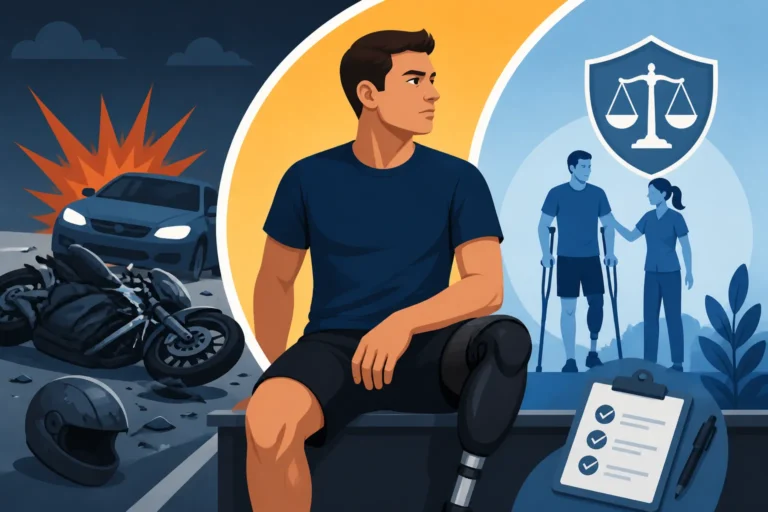
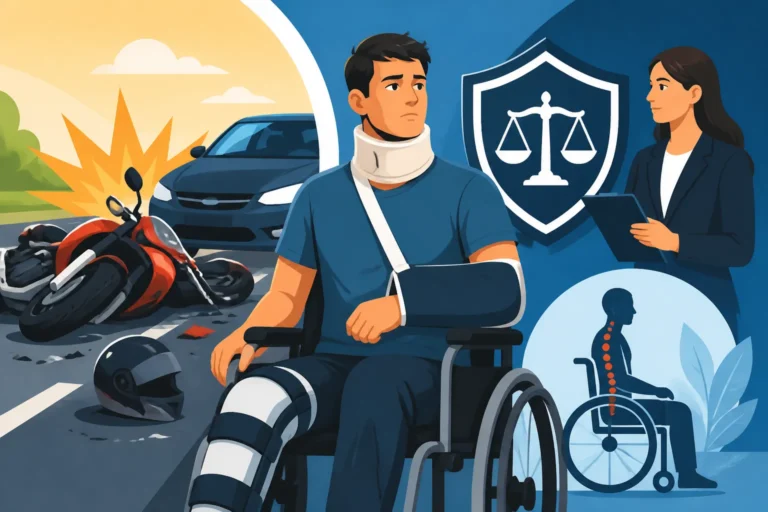
Contrast this with a rider who sustains a severe spinal cord injury in a head-on collision, resulting in paralysis. Their pain and suffering would be astronomical. This isn't just about the initial agony, but the lifelong physical pain, the complete loss of mobility, the inability to work, the profound emotional distress of permanent disability, the loss of independence, and the total inability to ever ride again. The loss of enjoyment of life is immense. In such catastrophic cases, the multiplier would be at the highest end, potentially leading to millions in non-economic damages, reflecting the irreversible and devastating impact on every single aspect of their existence, underscoring why specific injuries like those discussed in Common Motorcycle Accident Injuries warrant vastly different compensation levels.
Long-Term Impacts and Chronic Conditions
Many motorcycle accident injuries don't simply heal and disappear. They can lead to long-term impacts and chronic conditions that profoundly affect a person's life for years, or even permanently. This chronic suffering significantly elevates the value of a pain and suffering claim. For example, a broken leg might heal, but if it develops chronic complex regional pain syndrome (CRPS), the victim could face debilitating, intractable pain for the rest of their life, requiring ongoing treatment, medication, and lifestyle adjustments. This continuous suffering, both physical and emotional, forms a major part of their claim.
Similarly, a seemingly "mild" traumatic brain injury can result in chronic headaches, cognitive difficulties, memory problems, personality changes, and persistent fatigue. These invisible injuries can destroy careers, strain relationships, and make even simple daily tasks monumental challenges. The emotional toll of living with these enduring conditions, knowing your life will never return to what it was, is immense. It's not just about the medical costs associated with managing these conditions; it’s about the daily grind of living with constant pain, frustration, and the loss of your former self. Such profound, lasting impacts necessitate a robust and thoroughly documented claim for pain and suffering, reflecting the true cost of these life-altering consequences.
Disclaimer
Please remember that this article provides general information and insights into pain and suffering damages in motorcycle accident claims. It is not intended as legal advice. Every accident and injury claim is unique, and the specific laws and potential compensation vary significantly by jurisdiction. If you have been involved in a motorcycle accident, it is strongly recommended that you consult with a qualified personal injury attorney in your area to discuss the specifics of your case and understand your legal rights and options.