What Are the Most Common Motorcycle Injuries
Riding a motorcycle offers an unparalleled sense of freedom and connection with the open road, but it also comes with a stark reality: the inherent vulnerability of riders. When a collision occurs, the outcome for the motorcyclist is often far more devastating than for those in enclosed vehicles. This guide aims to shed light on the most common motorcycle accident injuries, helping you understand the potential physical toll and why proper preparation and immediate action are crucial.
Understanding the Severity: Why Motorcycle Injuries are Different
Motorcycle accidents are a completely different beast than typical car crashes. There's no steel cage, no airbags, no crumple zones to absorb impact. Riders are directly exposed to the force of collision, the unforgiving pavement, and whatever else might come their way. This fundamental lack of protection is why even a seemingly minor fender bender for a car can be a life-altering event for someone on two wheels. It’s a harsh truth that every rider implicitly understands, yet it's often overlooked by others on the road and, unfortunately, by insurance adjusters trying to minimize claims.
The Physics of a Motorcycle Crash
When a motorcycle is involved in a collision, the rider is typically ejected from the bike. This ejection turns the rider into a projectile, often hitting other vehicles, fixed objects, or the ground with immense force. The speed and angle of impact play a huge role, but even at relatively low speeds, the direct contact with hard surfaces can lead to severe and complex injuries. Imagine being thrown from a moving vehicle at any speed; the forces at play are brutal. Unlike a car occupant who might be restrained and protected by layers of material, a motorcyclist’s body bears the full brunt of these forces directly.
The energy transference in a motorcycle crash is shockingly efficient at causing harm. If you're on a bike and a car hits you, that kinetic energy doesn't just dissipate; it's absorbed by your body and the motorcycle itself. This is why even when the bike looks totaled, the rider can suffer injuries that aren't immediately visible, like internal bleeding or brain trauma. The sudden stop or change in direction, combined with the subsequent impact, can twist and tear tissue in ways that are simply not common in other types of vehicle accidents.
Vulnerability on Two Wheels
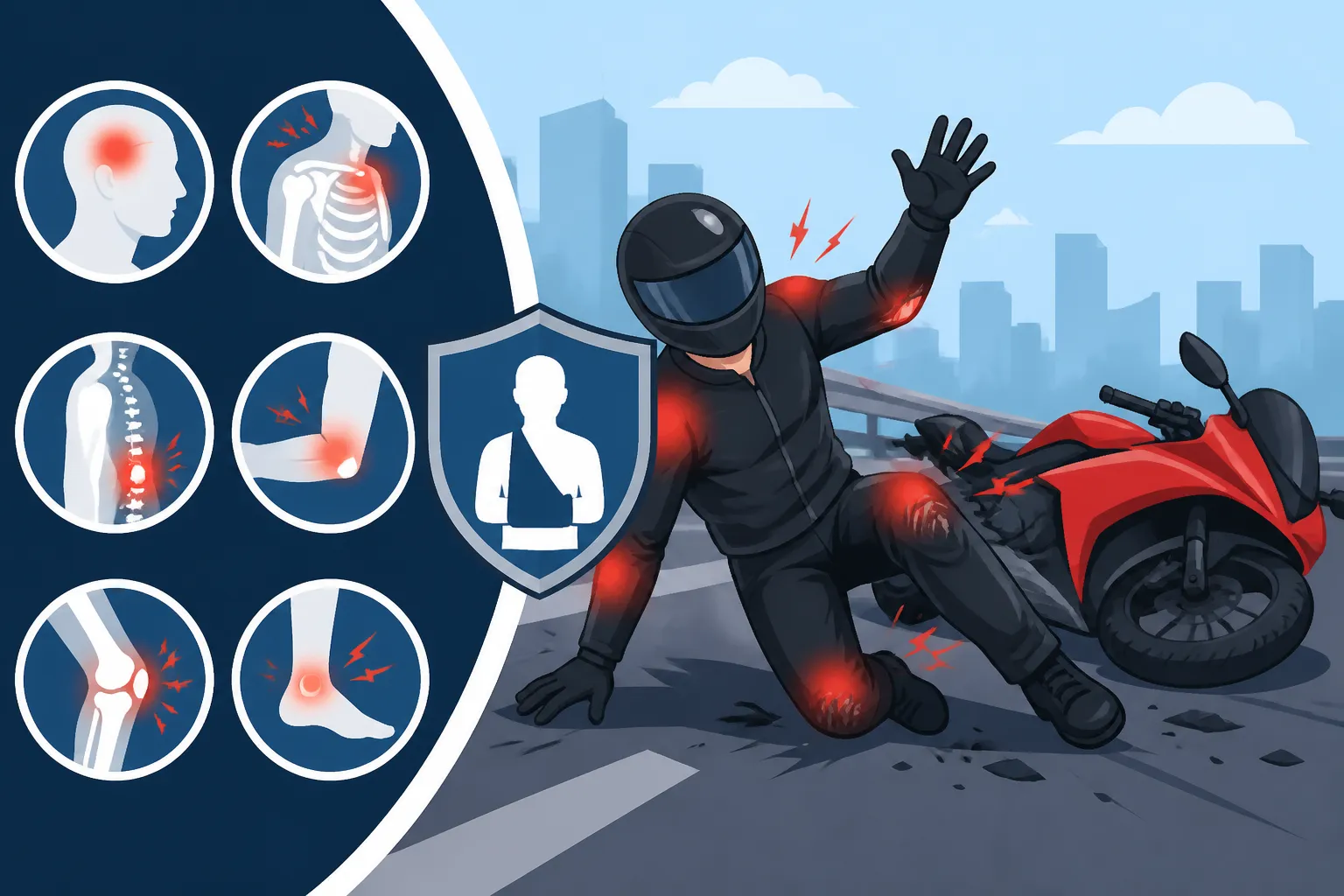
The exposed nature of motorcycle riding means that every part of a rider's body is susceptible to injury. From head to toe, there's a greater chance of direct contact with the ground or other vehicles, making severe injuries far more common than in automobile accidents. This heightened vulnerability is why motorcyclists are so often disproportionately injured, even when the other driver is clearly at fault in a motorcycle accident.
It's not just the impact itself; it's the slide, the tumble, the secondary impacts that inflict further damage. A car driver might walk away from an accident with whiplash and bruises, but a motorcyclist involved in the same incident could easily face compound fractures, debilitating spinal cord damage, or a traumatic brain injury. The sheer scale of potential harm underscores why even experienced riders who wear the best gear are still at a higher risk of serious injury. The disparity in protection is the root cause of why motorcycle injury claims often involve much higher medical costs and longer recovery times.
The Frightening Reality: Head, Neck, and Spinal Cord Injuries
Perhaps the most feared injuries among motorcyclists are those affecting the head, neck, and spine. These are often categorized as catastrophic motorcycle injuries and can have lifelong consequences, fundamentally altering a person's ability to work, enjoy hobbies, and live independently. Even with the best safety measures, the forces involved in a motorcycle crash can be so immense that these areas remain highly vulnerable.
Traumatic Brain Injuries (TBIs)
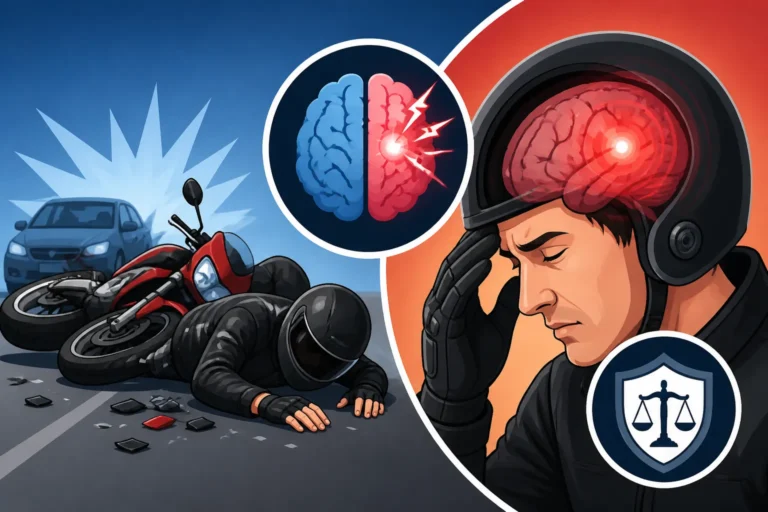
Even with a DOT-compliant helmet, a rider can sustain a traumatic brain injury (TBI) during a motorcycle accident. A TBI occurs when an external force injures the brain, ranging from a mild concussion to severe, life-threatening brain damage. The severity depends on the impact force, the direction of the force, and whether the head hit a surface directly. For instance, a sudden deceleration can cause the brain to impact the inside of the skull, leading to bruising, swelling, or tearing of brain tissue.
The symptoms of a TBI can be immediately apparent, such as loss of consciousness, confusion, or severe headaches. However, many TBIs, especially concussions, might have delayed symptoms that don't appear for hours or even days. Riders might experience memory loss, difficulty concentrating, mood swings, dizziness, or sensitivity to light and sound. These seemingly minor symptoms can indicate significant brain trauma that requires extensive medical evaluation and long-term care. Recovery from a TBI can be a long, arduous process, sometimes involving physical therapy, occupational therapy, and cognitive rehabilitation. If you're looking for more details on this, our article on Motorcycle Accident Traumatic Brain Injuries goes into much deeper specifics.
Devastating Spinal Cord Trauma
Spinal cord injuries are another grave concern for motorcyclists. The spine is a delicate column of bones and nerves that transmits signals between the brain and the rest of the body. Any significant trauma to this area can result in permanent paralysis, partial or full loss of sensation, and loss of motor function. Imagine the sudden jolting and twisting forces on your body during a crash – your spine is particularly susceptible to being compressed, fractured, or dislocated.
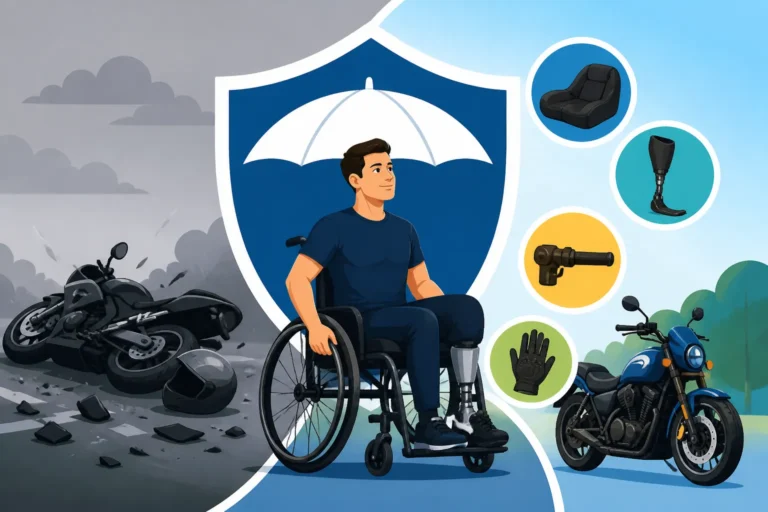
These injuries can range from severe strains and herniated discs to complete severing of the spinal cord. The location of the injury along the spine determines which parts of the body are affected. An injury higher up in the cervical (neck) region can lead to quadriplegia, affecting all four limbs and bodily functions. Lower spinal injuries, in the thoracic or lumbar regions, might result in paraplegia, affecting the legs and lower body. The long-term implications are profound, often requiring continuous medical care, specialized equipment like wheelchairs, and significant home modifications. Understanding Spinal Cord Injuries from Motorcycle Accidents is crucial for any rider or their family facing such a daunting recovery.
Beyond the Helmet: Skin, Bone, and Internal Injuries
While head and spine injuries are often the most catastrophic, many other common injuries can cause immense pain, long-term disability, and significantly impact a rider's life. These range from the infamous road rash to devastating bone breaks and internal organ damage that can be deceptively hidden.
The Scourge of Road Rash
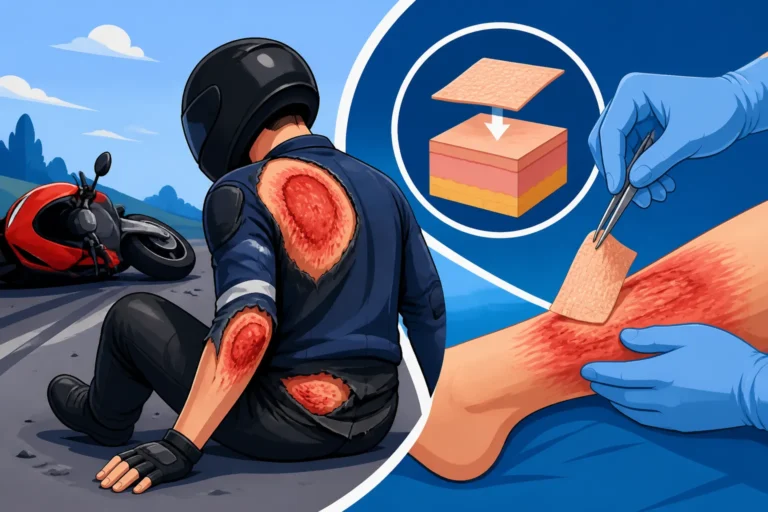
Road rash is almost synonymous with motorcycle accidents, and for good reason. It’s an abrasive injury that occurs when unprotected skin slides across the rough pavement or road surface. Many people underestimate road rash, thinking it’s just a bad scrape, but it can be far more serious. Depending on the depth and extent of the abrasion, road rash can be categorized into different degrees, much like burns.
First-degree road rash is superficial, affecting only the outermost layer of skin. Second-degree involves deeper layers, often exposing nerve endings and causing excruciating pain. Third-degree road rash is the most severe, burning through all layers of skin and potentially exposing fat, muscle, or even bone. These deep abrasions are incredibly painful, prone to infection, and often require extensive medical treatment, including wound debridement, skin grafting, and specialized dressings. The scarring can be significant and permanent, affecting not only physical appearance but also mobility and sensation. Our article on Road Rash Injuries and Claims delves into the compensation aspects for these painful injuries.
Broken Bones and Fractures
Fractures are incredibly common in motorcycle accidents, impacting nearly every bone in the body. Riders often sustain broken bones in their arms and legs, as these limbs are frequently extended during a fall or are directly impacted by other vehicles or the ground. The pelvis, ribs, and collarbones are also highly vulnerable. The nature of these fractures can vary widely, from simple breaks to complex, comminuted fractures where the bone shatters into multiple pieces.
The treatment for broken bones can involve casting, traction, or surgical intervention to implant plates, screws, or rods to stabilize the bone. Recovery often entails weeks or months of immobility, followed by extensive physical therapy to regain strength and range of motion. For some, the bone might not heal perfectly, leading to chronic pain, arthritis, or a permanent reduction in mobility. A rider might suffer multiple fractures in one crash, making recovery even more challenging and prolonged.
Silent Threats: Internal Organ Damage
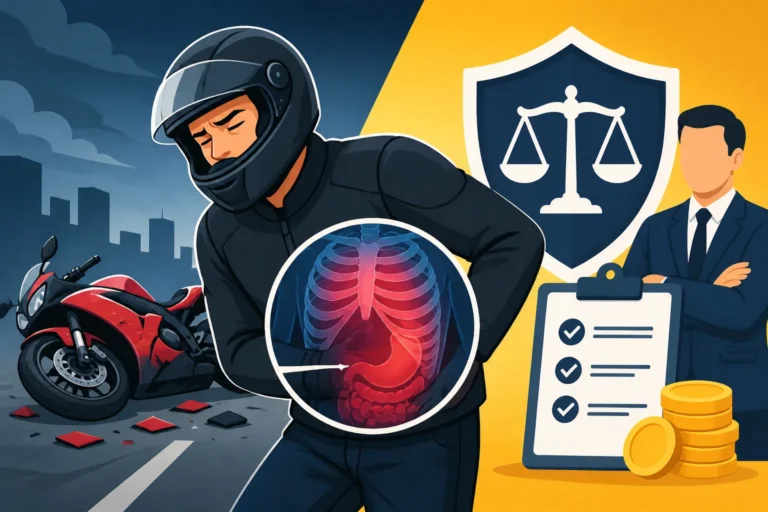
One of the most insidious types of injuries in a motorcycle accident is internal organ damage. Unlike a visible laceration or obvious broken bone, damage to organs like the spleen, liver, kidneys, or lungs can go unnoticed immediately after a crash. The blunt force trauma from an impact can cause organs to bruise, tear, or rupture, leading to internal bleeding that can quickly become life-threatening.
Symptoms might include abdominal pain, swelling, lightheadedness, or unexplained weakness, but these can be subtle and easily overlooked in the chaos following a severe accident. This is why it’s absolutely critical to seek immediate medical attention after any motorcycle crash, even if you feel fine. Medical professionals can perform imaging tests like CT scans or ultrasounds to identify internal injuries that aren't apparent from the outside. Timely diagnosis and intervention are essential to prevent severe complications, including hemorrhagic shock or organ failure. Neglecting these hidden injuries can have fatal consequences.
Long-Term Impact and the Road to Recovery
The physical injuries sustained in a motorcycle accident are often just the beginning of a long and challenging journey. Beyond the immediate pain and hospital stays, riders frequently grapple with chronic conditions and psychological trauma that can profoundly affect their quality of life for years, or even a lifetime.
Chronic Pain and Psychological Scars
Many motorcycle accident survivors find themselves living with chronic pain long after their physical wounds have healed. Nerve damage, persistent joint issues, and back problems are common culprits. This isn't just discomfort; it's a constant, debilitating presence that can interfere with sleep, work, and every aspect of daily living. The insidious nature of chronic pain can wear down even the toughest individuals, impacting their mental health and leading to conditions like depression and anxiety.
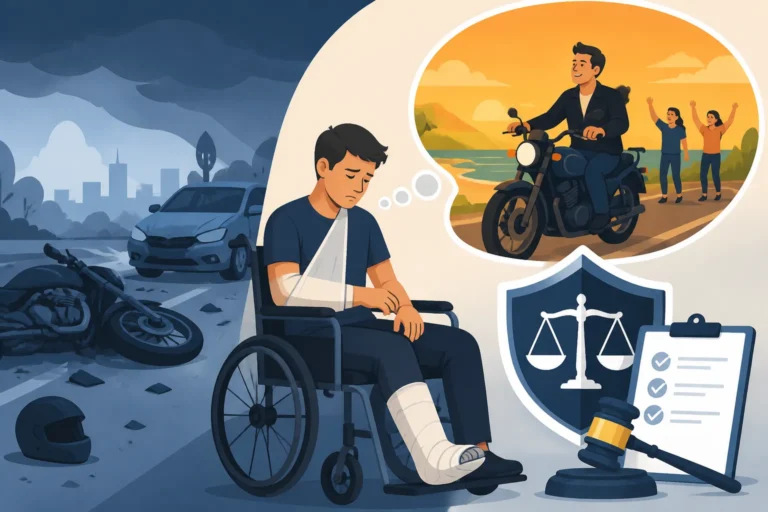
Beyond the physical, the psychological toll of a motorcycle accident can be immense. Many riders experience post-traumatic stress disorder (PTSD), flashbacks, anxiety about riding again (or even being a passenger in a car), and feelings of guilt or anger. The emotional recovery is often as complex and demanding as the physical one, requiring therapy, support groups, and sometimes medication. Recognizing and addressing these invisible wounds is just as important as treating a broken bone. Our piece on the Long-Term Effects of Motorcycle Injuries discusses this in more detail.
The Importance of Comprehensive Medical Care
Given the severity and complexity of common motorcycle accident injuries, comprehensive medical care is not just recommended; it's absolutely essential. From the moment of impact, seeking immediate medical attention – whether through paramedics at the scene or a visit to the emergency room – is the first critical step. Even if you feel "okay" or have minor visible injuries, hidden internal damage or delayed-onset conditions like a TBI can have severe consequences if not detected early. Remember, Why You Should Seek Immediate Treatment is paramount.
Following initial treatment, ongoing care might include consultations with specialists such as orthopedic surgeons, neurologists, physical therapists, and occupational therapists. For some, rehabilitation centers offering intensive therapy might be necessary. It's crucial to follow all medical advice, attend every appointment, and diligently document all treatments, medications, and your progress. This comprehensive approach to care not only aids in your physical and psychological recovery but also provides vital evidence for your motorcycle accident claim. Thorough documentation is key to proving the extent of your injuries and their impact on your life, helping you get the compensation you deserve for medical bills, lost wages, and pain and suffering. If you want to know How to Document Injuries for a Claim, we have a detailed guide on that as well.
How Different Injuries Impact Your Claim
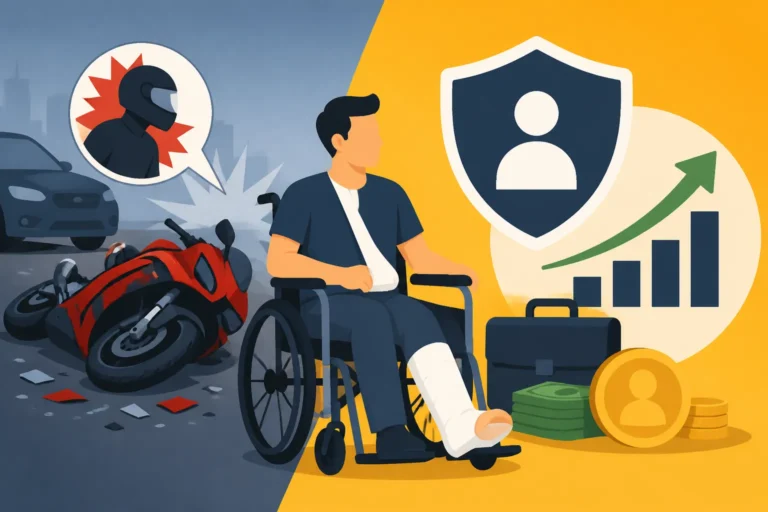
The type and severity of your injuries play a massive role in the value of your motorcycle accident claim. Insurers and courts typically look at both economic damages (quantifiable losses) and non-economic damages (subjective losses like pain and suffering).
Here's a quick look at how common injuries stack up:
| Injury Type | Typical Economic Damages (Medical Bills, Lost Wages) | Typical Non-Economic Damages (Pain & Suffering) | Long-Term Impact on Claim Value |
|---|---|---|---|
| Road Rash | Varies greatly; skin grafts, infection treatment, wound care, scarring revisions. | Moderate to Severe; intense pain, scarring, emotional distress. | Can be significant if scarring is disfiguring or causes mobility issues. |
| Broken Bones | Moderate to High; surgery, casting, physical therapy, pain medication. | Moderate to Severe; acute pain, immobility, frustration. | High if leading to chronic pain, arthritis, or permanent loss of function. |
| Spinal Cord Injury | Very High; emergency surgery, long-term rehabilitation, assistive devices, home mods. | Extreme; paralysis, loss of independence, emotional distress, depression. | Extremely High; lifelong care needs, loss of earning capacity, profound quality of life impact. |
| Traumatic Brain Injury | Very High; neurological evaluations, cognitive therapy, long-term medical support. | Extreme; cognitive impairment, personality changes, memory loss, emotional distress. | Extremely High; can lead to permanent disability, inability to work, massive care costs. |
| Internal Injuries | High; emergency surgery, ICU stay, follow-up care for organ recovery. | Severe; acute pain, fear, anxiety, recovery time. | High if organ function is permanently impaired or leads to chronic conditions. |
As you can see, injuries with greater long-term impact and higher medical costs generally lead to higher settlement values. Understanding How Injury Severity Drives Settlement Value is crucial for managing expectations and building a strong case.
Disclaimer
The information provided in this article is for general informational purposes only and does not constitute legal or medical advice. Every motorcycle accident claim is unique, and the outcome depends on the specific facts and circumstances. You should consult with a qualified legal professional for advice regarding your individual situation and a medical professional for any health concerns.