Why Motorcycle Injuries Are So Severe
It's an unfortunate truth that when a motorcycle is involved in a collision, the rider often faces injuries far more severe than those sustained by occupants of other vehicles. This stark reality can be incredibly frustrating and disheartening, leaving many wondering why the consequences are so disproportionate. This comprehensive guide will explore the fundamental reasons why motorcycle injuries are so severe, delving into the physics, vulnerabilities, and types of trauma riders experience.
The Unforgiving Nature of Motorcycle Collisions
When a motorcycle collides with another vehicle or an immovable object, the lack of substantial protection for the rider directly translates to a devastating transfer of energy. There's simply no buffer between you and the crushing force of impact.
Lack of Protective Barriers
Think about what surrounds you in a typical passenger car: a sturdy steel frame, airbags that deploy in milliseconds, multiple seatbelts to hold you in place, and crumple zones designed to absorb impact energy. These are all engineered to create a protective cocoon, distributing forces and preventing your body from directly contacting harsh surfaces or being ejected.
On a motorcycle, none of these active or passive safety systems exist. There's no steel cage, no airbags to cushion the blow, and no seatbelt to keep you within the confines of a protected space. Instead, the rider is completely exposed to the elements and, more critically, to the raw force of a collision. When a car hits a motorcycle, it’s not just metal against metal; it’s often metal against flesh and bone. This direct exposure means that the rider's body becomes the primary point of impact absorption, leading to catastrophic results even in what might seem like a minor fender bender for a car.
Direct Impact Forces
When a motorcycle rider experiences a crash, the forces involved are immense and act directly upon their body. Unlike a car, which might crumple and deform, absorbing some of the kinetic energy, a motorcycle often offers little to no energy absorption before the rider is impacted. If a car slams into the side of a motorcycle, the rider takes the full brunt of that impact. The bike itself might be crushed, but the rider's legs, torso, and head are directly in the path of the oncoming vehicle.
Furthermore, consider the physics of deceleration. When a car hits something, the vehicle slows down over a very short distance, but the occupants, if restrained, experience that deceleration somewhat buffered by the vehicle's structure and safety features. For a motorcycle rider, especially if ejected, that deceleration can happen almost instantaneously and violently when they strike another object, the ground, or are hit by subsequent vehicles. This rapid, uncontrolled deceleration can cause internal organs to strike against the inside of the body cavity, leading to severe internal bleeding and organ damage, even if there are no visible external wounds. The sheer energy transfer is a primary reason why Common Causes of Motorcycle Accidents often result in such severe outcomes.
The Unique Vulnerabilities of Riders
Beyond the immediate impact, motorcycle riders face inherent vulnerabilities that drastically increase the severity and complexity of their injuries during a crash. These vulnerabilities stem from the nature of riding and how other drivers perceive motorcycles.
Ejection and Secondary Impacts
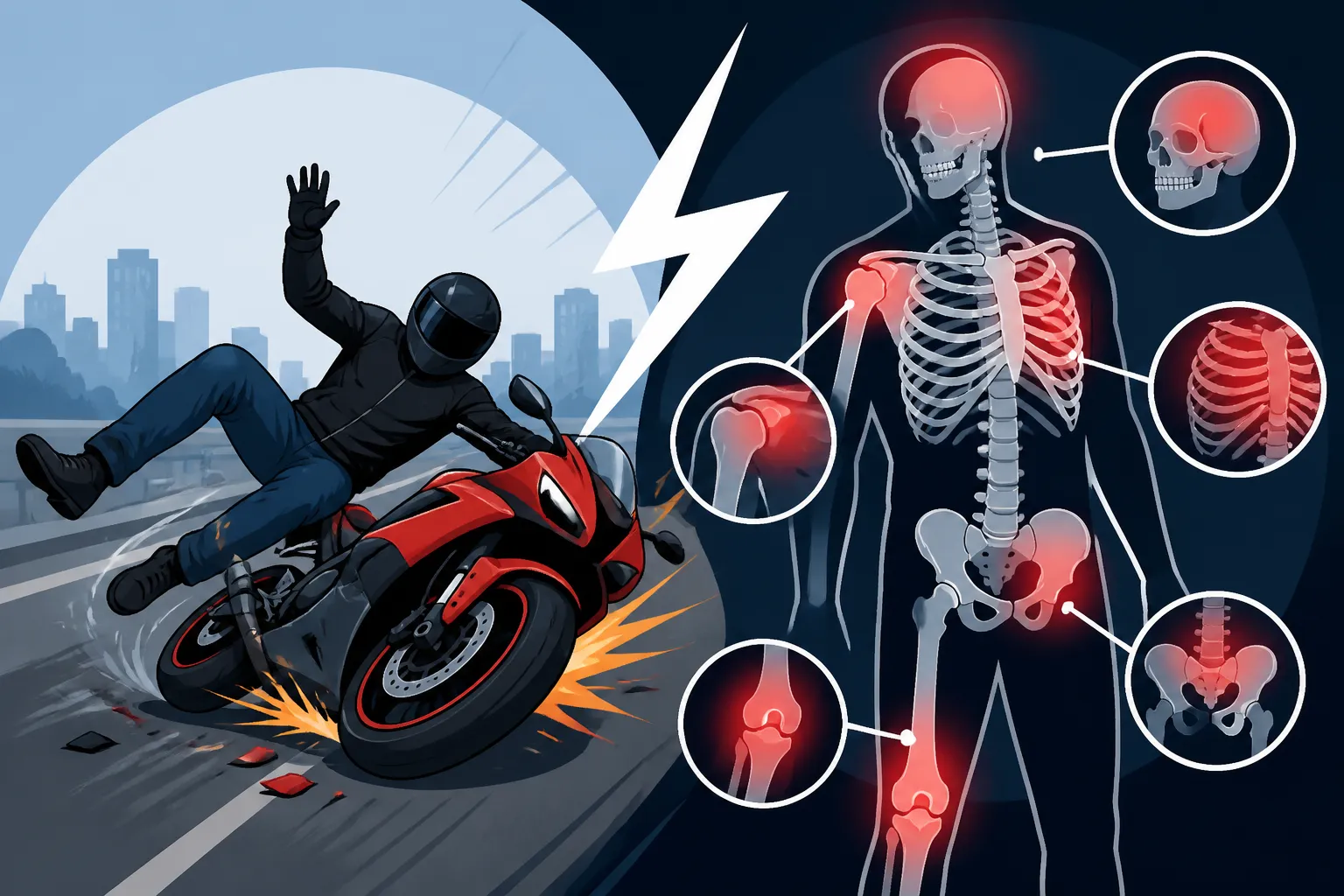
One of the most dangerous aspects of a motorcycle accident is the high likelihood of ejection. Unlike being strapped into a car seat, a rider can be thrown from their motorcycle upon impact. This ejection transforms a single collision event into a series of traumatic impacts. First, the rider might be hit by the initial vehicle. Then, they are propelled through the air, often at high speed, to strike the unforgiving asphalt, a guardrail, another vehicle, or even street furniture like light poles or traffic signs.
Each of these "secondary impacts" can cause new, severe injuries or exacerbate existing ones. For instance, a rider might suffer a broken leg in the initial impact, but then sustain a devastating Motorcycle Accident Traumatic Brain Injuries or Spinal Cord Injuries from Motorcycle Accidents when their head or back slams into the pavement. This multi-stage trauma is a critical factor in why motorcycle accident injuries are so severe and often involve multiple body systems. The unpredictable trajectory and multiple points of impact make these crashes particularly complex and dangerous.
Rider Bias and Perception Issues
Motorcycle riders often face an uphill battle, not just with the physics of a crash, but with the perception and attention of other drivers on the road. The infamous "I didn't see the motorcycle" defense is tragically common and highlights a systemic issue where drivers fail to recognize motorcycles, leading to collisions that disproportionately harm riders. This phenomenon isn't about blaming the rider for being invisible, but acknowledging that drivers of larger vehicles frequently misjudge a motorcycle's speed, distance, or even its presence.
This perceptual bias means that drivers might make left turns directly into a motorcycle's path, merge into a lane already occupied by a bike, or simply not yield the right-of-way. When a driver truly doesn't "see" a motorcycle, the resulting impact is often unexpected and unmitigated by any defensive action from the rider, leading to direct and full-force collisions. This issue is so prevalent that there's even a specific legal concept around it, as explored in articles like [[I Didn't See the Motorcycle Defense Explained]]. This lack of awareness by other drivers places riders in a perpetually vulnerable position, where even when they are riding safely and lawfully, they are at a higher risk of being involved in a severe crash due to external factors.
Common Catastrophic Injuries from Motorcycle Accidents
Due to the lack of protection and the violent dynamics of motorcycle accidents, certain types of injuries are alarmingly common and devastating. These aren't just minor bumps and scrapes; they are often life-altering traumas requiring extensive medical intervention and long-term care.
Traumatic Brain Injuries and Spinal Cord Damage
Head and spinal cord injuries are among the most feared consequences of a motorcycle accident, and for good reason. Even with a helmet, the sheer force of impact can cause a Motorcycle Accident Traumatic Brain Injuries (TBI). A TBI can range from a mild concussion to severe, life-threatening brain damage, leading to cognitive impairments, personality changes, memory loss, and even permanent disability. The brain, soft and delicate, can slosh against the inside of the skull during rapid deceleration or direct impact, causing bruising, bleeding, and tearing of neural tissues.
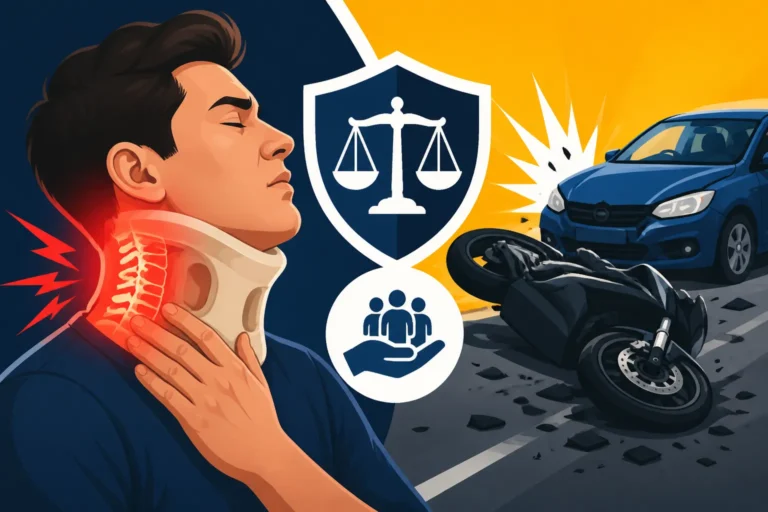
Similarly, Spinal Cord Injuries from Motorcycle Accidents are tragically common. The spine, a complex column of vertebrae, nerves, and discs, is incredibly vulnerable to shearing forces, compression, or twisting during a crash. Damage to the spinal cord can result in partial or complete paralysis below the point of injury, profoundly changing a victim's life forever. This might mean the inability to walk, loss of sensation, or even loss of control over basic bodily functions. Both TBIs and spinal cord injuries represent the pinnacle of catastrophic injury, often leading to astronomical medical bills, the need for lifelong care, and a complete alteration of a person's independence and quality of life.
Road Rash and Degloving Injuries
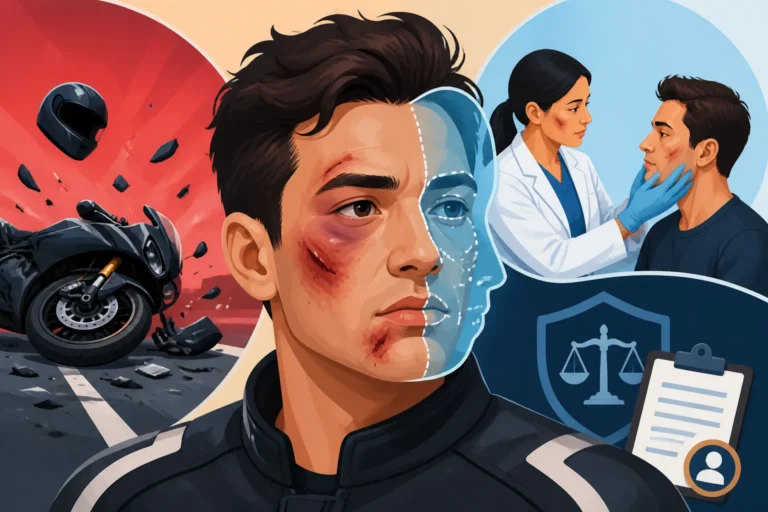
While they might not sound as severe as brain or spinal injuries, road rash and degloving injuries are incredibly painful, can be debilitating, and carry significant long-term consequences. Road rash is not just a scrape; it's an injury caused by skin sliding across abrasive surfaces like asphalt at high speed. The friction literally grinds away layers of skin, muscle, and even bone.
Road rash is categorized into degrees, similar to burns:
- First-degree: Superficial, affecting only the top layer of skin.
- Second-degree: Extends deeper, through the epidermis and into the dermis, often exposing nerve endings and causing intense pain.
- Third-degree: The most severe, reaching through all layers of skin and potentially exposing fat, muscle, or bone. These often require multiple Road Rash Injuries and Claims treatments, including debridement (removal of damaged tissue) and painful skin grafts.
Even more horrifying is a "degloving" injury, where a large section of skin and underlying tissue is completely torn away from the muscle and bone, exposing the deep structures beneath. This can happen when a limb gets caught or scraped violently. Both road rash and degloving can lead to severe scarring, chronic pain, nerve damage, and an increased risk of infection, fundamentally altering the skin's function and appearance.
Fractures and Amputations
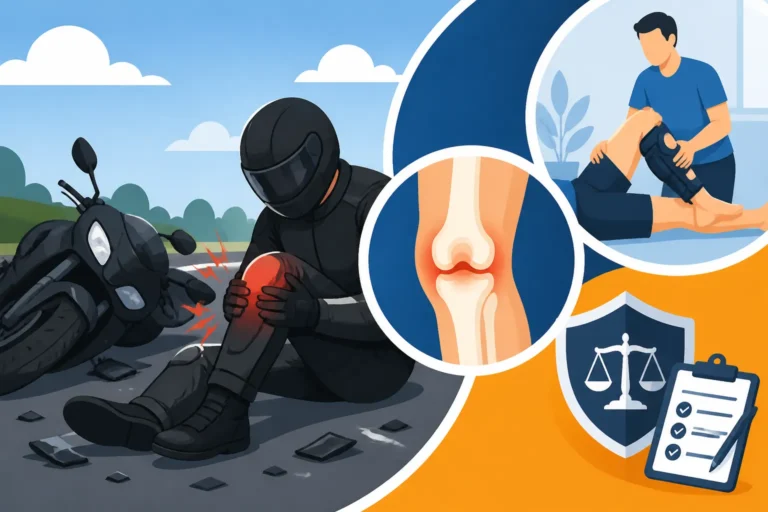
The forces exerted during a motorcycle accident are often powerful enough to shatter bones. Fractures are extremely common, with riders frequently sustaining multiple broken bones, including complex compound fractures where the bone breaks through the skin. Legs, arms, ribs, and collarbones are particularly susceptible. These can require extensive surgeries, pins, plates, and long recovery times, often with lingering pain and reduced mobility.
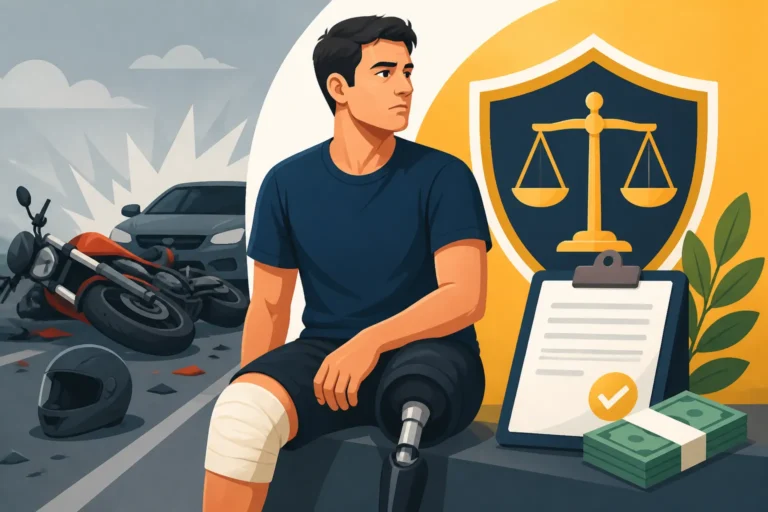
In the most severe cases, the limb might be so badly crushed or severed on impact that an Motorcycle Amputation: Claims and Compensation becomes necessary. The impact could also damage the blood vessels and nerves beyond repair, leading to the surgical removal of a limb to save the rider's life or prevent further complications. Beyond the immediate physical trauma, an amputation leads to profound psychological and emotional challenges, permanent disability, and the need for prosthetic limbs and extensive rehabilitation. Motorcycle Broken Bones: Claims and Compensation can significantly affect a rider's ability to return to work or enjoy their previous lifestyle.
Factors Exacerbating Injury Severity
While the inherent vulnerability of a motorcycle rider is undeniable, certain factors can further amplify the severity of injuries sustained in a crash. Understanding these elements can underscore the importance of both rider caution and broader safety measures.
High Speeds and Accident Dynamics
The faster you're going, the more kinetic energy is involved in an accident, and the more severe the injuries are likely to be. It’s simple physics: the force of impact increases exponentially with speed. Even a seemingly minor error at high speeds can lead to catastrophic consequences. If a motorcycle traveling at 70 mph collides with a stationary object or is struck by another vehicle, the rider's body must absorb an immense amount of energy in an instant. This dramatic deceleration often results in more severe fractures, internal organ damage, and greater risk of ejection.
Furthermore, the dynamics of a high-speed crash often involve tumbling, skidding, and multiple impacts across a greater distance, compounding the trauma. While riders are often unfairly stereotyped as speed demons, the reality is that any vehicle collision at high speed is dangerous, but the lack of protection on a motorcycle makes it exponentially more so for the rider. This is why when assessing How Fault Is Determined in Motorcycle Accidents, speed is often a critical factor that can influence injury outcomes and subsequent claims.
Helmet Use and Protective Gear
While wearing proper gear, especially a DOT-compliant helmet, can significantly reduce the risk and severity of injuries, it's crucial to understand its limitations. A helmet is designed to absorb impact energy to protect the brain, but it cannot prevent all head injuries, especially in extreme collisions. For instance, rotational forces can still cause a TBI even with a helmet.
Other protective gear like armored jackets, pants, gloves, and boots also play a vital role. They are primarily designed to prevent or minimize Road Rash Injuries and Claims and offer some impact protection for joints and bones. However, no amount of gear can completely negate the forces of a collision with a multi-thousand-pound vehicle or prevent ejection. Wearing Motorcycle Gear Laws and Requirements and adhering to mandates like How Helmet Laws Affect Your Accident Claim is absolutely paramount, as it literally creates the only line of defense a rider has. The difference in injury severity between a fully geared rider and one wearing minimal protection can be night and day, often determining the difference between a serious injury and a fatal one.
Here’s a look at how different types of gear can influence the type and severity of injuries:
| Type of Gear | Primary Protection Offered | Common Injuries Mitigated | Potential Injuries (Even with Gear) |
|---|---|---|---|
| DOT-Compliant Helmet | Head, brain, face | Skull fractures, severe TBI | Concussion, whiplash, facial trauma |
| Armored Jacket | Torso, shoulders, elbows, back | Road rash, collarbone fractures | Rib fractures, internal organ damage |
| Armored Pants | Hips, knees, shins | Road rash, knee/hip fractures | Femur fractures, sprains |
| Motorcycle Boots | Ankles, feet, lower leg | Ankle fractures, foot degloving | Severe crushing injuries, toe fractures |
| Motorcycle Gloves | Hands, wrists | Road rash, hand fractures | Wrist sprains, severe finger fractures |
The critical takeaway is that even with the best gear, the human body is fragile compared to the forces involved in a motorcycle collision. The gear reduces, but cannot eliminate, the inherent risks. When you consider the Types of Damages in a Motorcycle Accident Claim, the extent of injuries, heavily influenced by whether or not appropriate gear was worn, plays a significant role in determining compensation.
Disclaimer
Please remember that this article provides general information and should not be considered legal or medical advice. Every motorcycle accident and injury claim is unique. If you've been in a motorcycle accident, it's crucial to seek immediate medical attention and consult with a qualified legal professional to discuss your specific situation and rights.