Types of Damages in a Motorcycle Accident Claim
Experiencing a motorcycle accident is one of the most jarring and frightening things a rider can face. Beyond the immediate shock and physical pain, the financial repercussions can quickly become overwhelming – mounting medical bills, lost income, and the cost of repairing your beloved bike. It’s a lot to deal with, and knowing what you’re even allowed to claim for can feel like navigating a maze while still recovering. This guide is here to simplify that complex process, breaking down the various types of damages you can pursue in a motorcycle accident claim, so you can understand your rights and focus on healing.
Understanding the Foundation of Damages in Motorcycle Accident Claims
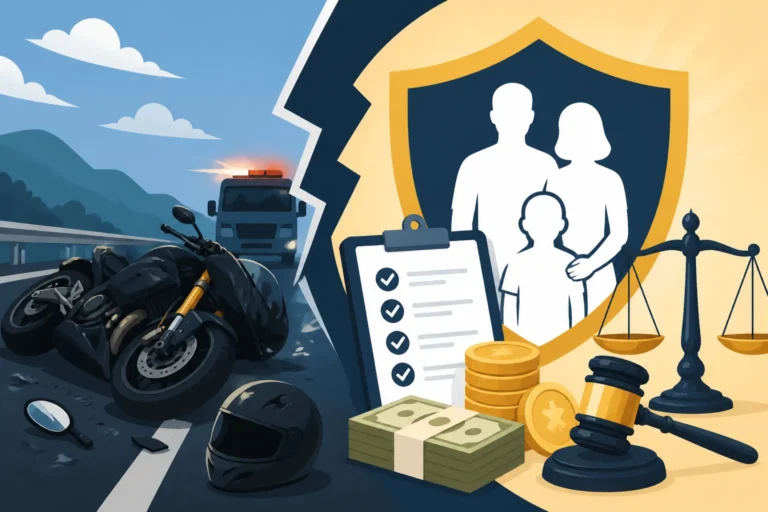
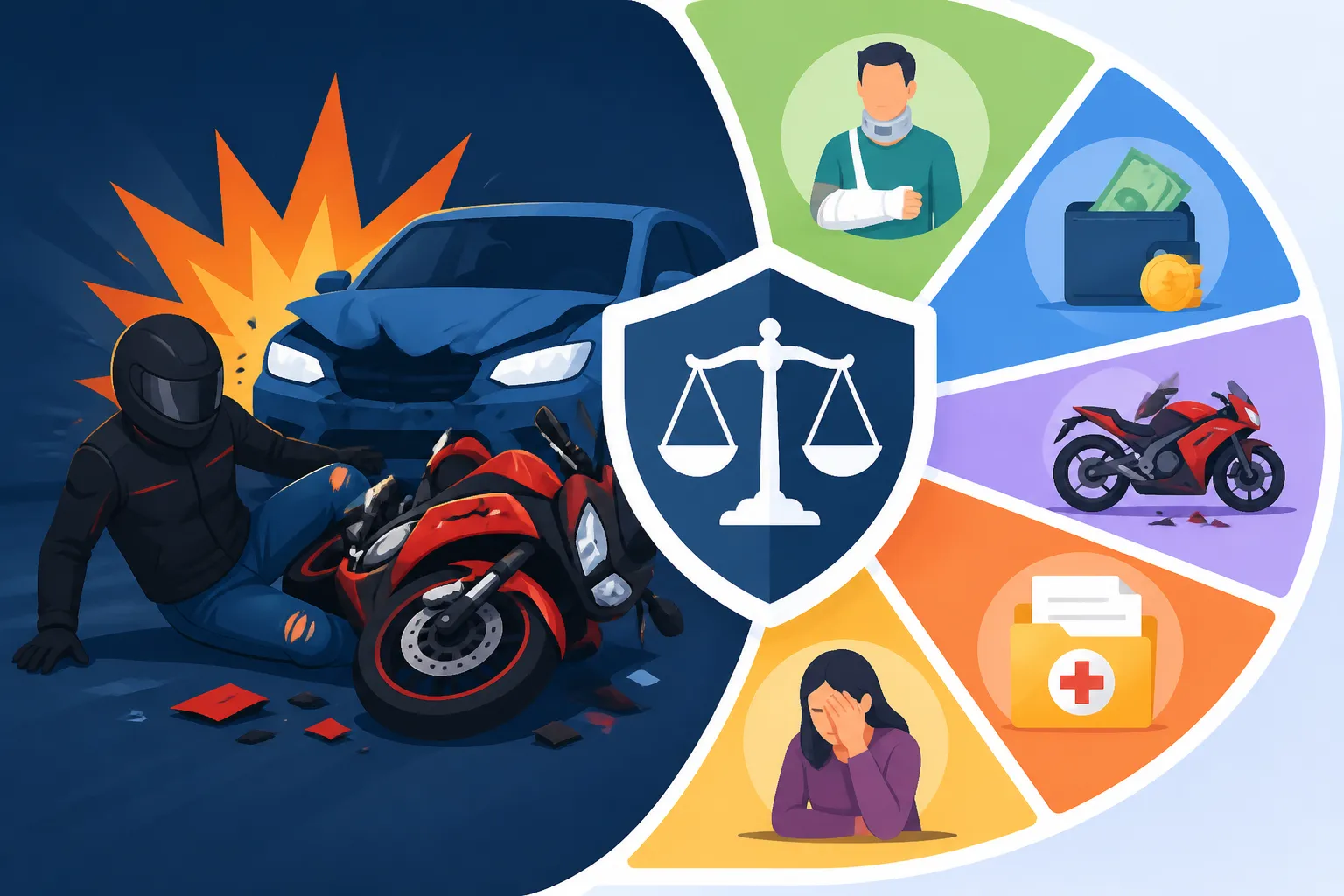
When you've been involved in a motorcycle accident, the legal system aims to do one fundamental thing: make you whole again. This isn't about getting rich; it's about restoring you, as much as possible, to the position you were in before the crash. However, we all know that some losses are truly irreplaceable. That’s why the concept of "damages" encompasses a broad spectrum of losses, both tangible and intangible.
The Core Principle: Making You Whole Again
The idea of "making you whole" is central to personal injury law, including motorcycle accident claims. It means compensating you for every loss you've suffered due to someone else's negligence. For motorcycle riders, this principle takes on even greater significance because our accidents often result in more severe injuries and, consequently, higher damages compared to those involving cars. We don't have the steel cage, airbags, or seatbelts that car drivers do, which means direct impacts and road contact are far more common and devastating.
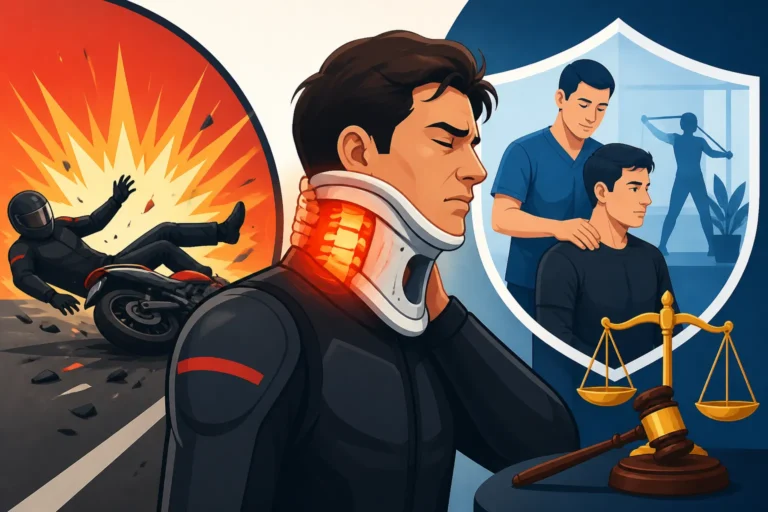
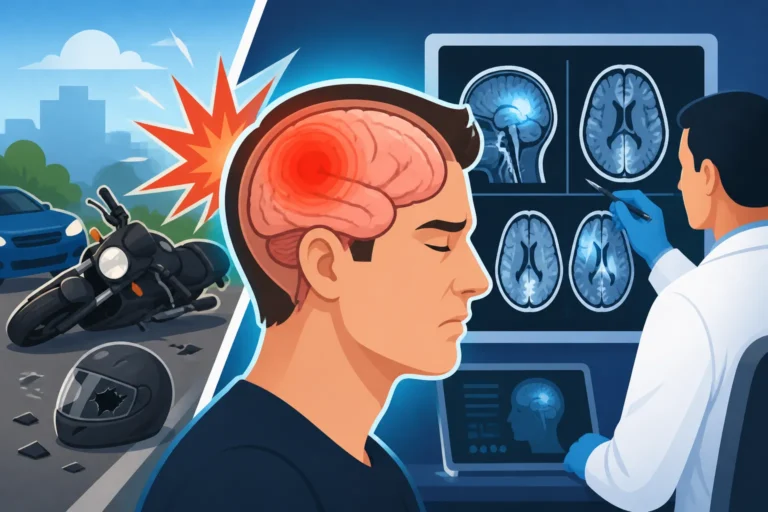
Imagine a scenario where a distracted driver turns left in front of you, violating your right of way. In the blink of an eye, your life is turned upside down. You’re not just dealing with a bent fender; you’re facing broken bones, extensive road rash, and maybe even a concussion. The "making you whole" principle means the at-fault driver, or their insurance, should cover your medical treatment, the income you lost while recovering, and even the emotional toll the accident has taken on your life. It's about recognizing the full scope of what you've endured.
The Burden of Proof: Documenting Your Losses
While the law aims to make you whole, it's not a given. You, as the injured party, bear the "burden of proof." This means you have to clearly show what your losses are and how they were directly caused by the accident. This isn't just a legal formality; it's crucial for getting fair compensation. Without solid evidence, insurance adjusters can and will dispute your claims, often downplaying the severity of your injuries or the extent of your financial losses.
Think of it like building a case, piece by piece. Every medical bill, every doctor's note, every photograph of your injuries or damaged bike, and every receipt for medication becomes a vital piece of that puzzle. It's why one of the first things you should do after an accident, once you're safe and medical attention is secured, is to start documenting everything. From the immediate aftermath at the scene to the long road of recovery, keeping meticulous records will be your strongest ally. This comprehensive documentation helps to establish not only the extent of your injuries but also the long-term impact on your daily life, work, and overall well-being.
Economic Damages: The Tangible Financial Losses
Economic damages are often the easiest to calculate because they come with a clear monetary value. These are the "out-of-pocket" expenses and financial losses you incur directly as a result of the motorcycle accident. They represent the concrete costs that hit your wallet and can cause immense financial stress during an already difficult time.
Medical Expenses: From ER to Rehabilitation
After a motorcycle accident, medical expenses can pile up at an alarming rate. It’s not just the ambulance ride and the emergency room visit – those are often just the beginning. You might face a lengthy and expensive recovery process, and all these costs fall under economic damages. This category includes everything from immediate life-saving interventions to long-term rehabilitation.
Think about the journey: it starts with the emergency services, the initial diagnosis at the hospital, and potentially immediate surgeries for broken bones or internal injuries. Then comes follow-up care with specialists, like orthopedic surgeons or neurologists. Prescriptions for pain medication and other therapies add up. For many riders, the recovery doesn't end there. Physical therapy might be needed to regain mobility, or occupational therapy to relearn daily tasks. Some may even require assistive devices, like crutches or a wheelchair, temporarily or permanently. It’s also crucial to consider future medical costs – if your injury requires ongoing treatment, future surgeries, or long-term care, those anticipated expenses must be estimated and included in your claim. Expert medical testimony often becomes necessary to accurately project these future costs, ensuring you’re not left paying out of pocket years down the line. To dive deeper into what these costs entail, check out our guide on Medical Expenses in a Motorcycle Claim.
Lost Wages and Loss of Earning Capacity
An injury from a motorcycle accident doesn't just hurt your body; it can also hit your bank account hard by preventing you from working. This is where lost wages and loss of earning capacity come into play as crucial economic damages. Lost wages cover the income you’ve already missed because your injuries kept you out of work. This is usually straightforward to calculate, based on your hourly wage or salary and the duration you were unable to perform your job.
However, the impact can be much more profound if your injuries are severe or permanent. This leads to the concept of "loss of earning capacity." This refers to the reduction in your ability to earn income in the future due to your accident-related injuries. For instance, if you were a skilled motorcycle mechanic who relied on fine motor skills and strength, and a spinal cord injury now prevents you from performing that work, your future earning potential has been significantly diminished. Even if you can return to some form of work, if it's at a lower-paying job or fewer hours, that difference in potential income constitutes a loss of earning capacity. Documenting this requires careful consideration of your pre-accident career trajectory, your current limitations, and expert vocational assessments. You can learn more about how this is calculated in our article on Lost Wages in a Motorcycle Claim and get a deeper understanding of Loss of Earning Capacity Explained.
Property Damage: Repairing or Replacing Your Ride
Your motorcycle is often more than just a mode of transport; it's a passion, a lifestyle, and a significant investment. When it's damaged in an accident, the costs to repair or replace it fall squarely under economic damages. This includes the direct repair costs for your bike, often involving specialized parts and labor, especially for high-performance or custom motorcycles. If your bike is deemed a "total loss" because the repair costs exceed its market value, you'd be compensated for the fair market value of the motorcycle right before the crash.
But it’s not just the bike. Your gear, which is vital for safety, also takes a hit. Your DOT-approved helmet, armored jacket, gloves, and boots are often damaged beyond repair and need to be replaced. These items can be incredibly expensive, and their replacement cost is also a legitimate part of your property damage claim. Furthermore, even if your motorcycle is repaired, it might suffer "diminished value." This means that even after quality repairs, the bike's resale value might be lower simply because it has an accident history. Proving this can be challenging but is an important consideration for many riders. Understanding the intricacies of these calculations is important, and you can find more details in How Property Damage Are Calculated in a Motorcycle Claim.
Non-Economic Damages: The Intangible Human Costs
While economic damages are about the measurable financial losses, non-economic damages address the more intangible and personal impacts of an accident. These are harder to quantify with a specific dollar amount but are no less real or significant. They reflect the profound effect the accident has had on your quality of life, mental well-being, and overall happiness.
Pain and Suffering: Beyond Physical Discomfort
Pain and suffering is perhaps the most widely recognized form of non-economic damage, yet it’s often the most challenging to calculate. It encompasses the physical pain you endure from your injuries, whether it's the acute agony immediately after the crash, the chronic discomfort during recovery, or persistent pain that lasts indefinitely. But it goes far beyond just physical sensations. It includes the emotional distress, mental anguish, and loss of enjoyment of life that stems from your injuries.
Imagine dealing with excruciating pain from a fractured femur for months, requiring strong medication and hindering your sleep. This is physical suffering. Now consider the frustration of being unable to pick up your child, ride your favorite trails, or simply walk without a limp. This is emotional distress and a direct impact on your quality of life. Insurance companies often use formulas, like the "multiplier method" or "per diem method," to estimate these damages, but ultimately, they are subjective and highly dependent on the severity of your injuries, the length of your recovery, and how well you document your experience. It's a critical component of any significant injury claim. To get a comprehensive understanding of this crucial damage category, refer to Pain and Suffering Damages Explained, and for details on quantification, check out How Pain And Suffering Are Calculated in a Motorcycle Claim.
Emotional Distress and Mental Anguish
Beyond the physical wounds, motorcycle accidents often leave deep emotional scars. The trauma of the event itself can lead to significant emotional distress and mental anguish, which are legitimate non-economic damages. It’s not uncommon for riders who’ve been through a severe crash to experience symptoms akin to Post-Traumatic Stress Disorder (PTSD), anxiety, or depression.
You might find yourself reliving the accident repeatedly, flinching at loud noises, or experiencing intense fear whenever you see a vehicle making a left turn. The thought of getting back on a motorcycle, something that once brought you immense joy and freedom, might now fill you with dread. This can severely impact your daily life, your relationships, and your overall sense of well-being. These psychological impacts are just as real as a broken bone and often require professional help, like therapy or counseling, the costs of which can also be claimed. These effects can linger long after physical injuries have healed. Understanding PTSD After a Motorcycle Accident can provide more insight into this aspect of emotional trauma, and Emotional Distress Damages delves deeper into how these claims are pursued.
Loss of Enjoyment of Life and Disfigurement
Part of what makes life meaningful are the activities, hobbies, and simple pleasures we enjoy. A severe motorcycle accident can strip these away, leading to a significant "loss of enjoyment of life," which is a distinct non-economic damage. If you loved hiking, playing an instrument, or riding your motorcycle on scenic routes, and your injuries now prevent you from doing those things, that loss is compensable. It's about recognizing that your life has changed, and not for the better, due to someone else's negligence.
Additionally, many motorcycle accidents result in permanent scarring or disfigurement, particularly due to road rash or severe fractures. Extensive road rash can leave behind noticeable scars, and surgeries might result in visible marks. Facial injuries can lead to changes in appearance that affect self-esteem and social interactions. This disfigurement can cause ongoing emotional pain, embarrassment, and a diminished sense of self-worth. These are profound and lasting injuries that deserve compensation. These claims are deeply personal and require careful consideration of how your life has been altered. You can learn more about how this specific type of loss is valued in How Loss of Enjoyment of Life Is Valued and understand the specifics of Disfigurement and Scarring Damages.
Punitive Damages: When Negligence Crosses the Line
While most damages aim to compensate the victim, punitive damages serve a different purpose entirely. These are not about making you whole, but rather about punishing the at-fault party for particularly egregious or malicious conduct and deterring others from similar actions. They are rarely awarded in typical accident cases but can be significant when the circumstances warrant them.
Understanding Punitive Damages
Punitive damages are quite distinct from economic and non-economic damages. Their primary goal is to punish the defendant for their reckless, malicious, or grossly negligent behavior, and to send a strong message to society that such conduct will not be tolerated. Because they are designed to punish, the bar for proving punitive damages is exceptionally high. You typically need to show more than just simple negligence; there must be evidence of a conscious disregard for the safety of others, intentional wrongdoing, or conduct that shocks the conscience.
For instance, if a driver was merely distracted by their phone for a moment, that might be negligence. But if they were driving at 100 mph in a residential zone while openly drinking alcohol and weaving through traffic, that level of recklessness could potentially open the door for punitive damages. Each state has its own specific legal standards and limitations for punitive damages, so what applies in California might be different from what applies in Texas or Florida. These damages are an exception, not the rule, in personal injury claims, but they represent a powerful legal tool when warranted. To fully grasp this unique category, explore Punitive Damages in Motorcycle Cases.
Examples of Egregious Conduct
To better understand when punitive damages might apply, it helps to look at concrete examples of conduct that courts often consider "egregious." The most common scenario where punitive damages are sought in vehicle accidents is when the at-fault driver was under the influence of alcohol or drugs. Drunk driving demonstrates a clear disregard for human life and safety, making it a prime candidate for punitive awards.
Other examples could include a driver who intentionally causes an accident, perhaps out of road rage, or someone who engages in a high-speed police chase through populated areas, causing an accident. A hit-and-run driver who knowingly leaves an injured motorcyclist at the scene might also face punitive damages, especially if their actions demonstrate extreme callousness. In states like Florida, for instance, a pattern of reckless behavior, not just a single incident, might be considered. It's about demonstrating that the defendant acted with a conscious indifference to the rights or safety of others, going beyond mere carelessness. Understanding when such a claim is appropriate can be complex, and our guide on When Punitive Damages Apply to Drunk Drivers offers more specific scenarios.
Wrongful Death Damages: Honoring a Lost Life
Tragically, some motorcycle accidents result in the ultimate loss: the death of the rider. In these heartbreaking situations, the surviving family members may be able to pursue a wrongful death claim to seek compensation for their profound losses. These damages aim to provide some measure of financial stability and recognition for the emotional devastation caused by the untimely death.
Compensating Surviving Family Members
When a motorcycle accident claims a life, the legal system recognizes that the deceased's family has suffered immense losses that extend far beyond the pain of grief. A wrongful death claim allows eligible surviving family members – typically the spouse, children, and sometimes parents – to seek compensation. This isn't about placing a value on the life itself, which is immeasurable, but rather compensating for the direct and indirect losses stemming from the death.
Economic damages in a wrongful death claim often include the costs associated with the funeral and burial, which can be substantial. More significantly, it covers the lost financial support the deceased would have provided to their family. This can include lost income, benefits, and even the value of household services they would have performed, such as childcare, home maintenance, or financial management. Calculating these future losses often requires forensic economists to project earning potential over a lifetime. It’s a way for the law to acknowledge the deep financial void left behind. For a more detailed look at these types of claims, our article on Wrongful Death Damages Explained is an excellent resource.
Non-Economic Losses in Wrongful Death Claims
Beyond the calculable financial losses, wrongful death claims also account for the profound, intangible non-economic losses suffered by surviving family members. These are often the most difficult to articulate and value, but they represent the true emotional and personal impact of losing a loved one. This includes "loss of consortium," which covers the loss of companionship, intimacy, affection, and marital relations experienced by a surviving spouse.
For children, it includes the loss of parental guidance, moral support, and nurturing. For parents, it could be the loss of care and comfort from an adult child. These are the aspects of a relationship that make life rich and meaningful, and their sudden absence creates an undeniable void. The emotional devastation, grief, sorrow, and mental anguish experienced by the family are also critical components of non-economic damages. While no amount of money can ever replace a loved one, these damages seek to acknowledge the depth of the family's suffering and provide some measure of justice.
The Role of Injury Type and Severity in Damage Calculation
It almost goes without saying, but the type and severity of your injuries are the single biggest drivers of your claim’s value. A minor scrape versus a life-altering spinal injury will lead to vastly different damage calculations. This section explores how different injury classifications impact the compensation you can expect.
Minor Injuries vs. Catastrophic Injuries
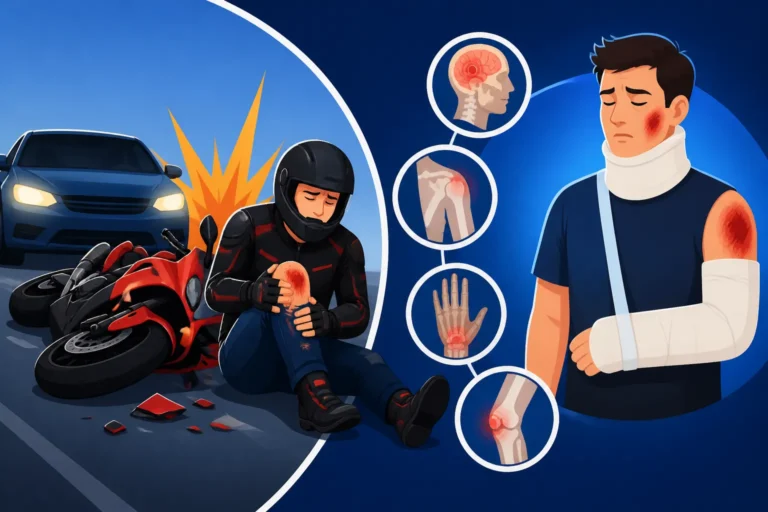
The spectrum of injuries sustained in motorcycle accidents is incredibly wide, ranging from relatively minor scrapes and bruises to devastating, life-altering trauma. And naturally, the type and severity of these injuries directly correlate with the value of your potential damages. On one end, you might have what are considered "minor injuries" – perhaps some road rash that requires wound care, a few stitches, or a mild concussion. While still painful and disruptive, these often involve shorter recovery times and fewer long-term complications. The damages for these might primarily cover initial medical bills, some lost wages, and a reasonable amount for pain and suffering during the recovery period.
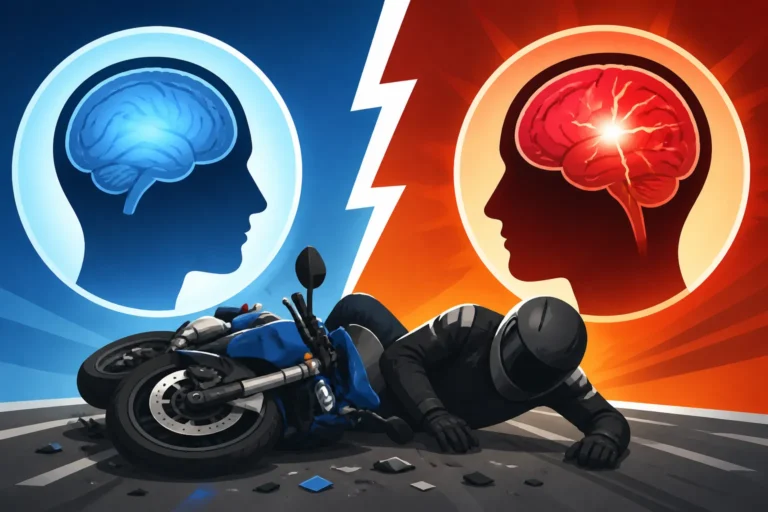
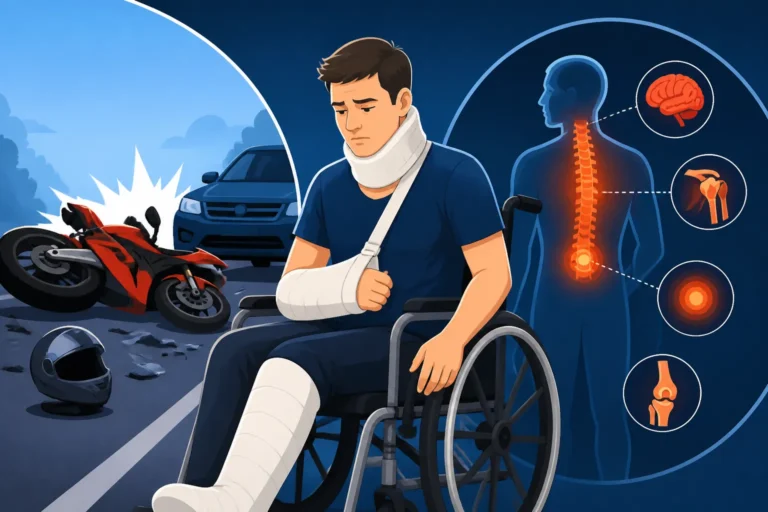
On the other end of the spectrum are "catastrophic injuries." These include things like traumatic brain injuries, spinal cord injuries leading to paralysis, multiple complex fractures, or amputations. These types of injuries don't just require immediate, intensive medical care; they often necessitate lifelong treatment, multiple surgeries, extensive rehabilitation, and potentially home modifications or assistive devices. The impact on your ability to work, your daily life, and your emotional well-being is immense and often permanent. The damages for catastrophic injuries will be significantly higher, reflecting the enormous economic burden and the profound, irreversible changes to your quality of life. Understanding these differences is key, and our article on Common Motorcycle Accident Injuries provides a good overview, while Catastrophic Motorcycle Injuries Explained delves into the most severe cases.
Long-Term and Permanent Damages
One of the most crucial aspects of a motorcycle accident claim, especially with severe injuries, is accounting for long-term and permanent damages. It's not enough to cover the bills you've incurred up to the point of settlement; you need to consider what lies ahead. Many motorcycle injuries, particularly those involving the spine, brain, or multiple fractures, can lead to chronic pain, permanent disability, or ongoing medical needs for the rest of your life.
For instance, a spinal cord injury might mean permanent paralysis, requiring continuous medical care, costly adaptive equipment, and round-the-clock assistance. A traumatic brain injury could result in cognitive impairments, memory loss, or personality changes that affect your ability to live independently or maintain employment. These future costs, including future medical expenses, projected lost earning capacity, and ongoing pain and suffering, dramatically increase the value of a claim. Expert medical opinions, life care plans developed by specialists, and vocational rehabilitation experts are often required to accurately project these future needs and losses. It’s essential to wait until you’ve reached Maximum Medical Improvement (MMI) before settling, so the full scope of your long-term needs can be assessed. You can explore this further in our articles on Long-Term Effects of Motorcycle Injuries and Permanent Disability Compensation.
Factors That Influence Your Overall Damage Award
While your injuries and their direct costs form the foundation of your claim, several other critical factors can significantly influence the final damage award you receive. These elements can either boost or diminish your compensation, making it crucial to understand their impact.
Comparative Negligence and Policy Limits
Two significant factors that can heavily impact your damage award are comparative negligence and insurance policy limits. Comparative negligence refers to situations where you, the motorcyclist, are found to be partially at fault for the accident. Even if another driver was primarily to blame, if a jury or insurance adjuster determines you contributed to the crash – perhaps by speeding slightly or not reacting quickly enough – your total damages award could be reduced by your percentage of fault. For example, in a state like California with pure comparative negligence, if you're awarded $100,000 but found 20% at fault, you would only receive $80,000. In other states, with modified comparative negligence, if you're found to be 50% or 51% or more at fault, you might receive nothing at all. This concept can be devastating if not properly addressed.
Then there are insurance policy limits. Even if your damages are objectively determined to be, say, $500,000, if the at-fault driver only carries a policy with a $100,000 bodily injury limit, that's generally the maximum you can recover from their insurance company. Unless the at-fault driver has significant personal assets you can pursue, or you have robust Underinsured Motorist (UIM) coverage on your own policy, these limits can effectively cap your recovery, leaving you with unpaid expenses. Our article on How Comparative Negligence Reduces Your Payout explains this in detail, and How Insurance Policy Limits Affect Your Payout covers the financial ceiling this creates.
Documentation, Evidence, and Legal Representation
The strength of your motorcycle accident claim hinges on compelling documentation, solid evidence, and, often, skilled legal representation. Without thorough records, even the most legitimate injuries and losses can be undervalued or outright dismissed by insurance companies. This means meticulous collection of police reports, accident scene photos (of vehicles, road conditions, and injuries), witness statements, and continuous medical records. Every doctor's visit, every physical therapy session, and every prescription needs to be documented. Keeping an injury journal can also provide invaluable detail about your daily pain levels, limitations, and emotional struggles, transforming abstract "pain and suffering" into a vivid, relatable experience.
When fault is disputed, or injuries are severe, having an experienced attorney on your side becomes almost essential. A lawyer can gather crucial evidence you might not even know exists, such as black box data from vehicles, traffic camera footage, or expert accident reconstruction analysis. They understand how to present your case effectively, negotiate with shrewd insurance adjusters who are incentivized to pay as little as possible, and, if necessary, take your case to court. Their expertise in identifying all potential damages, calculating their true value, and advocating forcefully for your rights can significantly impact your final settlement or verdict, often leading to a much higher payout than you could achieve on your own. For more on what to document, read How to Document Injuries for a Claim, and for guidance on legal help, see Do You Need a Motorcycle Accident Lawyer.
| Damage Type | Category | Description | Examples | Ease of Calculation |
|---|---|---|---|---|
| Medical Expenses | Economic | Costs for diagnosis, treatment, and recovery from injuries. | Ambulance fees, ER visits, surgeries, doctor consultations, physical therapy, prescription drugs, assistive devices. | High |
| Lost Wages | Economic | Income lost due to inability to work after the accident. | Missed paychecks, lost commissions, lost bonuses for time spent recovering. | High |
| Loss of Earning Capacity | Economic | Reduction in future earning potential due to permanent injury. | Inability to return to previous high-paying job, need for career change to lower-paying work, reduced work hours due to chronic pain. | Medium |
| Property Damage | Economic | Costs to repair or replace damaged property. | Motorcycle repair/replacement, damaged helmet, jacket, gloves, boots, diminished value of repaired bike. | High |
| Pain and Suffering | Non-Economic | Physical pain, emotional distress, discomfort, and inconvenience. | Chronic back pain, discomfort from road rash, mental anguish from nightmares, inability to sleep, general physical suffering. | Low |
| Emotional Distress | Non-Economic | Psychological impact such as anxiety, depression, or PTSD. | Post-traumatic stress disorder (PTSD), severe anxiety about riding again, depression, fear, panic attacks. | Low |
| Loss of Enjoyment of Life | Non-Economic | Inability to participate in hobbies, social activities, or daily pleasures. | Cannot ride motorcycle, inability to play sports, difficulty with gardening, limited social interactions due to injuries. | Low |
| Disfigurement/Scarring | Non-Economic | Permanent alteration of physical appearance due to injuries. | Visible scars from road rash or surgery, facial disfigurement, limb deformity. | Low |
| Punitive Damages | Punitive | Award to punish egregious conduct and deter others. | Awarded when defendant drove drunk, intentionally caused crash, or engaged in extremely reckless behavior (rare). | Varies |
Disclaimer
Please remember that this guide provides general information and insights into the types of damages in motorcycle accident claims. Laws regarding personal injury and damages vary significantly by state, and the specifics of your case are unique. This content is not legal advice and should not be taken as such. For personalized guidance and to understand how these damages apply to your specific situation, it is highly recommended to consult with a qualified motorcycle accident attorney in your jurisdiction.