Common Motorcycle Accident Injuries
The moment a motorcycle accident happens, everything changes in an instant. The rush of adrenaline can mask the immediate pain, leaving you dazed and uncertain about the true extent of your injuries. It’s incredibly disorienting to go from enjoying the open road to lying on the asphalt, wondering what just happened and what comes next. This guide is here to walk you through the common types of injuries riders unfortunately face, helping you understand what to look for and the potential long-term impacts.
The Unfortunate Reality: Why Motorcycle Injuries Are Different
Riding a motorcycle offers unparalleled freedom, a connection to the road that car drivers just don't experience. But with that freedom comes a harsh reality: motorcyclists lack the steel cage, airbags, and seatbelts that protect occupants in cars. When a collision occurs, a rider is often ejected, making direct impact with the road, other vehicles, or roadside objects. This fundamental difference in protection is why motorcycle accidents so often lead to far more severe and complex injuries compared to car accidents.
Vulnerability of Riders on the Road
Think about it: you're essentially exposed. Even with the best gear – a sturdy helmet, abrasion-resistant jacket, gloves, and boots – there's only so much between you and several tons of metal or unforgiving pavement. Other drivers, unfortunately, often struggle to see motorcycles, leading to scenarios like a car turning left in front of a bike or changing lanes without checking their blind spot. These incidents, which might be fender-benders for cars, can send a rider flying, resulting in catastrophic trauma. This inherent vulnerability means that even seemingly minor collisions can have major consequences for us riders.
High-Impact Nature of Motorcycle Collisions
The energy involved in a motorcycle crash is dissipated directly onto the rider's body. Unlike a car that crumples to absorb impact, our bodies often take the brunt of that force. Imagine being thrown from your bike at 40 miles per hour. That impact isn't just a bump; it's a sudden, violent deceleration that can twist limbs, crush bones, and cause internal organs to strike against the ribcage or spine. The physics of these crashes mean injuries are rarely superficial and often involve multiple body systems, making recovery a long and arduous journey. It's a stark reminder that even a low-speed fall can result in significant injury due to the direct impact between your body and the ground.
Road Rash: More Than Just a Scrape
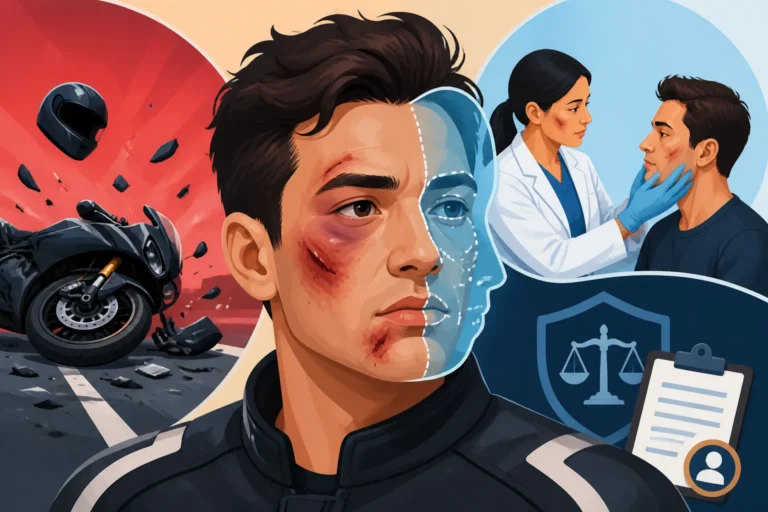
Almost every motorcyclist who's had an unplanned dismount knows the searing pain of road rash. It sounds deceptively simple, like a childhood scraped knee, but anyone who’s experienced it knows it’s anything but. This type of injury occurs when your skin slides across a rough surface, like asphalt or concrete, tearing away layers of flesh. It's not just surface-level; depending on the severity and speed, road rash can strip away skin down to muscle or even bone, leading to immense pain, infection risk, and long-term scarring.
Degrees of Road Rash Injury
Just like burns, road rash is classified into different degrees of severity, and understanding these distinctions is crucial for proper treatment and assessing the potential impact on your claim.
- First-Degree Road Rash: This is the mildest form, affecting only the outermost layer of skin (epidermis). It's essentially a superficial abrasion, akin to a severe sunburn or a light scrape. You might experience redness, tenderness, and minor bleeding, but typically no blistering. While painful, these usually heal within a week or two with good first aid, leaving minimal scarring.
- Second-Degree Road Rash: This type penetrates deeper, affecting both the epidermis and the dermis (the second layer of skin). It often involves significant bleeding, swelling, and the formation of blisters. The pain is usually more intense and persistent. Healing can take several weeks, and there's a higher risk of infection and noticeable scarring, sometimes requiring skin grafts if large areas are affected or if the damage is particularly deep.
- Third-Degree Road Rash: This is the most severe form, extending through all layers of skin and potentially exposing fat, muscle, or even bone. The skin might appear white, waxy, or charred, and nerve damage can sometimes make these areas feel numb initially, which is a dangerous sign. These injuries are incredibly painful, carry a high risk of severe infection, and almost always require extensive medical intervention, including surgical debridement (removing damaged tissue) and skin grafting. Recovery is prolonged, and permanent disfigurement, nerve damage, and reduced mobility are common long-term consequences.
Treatment and Complications
Immediate and thorough medical attention is vital for any significant road rash. The priority is cleaning the wound to prevent infection. This often involves a painful process called debridement, where medical professionals scrub away dirt, gravel, and dead tissue. Local anesthetics can help, but it's rarely a pleasant experience.
Following debridement, the wound needs to be kept clean and dressed with sterile bandages to promote healing and prevent bacteria from entering. Depending on the depth, special dressings, such as those with silver sulfadiazine cream, might be used. Complications are a serious concern. Infection is rampant if not managed, which can lead to cellulitis, sepsis, and even flesh-eating bacteria in severe cases. Nerve damage, chronic pain, and limited movement in affected joints can also arise. Moreover, the psychological impact of visible scarring can be profound, affecting self-esteem and body image long after the physical wounds have healed.
Long-Term Impact on Life and Claims
Beyond the immediate pain and hospital visits, severe road rash can leave lasting marks, both physical and emotional. The scarring can be extensive, tight, and discolored, often requiring reconstructive surgery or ongoing dermatological treatments. These scars can also restrict movement, particularly if they cross a joint, leading to a permanent decrease in range of motion. Imagine having a massive scar across your elbow that makes it difficult to fully extend your arm. That affects everything from riding your bike to simple daily tasks.
From a claims perspective, these long-term impacts are critical. The cost of future medical treatments, plastic surgery, physical therapy, and even psychological counseling for disfigurement all factor into your compensation. Insurers will try to downplay road rash as "just scrapes," but documenting the degrees of injury, the pain you endured, the risk of infection, and the cosmetic and functional deficits is essential. Photos of injuries to track healing and changes over time become vital evidence here, especially for proving pain and suffering damages.
Traumatic Brain Injuries TBI: The Silent Threat
While wearing a DOT-approved helmet is absolutely crucial – and can literally be a lifesaver – it doesn't always prevent a traumatic brain injury (TBI). Helmets are designed to absorb impact and prevent skull fractures, but the brain can still be violently shaken inside the skull, leading to concussions or more severe injuries. TBIs are particularly insidious because their effects aren't always immediately apparent, and they can profoundly alter a person's life, often in ways that are difficult for others to understand.
Understanding Different Types of TBIs
TBIs range widely in severity and type, each with its own set of challenges.
- Concussions (Mild TBI): Often dismissed as a "ding," a concussion is a brain injury caused by a sudden jolt or blow to the head that disrupts normal brain function. Symptoms can include headaches, dizziness, confusion, memory problems, and sensitivity to light and sound. While many people recover fully, repeated concussions or even a single severe one can lead to post-concussion syndrome, where symptoms persist for weeks, months, or even years, impacting concentration, mood, and sleep.
- Contusions: These are essentially bruises on the brain tissue, caused by direct impact. Like a bruise anywhere else, blood vessels break, and blood leaks into the brain tissue. Depending on the size and location, contusions can cause localized swelling and pressure, leading to specific neurological deficits related to the brain region affected. For example, a contusion in the frontal lobe might affect personality or decision-making.
- Hematomas (Bleeding in or around the Brain): These are far more serious and involve significant blood clots.
- Epidural Hematoma: Blood collects between the skull and the outermost protective layer of the brain (dura mater). These can be rapid and life-threatening, often requiring emergency surgery to relieve pressure.
- Subdural Hematoma: Blood collects between the dura mater and the brain itself. These can develop more slowly, sometimes over days or weeks, making them harder to detect immediately, yet equally dangerous.
- Intracerebral Hemorrhage: Bleeding directly within the brain tissue. All forms of hematoma can cause severe brain compression and damage, often leading to long-term cognitive and physical impairments.
- Diffuse Axonal Injury (DAI): This is one of the most devastating types of TBI, resulting from the brain rapidly shifting inside the skull, tearing the long connecting fibers (axons) of nerve cells. This shearing force disrupts communication between different areas of the brain, leading to widespread brain damage. DAI often results in prolonged coma and severe, permanent brain damage, affecting cognitive function, motor skills, and consciousness.
Diagnosis, Symptoms, and Delayed Onset
Diagnosing a TBI can be complex, especially with milder forms. Immediate symptoms might include loss of consciousness, severe headache, nausea, vomiting, confusion, or difficulty speaking. However, it's crucial to remember that symptoms can be delayed. You might feel "fine" at the accident scene, only for headaches, cognitive fog, mood changes, or memory issues to emerge days or weeks later. This is why seeking immediate treatment, even if you feel okay, is so important.
Medical professionals use various diagnostic tools. A Glasgow Coma Scale (GCS) score is often used at the scene to assess initial neurological function. Imaging tests like CT scans and MRIs are vital for detecting structural damage like contusions or hematomas, though they don't always show the microscopic damage of a concussion or DAI. Neuropsychological testing is frequently used later to assess cognitive function, memory, attention, and executive function. Keep in mind that a clean CT scan doesn't rule out a serious brain injury, especially a concussion.
Long-Term Cognitive and Emotional Effects
The long-term effects of a TBI can be profound and life-altering, impacting every facet of a person's existence.
- Cognitive Impairments: These can include persistent memory problems, difficulty concentrating, impaired judgment, reduced processing speed, and challenges with problem-solving or multitasking. Imagine struggling to follow a conversation or remember simple instructions at work – it can make holding a job or maintaining relationships incredibly difficult.
- Emotional and Behavioral Changes: Many TBI survivors experience significant personality shifts, including increased irritability, anxiety, depression, mood swings, impulsivity, or a lack of emotional control. These changes can strain relationships with family and friends and make social interaction challenging.
- Physical Symptoms: Chronic headaches, dizziness (vertigo), fatigue, light and noise sensitivity, vision problems, and sleep disturbances are common. These physical symptoms often compound the cognitive and emotional difficulties, creating a constant struggle for the individual.
- Loss of Earning Capacity: Due to cognitive and emotional issues, many TBI survivors cannot return to their previous jobs or may struggle to find new employment. This can lead to significant financial hardship and a diminished quality of life. Understanding the long-term effects of a TBI is crucial for assessing how a TBI impacts a settlement, often leading to significantly higher compensation due to lifelong care needs.
Spinal Cord Injuries: Life-Altering Consequences
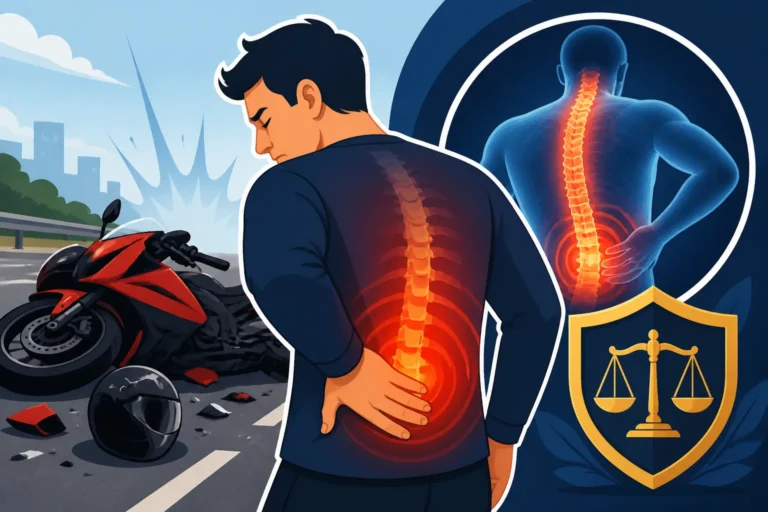
A spinal cord injury (SCI) is one of the most devastating outcomes of a motorcycle accident. The spine is the central pillar of our body, housing the delicate spinal cord, which is the communication superhighway between the brain and the rest of the body. Damage to this cord can interrupt these vital signals, leading to partial or complete loss of sensation and motor function below the point of injury. These injuries don't just affect physical movement; they impact nearly every bodily system and carry immense emotional and financial burdens.
Understanding Complete and Incomplete SCIs
The distinction between a complete and incomplete spinal cord injury is critical, as it dictates the potential for recovery and the extent of lifelong impairment.
- Complete Spinal Cord Injury: In a complete SCI, the spinal cord is fully severed or so severely damaged that there is a total loss of motor function and sensation below the level of the injury. This means no signals can pass through the injured area. Someone with a complete injury to the thoracic spine, for instance, would experience paraplegia (paralysis of the lower half of the body). A complete injury higher up, in the cervical spine, typically results in quadriplegia (paralysis of all four limbs and the torso). The outlook for recovery of function in a complete SCI is generally grim, though intensive rehabilitation can help individuals maximize their remaining abilities and adapt to their new reality.
- Incomplete Spinal Cord Injury: With an incomplete SCI, the spinal cord is only partially damaged, meaning some nerve signals can still pass through the injured area. This results in varying degrees of motor function and sensation below the injury site. One side of the body might be more affected than the other, or some muscles might work while others don't. For example, a person might retain some sensation in their legs but be unable to move them, or vice versa. The prognosis for incomplete SCIs is generally better than for complete injuries, as there is often some potential for recovery, especially with aggressive physical therapy and rehabilitation. However, the extent of recovery can be unpredictable and may still leave significant permanent deficits.
Immediate and Long-Term Impacts on Health
The immediate aftermath of an SCI is a medical emergency. Swelling around the spinal cord can initially worsen symptoms, making it difficult to determine the ultimate extent of the injury. Critical care often involves stabilizing the spine, managing breathing, and preventing secondary injuries like pressure sores or infections.
The long-term impacts are pervasive, affecting almost every aspect of a person's life. Beyond the obvious paralysis, SCIs can lead to a host of other complex medical issues:
- Loss of Bowel and Bladder Control: This is a common and often distressing consequence, requiring careful management and significantly impacting personal dignity and independence.
- Respiratory Problems: High cervical injuries can affect the diaphragm, requiring ventilator support or significantly weakening breathing muscles, increasing the risk of pneumonia.
- Autonomic Dysreflexia: A potentially life-threatening condition where the body's involuntary nervous system overreacts to certain stimuli, leading to dangerously high blood pressure.
- Spasticity: Involuntary muscle spasms that can range from mild to severe, causing pain and interfering with movement.
- Chronic Pain: Neuropathic pain (nerve pain) and musculoskeletal pain are common and often debilitating.
- Pressure Sores: Due to lack of sensation and mobility, individuals are highly susceptible to developing severe bedsores, which can lead to serious infections.
- Sexual Dysfunction: SCIs often impact sexual function and fertility, adding another layer of challenge.
Coping with these changes requires a massive physical and emotional adjustment, often involving extensive and lifelong medical care.
Medical Care and Rehabilitation
Living with a spinal cord injury requires a multidisciplinary approach to medical care and ongoing rehabilitation. It’s not just a matter of healing; it’s about learning to live and thrive with a fundamentally altered body.
- Acute Care: Immediately following the accident, the focus is on stabilizing the patient, preventing further damage, and managing any life-threatening conditions. This often involves surgery to stabilize the spine, reduce pressure on the cord, or remove bone fragments.
- Inpatient Rehabilitation: Once medically stable, individuals typically transfer to a specialized rehabilitation center. Here, a team of physical therapists, occupational therapists, speech therapists, psychologists, and rehabilitation nurses work intensively to help the individual regain as much function as possible. This phase is about strengthening muscles, improving balance, learning new ways to perform daily tasks, and adapting to assistive devices like wheelchairs or braces.
- Outpatient and Ongoing Care: Rehabilitation is a lifelong process. Many continue with outpatient therapy, adaptive sports programs, and regular medical check-ups to manage complications and maintain their health. They also often require specialized equipment, such as customized wheelchairs, accessible home modifications, and adaptive vehicles. The costs associated with lifelong care, personal attendants, specialized equipment, and home modifications are astronomical and are a significant component of how a spinal cord injury changes your life and impacts any subsequent legal claims.
Fractures and Broken Bones: Beyond a Simple Break
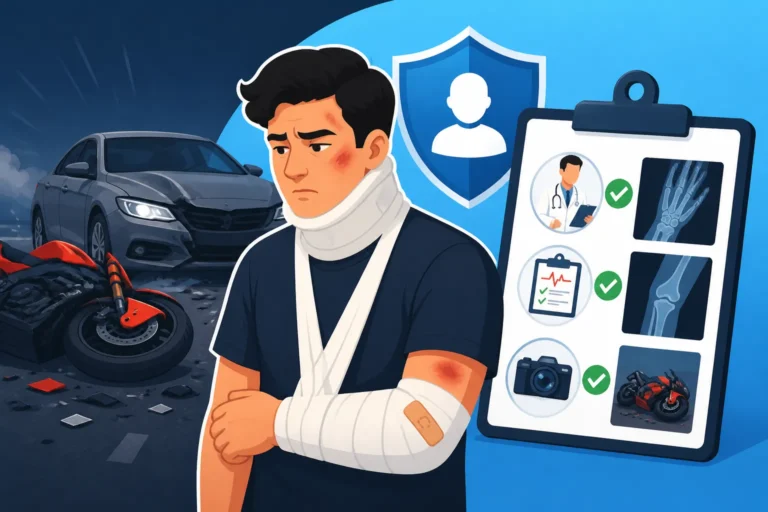
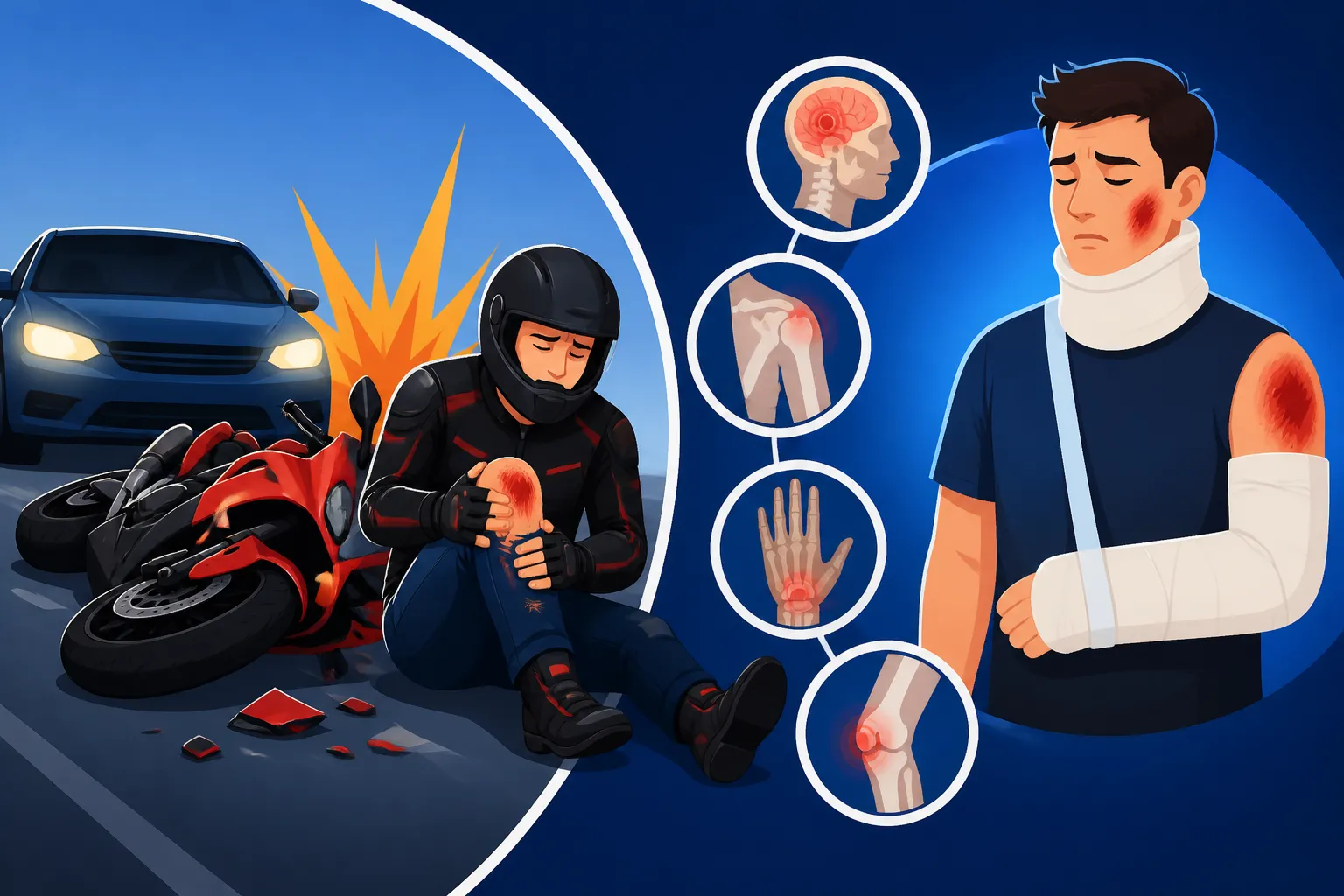
While road rash and head injuries often grab headlines, broken bones are incredibly common in motorcycle accidents and can be far more serious than many people realize. It's not just a "simple break" that heals in a cast; the forces involved in a motorcycle crash often lead to complex, comminuted (shattered) fractures, open fractures where the bone breaks through the skin, or fractures that affect joints, leading to long-term pain and disability.
Common Fracture Sites in Motorcycle Accidents
Due to the mechanics of being thrown from a bike or having a limb trapped, certain bones are more susceptible to fractures.
- Leg and Ankle Fractures: The lower extremities are incredibly vulnerable. Tibia and fibula fractures (lower leg bones), often from direct impact or twisting, are common. Ankle fractures can be particularly debilitating, as the ankle is a complex joint crucial for mobility and stability. A broken leg can mean months of non-weight bearing, followed by extensive physical therapy.
- Arm and Wrist Fractures: When a rider tries to brace for impact or is thrown onto their side, arms and wrists are often extended. Fractures of the ulna, radius, and humerus (arm bones), as well as complex wrist fractures (like scaphoid fractures), are frequent. These can severely limit hand and arm function, impacting work and daily activities.
- Clavicle and Shoulder Fractures: A direct impact to the shoulder or a fall onto the side can easily fracture the clavicle (collarbone) or cause more complex shoulder girdle fractures, including the scapula (shoulder blade). These can be extremely painful and require surgery to stabilize.
- Rib and Vertebrae Fractures: The torso is also at risk. Broken ribs are not just painful; they can puncture lungs (pneumothorax) or other internal organs. Vertebral fractures in the spine are particularly concerning, as they can lead to or accompany a spinal cord injury. Even without SCI, spinal fractures can cause chronic back pain and instability.
- Pelvic Fractures: A severe impact, especially if the rider is crushed, can result in a fractured pelvis. These are often high-energy injuries, incredibly painful, and can lead to internal bleeding and long-term walking difficulties.
Severity and Complications
The severity of a fracture goes far beyond whether the bone is merely cracked or fully separated.
- Open (Compound) Fractures: These are when the broken bone pierces the skin, exposing the bone to the outside environment. The risk of infection is extremely high, and they often require immediate surgery to clean the wound and stabilize the bone. Healing is typically slower and more complicated.
- Comminuted Fractures: The bone shatters into three or more pieces. These are challenging to repair, often requiring plates, screws, or rods to hold the fragments together. The recovery can be lengthy, and the risk of malunion (healing incorrectly) or non-union (failure to heal) is higher.
- Displaced Fractures: The bone fragments are misaligned. These usually require reduction (realigning the bones), which can be done manually or surgically.
- Fractures Affecting Joints: Fractures that extend into a joint (intra-articular fractures) are particularly problematic. Even after healing, they can lead to chronic pain, stiffness, arthritis, and reduced range of motion, significantly impacting a person's quality of life. An example would be a tibial plateau fracture, which can permanently alter knee function.
Complications extend beyond the bone itself. Nerve damage, blood vessel damage, compartment syndrome (a dangerous buildup of pressure), and chronic regional pain syndrome (CRPS) are all serious risks. These complications can prolong recovery, lead to additional surgeries, and result in permanent disability.
Recovery and Future Limitations
Recovery from severe fractures is a marathon, not a sprint. It typically involves multiple phases: immobilization (cast or brace), pain management, and extensive physical therapy.
- Surgery: Many severe fractures require surgical intervention to properly align and stabilize the bones with hardware like pins, plates, screws, or rods. This hardware may need to be removed in a subsequent surgery.
- Physical Therapy: Once the bone has healed sufficiently, physical therapy is crucial to regain strength, flexibility, and range of motion. This can be painful and demanding, but it's essential for restoring function.
- Long-Term Pain and Arthritis: Even after successful healing, many individuals experience chronic pain, especially with weather changes or prolonged activity. Fractures involving joints often accelerate the development of arthritis, leading to degenerative joint disease that might require joint replacement surgery years down the line.
- Functional Limitations: Depending on the fracture location and severity, there can be permanent limitations on movement, strength, or endurance. A rider might find it difficult to ride their motorcycle again, or even perform daily tasks that require fine motor skills or heavy lifting. These limitations can impact their ability to work, participate in hobbies, and enjoy their previous lifestyle. All of these factors contribute significantly to the total damages in a motorcycle accident claim.
Internal Injuries: The Hidden Dangers
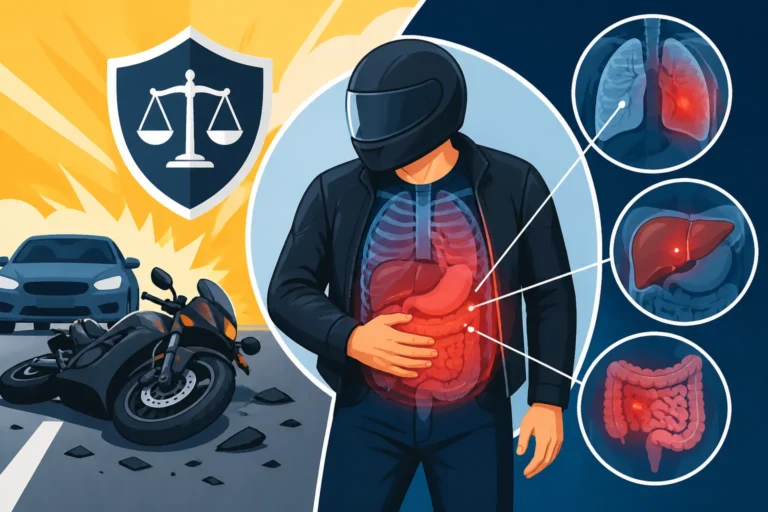
Unlike a visible broken bone or bleeding wound, internal injuries are insidious. They're not always immediately obvious, but they can be life-threatening and require swift medical intervention. The blunt force trauma of a motorcycle accident can cause organs to collide with the inside of the body cavity or be torn from their attachments, leading to bleeding, ruptures, and other severe damage that may not present with clear symptoms for hours or even days. This delayed onset makes them particularly dangerous, emphasizing the critical need for comprehensive medical evaluation after any motorcycle crash.
Types of Internal Injuries
The force of impact can affect a wide range of internal organs.
- Organ Damage:
- Spleen Rupture: The spleen, located in the upper left abdomen, is a common site for internal injury due to its fragile nature. A ruptured spleen can lead to massive internal bleeding and shock.
- Liver Laceration: The liver, a large organ in the upper right abdomen, can also be torn or bruised, causing significant bleeding.
- Kidney Contusion/Laceration: Kidneys, located on either side of the spine, can be bruised or torn, potentially leading to blood in the urine and kidney dysfunction.
- Lung Contusion/Pneumothorax: Blunt force to the chest can bruise the lungs (contusion) or cause a lung to collapse (pneumothorax) if air leaks into the space between the lung and chest wall. This makes breathing difficult and can be life-threatening.
- Cardiac Contusion: A direct impact to the chest can bruise the heart muscle itself, potentially causing irregular heartbeats or reduced pumping function.
- Internal Bleeding: This is perhaps the most dangerous aspect of internal injuries. Trauma can cause arteries and veins to rupture, leading to blood loss into body cavities like the abdomen or chest. Since the blood isn't visible, a person can bleed out internally before showing external signs of injury.
- Diaphragmatic Rupture: The diaphragm, the muscle separating the chest and abdominal cavities, can tear, allowing abdominal organs to push up into the chest, impairing lung function.
- Bowel and Mesenteric Injuries: The intestines can be bruised, torn, or perforated, leading to leakage of contents into the abdominal cavity, which can cause severe infection (peritonitis). The mesentery, which supplies blood to the intestines, can also be torn, leading to a loss of blood supply to parts of the bowel.
Delayed Symptoms and Diagnosis Challenges
The most frightening aspect of internal injuries is their potential for delayed symptoms. You might feel a bit sore or bruised but otherwise "fine" immediately after the accident, only for your condition to rapidly deteriorate hours or days later. This is why you should always seek immediate medical attention after a motorcycle accident, even if you don't think you're seriously hurt.
Symptoms to watch for, even days later, include:
- Increasing abdominal pain or tenderness.
- Swelling or distention of the abdomen.
- Nausea and vomiting.
- Unexplained dizziness, lightheadedness, or fainting.
- Signs of shock: rapid heart rate, low blood pressure, pale skin, confusion.
- Difficulty breathing or chest pain.
- Blood in urine or stool.
Diagnosing these injuries often involves a combination of physical examination, blood tests, and advanced imaging. CT scans are particularly effective at identifying internal bleeding and organ damage, while focused assessment with sonography for trauma (FAST) exams are often used in emergency rooms for rapid detection of fluid (blood) in the abdomen or chest.
Impact on Daily Life and Recovery
The recovery from internal injuries can be extensive and challenging, often involving surgery and prolonged hospital stays. For example, a spleen rupture usually requires surgery to remove or repair the spleen, potentially weakening the immune system long-term. Liver or kidney lacerations might require multiple surgeries, blood transfusions, and can lead to permanent organ dysfunction.
Even after acute treatment, survivors often face:
- Pain Management: Chronic pain is common, especially if adhesions or nerve damage result from surgery or injury.
- Fatigue and Weakness: The body expends immense energy healing, leaving individuals feeling exhausted for months.
- Dietary Restrictions: If bowel injuries occurred, long-term dietary changes might be necessary.
- Increased Susceptibility to Illness: For those who lost a spleen, they are at higher risk for certain infections and may require lifelong vaccinations.
- Psychological Impact: The experience of a life-threatening internal injury can lead to significant anxiety, depression, or PTSD, especially given the delayed and hidden nature of the trauma.
These serious consequences highlight why these "invisible" injuries can lead to massive damages in a claim, requiring comprehensive documentation of medical treatment, long-term care needs, and ongoing impact on the survivor's life.
Limb Loss and Amputations: A Devastating Outcome
Few outcomes of a motorcycle accident are as visually and emotionally devastating as limb loss or amputation. While relatively rare compared to other injuries, the exposed nature of motorcycle riding means that limbs are incredibly vulnerable to crushing forces, avulsion (tearing away), or severe degloving injuries that can necessitate amputation. This isn't merely a physical loss; it profoundly impacts a person's identity, independence, and overall quality of life, requiring immense resilience and support.
Common Causes and Types of Amputations
Amputations in motorcycle accidents typically result from extreme trauma where a limb is either severed at the scene or so severely damaged that it cannot be saved.
- Crush Injuries: When a limb is trapped between the motorcycle and another vehicle, or between the bike and a fixed object, the immense pressure can destroy tissues, bones, nerves, and blood vessels beyond repair. This often leads to immediate amputation or delayed amputation after medical attempts to salvage the limb fail.
- Avulsion Injuries: These occur when a limb is forcefully torn away from the body. This is a common mechanism in high-speed crashes where the rider is ejected, and a limb catches on something, ripping it from its socket or tearing away large sections of tissue.
- Degloving Injuries: These involve the complete separation of the skin and underlying soft tissue from the muscle and bone, much like "degloving" a hand or foot. While not always leading to amputation, severe degloving can compromise blood supply and lead to tissue death, making amputation the only viable option to prevent further complications.
- Open Fractures with Severe Vascular Damage: Even if a limb isn't immediately severed, a severe open fracture combined with extensive damage to major arteries and veins can cut off blood supply to the limb. If blood flow cannot be restored, the limb will die, necessitating amputation.
- Delayed Amputation due to Infection: In some cases, initial attempts to save a severely injured limb might fail due to uncontrollable infection or ongoing tissue necrosis (death), ultimately leading to a delayed amputation.
The most common limbs lost are legs (due to direct impact or being pinned under the bike) and arms (due to bracing for impact or being swept under a vehicle).
Immediate and Long-Term Challenges
The challenges following an amputation are multifaceted, encompassing physical, emotional, and financial burdens.
- Immediate Physical Challenges: The initial period involves managing pain, preventing infection at the surgical site, and promoting stump healing. Phantom limb pain – the sensation that the amputated limb is still present and experiencing pain – is a common and often debilitating issue.
- Rehabilitation and Prosthetics: Learning to live without a limb requires extensive physical therapy and occupational therapy. Individuals must adapt to using crutches, a wheelchair, and eventually, a prosthetic limb. The process of fitting a prosthetic is iterative and often challenging, as the stump changes shape over time. High-tech prosthetics, such as those with advanced robotics or nerve integration, can be incredibly expensive but offer significant improvements in function and quality of life.
- Psychological and Emotional Impact: Losing a limb is a profoundly traumatic experience, leading to grief, depression, anxiety, body image issues, and PTSD. Adjusting to a new body and a new way of life can be overwhelming, and many individuals require extensive counseling and support groups.
- Impact on Daily Activities and Independence: Simple tasks like walking, dressing, cooking, or driving become significantly more challenging. Modifications to homes and vehicles are often necessary to maintain independence. Many amputees struggle to return to their previous employment, leading to substantial loss of earning capacity.
Life-Long Care, Prosthetics, and Adaptation
Amputation is not a one-time event; it's a lifelong journey of adaptation and care.
- Ongoing Medical Care: Amputees require regular medical check-ups to monitor the stump, manage chronic pain, and address any secondary health issues.
- Prosthetic Maintenance and Replacement: Prosthetics are not permanent. They wear out, break, and need to be replaced every few years as technology advances or as the individual's needs change. Children, especially, will need multiple prosthetic replacements as they grow. The cost of these devices, often ranging from tens of thousands to hundreds of thousands of dollars for advanced models, is a significant financial burden.
- Home and Vehicle Modifications: To navigate their daily lives, amputees often need ramps, widened doorways, bathroom modifications, and specialized vehicle controls. These modifications can be costly and extensive.
- Psychological Support: Continual access to mental health professionals is crucial for coping with the emotional impact of limb loss, body image issues, and the ongoing challenges of adaptation.
The total cost of care, including initial surgeries, rehabilitation, multiple prosthetics over a lifetime, home modifications, and psychological support, can easily run into the millions. This is why cases involving limb loss and amputation typically result in substantial settlements to cover these immense lifelong expenses.
Psychological Trauma: The Invisible Wounds
While physical injuries are often the most immediate concern after a motorcycle accident, the psychological and emotional trauma can be just as, if not more, debilitating in the long run. The sudden, violent nature of a crash, coupled with the potential for severe physical injury and even the loss of loved ones, can leave deep, invisible wounds that impact every aspect of a survivor's life. These "invisible injuries" can be harder to diagnose and treat, but they are very real and deserve equal attention in recovery and any subsequent claim.
Post-Traumatic Stress Disorder (PTSD) and Anxiety
It’s completely normal to feel shaken up after a motorcycle accident. However, for many, those feelings don't fade; they intensify, developing into clinical conditions like PTSD or severe anxiety.
- Post-Traumatic Stress Disorder (PTSD): PTSD can develop after experiencing or witnessing a terrifying event. For motorcycle accident survivors, this often manifests as:
- Intrusive Thoughts: Flashbacks, nightmares, or intrusive memories of the accident that feel incredibly real and vivid.
- Avoidance: Actively avoiding anything that reminds them of the crash, such as riding a motorcycle, driving certain routes, or even watching accident-related news. This can severely limit their mobility and enjoyment of life.
- Negative Changes in Mood and Thinking: Feelings of detachment from others, loss of interest in activities they once enjoyed, negative self-perception, difficulty experiencing positive emotions, and memory problems related to the event.
- Changes in Arousal and Reactivity: Being easily startled, constantly feeling "on edge" (hypervigilance), difficulty sleeping, irritability, or angry outbursts.
- Anxiety: Beyond PTSD, many survivors develop generalized anxiety disorder, panic attacks, or specific phobias (like fear of riding or driving). The constant worry, racing thoughts, and physical symptoms of anxiety (e.g., rapid heart rate, shortness of breath) can make it difficult to function normally. Even just thinking about getting back on a bike, or even into a car, can trigger a full-blown panic attack.
These conditions aren't just "in your head"; they are legitimate medical diagnoses that require professional intervention and can severely diminish a person's quality of life. They can affect personal relationships, employment, and the ability to engage in once-loved hobbies.
Depression, Mood Disorders, and Loss of Enjoyment
The cascade of physical injuries, chronic pain, financial stress, and social isolation following a motorcycle accident often leads to depression and other mood disorders.
- Depression: It's common for accident survivors to experience persistent sadness, hopelessness, loss of energy, changes in appetite or sleep patterns, and feelings of worthlessness or guilt. This can be directly related to the physical injuries limiting their abilities, the financial strain, or the profound emotional shock of the event.
- Loss of Enjoyment of Life (Anhedonia): This is a critical component of non-economic damages. Many riders find they can no longer enjoy the activities that once brought them joy, whether it's riding their motorcycle, playing sports, spending time with family, or pursuing hobbies. This isn't just a temporary bad mood; it's a deep-seated inability to find pleasure in life, which can be incredibly isolating and disheartening. Imagine a lifelong rider who suddenly can't stand the thought of being on two wheels again – that's a profound loss of identity and passion.
- Anger and Frustration: It's natural to feel anger, especially if another driver's negligence caused the crash. This anger, combined with the frustration of limited mobility or chronic pain, can become overwhelming, affecting relationships and recovery progress.
These emotional struggles can be just as debilitating as physical pain, requiring long-term psychological support, medication, and coping strategies. Documenting these changes through therapy records, personal journals, and witness statements is crucial for building a strong claim for emotional distress damages.
The Path to Healing: Support and Compensation
Healing from psychological trauma is a journey, not a destination, and it often requires professional help and a robust support system.
- Therapy and Counseling: Various forms of therapy, such as Cognitive Behavioral Therapy (CBT) and Eye Movement Desensitization and Reprocessing (EMDR), are highly effective in treating PTSD and anxiety. A therapist can help survivors process the trauma, develop coping mechanisms, and challenge negative thought patterns.
- Medication: Antidepressants and anti-anxiety medications can be prescribed to manage symptoms and improve mood, often in conjunction with therapy.
- Support Groups: Connecting with other accident survivors who understand what you're going through can be incredibly validating and helpful. Sharing experiences and strategies can reduce feelings of isolation.
- Lifestyle Adjustments: Incorporating mindfulness, exercise (if physical injuries allow), healthy eating, and sufficient sleep can also aid in mental recovery.
From a legal perspective, the impact of psychological trauma must be thoroughly documented. This includes records from psychologists, psychiatrists, and therapists, as well as personal accounts of how the trauma has affected daily life, relationships, and work. These damages, often categorized as pain and suffering, are a significant component of a motorcycle accident settlement and reflect the true, comprehensive cost of the accident. Proving how these invisible injuries affect your ability to live your life fully is key to recovering the compensation you deserve.
Comparative Table of Common Motorcycle Accident Injuries
To help put things into perspective, here's a quick look at some common motorcycle accident injuries and their potential long-term impacts. This isn't exhaustive, of course, but it gives you a snapshot of the challenges faced.
| Injury Type | Common Symptoms | Potential Long-Term Impacts | Typical Recovery Time (Acute) |
|---|---|---|---|
| Road Rash | Abrasions, bleeding, tenderness, blistering | Scarring, nerve damage, chronic pain, infection susceptibility | Weeks to Months |
| Concussion (Mild TBI) | Headache, dizziness, confusion, memory issues | Post-concussion syndrome, mood changes, cognitive fog | Weeks to Years |
| Severe TBI | Loss of consciousness, paralysis, cognitive deficits | Permanent cognitive/physical impairment, personality changes | Months to Lifelong |
| Spinal Cord Injury | Paralysis (partial/complete), loss of sensation | Lifelong paralysis, bowel/bladder issues, chronic pain, care | Months to Lifelong |
| Broken Bones | Pain, swelling, deformity, inability to move | Chronic pain, arthritis, limited mobility, re-injury risk | Weeks to Months (plus therapy) |
| Internal Bleeding/Organ Damage | Abdominal pain, signs of shock, difficulty breathing | Organ dysfunction, chronic pain, increased infection risk | Weeks to Months (often surgery) |
| Limb Loss/Amputation | Physical loss of limb, phantom pain, stump pain | Permanent disability, prosthetic dependence, psychological trauma | Months to Lifelong |
| PTSD/Anxiety | Flashbacks, hypervigilance, avoidance, mood swings | Chronic anxiety, depression, social isolation, reduced quality of life | Months to Years (ongoing management) |
Final Thoughts on Navigating Your Recovery
Facing the aftermath of a motorcycle accident is one of the toughest challenges any rider can endure. The journey to recovery, both physical and emotional, is often long and filled with unexpected twists and turns. It's easy to feel overwhelmed, but remember, you don't have to go through it alone.
Understanding your injuries is the first step toward getting the right medical care and, crucially, building a strong motorcycle accident claim. Every injury, whether visible or hidden, has a cost – not just in medical bills, but in lost wages, pain, suffering, and the impact on your ability to live your life fully. From knowing what to do immediately after a motorcycle accident to learning how to document injuries for a claim, taking proactive steps can make a real difference.
Many states have specific laws, like those in effect for Motorcycle Accident Fault Laws in California, that can impact how fault is determined and how your injuries are compensated. Don't let insurance companies diminish the severity of what you've experienced, especially when considering how injury severity affects compensation. Seeking medical attention and thoroughly documenting every aspect of your injuries, including the long-term effects of a TBI or how a spinal cord injury changes your life, is paramount. Even seemingly minor issues like emotional distress damages or the true cost of an average motorcycle accident settlement amounts need careful consideration. You've been through enough; now it's time to ensure you have the support and resources needed for a full recovery and a fair outcome.
Disclaimer
The information provided in this article is for general informational purposes only and does not constitute legal, medical, or professional advice. It is essential to consult with qualified legal and medical professionals for advice tailored to your specific situation after a motorcycle accident.