Motorcycle Internal Injuries: Treatment and Long-Term Impact
When you're involved in a motorcycle accident, the immediate aftermath is often a whirlwind of adrenaline, shock, and sometimes, very visible injuries like road rash or broken bones. What many riders don't realize, or perhaps push to the back of their minds, is the insidious threat of internal injuries. These aren't always obvious right away, but they can be incredibly serious, even life-threatening, and demand immediate attention. This comprehensive guide will delve into the world of internal injuries sustained in motorcycle crashes, exploring their nature, critical treatment protocols, and the long-term impact they can have on your life.
Understanding Internal Injuries in Motorcycle Accidents
Motorcycle accidents are inherently dangerous, often leaving riders vulnerable to impacts that their bodies are simply not designed to withstand. Unlike car occupants who are encased in a protective metal shell, motorcyclists have little to no structural protection, making them susceptible to direct trauma and significant blunt force.
Why Motorcycles Make Internal Injuries More Likely
The stark reality of riding a motorcycle is that there's nothing but your gear between you and the road, or between you and another vehicle. This lack of protection is a primary factor in the severity of injuries, especially internal ones. When a rider is thrown from their bike or directly impacted by another vehicle, the forces involved can be immense. Your body might absorb the full brunt of the impact, leading to compression, shearing, or tearing of internal organs and blood vessels.
Imagine being T-boned by a car at an intersection. Your body could be slammed into the side of the car, or you could be flung onto the pavement, hitting the ground with incredible force. Even if you're wearing excellent protective gear, that gear is primarily designed to protect against abrasion and fractures, not necessarily the kinetic energy that can cause internal organs to rupture or bleed. The sheer speed and sudden deceleration in a crash can cause organs to shift violently within the body cavity, tearing from their anchoring tissues or colliding with the inside of the rib cage or pelvis. This is why riders often sustain more severe injuries compared to occupants in other vehicles, even in accidents that might seem minor on the surface. Understanding these inherent risks is crucial for appreciating why internal injuries are such a grave concern for motorcyclists.
Common Types of Internal Injuries
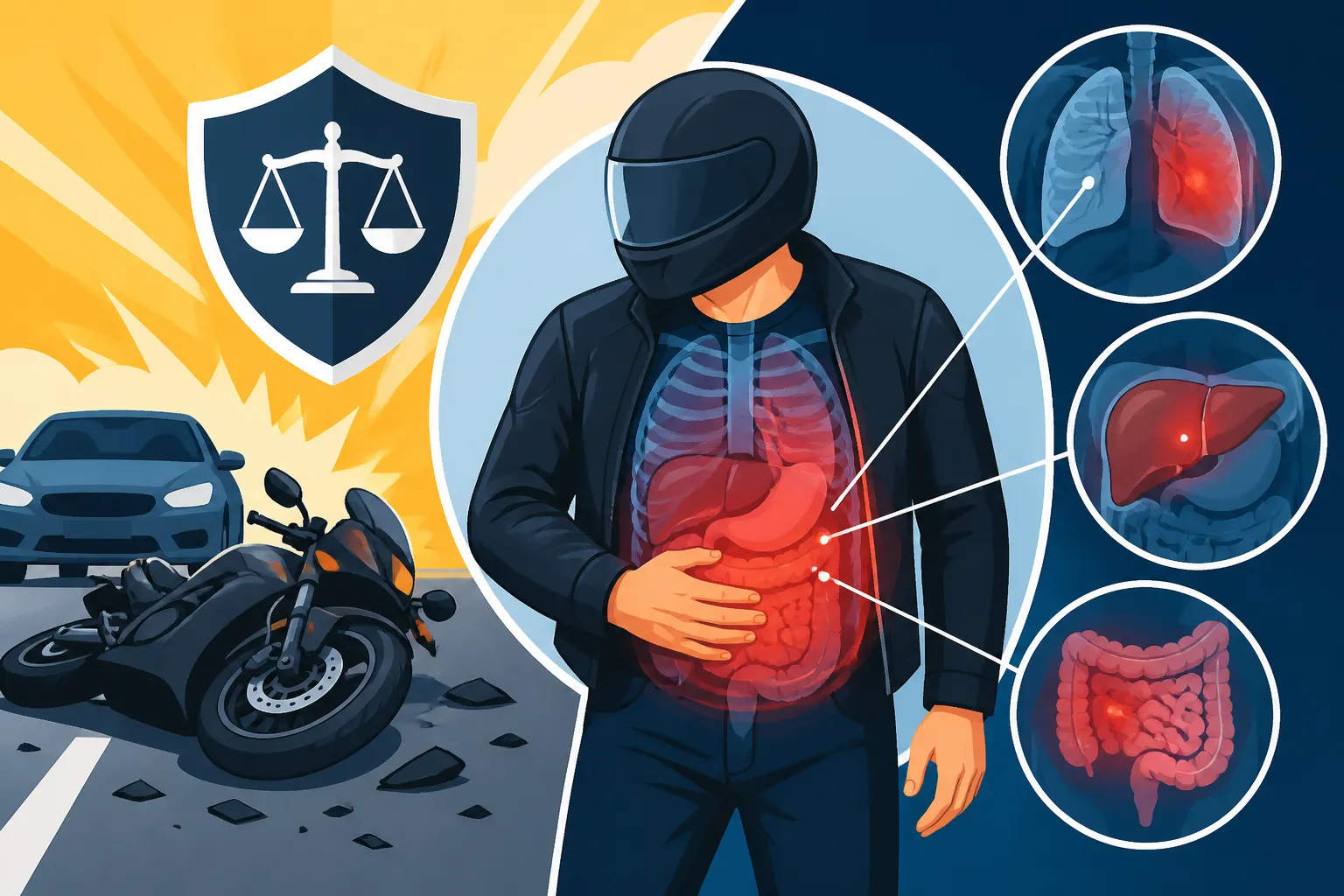
The human body is a complex network of organs, and many of them are vulnerable in a high-impact motorcycle crash. When we talk about internal injuries, we're typically referring to damage to organs within the torso or head, often accompanied by internal bleeding.
- Spleen Injury: Located under the left rib cage, the spleen is highly vascular and can rupture or lacerate easily from blunt force trauma. A ruptured spleen can lead to rapid and severe internal bleeding, which can be fatal if not quickly addressed.
- Liver Lacerations: The liver, a large organ on the right side of the abdomen, is also prone to lacerations (tears) from impacts. Like the spleen, liver injuries can cause significant internal bleeding.
- Kidney Trauma: Your kidneys sit on either side of your spine, below the rib cage. A direct blow to the back or side can damage them, leading to bleeding, bruising, or even tearing.
- Lung Contusions or Punctures: Rib fractures are common in motorcycle accidents, and a broken rib can easily puncture a lung, leading to a collapsed lung (pneumothorax) or bleeding around the lung (hemothorax). Even without a puncture, the force of impact can cause lung contusions, which are essentially bruises on the lung tissue, impairing breathing.
- Bowel or Intestinal Perforations: While less common, severe abdominal trauma can tear or perforate the intestines, allowing digestive contents to leak into the abdominal cavity. This is an extremely dangerous condition that can lead to peritonitis, a life-threatening infection.
- Internal Bleeding: This is a broad category but one of the most immediate dangers. It can occur in any body cavity (abdomen, chest, pelvis) due to damaged blood vessels or organ lacerations. Unchecked internal bleeding can quickly lead to hypovolemic shock.
- Traumatic Brain Injuries (TBIs): Though often discussed separately, TBIs are a form of internal injury, ranging from concussions to severe brain contusions, hemorrhages, or diffuse axonal injury. Even with a helmet, the brain can still move violently within the skull upon impact, causing damage. You can learn more about specific brain injuries in our guide on Motorcycle Traumatic Brain Injury Claims and Compensation.
Each of these injuries carries its own set of challenges, from diagnosis to recovery, and highlights why immediate and thorough medical evaluation is non-negotiable after any motorcycle crash.
The Deceptive Nature of Internal Injuries
One of the most terrifying aspects of internal injuries is their deceptive nature. Unlike a broken arm that's visibly deformed or a deep cut that bleeds externally, internal damage often shows no immediate outward signs. You might feel a dull ache, general discomfort, or even nothing at all in the moments after a crash, especially if your body is flooded with adrenaline. This "adrenaline masking" effect can hide severe injuries, leading riders to believe they're "fine" when they're actually in critical condition.
I've heard countless stories from fellow riders who walked away from a low-speed spill, only to wake up hours later with excruciating abdominal pain or difficulty breathing. One rider I know in Phoenix had a minor fender bender on I-10, felt sore but otherwise okay, and drove himself home. By the next morning, he was being rushed to Banner University Medical Center with a ruptured spleen, requiring emergency surgery. His initial "soreness" was masking life-threatening internal bleeding.
Symptoms can be delayed for hours or even days, slowly progressing as internal bleeding accumulates or inflammation worsens. This delay in symptoms makes it incredibly important to seek medical attention immediately after any motorcycle accident, regardless of how minor you think your injuries might be. Waiting could mean the difference between timely intervention and a critical, irreversible decline in your condition. Always remember that even seemingly minor Common Causes of Motorcycle Accidents can lead to serious internal trauma.
Diagnosis and Immediate Treatment Protocols
The moments and hours following a motorcycle accident are critical, especially when internal injuries are suspected. What happens during this period can significantly influence your chances of recovery and overall outcome.
The Crucial Role of Immediate Medical Attention
I cannot stress this enough: always seek immediate medical attention after a motorcycle accident. Even if you stand up, dust yourself off, and think you're just a bit bruised, you absolutely need to get checked out by medical professionals. This isn't just about protecting your health; it's also about building a solid medical record for any potential personal injury claim. Gaps in treatment can significantly hurt your case later on, making it harder to prove that your injuries were directly caused by the accident.
Paramedics at the scene might assess your condition, but their evaluation is preliminary. They are often focused on stabilizing immediate life threats and transporting you safely. A hospital emergency room is equipped to conduct the thorough diagnostics necessary to uncover hidden internal injuries. Don't let pride or the inconvenience of an ER visit prevent you from getting the care you need. Your life could depend on it. This is a critical first step, as detailed in our guide on What to Do After a Motorcycle Accident.
Diagnostic Tools and Procedures
Once you're at the hospital, medical professionals will employ a range of diagnostic tools to assess the extent of your injuries. These tools are designed to look inside your body without invasive procedures.
- CT Scans (Computed Tomography): These are perhaps the most common and effective tools for identifying internal injuries. A CT scan uses X-rays to create detailed cross-sectional images of your organs, bones, and soft tissues. They are excellent for detecting internal bleeding, organ lacerations (like liver or spleen injuries), and fractures, especially in the abdomen, chest, and head. If a TBI is suspected, a head CT will be one of the first things ordered.
- Ultrasounds (Focused Assessment with Sonography for Trauma – FAST exam): Often used in emergency settings, a FAST exam is a quick, non-invasive ultrasound used to detect free fluid (which usually indicates blood) in the abdomen or around the heart. It's a rapid screening tool that helps doctors determine if there's significant internal bleeding requiring immediate surgical intervention.
- X-rays: While X-rays are fantastic for identifying bone fractures (like broken ribs, collarbones, or pelvic fractures), they are less effective at directly visualizing soft tissue organ damage or internal bleeding. However, they can sometimes show fluid accumulation in the chest or abdomen indirectly, suggesting internal injury.
- Blood Tests: These are crucial for several reasons. They can check your complete blood count (CBC) to see if you're losing a significant amount of blood internally. Liver and kidney function tests can indicate damage to those organs. Blood gas tests can assess lung function, and a lactate level can point to shock or poor organ perfusion due to blood loss.
- MRI (Magnetic Resonance Imaging): While not typically used in the immediate emergency setting due to the time it takes, an MRI might be ordered later to get more detailed images of soft tissues, especially for spinal cord injuries or complex brain injuries, once a patient is stable.
By combining these diagnostic approaches, doctors can pinpoint internal injuries, assess their severity, and plan the most appropriate course of treatment.
Emergency Interventions for Life-Threatening Injuries
If severe internal injuries are detected, immediate and often life-saving interventions are put into motion. The goal is to stabilize the patient, stop any bleeding, and repair damaged organs.
- Emergency Surgery: For conditions like a ruptured spleen, severe liver lacerations, or bowel perforations, emergency surgery is usually necessary. Surgeons will work quickly to stop active bleeding, remove severely damaged organs (like a ruptured spleen, if it cannot be repaired), and repair any tears or perforations. In cases of massive internal bleeding, a procedure called an exploratory laparotomy (an incision into the abdomen) may be performed to locate and control the source of bleeding.
- Blood Transfusions: Patients with significant internal bleeding may require blood transfusions to replace lost blood volume and prevent hypovolemic shock, which can be fatal.
- Chest Tube Insertion: If a collapsed lung (pneumothorax) or significant blood accumulation around the lung (hemothorax) is present, a chest tube might be inserted to drain air or blood from the pleural space, allowing the lung to re-expand and improve breathing.
- Fluid Resuscitation and Stabilization: Patients often receive intravenous fluids to maintain blood pressure and support organ function, especially if they are in shock. Pain management and monitoring of vital signs are continuous to ensure stability.
These interventions are often rapid-fire and coordinated by a team of trauma specialists in the emergency room and operating theater. The swift action of medical personnel in these critical moments is paramount to a patient's survival and recovery.
The Long Road to Recovery and Lasting Impacts
Surviving the initial trauma of severe internal injuries is just the first hurdle. The recovery process can be extensive, challenging, and often comes with long-lasting implications for a rider's health, quality of life, and finances.
Treatment Pathways for Specific Internal Injuries
The treatment and recovery trajectory for internal injuries can vary dramatically depending on the specific organ affected and the severity of the damage.
- Liver Lacerations and Spleen Injuries: Smaller lacerations might be managed non-operatively with close observation, bed rest, and repeated imaging to ensure bleeding has stopped and the injury is healing. However, more severe lacerations or ruptures almost always require surgery. If the spleen is too damaged to repair, a splenectomy (surgical removal of the spleen) may be necessary. Living without a spleen means a lifelong increased risk of infection, requiring vaccinations and careful management.
- Collapsed Lung (Pneumothorax/Hemothorax): As mentioned, a chest tube is often inserted to drain air or blood. Once the lung has re-expanded and the leak or bleeding has stopped, the tube can be removed. Recovery involves pain management and careful monitoring of respiratory function. In some cases, prolonged lung issues or scar tissue can develop.
- Bowel Perforations: These are surgical emergencies. The perforated section of the bowel is typically repaired or removed, and the healthy ends reconnected. This often requires a temporary or permanent colostomy/ileostomy if the bowel cannot be immediately reconnected. Recovery is usually prolonged, with a significant risk of infection and complications.
- Kidney Trauma: Most kidney injuries are managed non-surgically with bed rest and monitoring. However, severe lacerations or ongoing bleeding might require surgical repair or, in extreme cases, removal of the kidney. Long-term, kidney function needs to be monitored, and there's a risk of chronic kidney disease.
- Traumatic Brain Injuries: Recovery from a TBI is perhaps the most complex and variable. It can range from full recovery for mild concussions to permanent cognitive, physical, and emotional impairments for severe TBIs. Treatment involves a multi-disciplinary approach, including neurology, physical therapy, occupational therapy, speech therapy, and psychological counseling. The recovery is often a marathon, not a sprint, and many TBI survivors require lifelong support. For more detail on head injuries, see our article on Motorcycle Accident Traumatic Brain Injuries.
Each of these pathways often involves extensive physical therapy, medication, follow-up appointments, and sometimes, ongoing rehabilitation to regain as much function as possible. The medical costs alone can be staggering, a significant factor in how How Medical Bills Affect Your Settlement are calculated.
Potential Long-Term Complications and Quality of Life
The impact of internal injuries often extends far beyond the initial recovery period. Many survivors face long-term complications that drastically alter their quality of life.
- Chronic Pain: Adhesions from internal scarring, nerve damage, or persistent organ dysfunction can lead to chronic pain that requires ongoing management. This pain can limit daily activities, sleep, and overall well-being.
- Organ Dysfunction: Even after surgical repair, organs like the liver, kidneys, or lungs may not function at 100%. This can lead to a reduced capacity for physical activity, dietary restrictions, and a higher susceptibility to future health issues. For example, a person with a partially damaged lung might experience shortness of breath with exertion for the rest of their life.
- Digestive Issues: Bowel injuries can result in ongoing digestive problems, malabsorption, and altered bowel habits, significantly impacting diet and comfort.
- Scarring: While often thought of as an external injury, internal scarring (adhesions) can cause chronic pain and even future complications like bowel obstruction.
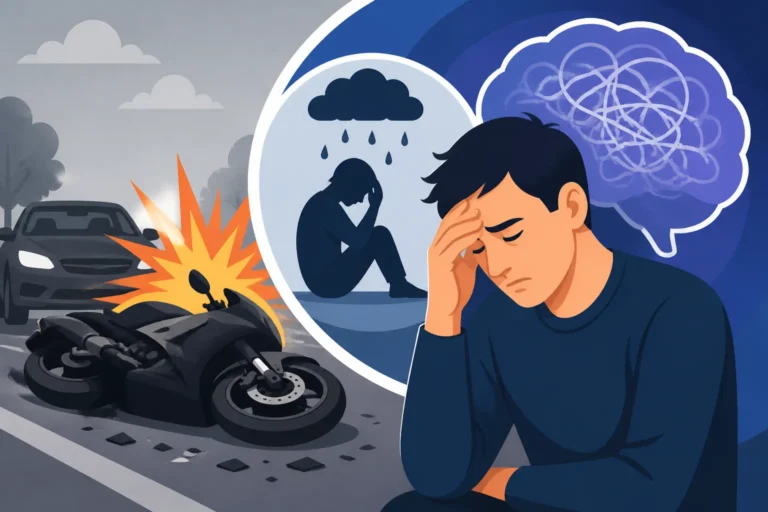
- Psychological Trauma: Dealing with life-threatening injuries, undergoing emergency surgeries, and facing a long, arduous recovery can take a tremendous toll on mental health. Many riders experience PTSD, anxiety, depression, and changes in personality or mood, especially after TBIs. This often requires psychological counseling and support groups.
- Reduced Physical Capacity: Depending on the severity and location of the injuries, a rider might experience a permanent reduction in physical capacity, making it difficult to return to their previous job, hobbies, or even simple daily tasks. This directly impacts their Lost Earning Capacity Explained.
- Need for Ongoing Care: Many internal injury survivors require continuous medical follow-ups, medication, and rehabilitation services for years, if not for the remainder of their lives. This can include anything from regular check-ups with specialists to ongoing physical therapy or psychological support. These Long-Term Effects of Motorcycle Injuries are crucial to consider in any claim.
Financial and Emotional Burdens
The financial and emotional weight of severe internal injuries cannot be overstated. Beyond the physical pain, there's a cascade of challenges that can overwhelm victims and their families.
- Skyrocketing Medical Bills: Emergency surgeries, extended hospital stays, diagnostic tests, medications, physical therapy, and long-term specialist care quickly accumulate into astronomical medical debts. Even with good insurance, co-pays and deductibles can be debilitating. If you're involved in a catastrophic accident, the costs can reach into the hundreds of thousands or even millions of dollars.
- Lost Wages and Earning Capacity: Recovery from internal injuries often means a long period away from work. For many riders, this means a complete loss of income. If the injuries result in permanent disability or a reduced ability to perform their job, their future earning capacity is severely impacted. Calculating How Lost Wages Are Calculated becomes a complex task that requires expert analysis.
- Emotional Distress and Mental Health: The trauma of the accident itself, coupled with the pain, uncertainty, and disruption to life, can lead to severe emotional distress. Anxiety about future health, depression over lost abilities, and PTSD are common. These non-economic damages, often called Pain and Suffering Damages Explained, are a significant component of any claim.
- Impact on Family: Families often bear the brunt of caregiving responsibilities, financial strain, and emotional stress. Relationships can become strained under the immense pressure, and the entire family unit needs time to adjust to the "new normal."
- Home Modifications: In cases of severe long-term disability, costly home modifications (like ramps, wider doorways, accessible bathrooms) might be necessary to accommodate new physical limitations.
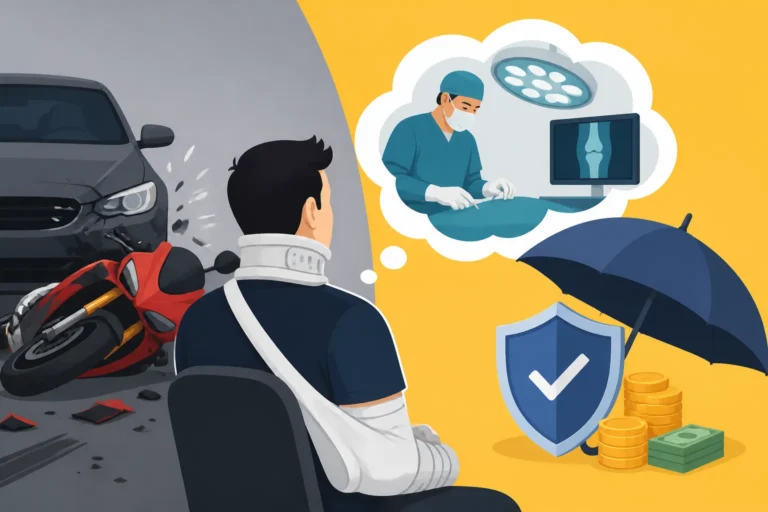
These burdens highlight why pursuing a comprehensive personal injury claim is so vital. It's not just about getting money; it's about securing the resources needed to manage a completely altered life.
Navigating Your Claim with Internal Injuries
Dealing with internal injuries after a motorcycle accident is profoundly difficult, and adding the complexity of a legal claim can feel overwhelming. However, properly navigating the claims process is essential to securing the compensation you'll need for recovery and future well-being.
Documenting the Hidden Damages
Because internal injuries aren't always visible, thorough documentation is absolutely paramount. Insurers, unfortunately, often look for reasons to minimize payouts, and a lack of clear documentation can be a major hurdle.
- Comprehensive Medical Records: Every single doctor's visit, hospital stay, diagnostic test result (CT, MRI, ultrasound reports), surgical report, medication list, and rehabilitation record must be meticulously kept. These documents are the bedrock of your claim, proving the existence and severity of your injuries. Ensure that the records clearly link your injuries to the motorcycle accident.
- Specialist Reports: It's not enough to just have records from the ER. Reports from specialists – gastroenterologists, pulmonologists, neurologists, nephrologists, or surgeons – who treat your specific internal injuries are crucial. These experts can provide detailed prognoses, outlining the long-term impact and future medical needs.
- Consistent Follow-ups: Any gaps in treatment can be used by the insurance company to argue that your injuries weren't serious or that you didn't seek appropriate care. Adhere strictly to all recommended follow-up appointments, therapies, and medical advice.
- Injury Journal: Keep a detailed personal journal documenting your pain levels, emotional state, limitations in daily activities, and any struggles you face. This journal can provide a human element to your medical records, illustrating the true impact of your internal injuries. This process is detailed further in How to Document Injuries for a Claim.
How Internal Injuries Affect Your Settlement Value
Internal injuries, by their very nature, tend to significantly increase the value of a motorcycle accident settlement. This is due to several key factors:
- Higher Medical Costs: As discussed, surgeries, hospitalizations, extensive diagnostics, and long-term care for internal injuries generate massive medical bills. These are a primary component of your economic damages.
- Increased Pain and Suffering: Internal injuries often involve intense pain, discomfort, invasive procedures, and a prolonged recovery. The emotional distress, anxiety, and fear that accompany such life-threatening conditions also contribute substantially to your non-economic damages. Average Motorcycle Accident Settlement Amounts are heavily influenced by these factors.
- Longer Recovery Periods: Internal organ damage typically means a much longer and more arduous recovery than, say, a simple fracture. This extended recovery translates to more lost wages, more medical expenses, and greater disruption to your life.
- Potential Permanent Disability or Impairment: Many severe internal injuries can lead to permanent organ damage, chronic pain, or long-term functional impairments. This impacts your ability to work, enjoy hobbies, and engage in daily life, leading to significant claims for Loss of Earning Capacity Explained and loss of enjoyment of life.
- Life-Altering Consequences: Catastrophic internal injuries, such as severe brain damage or the removal of a major organ, can fundamentally change a person's life trajectory. These "catastrophic injuries" warrant much higher compensation to cover lifelong care and profound changes in living. Read more about Catastrophic Motorcycle Injuries Explained.
In essence, the more severe, enduring, and impactful your injuries are, the higher your potential settlement value will be. An experienced attorney understands how to meticulously quantify these damages.
Proving Causation
One of the trickiest aspects of internal injuries, especially those with delayed symptoms, is proving direct causation – that the injuries were a direct result of the motorcycle accident. Insurance companies are notorious for trying to argue that:
- The injuries pre-existed the accident: They might scour your medical history for any prior complaints or conditions to link your current pain to something old.
- The injuries were caused by something else: If there's a gap in treatment or if symptoms appeared much later, they might claim another event caused the injury.
- The injuries weren't as severe as claimed: They'll try to downplay the impact and suggest your suffering isn't as great as you assert.
This is where precise medical documentation and the testimony of your treating physicians become indispensable. Your doctors can provide expert opinions confirming that the trauma from the motorcycle accident directly caused your internal injuries. They can explain why symptoms might be delayed and why your condition is a direct consequence of the crash.
This is also a crucial point where an experienced motorcycle accident lawyer truly earns their keep. They understand how to gather the necessary evidence, consult with medical experts, and present a compelling case to link your internal injuries directly to the at-fault driver's negligence. Without strong evidence proving causation, even the most severe internal injuries might not receive the compensation they deserve. If you're wondering, Do You Need a Motorcycle Accident Lawyer? For internal injuries, the answer is almost always yes.
Disclaimer
The information provided in this article is for general informational purposes only and does not constitute legal or medical advice. Every motorcycle accident claim and every injury is unique. It is crucial to consult with a qualified medical professional for diagnosis and treatment of any injuries and to seek advice from an experienced motorcycle accident attorney regarding your specific legal situation.