How Anxiety and Depression Factor In
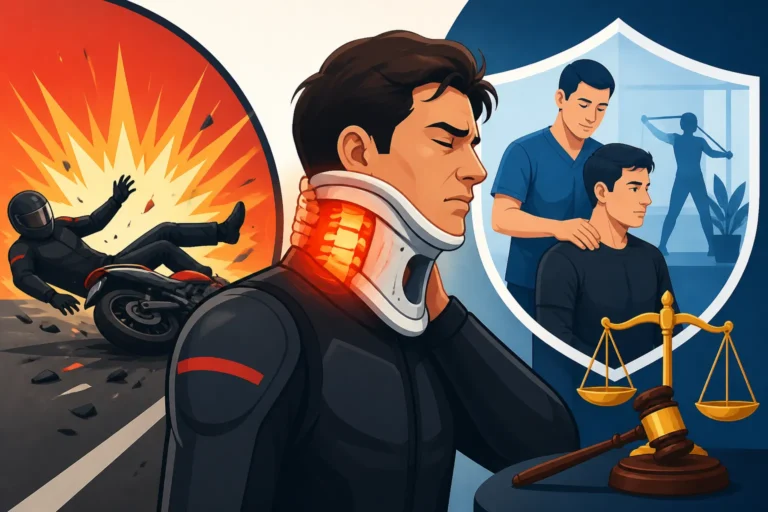
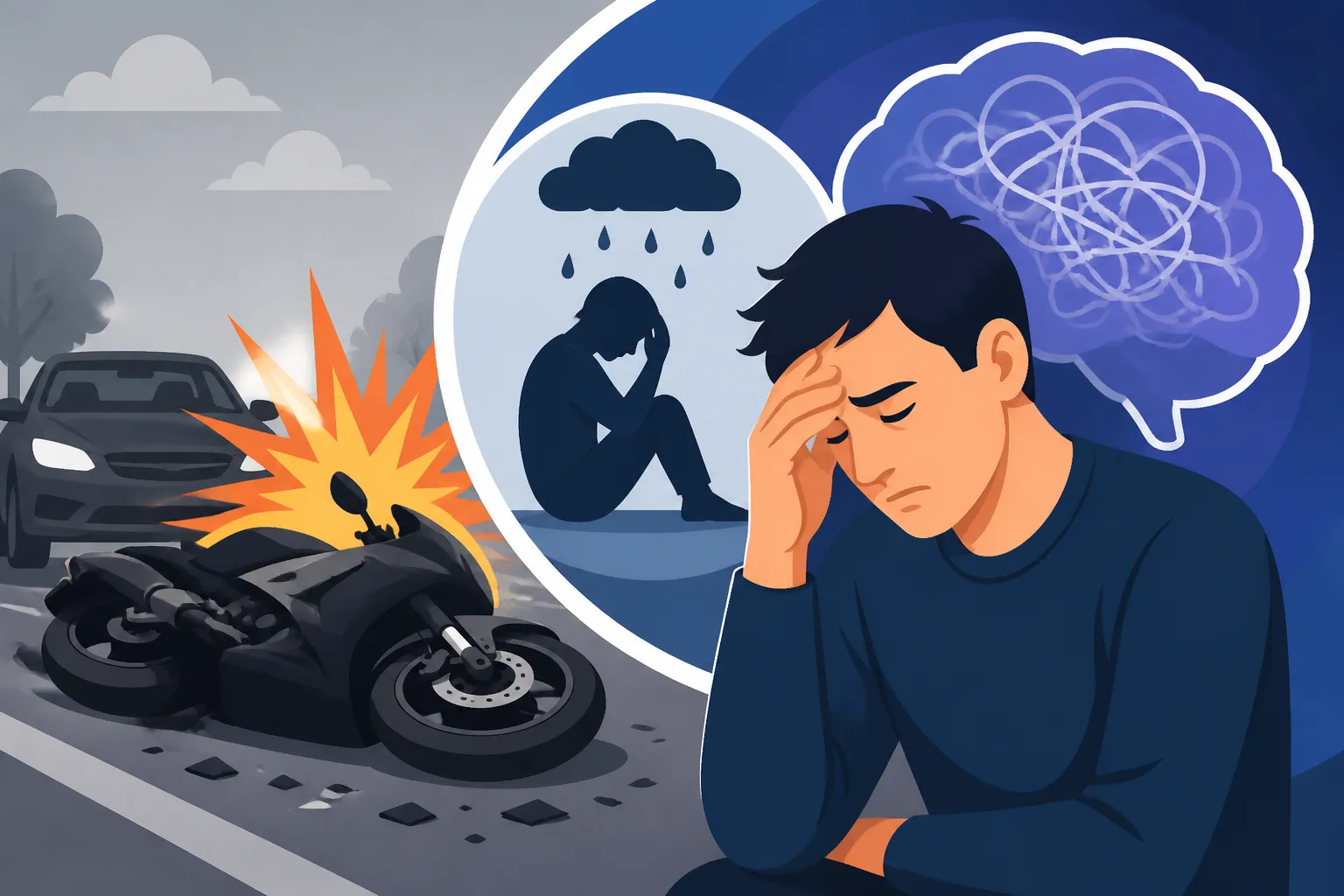
It’s a tough reality that a motorcycle accident doesn't just leave you with broken bones and physical pain; it can shatter your sense of security and joy, leaving behind deep, invisible wounds like anxiety and depression. Many riders feel isolated, grappling with fear and sadness long after their physical injuries have started to heal, unsure how to even begin explaining this profound emotional toll. This comprehensive guide will meticulously explore how these critical mental health impacts factor into your motorcycle accident claim, equipping you with the knowledge to advocate for the full compensation you truly deserve for your unseen suffering.
The Unseen Wounds After a Motorcycle Accident
When you've been in a motorcycle accident, the immediate focus is almost always on the visible, tangible injuries: the fractures, the road rash, the stitches. But what often gets overlooked, and frankly, underestimated, are the profound emotional and psychological scars that can linger for months, or even years, after the physical wounds have mended. These aren't just "feelings"; they are legitimate, debilitating conditions like anxiety and depression that can drastically alter your quality of life. Ignoring them means you’re not just short-changing yourself in a claim, but also delaying your complete recovery.
Understanding Emotional Trauma Beyond Physical Injuries
The sheer shock and terror of a motorcycle accident can be incredibly traumatizing. Picture it: one moment you're enjoying the open road, feeling free, and the next you're on the asphalt, surrounded by chaos, pain, and the terrifying realization of how vulnerable you truly are. This sudden, violent disruption to your life can trigger a cascade of psychological effects. Many riders experience vivid flashbacks, recurring nightmares, and a pervasive sense of dread that wasn't there before. You might find yourself hyper-vigilant on the road, constantly scanning for threats, or even developing a complete aversion to riding again, robbing you of a passion you once cherished. These responses are not weaknesses; they are the brain's way of coping with an overwhelming event, and they represent a significant form of injury that deserves acknowledgment and compensation.
While a broken arm will eventually mend, the memory of the impact, the fear of losing control, or the constant pain can etch itself deeply into your psyche. This emotional trauma can manifest in various ways: difficulty concentrating, irritability, social withdrawal, or even a complete loss of interest in activities you once loved. It's not uncommon for survivors to struggle with daily tasks that once felt routine, simply because their emotional state is so compromised. Recognizing that these emotional scars are just as valid as physical ones is the first step in understanding their place in your claim.
The Stigma and Misconceptions Surrounding Mental Health Claims
Unfortunately, there's still a lingering stigma around mental health issues, especially when it comes to legal claims. Insurance companies, ever eager to minimize payouts, often try to dismiss or downplay these "invisible" injuries. They might argue that your anxiety or depression existed before the accident, or that it's simply a normal response to stress that doesn't warrant significant compensation. This can leave you feeling invalidated, as if your suffering isn't real enough or important enough to be taken seriously.
It’s an incredibly frustrating experience to be told that the profound emotional shift you’ve undergone isn't worth as much as a physical injury, especially when it might be impacting your daily life even more. You might hear comments like, "It's all in your head," or "Just try to move on." These dismissive attitudes can make it even harder for riders to come forward with their mental health struggles, fearing they won't be believed or that their claim will be weakened. However, the legal system increasingly recognizes that emotional distress is a very real and compensable damage, and with proper documentation and expert support, you can absolutely pursue compensation for it.
How Anxiety Manifests and Impacts Your Claim
Anxiety after a motorcycle accident isn't just a fleeting feeling of worry; it can be a persistent, overwhelming state that significantly impairs your ability to function. It's a key component of your overall suffering and absolutely needs to be included in your claim.
Common Anxiety Disorders Post-Accident
After experiencing the trauma of a motorcycle crash, many individuals develop specific anxiety disorders. Post-Traumatic Stress Disorder (PTSD) is particularly prevalent among accident survivors. Symptoms can include intrusive thoughts, nightmares, flashbacks that make you relive the accident, and intense emotional distress when exposed to reminders of the crash, like riding past the accident scene or even hearing the distinct sound of screeching tires. Beyond PTSD, you might experience Generalized Anxiety Disorder (GAD), characterized by chronic worry, tension, and nervousness even when there's no immediate threat. Panic attacks, with their sudden onset of intense fear, heart palpitations, shortness of breath, and dizziness, can also become a terrifying new reality.
Consider a rider who, before their accident, loved taking long Sunday cruises down Highway 101. After being T-boned by a distracted driver, they might now experience a racing heart and shortness of breath just thinking about getting on their bike. Even riding in a car might trigger intense anxiety, making them constantly check their mirrors and brace for impact. This isn't just an inconvenience; it's a severe disruption to their freedom of movement, their ability to commute, and their overall enjoyment of life. These manifestations of anxiety directly contribute to your pain and suffering, impacting your ability to live a normal, fulfilling life. Properly documenting these conditions, as detailed in guides like PTSD After a Motorcycle Accident, is crucial for your claim.
Documenting Anxiety for Legal Purposes
For your anxiety to be seriously considered in a motorcycle accident claim, it must be thoroughly documented by medical professionals. This means seeking immediate and consistent care from therapists, psychologists, or psychiatrists. Their evaluations, diagnoses, and ongoing treatment notes are paramount. Think of these medical records as the bedrock of your emotional distress claim. They provide objective evidence of your condition, its severity, and its direct link to the accident. Your therapist's notes detailing your symptoms, emotional state, coping mechanisms, and the impact on your daily life are invaluable.
Beyond professional documentation, your personal records are also incredibly powerful. Keeping a detailed journal where you record your daily struggles with anxiety—when it flares up, what triggers it, how it affects your sleep, your mood, your relationships, and your ability to engage in normal activities—can paint a vivid picture of your suffering. For example, if you normally loved attending concerts but now the crowds and loud noises trigger panic attacks, that's important to document. This personal narrative, combined with professional medical opinions, can be incredibly persuasive. Learning How to Document Injuries for a Claim and how to effectively use a How to Keep an Injury Journal will be key here.
The Role of Depression in Your Motorcycle Accident Claim
Depression is another significant emotional toll that often follows a motorcycle accident, and it's far more than just "feeling sad." It's a complex medical condition that can severely diminish your capacity for joy, motivation, and everyday functioning, making it a critical factor in your accident claim.
Recognizing Post-Accident Depression Symptoms
After the initial shock and adrenaline wear off, many accident survivors find themselves sinking into a deep, persistent sadness that simply won't lift. This is often more than just grief over your injuries or lost mobility; it can be clinical depression. Symptoms commonly include a pervasive feeling of sadness, a profound loss of interest in activities you once enjoyed, chronic fatigue, significant changes in appetite or sleep patterns, feelings of worthlessness, guilt, or hopelessness, and even thoughts of self-harm. You might find yourself withdrawing from friends and family, isolating yourself, and struggling with even the simplest decisions.
Imagine a passionate rider who suddenly can't bring themselves to get out of bed in the morning, let alone consider getting back on a bike. The joy that once defined their weekends is gone, replaced by an overwhelming sense of lethargy and despair. This isn't just a bad mood; it's a debilitating condition that impacts every facet of their life, from work performance to personal relationships. The cumulative effect of physical pain, the frustration of a prolonged recovery, and the loss of independence can be a fertile ground for depression to take root. Understanding these Long-Term Effects of Motorcycle Injuries is essential for both your recovery and your claim.
Proving Depression's Link to the Crash
To successfully include depression in your motorcycle accident claim, you need to establish a clear causal link between the accident and the onset or exacerbation of your depressive symptoms. The most compelling evidence for this is the temporal connection: did your depression begin or significantly worsen after the crash? Your medical history, especially records from before the accident, will be crucial here. If you had no prior history of depression, the argument for causation is much stronger. If you did, then expert testimony can demonstrate how the trauma of the accident significantly exacerbated a pre-existing condition.
Working with mental health professionals who can provide a diagnosis, track your symptoms over time, and offer an expert opinion on the causal relationship between the crash and your depression is non-negotiable. They can explain how the physical injuries, the pain, the disruption to your routine, and the emotional trauma collectively contributed to your depressive state. This comprehensive approach helps to solidify your argument that your depression is a direct result of the negligent actions of the at-fault driver, making it a compensable injury.
Valuing Emotional Distress Damages in a Claim
One of the most challenging aspects of a personal injury claim, especially one involving motorcycle accidents, is putting a monetary value on suffering that can't be easily quantified. This is where "emotional distress damages" come into play, acknowledging that the psychological toll of an accident is just as real as the physical one.
Quantifying the Impact of Mental Health on Daily Life
Emotional distress falls under the umbrella of non-economic damages, often referred to as "pain and suffering." Unlike medical bills or lost wages, which have clear dollar amounts, pain and suffering are subjective and require careful evaluation. This includes not only your physical pain but also your mental anguish, emotional trauma, loss of enjoyment of life, fear, anxiety, and depression. When dealing with mental health impacts, we’re talking about the inability to engage in hobbies you once loved, the strain on relationships, the constant fear or sadness that pervades your days, and the overall diminished quality of life.
Insurance companies often use various methods to try and quantify these damages, such as the "multiplier method" (where economic damages are multiplied by a factor based on injury severity) or a "per diem" approach (assigning a daily value to your suffering). However, these are just starting points. The true value comes from meticulously demonstrating how your anxiety and depression have impacted your life in concrete ways. Did you miss your child's school play because your anxiety kept you housebound? Did you have to quit your beloved motorcycle club because you can no longer ride? These specific losses are what truly illustrate the depth of your suffering and justify significant compensation, forming a crucial part of Pain and Suffering Damages Explained and Emotional Distress Damages. Knowing How Insurers Value Pain and Suffering can help you understand their initial offers and prepare for negotiations.
Legal Strategies for Maximizing Non-Economic Damages
Maximizing your non-economic damages, particularly those related to anxiety and depression, requires a comprehensive and strategic approach. It's not enough to simply state you're depressed; you must prove it with compelling evidence and expert testimony. This is where the synergy between your consistent medical treatment, detailed personal journaling, and a skilled legal team becomes invaluable. Your attorney will work to present a cohesive narrative that connects the dots between the accident, your physical injuries, and the resulting mental health conditions.
They will gather all your medical records, including psychiatric and psychological evaluations, therapy notes, and prescriptions. They may also call upon your treating mental health professionals to testify about the severity of your conditions, their prognosis, and their direct causation by the accident. Additionally, testimony from family members, friends, or even colleagues who can attest to the changes in your personality, mood, and daily functioning since the crash can be profoundly impactful. The goal is to paint a vivid, undeniable picture of your suffering for the insurance company or a jury, illustrating the profound effect these invisible injuries have had on your entire life. This deep dive into Types of Damages in a Motorcycle Accident Claim can further clarify the elements involved.
Here’s a table summarizing how various aspects of mental health impact contribute to your claim:
| Aspect of Mental Health Impact | Documentation & Evidence | How it Affects Your Claim |
|---|---|---|
| Anxiety/PTSD | Therapist notes, psychiatric evaluations, medication records, personal journal, witness statements (family/friends) | Increases pain & suffering damages, impacts lost enjoyment of life, may lead to lost earning capacity if severe enough to prevent work or disrupt daily functions. |
| Depression | Psychologist/psychiatrist reports, medical history, anti-depressant prescriptions, personal journal, testimony from loved ones | Significant factor in pain & suffering, impacts ability to perform daily tasks, potential for long-term treatment costs, affects relationships and overall well-being. |
| Loss of Enjoyment | Personal journal entries, before-and-after comparisons of activities and hobbies, testimony (your own and from loved ones) | Direct component of non-economic damages, clearly demonstrates concrete ways your life has diminished due to emotional limitations. |
| Sleep Disturbances | Medical records (sleep studies if conducted), personal journal, doctor's notes, therapist's observations | Contributes to overall suffering, can exacerbate other physical and mental health issues, significantly impacting recovery and daily functioning. |
Navigating Challenges and Objections from Insurers
Dealing with the aftermath of a motorcycle accident is stressful enough, but adding the burden of fighting with an insurance company over your legitimate emotional distress can feel like a battle you just can't win. It's crucial to understand their tactics and prepare yourself.
Common Insurance Tactics to Downplay Mental Anguish
Insurance adjusters are trained to minimize the value of your claim, and unfortunately, mental health impacts are often their first target. They might try to argue that your anxiety or depression isn't directly related to the accident, or that it's merely a temporary reaction that will fade with time, not a compensable injury. A common tactic is to suggest that you're simply "stressed" or "sad," rather than clinically anxious or depressed, attempting to diminish the severity and therefore the value of your suffering. They may also imply that you're exaggerating your symptoms for financial gain, which can feel incredibly insulting and invalidating when you're genuinely struggling.
Another frequent argument is that the emotional distress you're experiencing stems from other life stressors unrelated to the crash, or that you have pre-existing conditions that are the real cause of your mental health issues. They might dig into your medical history looking for any mention of past therapy, stress, or minor emotional ups and downs to use against you. This is why it's so important to have strong documentation and a clear timeline connecting your current mental state directly to the accident. Be prepared for them to try and poke holes in your story, but don't let it deter you. A knowledgeable attorney understands these ploys, as discussed in How Insurers Lowball Motorcycle Riders, and can strategically counter them.
Overcoming Pre-Existing Condition Arguments
One of the trickiest arguments insurers deploy against claims involving anxiety and depression is that of pre-existing conditions. They might try to argue that you had mental health issues before the accident, therefore, the crash isn't responsible for your current state. However, the law often recognizes what's known as the "eggshell skull" rule, which essentially means you take the victim as you find them. If the accident made an existing, dormant condition flare up, or significantly worsened a mild condition, the at-fault party can still be held liable for that exacerbation.
To effectively overcome this argument, you need to clearly demonstrate that your mental health issues either began after the accident, or that any prior conditions were significantly worsened by the trauma of the crash. This again highlights the importance of thorough medical records from both before and after the accident. Expert testimony from a psychiatrist or psychologist can be invaluable here, as they can explain how the specific trauma of the motorcycle accident acted as a trigger or amplifier for your mental health struggles. They can differentiate between a pre-existing condition and its exacerbation, providing a clear medical opinion that supports your claim. Understanding How Pre-Existing Conditions Affect Claims can empower you to prepare for these challenges.
Practical Steps for Strengthening Your Emotional Distress Claim
While the legal process can be daunting, there are concrete steps you can take to bolster your claim for anxiety and depression, ensuring your emotional suffering receives the recognition and compensation it deserves.
The Importance of Consistent Medical and Mental Health Treatment
This cannot be stressed enough: seek consistent medical and mental health treatment immediately after the accident, and continue with it. This isn't just about getting better; it's about creating an undeniable record of your suffering and its connection to the crash. Gaps in treatment are red flags for insurance companies, who will argue that if your suffering was truly severe, you wouldn't have stopped seeing professionals. They might claim you've recovered, or that your ongoing issues are unrelated because you took a break from therapy.
Work with a therapist, psychologist, or psychiatrist who is experienced in trauma, especially accident-related trauma. Attend all your appointments, follow their recommendations, and take any prescribed medications. These professionals' notes will document your symptoms, diagnoses, treatment plans, progress (or lack thereof), and how your mental health impacts your daily life. This unbroken chain of medical evidence is incredibly powerful in establishing the severity and causation of your anxiety and depression. A good legal team will emphasize this to you from the very beginning, often recommending resources or specialists. If you are unsure about needing legal help, considering Do You Need a Motorcycle Accident Lawyer can clarify the benefits of professional guidance in these complex situations.
Keeping a Detailed Journal of Your Emotional Journey
Beyond formal medical records, your personal journal is a critical piece of evidence. This isn't just a diary; it's a living document of your emotional and psychological journey after the accident. Every day, or as frequently as you can, record how you're feeling. Detail your moods, any physical symptoms linked to anxiety (like racing heart, shortness of breath), sleep disturbances, panic attacks, feelings of sadness or hopelessness, and how these affect your ability to perform daily tasks or enjoy life.
For example, write down: "May 15th: Woke up from a nightmare about the crash, drenched in sweat. Couldn't focus at work. Felt irritable with my family all evening." Or, "June 2nd: Tried to go to the grocery store, but the crowded aisles triggered a panic attack. Had to leave. Felt completely defeated." These entries provide contemporaneous, firsthand accounts of your struggles, offering a level of detail and authenticity that medical notes alone cannot capture. This journal, when combined with your medical records, creates a powerful and personal narrative that insurance companies will find difficult to dispute, reinforcing the advice found in How to Document Injuries for a Claim.
Disclaimer
Please remember that this article provides general information and insights into motorcycle accident claims and is not legal advice. Every accident and claim is unique, and the information presented here may not apply to your specific situation. Laws regarding personal injury and compensation vary significantly by state and jurisdiction. It is crucial to consult with a qualified motorcycle accident attorney in your area to discuss your specific case, understand your rights, and receive personalized legal guidance.