Motorcycle Neck Injury: Treatment and Long-Term Impact
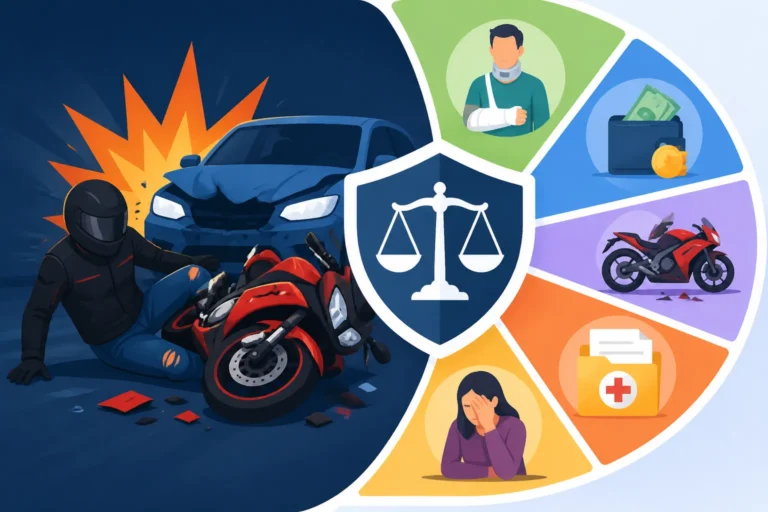
A motorcycle accident can be a truly terrifying experience, and when the dust settles, the pain is often just beginning. One of the most common and debilitating injuries riders face is a neck injury, which can throw your entire life into disarray, making even simple tasks feel impossible. This comprehensive guide is here to walk you through the complexities of a motorcycle neck injury, from understanding the various types and their initial treatments to coping with the profound, long-term impacts on your physical, emotional, and financial well-being.
Understanding Motorcycle Neck Injuries
When you’re involved in a motorcycle accident, the forces at play are immense, and your neck, being the delicate bridge between your head and the rest of your body, is incredibly vulnerable. Unlike being in a car with seatbelts and airbags, a rider is often thrown from their bike or directly impacted, leading to sudden, violent movements of the head and neck. These intense forces can cause a wide spectrum of injuries, from minor strains to catastrophic spinal cord damage, each requiring its own specific approach to treatment and recovery. It’s crucial to recognize that even what seems like a minor jolt can have serious implications down the line.
Common Types of Neck Injuries
The neck is a complex structure made up of vertebrae, discs, ligaments, muscles, and nerves. When this delicate system is subjected to the trauma of a motorcycle crash, several types of injuries can occur, each with its own set of challenges. Understanding these can help you better communicate with medical professionals and anticipate your recovery journey.
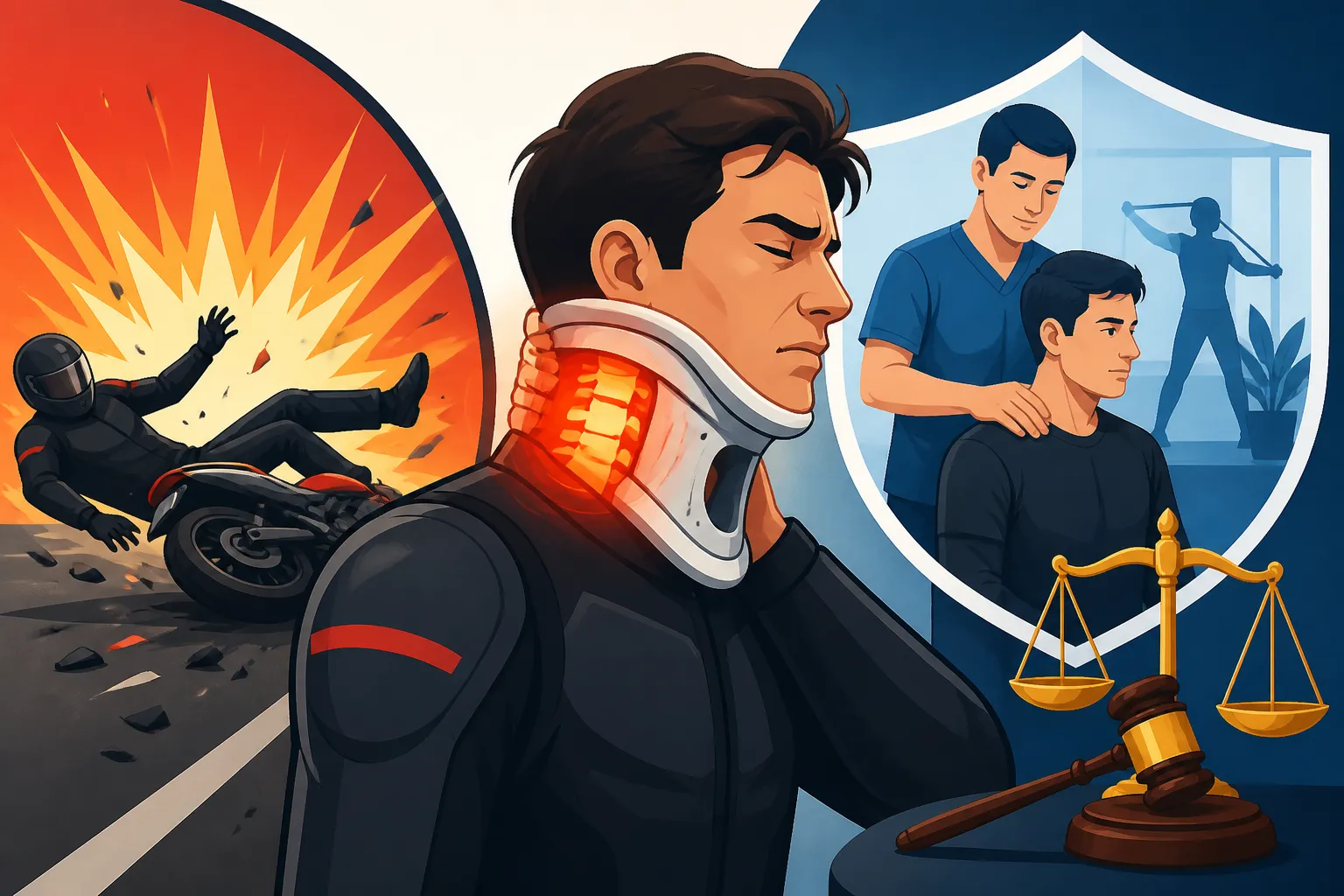
One of the most frequently diagnosed neck injuries after an accident is whiplash. This happens when your head is suddenly and forcefully thrown forward and then backward, much like the cracking of a whip. This rapid movement overstretches and tears the muscles, ligaments, and tendons in your neck, leading to symptoms like pain, stiffness, headaches, and dizziness. While whiplash often sounds benign, severe cases can lead to chronic pain and significant limitations in movement, affecting everything from turning your head to check blind spots to sleeping comfortably at night. It's not just a "little tweak"; it's a legitimate injury that can deeply impact your daily life, making it hard to concentrate or even perform simple tasks.
More severe impacts can lead to cervical fractures, which are breaks in the vertebrae of your neck. These are far more serious and often require immediate immobilization and surgical intervention. A fracture in the C1 or C2 vertebrae, often called a "hangman's fracture," can be life-threatening or result in paralysis. Even less severe fractures can still cause instability and immense pain, necessitating extensive rehabilitation. Imagine the terror of knowing your neck is broken, and the long road ahead to even regain basic function, let alone ride again.
Then there are disc herniations, which occur when the soft, jelly-like center of a spinal disc pushes through a tear in its tougher exterior, putting pressure on nearby nerves. This can cause radiating pain, numbness, or weakness in your arms and hands, often described as a burning or tingling sensation. For riders, a disc herniation can make gripping handlebars or operating controls incredibly difficult, if not impossible. The constant discomfort and neurological symptoms can be utterly debilitating, truly altering how you live your life.
Finally, the most devastating type of neck injury is a spinal cord injury. This occurs when the spinal cord itself is damaged, disrupting communication between the brain and the rest of the body. The consequences can range from partial loss of function (paresis) to complete paralysis (plegia) below the site of the injury. A motorcycle accident is unfortunately a high-risk scenario for this type of catastrophic injury due to the direct impact and violent nature of the crashes. Such injuries don't just affect the rider; they impact entire families, requiring profound adjustments and long-term care, and leading to substantial Motorcycle Spinal Cord Injury: Claims and Compensation.
Immediate Symptoms and Delayed Onset
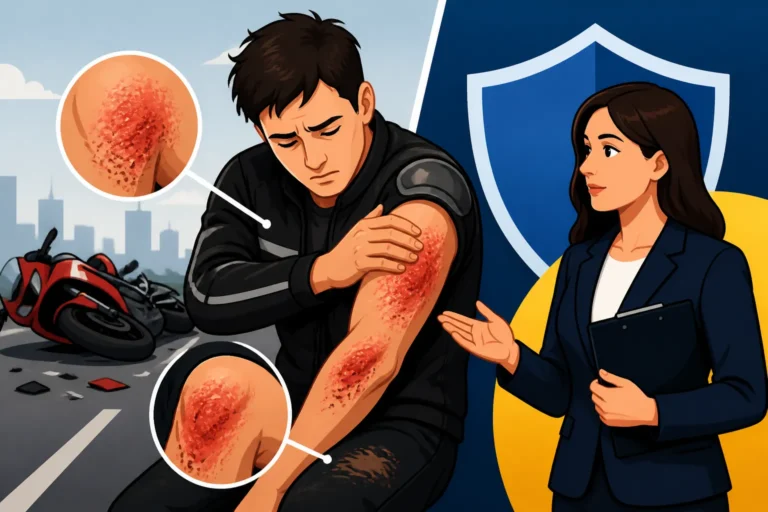
It's a common and often dangerous misconception that if you don't feel pain right away after a crash, you're fine. The reality for many motorcycle accident victims is far different. Adrenaline, that powerful hormone that floods your system during a traumatic event, can be a real trickster. It acts as a natural painkiller, masking the immediate discomfort of serious injuries, especially those affecting the neck. You might feel a bit shaken up, perhaps a little stiff, but otherwise "okay" in the moments following a collision. This feeling of normalcy can lead people to delay seeking medical attention, which is a critical mistake.
Hours, or even days, after the accident, as the adrenaline wears off and inflammation sets in, the true extent of your neck injury often begins to reveal itself. You might wake up with excruciating stiffness, a throbbing headache, dizziness, or radiating pain down your arm that simply wasn't there before. This delayed onset of symptoms is incredibly common with whiplash and other soft tissue injuries, but it can also indicate more serious issues like a hairline fracture that wasn't immediately apparent. Failing to seek prompt medical evaluation after any motorcycle accident, even if you feel fine, can not only jeopardize your health but also complicate any potential personal injury claim. Insurance companies are often quick to argue that delayed symptoms mean the injury wasn't caused by the crash, making it harder to link your suffering directly to the incident. That's why one of the first things you should do after a motorcycle accident, regardless of how you feel, is get a thorough medical check-up.
Navigating the Treatment Journey for Neck Injuries
Once the shock of the accident begins to wear off and the pain sets in, the journey toward recovery truly begins. Navigating the medical system, understanding diagnoses, and committing to treatment can feel overwhelming, especially when you're in pain and dealing with the aftermath of a crash. However, a structured and diligent approach to your medical care is paramount, not just for your physical recovery but also for properly documenting your injuries for any potential claim.
Initial Medical Assessment and Diagnosis
Your first step, without question, should be an immediate visit to an emergency room or an urgent care facility, even if you don't think your injuries are severe. I can't stress this enough: always get checked out. When you arrive, medical professionals will perform a comprehensive assessment. This typically starts with a physical examination, checking for tenderness, range of motion, and neurological function. They'll ask you about the accident, how you fell, and what symptoms you're experiencing. Be as thorough and honest as possible, even if a symptom seems minor or intermittent.
To get a clearer picture of what's going on beneath the surface, various diagnostic tests will likely be ordered. X-rays are often the first line of defense to rule out obvious fractures or dislocations in the cervical spine. However, X-rays aren't great at showing soft tissue damage or subtle injuries. For that, doctors often turn to more advanced imaging. A CT scan can provide detailed cross-sectional images of bone structures, which is invaluable for identifying complex fractures or bone fragments that might be pressing on nerves. For visualizing soft tissues like ligaments, muscles, and especially spinal discs and the spinal cord, an MRI is usually the gold standard. These detailed images are crucial for accurately diagnosing disc herniations, ligament tears, and any damage to the spinal cord itself. Thoroughly documenting your injuries for a claim starts here, with these initial medical records serving as foundational evidence.
Treatment Options for Recovery
The treatment path for a motorcycle neck injury is highly individualized, depending on the specific diagnosis and severity. It often involves a combination of approaches, moving from conservative methods to more aggressive interventions if necessary. The goal is always to reduce pain, restore function, and prevent further damage.
For many soft tissue injuries, such as whiplash or minor strains, conservative treatments are the first line of defense. This often includes prescription pain relievers and anti-inflammatory medications to manage discomfort and swelling. Muscle relaxants might also be prescribed to alleviate spasms. Physical therapy is almost always a cornerstone of recovery, involving exercises to improve strength, flexibility, and range of motion, as well as modalities like heat, ice, and electrical stimulation. A physical therapist will guide you through exercises designed to slowly bring your neck back to its former glory, or as close as possible. Chiropractic care can also be beneficial for some, focusing on spinal adjustments to improve alignment and reduce nerve irritation. Think of it as carefully rebuilding a structure that has been violently shaken.
If conservative treatments aren't providing sufficient relief, or if nerve compression is a significant issue, interventional treatments might be considered. Epidural steroid injections, for example, deliver powerful anti-inflammatory medication directly to the area around the spinal nerves to reduce pain and inflammation. Nerve blocks are another option, temporarily numbing specific nerves to alleviate severe pain. These treatments are often used to bridge the gap while other therapies take effect or to provide relief for chronic conditions.
For more severe injuries, such as unstable fractures, significant disc herniations that cause neurological deficits, or spinal cord compression, surgical intervention may be necessary. Procedures like anterior cervical discectomy and fusion (ACDF) involve removing a damaged disc and fusing the vertebrae together to stabilize the spine. Artificial disc replacement is another option in some cases, aiming to preserve more motion. Spinal decompression surgeries are performed to relieve pressure on the spinal cord or nerves. These are major operations with significant recovery periods, but they can be life-changing, preventing permanent neurological damage and alleviating severe pain. Recovery from surgery will likely include extensive rehabilitation to regain strength and mobility. It’s a long, arduous process, but often a necessary one to reclaim some semblance of your life.
The Long-Term Impact of Motorcycle Neck Injuries
A neck injury from a motorcycle accident isn't just a temporary setback; for many, it becomes a life-altering event. The repercussions can extend far beyond the initial pain and healing period, profoundly affecting one's physical capabilities, emotional state, and financial stability for years, if not a lifetime. Understanding these long-term impacts is crucial for riders seeking comprehensive care and fair compensation.
Chronic Pain and Functional Limitations
One of the most insidious and common long-term consequences of a severe neck injury is chronic pain. What might start as acute post-accident discomfort can evolve into persistent, unrelenting pain that lasts for months, years, or even becomes a permanent fixture in your life. This isn't just a minor ache; it can be a constant throbbing, burning, or stiff sensation that never truly goes away. Imagine trying to live your life with a persistent headache or a stiff, aching neck every single day. This kind of pain doesn't just hurt; it grinds you down, impacts your mood, and limits your enjoyment of life.
Coupled with chronic pain are significant functional limitations. Activities that you once took for granted, like turning your head to back out of a driveway, lifting groceries, or even sitting comfortably for extended periods, can become agonizing or impossible. Many riders find themselves unable to participate in their favorite hobbies, whether it's riding their motorcycle, playing sports, or simply enjoying time with family in the garden. This loss of function can lead to a profound sense of frustration and a feeling of being trapped in your own body. For instance, a delivery driver in Portland, Oregon, who suffered a cervical fracture, might find that the constant jarring and need to check blind spots makes returning to his former job untenable. This directly impacts his earning potential and his sense of purpose.
These limitations often necessitate ongoing medical care. This can include regular physical therapy sessions to maintain what range of motion is left, pain management clinics for injections or medication adjustments, and even assistive devices to aid in daily living. The cumulative effect of these functional losses and the constant need for care can significantly diminish one's overall quality of life, turning once vibrant individuals into shadows of their former selves. The costs associated with future medical costs can also be staggering, and are a key component of any claim.
Emotional and Financial Strain
Beyond the physical suffering, a motorcycle neck injury inflicts a heavy toll on a person's mental health and financial stability. The psychological impact of a severe injury and the disruption to one's life should never be underestimated. Many accident victims experience post-traumatic stress disorder (PTSD), characterized by flashbacks, nightmares, and a heightened state of anxiety, especially when driving or even just being a passenger near motorcycles. The fear of another accident can be paralyzing. Furthermore, the constant pain, loss of independence, and inability to engage in once-enjoyed activities often lead to depression, anxiety, and profound feelings of hopelessness. Relationships with family and friends can also suffer due to irritability, withdrawal, and the overwhelming burden of care.
The financial strain can be equally devastating. Neck injuries, particularly those requiring surgery or long-term rehabilitation, generate astronomical medical bills. Even with good insurance, co-pays, deductibles, and uncovered services can quickly deplete savings. More significantly, many victims experience a loss of earning capacity. If your injury prevents you from returning to your previous job, or forces you into a lower-paying position, the long-term financial impact can be catastrophic. Imagine a construction worker in Phoenix, Arizona, who can no longer perform the physical demands of his trade due to a neck injury. He might have to retrain for a desk job, resulting in a substantial and permanent reduction in income.
This dual burden of emotional distress and financial hardship often creates a vicious cycle, where stress exacerbates physical pain, and financial worries deepen anxiety and depression. It's not just about the cost of treatment today; it's about the lost income for the next 10, 20, or 30 years, and the ongoing psychological support needed to cope with a drastically altered life. These factors are critical to consider when evaluating Average Motorcycle Accident Settlement Amounts and advocating for fair compensation.
Documenting Your Neck Injury for a Claim
After a motorcycle accident, your priority is always your health. But as you navigate the medical recovery, it's equally crucial to understand that everything you do, or don't do, can impact a potential personal injury claim. Insurance companies, unfortunately, are not always on your side; they're looking for reasons to minimize payouts. Meticulous documentation of your neck injury and its consequences is your strongest defense against their tactics and your best path toward receiving fair compensation. For more detailed guidance, consider reading How to Document Injuries for a Claim.
Gathering Medical Records and Bills
The bedrock of any motorcycle accident claim is your medical documentation. From the moment you seek initial treatment to your last physical therapy session, every single record is a piece of the puzzle proving your injury and its severity. You need to gather everything:
- Emergency Room Reports: These are crucial as they establish the immediate nature of your injuries.
- Physician's Notes: Every visit to your primary care doctor, specialists (neurologists, orthopedists), and pain management doctors. These notes detail symptoms, diagnoses, treatment plans, and prognoses.
- Diagnostic Imaging Reports: The actual X-rays, CT scans, and MRI reports, along with the radiologist's interpretation, are vital for substantiating objective injuries like fractures or disc herniations.
- Physical and Occupational Therapy Records: These documents track your progress, limitations, and the necessity of ongoing rehabilitation.
- Prescription Records: A list of all medications, including pain relievers, muscle relaxants, and anti-inflammatories, demonstrates the extent of your pain and treatment.
- Medical Bills: Keep every bill from every provider, including hospitals, doctors, therapists, and pharmacies. These tally up your economic damages and provide a clear picture of your financial burden.
It’s not enough to just have these documents; you need to organize them meticulously. Create a dedicated folder, either physical or digital, and keep it updated. Request copies of all your records, ensuring they are complete and accurate. Gaps in treatment or missing records can be red flags for insurance adjusters, who might argue that your injury wasn't severe or wasn't directly related to the accident. Remember, How Medical Records Support Your Claim is absolutely essential for your case.
The Role of an Injury Journal and Expert Testimony
While medical records provide objective evidence, your personal experience of the injury and its daily impact provides the crucial subjective details. This is where an injury journal becomes an invaluable tool. Starting from the day of the accident, keep a detailed log of:
- Pain Levels: Rate your pain daily (e.g., on a scale of 1-10) and describe its character (sharp, dull, throbbing).
- Symptoms: Document all symptoms, including stiffness, numbness, tingling, headaches, dizziness, and any changes you notice.
- Functional Limitations: Record how your injury impacts your daily activities. Can you lift your child? Drive to work? Sleep comfortably? Tie your shoes? These seemingly small details paint a powerful picture of your suffering.
- Emotional State: Don't shy away from documenting your emotional toll—frustration, sadness, anxiety, difficulty concentrating, or sleep disturbances. These contribute to your Pain and Suffering Damages Explained.
- Treatment Details: Note all appointments, treatments received, and any side effects of medication.
- Missed Work/Activities: Document every day you miss from work, social events, or hobbies due to your injury.
This journal serves as a consistent, contemporaneous record of your suffering, demonstrating consistency in your complaints and the true breadth of your injury's impact. It can be incredibly persuasive in negotiations or in court, as it shows the day-to-day reality of living with a severe neck injury.
In addition to your own detailed record-keeping, expert testimony often plays a critical role, especially in cases involving complex neck injuries or disputed fault. Medical experts, such as orthopedic surgeons or neurologists, can provide expert opinions on the nature of your injury, its cause, the necessity of treatment, and your long-term prognosis, including any permanent impairment or disability. They can explain complex medical concepts to a jury in an understandable way, reinforcing the severity of your condition.
Furthermore, if there are questions about how the accident happened or the forces involved, an accident reconstruction expert might be called upon. They can analyze evidence from the crash scene, vehicle damage, and other data to determine the mechanics of the collision and how those forces likely contributed to your specific neck injury. This can be particularly useful when fault is disputed or when insurance companies try to downplay the impact of the crash.
Together, a robust collection of medical records, a detailed personal injury journal, and the backing of expert testimony create a compelling and comprehensive case, ensuring that the full extent of your motorcycle neck injury, its treatment, and its long-term impact are properly recognized and compensated. If you are ever in this situation, knowing What to Do After a Motorcycle Accident is paramount for securing evidence.
Types of Neck Injuries, Symptoms, and Treatments
| Injury Type | Common Symptoms | Typical Initial Treatments | Potential Long-Term Impacts |
|---|---|---|---|
| Whiplash | Neck pain, stiffness, headaches, dizziness, shoulder pain | Rest, pain meds, physical therapy, chiropractic | Chronic pain, limited motion, migraines |
| Cervical Strain/Sprain | Localized neck pain, stiffness | Rest, ice/heat, pain meds, gentle exercises | Recurrent stiffness, discomfort with activity |
| Disc Herniation | Radiating arm pain/numbness/weakness, neck pain | PT, injections, pain meds, surgery (ACDF) | Chronic nerve pain, reduced grip strength, recurring issues |
| Cervical Fracture | Severe neck pain, limited motion, neurological symptoms | Immobilization (brace), surgery, rehabilitation | Instability, chronic pain, neurological deficits, paralysis |
| Spinal Cord Injury | Partial/complete paralysis, loss of sensation/function | Surgery, extensive rehab, assistive devices | Permanent disability, loss of bodily functions, lifelong care |
Disclaimer
The information provided in this blog post is intended for general informational purposes only and does not constitute legal or medical advice. Motorcycle accident claims and neck injuries are complex, and laws vary significantly by jurisdiction. You should consult with a qualified legal professional for advice regarding your individual situation and a medical professional for any health concerns.