Motorcycle Back Injury: Treatment and Long-Term Impact
Getting into a motorcycle accident is a terrifying ordeal, and one of the most devastating outcomes can be a severe back injury. The sudden, violent impact and the often unprotected nature of riding can inflict incredible trauma on your spine, leaving you grappling with excruciating pain, limited mobility, and an uncertain future. This guide aims to shed light on the complex journey of a motorcycle back injury, from understanding the different types of trauma to navigating the winding path of treatment and coming to terms with the long-term impact on your life.
Understanding the Common Types of Motorcycle Back Injuries
When your body is violently thrown from a motorcycle, or crushed by another vehicle, the forces exerted on your spine can be immense. Unlike a car, where a seatbelt and airbag offer some containment, a rider is fully exposed. This vulnerability often leads to a range of severe back injuries, each with its own set of challenges for treatment and recovery. It’s not just about the pain; it’s about how these injuries can fundamentally alter your ability to live, work, and enjoy life.
Spinal Cord Injuries SCIs
A spinal cord injury (SCI) is, without a doubt, one of the most feared outcomes of any accident, especially a motorcycle crash. The spinal cord is the superhighway of your nervous system, relaying messages between your brain and the rest of your body. When this delicate cord is damaged – whether bruised, compressed, or severed – those signals can be disrupted, leading to partial or complete loss of sensation and motor function below the point of injury. This isn't just a minor ache; it can mean paralysis, impacting everything from walking and using your hands to controlling your bladder and bowels.
The immediate aftermath of an SCI is critical. First responders and emergency room doctors are focused on stabilizing the spine to prevent further damage. The specific symptoms and long-term prognosis depend heavily on the location and severity of the injury. A high cervical injury (neck area), for example, might result in quadriplegia, affecting all four limbs, while a lower thoracic or lumbar injury could lead to paraplegia, affecting the lower body. The emotional and physical toll of a Motorcycle Spinal Cord Injury: Claims and Compensation is immense, not just for the rider but for their entire family, often requiring lifelong care and significant adjustments to daily living. The road to recovery is long, arduous, and often involves extensive rehabilitation, specialized equipment, and continuous medical support.
Herniated and Bulging Discs
Even if your spinal cord isn't directly damaged, the discs between your vertebrae are incredibly vulnerable in a high-impact crash. These discs act as shock absorbers, cushioning the bones of your spine. A sudden, forceful compression or twisting motion, common in motorcycle accidents, can cause these discs to bulge or even rupture, a condition known as a herniated disc. When a disc bulges, it protrudes outward, potentially pressing on nearby nerves. A herniated disc is more severe; the soft inner material pushes through a tear in the tougher outer layer.
The pain from a herniated or bulging disc can be debilitating. It often radiates into your arms or legs, leading to numbness, tingling, weakness, and sharp, shooting pains. Imagine trying to ride your motorcycle again, or even just sit comfortably, when every movement sends a jolt through your back and down your leg. This condition can significantly restrict your movement, making simple tasks like lifting groceries, bending over, or even standing for long periods incredibly difficult. The chronic nature of this pain can profoundly impact your quality of life, affecting sleep, mood, and overall well-being.
Fractured Vertebrae
Bones break, and the vertebrae – the individual bones that make up your spine – are no exception. Fractured vertebrae are a common and serious back injury resulting from motorcycle accidents, often due to the direct impact or the extreme compression and flexion forces involved. These fractures can range from minor compression fractures, where the bone cracks or collapses slightly, to more severe burst fractures, where the vertebra shatters and fragments can impinge on the spinal cord.
A fractured vertebra can cause intense localized pain, muscle spasms, and instability in the spine. Depending on the severity and location, it might require immediate surgery to stabilize the spine, especially if there's a risk of spinal cord involvement. The recovery period is often long, involving braces, rest, and careful rehabilitation. Even after healing, some riders may experience chronic pain, limited flexibility, or persistent weakness. The fear of re-injury, or the long-term ramifications of a damaged spinal column, can be a constant companion, affecting not just physical activity but also mental peace.
Soft Tissue Injuries Sprains and Strains
While less immediately alarming than a spinal cord injury or a broken back, don't underestimate the impact of soft tissue injuries. These injuries involve damage to the muscles, ligaments, and tendons surrounding your spine. A sudden jerk or violent movement during a motorcycle crash can stretch or tear these tissues, leading to sprains (ligaments) or strains (muscles/tendons). Think of whiplash, but in your lower back.
The symptoms often include localized pain, stiffness, muscle spasms, and reduced range of motion. While many soft tissue injuries heal over time with rest, physical therapy, and pain management, some can become chronic, leading to persistent discomfort and functional limitations. This is particularly frustrating because, unlike a broken bone that shows up clearly on an X-ray, soft tissue damage can be harder to diagnose definitively, sometimes leading to skepticism from insurance adjusters. Yet, the pain and limitation are very real, impacting daily activities and often preventing a return to the open road. These injuries, though not always "catastrophic," can still be long-lasting and require significant treatment and time away from work, contributing to the overall Types of Damages in a Motorcycle Accident Claim.
Immediate and Long-Term Treatment for Back Injuries
The moment a motorcycle accident happens, a clock starts ticking, especially when a back injury is suspected. The speed and quality of care you receive can drastically influence your recovery and long-term prognosis. It’s a complex journey, often involving multiple specialists, various therapies, and an unwavering commitment to healing, both physically and mentally.
Emergency Care and Initial Diagnosis
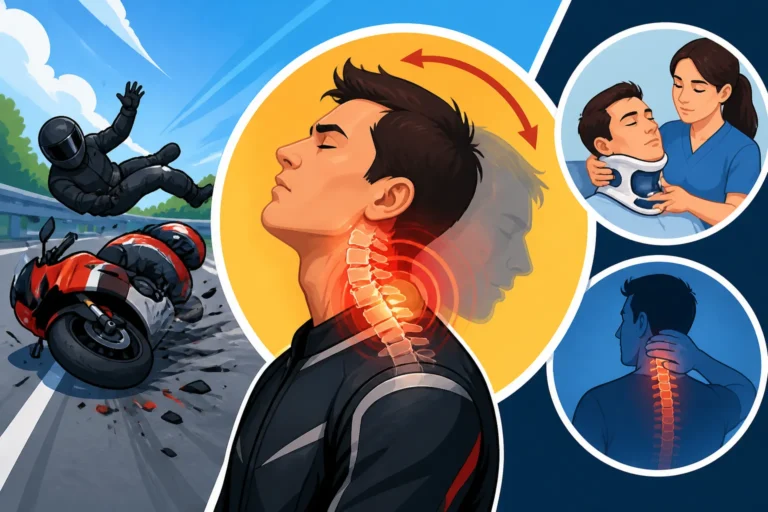
The scene of a motorcycle crash is chaotic, but paramedics and emergency responders are trained to prioritize spinal immobilization if there's any suspicion of a back or neck injury. They'll use a neck brace and backboard to keep your spine stable before moving you. Once you arrive at the emergency room, doctors will perform a thorough neurological exam to check your reflexes, sensation, and motor function. This initial assessment helps them quickly identify potential spinal cord involvement.
Imaging tests are crucial for an accurate diagnosis. X-rays can reveal fractures and misalignments of the vertebrae. CT scans provide more detailed images of bone structures, helping identify complex fractures. MRI scans are invaluable for visualizing soft tissues like discs, ligaments, and, most importantly, the spinal cord itself, detecting swelling, compression, or tears. These initial diagnostic steps are vital for guiding immediate treatment decisions and forming the foundation of your medical record, which will be critical in any potential claim you make. It’s also why you should Why You Should Seek Immediate Treatment even if you feel okay at first.
Conservative Treatment Options
For many back injuries, especially those involving soft tissue damage, bulging discs, or minor fractures, doctors will often recommend a conservative approach first. This typically includes a combination of rest, medication, and physical therapy. Rest is essential to allow inflamed tissues to heal and reduce further irritation to discs or nerves. Over-the-counter pain relievers like NSAIDs (non-steroidal anti-inflammatory drugs) are often the first line of defense to manage pain and swelling. Stronger prescription medications, such as muscle relaxants or neuropathic pain medications, may be used for more severe pain or nerve irritation.
Physical therapy is a cornerstone of recovery. A skilled physical therapist will guide you through exercises designed to strengthen core muscles, improve flexibility, and restore range of motion. They might also use modalities like heat, ice, ultrasound, or electrical stimulation to reduce pain and muscle spasms. Injections, such as epidural steroid injections or nerve blocks, can also be used to deliver medication directly to the source of pain and inflammation. The goal of these conservative treatments is to reduce pain, improve function, and avoid more invasive procedures, allowing your body the best chance to heal naturally while managing your symptoms.
Surgical Interventions
Sometimes, conservative treatments aren't enough, or the nature of the injury demands immediate surgical intervention. For severe fractures where bone fragments threaten the spinal cord, or for certain types of herniated discs causing significant nerve compression and weakness, surgery may be necessary. Common surgical procedures include discectomy (removing part of a herniated disc), laminectomy (removing part of the bone covering the spinal canal to relieve pressure), and spinal fusion (joining two or more vertebrae to stabilize the spine, often with metal hardware).
The decision to undergo surgery is never taken lightly, as it comes with its own risks and a potentially long recovery period. Post-surgical care is crucial and often involves a period of immobilization, followed by intensive physical therapy to regain strength and mobility. The psychological impact of facing spinal surgery, with all its uncertainties, can be profound. For complex cases, especially those involving Motorcycle Traumatic Brain Injury: Claims and Compensation or severe spinal cord damage, the surgical team may include neurosurgeons, orthopedic spine surgeons, and rehabilitation specialists working together.
Rehabilitation and Physical Therapy
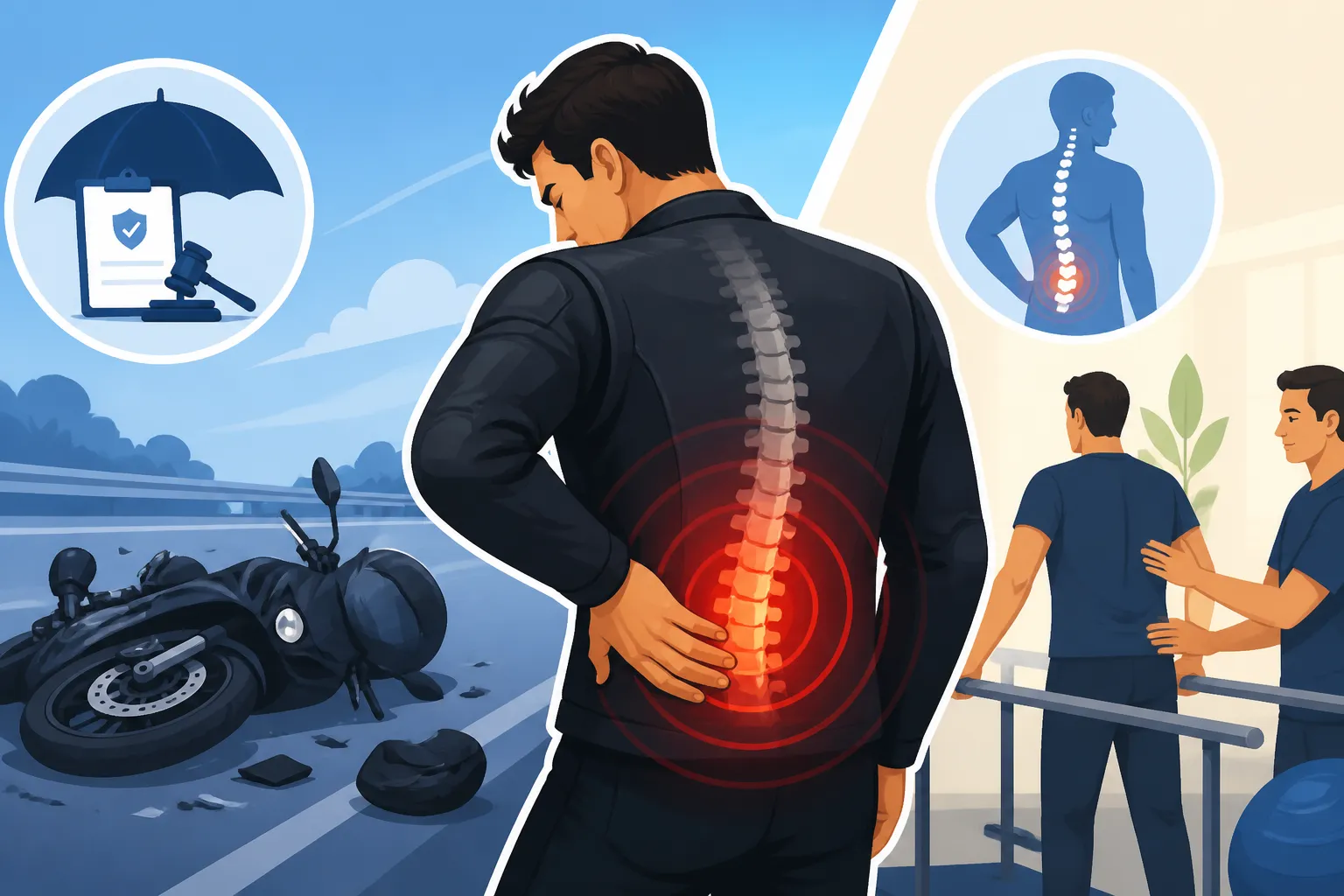
Regardless of whether your treatment is conservative or surgical, rehabilitation and physical therapy are absolutely vital for recovering from a motorcycle back injury. This isn’t a quick fix; it’s a commitment to rebuilding your strength, mobility, and independence. After an acute injury or surgery, physical therapists will work with you to slowly and safely regain movement, reduce pain, and strengthen the muscles supporting your spine. This can involve gentle stretches, targeted strengthening exercises, balance training, and gait training if walking has been affected.
For those with spinal cord injuries, rehabilitation is even more intensive and long-term. This could include occupational therapy to relearn daily tasks, assistive technology training, and even vocational rehabilitation to help you adapt to new work environments or career paths. The goal isn't just to get you back on your feet, but to help you achieve the highest possible level of function and quality of life. This consistent, often painful, effort is what truly makes a difference in the Long-Term Effects of Motorcycle Injuries, helping you adapt to new limitations and regain as much independence as possible. It's also critical for showing consistent effort in your injury claim, as gaps in treatment can often be used against you by insurance companies trying to minimize your injuries.
The Long-Term Impact of a Motorcycle Back Injury
A motorcycle back injury isn't just something you recover from and forget. For many riders, the effects can linger for months, years, or even a lifetime, fundamentally altering their physical capabilities, emotional well-being, and financial stability. It's a journey of adaptation, resilience, and often, significant loss.
Chronic Pain and Mobility Challenges
One of the most insidious long-term consequences of a severe back injury is chronic pain. What starts as acute pain from the accident can evolve into a persistent, nagging, or even debilitating condition that never fully resolves. This isn't just physical discomfort; chronic pain can impact every aspect of life – sleep, mood, concentration, and your ability to engage in activities you once loved, including riding your motorcycle. Managing How Chronic Pain Affects Your Settlement requires a comprehensive approach, often involving pain management specialists, medication, injections, and alternative therapies.
Beyond pain, many riders face ongoing mobility challenges. A severe spinal cord injury can lead to partial or complete paralysis, necessitating a wheelchair or other assistive devices. Even less severe injuries, like herniated discs or healed fractures, can result in stiffness, reduced flexibility, or a weakened core, making everyday movements difficult and painful. This loss of physical independence can be incredibly frustrating and depressing, forcing a complete re-evaluation of hobbies, work, and even basic self-care. The inability to lean into a turn or feel the wind on your face, due to physical limitations, can be a particularly cruel blow for dedicated riders.
Psychological and Emotional Toll
The physical scars of a motorcycle accident are often visible, but the psychological and emotional wounds can run just as deep, if not deeper. Dealing with severe, persistent pain and disability can lead to significant emotional distress. Many accident survivors experience depression, anxiety, and even post-traumatic stress disorder (PTSD). The shock of the accident, the loss of independence, the fear of future pain, and the grief over a changed life can be overwhelming.
It's common for riders to struggle with feelings of anger, frustration, and sadness. They might experience flashbacks, nightmares, or become fearful of riding again or even being in traffic. This emotional burden is a valid component of your damages and is often categorized as Non-Economic Damages Explained. Therapy, counseling, and support groups can be crucial for processing these emotions and developing coping strategies. Ignoring the psychological impact is a mistake, as it can severely hinder your overall recovery and ability to move forward.
Financial Burdens and Loss of Earning Capacity
The financial repercussions of a severe motorcycle back injury are staggering. Emergency medical care, multiple surgeries, extended hospital stays, prescription medications, ongoing physical therapy, adaptive equipment, and potentially lifelong attendant care can accumulate into astronomical costs. Even with good health insurance, out-of-pocket expenses can quickly become overwhelming. The average cost of a lifetime of care for a high-level spinal cord injury, for example, can be millions of dollars.
Beyond direct medical expenses, many riders face a significant loss of income due to their injuries. You might be unable to return to your previous job, or forced to work fewer hours, or even be permanently disabled, leading to a complete Loss of Earning Capacity Explained. This financial strain adds another layer of stress and anxiety, impacting your ability to provide for yourself and your family. Documenting all these financial impacts, from medical bills to lost wages and future earning potential, is critical for any compensation claim. These are considered economic damages and are often a significant part of your Average Motorcycle Accident Settlement Amounts.
Documenting Your Back Injury for a Claim
After suffering a motorcycle back injury, securing fair compensation is paramount to cover your extensive medical costs, lost income, and pain and suffering. However, insurance companies are not in the business of freely handing out money. They will scrutinize every detail of your claim, and without thorough documentation, you could find your settlement significantly reduced or denied. This isn't just about collecting papers; it's about building an undeniable narrative of your suffering and its impact on your life.
Medical Records as Crucial Evidence
Your medical records are the bedrock of your injury claim. From the moment paramedics arrive at the scene to your ongoing physical therapy sessions and specialist consultations, every piece of documentation tells a story. These records include:
- Emergency Room Reports: Detail the initial assessment, diagnosis, and immediate treatment. They're vital for establishing the direct link between the accident and your injuries.
- Hospitalization Records: If you were admitted, these records will show the duration of your stay, daily progress notes, medications administered, and any surgeries performed.
- Diagnostic Imaging Results: X-rays, CT scans, and MRI reports provide objective evidence of fractures, disc damage, spinal cord compression, and other internal injuries.
- Physician's Notes: Every visit to your doctor, specialist, or surgeon needs to be documented, detailing your symptoms, prescribed treatments, and prognosis.
- Physical Therapy Records: These show your attendance, progress, limitations, and the specific therapies you're receiving.
- Prescription Records: Proof of medications taken to manage pain or other symptoms.
It's absolutely essential that your medical records are consistent and thorough. Any gaps in treatment or inconsistencies in reporting symptoms can be used by insurance adjusters to argue that your injuries aren't as severe as you claim, or that they weren't directly caused by the accident. This is why How Medical Records Support Your Claim is so critical; they provide objective, professional validation of your injury and its progression.
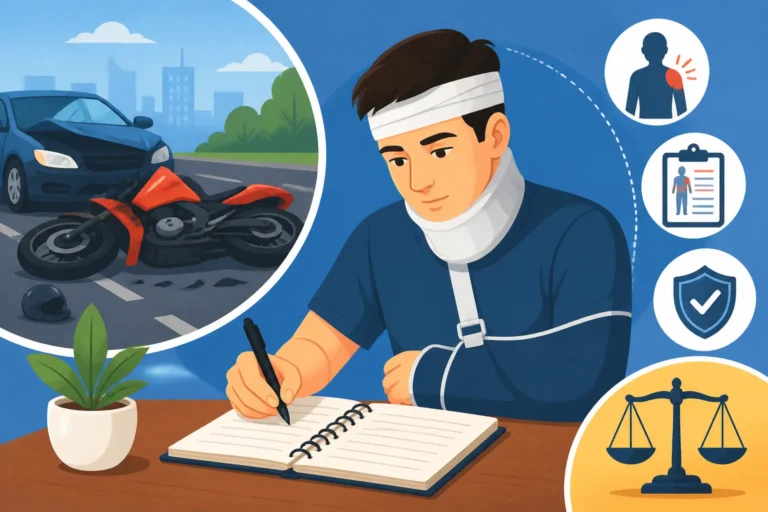
Maintaining an Injury Journal
While medical records provide the clinical facts, an injury journal captures the deeply personal reality of your daily struggle. This isn't just a diary; it's a living document of your pain, limitations, and the profound impact the back injury has on your life. Every day, or as often as you can manage, record:
- Pain Levels: Describe the intensity, location, and type of pain (e.g., sharp, dull, shooting, burning) using a scale of 1-10.
- Daily Activities Affected: Note what you cannot do, or what you struggle with. Did you have trouble getting out of bed? Couldn't lift your child? Missed a family outing? Couldn't concentrate at work?
- Emotional State: Document feelings of frustration, sadness, anger, anxiety, or depression. These are real, legitimate consequences of your injury.
- Medication and Treatments: Keep track of what medications you're taking, their effectiveness, and any side effects. Note physical therapy exercises and how you feel afterward.
- Appointments: Log all medical appointments, who you saw, and what was discussed.
This journal provides compelling evidence of your Pain and Suffering in Motorcycle Settlements and the true extent of your non-economic damages. It paints a human picture that cold medical reports often miss, showing the jury or insurance adjuster how your life has been undeniably altered.
Expert Medical Opinions
For serious back injuries, especially those with long-term or permanent implications, obtaining expert medical opinions can significantly bolster your claim. This involves having specialists, such as orthopedic surgeons, neurologists, pain management doctors, or rehabilitation physicians, provide detailed reports on your condition. These experts can:
- Confirm Diagnosis: Solidify the medical diagnosis of your back injury.
- Establish Causation: Offer a professional opinion linking your specific injuries directly to the motorcycle accident.
- Assess Prognosis: Provide a forecast for your future recovery, including the likelihood of chronic pain, permanent disability, or the need for future surgeries or treatments.
- Quantify Limitations: Explain how your injuries restrict your ability to work, perform daily tasks, and engage in recreational activities.
- Project Future Medical Costs: Estimate the expenses associated with ongoing care, medications, therapies, and adaptive equipment for the rest of your life.
These expert opinions are particularly vital when assessing Permanent Disability Compensation and the long-term financial impact of your injuries. Their professional insights can counter arguments from insurance companies that might try to downplay the severity or long-term nature of your back injury, ensuring you receive appropriate compensation.
Here's a quick look at common back injuries and their general characteristics:
| Type of Back Injury | Common Causes in Motorcycle Accidents | Typical Treatment Approach | Potential Long-Term Impact |
|---|---|---|---|
| Spinal Cord Injury (SCI) | High-impact crashes, direct trauma, compression, twisting. | Emergency stabilization, surgery, intensive rehabilitation. | Paralysis (partial/complete), chronic pain, loss of sensation, bladder/bowel dysfunction. |
| Herniated/Bulging Discs | Whiplash, sudden compression, violent twisting motions. | Physical therapy, medication, injections; surgery if severe. | Chronic back/leg/arm pain, numbness, weakness, limited mobility, re-injury risk. |
| Fractured Vertebrae | Direct impact, severe compression, crushing injuries. | Bracing, rest, pain management; surgery for unstable fractures. | Chronic pain, spinal instability, reduced flexibility, nerve damage, potential deformity. |
| Soft Tissue Injury (Sprains/Strains) | Sudden jerking, hyperextension/flexion of the spine. | Rest, ice/heat, NSAIDs, physical therapy, muscle relaxants. | Chronic muscle pain, stiffness, spasms, reduced range of motion, susceptibility to re-injury. |
Disclaimer
Please remember that the information provided in this article is for general informational purposes only and does not constitute legal or medical advice. Every motorcycle accident and injury claim is unique. You should consult with a qualified legal professional specializing in motorcycle accidents and appropriate medical professionals for advice tailored to your specific situation.