Pain and Suffering in Motorcycle Settlements
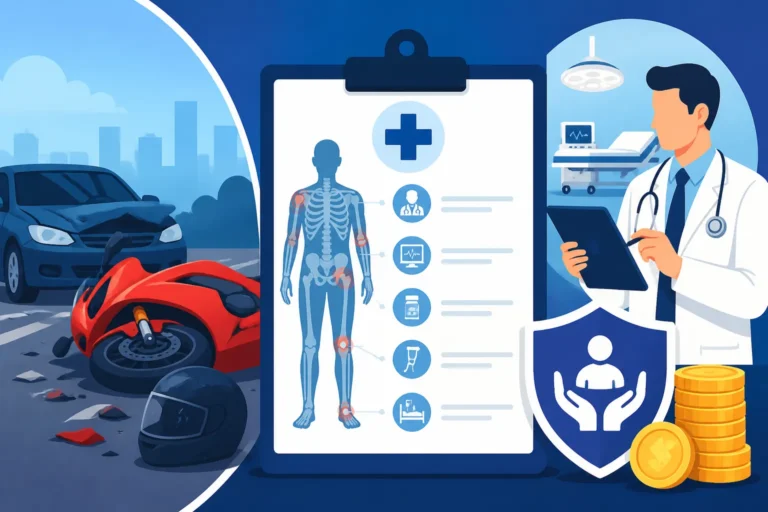
Riding a motorcycle offers an unparalleled sense of freedom, but it also carries inherent risks, and when an accident happens, the aftermath can be devastating. Beyond the immediate physical injuries and mounting medical bills, many riders face a profound emotional and mental toll that isn't easily quantifiable. This comprehensive guide aims to demystify "pain and suffering" in motorcycle accident settlements, helping you understand how these deeply personal damages are assessed, valued, and ultimately factored into your compensation.
Understanding Pain and Suffering in Motorcycle Settlements
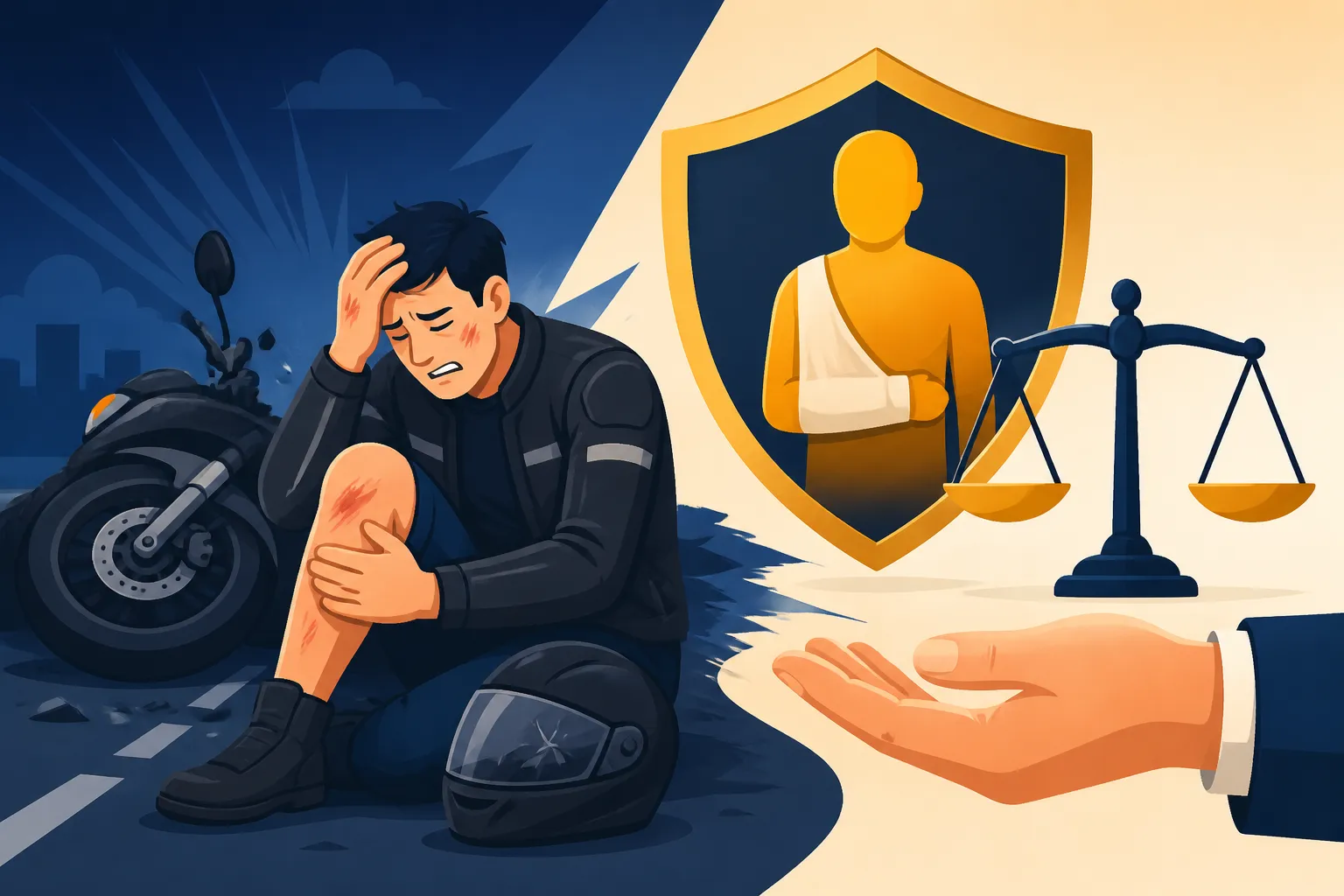
When you've been in a motorcycle accident, it's not just about the broken bones or the road rash. It’s about the sleepless nights, the fear of getting back on the bike, the inability to enjoy hobbies, and the constant ache that medical treatments can't fully alleviate. This less tangible but very real part of your suffering is what the legal system refers to as "pain and suffering." It's a critical component of any personal injury claim, especially in motorcycle accidents, where injuries tend to be more severe than in typical car collisions.
Defining "Pain and Suffering" in Legal Terms
In the world of personal injury law, "pain and suffering" isn't a single, neat category. Instead, it's a broad term encompassing a range of physical and emotional distress caused by an accident. Think of it as compensation for all the negative experiences that don't come with a specific bill or receipt. These are non-economic damages, meaning they don't have a direct monetary cost like medical bills or lost wages. Yet, they are arguably some of the most impactful losses a person sustains after a traumatic event. It's the difference between merely recovering physically and truly regaining your quality of life.
For instance, consider a rider who suffers a severe leg injury. The medical bills for surgeries, physical therapy, and medication are clear economic damages. But the pain from those surgeries, the frustration of being unable to walk or ride for months, the anxiety about future mobility, and the discomfort of chronic pain—these are all components of pain and suffering. They are legitimate losses, even if they don't appear on an invoice. Insurance adjusters, and juries if a case goes to trial, are tasked with putting a dollar figure on these very personal experiences.
Why Motorcycle Accidents Result in Higher Pain and Suffering Claims
It’s an unfortunate truth that motorcycle accidents often lead to more severe injuries compared to collisions involving two cars. Riders are incredibly vulnerable, lacking the protective shell of a car, airbags, and seatbelts. This direct exposure to impact means that even a low-speed fender-bender can result in significant trauma. The sheer force absorbed by a rider's body can lead to catastrophic injuries, such as traumatic brain injuries, spinal cord damage, multiple fractures, and severe road rash.
Because the injuries are frequently more severe, the resulting pain and suffering are also typically far greater. A car occupant might walk away from an accident with whiplash and some bruises, but a motorcyclist might face a lengthy hospital stay, multiple surgeries, extensive rehabilitation, and potentially life-altering disabilities. The sheer duration of recovery, the intensity of the physical pain, and the psychological impact of surviving such a violent event contribute to substantially higher pain and suffering claims in motorcycle accident cases. This increased severity means insurance companies often approach these claims with a different level of scrutiny, and rightfully so, as the victim's life has been genuinely turned upside down.
Types of Non-Economic Damages Beyond Physical Pain
While "pain and suffering" is often used as an umbrella term, it's important to break down the different facets of non-economic damages. It’s not just about the hurt you feel from a broken bone; it extends deeply into your emotional well-being, your daily life, and your future. Understanding these distinct categories can help illustrate the full scope of your claim.
Physical Pain and Discomfort
This is perhaps the most straightforward component of pain and suffering, though still incredibly difficult to quantify. It refers to the actual physical agony and discomfort experienced as a direct result of your injuries. This includes immediate, acute pain from the accident itself, the pain during emergency treatment, surgical procedures, and the ongoing chronic pain that can linger for weeks, months, or even a lifetime.
Imagine a rider who suffered multiple fractures in a high-speed collision on a highway near Phoenix. Their initial pain from impact, followed by the grinding agony of multiple bone breaks, is just the beginning. Then comes the surgical pain, the discomfort of traction or casts, the persistent throbbing during physical therapy, and the dull ache that becomes a constant companion, especially in cold weather or after exertion. This isn't just about the physical sensation; it's about how that constant discomfort permeates every aspect of daily life, from sleeping to working to simply existing. It’s the constant reminder of what you’ve been through and the limits it places on your body.
Emotional Distress and Mental Anguish
Beyond the physical, there's a profound psychological impact that motorcycle accidents can leave. This category, often referred to as "emotional distress damages," encompasses a wide array of mental and emotional struggles. It’s the hidden burden that can be just as debilitating, if not more so, than the physical injuries.
Many accident victims experience significant anxiety, fear, depression, and even post-traumatic stress disorder (PTSD). A rider who was T-boned at an intersection in downtown Los Angeles might develop a severe fear of riding again, or even a general anxiety about being in traffic. They might experience flashbacks, nightmares, or become overly vigilant and easily startled. This can lead to social withdrawal, difficulty concentrating, and a profound loss of enjoyment in life. Depression can set in due to physical limitations, chronic pain, or the loss of independence. These are not minor inconveniences; they are serious psychological conditions that often require professional therapy and medication, further highlighting the profound impact on a person's life.
Loss of Enjoyment of Life and Lifestyle Changes
One of the most devastating aspects of a severe motorcycle accident is the loss of your ability to enjoy the activities and lifestyle that once brought you happiness. This is known as "loss of enjoyment of life" or "loss of consortium" if it impacts your relationship with a spouse. It’s about more than just not being able to ride your bike; it’s about the hobbies, sports, social interactions, and daily routines that made your life fulfilling.
Consider a dedicated motorcyclist from Sturgis, South Dakota, who lived for long rides through the Black Hills, camping trips, and weekend meet-ups with friends. After a serious crash leaves them with permanent nerve damage and limited mobility, they may never be able to ride their beloved Harley-Davidson again. Their entire social circle and primary source of recreation are suddenly gone. Maybe they also loved hiking, gardening, or playing with their grandchildren, activities that are now impossible or severely restricted. This profound shift in lifestyle, the loss of independence, and the inability to pursue passions are deeply personal and represent a massive diminution in their quality of life. This loss extends to everyday pleasures, too – perhaps they can no longer lift their child, participate in family vacations, or even perform simple household chores without extreme pain or assistance.
The Challenges of Quantifying Pain and Suffering
Assigning a monetary value to something as subjective and personal as "pain and suffering" is undoubtedly one of the most challenging aspects of a personal injury claim. Unlike a stack of medical bills or a clear record of lost wages, there's no fixed price tag for emotional distress or the loss of enjoying your favorite activities. This inherent subjectivity often leads to disputes with insurance companies, who naturally want to minimize payouts.
Why It's So Difficult to Put a Price Tag on Intangible Losses
The difficulty stems from the fact that pain and suffering are unique to each individual. What one person perceives as moderate pain, another might find excruciating. The emotional impact of an accident can vary wildly based on a person's resilience, pre-existing mental health, and the specifics of the traumatic event. How do you objectively measure anxiety or the despair of losing a favorite hobby? There's no standardized scale, no universally accepted formula that perfectly captures the depth of a person's anguish.
Insurance companies are keenly aware of this subjectivity. They often try to downplay a claimant's pain, suggesting it's exaggerated or not directly linked to the accident. They might argue that a pre-existing condition is the real cause of emotional distress, or that the claimant simply isn't trying hard enough to recover. This is where meticulous documentation and expert testimony become crucial, as they help to provide objective support for inherently subjective experiences. The goal isn't just to state that you're suffering, but to demonstrate how and why your suffering is legitimate and directly caused by the negligent actions of another.
How Insurance Adjusters Approach Pain and Suffering Claims
Insurance adjusters are professionals whose job is to settle claims for the lowest possible amount. When it comes to pain and suffering, they employ various tactics to achieve this. They will scrutinize every detail of your medical records, looking for gaps in treatment, inconsistencies in your reported symptoms, or any mention of pre-existing conditions they can use to argue that your pain isn't entirely accident-related. They might question the necessity of certain therapies or medications.
Furthermore, adjusters often rely on their own internal algorithms or "formulas" to estimate non-economic damages, often starting with a low multiplier of your economic damages (medical bills, lost wages). They might also try to use "rider bias" against you, playing into stereotypes about motorcyclists being reckless, regardless of who was at fault in your accident. Their initial offer for pain and suffering is almost always a lowball, designed to test your resolve and knowledge of your legal rights. Understanding How Insurers Value Pain and Suffering is key to effectively countering these tactics and advocating for fair compensation. They know you're likely stressed, injured, and in need of money, and they use that to their advantage.
Common Methods Used to Calculate Pain and Suffering
Given the subjective nature of pain and suffering, the legal and insurance industries have developed a few common approaches to assign a monetary value. While none of these are exact sciences, they provide a framework for negotiation and litigation. It's important to understand that these are starting points, not definitive figures, and can be influenced by many factors.
The Multiplier Method
This is perhaps the most widely recognized and frequently used method, especially by personal injury lawyers and sometimes by insurance adjusters as an initial baseline. The multiplier method starts by adding up all your "special damages" or "economic damages," which are the measurable financial losses like medical bills, lost wages, and property damage. Once that sum is determined, it is then multiplied by a number, typically between 1.5 and 5, to arrive at a value for pain and suffering.
For example, if a rider has $50,000 in medical bills and $10,000 in lost wages, their total economic damages are $60,000. If a multiplier of 3 is used, the pain and suffering component would be $180,000 ($60,000 x 3). The choice of multiplier depends heavily on the severity of the injuries, the duration of recovery, the impact on the victim's life, and the clarity of fault. A minor injury with a quick recovery might warrant a 1.5x multiplier, while a catastrophic, life-altering injury could justify a 5x or even higher multiplier. The more severe and permanent the injury, the higher the multiplier tends to be. This method implicitly suggests that greater financial losses often correlate with greater pain and suffering.
The Per Diem Method
Less common but still occasionally used, particularly for injuries with a clear recovery timeline, is the per diem method. "Per diem" is Latin for "by the day." This approach assigns a daily rate for your pain and suffering from the date of the accident until you reach Maximum Medical Improvement (MMI), which is the point where your condition is as good as it's going to get.
To illustrate, let's say a rider suffered a severe concussion and was in intense pain and unable to work for 90 days. A reasonable daily rate might be set, perhaps based on their lost daily wages (since inability to work often implies significant discomfort). If their daily lost wage was $200, and this was used as the per diem rate for pain and suffering, the calculation would be $200 x 90 days = $18,000. This method tends to be more suitable for injuries with a definite end to active treatment and recovery, rather than those involving permanent disability or chronic pain, where projecting a daily rate indefinitely becomes impractical. It’s a way to acknowledge the daily grind of recovery and living with constant discomfort.
Hybrid Approaches and Negotiations
In reality, most settlements don't strictly adhere to one method over the other. Often, a hybrid approach is used, or the initial calculations serve as a starting point for intense negotiations. Insurance adjusters might start with a very low multiplier, or even ignore pain and suffering in their initial offer, hoping you'll accept. Your legal representation, on the other hand, will use a higher multiplier, especially when considering How Injury Severity Drives Settlement Value for your specific injuries.
The final settlement amount for pain and suffering is almost always the result of negotiation, influenced by the strength of your evidence, the skill of your attorney, the specific laws in your state (e.g., comparative negligence rules), and the willingness of both parties to compromise. Understanding How to Negotiate a Motorcycle Accident Settlement is crucial here. Sometimes, a combination of both methods might be presented: a multiplier for the overall impact and a per diem for the acute phase of recovery. The ultimate goal is to reach a figure that fairly compensates you for all your non-economic losses, without having to endure the time, expense, and uncertainty of a trial.
Evidence to Support Your Pain and Suffering Claim
Proving "pain and suffering" isn't about simply stating you're in pain; it's about providing a comprehensive, consistent, and compelling narrative supported by objective evidence. The more detailed and thorough your documentation, the stronger your claim for these non-economic damages will be. This isn't just about accumulating papers; it's about building a story that clearly demonstrates the extent of your suffering.
Medical Records and Expert Testimony
Your medical records are the bedrock of any personal injury claim, and they are absolutely vital for substantiating pain and suffering. These documents provide objective proof of your injuries, the treatments you've undergone, and your prognosis. Every visit to the doctor, specialist, physical therapist, or chiropractor should be meticulously documented. This includes initial diagnoses, treatment plans, medication prescriptions, surgical reports, and notes detailing your pain levels and limitations.
However, medical records alone often aren't enough to fully convey the depth of your pain and suffering. This is where expert medical testimony comes in. Your treating physicians, or other medical specialists, can provide sworn statements or testify in court about the nature and extent of your injuries, the intensity and duration of your pain, and the long-term impact on your physical and mental health. They can explain complex medical conditions in understandable terms, correlating your specific symptoms with known medical conditions resulting from the accident. This objective validation from medical professionals can significantly bolster your claim and help juries understand the real-world implications of your injuries. Remember, How Medical Records Support Your Claim cannot be overstated.
Personal Journals, Diaries, and Witness Statements
While medical records provide the objective framework, your personal accounts offer the subjective, human element that brings your pain and suffering to life. Keeping a detailed personal journal or diary from the moment of the accident can be incredibly powerful. In this journal, document your daily pain levels (using a 1-10 scale), describe your discomfort, outline your emotional struggles (anxiety, depression, anger, frustration), and record how your injuries are impacting your daily activities, hobbies, work, and relationships.
For example, note how you couldn't sleep due to throbbing pain, how you missed your child's school play because you couldn't sit for long, or how the constant fear of another accident makes you reluctant to leave the house. Be honest and consistent. This personal narrative, detailing your Emotional Distress Damages and how they manifest, can paint a vivid picture for an insurance adjuster or jury. Additionally, statements from friends, family members, or even co-workers who have witnessed your suffering and the changes in your life can provide invaluable corroboration. Their objective observations of your decline can make a significant impact.
Photographs and Videos of Injuries and Recovery
Visual evidence can be incredibly compelling. Take clear, well-lit photographs of all your visible injuries immediately after the accident and continue to document their progression throughout your recovery. This includes road rash, bruising, lacerations, surgical scars, and any other visible trauma. Don't be shy about documenting the raw, unpleasant reality of your injuries. These images can vividly illustrate the severity of your physical pain.
Beyond static images, consider taking short video clips. These could show you struggling with simple tasks that were once easy, like walking, dressing, or trying to lift something. You might capture videos of physical therapy sessions, demonstrating the pain and effort involved in regaining mobility. If you suffered Motorcycle Road Rash: Claims and Compensation or Motorcycle Facial Injuries: Claims and Compensation, documenting the healing process through photos and videos can be particularly impactful. Such visual evidence helps to overcome the abstract nature of "pain and suffering" by providing undeniable proof of the physical and functional limitations you've endured.
How Insurance Companies and Juries Evaluate Pain and Suffering
Even with robust evidence, the process of valuing pain and suffering is rarely straightforward. Both insurance companies and, if a case goes to trial, juries, apply their own filters and biases. Understanding these perspectives can help you anticipate challenges and strengthen your case.
Insurance Adjuster's Perspective: Minimizing Liability
Insurance adjusters, as mentioned, are primarily concerned with minimizing the financial outlay for their company. When evaluating pain and suffering, they look for any reason to reduce the value. They will scrutinize your medical history for pre-existing conditions, try to argue that a portion of your pain is unrelated to the accident, or suggest that you're exaggerating your symptoms. They might point to gaps in your medical treatment as evidence that your injuries weren't as severe as you claim or that you failed to mitigate your damages.
They also weigh the "likeability" factor. If you come across as overly emotional, aggressive, or inconsistent, it can hurt your credibility. Adjusters often use proprietary software and internal guidelines that tend to assign lower values to non-economic damages, especially early in the claim process. Their initial offers for pain and suffering are frequently just a fraction of what a case might be worth, designed to see if you'll accept a quick, low settlement. They are looking for reasons to blame you, or partially blame you, which is why understanding Comparative Negligence in Motorcycle Accidents is so important, as even partial fault can significantly reduce your payout.
Jury's Perspective: Empathy and Credibility
If your case proceeds to trial, the jury becomes the ultimate arbiter of your pain and suffering damages. Jurors are ordinary people who bring their own life experiences, sympathies, and biases into the courtroom. Their decision will largely hinge on whether they find you, your witnesses, and your medical experts credible and whether they genuinely empathize with your suffering.
To sway a jury, your attorney will need to paint a vivid, compelling picture of how the accident has impacted every aspect of your life. This involves presenting clear evidence of your physical pain, detailing the emotional trauma, and showing how your Loss of Enjoyment of Life Is Valued due to the accident. Photographs, videos, and heartfelt testimony from loved ones can be extremely powerful. Jurors are often looking for consistency in your story, objective proof of your injuries, and a sense that you are genuinely suffering, not just trying to exploit the system. They want to connect with your story on a human level, making your demeanor and honest communication vital.
Factors That Significantly Impact Pain and Suffering Value
The value of pain and suffering is never a fixed number; it's a fluid estimation influenced by a multitude of factors. These elements can dramatically increase or decrease the potential compensation, making each case unique.
Severity and Permanency of Injuries
This is perhaps the single most significant factor. Catastrophic injuries, such as Motorcycle Spinal Cord Injury: Claims and Compensation or Motorcycle Traumatic Brain Injury: Claims and Compensation, which often result in permanent disability, paralysis, or severe cognitive impairment, will naturally warrant a much higher pain and suffering award than minor injuries like bruises or sprains. The more invasive and painful the medical procedures (e.g., multiple surgeries), the longer the recovery period, and the greater the residual impairment, the higher the non-economic damages tend to be.
Consider the contrast between a rider who suffers a broken wrist that heals fully in six weeks versus a rider who suffers a compound fracture requiring multiple surgeries, nerve damage, and leaves them with chronic pain and limited use of their hand for life. The pain and suffering for the latter will be exponentially higher because of the long-term, irreversible impact on their daily existence and quality of life. The extent to which your injuries prevent you from performing daily tasks, working, or enjoying hobbies is paramount.
Medical Treatment and Prognosis
The type, duration, and intensity of your medical treatment play a crucial role. Extensive medical care, including hospital stays, multiple surgeries, prolonged physical therapy, and ongoing medication, provides concrete evidence of severe pain and suffering. If you require long-term care, future surgeries, or permanent reliance on medical devices, these factors will also drive up the pain and suffering value.
Conversely, minimal medical treatment or gaps in care can signal to an adjuster or jury that your injuries weren't severe or that your pain wasn't as debilitating as claimed. Your prognosis is also critical: will you make a full recovery, or will you suffer from Long-Term Effects of Motorcycle Injuries such as chronic pain, limited mobility, or emotional issues for the rest of your life? A grim prognosis with lasting impairments translates to a significantly higher pain and suffering valuation. Consistent, documented medical treatment, and clear professional opinions on your future health, are key.
Impact on Daily Life and Mental Health
Beyond the physical, the actual impact your injuries have on your day-to-day life and mental well-being is heavily weighted. This includes how your injuries affect your ability to work, perform household chores, care for your children, engage in social activities, or pursue hobbies. If you can no longer ride your motorcycle, play sports, or enjoy intimate relationships with your partner, these losses contribute significantly to your pain and suffering.
The development of mental health conditions like PTSD After a Motorcycle Accident, severe anxiety, or depression directly attributable to the accident will also increase the value of your claim. Documentation from therapists, psychiatrists, and counselors, detailing your symptoms and treatment, is essential here. The more demonstrably your life has been diminished and altered by the accident, the more substantial your pain and suffering claim will be. For example, if you can no longer walk your dog, drive your car, or even sleep comfortably, these are profound losses that deserve significant compensation.
Credibility and Demeanor
While it might seem unfair, your credibility as a victim and your demeanor during interactions with insurance adjusters, attorneys, and potentially a jury can significantly influence the perception of your pain and suffering. If you appear genuine, articulate your suffering clearly, and remain consistent in your accounts, it builds trust and empathy.
Conversely, if you exaggerate your symptoms, appear uncooperative, or are caught in inconsistencies, it can undermine your entire claim. Insurance companies often conduct surveillance on claimants, looking for any activity that contradicts their reported limitations. Maintaining honesty, even when it's painful to relive the details, and presenting yourself as a credible, suffering individual is paramount. This doesn't mean you have to put on a brave face; it means being honest about your struggles without embellishment.
Maximizing Your Pain and Suffering Compensation
Navigating a motorcycle accident claim, especially when trying to quantify something as abstract as pain and suffering, can feel overwhelming. However, by taking proactive steps and understanding the process, you can significantly improve your chances of securing fair compensation.
Seek Immediate and Consistent Medical Treatment
This cannot be stressed enough: your health is paramount, and your medical records are the backbone of your claim. From the moment of the accident, seek immediate medical attention, even if you feel okay. Some serious injuries, like internal bleeding or certain types of Motorcycle Traumatic Brain Injury, may not present symptoms right away. Follow all doctor's orders, attend every appointment (physical therapy, specialist visits, etc.), and never miss a scheduled treatment. Gaps in treatment can be used by insurance companies to argue that your injuries weren't severe or that your pain has diminished.
It’s also crucial to be completely honest and thorough with your healthcare providers about all your symptoms, pain levels, and how your injuries are affecting your daily life. Don't downplay your discomfort or try to be stoic. These details are vital for your medical records and will later serve as powerful evidence for your pain and suffering claim. Always get a clear diagnosis and understand your prognosis.
Document Everything Meticulously
Detailed documentation is your best friend. Keep a dedicated file for everything related to your accident and recovery. This includes:
- Medical records: All hospital records, doctor's notes, imaging results (X-rays, MRIs), physical therapy notes, prescription records, and bills.
- Lost wages documentation: Pay stubs, employer statements, tax returns.
- Photographs and videos: Of the accident scene, your vehicle damage, and your injuries as they heal. Document the damage to your motorcycle and your gear. The condition of your helmet, for instance, can sometimes be used to support the force of impact, though the "helmet defense" can also be used against you if you weren't wearing one or if it wasn't DOT-compliant.
- Personal journal/diary: Record your daily pain levels, emotional state, challenges, and limitations. Note specific instances where your injuries prevented you from doing something you normally would.
- Correspondence: Keep copies of all communications with insurance companies, medical providers, and legal counsel.
The more comprehensive your documentation, the harder it is for the insurance company to dispute the extent of your losses, both economic and non-economic.
Avoid Discussing Your Case with Insurance Adjusters
After an accident, the other driver's insurance company will likely contact you quickly, often with a seemingly friendly demeanor, asking for a recorded statement. Do not give one. Do not discuss the details of the accident, your injuries, or your pain levels with them. Insurance adjusters are trained to elicit information that can be used against you to minimize their payout. Anything you say can be twisted or misinterpreted.
It's best to politely decline to give a statement and direct all communication to your attorney. If you decide not to hire an attorney, at the very least, stick to the absolute facts (like confirming your name and the date of the accident) and do not speculate, admit fault, or downplay your injuries. Remember, insurance companies aren't on your side. Understanding How Insurance Companies Assign Blame to Riders can help you realize how they might try to use your words against you.
Retain an Experienced Motorcycle Accident Attorney
Perhaps the single most effective step you can take to maximize your pain and suffering compensation is to hire an experienced motorcycle accident attorney. These legal professionals specialize in personal injury law and understand the nuances of motorcycle accident claims. They know how to accurately assess the value of your pain and suffering, leveraging their experience with similar cases, jury verdicts, and settlement trends in your specific jurisdiction (e.g., in California or Texas).
An attorney will:
- Gather all necessary evidence, including accident reports, medical records, and witness statements.
- Negotiate with insurance companies on your behalf, countering their lowball offers and aggressive tactics.
- Bring in expert witnesses, such as medical professionals or accident reconstructionists, to strengthen your case.
- Handle all legal paperwork and deadlines.
- Represent you in court if a fair settlement cannot be reached.
Trying to navigate this complex process alone while recovering from serious injuries is incredibly difficult. An attorney acts as your advocate, protecting your rights and fighting for the full compensation you deserve for both your economic and non-economic damages. They understand How to Prove Pain and Suffering and can frame your experiences in a way that resonates with adjusters and juries, ensuring your suffering is not dismissed.
Disclaimer
Please note that this guide provides general information about pain and suffering in motorcycle accident settlements and should not be considered legal advice. Every accident case is unique, and the information presented here may not apply to your specific situation. Laws regarding personal injury and compensation vary significantly by state. It is highly recommended to consult with a qualified personal injury attorney to discuss the specifics of your case and understand your legal options.