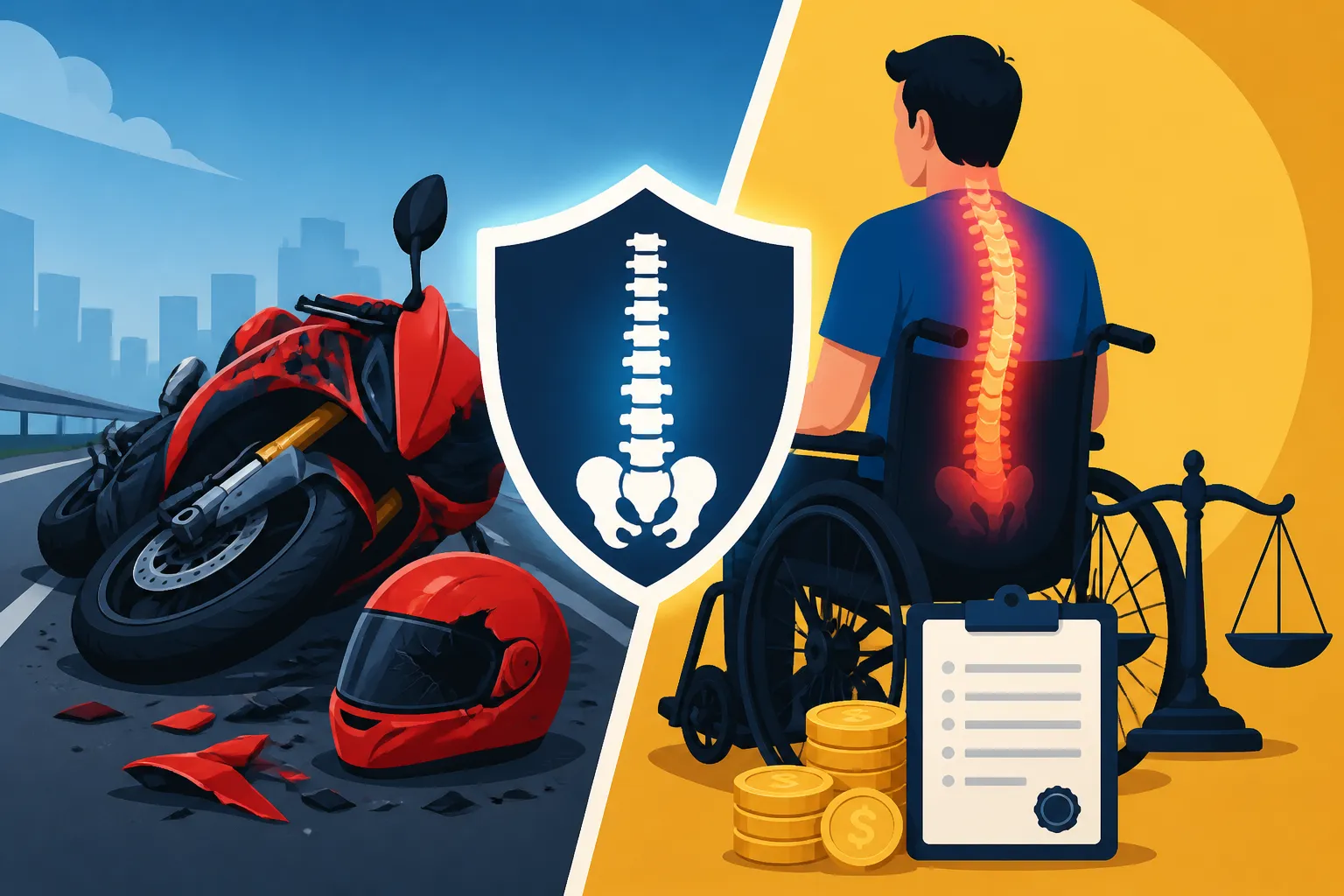
Motorcycle Spinal Cord Injury: Claims and Compensation
Experiencing a motorcycle accident is terrifying enough, but when it results in a spinal cord injury, life as you know it changes in an instant. The path forward can feel overwhelming, filled with medical appointments, rehabilitation, and the daunting task of navigating a legal claim while trying to heal. This guide is here to walk you through the complexities of making a motorcycle spinal cord injury claim, helping you understand your rights and the compensation you might be entitled to.
Understanding Spinal Cord Injuries from Motorcycle Accidents
Spinal cord injuries (SCIs) are among the most catastrophic outcomes of motorcycle accidents, profoundly impacting a rider's life. Unlike a broken bone that typically mends, damage to the spinal cord often means permanent changes to strength, sensation, and other bodily functions below the site of the injury. The unique vulnerability of motorcyclists, often with minimal protection compared to drivers in enclosed vehicles, contributes to the severity and prevalence of these devastating injuries.
How Motorcycle Accidents Lead to Spinal Cord Injuries
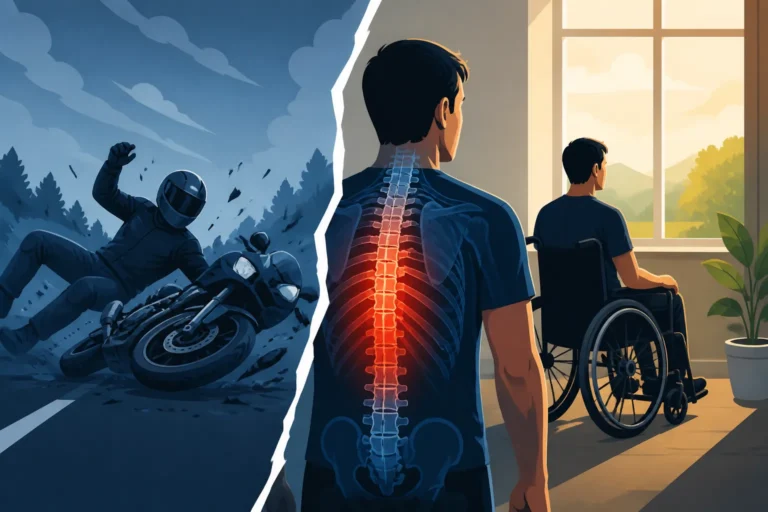
Motorcycle accidents are particularly brutal when it comes to spinal cord trauma. The sudden, violent impact and the rider's direct exposure to the road surface or other vehicles mean there's little to absorb the force. Often, a rider is thrown from their bike, experiencing a high-velocity impact with the ground, a guardrail, or another vehicle. This can cause a sudden, forceful twisting, bending, or compression of the spine. Even a minor collision can lead to significant damage if the head or torso is twisted abnormally.
For instance, consider a common scenario where a car makes a Left-Turn Motorcycle Accidents Explained in front of an oncoming motorcycle. The rider might be ejected, hitting the pavement head-first or back-first, leading to severe compression or a fracture of the vertebrae. Another situation could involve a rear-end collision, where the rider is thrown forward, causing whiplash-like hyperextension or hyperflexion of the spine, resulting in ligament damage or even disc herniation that presses on the spinal cord. It's this direct, unmitigated transfer of kinetic energy to the body that makes motorcycle accidents so dangerous for the spine.
Types and Severity of Spinal Cord Injuries
Spinal cord injuries are broadly categorized into two main types: complete and incomplete. A complete SCI means there's a total loss of motor function and sensation below the injury level on both sides of the body. An incomplete SCI, on the other hand, means there's still some function or sensation below the primary level of injury, even if it's minimal. The specific symptoms and prognosis depend heavily on the location of the injury (cervical, thoracic, lumbar, or sacral spine) and its completeness.
For example, a cervical spinal cord injury (in the neck region) is often the most severe, potentially leading to tetraplegia (paralysis affecting all four limbs). A thoracic injury (mid-back) might result in paraplegia (paralysis affecting the lower body), while lumbar or sacral injuries (lower back) typically cause some loss of function in the hips and legs. Beyond these broad categories, there can be fractures, dislocations, contusions, or nerve damage within the spinal column, each presenting its own unique set of challenges. The initial moments after impact and the promptness of proper medical intervention, including spinal immobilization, are critical in potentially limiting further damage, but often, the injury is already done.
Long-Term Impact and Prognosis
The long-term impact of a spinal cord injury is profound, affecting every aspect of a person's life. It's not just about paralysis; it's about secondary complications that can arise, such as chronic pain, bladder and bowel dysfunction, respiratory issues, pressure sores, and increased susceptibility to infections. The emotional and psychological toll is also immense, often leading to depression, anxiety, and a significant adjustment period as individuals adapt to a new way of living. Family dynamics also shift dramatically, with loved ones often taking on caregiver roles.
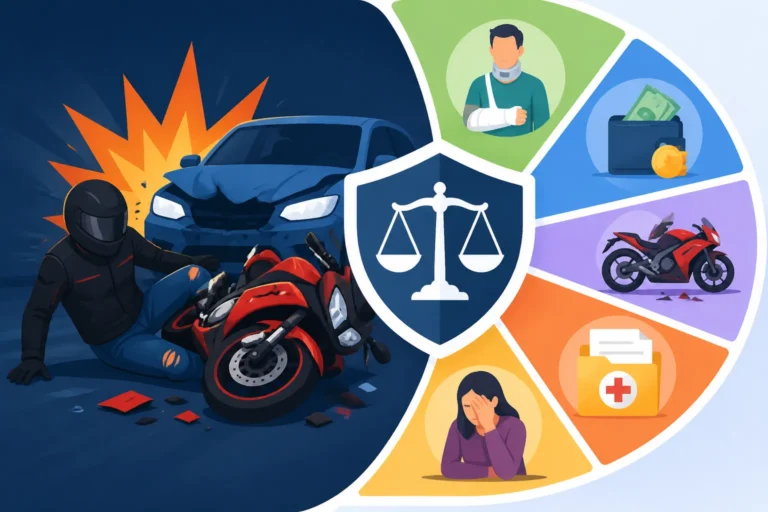
From a financial perspective, the costs associated with a spinal cord injury are staggering. This includes not just immediate emergency care and surgeries, but also years, if not a lifetime, of physical therapy, occupational therapy, specialized equipment like wheelchairs and home modifications, and ongoing medical supplies. According to recent data from the National Spinal Cord Injury Statistical Center, the estimated lifetime costs can range from over $1.2 million for a less severe injury to more than $5.3 million for a high tetraplegia injury, not even accounting for lost wages or pain and suffering. This clearly demonstrates why understanding Types of Damages in a Motorcycle Accident Claim and pursuing fair compensation is not just beneficial, but absolutely essential for survivors and their families.
The Immediate Aftermath and Medical Journey
When a motorcycle accident leads to a spinal cord injury, the moments immediately following the crash and the subsequent medical journey are critical. What happens in these initial stages not only impacts your health and recovery but also lays the groundwork for any future legal claims. It’s a terrifying and confusing time, but knowing what to expect can help you protect both your well-being and your rights.
Initial Medical Care and Diagnosis
The first priority after any motorcycle accident is always medical attention. If you suspect a spinal cord injury, it is paramount that emergency responders take every precaution to stabilize your neck and back at the scene. This typically involves applying a cervical collar and a backboard to prevent any movement that could worsen the injury during transport. You should never try to move someone who has potentially suffered a spinal injury. Once at the hospital, an emergency medical team will conduct a thorough examination. This includes neurological assessments to check sensation and motor function, as well as imaging tests like X-rays, CT scans, and MRI scans. These diagnostic tools are vital for pinpointing the exact location and severity of the spinal cord damage, including any fractures, dislocations, or swelling that could be compressing the cord.
Receiving an accurate and timely diagnosis is the first crucial step. The information gathered during this initial phase becomes a cornerstone of your medical records, which are indispensable for any future legal claim. These records document the extent of your injuries from the outset and establish a clear link between the accident and your spinal cord damage. Don't underestimate the importance of these early medical reports; they are foundational evidence.
The Importance of Continuous Medical Documentation
After the initial diagnosis, your medical journey for a spinal cord injury will be extensive and ongoing. This often involves hospitalization, surgery, and then a long period of rehabilitation. Throughout this entire process, meticulous medical documentation is absolutely vital. Every doctor's visit, every physical therapy session, every medication prescribed, every piece of adaptive equipment ordered – it all needs to be recorded. This isn't just for your health; it's for your claim. Insurers and courts rely heavily on comprehensive medical records to understand the full scope of your injuries, the treatments you've received, and the associated costs.
Think of it this way: your medical records tell the story of your injury and recovery. They detail the pain you've experienced, the limitations you face, and the progress (or lack thereof) in your rehabilitation. Gaps in treatment or incomplete records can be exploited by insurance companies to downplay the severity of your injuries or suggest that they weren't directly caused by the accident. Make sure you understand How to Document Injuries for a Claim thoroughly. Always follow your doctors' advice, attend all appointments, and communicate openly about your symptoms and progress. Maintaining a detailed personal injury journal can also complement your official medical records by chronicling your daily struggles, pain levels, and how the injury impacts your life.
Navigating Rehabilitation and Long-Term Care Needs
Recovering from a spinal cord injury is a marathon, not a sprint. The rehabilitation phase is intense and often lifelong. It typically involves inpatient rehabilitation, where you'll work with a team of specialists including physical therapists, occupational therapists, speech therapists, and psychologists. The goal is to regain as much function as possible, learn adaptive techniques, and achieve the highest level of independence. After inpatient rehab, many individuals transition to outpatient therapy, home care, or assisted living facilities, depending on the severity of their injury.
Long-term care needs for an SCI can be incredibly complex and costly. They might include ongoing physical and occupational therapy, regular doctor visits to manage secondary complications, specialized equipment like power wheelchairs, accessible vehicles, home modifications (ramps, wider doorways, accessible bathrooms), and potentially round-the-clock personal care assistants. Predicting these future needs accurately is a massive undertaking and is crucial for calculating a fair settlement. Without a thorough assessment by medical and life care planning experts, it's almost impossible to truly account for the lifetime expenses. This is a significant component when determining How Motorcycle Accident Settlements Are Calculated.
Types of Damages in a Spinal Cord Injury Claim
When you're dealing with a spinal cord injury from a motorcycle accident, the financial burden can be crushing, let alone the physical and emotional toll. Understanding the different categories of damages you can claim is crucial to ensuring you receive comprehensive compensation. It’s about more than just your initial hospital bill; it's about your entire future.
Economic Damages: The Tangible Costs
Economic damages are the quantifiable, out-of-pocket expenses that arise directly from your spinal cord injury. These are often easier to calculate because they come with receipts, invoices, and clear financial statements. The sheer magnitude of these costs for a severe SCI is often astronomical, covering everything from immediate medical interventions to long-term assistive care.
Here’s what typically falls under economic damages:
- Medical Expenses: This is usually the largest component. It includes ambulance rides, emergency room visits, hospital stays, surgeries, medications, diagnostic tests (X-rays, MRIs, CT scans), and doctors' fees. Beyond the immediate crisis, it also encompasses extensive rehabilitation (physical therapy, occupational therapy, speech therapy), ongoing specialist consultations, home nursing care, and future medical procedures that might be required.
- Lost Wages and Loss of Earning Capacity: If your injury prevents you from working, you can claim for wages lost from the time of the accident until your claim is resolved. More significantly, a severe SCI often means you can no longer perform your previous job, or any job at all. This "loss of earning capacity" calculates the income you would have earned over your lifetime had the accident not occurred. This projection requires detailed analysis from vocational experts and economists.
- Property Damage: This covers the cost to repair or replace your motorcycle, helmet, and any other gear damaged in the crash. Even though it's often a smaller portion of an SCI claim, it’s still a valid economic loss.
- Home and Vehicle Modifications: A spinal cord injury often necessitates significant changes to your living environment. This could include installing ramps, widening doorways, modifying bathrooms to be accessible, or purchasing an accessible vehicle with hand controls. These costs are substantial and directly related to accommodating your injury.
- Assistive Devices and Equipment: Wheelchairs (manual and power), walkers, braces, adaptive technology, catheters, wound care supplies, and other durable medical equipment are essential for daily living with an SCI and represent significant ongoing costs.
These "hard costs" can quickly tally up to millions over a lifetime, emphasizing why a thorough assessment of all economic damages is non-negotiable.
Non-Economic Damages: The Intangible Toll
While economic damages account for the measurable financial losses, non-economic damages address the profound, often invisible, suffering that accompanies a spinal cord injury. These are subjective and harder to assign a precise dollar value to, but they represent a deeply personal and significant loss. Insurers often try to minimize these, but they are absolutely crucial for comprehensive recovery.
Key non-economic damages include:
- Pain and Suffering: This covers the physical pain you've endured, from the moment of impact through surgeries, rehabilitation, and any chronic pain you may experience for the rest of your life. It also includes the mental anguish, emotional distress, and psychological impact of your injury.
- Emotional Distress: This can manifest as anxiety, depression, PTSD, fear, anger, and grief over your changed life. The psychological impact of an SCI is often as debilitating as the physical.
- Loss of Enjoyment of Life: This compensates you for the inability to participate in activities you once loved, such as riding your motorcycle, playing sports, pursuing hobbies, or even performing simple daily tasks like gardening or playing with your children. Your quality of life is undeniably diminished.
- Loss of Consortium: If you are married, your spouse may have a separate claim for loss of consortium. This addresses the loss of companionship, intimacy, affection, and support within the marital relationship due to your injury.
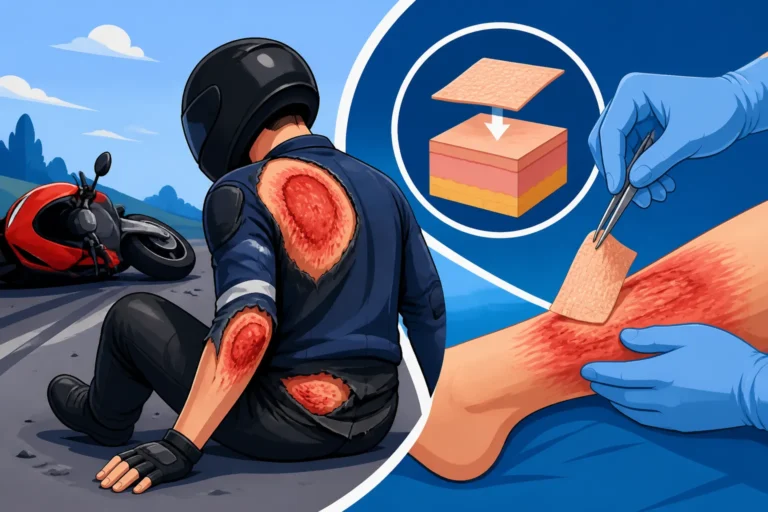
- Disfigurement and Scarring: Many motorcycle accidents result in severe road rash, burns, and surgical scars that can be disfiguring. This category compensates for the physical appearance changes and the emotional impact they have.
Because these damages don't come with a price tag, they are often calculated using methods like the "multiplier method" (where total economic damages are multiplied by a factor, usually 1.5 to 5, depending on severity) or the "per diem" method. Ultimately, the value assigned to these damages often reflects the severity and permanence of your injury and how profoundly it has altered your life. Understanding Pain and Suffering in Motorcycle Settlements is key to advocating for these critical components.
Potential for Punitive Damages
In rare but egregious cases, a court might award punitive damages in addition to economic and non-economic damages. Punitive damages are not intended to compensate the injured party but rather to punish the at-fault driver for particularly reckless or malicious behavior and to deter others from similar conduct.
For instance, if the driver who caused your motorcycle accident was severely intoxicated, driving aggressively, or intentionally caused the crash, a jury might decide to award punitive damages. These are typically sought in situations involving drunk driving, extreme speeding, or road rage. While not a common occurrence in every personal injury claim, the potential for punitive damages can significantly increase the total compensation, serving as a powerful statement against reckless disregard for public safety. Your lawyer would assess if the circumstances of your accident warrant pursuing these damages.
Calculating Compensation for a Spinal Cord Injury
Determining the appropriate compensation for a motorcycle spinal cord injury is an incredibly complex process. It goes far beyond simply adding up medical bills. It requires a meticulous evaluation of current expenses, future needs, and the profound impact the injury has had on every facet of a survivor’s life. This isn't a simple calculation; it's a comprehensive assessment aimed at securing lifelong support.
Assessing Medical Expenses and Future Care
The foundation of any SCI compensation claim begins with a thorough assessment of medical expenses, both those already incurred and those projected for the future. The costs of emergency care, surgeries, hospital stays, and immediate rehabilitation are relatively straightforward to document through bills and invoices. However, the true financial weight of an SCI often lies in the lifetime of ongoing care.
This includes:
- Ongoing Medical Treatment: Regular doctor visits, specialist consultations (neurologists, urologists, pulmonologists), medication costs for pain management, spasticity, or secondary conditions like infections.
- Rehabilitation and Therapy: Continuous physical, occupational, and potentially speech therapy sessions to maintain function, prevent complications, and adapt to changing needs.
- Assistive Devices: Replacing wheelchairs, cushions, adaptive equipment, and other medical supplies, which can wear out and need upgrades over the years.
- Home Healthcare and Personal Care: Many individuals with severe SCIs require assistance with daily living activities, ranging from a few hours a day to round-the-clock care. The cost of caregivers or skilled nursing can run into hundreds of thousands, if not millions, over a lifetime.
- Future Surgeries: While some surgeries are immediate, others might be needed years down the line to address complications, improve function, or manage chronic issues.
To accurately project these future costs, a "life care plan" is often developed by a specialized medical professional. This detailed report outlines all future medical, rehabilitation, and personal care needs, along with their estimated costs, providing a crucial roadmap for compensation.
Lost Wages and Loss of Earning Capacity
A spinal cord injury often means an end to a person's ability to work, or at least to perform their pre-injury job. Compensation for lost income falls into two main categories:
- Lost Wages (Past): This covers the income you have already lost from the date of the accident until the time your claim settles. This is calculated based on your past earnings, including salary, hourly wages, bonuses, and benefits.
- Loss of Earning Capacity (Future): This is typically the larger and more complex component. It estimates the income you would have earned throughout your entire working life had you not been injured. This requires the expertise of vocational rehabilitation specialists and forensic economists. A vocational expert assesses your pre-injury earning potential and your post-injury ability to work, if any. The economist then projects your lost lifetime earnings, factoring in inflation, career trajectory, benefits, and retirement plans.
For example, if a rider was a skilled tradesperson, like an electrician earning $75,000 a year, and now cannot perform physical labor due to paraplegia, their lost earning capacity could easily exceed $2 million over a typical working career. These calculations are critical to ensuring the individual is financially secure despite their inability to work.
Valuing Pain, Suffering, and Loss of Enjoyment of Life
Quantifying the non-economic damages like pain, suffering, and loss of enjoyment of life is inherently subjective but vital for fair compensation. There's no fixed formula, but legal professionals and insurance adjusters use several methods and considerations:
- Severity and Permanence of Injury: A severe, permanent SCI will command a much higher valuation for pain and suffering than a temporary injury.
- Impact on Daily Life: How much has the injury interfered with your ability to perform routine activities, engage in hobbies, or maintain relationships?
- Psychological Impact: The mental anguish, depression, anxiety, and PTSD that often accompany a catastrophic injury are significant factors.
- Medical Treatment and Prognosis: Extensive, painful treatments and a poor long-term prognosis will increase the value.
- Multiplier Method: As mentioned, this involves multiplying the total economic damages by a "multiplier" (often between 1.5 and 5, or even higher for catastrophic injuries), with the multiplier increasing with the severity and permanence of the pain and suffering.
- Per Diem Method: Less common for SCIs, this assigns a daily value to pain and suffering from the injury date until maximum medical improvement (MMI).
It’s about articulating the profound loss of quality of life—the inability to ride, hike, play with children, or simply move without pain. Expert testimony from medical professionals and even personal statements from the injured party and their loved ones can help illustrate this often-invisible suffering. When considering what affects How Fault Affects Your Settlement, it’s important to remember that even if you are partially at fault, you may still recover damages for pain and suffering, though it might be reduced.
| Damage Type | Description | Key Considerations for SCI Claims |
|---|---|---|
| Medical Expenses | Costs for treatment, medication, therapy, and medical equipment. | Covers immediate emergency care, surgeries, hospital stays, long-term rehabilitation (physical, occupational), ongoing specialist care, adaptive equipment, home nursing, and future medical procedures. Can be millions over a lifetime. |
| Lost Wages | Income lost due to inability to work after the accident. | Includes past wages, bonuses, and benefits from the date of injury to settlement. |
| Loss of Earning Capacity | Future income lost due to permanent disability or inability to work. | Projects lost lifetime earnings, accounting for career path, inflation, and benefits. Often requires vocational and economic expert analysis. |
| Pain and Suffering | Physical pain, emotional distress, mental anguish. | Encompasses chronic pain, psychological trauma (PTSD, depression), anxiety, and emotional adjustments to a new way of life. Highly subjective, valued based on severity and permanence. |
| Loss of Enjoyment of Life | Inability to participate in activities and hobbies previously enjoyed. | Covers loss of recreational activities, social engagement, personal independence, and general quality of life. Integral to an SCI claim. |
| Home Modifications | Costs to make a home accessible for a person with an SCI. | Ramps, wider doorways, accessible bathrooms, kitchen modifications, elevators. Significant one-time and ongoing costs. |
| Property Damage | Cost to repair or replace the damaged motorcycle and gear. | Generally a smaller portion, but still a valid claim for the value of the motorcycle and protective equipment like helmets and riding gear. |
| Loss of Consortium | Impact on marital relationship (companionship, intimacy, support). | Claim made by the uninjured spouse to compensate for the disruption of the marital relationship due to the injured spouse's condition. |
| Punitive Damages | Damages awarded to punish egregious behavior and deter others. | Applicable only in cases of extreme negligence, recklessness, or malicious intent (e.g., drunk driving, hit-and-run). Not compensatory, but punitive. |
Challenges in Spinal Cord Injury Claims and How to Overcome Them
Pursuing a claim for a motorcycle spinal cord injury is never easy. You’re up against powerful insurance companies whose primary goal is to minimize payouts. They have vast resources, and they’re experts at finding reasons to deny or reduce your claim. Knowing these common challenges and how to prepare for them is essential for protecting your future.
Proving Fault and Liability
One of the biggest hurdles in any motorcycle accident claim, especially one involving severe injuries like an SCI, is definitively proving who was at fault. Insurance companies will often go to great lengths to shift blame, even partially, onto the motorcyclist. This is because every percentage of fault they can attribute to you directly reduces their payout. Proving fault in a motorcycle accident often involves detailed investigation.
For example, a driver might claim they "didn't see the motorcycle," a common defense tactic that doesn't negate their liability if they were distracted or failed to yield. Gathering evidence immediately after the accident is paramount: police reports, witness statements, accident scene photos, surveillance video, and even dashcam footage from other vehicles can be crucial. An accident reconstruction expert might be needed to analyze physical evidence like skid marks, vehicle damage, and debris fields to scientifically determine the sequence of events. Without a clear determination of fault, securing full compensation for your catastrophic injuries becomes incredibly difficult.
Battling the "Rider Bias" and Pre-Existing Conditions
Unfortunately, a pervasive "rider bias" often exists against motorcyclists. Many people, including insurance adjusters and even potential jurors, harbor stereotypes that motorcyclists are reckless thrill-seekers. This bias can lead to an unfair assumption that the rider was at least partially to blame for the accident, regardless of the actual circumstances. Insurance companies will actively leverage this bias to minimize their liability, trying to portray you as a risk-taker.
They will also scour your medical history for any pre-existing conditions that they can argue contributed to your spinal injury or its severity. Did you have an old back injury? Have you ever seen a chiropractor? Even seemingly unrelated past medical issues can be twisted to suggest your current SCI wasn't solely caused by the accident. Overcoming this requires not only strong evidence proving the other party's fault but also expert medical testimony to unequivocally link your SCI to the accident and to differentiate it from any prior conditions. Your doctor can explain how the trauma from the crash either directly caused the injury or significantly aggravated a pre-existing condition, as per the "eggshell skull" rule, which states that a defendant "takes their victim as they find them." It’s important to understand How Insurers Use Rider Stereotypes Against You.
Dealing with Insurance Company Tactics
Insurance companies are not on your side. Their business model is built on collecting premiums and paying out as little as possible on claims. After a severe injury like an SCI, they will employ various tactics to limit their financial exposure:
- Delay, Deny, Defend: They may delay processing your claim, outright deny it based on flimsy excuses, or aggressively defend their position through prolonged negotiations or litigation.
- Lowball Offers: They might make a quick, lowball settlement offer early on, hoping you're desperate for immediate funds and unaware of the true value of your long-term needs. Accepting such an offer can severely jeopardize your future.
- Requesting Extensive Information: While some information is necessary, they may demand an excessive amount of personal or medical records, hoping to uncover something they can use against you.
- Surveillance: It's not uncommon for insurance companies to conduct surveillance on claimants, looking for any activity that might contradict their injury claims. This is why it's crucial to be honest about your limitations and avoid activities that could be misconstrued.
- Disputing Medical Necessity: They may argue that certain treatments or therapies for your SCI are not "medically necessary" or are too expensive, attempting to reduce the covered costs.
Navigating these tactics requires patience, strong legal counsel, and an unwavering commitment to proving the full extent of your damages. Never sign anything, especially a medical authorization or a release, without consulting with an attorney.
Maximizing Your Spinal Cord Injury Claim
Securing adequate compensation for a motorcycle spinal cord injury is a monumental task that can literally determine the quality of your life moving forward. It’s not just about winning; it’s about winning enough to cover a lifetime of care, lost income, and the profound changes to your existence. Taking proactive steps and having the right support are absolutely essential to maximize your claim.
The Role of Expert Witnesses
Given the complexity and high stakes of a spinal cord injury claim, expert witnesses are not just helpful; they are often indispensable. Their testimony provides the specialized knowledge needed to educate adjusters, judges, and juries on the profound medical and financial implications of an SCI.
- Medical Experts: Neurologists, orthopedic surgeons, rehabilitation specialists, and other medical professionals can explain the nature of your injury, its permanence, the specific treatments required, and the long-term prognosis. They can differentiate your accident-related injuries from any pre-existing conditions, countering insurance company arguments.
- Life Care Planners: These experts develop a comprehensive plan outlining all your future medical, therapeutic, and personal care needs, along with the projected costs over your lifetime. This plan is critical for establishing the true economic damages.
- Vocational Experts: They assess your pre-injury career trajectory and your current limitations, determining your loss of earning capacity and any potential for future employment in an altered capacity.
- Forensic Economists: These professionals calculate the financial impact of your lost wages, future medical costs, and other economic damages, accounting for inflation, interest rates, and other complex financial factors.
- Accident Reconstructionists: In cases of disputed fault, these experts can scientifically recreate the accident scene, using physical evidence and data to pinpoint liability. This can be vital, especially when dealing with nuanced scenarios or if there are conflicting accounts of How Fault Is Determined in Motorcycle Accidents.
The collective expertise of these professionals provides compelling, objective evidence that is hard for insurance companies to refute, significantly strengthening your position and the potential value of your settlement.
Understanding Policy Limits and Uninsured/Underinsured Motorist Coverage
Even with overwhelming evidence of fault and extensive damages, your compensation can ultimately be capped by the at-fault driver's insurance policy limits. Many drivers carry only the minimum liability insurance required by their state (e.g., $25,000 in California or $30,000 in Texas for bodily injury per person), which is woefully inadequate for a catastrophic spinal cord injury. When your damages exceed these limits, you could be left with a substantial financial shortfall.
This is where your own uninsured/underinsured motorist (UM/UIM) coverage becomes a lifeline. If the at-fault driver has no insurance (uninsured) or insufficient insurance (underinsured) to cover your damages, your UM/UIM policy can kick in to cover the difference, up to your policy limits. Many riders unfortunately skimp on this crucial coverage, not realizing its importance until it’s too late. It’s a vital safety net for situations where the responsible party simply doesn't have the financial resources to compensate you fully. Always consider purchasing as much UM/UIM coverage as you can reasonably afford; it's an investment in your future protection. Understanding How Insurance Policy Limits Affect Your Payout is critical to managing expectations and leveraging all available coverage.
When to Seek Legal Representation
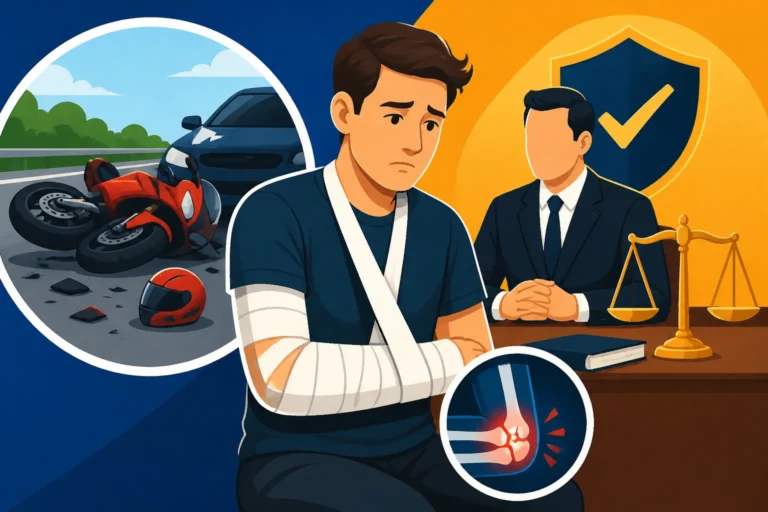
After a motorcycle spinal cord injury, the physical and emotional recovery process is all-consuming. Dealing with insurance companies, gathering evidence, and understanding complex legal procedures are burdens you should not bear alone. The question isn't if you need a lawyer, but when to hire one—and the answer is usually as soon as possible after receiving immediate medical attention.
An experienced motorcycle accident attorney specializing in catastrophic injuries understands the unique nuances of these cases. They can:
- Handle All Communications: Shield you from aggressive insurance adjusters, allowing you to focus on your recovery.
- Investigate Thoroughly: Gather critical evidence, interview witnesses, and work with accident reconstructionists to establish fault.
- Coordinate Medical Care: Help ensure you get the right medical evaluations and treatments, and that all care is properly documented.
- Retain Experts: Engage life care planners, vocational experts, and economists to accurately assess your long-term needs and lost earning capacity.
- Negotiate Aggressively: Leverage their experience to counter lowball offers and fight for a settlement that truly reflects the full value of your claim.
- Represent You in Court: If a fair settlement cannot be reached, they will be prepared to take your case to trial.
A lawyer acts as your advocate, protecting your rights and fighting to secure the maximum compensation you deserve, allowing you to concentrate on the arduous journey of healing and adaptation. Don't hesitate to reach out for a consultation to understand Do You Need a Motorcycle Accident Lawyer and how they can make a difference in your critical time of need. This is truly one of the most important decisions you will make to secure your financial and physical future after such a devastating event.
Disclaimer
Please remember that this information is for educational purposes only and does not constitute legal advice. Every motorcycle accident claim is unique, and the information provided here may not apply to your specific situation. It is always recommended to consult with a qualified legal professional to discuss the details of your case and understand your legal options.