How Much Compensation for Motorcycle Burns
Riding a motorcycle offers unparalleled freedom, but it also comes with unique risks. Few injuries are as devastating and life-altering as severe burns from a motorcycle accident, leaving survivors not only with excruciating physical pain but also deep emotional scars and an overwhelming pile of medical debt. If you've endured this traumatic experience, you're likely wondering how you can possibly piece your life back together and, crucially, how much compensation for motorcycle burns you might be able to recover to cover your extensive needs. This guide will meticulously break down the factors that determine your potential payout, from the severity of your injuries to the long-term impact on your life, helping you understand what a fair settlement truly looks like.
The Harsh Reality of Motorcycle Burn Injuries
Motorcycle crashes frequently involve direct contact with hot engine parts, exhaust pipes, or prolonged friction against the road surface, leading to a spectrum of burn injuries. These aren't just superficial wounds; they can be incredibly complex, requiring specialized care and often leading to permanent disfigurement and disability. Understanding the different types and severities of burns is the first step in appreciating the depth of your claim.
Degrees of Burn Injuries and Their Impact
Not all burns are created equal, and their classification directly influences the medical treatment needed and the compensation you might expect.
- First-Degree Burns: These are the mildest, affecting only the outermost layer of skin (epidermis). Think of a bad sunburn – redness, minor pain, and no blistering. While uncomfortable, they usually heal within a week without scarring. In the context of a motorcycle accident, these might result from brief contact with a hot surface. The compensation for these alone would be minimal, perhaps covering some discomfort and over-the-counter pain relief, but rarely form the core of a significant personal injury claim unless part of a larger injury picture.
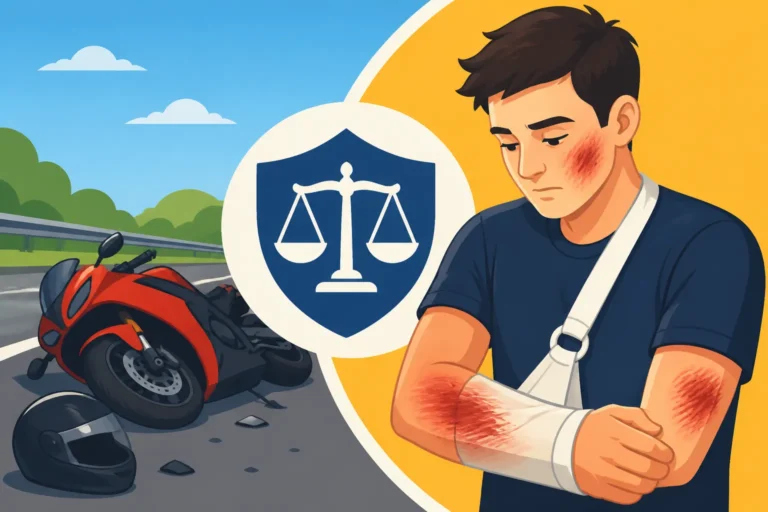
- Second-Degree Burns (Partial Thickness): These burns penetrate deeper, affecting both the epidermis and the dermis. They are characterized by intense pain, redness, swelling, and blistering. This type of burn is very common in motorcycle accidents, often from brief but intense road rash or contact with a hot exhaust. Healing can take several weeks, and there's a higher risk of infection and scarring. The pain and suffering associated with these burns are considerably higher, demanding more substantial compensation for medical treatment, pain management, and potential scarring.
- Third-Degree Burns (Full Thickness): These are severe burns that destroy both layers of skin, reaching into the fat layer beneath. The skin may appear white, leathery, charred, or numb because nerve endings are destroyed. These burns are agonizing and represent a critical medical emergency. They invariably require skin grafts, extensive surgeries, and long-term rehabilitation. The disfigurement, chronic pain, and psychological trauma from third-degree burns are immense, leading to significantly higher compensation demands.
- Fourth-Degree Burns and Beyond: These are the most catastrophic, extending through the skin into muscle, tendons, and even bone. Such injuries often result in amputation or can be fatal. Survivors face a lifetime of extreme medical care, reconstructive surgeries, and profound disability. Compensation for these injuries is typically among the highest, reflecting the complete life upheaval, permanent disfigurement, and immense pain and suffering involved.
Common Locations and Associated Complications
Burns from motorcycle accidents don't just happen anywhere; they often affect critical areas and come with severe complications. Legs, arms, hands, and the torso are commonly affected due to their exposure. Facial burns, while less common, can be particularly devastating, impacting sight, breathing, and causing severe disfigurement. The psychological toll of such injuries, especially to visible areas, cannot be overstated. Beyond the initial wound, complications like severe infections, contractures (tightening of the skin and underlying tissue that restricts movement), nerve damage, chronic pain, and even organ damage can arise. The need for multiple surgeries, extensive physical therapy, and long-term psychological counseling for conditions like PTSD are all significant factors that will shape the value of your claim. These long-term effects of motorcycle injuries are crucial to consider when seeking a settlement.
Components of Compensation for Motorcycle Burns
When pursuing a motorcycle accident claim involving burns, you're not just asking for money for a band-aid. You're seeking comprehensive compensation for every single way this devastating injury has impacted your life. The damages are typically split into two main categories: economic and non-economic.
Economic Damages: The Tangible Costs
Economic damages are the straightforward, calculable losses you’ve incurred or will incur as a direct result of your burn injuries. Think of these as the financial receipts and projections.
- Medical Expenses: This is often the largest component for burn victims. It includes everything from emergency room visits, ambulance rides, and hospitalization at specialized burn centers (like those at Harborview Medical Center in Seattle or Shriners Hospitals for Children which has several burn care facilities) to multiple surgeries, skin grafts, wound care, medication, physical therapy, occupational therapy, and reconstructive surgeries. It also covers future medical costs, which for severe burns can be lifelong, including ongoing scar revision surgeries, pain management, and specialized equipment.
- Lost Wages and Earning Capacity: If your burn injuries prevented you from working, you're entitled to compensation for lost income. This isn't just for the time you missed immediately after the accident but also for any future earning capacity you’ve lost if your injuries prevent you from returning to your previous job or working at all. For example, a welder who suffers severe hand burns might no longer be able to perform their trade, leading to a significant loss of future income. This assessment often requires expert vocational evaluations.
- Property Damage: While not directly related to your physical burns, the damage to your motorcycle, helmet, and other riding gear is also an economic loss. If your bike was totaled, you'd be compensated for its fair market value. Your damaged gear can also serve as powerful evidence of the impact's severity, which can strengthen your overall claim for injuries.
- Other Out-of-Pocket Expenses: This category covers a myriad of smaller but significant costs, such as transportation to and from medical appointments, modifications to your home or vehicle to accommodate your injuries (like wheelchair ramps or special hand controls), childcare costs if you're unable to care for your children, and even expenses for specialized clothing to protect sensitive skin. Keep meticulous records of all these expenses; every little bit adds up.
Non-Economic Damages: The Intangible Toll
While harder to put a precise dollar figure on, non-economic damages are often the most significant part of a burn injury claim, reflecting the profound personal suffering you’ve endured. These damages directly compensate you for your pain and suffering.
- Pain and Suffering: This is a critical component for burn victims. The pain from burns, especially during initial treatment, debridement (removal of dead tissue), and skin grafting, is notoriously severe and prolonged. This category accounts for both your physical pain and the emotional anguish you experience. The sheer intensity and duration of pain from severe burns can be excruciating, extending long after the initial injury.
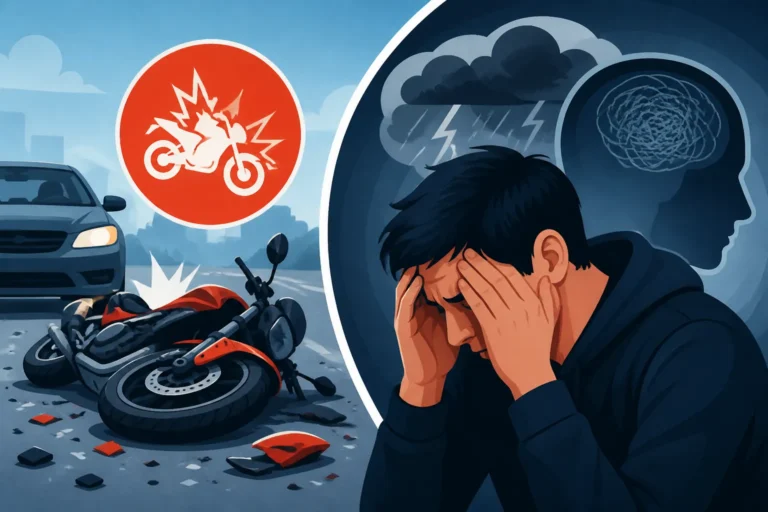
- Emotional Distress and Mental Anguish: Beyond physical pain, burn injuries often lead to severe psychological trauma. This can manifest as PTSD, anxiety, depression, fear of riding again, and even suicidal ideation. The emotional distress can be just as debilitating as the physical injuries, particularly when dealing with permanent scarring or disfigurement. Therapists and mental health professionals can help document the extent of this distress.
- Disfigurement and Scarring: Burns often leave permanent scars, which can be disfiguring, especially on visible areas of the body. This isn't just a cosmetic issue; it can lead to social anxiety, self-consciousness, and a complete loss of self-esteem. Compensation considers the extent, location, and permanence of the scarring and its impact on your daily life and sense of identity.
- Loss of Enjoyment of Life: If your burn injuries prevent you from participating in activities you once loved – riding your motorcycle, playing sports, hobbies, or even simple tasks like holding your child – you can be compensated for this loss. Your ability to enjoy life as you once did has been diminished, and that has real value in a claim.
- Loss of Consortium: In some cases, if your injuries are so severe that they negatively impact your relationship with your spouse or partner, they may be able to claim loss of consortium, which covers the loss of companionship, affection, and intimacy.
To fully grasp the scope of potential recovery, it's vital to understand the full Types of Damages in a Motorcycle Accident Claim, differentiating between the calculable Economic vs Non-Economic Damages Explained.
Factors Influencing Your Burn Injury Payout
The amount of compensation you receive for motorcycle burns isn't just a simple calculation; it's the result of many interconnected factors, each playing a significant role in determining your final settlement or award.
Severity and Permanence of Injuries
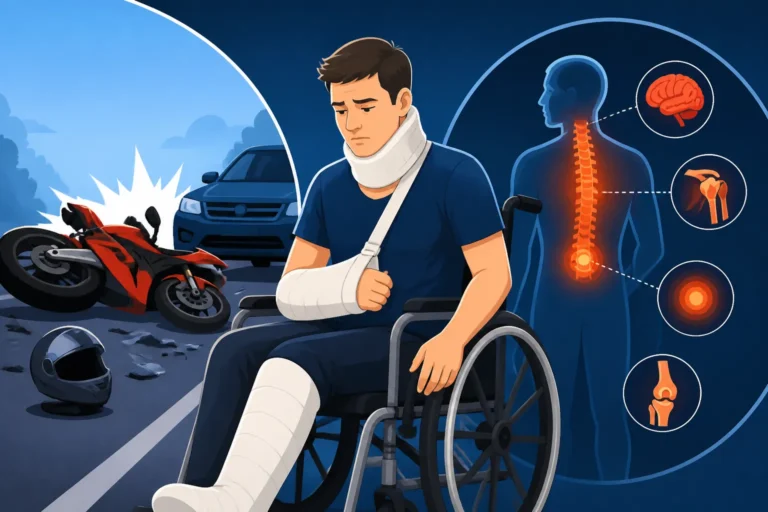
This is arguably the most crucial factor. A minor first-degree burn that heals quickly will command vastly different compensation than extensive third or fourth-degree burns requiring multiple surgeries, skin grafts, and lifelong care. The permanence of the injury, including disfigurement, chronic pain, nerve damage, and loss of function, directly correlates with higher compensation. If you've suffered a traumatic brain injury in addition to your burns, for example, your total claim will be significantly higher due to the combined impact on your life. Your ability to demonstrate the long-term impact on your daily life, work, and personal relationships is paramount. This emphasizes how How Injury Severity Affects Compensation is a central pillar in any accident claim.
Medical Treatment and Prognosis
The extensiveness of your medical treatment, including the number of surgeries, length of hospital stays, and ongoing therapies, directly impacts your economic damages. Furthermore, your prognosis – the doctors' predictions about your long-term recovery, whether you'll regain full function, or if you'll face permanent disability – is critical. Future medical costs for things like scar revision, physical therapy, and pain management for years to come will be factored into the settlement. Insurance companies will scrutinize medical records, so it's vital to have comprehensive documentation.
Impact on Quality of Life and Earning Potential
How have your burns altered your day-to-day existence? Can you still perform your job? Can you engage in hobbies you once loved? For instance, a professional musician who suffers severe hand burns will face a much greater loss of earning capacity and enjoyment of life than someone whose burns don't impact their vocation or leisure activities as much. The more profound and long-lasting the impact on your physical capabilities, mental well-being, social interactions, and ability to earn a living, the higher your compensation is likely to be.
Evidence and Documentation
Solid evidence is the bedrock of a strong claim. This includes comprehensive medical records, photographs of your burns at various stages of healing, expert medical testimony, witness statements from friends and family about the changes in your life, and detailed journals documenting your pain levels and emotional distress. Without thorough documentation, even the most severe burns can be undervalued. To effectively prove your case, you need to understand How to Document Injuries for a Claim from the very beginning.
Liability and Comparative Negligence
Who was at fault for the accident? If the other driver was 100% responsible, your chances of a full recovery are higher. However, if you are found to share some fault, your compensation could be reduced under comparative negligence laws, which vary by state. For example, in a state with a 51% rule like Texas, if you are found to be 51% or more at fault, you may recover nothing. Even in pure comparative negligence states like California, your recovery will be reduced by your percentage of fault. Insurance companies are notorious for trying to assign blame to riders, claiming common causes of motorcycle accidents are the rider's fault.
Insurance Policy Limits
Ultimately, the maximum amount of compensation you can receive is often limited by the at-fault driver’s insurance policy limits. If their policy only provides $100,000 in bodily injury coverage, and your damages exceed that significantly, recovering the full amount can become challenging unless you have underinsured motorist (UIM) coverage on your own policy. Understanding How Insurance Policy Limits Affect Your Payout is crucial, as it sets a practical ceiling for many claims.
Steps to Maximize Your Burn Injury Claim
Dealing with the aftermath of a motorcycle accident and severe burns is an incredibly challenging time. However, taking the right steps can significantly impact your ability to recover the compensation you truly deserve.
Seek Immediate and Consistent Medical Treatment
This cannot be stressed enough. Your health is the absolute priority. Get to the emergency room, follow up with burn specialists, and attend every single appointment for physical therapy, occupational therapy, and psychological counseling. Gaps in treatment can be used by insurance companies to argue that your injuries weren't as severe as claimed or that you didn't do enough to mitigate your damages. Early intervention also reduces the risk of long-term complications, which is in your best interest.
Document Everything Meticulously
From the moment of the accident, start a detailed record-keeping system. This means keeping all medical bills, receipts for medications, travel expenses related to appointments, and records of lost wages. Take clear, well-lit photographs of your burns as they heal, documenting their progression. Keep a journal of your daily pain levels, emotional struggles, limitations on activities, and how your burns affect your sleep, mood, and relationships. This personal narrative, backed by medical evidence, is invaluable in conveying the true impact of your injuries. Remember, even seemingly minor injuries like Road Rash Injuries and Claims benefit greatly from detailed documentation.
Avoid Discussing Fault or Accepting Early Offers
After a traumatic accident, you might feel compelled to talk about what happened, especially with insurance adjusters. Don't. Never admit fault, even partially, at the scene of the accident or to insurance representatives. Anything you say can and will be used against you. Insurance companies are businesses, and their goal is to minimize payouts. They may offer a quick, lowball settlement before you even fully understand the extent of your burn injuries or their long-term implications. These offers are rarely fair, especially for severe burns. It's important to understand the complexities involved in proving fault in a motorcycle accident.
Consult with an Experienced Motorcycle Accident Lawyer
Navigating a burn injury claim is incredibly complex. You'll be dealing with severe pain, demanding medical treatments, and likely significant emotional distress. Adding the stress of battling seasoned insurance adjusters is a burden you shouldn't have to bear alone. An attorney specializing in motorcycle accidents understands the unique challenges riders face and how insurance companies often stereotype them. They can:
- Investigate the accident: Gather evidence, interview witnesses, and reconstruct the scene.
- Determine liability: Identify all at-fault parties, which could include the driver, a trucking company, or even a municipality for road hazards.
- Calculate full damages: Accurately assess both your current and future economic and non-economic losses, including the true value of your pain and suffering damages.
- Negotiate with insurance companies: Handle all communications, fend off lowball offers, and fight for a fair settlement.
- Take your case to court: If a fair settlement cannot be reached, they will be prepared to litigate.
For severe burns, hiring an attorney is almost always the best course of action. They know how to present the comprehensive impact of your injuries, including the long-term psychological and physical toll. If you're wondering if Do You Need a Motorcycle Accident Lawyer, the answer for burn injuries is almost always yes. A skilled attorney is your best ally in determining How to Maximize Your Motorcycle Accident Settlement.
Understanding the Compensation Range for Burn Injuries
It's natural to want a clear number, but truthfully, there's no single "average" for motorcycle burn compensation. The range is incredibly vast, stretching from a few thousand dollars for minor, first-degree burns with no lasting impact to multi-million dollar settlements or verdicts for catastrophic third and fourth-degree burns that result in permanent disfigurement, disability, and lifelong medical needs.
Factors Driving High-Value Claims
Several key elements push compensation higher, particularly for burn injuries:
- Severity and Type of Burn: Extensive third or fourth-degree burns, especially those covering a large body surface area (TBSA), automatically lead to higher payouts. The deeper the burn and the more tissue destroyed, the greater the compensation.
- Location of Burns: Burns to sensitive areas like the face, hands, feet, or genitals, or those that affect joints and cause contractures, will yield higher compensation due to the increased functional impairment and psychological impact.
- Need for Skin Grafts and Multiple Surgeries: These are indicators of severe injury. Each surgical procedure, hospital stay, and the associated pain and recovery time significantly increases the value of both economic and non-economic damages.
- Permanent Disfigurement and Scarring: Visible, permanent scarring, particularly on the face or other exposed areas, drastically impacts a person's quality of life and self-esteem, leading to substantial non-economic damages.
- Long-Term Medical Care and Rehabilitation: A prognosis that includes lifelong pain management, physical therapy, psychological counseling, and future reconstructive surgeries will result in a much higher economic damages award.
- Loss of Earning Capacity: If the burns prevent you from returning to your former profession or limit your ability to work, the lost future income can quickly amount to hundreds of thousands or even millions of dollars over a lifetime.
- Psychological Trauma: Documented PTSD, severe depression, or anxiety related to the accident and the burns (e.g., fear of leaving the house, social phobia due to disfigurement) significantly increases non-economic damages. Expert testimony from psychologists or psychiatrists is crucial here.
Example Scenarios and Expected Compensation
To give you a clearer picture, let's look at a few hypothetical scenarios, understanding these are broad estimates and not legal guarantees:
- Scenario 1: Minor Second-Degree Burn (e.g., small patch on forearm from exhaust)
- Injuries: Localized second-degree burn, no skin graft needed, 2-3 weeks healing, minor scarring.
- Medical Costs: ER visit, wound care, pain medication (perhaps $2,000 – $5,000).
- Lost Wages: A few days to a week off work (a few hundred to a thousand dollars).
- Pain and Suffering: Moderate, temporary discomfort.
- Potential Compensation Range: $10,000 – $30,000 (depending on state laws, specific pain level, and other factors).
- Scenario 2: Extensive Second-Degree or Moderate Third-Degree Burns (e.g., road rash with deep burns on a limb)
- Injuries: Deep second-degree or moderate third-degree burns across a significant portion of a limb, potentially requiring debridement and some skin grafting, several months of recovery, noticeable scarring, some nerve damage.
- Medical Costs: Hospitalization, multiple surgeries, extensive wound care, physical therapy (easily $50,000 – $200,000+).
- Lost Wages: Several months to a year off work, potential for reduced earning capacity (tens of thousands to over $100,000).
- Pain and Suffering: Intense, prolonged pain, significant emotional distress, noticeable disfigurement.
- Potential Compensation Range: $250,000 – $1,000,000+ (highly variable based on specific injuries, long-term outlook, and location).
- Scenario 3: Catastrophic Third or Fourth-Degree Burns (e.g., full-thickness burns to large portions of body, hands, or face)
- Injuries: Extensive third/fourth-degree burns, multi-organ system involvement, multiple skin grafts, reconstructive surgeries, amputations, permanent disfigurement, severe functional limitations, chronic pain, lifelong medical needs, severe psychological trauma.
- Medical Costs: Lifelong, potentially millions of dollars (initial hospital stays, surgeries, rehabilitation, future surgeries, medications, adaptive equipment).
- Lost Earning Capacity: Potentially total loss of ability to work (hundreds of thousands to millions of dollars over a lifetime).
- Pain and Suffering: Extreme, debilitating, lifelong physical pain and emotional trauma, profound loss of enjoyment of life, severe disfigurement.
- Potential Compensation Range: Multi-million dollar settlements or verdicts (often $1,000,000 – $10,000,000+).
Key Takeaway for Burn Claims
The bottom line is that motorcycle burn claims are complex and high-stakes. The compensation is a direct reflection of the severity of the injury, the extent of medical intervention required, the long-term impact on your life, and the skill of your legal representation in proving those damages. For someone suffering from burn injuries, it's not just about what you've lost, but what you will continue to lose, and what you will need for the rest of your life.
| Burn Degree | Description | Typical Healing Time | Scarring Potential | Compensation Impact |
|---|---|---|---|---|
| First | Redness, minor pain, superficial damage to epidermis. | 3-6 days | None | Low; covers minor discomfort, very limited medical expenses. Typically minor part of larger claim. |
| Second | Blisters, severe pain, redness, damage to epidermis and dermis. | 2-3 weeks to several months | Moderate to severe | Moderate to High; covers significant medical treatment (wound care, pain meds), lost wages, considerable pain and suffering, potential for permanent scarring and emotional distress. |
| Third | White/leathery/charred skin, numbness (nerve damage), full thickness to fat layer. | Requires surgery (grafts) | Severe | Very High; covers extensive surgeries (skin grafts), long-term hospitalization, rehabilitation, massive pain and suffering, severe disfigurement, significant lost earning capacity, profound emotional trauma, lifelong medical care. |
| Fourth+ | Damage to muscle, tendon, bone. | Requires surgery (grafts/amputation) | Extreme | Extremely High; covers multi-organ involvement, potential amputation, permanent disability, round-the-clock care, catastrophic pain and suffering, total loss of earning capacity, and life-altering disfigurement and psychological damage. |
Disclaimer
Please remember that the information provided in this guide is for informational purposes only and does not constitute legal advice. Every motorcycle accident claim is unique, and the compensation you may receive depends on the specific facts of your case, the laws of your state, and the details of your insurance policies. It is always recommended to consult with a qualified legal professional to discuss your individual circumstances and understand your legal options.