PTSD After a Motorcycle Accident
A motorcycle accident shatters more than just bones and metal; it can deeply wound your sense of safety, freedom, and well-being. Many riders walk away from these devastating incidents with injuries that aren't visible – the invisible scars of post-traumatic stress disorder, or PTSD. If you're struggling with intrusive thoughts, nightmares, or an overwhelming fear of riding after a crash, this guide is for you. We're going to dive deep into understanding PTSD, how it manifests after a motorcycle accident, and crucially, how to seek help and document it for your claim.
Understanding Post-Traumatic Stress Disorder After a Motorcycle Accident
When you've been in a motorcycle accident, the physical injuries are often the immediate concern. There's the road rash, the broken bones, maybe even a concussion. But what many people, including medical professionals and even riders themselves, sometimes overlook is the profound psychological impact such a traumatic event can have. It’s not just about getting back on the bike; it’s about getting your mind back to a place of peace.
What PTSD Actually Is Beyond the Stereotypes
Post-Traumatic Stress Disorder is far more complex than just feeling "shaken up" after a scary event. It's a serious mental health condition that can develop after someone experiences or witnesses a terrifying event. While it’s often associated with military combat veterans, any severe trauma can trigger it, and motorcycle accidents are unfortunately prime candidates. It's not a sign of weakness; it's a natural, albeit disruptive, response by your brain to an overwhelming experience, essentially getting stuck in "fight, flight, or freeze" mode long after the danger has passed.
Many people think PTSD means you’ll be reliving the crash in full-blown flashbacks every day, like something out of a movie. While that can happen, it’s only one facet. PTSD can also manifest as a persistent feeling of detachment, a pervasive sense of dread, or an inability to experience positive emotions. It’s a disorder that fundamentally alters how you perceive safety, control, and your place in the world. It’s about your brain struggling to process and integrate a deeply disturbing memory, causing it to replay and influence your present.
Why Motorcycle Accidents Are Prime Triggers for PTSD
There's a unique vulnerability that comes with riding a motorcycle. You're exposed, literally, to the elements and the road. Unlike being in a car, there’s no metal cage, no airbags to cushion the blow. This inherent exposure means that when an accident happens, the sensory input is incredibly intense: the sound of screeching tires, the impact, the sudden loss of control, the scraping on asphalt, the smell of burning rubber, and the sight of your bike mangled or your own injuries. This overwhelming sensory overload, combined with the often severe physical injuries and the perceived threat to life, creates a perfect storm for PTSD.
Think about it: one moment you’re enjoying the open road, feeling the wind, and the next, your entire world is violently thrown into chaos. This sudden, unexpected, and life-threatening event can fundamentally rewire your brain's fear response. For many riders, their motorcycle is more than just transportation; it's a passion, a source of freedom and identity. The trauma of an accident can not only strip away that joy but also implant a deep-seated fear that contaminates every aspect of riding, making it incredibly difficult to imagine getting back on a bike, or even being a passenger in a car. It's a betrayal of a cherished experience.
Common Symptoms and How They Manifest in Riders
The symptoms of PTSD are generally grouped into four main categories, and they can vary in intensity and how they appear from person to person. For motorcycle accident survivors, these symptoms often revolve around the trauma of the crash itself and their relationship with riding. Understanding these signs is the first step toward healing and documenting your experience.
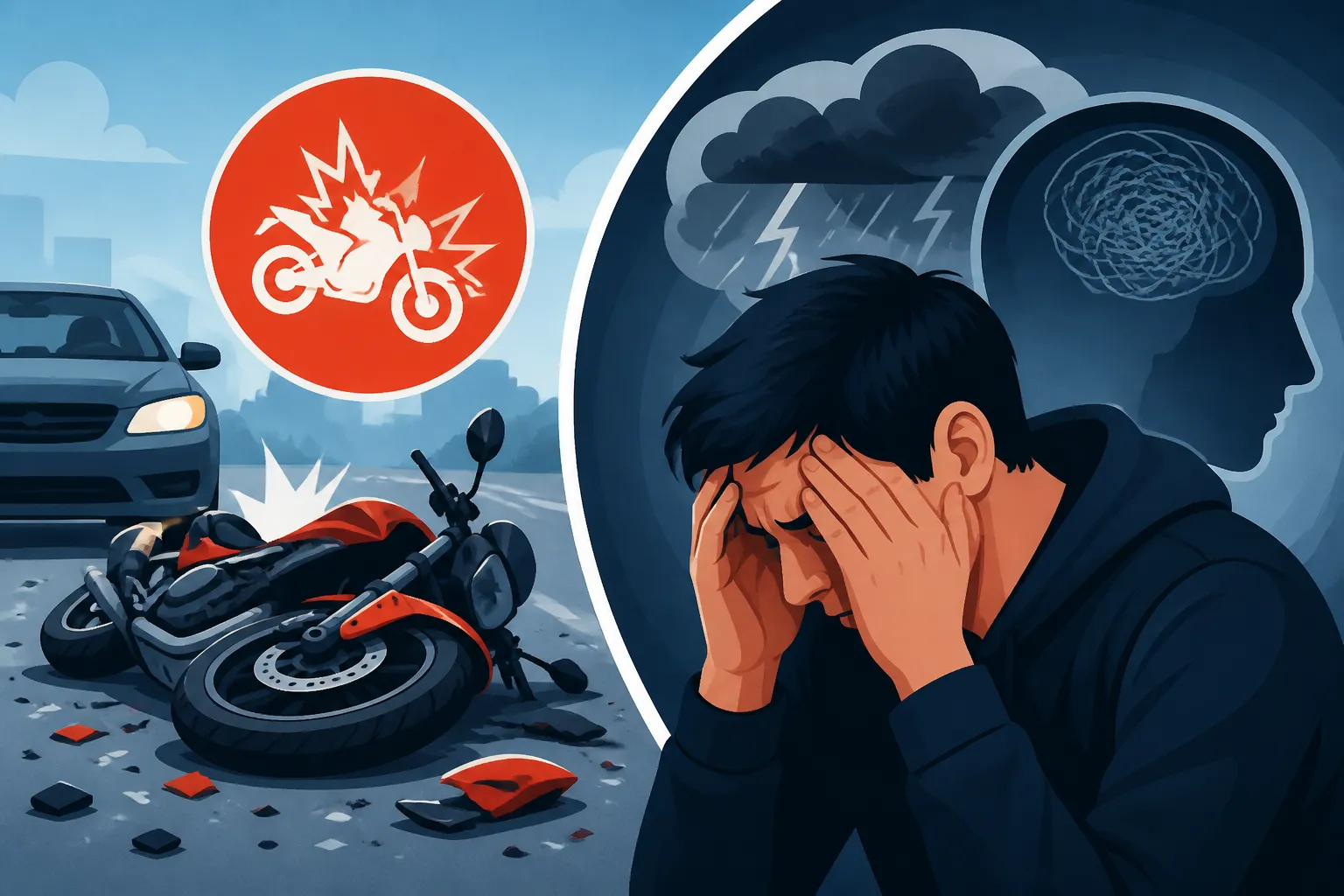
One common symptom is intrusive thoughts or memories. This means the accident plays back in your head unbidden, sometimes as vivid images or even full-blown flashbacks where you feel like you're reliving the moment of impact. You might also experience intense nightmares that pull you back into the terror of the crash. Imagine trying to sleep, only to be yanked awake, heart pounding, by the sensation of skidding across the pavement. This constant re-experiencing can make it incredibly difficult to focus on daily tasks or enjoy quiet moments.
Another major area is avoidance. You might find yourself going out of your way to avoid the accident scene or even specific types of roads or intersections that remind you of the crash. Some riders develop a fear of cars, especially specific models or colors, or avoid riding altogether. This avoidance isn't limited to physical places; it can also extend to avoiding conversations about the accident or even pushing away thoughts and feelings related to it. This can become isolating, as friends and family might not understand why you're suddenly withdrawn or unwilling to discuss what happened.
The Emotional Rollercoaster: Recognizing the Signs of PTSD
The aftermath of a motorcycle accident isn't linear. One day you might feel okay, and the next, a seemingly innocuous trigger can send you spiraling. This emotional rollercoaster is a hallmark of PTSD and can be incredibly confusing and frustrating to navigate. It's not just "bad memories"; it's a profound disruption to your emotional regulation and how you interact with the world around you.
Intrusive Memories and Flashbacks: Reliving the Crash
These are perhaps the most recognized symptoms of PTSD, and for good reason—they can be utterly terrifying. Intrusive memories are unwanted, upsetting thoughts about the accident that pop into your head at random times. You might be making dinner, and suddenly, you're back on the asphalt, staring at the sky, or hearing the sickening crunch of metal. They're not just thoughts; they often come with intense physical reactions, like your heart racing or breaking into a cold sweat, as if the danger is happening all over again.
Flashbacks are even more intense. They are vivid experiences where you feel like you are actually reliving the traumatic event. It's as if your brain can't distinguish between the past and the present. A rider might be in their living room, but a sudden loud noise outside makes them feel like they are back at the crash scene, seeing the car coming, feeling the impact, or even the pain of their injuries. These can be debilitating, making it hard to trust your surroundings or engage in normal activities for fear of being pulled back into the trauma. They can happen anywhere, anytime, turning routine moments into moments of intense dread and panic.
Avoidance Behaviors: Steering Clear of Triggers
Avoidance is a common coping mechanism, but with PTSD, it can become maladaptive, shrinking your world and making recovery harder. After a motorcycle crash, a rider might start avoiding anything that reminds them of the accident. This could mean taking ridiculously long detours to bypass the intersection where the crash occurred, even if it adds significant time to their commute. They might stop watching movies or TV shows that feature motorcycle chases or accidents, finding even fictional representations too disturbing.
This avoidance can also extend to people. You might find yourself pulling away from friends or family who want to talk about the accident or even just about riding in general. It's not that you don't care about them; it's that engaging with the topic feels too overwhelming or painful. This self-imposed isolation, while seemingly protecting you from triggers, can actually deepen feelings of loneliness and hinder your ability to process the trauma in a healthy way. The once-beloved motorcycle might sit in the garage, gathering dust, a silent monument to a terrifying experience you desperately want to forget. This is why it's so important to seek treatment to prevent this avoidance from becoming a long-term pattern.
Negative Changes in Mood and Thinking: The Invisible Wounds
The psychological impact of a motorcycle accident goes far beyond just reliving the event or avoiding reminders. PTSD can fundamentally alter your perspective on life, yourself, and others. You might find yourself experiencing a persistent negative emotional state, feeling numb, or struggling to feel positive emotions like joy or love, even towards things you once cherished. This emotional blunting can be one of the most disheartening aspects, making it feel like a part of you has died.
Common changes include a distorted sense of self-blame ("If only I hadn't gone on that ride," or "I should have seen them"). You might develop a cynical or distrustful view of the world, believing that people are inherently dangerous or that another accident is always just around the corner. This can manifest as an inability to trust other drivers, constantly scrutinizing every car on the road, even when you're just a passenger. Feelings of hopelessness about the future are also prevalent, making it hard to envision a time when you’ll feel "normal" again. This is where the long-term effects of motorcycle injuries extend into the psychological realm.
Hyperarousal and Reactivity: Always on Edge
One of the most exhausting symptoms of PTSD is hyperarousal, which means your body remains in a heightened state of alert, as if danger is always imminent. This isn't just a mental state; it's a physiological response where your nervous system is constantly on high alert. You might find yourself extremely jumpy or easily startled by sudden noises or movements, even innocuous ones. A car horn honking unexpectedly or a sudden braking sound on the road can trigger an exaggerated startle response, sending a jolt of fear through your body.
Sleep disturbances are also common under hyperarousal. Insomnia, difficulty falling asleep, or staying asleep often plague those with PTSD. Even when you do sleep, it might be restless and unrefreshing, often punctuated by nightmares. This chronic sleep deprivation exacerbates other symptoms, creating a vicious cycle. You might also struggle with concentration, finding it hard to focus at work, read a book, or even hold a coherent conversation. This constant state of vigilance is mentally and physically draining, making daily life feel like an uphill battle.
Diagnosing and Seeking Help: Your Path to Healing
Recognizing the symptoms is the first courageous step. The next, and arguably most critical, is seeking professional help. PTSD isn't something that just "goes away" on its own; it requires specialized treatment to process the trauma and reclaim your life. It’s a legitimate injury, every bit as real as a broken bone, and deserves the same medical attention.
When to Seek Professional Help and Who to See
It’s completely normal to feel shaken up, sad, or anxious after a traumatic event like a motorcycle accident. However, if these feelings persist for more than a month, become overwhelming, or start to interfere with your daily life, it's time to seek professional help. Don’t wait until you're completely incapacitated; early intervention can make a significant difference in recovery. If you find yourself avoiding activities you once loved, struggling to sleep, or constantly on edge, those are clear indicators.
The best professionals to consult are psychiatrists, psychologists, or licensed therapists specializing in trauma. They have the expertise to diagnose PTSD accurately and guide you through effective treatment strategies. Your primary care physician can be a good starting point for a referral, but ensure you find someone who specifically works with trauma victims, as their approach and understanding will be tailored to your unique needs. Don't be afraid to interview a few therapists to find one you feel comfortable with, as the relationship with your therapist is key to successful treatment.
The Diagnostic Process: What to Expect from Therapists
Diagnosing PTSD isn't like diagnosing a broken arm with an X-ray. It's a clinical diagnosis based on a comprehensive evaluation of your symptoms, their duration, and their impact on your life. When you meet with a mental health professional, they will typically conduct an in-depth interview, asking about your experiences before, during, and after the accident. They'll want to understand the nature of the trauma, your specific symptoms, how long you've been experiencing them, and how they affect your functioning at home, work, and in your relationships.
They might use standardized questionnaires or diagnostic tools to help assess the severity of your symptoms and rule out other conditions that might present similarly, like anxiety disorders or depression. It's crucial to be as open and honest as possible during this process, even if some of the memories are painful to discuss. Remember, this isn't about judgment; it's about getting an accurate picture to provide you with the most effective treatment plan. This detailed documentation by a professional is also vital for your claim, similar to how medical records support any physical injury claim.
Treatment Options: From Therapy to Medication
The good news is that PTSD is treatable, and there are several effective approaches. The most common and highly recommended treatments involve psychotherapy, often referred to as talk therapy. Two of the most effective types for PTSD are Cognitive Behavioral Therapy (CBT) and Eye Movement Desensitization and Reprocessing (EMDR). CBT helps you identify and change negative thought patterns and behaviors related to the trauma, equipping you with coping mechanisms. EMDR is a unique therapy that helps your brain process traumatic memories, reducing their emotional impact.
In some cases, medication might be used in conjunction with therapy, particularly to help manage symptoms like severe anxiety, depression, or sleep disturbances. Antidepressants, specifically selective serotonin reuptake inhibitors (SSRIs), are often prescribed. It’s important to understand that medication doesn't "cure" PTSD, but it can make the symptoms more manageable, allowing you to engage more effectively in therapy. A comprehensive treatment plan often involves a combination of these approaches, tailored to your individual needs and progress. This long-term commitment to treatment is an important aspect to consider when evaluating your potential settlement in a motorcycle accident claim.
Documenting PTSD for Your Motorcycle Accident Claim
Navigating the aftermath of a motorcycle accident is already overwhelming, and adding the layer of psychological trauma can feel like an insurmountable burden. However, if another party's negligence caused your accident, you have a right to seek compensation for all your injuries, including PTSD. Proving these non-physical damages, often referred to as "pain and suffering," requires diligent documentation and a clear understanding of the legal process.
Why PTSD is a Legitimate Injury in a Claim
Insurance companies and even juries sometimes struggle to grasp the severity of invisible injuries like PTSD. They can see a broken arm, but they can't "see" the nightmares or the crippling anxiety. However, PTSD is absolutely a legitimate and compensable injury in a motorcycle accident claim. It has a recognized diagnosis in the Diagnostic and Statistical Manual of Mental Disorders (DSM-5), and its impact on a person's life can be as debilitating, if not more so, than many physical injuries. The emotional distress damages from PTSD can significantly affect your ability to work, enjoy hobbies, maintain relationships, and simply live a normal life.
When pursuing a claim, it's essential to emphasize that PTSD isn't just "stress." It’s a medical condition with documented symptoms, diagnostic criteria, and a recognized course of treatment. The cost of therapy, medication, and the lost quality of life due to PTSD are real damages that you deserve to be compensated for. A skilled attorney understands that these psychological injuries are often the most profound and long-lasting consequences of a severe accident. This understanding is critical for maximizing your motorcycle accident settlement.
Gathering Evidence: Medical Records and Expert Testimony
To successfully claim damages for PTSD, robust evidence is paramount. The cornerstone of this evidence will be your medical records from mental health professionals. This includes records from your initial diagnosis, therapy notes detailing your symptoms, treatment plan, progress, and any medications prescribed. Consistent and ongoing treatment demonstrates the severity and persistence of your condition. Any referrals from your primary care physician to a trauma specialist should also be included.
In many cases, an expert testimony from a psychiatrist or psychologist will be crucial. This professional can explain to the insurance company or a jury how the accident directly caused your PTSD, the severity of your symptoms, your prognosis, and how the condition impacts your daily life and future earning capacity. They can connect the dots between the Common Causes of Motorcycle Accidents and your resulting psychological trauma. These experts can also counter arguments that your symptoms are due to pre-existing conditions or other life stressors. Without objective medical evidence and professional opinions, insurers are far more likely to minimize or deny your claim.
The Role of an Injury Journal in Proving Emotional Distress
While medical records are vital, an injury journal provides a personal, day-to-day account of your struggles with PTSD, adding a powerful human element to your claim. This journal should detail how your symptoms manifest and affect your daily life. For instance, you could describe a specific night terror, how a certain road trigger caused a panic attack, or how your inability to concentrate led to difficulties at work. Note the dates, times, and specific feelings or incidents.
Documenting your emotional state, physical reactions to triggers, challenges in social situations, and any changes in your mood or ability to enjoy activities you once loved can paint a vivid picture of your suffering. This kind of detailed record supports your claim for emotional distress damages and provides crucial insight into the non-economic impacts of your accident. Remember, you can't just say you're suffering; you need to show it through consistent, detailed documentation. For more tips, refer to our guide on How to Keep an Injury Journal.
| Symptom Category | Specific Symptoms | Impact on Daily Life |
|---|---|---|
| Intrusive Symptoms | Flashbacks, nightmares, intrusive thoughts, distress from reminders | Difficulty sleeping, constant anxiety, impaired concentration |
| Avoidance | Avoiding places, people, activities, or conversations related to the trauma | Social isolation, limited mobility, loss of hobbies and enjoyment |
| Negative Mood/Cognition | Emotional numbness, negative beliefs about self/world, loss of interest, detachment | Strained relationships, difficulty experiencing joy, feelings of hopelessness |
| Arousal/Reactivity | Hypervigilance, exaggerated startle response, difficulty concentrating, sleep problems | Chronic fatigue, irritability, difficulty performing tasks, impaired safety |
Overcoming Challenges in Proving PTSD Damages
Even with clear symptoms and professional diagnosis, proving PTSD for a personal injury claim can be an uphill battle. Insurance companies are businesses, and their primary goal is to pay out as little as possible. They often employ tactics designed to downplay psychological injuries, making it critical for you and your legal team to be prepared.
Insurers' Tactics to Downplay Psychological Injuries
Insurance adjusters are notorious for trying to minimize the severity of non-physical injuries. They might argue that your PTSD is "all in your head" or that you're exaggerating your symptoms for financial gain. They may scrutinize your past medical history, looking for any mention of anxiety, depression, or stress to claim your condition is pre-existing and not directly caused by the accident. They might even suggest that your current symptoms are just "normal stress" following a traumatic event and will eventually subside without significant long-term impact.
They might also delay the process, hoping you'll become frustrated and accept a lowball offer. This is particularly common when dealing with significant psychological injuries, as the costs associated with long-term therapy and medication can be substantial. Understanding these tactics is vital, as it allows you to anticipate their moves and work with your attorney to build an unassailable case. This is one of the reasons why you should never admit fault at the scene.
Addressing Pre-Existing Mental Health Conditions
If you had a history of anxiety, depression, or other mental health conditions before your motorcycle accident, insurance companies will almost certainly try to use it against you. They will argue that your current PTSD is merely an exacerbation of a pre-existing condition, or entirely unrelated to the crash. This is a common defense tactic to reduce their liability. However, a pre-existing condition does not mean you can't recover damages.
The "eggshell skull" rule (or "thin skull" rule) is a legal principle that often applies here. It states that a defendant must take the plaintiff as they find them. Meaning, if the accident worsened a pre-existing condition or triggered PTSD in someone who was more susceptible, the at-fault party is still liable for the full extent of the harm they caused. To counter the insurer's arguments, your mental health professional must clearly document how the accident aggravated your prior condition or directly caused the PTSD, distinguishing it from your baseline mental health. This is where a detailed history from your therapist becomes critical, documenting the difference in your mental state before and after the crash. For more, see our article on How Pre-Existing Conditions Affect Claims.
The Importance of Consistent and Comprehensive Treatment
One of the strongest pieces of evidence you can provide for your PTSD claim is consistent and comprehensive medical treatment. If you seek help immediately after the accident and diligently follow your therapist's recommendations, it demonstrates the genuine nature and severity of your condition. Gaps in treatment or inconsistent attendance at therapy sessions can be used by insurance companies to argue that your injuries are not as severe as you claim or that you are not actively trying to get better.
This includes not only therapy but also any prescribed medication and compliance with those prescriptions. Documenting every visit, every session, and every medication refill provides a clear timeline and reinforces the medical necessity of your care. It shows that you are actively engaged in your recovery and that your PTSD requires ongoing professional intervention. This continuity of care is crucial for showing the full extent of your injury and its impact, helping to solidify the valuation of your claim for Pain and Suffering Damages Explained.
Living with PTSD and Moving Forward
A diagnosis of PTSD is not a life sentence. While the journey to recovery can be challenging and long, there are effective strategies and support systems that can help you manage symptoms, rebuild your life, and even find your way back to the activities you love, including riding. It’s about learning to navigate the new landscape of your internal world with resilience and informed care.
Coping Strategies for Daily Life
Living with PTSD means learning new ways to cope with triggers and manage distressing symptoms in your everyday life. Mindfulness and meditation techniques can be incredibly helpful in grounding you in the present moment when intrusive thoughts or feelings of panic arise. Deep breathing exercises can help regulate your nervous system and reduce feelings of hyperarousal. Establishing a consistent routine, especially around sleep, can also create a sense of stability and predictability, which is often disrupted by PTSD.
Physical activity, such as walking, yoga, or other forms of exercise, can be a powerful tool for managing stress and anxiety, releasing endorphins that naturally improve mood. However, for a motorcycle rider, this needs to be approached carefully if riding itself is a trigger. Focusing on other physical outlets can be beneficial. Additionally, engaging in hobbies and activities that bring you joy, even if you don't feel like it at first, can gradually help you reconnect with positive emotions and rebuild a sense of purpose. It’s a process of gradually reintroducing joy into your life.
Rebuilding Confidence and Returning to Riding
For many motorcycle enthusiasts, the thought of never riding again after a traumatic accident is devastating. Rebuilding confidence and potentially returning to riding is a deeply personal journey that should only be undertaken when you feel emotionally and psychologically ready, and ideally, with the guidance of your therapist. This often involves a process called exposure therapy, where you gradually and safely reintroduce yourself to riding-related stimuli.
This could start with simply sitting on your bike in the garage, then moving to short rides in safe, familiar areas, perhaps with a trusted riding buddy. It's about taking small, manageable steps to desensitize yourself to the anxiety and fear associated with riding. It’s important not to rush this process. Celebrate small victories, like riding around the block without panic. Some riders may never return to riding, and that's okay too. The goal is to reclaim your sense of agency and well-being, whether on two wheels or through other passions.
Support Systems: Finding Your Tribe
You don't have to face PTSD alone. Building a strong support system is vital for recovery. This includes open communication with family and friends who can offer understanding and empathy, even if they don't fully grasp the depth of your struggles. Educating them about PTSD can help them provide better support and avoid unintentionally triggering you. There are also numerous support groups specifically for trauma survivors or individuals with PTSD, both online and in person. Sharing your experiences with others who truly understand can be incredibly validating and empowering.
Beyond personal connections, continuing to work with mental health professionals is crucial. They are your guides through this process, helping you develop coping skills and process the trauma in a healthy way. Remember, healing is a marathon, not a sprint, and having a dedicated "tribe" – whether it's family, friends, a support group, or your therapist – to walk alongside you makes the journey far more manageable. Don’t hesitate to reach out for help; it's a sign of strength, not weakness, to seek support when you’re facing such profound challenges.
Disclaimer
Please remember that the information provided in this article is for informational purposes only and does not constitute legal or medical advice. Every motorcycle accident claim and personal injury is unique. It is highly recommended to consult with a qualified attorney and medical professional to discuss your specific situation and receive personalized guidance.