Medical Expenses in a Motorcycle Claim
Getting into a motorcycle accident is terrifying, and the immediate aftermath can feel like a blur of pain, adrenaline, and confusion. Beyond the physical injuries and the shock of the crash, one of the most pressing concerns that weighs heavily on every rider's mind is how on earth they're going to pay for all the medical care they need. This guide is here to help you understand how medical expenses are handled in a motorcycle accident claim, offering a realistic look at navigating the financial labyrinth of recovery.
The Immediate Aftermath: Getting Care and Documenting Costs
When you've been in a motorcycle accident, your health is the absolute priority. Don't delay seeking medical attention, even if you feel "fine" or just a little banged up. Adrenaline can mask significant injuries, and postponing treatment can not only jeopardize your well-being but also complicate any future accident claim. Documenting your medical journey from the very first moment is critical, creating an undeniable record of the impact the accident had on your body and your life.
Emergency Medical Treatment and Initial Bills
The first wave of medical expenses typically comes from emergency services. This could include the ambulance ride from the accident scene to the nearest trauma center, such as Ryder Trauma Center in Miami or Harborview Medical Center in Seattle, depending on your location. Once at the hospital, you'll undergo immediate diagnostic tests like X-rays, CT scans, or MRIs to assess the extent of your injuries – from broken bones to internal bleeding or a potential traumatic brain injury. These initial emergency room visits and diagnostic procedures often result in substantial bills very quickly.
It's common for riders to feel overwhelmed by these initial charges. You might receive separate bills from the hospital for facility fees, from individual doctors who treated you (like the emergency physician or radiologist), and from the ambulance service. Keep every single piece of paper, every statement, and every explanation of benefits (EOB) from your health insurance. This stack of documents forms the foundational proof of your economic damages, directly linking the accident to your need for urgent medical care. Remember, waiting to see if your pain subsides before going to the ER can be a huge mistake, both for your health and for your potential legal claim, as insurance companies often look for "gaps in treatment" to argue that your injuries weren't severe or weren't caused by the accident.
Follow-up Care and Diagnostic Testing
Once you're discharged from the emergency room, the medical journey often continues with follow-up appointments and further specialized care. You might need to see orthopedists for fractures, neurologists for head injuries, or physical therapists for mobility issues. Each of these visits generates more bills, co-pays, and potentially new diagnostic tests to monitor your healing process or uncover deeper issues that weren't immediately apparent.
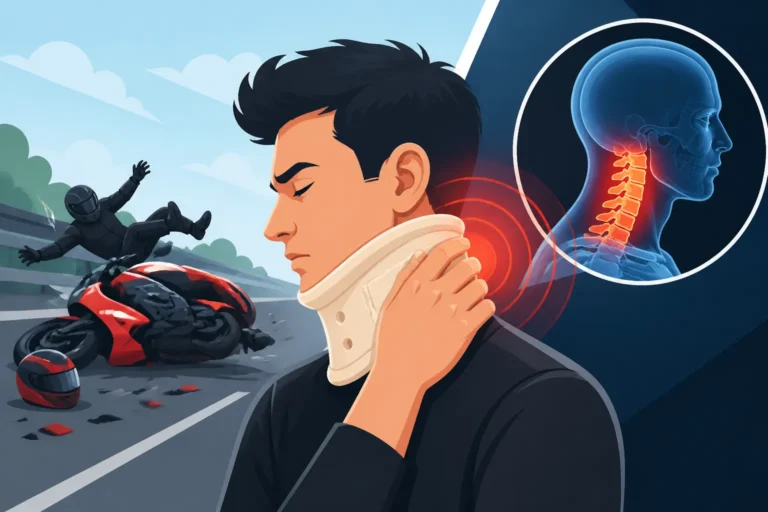
For instance, a seemingly minor neck ache might turn into a persistent issue requiring multiple chiropractic sessions or even specialized pain management consultations. Similarly, what initially appeared as road rash might develop into an infection or require skin grafts, leading to consultations with dermatologists or plastic surgeons. It’s vital to adhere to all recommended follow-up treatments and therapies, as consistency in your medical care demonstrates the ongoing nature and severity of your injuries. This continuous care not only aids your recovery but also strengthens your claim by showing a clear, unbroken chain of treatment directly attributable to the accident.
The Importance of a Medical Journal
Beyond keeping track of bills, one of the most powerful tools you have is a detailed medical journal. This isn't just about recording appointments; it's about documenting your daily experience of recovery. Note down your pain levels, how your injuries impact your daily activities, any new symptoms that arise, and your emotional state. Did your back pain prevent you from lifting your child? Did your hand injury make it impossible to ride your motorcycle or even type at work? These personal accounts bring a human element to your medical records, illustrating the true cost of your injuries beyond mere dollar amounts.
Your journal can also serve as a chronological record of all your medical interactions. List the names of doctors you see, the medications you're prescribed, and any recommendations given. This personal log can be invaluable months or even years down the line when trying to recall specific details for your legal team or during negotiations. It provides a consistent, first-hand narrative that complements the more clinical data from your medical records and helps to establish the full extent of your damages, including your pain and suffering.
Understanding Different Types of Medical Expenses
When discussing medical expenses in a motorcycle accident claim, it's not just about the bills that have already arrived in your mailbox. It’s a broader category that encompasses everything from immediate emergency care to potential lifelong needs. Understanding the distinction between past and future medical costs, and recognizing some of the less obvious expenses, is crucial for building a comprehensive claim.
Past Medical Bills: What You've Already Paid
These are the most straightforward expenses: the bills you've already incurred from the moment of the accident up to the present day. This includes everything from the ambulance ride and emergency room charges to hospital stays, surgeries, diagnostic tests like X-rays and MRIs, doctor's visits, prescription medications, physical therapy sessions, and even medical devices like crutches or a wheelchair. Each of these represents a tangible financial loss directly caused by the accident.
When gathering these bills, make sure you collect statements from all providers. This means not just the hospital but also individual physicians, anesthesiologists, radiologists, labs, and pharmacies. Many people make the mistake of only submitting bills paid by their health insurance, but it’s important to submit the total bill amounts before any insurance adjustments or payments. Your personal injury claim seeks to recover the full value of the services rendered, not just your out-of-pocket portion. This complete picture of your past medical expenses forms a significant part of your economic damages.
Future Medical Expenses: Estimating Long-Term Care Needs
This is often the most complex and potentially largest component of a motorcycle accident claim. For serious injuries, the need for medical care doesn't stop once you leave the hospital or finish initial physical therapy. Many motorcycle accident victims face ongoing challenges that require long-term treatment, medication, adaptive equipment, or even in-home care. Estimating these future medical expenses accurately is vital to ensure you are fully compensated for your lifetime needs.
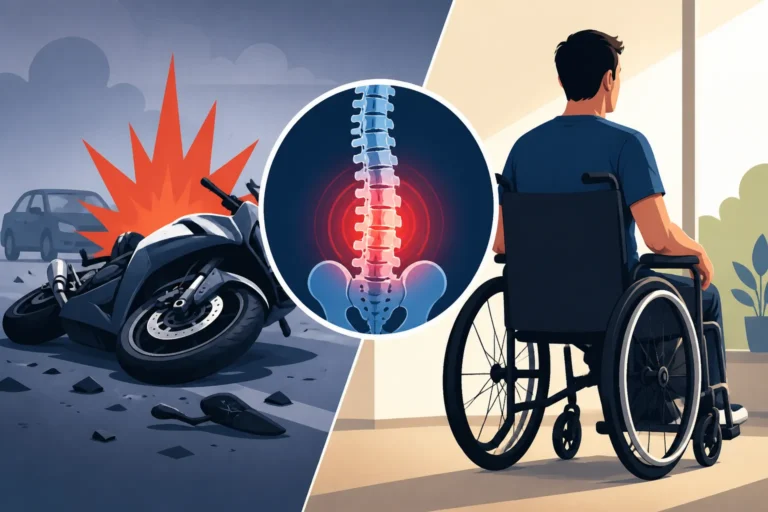
Consider a rider who suffers a spinal cord injury. Their future medical needs could include repeated surgeries, ongoing physical and occupational therapy, specialized medical equipment like power wheelchairs or lifts, home modifications to accommodate their disability, attendant care, and potentially lifelong medication for pain management or secondary complications. These costs can easily run into the hundreds of thousands or even millions of dollars. To calculate these accurately, an expert like a life care planner or a medical economist is often brought in to project costs over your expected lifespan, taking into account inflation and evolving medical needs. Without accounting for these future costs, you risk being severely undercompensated, leaving you to shoulder massive financial burdens down the road.
Hidden Costs and Unexpected Charges
Beyond the obvious hospital bills and therapy sessions, there are numerous "hidden" medical costs associated with a motorcycle accident that can quickly add up. These are often overlooked but can significantly impact your financial recovery. Think about mileage for doctor's appointments, parking fees at hospitals, over-the-counter pain relievers, bandages, hot/cold packs, or even specialized nutritional supplements recommended by your doctor for healing. While individually these might seem small, collectively they can represent a substantial sum.
Furthermore, consider the emotional and psychological toll. Many riders experience Post-Traumatic Stress Disorder (PTSD), anxiety, or depression after a severe accident. This can necessitate therapy, counseling, or psychiatric evaluations, all of which incur costs. These are legitimate medical expenses directly stemming from the trauma of the crash. It's crucial to meticulously track all these smaller, less obvious expenses and to seek treatment for psychological impacts, as they are as valid as physical injuries in a personal injury claim.
Navigating Insurance: Your Options for Coverage
The labyrinth of insurance coverage after a motorcycle accident can be incredibly confusing. You might have your own health insurance, specific medical payment coverage on your motorcycle policy, or be looking to the at-fault driver’s insurance. Knowing which policies apply and in what order can make a huge difference in managing your immediate medical bills and protecting your long-term claim.
Your Health Insurance and PIP/MedPay
In many cases, your personal health insurance (whether it’s through your employer, a private plan, or government programs like Medicare or Medicaid) will be the first line of defense for covering your medical bills. While they may pay for treatment, they often do so at a negotiated rate and will likely assert a lien on any future settlement you receive. This means they'll want to be reimbursed for the money they paid out of your accident settlement.
Some motorcycle insurance policies also offer Personal Injury Protection (PIP) or Medical Payments (MedPay) coverage. These are no-fault coverages, meaning they pay for your medical expenses regardless of who was at fault in the accident, up to a certain limit. For example, if you have a Progressive policy with $10,000 in MedPay, that money can be used to cover your initial emergency room visit, ambulance costs, or even co-pays for physical therapy. This can be a huge relief for immediate expenses, as it avoids having your health insurance pay, thus potentially reducing the lien against your eventual settlement. However, it's important to understand the specifics of your policy, as No-Fault States and Motorcycle Accidents handle these coverages differently.
The At-Fault Driver's Insurance and Liability Coverage
Ultimately, if another driver was responsible for your motorcycle accident, their bodily injury liability insurance is the primary source from which you will seek compensation for all your medical expenses. This coverage is designed to pay for the injuries and damages you sustained due to their negligence. However, dealing with the at-fault driver's insurance company can be a frustrating experience. They are often focused on minimizing payouts and may dispute the extent of your injuries or even How Insurance Companies Assign Blame to Riders.
The process of getting their insurance to pay usually involves negotiating a settlement. This can't happen until your medical treatment is substantially complete, or at least until a clear prognosis for future care has been established. If your medical bills exceed the at-fault driver's policy limits, which is unfortunately common in serious motorcycle accidents, you might need to explore other avenues, which brings us to the next crucial coverage type.
Uninsured/Underinsured Motorist Coverage
This is one of the most vital types of coverage for any rider, yet it's often overlooked or misunderstood. Uninsured Motorist (UM) and Underinsured Motorist (UIM) coverage on your own motorcycle insurance policy protects you when the at-fault driver either has no insurance (UM) or not enough insurance to cover your full damages (UIM). Given that many drivers carry only minimum liability coverage, which can be as low as $25,000 in some states, UM/UIM can be a lifesaver if your medical bills from a serious crash far exceed that amount.
Imagine you're hit by a driver who only has the state minimum $25,000 in liability coverage, but your medical bills alone total $100,000, not to mention lost wages and pain and suffering. If you have $100,000 in UIM coverage, your own insurance would step in to cover the remaining $75,000 of your damages after the at-fault driver's policy has been exhausted. Without UM/UIM, you could be left to pay a substantial portion of your medical expenses out of your own pocket. It's a coverage that every rider should seriously consider maximizing, as it directly protects your financial future after an accident.
How Medical Expenses Impact Your Claim Value
It's natural to wonder, "how much is my motorcycle accident claim worth?" The reality is, your medical expenses form the backbone of your entire claim. They are not just line items on a bill; they are concrete evidence of the harm you've suffered and directly influence both the economic and non-economic components of your potential settlement.
Direct Costs and Economic Damages
Medical bills, along with lost wages and property damage, fall under the category of economic damages. These are objective, quantifiable financial losses. The higher your medical expenses, the higher your economic damages. Insurance adjusters and juries alike rely heavily on these figures because they are easy to calculate and difficult to dispute, provided they are reasonable and necessary for your injuries.
Every ambulance ride, every doctor's visit, every prescription, and every physical therapy session adds to this total. These numbers paint a clear picture of the financial burden placed upon you due to someone else's negligence. Without these direct costs, it's significantly harder to prove the extent of your injury or the need for compensation. This is why thorough How to Document Injuries for a Claim is so crucial – every documented expense helps build the foundation of your claim's value.
Medical Expenses as Proof of Pain and Suffering
While economic damages cover your financial losses, non-economic damages, often referred to as Pain and Suffering Damages Explained, compensate you for the intangible impacts of your injuries. This includes physical pain, emotional distress, loss of enjoyment of life, and inconvenience. How do you put a price on agony, anxiety, or the inability to ride your motorcycle again? This is where medical expenses play a pivotal, albeit indirect, role.
The severity and duration of your medical treatment serve as powerful indicators of the pain and suffering you've endured. A rider with minor road rash who only requires a few doctor's visits will likely have a lower pain and suffering award than a rider who suffered multiple fractures, underwent surgery, and needed months of intensive physical therapy. The extent of your medical care visually demonstrates the gravity of your injuries to an insurance company or a jury, thereby justifying a higher demand for non-economic damages.
The Multiplier Method and Medical Bills
Insurance companies and legal professionals often use various methods to estimate the value of non-economic damages, with the "multiplier method" being a common approach. In this method, your total medical bills (sometimes just your "special damages" or medical hard costs) are multiplied by a number, typically ranging from 1.5 to 5, or even higher for catastrophic injuries. The multiplier chosen depends on the severity of your injuries, the clarity of fault, the impact on your life, and the length of your recovery.
For example, if your medical bills total $20,000 and your injuries are considered moderately severe, an adjuster might apply a multiplier of 3, leading to a pain and suffering estimate of $60,000. Add this to your economic damages ($20,000 in medical bills + lost wages + property damage), and you get a preliminary settlement figure. It’s clear, then, that every dollar of medical expense directly influences the calculation of your non-economic damages, making accurate and comprehensive documentation of all medical costs absolutely essential for maximizing your overall settlement.
Here's a simplified look at how different types of medical expenses factor into your overall claim:
| Type of Medical Expense | Description | Impact on Claim | Key for Maximizing Settlement |
|---|---|---|---|
| Emergency Treatment | Ambulance, ER visit, initial diagnostics (X-rays, CT scans, blood tests). | Establishes immediate injury; forms initial base of economic damages. | Seek immediate medical attention; keep all bills, even if covered by health insurance. |
| Hospital Stays/Surgeries | Inpatient care, surgical procedures, anesthesia, facility fees, post-op care. | Indicates severe injury; significantly increases economic damages; strongly supports higher pain and suffering. | Follow all medical advice; document recovery in detail; retain all itemized bills. |
| Follow-up Specialist Visits | Consultations with orthopedists, neurologists, physical therapists, chiropractors, psychologists. | Shows ongoing need for care; builds a consistent medical record; proves injury persistence. | Attend all appointments; get referrals for specialists; keep detailed records of all treatments and diagnoses. |
| Rehabilitation/Therapy | Physical therapy, occupational therapy, speech therapy, pain management clinics. | Demonstrates efforts to recover; adds substantial economic damages; reflects daily struggle and pain. | Consistently attend sessions; record progress and challenges in a medical journal; follow through on all prescribed therapy. |
| Medications | Prescription drugs for pain, inflammation, muscle spasms, anxiety, over-the-counter aids. | Direct economic cost; indicates level of pain and necessity of treatment. | Keep all pharmacy receipts; note medication names and dosages in your medical journal. |
| Medical Devices | Crutches, braces, wheelchairs, assistive walking devices, home medical equipment. | Proves limitations and severe injury; adds to economic damages. | Purchase necessary, doctor-recommended devices; keep receipts and document their use. |
| Future Medical Care | Projected long-term therapy, future surgeries, ongoing medication, adaptive equipment, home care. | Crucial for catastrophic injuries; ensures lifelong needs are met; often the largest component of total damages. | Work with experts (life care planners) to accurately project costs; do not settle before Maximum Medical Improvement (MMI). |
| Mental Health Services | Counseling, therapy for PTSD, anxiety, depression related to the accident. | Addresses emotional trauma; provides additional non-economic and economic damages. | Seek professional help for emotional distress; ensure these services are documented as accident-related. |
| Travel Expenses | Mileage, parking, public transport costs for medical appointments. | Small but legitimate economic damages; highlights inconvenience and time commitment. | Keep a log of all travel related to medical care, including dates, destinations, and mileage. |
Dealing with Medical Liens and Bill Collectors
One of the most stressful aspects of a motorcycle accident claim, besides the physical pain, is the constant bombardment of medical bills. Even if you have insurance, you might find yourself facing liens on your settlement or calls from collection agencies. This can feel overwhelming, but understanding these processes and how to manage them is key to protecting your financial recovery.
Understanding Medical Liens
A medical lien is essentially a legal claim placed on your personal injury settlement by a healthcare provider or insurance company to ensure they get paid for the services they rendered. For example, if your health insurance company pays for your $50,000 hospital bill, they often have a contractual right (or a statutory right, in the case of Medicare/Medicaid) to be reimbursed out of any settlement or judgment you receive from the at-fault driver. This is known as subrogation. Similarly, if you receive treatment from a doctor or hospital without immediate payment (because they've agreed to wait until your case settles), they might file a medical lien directly against your claim.
This means that a significant portion of your settlement could be earmarked for these providers or insurers. It’s a common frustration for accident victims who expect to receive the full settlement amount, only to realize that much of it will go towards repaying medical costs. Navigating these liens can be complex, and understanding How Medical Liens Get Paid from a Settlement is crucial for managing your expectations and maximizing your net recovery.
Negotiating with Providers and Collectors
Receiving medical bills, especially large ones, can trigger panic. You might be getting calls from collection agencies even while your personal injury claim is still pending. It’s important not to ignore these calls, but also to understand your rights and options. First and foremost, do not make any statements about fault or the accident to bill collectors. Simply explain that your injuries are a result of an accident and that a claim is pending.
You may also be able to negotiate with medical providers, especially if they are aware of a lien or are waiting for a settlement. Hospitals and doctors often have a "billed amount" which is much higher than what they actually accept from insurance companies. Your attorney can often negotiate these liens down, reducing the amount that needs to be repaid and thereby increasing your net take-home from the settlement. This can be a delicate process, and having an experienced advocate on your side is a significant advantage.
How a Lawyer Can Help with Medical Debts
This is where a qualified motorcycle accident lawyer becomes an invaluable asset. They have extensive experience dealing with medical liens and aggressive bill collectors. A good lawyer will communicate directly with your medical providers and health insurance companies, informing them of your pending claim and negotiating reduced lien amounts. Many personal injury attorneys have established relationships with medical providers who are willing to treat accident victims on a "lien basis," meaning they agree to wait for payment until your case settles.
Furthermore, your attorney will ensure that all medical liens are properly accounted for and negotiated before any settlement funds are disbursed. This protects you from future liability and ensures that you walk away with the maximum possible compensation after all debts are satisfied. They understand the legal nuances of How a Lawyer Increases Your Settlement by effectively managing these significant deductions from your gross recovery.
Strategies to Maximize Recovery for Medical Costs
Getting fair compensation for your medical expenses after a motorcycle accident isn't always easy. Insurance companies are businesses, and their goal is to pay out as little as possible. That's why being proactive and strategic about how you handle your medical care and documentation is absolutely vital.
Comprehensive Documentation is Key
We can't stress this enough: document everything. From the moment the accident happens until you reach maximum medical improvement (MMI), every piece of paper, every digital record, and every personal note contributes to the strength of your claim. This includes police reports, ambulance records, emergency room charts, hospital admission and discharge papers, detailed bills from every single provider, prescription receipts, physical therapy notes, diagnostic imaging reports (X-rays, MRIs), and your personal medical journal.
The more thoroughly you document, the harder it is for insurance companies to dispute the necessity or cost of your treatment. Keep all documents organized, perhaps in a dedicated "accident binder," so that when your legal team requests them, you can provide a complete and coherent package. This meticulous approach directly supports the overall value of your claim by proving the extent of your injuries and the expenses incurred.
Seeking All Necessary Treatment
It can be tempting to try to tough it out or to cut corners on physical therapy once you start feeling a bit better. However, under-treating your injuries or failing to follow through on doctor's recommendations can severely damage your claim. Insurance companies are experts at looking for "gaps in treatment" or instances where a patient stopped therapy prematurely. They will argue that if you weren't consistently seeking treatment, your injuries couldn't have been that severe or that your recovery was hampered by your own choices.
Always follow your doctor's advice, attend all recommended appointments, and complete full courses of therapy. If you genuinely feel your treatment isn't helping or you need a second opinion, discuss it with your doctor and your attorney. Make sure any changes to your treatment plan are medically documented. Consistency in seeking and receiving appropriate medical care is a direct demonstration of the severity of your injuries and your commitment to recovery, both of which positively impact your settlement potential.
The Role of Expert Medical Testimony
For complex or catastrophic injuries, proving the necessity and cost of future medical care often requires the input of medical experts. Your attorney may retain a treating physician to testify about the nature and extent of your injuries, your prognosis, and the necessity of past and future treatments. In cases involving long-term care or permanent disability, a life care planner or a vocational rehabilitation expert might be needed.
These experts can provide detailed reports and testimony that project your medical needs and associated costs over your lifetime. Their professional opinions are incredibly powerful in substantiating claims for significant future medical expenses, especially in situations where an injury has resulted in permanent impairment or a need for ongoing care. This expert testimony helps ensure that all Types of Damages in a Motorcycle Accident Claim are fully and accurately represented, ultimately influencing What Affects Your Motorcycle Accident Payout in a positive way.
Understanding the Long-Term Implications of Medical Expenses
A motorcycle accident isn't a one-time event; it can have ripple effects that last for years, sometimes a lifetime. This is especially true when it comes to medical expenses. Ignoring or underestimating these long-term implications can lead to significant financial hardship down the road.
Financial Strain Beyond the Claim
Even with a successful personal injury claim, the financial strain of medical expenses can be profound and extend beyond what a settlement might cover. High deductibles, co-pays, and expenses not fully reimbursed by insurance can accumulate quickly. Additionally, if your settlement takes time – and How Long Does a Motorcycle Settlement Take can vary significantly – you might face immediate out-of-pocket costs that cause financial distress while waiting for your case to resolve.
Some riders might even lose their health insurance if they lose their job due to their injuries, adding another layer of complexity. Managing these ongoing financial pressures requires careful planning and often the guidance of legal and financial professionals. It’s not just about getting a settlement; it’s about making sure that settlement truly covers your present and future financial needs.
Impact on Future Health Insurance and Insurability
Another often-overlooked aspect is the potential impact of a significant accident on your future health insurance. While the Affordable Care Act (ACA) has largely eliminated the ability of insurers to deny coverage due to pre-existing conditions, a history of extensive medical treatment for a severe injury can still affect your premiums or the scope of coverage in some plans, particularly in certain markets or for niche policies.
More directly, if you have a serious injury, it might make you a higher risk in the eyes of some insurance providers, potentially affecting your ability to get certain types of supplementary insurance. This isn't always a direct consequence, but it's a concern many accident victims face when contemplating their long-term health and financial stability. Understanding these potential challenges allows for better preparation and negotiation during your claim.
The Value of Ongoing Medical Monitoring
For many catastrophic injuries, such as a traumatic brain injury or a spinal cord injury, ongoing medical monitoring is essential. Even after reaching maximum medical improvement, regular check-ups with specialists might be necessary to monitor for complications, manage chronic pain, or address new symptoms that arise years later. These are legitimate future medical expenses that must be included in your settlement calculations.
For instance, a seemingly resolved head injury might manifest with cognitive difficulties or seizures years after the initial incident. Without compensation for this ongoing monitoring and potential future treatment, you could be left without the financial means to address these emergent issues. This underscores the importance of a thorough assessment of all future medical needs by qualified experts to ensure your settlement truly provides for your long-term well-being.
Disclaimer
Please remember, this article provides general information and is not a substitute for professional legal or medical advice. Every motorcycle accident claim is unique, and the information presented here may not apply to your specific situation. You should always consult with a qualified attorney and medical professional regarding your individual circumstances.