Delayed Symptoms After a Motorcycle Crash
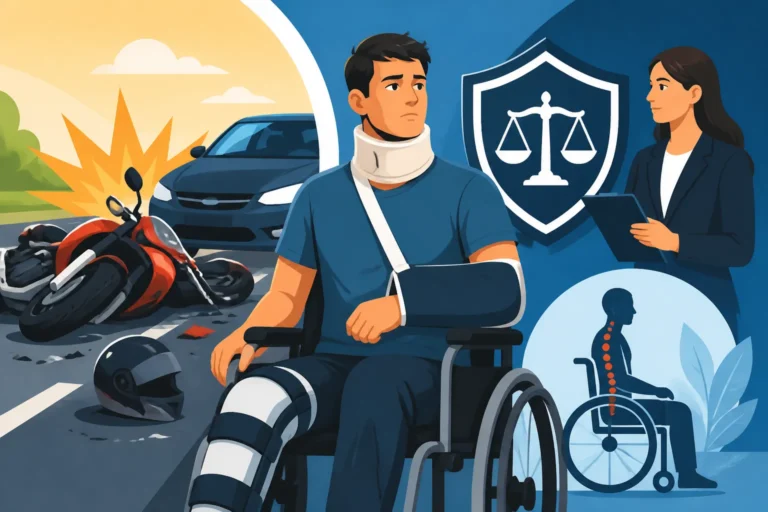
You’ve just been in a motorcycle accident, and in the immediate aftermath, you might feel a strange mix of shock, adrenaline, and perhaps even relief that it wasn't worse. Many riders walk away from a crash, brush themselves off, and think they're fine, only to have excruciating pain or concerning symptoms surface days, or even weeks, later. This guide is here to explain why those delayed symptoms are so common, what to watch out for, and why getting prompt medical attention is absolutely critical, even if you feel okay at first.
The Deceptive Nature of Adrenaline and Shock After a Crash
It's a common story: a rider goes down, picks up their bike, exchanges info, and feels nothing more than a few scrapes. They might even ride home, convinced they dodged a bullet. But then, a day or two later, the real pain kicks in, sometimes with a vengeance. This isn't your imagination; it's a physiological response to trauma that can be incredibly misleading.
How Adrenaline Masks Pain
When you're involved in a high-stress, high-impact event like a motorcycle crash, your body automatically kicks into survival mode. Your adrenal glands release a rush of hormones, primarily adrenaline (epinephrine), cortisol, and norepinephrine. These hormones are designed to prepare your body for "fight or flight." They increase your heart rate, boost your blood pressure, sharpen your senses, and, crucially, act as natural painkillers. This sudden surge of chemicals can temporarily numb pain receptors, making it genuinely difficult to assess the true extent of your injuries.
Imagine a scenario where you low-side on a highway near Phoenix. You hit the asphalt hard, slide a bit, and your bike goes down. In that moment, all you can focus on is getting clear of traffic and assessing the immediate danger. Your body is flooded with adrenaline, and even though you might have a broken wrist or a significant concussion, the pain signal simply isn't registering with the intensity it normally would. This isn't a sign you're "tough" or uninjured; it's a biological trick designed to help you survive a perceived threat. Once the immediate danger passes and those hormone levels begin to normalize, usually hours to a day or two later, that natural pain suppression wears off, revealing the underlying trauma.
The Immediate Aftermath: What You Might Not Feel
The problem with adrenaline is that it can create a false sense of security. You might have walked away from a collision near the Golden Gate Bridge feeling surprisingly intact, but beneath the surface, significant damage could be brewing. Internal injuries, for instance, often don't present with immediate, sharp pain. A minor fender-bender could lead to whiplash that feels like nothing more than a stiff neck at first, but develops into debilitating pain, headaches, and limited range of motion over subsequent days.
Even more serious conditions like concussions or internal bleeding can have delayed onset of symptoms. You might feel a bit "off" or "shaky" right after the accident, attributing it to the shock of the event. However, headaches, dizziness, nausea, confusion, or difficulty concentrating might not fully manifest for 24 to 72 hours, indicating a more serious traumatic brain injury. Similarly, internal organ damage, such as a bruised kidney or a lacerated spleen, might only present with subtle abdominal discomfort or unexplained fatigue before becoming a life-threatening emergency. This is why it’s never safe to assume you’re "fine" just because you don't feel immediate, agonizing pain.
Common Delayed Symptoms and What They Could Mean
It's essential to understand that many serious injuries from motorcycle accidents don't announce themselves right away. Knowing what to look for can be the difference between a swift recovery and long-term complications.
Head and Neck Injuries
Head and neck injuries are incredibly common in motorcycle accidents, even if you were wearing a helmet. While a helmet significantly reduces the risk of fatal head injuries, it doesn't eliminate the possibility of concussions or whiplash, which often have delayed symptoms.
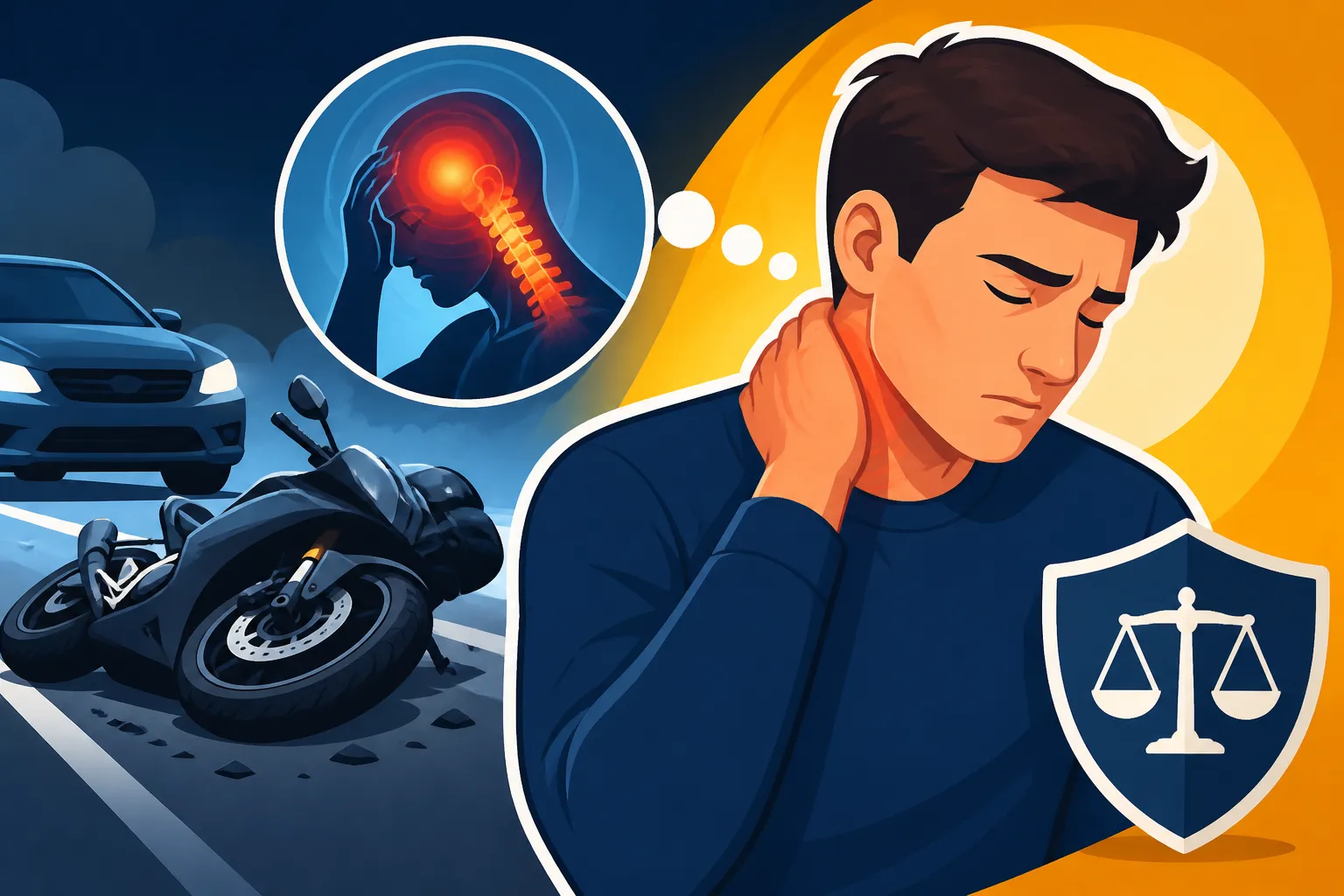
Common symptoms include persistent headaches, which might range from dull aches to throbbing migraines, appearing hours or days after the crash. Dizziness, vertigo, confusion, sensitivity to light or sound, and difficulty concentrating are all red flags that could point to a Motorcycle Traumatic Brain Injury: Claims and Compensation. Sometimes, friends and family might notice changes in your mood or personality before you do. For neck injuries, what starts as a mild stiffness can escalate into severe pain, reduced range of motion, and even radiating pain down your arms or into your shoulders, indicative of whiplash. This condition, often detailed in articles like Motorcycle Neck Injury: Treatment and Long-Term Impact, occurs when the head is violently jerked forward and backward, straining the muscles, tendons, and ligaments in the neck.
Back and Spinal Injuries
Back injuries are another category where symptoms can be painfully slow to emerge. The force of an impact can easily damage the delicate structures of your spine, leading to issues that might not be immediately apparent.
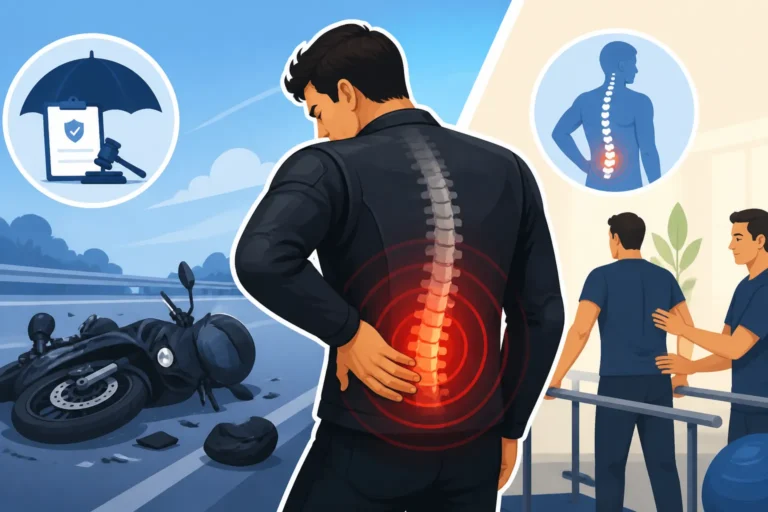
You might initially feel a general soreness in your back, which you might brush off as muscle strain from the impact. However, if that soreness progresses to sharp, shooting pains, numbness or tingling in your extremities, muscle weakness, or difficulty walking or standing, these are serious indicators. These could point to a herniated or bulging disc, a vertebral fracture, or even a Motorcycle Spinal Cord Injury: Claims and Compensation. These types of injuries can have profound, long-lasting consequences, sometimes leading to chronic pain or even paralysis. Understanding the potential for serious harm and getting a comprehensive evaluation is crucial for proper treatment and to pursue compensation, as highlighted in resources about Motorcycle Back Injury: Treatment and Long-Term Impact.
Soft Tissue and Internal Injuries
Soft tissue injuries involve damage to muscles, ligaments, and tendons. These can include sprains, strains, and tears that often take time for swelling and inflammation to build up, leading to delayed pain. You might not feel the full extent of a torn rotator cuff in your shoulder or a strained knee ligament until days later.
More alarmingly, internal injuries can be life-threatening and notoriously stealthy. Symptoms like unexplained abdominal pain, distension, unusual bruising, or tenderness in your torso could signal internal bleeding or organ damage. Fatigue, dizziness, or fainting spells might suggest significant blood loss, even if there's no visible external wound. For example, a severe impact to the abdomen might rupture your spleen, but the initial pain could be masked, and symptoms like lightheadedness or referred pain in the left shoulder might not appear until hours later. Any persistent or worsening symptoms after a crash should be taken seriously, especially when it comes to potential Motorcycle Internal Injuries: Treatment and Long-Term Impact. Injuries to joints, like those addressed in Motorcycle Shoulder Injury: Treatment and Long-Term Impact, can also be insidious, starting as a minor ache and evolving into chronic problems.
Psychological Trauma
Beyond the physical wounds, a motorcycle accident can leave deep psychological scars. While not "physical" in the traditional sense, these symptoms are very real and can be just as debilitating, often surfacing long after the physical pain has subsided.
You might find yourself replaying the accident over and over in your mind, experiencing nightmares, or feeling an intense fear of riding or even being near motorcycles or cars. These are classic signs of Post-Traumatic Stress Disorder (PTSD), a condition that can manifest weeks or even months after the event. Other psychological symptoms include anxiety, depression, irritability, difficulty sleeping, or a general sense of detachment from activities you once enjoyed. These emotional wounds, which articles like PTSD After a Motorcycle Accident explore in depth, can significantly impact your quality of life and your ability to return to your normal routines. Recognizing and addressing these issues is just as important as treating physical injuries, and seeking compensation for Emotional Distress Damages is a valid part of your claim.
Why Prompt Medical Attention is Crucial, Even Without Immediate Pain
Ignoring potential injuries because you "feel fine" is one of the biggest mistakes you can make after a motorcycle accident. Even if you only discover symptoms days later, getting medical attention immediately upon their appearance is paramount for your health and your legal claim.
Documenting Injuries for Your Claim
Medical records are the backbone of any personal injury claim. If you wait days or weeks to see a doctor after symptoms finally appear, the insurance company for the at-fault driver might argue that your injuries weren't caused by the accident, or that you exacerbated them by delaying treatment. They might claim you were injured in a subsequent event or that your injuries existed prior to the crash.
By seeking prompt medical evaluation as soon as symptoms arise, you create a clear, undeniable link between the accident and your injuries. Every doctor's visit, diagnosis, treatment plan, and prescription becomes documented evidence. This continuous record of care is invaluable when you're working to How to Document Your Recovery and prove the severity and impact of your injuries. Without this documentation, it becomes significantly harder to secure the compensation you deserve for medical bills, lost wages, and pain and suffering. This is why How Medical Records Support Your Claim is such a critical topic for injured riders.
The "Helmet Defense" and How Symptoms Can Bolster Your Case
In some states, if you weren't wearing a DOT-compliant helmet, the defense might try to use a "helmet defense" to argue that your injuries, particularly head injuries, would have been less severe had you worn one. This can potentially reduce your settlement. However, the presence of delayed symptoms, regardless of helmet use, can still strongly support your claim, especially for injuries not directly related to head trauma.
For example, even if you weren't wearing a helmet and sustained a concussion, the delayed onset of neck pain or internal injuries provides separate grounds for damages. Furthermore, if you were wearing a helmet, documenting all delayed symptoms, from headaches to back pain, demonstrates the sheer force of the impact and validates the severity of the incident. It helps counter any attempt by insurance companies to downplay the crash or assign undue blame. Understanding The Helmet Defense Explained can prepare you for how insurers might try to minimize your claim, making thorough documentation of all symptoms, whether immediate or delayed, even more vital.
Understanding Your State's Statute of Limitations
Every state has a legal deadline, known as the statute of limitations, within which you must file a personal injury lawsuit after an accident. This deadline varies significantly by state; for instance, in California, it's generally two years from the date of the injury, while in New York, it's typically three years. If you miss this deadline, you usually lose your right to sue the at-fault party, regardless of how severe your injuries are.
The tricky part with delayed symptoms is that the "date of injury" might not be the actual date of the crash but rather the date you discovered your injury, especially if it's an injury that couldn't reasonably be known at the time of the accident. This is known as the "discovery rule" in some jurisdictions, but it's not universally applied and can be a complex legal argument. Therefore, it is always best to act as quickly as possible. Waiting for symptoms to fully develop before seeking legal advice can put you dangerously close to missing this critical window. Knowing How Long You Have to File a Motorcycle Claim is essential, and legal counsel can help determine the precise deadline for your specific situation.
Steps to Take When Symptoms Emerge After the Accident
If you find yourself experiencing new or worsening symptoms days or weeks after a motorcycle crash, don't panic, but do act swiftly and strategically. Your health and your potential claim depend on it.
Seek Medical Evaluation Immediately
This is the most critical step. As soon as you notice any new pain, discomfort, or unusual symptoms, whether it's a nagging headache, a stiff neck, numbness in your hand, or even just feeling unusually tired, get to a doctor. Don't try to tough it out or self-diagnose. Head to an urgent care center, your primary care physician, or even the emergency room, depending on the severity of your symptoms.
When you see the medical professional, be completely honest and thorough about everything you're experiencing. Explain that you were in a motorcycle accident on a specific date and that these symptoms have just started or worsened. Do not minimize your pain or concerns. It's vital that your medical records clearly reflect the sudden onset of symptoms after the crash. Follow all their recommendations, whether it's for imaging (X-rays, MRIs, CT scans), physical therapy, medication, or specialist referrals. Consistency in your medical care proves the seriousness of your injuries and their direct link to the accident, reinforcing why Why You Should Seek Immediate Treatment is always the best policy.
Notify Your Insurance Company (and Legal Counsel)
Once you've sought medical attention for your delayed symptoms, you need to update your insurance company, and potentially the at-fault driver's insurance company, about your new diagnoses and ongoing medical care. However, be cautious about what you say. It's often best to notify them through your legal representation if you have one. If you don't, stick to factual information about your medical treatment and avoid discussing fault or the extent of your injuries in detail.
Remember, anything you say to an insurance adjuster can be used against you. They are looking for reasons to minimize your claim. A simple, "I'm still under medical care for injuries sustained in the accident, and my doctor has identified new symptoms," is often sufficient. If you’ve already informed them you were "fine" earlier, this update is even more critical. Having an experienced personal injury attorney can be immensely helpful here, as they can handle all communications with insurance companies, ensuring your rights are protected and that your updated medical information is presented effectively. Taking First Steps to Protect Your Motorcycle Claim correctly involves careful communication.
Keep Detailed Records
As your treatment progresses, meticulously document everything. This means keeping track of all medical appointments, diagnostic tests, treatments, and prescriptions. Hold onto all medical bills, receipts for out-of-pocket expenses (like over-the-counter pain relievers or heating pads), and records of any lost wages due to your injuries. If your injuries prevent you from working, make sure to get documentation from your employer regarding your missed time and lost income.
Beyond the official documents, it’s incredibly helpful to keep a personal injury journal. In this journal, regularly record your daily pain levels, how your symptoms are impacting your daily life, your emotional state, and any limitations you're experiencing. For example, if your new back pain prevents you from riding your motorcycle, working in your garage, or even sleeping comfortably, write it down. This personal account can be powerful evidence of your pain and suffering and the true impact of the accident on your life. Resources like How to Keep an Injury Journal provide excellent guidance on maintaining such records, which are vital for proving both economic and non-economic damages.
Disclaimer
Please remember that the information provided in this article is intended for general informational purposes only and does not constitute legal or medical advice. Every motorcycle accident and injury claim is unique. You should always consult with a qualified legal professional for advice tailored to your specific situation and seek immediate medical attention for any injuries.