Motorcycle Shoulder Injury: Treatment and Long-Term Impact
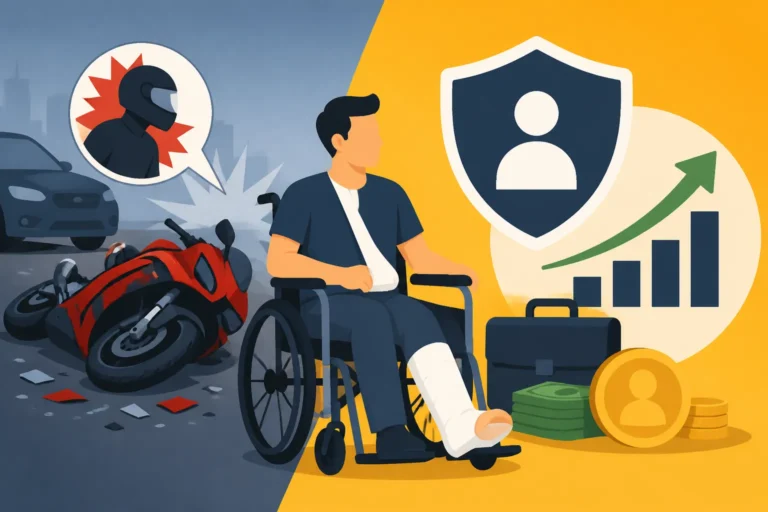
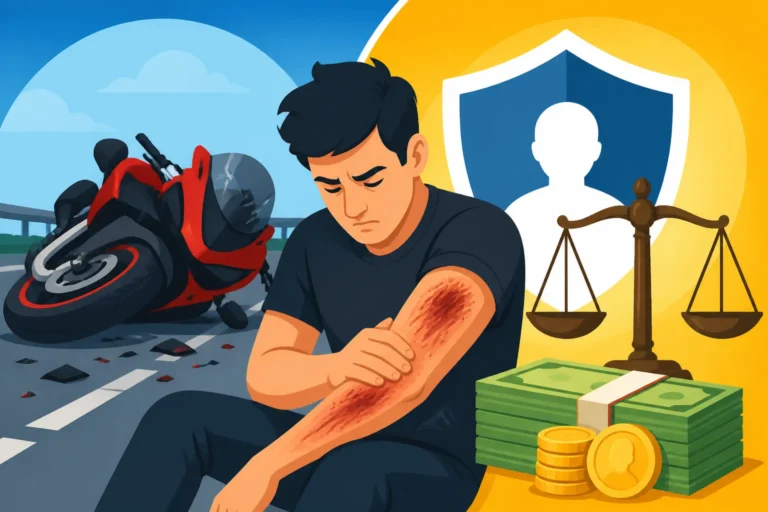
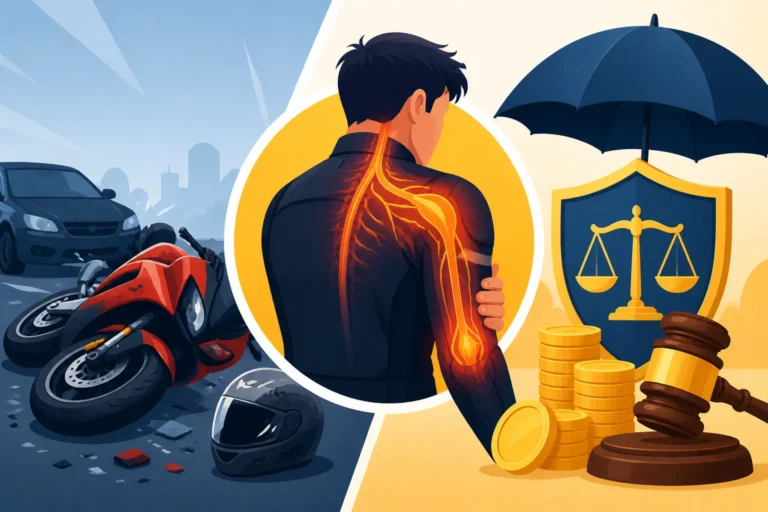
Riding a motorcycle offers an unparalleled sense of freedom, but it also comes with inherent risks. When an accident happens, the impact can be devastating, and shoulder injuries are tragically common, often leaving riders facing excruciating pain, limited mobility, and a long road to recovery. This guide aims to thoroughly explain the different types of shoulder injuries you might sustain in a motorcycle crash, the typical treatments involved, and critically, the long-term impact these injuries can have on your life, helping you understand what to expect and how to navigate the challenges ahead.
Understanding the Common Types of Motorcycle Shoulder Injuries
The shoulder joint is a marvel of engineering, allowing for an incredible range of motion, but this flexibility comes at a cost: vulnerability. In the high-impact, often uncontrolled environment of a motorcycle accident, the shoulder frequently bears the brunt of the force, leading to a variety of painful and debilitating injuries. It's crucial to understand these common types to grasp the full scope of potential damage.
Rotator Cuff Tears
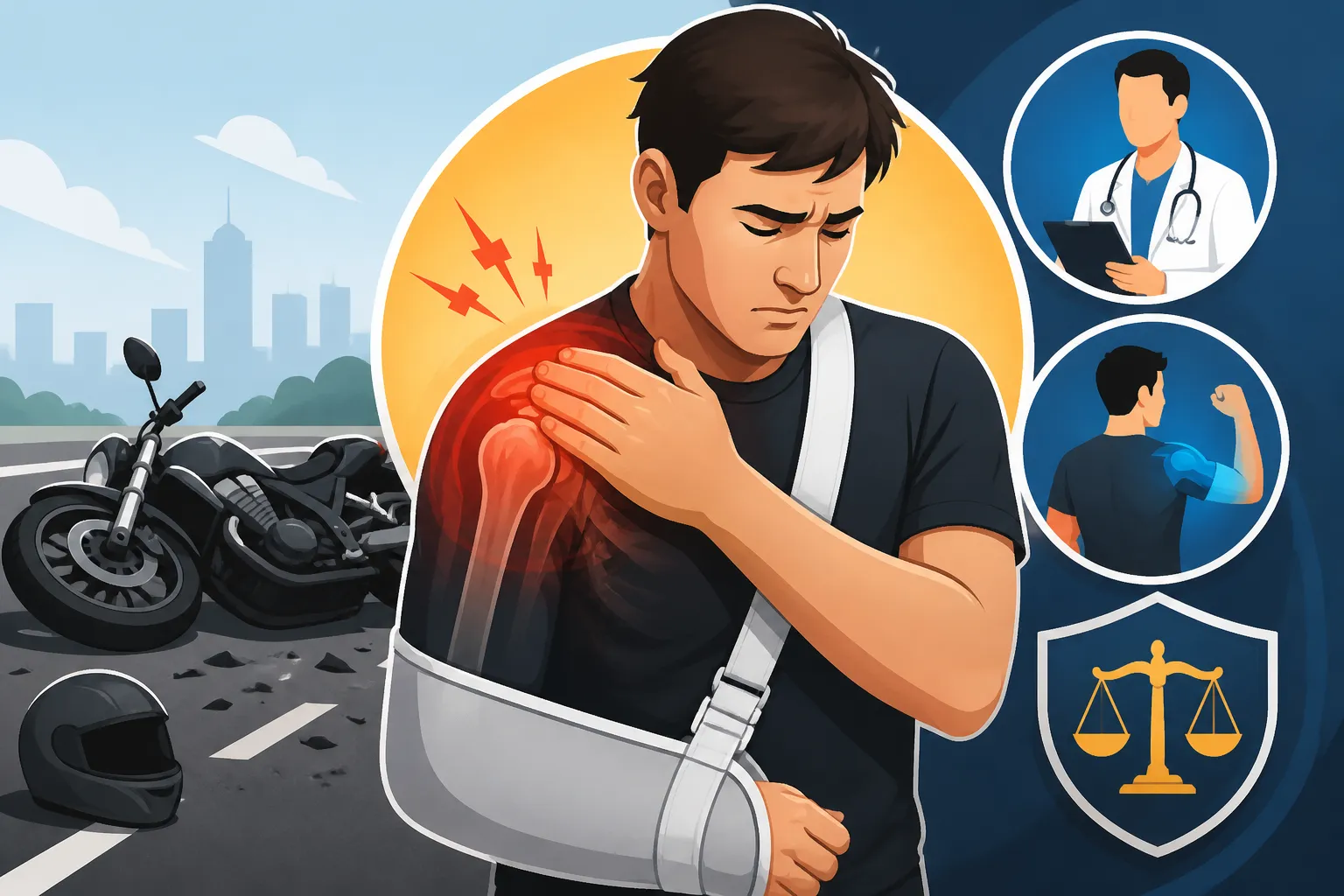
Imagine a group of four muscles and their tendons forming a "cuff" around the top of your upper arm bone, holding it firmly in your shoulder socket. That's your rotator cuff, and it's essential for lifting and rotating your arm. In a motorcycle accident, a direct impact to the shoulder, or even bracing yourself during a fall, can cause these tendons to tear. These aren't just minor pulls; a torn rotator cuff can range from a partial tear, where the tendon is frayed, to a complete tear, where the tendon detaches entirely from the bone.
The symptoms are immediate and often severe: sharp pain, especially when trying to move your arm, weakness that makes simple tasks impossible, and a grinding or popping sensation. You might find it impossible to lift your arm above your head or even sleep comfortably on the affected side. Diagnosing a rotator cuff tear usually involves a physical exam, X-rays to rule out fractures, and often an MRI to clearly visualize the soft tissues. The severity of the tear will heavily influence the treatment path and the overall prognosis. This kind of injury is a prime example of why understanding the nuances of different injuries and damages is so important for your claim.
Fractures and Dislocations
Beyond the soft tissues, the bones themselves are highly susceptible to damage. Fractures are broken bones, and in the shoulder, this often means the clavicle (collarbone), scapula (shoulder blade), or the head of the humerus (the ball portion of your upper arm bone). A broken collarbone, for instance, is incredibly common in motorcycle crashes due to direct impact or landing on an outstretched arm. Scapula fractures are less common but often indicate a very high-energy impact, signaling a potentially more severe overall injury. Humerus head fractures, particularly near the joint, can be complex due to the intricate network of nerves and blood vessels in the area.
A dislocation occurs when the head of the humerus completely pops out of the shoulder socket. This is an incredibly painful event, often leaving the arm in an unnatural position, and it usually requires immediate medical attention to "reduce" or put the bone back into place. Subluxation is a partial dislocation, where the bone partially comes out before slipping back in. These injuries can lead to significant instability in the joint, potentially requiring ongoing management or even surgery if they become recurrent. The sheer force of a motorcycle accident often creates scenarios where such severe damage is unavoidable, regardless of how prepared you are.
AC Joint Separations
The acromioclavicular (AC) joint is located at the very top of your shoulder, where your collarbone (clavicle) meets the highest part of your shoulder blade (acromion). This joint is held together by ligaments, and when these ligaments are stretched or torn, you get an AC joint separation. Unlike a dislocation where the ball pops out of the socket, an AC separation involves the end of the collarbone separating from the shoulder blade.
This injury typically occurs from a direct blow to the top or side of the shoulder, common if you're thrown from your bike and land awkwardly. AC separations are graded from I to VI, with higher grades indicating more severe ligament damage and greater displacement of the collarbone. Even lower-grade separations can be quite painful and limit arm movement. A visible bump on top of the shoulder is a common sign, especially with higher-grade separations. While some might seem less critical than a complete dislocation, any damage to this joint can have long-lasting effects on overhead movements and general shoulder function.
Navigating the Treatment Options for Shoulder Injuries
Once a shoulder injury is sustained in a motorcycle accident, the journey to recovery begins with diagnosis and treatment. This path can vary greatly depending on the specific injury and its severity, but it typically involves a combination of immediate care, conservative therapies, and, in many cases, surgical intervention. Understanding these steps is vital for managing your recovery and documenting your journey for any potential claims.
Immediate Medical Intervention
The moments immediately following a motorcycle accident are chaotic and often terrifying. Your first priority, beyond ensuring safety, should always be seeking prompt medical attention. Even if you feel "okay" or the pain seems manageable, adrenaline can mask serious injuries. In a high-impact event like a motorcycle crash, a shoulder injury might be accompanied by other serious conditions. For instance, What to Do Immediately After a Motorcycle Accident should include calling 911 and allowing paramedics to assess you.
At the emergency room, doctors will perform a thorough examination. They'll likely order imaging tests such as X-rays to check for fractures of the clavicle, scapula, or humerus. For soft tissue injuries like rotator cuff tears or severe ligament damage, an MRI (Magnetic Resonance Imaging) or CT (Computed Tomography) scan will usually be necessary to get a detailed view. Early and accurate diagnosis is critical, not only for effective treatment but also for establishing a clear link between the accident and your injuries, which is fundamental to any personal injury claim. Ignoring or delaying this step can severely jeopardize your health and your case.
Conservative Treatments and Rehabilitation
For many shoulder injuries, particularly less severe tears, fractures, or separations, the initial approach to treatment is often conservative. This phase focuses on reducing pain and inflammation, allowing the body to heal, and then restoring strength and mobility. Common conservative treatments include:
- Rest and Immobilization: Depending on the injury, your arm might be placed in a sling or brace to prevent movement and allow damaged tissues to heal. This can last from a few days to several weeks.
- Pain Management: Over-the-counter pain relievers like ibuprofen or naproxen are often recommended, and stronger prescription pain medication may be provided for acute pain. Muscle relaxants might also be used to alleviate spasms.
- Ice and Heat Therapy: Applying ice packs helps reduce swelling and numb pain immediately after the injury, while heat therapy can be introduced later to relax muscles and improve blood flow.
- Physical Therapy: Once initial pain and swelling subside, a physical therapist will guide you through a structured rehabilitation program. This is a crucial step, focusing on regaining range of motion, strengthening the surrounding muscles, and improving joint stability. Exercises might include pendulum swings, gentle stretches, and eventually resistance training. Adhering to your physical therapy regimen is not only essential for your recovery but also serves as vital documentation of your efforts to heal.
These conservative methods can be highly effective, but they require patience, consistency, and a commitment to the rehabilitation process. It's a long haul, but staying diligent will give you the best chance at a strong recovery.
Surgical Interventions and Recovery
When conservative treatments aren't enough, or if the injury is inherently severe (like a complete rotator cuff tear, a displaced fracture, or recurrent shoulder dislocations), surgery becomes a necessary option. The goal of surgery is to repair the damaged structures, restore stability, and alleviate chronic pain.
Common surgical procedures for motorcycle shoulder injuries include:
- Rotator Cuff Repair: For complete tears, surgeons reattach the torn tendon to the bone, often using small anchors. This can be done arthroscopically (minimally invasive) or through an open incision.
- Fracture Repair: Displaced fractures may require internal fixation, where plates, screws, or pins are used to hold the broken bone fragments in place while they heal.
- Labral Repair: If the labrum (a rim of cartilage around the shoulder socket) is torn, it may be surgically repaired to restore joint stability, especially after dislocations.
- AC Joint Reconstruction: For high-grade AC separations, ligaments may need to be repaired or reconstructed using grafts to stabilize the joint.
The recovery after surgery is often extensive and demanding. It typically involves a period of immobilization in a sling, followed by several months of intensive physical therapy. The timeline for full recovery can range from 6 months to over a year, depending on the complexity of the surgery and the individual's healing capacity. During this period, you will need consistent care, and diligently following your surgeon's and physical therapist's instructions is paramount. This intensive recovery process highlights why capturing the true Long-Term Effects of Motorcycle Injuries is so important.
The Long-Term Impact on Your Life and Claim
A motorcycle shoulder injury isn't just about the initial pain and treatment; it can cast a long shadow over your life, affecting everything from your physical capabilities to your mental well-being and financial stability. Recognizing and documenting these long-term impacts is absolutely critical when pursuing a motorcycle accident claim.
Chronic Pain and Reduced Mobility
One of the most frustrating and debilitating long-term consequences of a severe shoulder injury is persistent, chronic pain. Even after successful surgery and extensive physical therapy, many riders find themselves living with ongoing aches, stiffness, or sharp pangs, especially with certain movements or changes in weather. This isn't just a minor discomfort; chronic pain can significantly degrade your quality of life. Imagine struggling to lift groceries, reach for something on a high shelf, or even brush your hair without a constant reminder of your injury.
Reduced range of motion and overall strength are also common. You might find that you can't rotate your arm as freely, lift heavy objects, or perform the dynamic movements you once took for granted. For riders, this can mean an end to their passion, as the physical demands of controlling a motorcycle might become too much. This reduction in mobility isn't just physical; it impacts independence, hobbies, and even self-esteem. Your injury has tangible effects on your daily existence, which are crucial elements when assessing Types of Damages in a Motorcycle Accident Claim.
Impact on Work and Earning Capacity
Beyond the personal toll, a serious shoulder injury can have profound professional repercussions. Many occupations, from construction and mechanics to healthcare and even office work, require a significant degree of shoulder mobility and strength. If your job involves lifting, reaching, typing extensively, or performing repetitive motions, a compromised shoulder can make it impossible to continue in your previous role.
This often leads to lost wages, both immediately during recovery and potentially long-term if you're forced to switch to a less physically demanding (and often lower-paying) job. The concept of "loss of earning capacity" comes into play here – the difference between what you could have earned over your lifetime had the accident not occurred, versus what you are now able to earn with your permanent limitations. It's a harsh reality that many riders face, struggling to adapt to a new professional landscape while managing ongoing pain. Documenting this financial impact meticulously is vital for your claim, as it directly impacts your economic damages.
Mental and Emotional Toll
The physical scars of a motorcycle accident are often visible, but the mental and emotional ones can run just as deep, if not deeper. Living with chronic pain, facing a lengthy and arduous rehabilitation process, and coming to terms with permanent limitations can lead to significant psychological distress. Many accident victims experience depression, anxiety, frustration, and a profound sense of loss – loss of their physical capabilities, their hobbies, and their former sense of self.
Some riders may even develop Post-Traumatic Stress Disorder (PTSD), re-experiencing the crash through flashbacks or nightmares, and becoming fearful of riding again or even being on the road. The emotional distress can manifest as sleep disturbances, irritability, difficulty concentrating, and social withdrawal. These non-economic damages, often called "pain and suffering," are a legitimate and significant component of a personal injury claim. While harder to quantify than medical bills, their impact on your daily life is undeniable. Pain and Suffering Damages Explained can help you understand how these aspects are valued in a claim.
Documenting Your Shoulder Injury for a Motorcycle Accident Claim
After experiencing a motorcycle accident and suffering a shoulder injury, the pain and recovery process can feel all-consuming. However, amidst your recovery, it is absolutely vital to thoroughly document every aspect of your injury, treatment, and its impact on your life. This meticulous record-keeping forms the backbone of your motorcycle accident claim, helping to prove liability, the extent of your damages, and ultimately, securing the compensation you deserve.
Comprehensive Medical Records
The most critical evidence for your shoulder injury claim will come directly from your medical records. These documents provide an objective, detailed account of your condition, the care you've received, and your prognosis. From the moment you receive treatment after a crash, you should aim to collect every single piece of medical documentation. This includes:
- Emergency Room Reports: The initial assessment, diagnosis, and immediate treatment you received.
- Doctor's Notes and Diagnoses: Records from all your specialists, including orthopedists, neurologists, and primary care physicians, detailing their findings, diagnoses, and treatment plans.
- Imaging Results: X-rays, MRIs, CT scans, and any other diagnostic tests, along with the radiologists' reports interpreting them. These visually confirm the extent of fractures, tears, and other damage.
- Physical Therapy Records: Detailed notes from your physical therapists outlining your progress, limitations, specific exercises, and the duration of your therapy.
- Surgical Reports: If you undergo surgery, the detailed report of the procedure performed, findings during surgery, and post-operative instructions.
- Prescription Records: Documentation of all medications prescribed for pain, inflammation, or other injury-related issues.
These records paint a comprehensive picture of your medical journey, directly linking your shoulder injury to the motorcycle accident. Without them, it becomes incredibly difficult to prove the severity of your condition or the necessity of your treatments. This detailed record is essential for understanding How to Document Injuries for a Claim.
Injury Journals and Witness Statements
While medical records are objective, your personal experience of the injury is equally important for documenting non-economic damages like pain and suffering. Keeping a detailed injury journal can be an invaluable tool. In this journal, consistently record:
- Daily Pain Levels: Rate your pain on a scale of 1-10, noting its location, character (sharp, dull, throbbing), and what makes it better or worse.
- Limitations: Describe specific daily activities you struggle with or cannot perform due to your shoulder injury (e.g., getting dressed, cooking, driving, lifting children, sleeping).
- Emotional State: Document feelings of frustration, sadness, anxiety, or despair related to your injury and its impact on your life.
- Treatment Progress: Note appointments, medications taken, and your response to physical therapy exercises.
- Impact on Hobbies and Social Life: Describe how the injury prevents you from engaging in activities you once enjoyed, such as riding your motorcycle, playing sports, or socializing.
In addition to your journal, statements from friends, family, and even coworkers can corroborate the profound impact your injury has had. These witnesses can describe how your physical capabilities, mood, and daily routines changed after the accident. Their observations can provide a powerful, human element to your claim, illustrating the true depth of your suffering that medical charts alone cannot convey. How to Document Your Recovery thoroughly covers strategies for this.
Expert Opinions and Future Care Projections
For serious and long-lasting shoulder injuries, the opinion of medical and vocational experts becomes crucial. These experts can provide professional assessments that project the long-term implications of your injury, significantly impacting the valuation of your claim.
- Medical Experts: An orthopedic surgeon or a physiatrist (a physical medicine and rehabilitation doctor) can provide a detailed report on your prognosis, including any permanent impairment ratings, the likelihood of future surgeries, the need for ongoing physical therapy, pain management, or adaptive equipment. They can also estimate the costs of these future medical needs.
- Vocational Experts: If your shoulder injury affects your ability to work, a vocational rehabilitation expert can assess your pre-accident earning capacity versus your post-accident earning potential. They can identify limitations that prevent you from returning to your previous occupation and estimate the economic impact of this reduction in earning capacity over your lifetime.
These expert opinions are particularly vital in cases involving catastrophic injuries or those that result in permanent disability. They help to quantify not just the damages you’ve already incurred, but also the significant expenses and losses you will face in the future. Understanding how this contributes to the Average Motorcycle Accident Settlement Amounts is crucial, as it builds a robust case for maximum compensation.
Disclaimer
Please note that this article provides general information and should not be considered legal or medical advice. Every motorcycle accident claim is unique, and the information presented here may not apply to your specific situation. It is always recommended to consult with a qualified legal professional and medical expert to discuss your individual circumstances and receive personalized advice.