Motorcycle Concussion: Treatment and Long-Term Impact
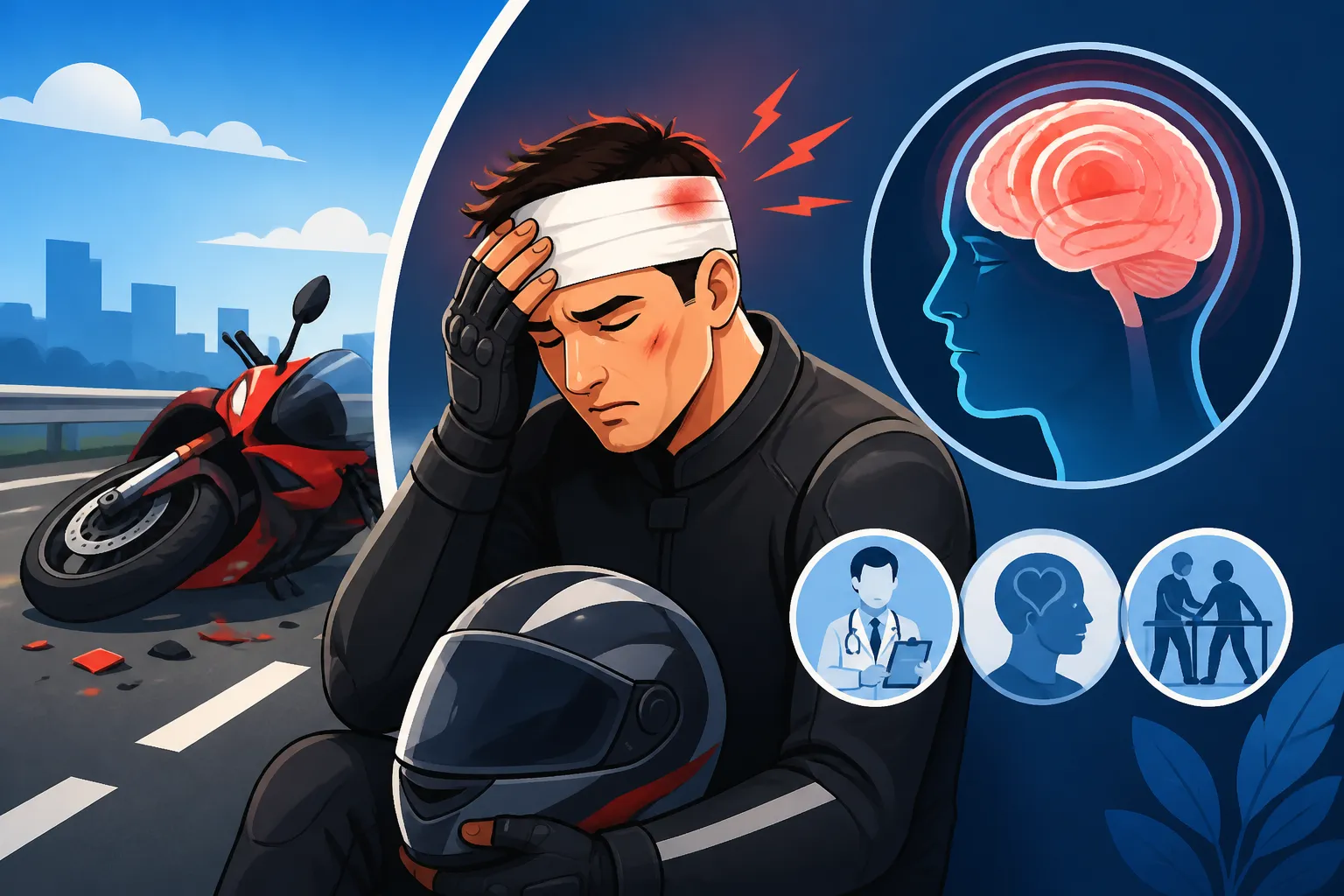
Riding a motorcycle offers an unparalleled sense of freedom, but it also comes with unique risks. One of the most insidious and potentially devastating injuries riders can face after a crash is a concussion, often dismissed as a minor "bump on the head." The reality is, a motorcycle concussion is a traumatic brain injury (TBI) that can have profound and lasting effects, often going unnoticed in the chaos and adrenaline of an accident. This comprehensive guide will walk you through what a motorcycle concussion entails, the critical steps for treatment, and the long-term impacts you might face.
The Immediate Aftermath of a Motorcycle Concussion: Recognizing the Signs
It's a common scenario: you’ve had an accident, you’re shaken up, maybe a bit dazed, but you manage to get up and feel "mostly okay." Adrenaline can mask a lot of pain and even more subtle injuries, including concussions. This initial feeling of being alright can lead many riders to delay seeking medical attention, which is a critical mistake when dealing with potential brain injuries. Understanding what a concussion truly is and its symptoms is the first step toward protecting your health.
What Exactly Is a Concussion?
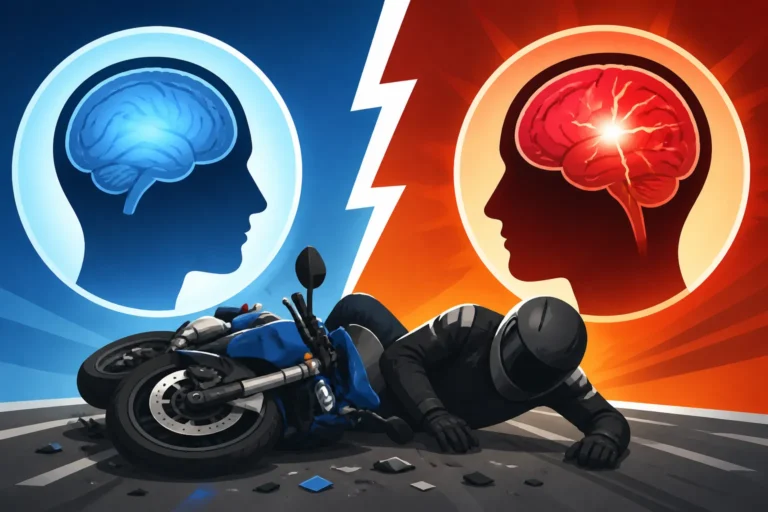
A concussion is technically a mild traumatic brain injury (mTBI) resulting from a sudden jolt or blow to the head or body that causes your brain to move rapidly back and forth inside your skull. This violent motion can stretch and damage brain cells, disrupt normal brain function, and even cause chemical changes. It's not about losing consciousness – many people with concussions never "black out." Instead, it's about a disruption to your brain's processing capabilities. Think of it like a computer that's been violently shaken; it might still turn on, but its internal components could be damaged, leading to glitches, slow processing, or unexpected shutdowns. The sheer force often involved in a motorcycle accident makes the brain particularly vulnerable to this kind of trauma, even when wearing a helmet.
Common Symptoms to Watch For
The tricky thing about concussions is that symptoms can vary wildly from person to person, and they don't always appear immediately. Some might feel off right away, while for others, symptoms might creep in hours or even days later, which is why it's crucial to be aware of Delayed Symptoms After a Motorcycle Crash. It's not just about headaches; a concussion can manifest in physical, cognitive, emotional, and sleep-related ways.
Here’s a breakdown of what you might experience:
- Physical Symptoms: Headaches (often described as a pressure sensation), neck pain, nausea or vomiting, dizziness or balance problems, sensitivity to light or noise, blurred or double vision, feeling dazed or stunned. You might even experience ringing in your ears.
- Cognitive Symptoms: Difficulty thinking clearly, feeling "foggy," trouble concentrating, memory problems (especially with recent events or conversations), feeling slowed down. You might struggle to follow conversations or remember simple tasks.
- Emotional Symptoms: Irritability, sadness, anxiety, increased emotionality. These can be particularly distressing as they affect your personality and interactions with loved ones.
- Sleep Symptoms: Drowsiness, sleeping more than usual, sleeping less than usual, trouble falling asleep. Disrupted sleep patterns can significantly impact your recovery and overall well-being.
Why Early Recognition is Crucial
Ignoring or downplaying concussion symptoms can have serious consequences. Early recognition and proper medical attention can significantly influence your recovery trajectory and mitigate the risk of more severe complications down the line. If you or someone you know experienced any head trauma in a motorcycle accident, even if they seemed fine initially, getting checked out by a medical professional is non-negotiable. Don't let pride or the urge to "tough it out" endanger your brain health. Ignoring symptoms can also jeopardize any future legal claim, as insurance companies often scrutinize delays in seeking medical care. It's a foundational step in What to Do Immediately After a Motorcycle Accident and safeguarding your long-term health.
Navigating Concussion Treatment and Recovery
Once a concussion is suspected or diagnosed, the focus shifts to treatment and a structured recovery plan. This isn't a "one size fits all" process; it requires careful monitoring and often a team of healthcare professionals. The goal is to allow your brain to heal without exacerbating the injury or prolonging your symptoms.
Initial Medical Assessment and Diagnosis
Immediately after a motorcycle accident involving head trauma, even if you feel okay, it’s imperative to seek medical attention. Why You Should See a Doctor Even If You Feel Fine cannot be stressed enough. Emergency medical personnel or doctors in an urgent care or emergency room setting will conduct an initial assessment. This typically involves neurological exams to check your balance, coordination, reflexes, memory, and concentration. They'll ask about the accident, your symptoms, and your medical history. While a standard CT scan or MRI may not directly show a concussion (as it's a functional rather than structural injury in many cases), they are crucial for ruling out more severe brain injuries like bleeding or swelling. The formal diagnosis often relies heavily on your reported symptoms and the results of the neurological examination. This diligent documentation becomes critical if you need to file a Motorcycle Accident Traumatic Brain Injury: Claims and Compensation claim later on.
Rest and Symptom Management
The cornerstone of concussion treatment is rest – both physical and cognitive. This means more than just kicking back on the couch. Your brain needs a break from activities that require concentration or mental exertion.
- Physical Rest: Avoid strenuous activities, sports, heavy lifting, or anything that could put you at risk of another head injury. Even light exercise might need to be paused initially.
- Cognitive Rest: This is often harder for people to grasp. It means limiting activities that strain your brain, such as reading, watching TV, playing video games, using computers or smartphones, and even complex social interactions. Bright lights and loud noises should also be minimized. This can feel isolating and frustrating, especially for active individuals, but it's vital for recovery.
- Symptom Management: Your doctor might recommend over-the-counter pain relievers for headaches, but always follow medical advice. Avoid anything that might mask symptoms or interfere with your brain's natural healing process. Managing sleep disturbances is also key, often through maintaining a consistent sleep schedule and creating a dark, quiet sleep environment.
The path to recovery is often gradual. Think of it as slowly reintroducing activities. Once symptoms start to subside, your doctor will guide you through a step-by-step process of returning to normal activities, whether it's school, work, or hobbies. Pushing too hard, too fast can lead to a relapse of symptoms or even prolong your recovery.
Rehabilitation and Specialized Therapies
While rest is crucial, it's not the only component, especially for symptoms that linger. Depending on the specific symptoms you're experiencing, your doctor might recommend specialized rehabilitation.
- Vestibular Therapy: If you're struggling with dizziness or balance issues, a physical therapist specializing in vestibular rehabilitation can provide exercises to help your brain compensate for inner ear dysfunction.
- Vision Therapy: For problems with blurred vision, eye strain, or difficulty tracking objects, an optometrist or occupational therapist can offer vision-specific exercises.
- Cognitive Therapy: If memory, concentration, or problem-solving skills are affected, a neuropsychologist or occupational therapist can work with you on strategies to retrain your brain and improve these functions. This might involve memory exercises, organizational techniques, or strategies for managing mental fatigue.
- Psychological Support: Emotional symptoms like anxiety, depression, or irritability are common after a concussion. Therapy with a psychologist or counselor can provide coping mechanisms, support, and strategies for managing these emotional shifts. In some cases, medication might be considered.
These therapies are designed to help your brain rebuild neural pathways and adapt to any persistent challenges. The more diligently you follow these personalized plans, the better your chances for a fuller recovery.
Understanding the Long-Term Impact of Motorcycle Concussions
While many people recover from a single concussion within weeks or a few months, some unfortunately experience symptoms that persist for much longer, sometimes indefinitely. The long-term impact of a motorcycle concussion can dramatically alter a person's life, affecting their ability to work, socialize, and enjoy their favorite activities.
Potential Lingering Symptoms and Complications
Even after the initial recovery period, some individuals may find themselves grappling with persistent issues. These aren't just minor annoyances; they can significantly impact quality of life.
- Persistent Headaches and Migraines: Chronic headaches are a common complaint, sometimes evolving into full-blown migraines that can be debilitating.
- Cognitive Deficits: Difficulties with concentration, memory, and mental processing speed can continue, making it challenging to perform complex tasks at work or school.
- Emotional and Mood Disorders: Heightened anxiety, depression, irritability, and sudden mood swings can become long-standing issues, affecting relationships and overall emotional well-being.
- Sleep Disturbances: Chronic insomnia or other sleep disorders can develop, leading to fatigue and further exacerbating other symptoms.
- Sensitivity to Stimuli: Ongoing sensitivity to light, sound, or even certain smells can make everyday environments uncomfortable or overwhelming.
These lingering symptoms can be particularly frustrating because they are often invisible to others, leading to a sense of isolation and misunderstanding. Documenting these experiences and their impact on your daily life is crucial for How to Document Injuries for a Claim.
Post-Concussion Syndrome Explained
When concussion symptoms persist for weeks, months, or even a year or more after the initial injury, it’s often diagnosed as Post-Concussion Syndrome (PCS). PCS isn't a separate injury but rather a collection of persistent symptoms stemming from the original concussion. It's not fully understood why some people develop PCS and others don't, but factors like the severity of the initial injury, individual vulnerability, and even psychological components can play a role.
The symptoms of PCS are essentially the prolonged version of acute concussion symptoms: chronic headaches, dizziness, fatigue, cognitive problems (like brain fog and memory issues), irritability, anxiety, and depression. Living with PCS can be incredibly challenging, affecting employment, personal relationships, and overall life satisfaction. For example, a rider who prided themselves on their sharp memory and quick wit might find themselves struggling to recall names or complete simple calculations, leading to immense frustration and even career changes. This severe impact can significantly influence Types of Damages in a Motorcycle Accident Claim and the overall value of your claim.
| Symptom Category | Acute Concussion Symptoms (Immediate/Short-Term) | Post-Concussion Syndrome (Long-Term/Persistent) |
|---|---|---|
| Physical | Headache, nausea, dizziness, sensitivity to light/noise, blurred vision, fatigue | Chronic headaches/migraines, persistent dizziness, chronic fatigue, balance issues, neck pain, tinnitus |
| Cognitive | Difficulty thinking, slowed processing, memory problems, concentration issues | Lingering "brain fog," severe memory deficits, executive dysfunction, reduced processing speed, difficulty multitasking |
| Emotional | Irritability, sadness, anxiety, emotional lability | Chronic anxiety, depression, mood swings, increased irritability, heightened stress response, personality changes |
| Sleep | Drowsiness, insomnia, more/less sleep than usual | Persistent insomnia, disrupted sleep cycles, non-restorative sleep, excessive daytime sleepiness |
The Importance of Ongoing Care and Support
Managing the long-term impacts of a concussion, especially PCS, requires ongoing medical and psychological support. This isn't a journey you should undertake alone. Regular follow-ups with neurologists, neuropsychologists, and therapists are essential to monitor symptoms, adjust treatment plans, and provide strategies for coping. Support groups can also be invaluable, connecting you with others who understand the unique challenges of living with a brain injury. Furthermore, considering your prognosis is critical for any legal action. How Injury Severity Affects Compensation heavily relies on expert medical opinions regarding the long-term outlook and the need for future care.
Protecting Your Health and Your Claim After a Concussion
A motorcycle accident concussion isn't just a medical event; it often has significant legal and financial implications. The process of proving your injury and its impact can be complex, especially when symptoms are invisible or delayed.
Documenting Your Injury and Treatment
After a concussion, rigorous documentation is your best friend. Every medical visit, every symptom, every conversation with a doctor needs to be recorded. This isn't just for your memory; it builds a strong foundation for your health and any potential claim.
- Seek Immediate Medical Attention: As emphasized earlier, this is paramount. The initial medical report is crucial for establishing a link between the accident and your injury. Delays can give insurance companies grounds to dispute the cause.
- Maintain Detailed Medical Records: Keep copies of all diagnostic tests, doctor's notes, prescriptions, and referrals. This provides a clear, chronological record of your treatment. How Medical Records Support Your Claim cannot be overstated.
- Keep an Injury Journal: Document your daily symptoms, how they fluctuate, and how they impact your ability to perform daily tasks, work, or engage in hobbies. Note any cognitive difficulties, emotional changes, or sleep problems. This personal account can provide powerful evidence of your suffering, contributing to non-economic damages like Pain and Suffering Damages Explained.
- Follow All Medical Advice: Adhering strictly to your doctor's recommendations for rest, medication, and therapy shows that you are taking your recovery seriously. Deviating from treatment plans can be used by insurance adjusters to argue that your injuries are not as severe as claimed or that you are contributing to your own prolonged recovery.
Legal Considerations for Concussion Claims
Concussion claims are often more challenging than claims for visible injuries like broken bones, largely because the damage is internal and often subjective. Insurance companies and their adjusters are notorious for downplaying head injuries. They might argue that your symptoms are pre-existing, exaggerated, or unrelated to the accident, especially if there was a delay in diagnosis or treatment.
- Proving the Link to the Accident: A strong causal link between the motorcycle accident and your concussion is critical. This is where immediate medical attention and consistent documentation come into play.
- Understanding Damages: A concussion claim seeks compensation for both Economic vs Non-Economic Damages Explained. Economic damages include medical bills (past and future), lost wages, and rehabilitation costs. Non-economic damages cover your pain and suffering, emotional distress, and loss of enjoyment of life.
- The "Helmet Defense": In some states, if you weren't wearing a DOT-compliant helmet, the defense might argue that your injuries would have been less severe had you been wearing one. This doesn't necessarily bar your claim but could potentially reduce your compensation. Understanding Motorcycle Helmet Laws by State and The Helmet Defense Explained is crucial.
- Comparative Negligence: If you were found partially at fault for the accident, your compensation might be reduced according to your state's comparative negligence laws. This is why proving the other driver's fault is so important, especially in cases involving Common Causes of Motorcycle Accidents.
- Expert Medical Testimony: In cases of severe or prolonged concussion symptoms, expert medical testimony from neurologists or neuropsychologists is often required to substantiate the extent of your injuries and their long-term prognosis. Their professional assessment is vital for quantifying future medical needs and the overall impact on your life.
Navigating these complexities while also focusing on your recovery is a monumental task. That's why many riders choose to consult with a qualified attorney who understands the nuances of motorcycle accident claims and can advocate for their rights. They can help you with gathering evidence, dealing with insurance companies, and ensuring you receive fair compensation for your injuries.
Disclaimer
The information provided in this guide is intended for general informational purposes only and does not constitute legal or medical advice. Every motorcycle accident and injury claim is unique. It is essential to consult with qualified medical professionals for any health concerns and experienced legal counsel for advice regarding your specific situation.