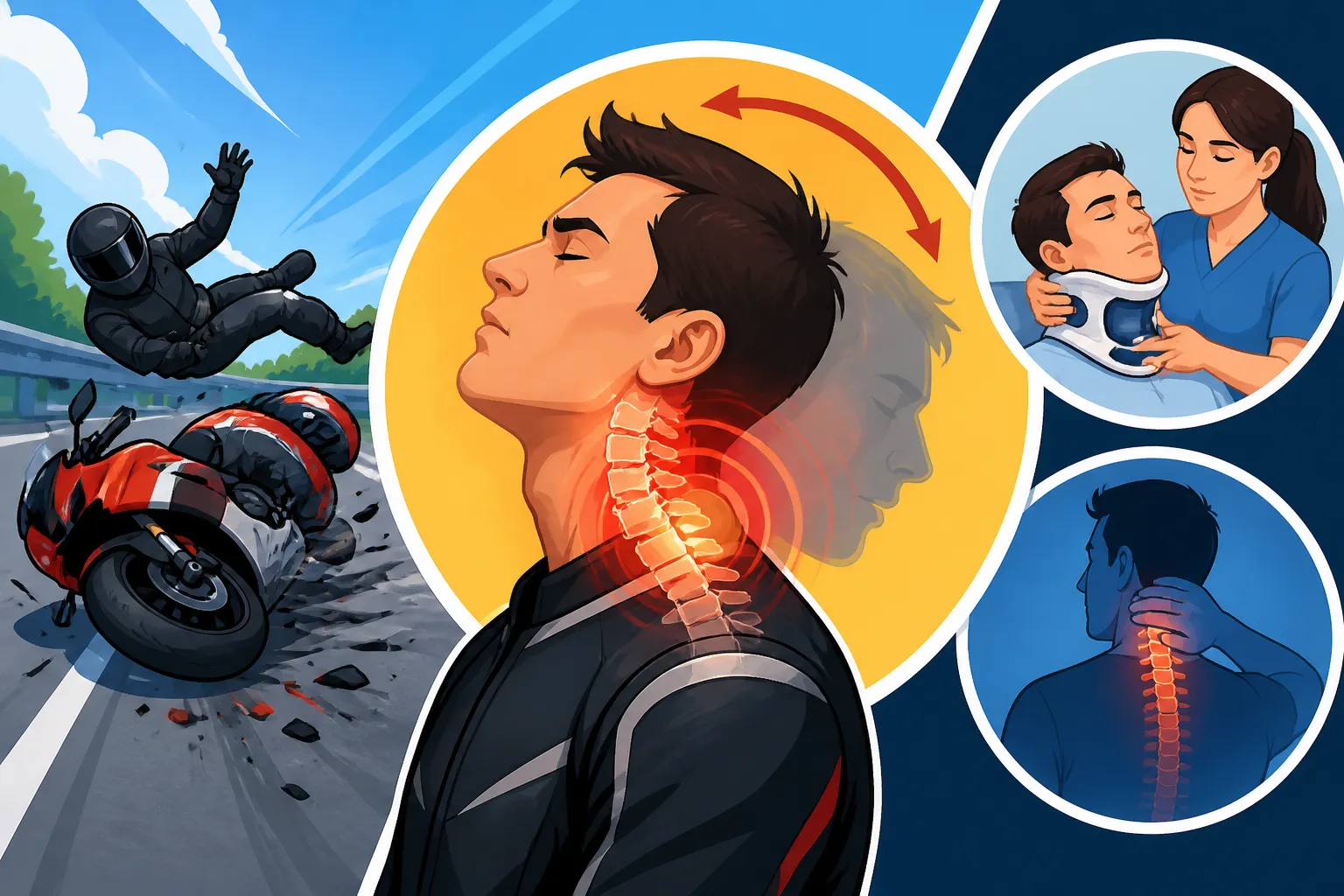
Motorcycle Whiplash: Treatment and Long-Term Impact
It’s a common scenario after a motorcycle accident: you’re focused on the obvious injuries – that broken arm, the nasty road rash, or maybe even a concussion. But then, a few days or even weeks later, that persistent ache in your neck starts, maybe accompanied by headaches or a strange tingling. Many riders dismiss it as "just a stiff neck" or "whiplash," a term often downplayed in common conversation. However, whiplash after a motorcycle crash is far from minor; it can be incredibly debilitating, leading to chronic pain and a host of other frustrating symptoms that can impact your life for months or even years. This guide will delve deep into understanding motorcycle whiplash, its treatment paths, and the often-overlooked long-term consequences, so you’re fully prepared to address it.
The Insidious Nature of Whiplash in Motorcycle Accidents
When you’re riding a motorcycle, you don’t have the protective cage of a car or the benefit of a headrest to brace you during an impact. This makes riders especially vulnerable to sudden, violent movements of the head and neck, which is precisely what causes whiplash. It’s more than just a stiff neck; it's a complex injury to the soft tissues of your cervical spine.
What Exactly Is Whiplash?
At its core, whiplash, medically known as cervical acceleration-deceleration (CAD) syndrome, occurs when your head is suddenly and forcefully thrown backward (hyperextension) and then forward (hyperflexion), like the crack of a whip. This rapid, uncontrolled motion can stretch and tear the muscles, ligaments, and tendons in your neck and upper back. It can also injure the intervertebral discs and even irritate nerve roots. Imagine the force of an impact, even a seemingly minor one, twisting and jolting your head while your body remains relatively fixed to the bike. That’s the recipe for whiplash.
The unique mechanics of a motorcycle crash, where there's often direct impact and no seatbelt to restrict upper body movement, mean that the forces exerted on a rider's neck can be far more intense than in a typical car collision. Your helmet, while critical for protecting your brain, adds weight to your head, which can exacerbate the whiplash effect during a sudden deceleration or impact. Even a relatively minor fender bender can cause significant whiplash in a rider, simply because of this lack of a headrest and the open-air vulnerability. This is also why understanding the mechanics of specific types of crashes, like those from a rear-end collision, is so important.
Why Whiplash Symptoms Are Often Delayed
One of the most frustrating aspects of whiplash is that symptoms rarely appear immediately. In the immediate aftermath of a motorcycle accident, your body is flooded with adrenaline. This natural physiological response can mask pain and other symptoms, leaving you feeling relatively okay, even if significant damage has occurred. You might be preoccupied with assessing your motorcycle’s damage, exchanging information, or simply processing the shock of the event.
It's typically in the days following the crash – once the adrenaline wears off and inflammation sets in – that the true discomfort begins. You might wake up with a stiff neck, a dull ache that worsens with movement, or even a sharp pain when you turn your head. This delay can lead many to underestimate the severity of their injury or even question if it's related to the accident at all. However, it's a classic hallmark of whiplash, and it's precisely why seeking medical attention immediately after a crash, regardless of how you feel, is always the wisest course of action. Delaying medical care can not only prolong your recovery but also complicate any potential personal injury claim, as insurance companies often look for gaps in treatment to diminish the severity of an injury.
Immediate Treatment and Diagnosis for Whiplash
Ignoring neck pain after a motorcycle accident is one of the biggest mistakes you can make. What seems like a minor stiffness could be the precursor to chronic issues. Proper diagnosis and immediate treatment are crucial, not only for your physical well-being but also for the strength of any future claim.
The Importance of Prompt Medical Attention
I can’t stress this enough: see a doctor right away. Even if you feel "fine" or just a little sore, get checked out. As we just discussed, whiplash symptoms are notoriously delayed. A medical professional can evaluate you, document your condition, and rule out more serious injuries like fractures or disc herniations, which can sometimes present similarly to whiplash in their early stages. Early diagnosis also means early intervention, which can significantly improve your prognosis and reduce the likelihood of long-term complications.
Think of it this way: your body just endured a significant traumatic event. Even if you walked away from the scene, your spine and surrounding soft tissues were subjected to extreme forces. A quick check-up at an urgent care clinic or your primary physician is a small price to pay for peace of mind and, more importantly, for setting the stage for proper recovery. It’s a vital step in what to do immediately after a motorcycle accident. This initial medical record will be the bedrock of your injury claim, directly linking your whiplash to the motorcycle crash.
Diagnostic Process and Initial Treatments
When you visit a doctor for neck pain after an accident, they’ll typically start with a thorough physical examination. They’ll assess your range of motion, check for tenderness, and look for any neurological signs like numbness or tingling in your arms and hands, which could indicate nerve involvement.
While whiplash itself primarily involves soft tissue injuries that don't show up on standard X-rays, imaging tests are still incredibly important.
- X-rays are usually the first step to rule out bone fractures or dislocations in your cervical spine.
- CT scans (Computed Tomography) might be used if a fracture is suspected or if more detailed bone imaging is needed.
- MRI scans (Magnetic Resonance Imaging) are the most effective for visualizing soft tissues. An MRI can reveal damage to ligaments, tendons, muscles, and intervertebral discs, which is often the true culprit behind persistent whiplash pain.
Once a diagnosis of whiplash is made, initial treatment often focuses on pain management and restoring normal function. This usually includes:
- Rest: Limiting activities that aggravate your neck pain.
- Ice and Heat: Alternating ice packs to reduce inflammation and heat packs to relax muscles can be very effective.
- Over-the-Counter Pain Relievers: NSAIDs like ibuprofen or naproxen can help manage pain and inflammation.
- Muscle Relaxants: Your doctor might prescribe these for severe muscle spasms.
- Soft Cervical Collar (for short-term use): While once common, these are now used sparingly and for very short periods, as prolonged immobilization can actually hinder recovery. The goal is to encourage gentle movement rather than complete stillness.
The key here is to follow your doctor’s recommendations diligently. Don't try to tough it out or self-diagnose. Your body has been through a lot, and it needs professional care to heal correctly.
Long-Term Impacts and Ongoing Care
Many people assume whiplash is a temporary inconvenience, a pain that will simply fade away in a few weeks. For some, thankfully, that’s true. But for a significant number of motorcycle accident victims, whiplash can evolve into a chronic condition with far-reaching consequences that extend well beyond just neck pain. These long-term effects of motorcycle injuries can profoundly affect your quality of life, your ability to work, and your overall well-being.
The Shadow of Chronic Pain and Stiffness
When whiplash symptoms persist for more than a few months, it's often classified as chronic whiplash-associated disorder (WAD). This means the initial injury has led to ongoing issues that can be incredibly debilitating.
- Chronic Neck Pain: This can range from a dull ache to sharp, stabbing pains that radiate into the shoulders and upper back. It might be constant or triggered by specific movements, making everyday tasks like driving, working at a computer, or even just sleeping comfortably a struggle.
- Stiffness and Reduced Range of Motion: The soft tissues of the neck can become fibrotic and scarred, leading to permanent limitations in how far you can turn, tilt, or extend your head. This loss of flexibility can make looking over your shoulder to check blind spots, or even just participating in hobbies you once loved, extremely difficult.
- Muscle Weakness and Spasms: Chronic whiplash can weaken the deep stabilizing muscles of the neck, leading to persistent spasms and a feeling of instability. This can further exacerbate pain and make your neck feel constantly vulnerable.
These physical limitations aren't just uncomfortable; they can significantly impact your independence and enjoyment of life. Imagine being a rider who loves hitting the open road, only to find that turning your head to check traffic is now a painful ordeal.
Beyond the Neck: Headaches, Dizziness, and Cognitive Fog
The effects of whiplash often aren't confined to the neck itself. The intricate network of nerves, muscles, and blood vessels in the neck is closely linked to the head and brain, meaning whiplash can trigger a cascade of secondary symptoms:
- Headaches: Cervicogenic headaches, which originate in the neck but are felt in the head, are very common. They often present as a dull ache at the base of the skull, radiating to the temples or behind the eyes. Migraine-like headaches can also occur.
- Dizziness and Vertigo: Damage to the structures in the neck can affect the vestibular system, leading to feelings of imbalance, lightheadedness, or spinning sensations. This can be particularly dangerous for a rider, even when they're not on the bike, affecting stability and coordination.
- Cognitive Issues ("Brain Fog"): Many chronic whiplash sufferers report difficulty concentrating, memory problems, irritability, and even increased sensitivity to light and sound. While not a direct brain injury, the constant pain, disturbed sleep, and neurological irritation can profoundly impact cognitive function. This can sometimes be confused with or co-occur with a mild Motorcycle Traumatic Brain Injury Claims and Compensation.
- Tinnitus: A persistent ringing or buzzing in the ears is another less common but distressing symptom associated with severe whiplash.
These symptoms can be incredibly isolating. You might look perfectly fine on the outside, but you’re struggling daily with invisible ailments that friends and family may not understand.
The Psychological Toll: Anxiety, Depression, and PTSD
Living with chronic pain and physical limitations is a heavy burden, and it often takes a significant psychological toll.
- Anxiety and Depression: The frustration of persistent pain, the inability to participate in activities you once enjoyed, financial worries due to medical bills or lost income, and the sheer unpredictability of chronic symptoms can all lead to anxiety and depression.
- Post-Traumatic Stress Disorder (PTSD): Motorcycle accidents are inherently traumatic events. The suddenness, the violence, the feeling of helplessness, and the fear of serious injury or death can trigger PTSD after a motorcycle accident. Symptoms might include flashbacks, nightmares, hyper-vigilance, and avoidance of riding or situations that remind them of the crash. This can impact sleep, relationships, and overall mental health.
Addressing these psychological impacts is just as important as treating the physical injuries. It often requires a multi-faceted approach involving therapy, support groups, and sometimes medication.
Ongoing Therapies and Management Strategies
Living with chronic whiplash usually means embracing a regimen of ongoing care aimed at managing symptoms and improving function.
- Physical Therapy: This is often the cornerstone of whiplash recovery. A physical therapist will guide you through exercises to strengthen neck muscles, improve flexibility, and restore proper posture. They might also use techniques like manual therapy, ultrasound, or electrical stimulation. Consistent adherence to physical therapy exercises is paramount for long-term improvement.
- Chiropractic Care: Many individuals find relief through chiropractic adjustments, which aim to restore proper alignment of the cervical spine. It's important to find a reputable chiropractor experienced in treating accident-related injuries.
- Massage Therapy: Therapeutic massage can help alleviate muscle tension, reduce spasms, and improve blood flow to injured tissues.
- Pain Management Specialists: For severe chronic pain, a pain management doctor might offer more advanced treatments like nerve blocks, steroid injections, or radiofrequency ablation to target specific pain generators.
- Acupuncture: Some people find acupuncture helpful for pain relief and muscle relaxation.
- Mind-Body Techniques: Practices like yoga, meditation, and mindfulness can help manage chronic pain, reduce stress, and improve overall well-being.
- Medication Management: This might involve prescription-strength NSAIDs, nerve pain medications (like gabapentin or pregabalin), or sometimes antidepressants, which can also help with chronic pain.
It’s a journey, not a sprint, and finding the right combination of therapies often involves trial and error. The goal is always to improve function, reduce pain, and prevent further deterioration, allowing you to regain as much of your pre-accident life as possible.
Documenting Whiplash for Your Claim
When you're dealing with whiplash after a motorcycle accident, the injury can feel frustratingly invisible. Unlike a broken bone that shows up clearly on an X-ray, soft tissue injuries like whiplash are often harder to "prove" definitively. This makes meticulous documentation absolutely vital for your personal injury claim. Insurance companies, unfortunately, are often skeptical of whiplash claims, frequently attempting to downplay their severity or even suggest they're fabricated. Therefore, a robust collection of evidence is your best defense.
The Paper Trail: Medical Records and Doctor's Notes
Every single visit to a medical professional, from the emergency room to your physical therapy sessions, generates critical documentation.
- Initial Medical Reports: The first report from the ER or urgent care is crucial. It establishes that you sought immediate medical attention and directly links your symptoms to the motorcycle accident. It should detail your complaints, the physical examination findings, and any initial diagnoses.
- Doctor’s Notes and Progress Reports: Every follow-up visit with your primary care physician, specialist (neurologist, orthopedist), or pain management doctor should generate detailed notes. These notes should document your ongoing symptoms, their severity, how they impact your daily life, and the prescribed treatments. Consistency in reporting your pain and symptoms is key here.
- Physical and Chiropractic Therapy Records: These records are invaluable. They show your commitment to treatment, the specific therapies you're undergoing, your progress (or lack thereof), and the therapist's assessment of your functional limitations and prognosis. Attendance records are also important – showing up for every session demonstrates the necessity of your treatment.
- Prescription Records: Keep track of all medications prescribed for your whiplash, including pain relievers, muscle relaxants, or nerve pain medications. This further substantiates the medical necessity of your treatment.
This continuous chain of medical documentation paints a clear picture of your injury, its progression, and the medical costs you're incurring. It directly counters any claims by the insurance company that your injury is minor or unrelated to the accident. This is how medical records support your claim in a powerful way.
Personal Journals and Impact Statements
While medical records provide the objective clinical data, your personal account offers the subjective, yet equally powerful, narrative of how whiplash has affected your life.
- Injury Journal: Start a detailed journal as soon as possible after the accident. Day by day, or at least weekly, record:
- Your pain levels (on a scale of 1-10).
- Specific symptoms (headaches, dizziness, stiffness, tingling, etc.).
- How these symptoms impact your daily activities (difficulty sleeping, inability to ride, trouble lifting groceries, missing work, struggling with household chores).
- Your emotional state (frustration, sadness, anxiety, difficulty concentrating).
- Any conversations with doctors or therapists.
- Medication effectiveness and side effects.
This journal is an authentic, ongoing record of your suffering and limitations, and it can be incredibly compelling in demonstrating the real-world impact of your whiplash. It helps document your recovery in your own words.
- Impact Statements: These are more formalized narratives that detail how the whiplash has changed your life. You might describe how you can no longer enjoy motorcycle rides, participate in hobbies, play with your children, or perform job duties effectively. These statements help quantify "pain and suffering" damages, which are a significant component of many injury claims. They put a human face on your medical records and can be instrumental in demonstrating the non-economic losses you've endured.
Why Insurance Companies Often Downplay Whiplash
It’s a sad reality, but insurance companies are businesses, and their goal is to minimize payouts. Whiplash is a common target because it’s a "soft tissue" injury – meaning there’s often no visible sign like a cast or external wound, and the pain is subjective. Insurers might argue:
- "It’s just a minor sprain." They’ll try to categorize it as something that should heal quickly and with minimal intervention.
- "You waited too long to see a doctor." Any gap in treatment, even a few days, can be used against you to suggest your injury isn't severe or wasn't caused by the accident.
- "You have pre-existing conditions." They might try to attribute your neck pain to old injuries, degenerative conditions, or even stress, rather than the accident.
- "You're exaggerating your symptoms." This is perhaps the most infuriating tactic, but without solid documentation, it's a claim they will often make.
This is why your diligent documentation, coupled with consistent medical treatment and an unwavering commitment to your recovery, is so critical. It provides the objective and subjective evidence needed to counter these common insurance company tactics. When fault is disputed in a motorcycle crash or the severity of injuries is questioned, strong evidence of whiplash can be crucial.
Here's a quick reference table summarizing common whiplash symptoms and their potential long-term implications:
| Whiplash Symptom Group | Common Manifestations | Potential Long-Term Impact |
|---|---|---|
| Pain & Stiffness | Neck pain (dull/sharp), shoulder pain, upper back pain, reduced neck mobility | Chronic pain syndrome, persistent stiffness, degenerative changes in spine |
| Head & Face | Headaches (cervicogenic), jaw pain (TMJ), blurred vision, eye strain | Chronic headaches/migraines, impaired vision, persistent jaw discomfort |
| Neurological | Dizziness, vertigo, tingling/numbness in arms/hands, difficulty balancing | Chronic dizziness, sensory disturbances, nerve damage |
| Cognitive | Difficulty concentrating, memory problems, irritability, "brain fog," fatigue | Chronic fatigue, mood disorders, reduced cognitive function, job performance issues |
| Psychological | Anxiety, depression, sleep disturbances, increased stress sensitivity | PTSD, chronic anxiety/depression, social isolation, reduced quality of life |
Remember, your health is paramount, and protecting your legal rights goes hand-in-hand with prioritizing your recovery.
Disclaimer
Please remember that this article provides general information and is not a substitute for professional medical or legal advice. Every motorcycle accident and injury claim is unique. You should consult with a qualified medical professional for diagnosis and treatment of any injuries, and a personal injury attorney specializing in motorcycle accidents for advice regarding your specific legal situation.