Motorcycle Spinal Cord Injury: Treatment and Long-Term Impact
The moment a motorcycle accident happens, everything can change in an instant. For many riders, the most terrifying outcome is a spinal cord injury – a life-altering event that brings with it a whirlwind of medical emergencies, complex treatments, and an uncertain future. If you or someone you love has faced this devastating reality, you're likely grappling with profound questions about what comes next, what treatment truly entails, and how this injury will shape the rest of your life. This guide is here to walk you through the intricate journey of a motorcycle spinal cord injury, from the immediate aftermath to the long-term impacts and care.
Understanding Spinal Cord Injuries from Motorcycle Crashes
A spinal cord injury (SCI) is a catastrophic event, especially when it occurs during the high-impact trauma of a motorcycle accident. Unlike a broken bone that might heal, damage to the spinal cord often leads to permanent changes in strength, sensation, and other bodily functions below the site of the injury. It's not just a physical wound; it's an upheaval of a person's entire existence, challenging their independence and redefining their everyday life.
What Exactly Is a Spinal Cord Injury
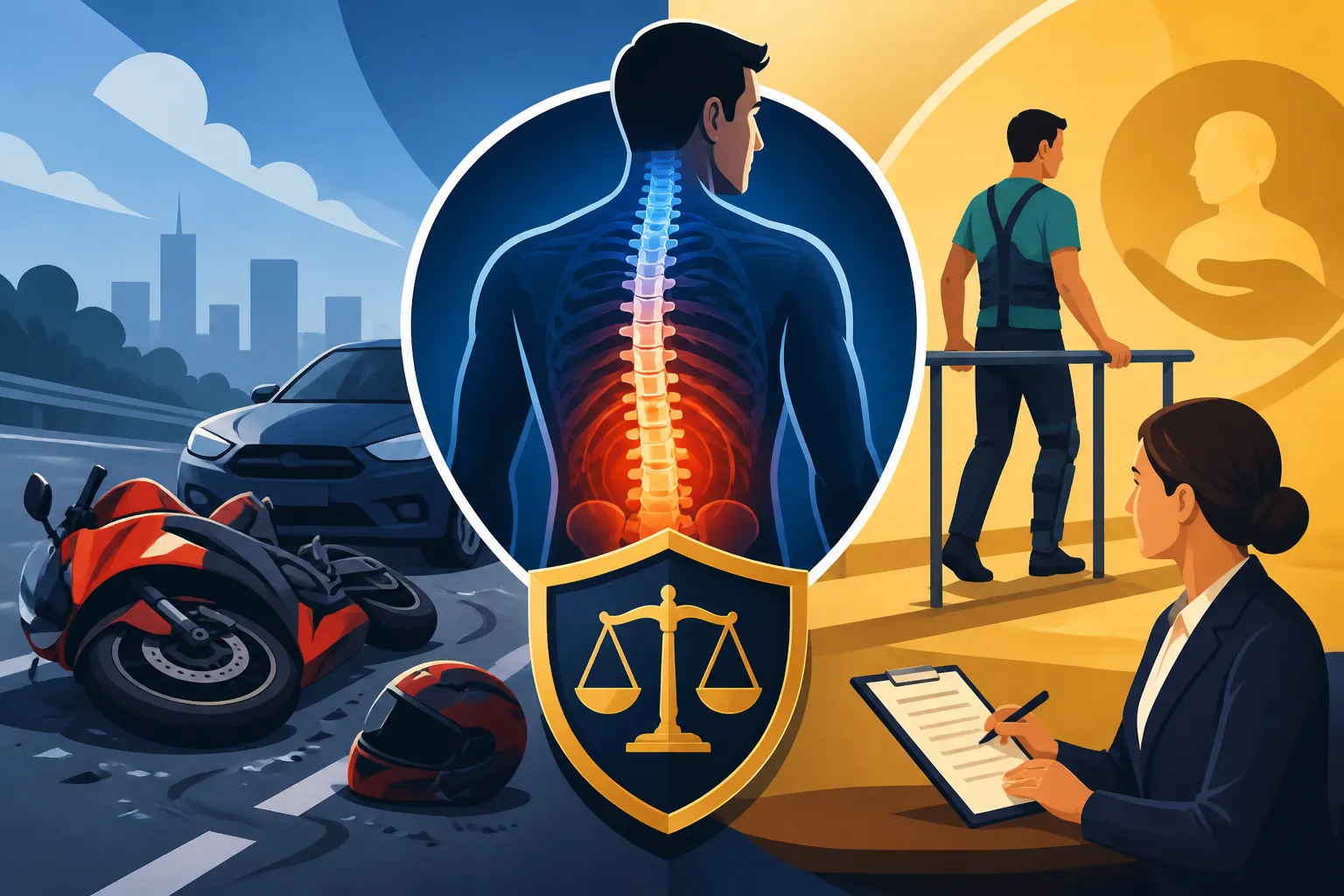
Let's break it down simply. Your spinal cord is like the superhighway connecting your brain to the rest of your body, running down the center of your spine. It's encased and protected by your vertebrae. When a motorcycle crash causes a violent impact, severe twists, or crushing forces, these protective vertebrae can fracture or dislocate, leading to direct damage to the delicate nerves of the spinal cord itself. This damage disrupts the messages traveling between your brain and body, leading to a loss of function. The severity of the injury depends heavily on where along the spinal cord the damage occurs (the higher up, the more widespread the impact) and whether the injury is complete or incomplete.
Common Mechanisms of Spinal Cord Injury in Motorcycle Accidents
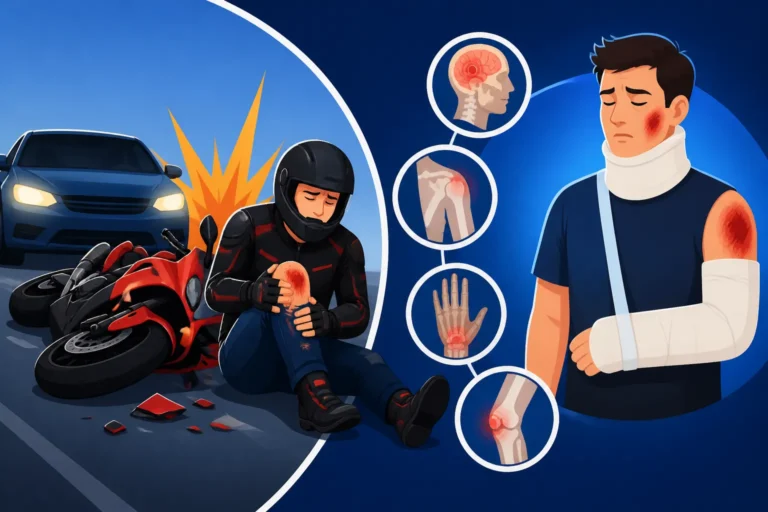
Motorcycle accidents are particularly brutal when it comes to spinal cord injuries due to the lack of external protection for the rider. Imagine the force involved when a 400-pound machine and a human body hit the pavement or another vehicle at speed. The typical mechanisms often involve hyperflexion (forward bending), hyperextension (backward bending), compression (vertical crushing), or rotation of the spine. For example, in a head-on collision, a rider might be thrown forward, causing severe whiplash and potential overextension of the neck, leading to cervical (neck) spine injury. A rear-end collision could lead to sudden compression. Or, if a rider is ejected and lands awkwardly, the impact can directly compress or fracture vertebrae in the thoracic (mid-back) or lumbar (lower back) regions. These forces are immense, often overwhelming the natural protective mechanisms of the spine, resulting in devastating injuries that might never fully heal. This is why understanding Common Causes of Motorcycle Accidents is so crucial for prevention.
Complete vs Incomplete Spinal Cord Injuries
When we talk about SCIs, doctors often classify them as either "complete" or "incomplete." This distinction is absolutely critical because it dictates the prognosis and the recovery journey.
A complete spinal cord injury means there is a total loss of motor function and sensation below the level of the injury. If you have a complete injury at, say, the T6 (mid-back) level, it typically means no movement or feeling in your legs, torso, and possibly some abdominal muscles. These injuries often result in paraplegia (paralysis affecting the lower half of the body) or quadriplegia/tetraplegia (paralysis affecting all four limbs and torso). This is the most severe form, and while some medical advancements offer glimmers of hope, significant recovery of function is less common.
An incomplete spinal cord injury, on the other hand, means there is some preserved motor or sensory function below the level of injury. This is a huge difference! Even if it's just a tiny bit of sensation or muscle movement, it indicates that the spinal cord isn't completely severed or destroyed. Recovery can be much more variable and potentially more extensive with incomplete injuries, as the remaining neural pathways can sometimes be strengthened or retrained. This might mean being able to move a limb slightly, feel some pressure, or even retain some bowel or bladder control. The journey for an incomplete SCI can be a roller coaster of small gains and intense rehabilitation, offering a different kind of hope and challenge.
| Feature | Complete Spinal Cord Injury | Incomplete Spinal Cord Injury |
|---|---|---|
| Definition | Total loss of motor and sensory function below injury. | Partial preservation of motor or sensory function below injury. |
| Recovery | Limited potential for significant functional recovery. | Greater potential for functional recovery, highly variable. |
| Impact | Often results in full paraplegia or quadriplegia. | May result in varying degrees of weakness, numbness, or partial paralysis. |
| Prognosis | Generally less optimistic for regaining lost function. | More optimistic for regaining some function and independence. |
| Rehabilitation | Focus on adaptation, assistive devices, and preventing secondary complications. | Focus on maximizing existing function, strengthening, and relearning skills. |
Initial Treatment and Medical Interventions for SCIs
The moments immediately following a motorcycle accident that results in a spinal cord injury are absolutely critical. This initial phase, often called the "golden hour," can significantly influence the extent of damage and a rider's long-term prognosis. It’s a blur of emergency response, life-saving procedures, and rapid medical decision-making aimed at stabilizing the spine and preventing further neurological deterioration.
Emergency Response and Stabilization
When paramedics arrive at the scene of a motorcycle crash, their first priority with a suspected spinal cord injury is immobilization. This means carefully securing the rider's head and neck with a cervical collar and placing them on a rigid backboard. The goal is to prevent any movement that could cause additional damage to the already compromised spinal cord. Any slight shift could turn an incomplete injury into a complete one, or worsen an existing one, leading to more profound and permanent paralysis. They'll also focus on maintaining vital signs – ensuring the rider can breathe, has a stable heart rate, and is not bleeding excessively. From the accident scene, the rider is rushed to the nearest trauma center, often by helicopter, where a specialized team is ready to take over. This rapid, coordinated response is crucial, as every minute counts in minimizing secondary injury to the spinal cord. It highlights why knowing What to Do After a Motorcycle Accident is so important, even in a traumatic state.
Surgical Intervention for Spinal Cord Injuries
Once at the hospital, diagnostic imaging like X-rays, CT scans, and MRIs are performed immediately to pinpoint the exact location and nature of the spinal cord damage. This is where the surgical team takes center stage. Not all spinal cord injuries require surgery, but many do, especially if there are fractured or dislocated vertebrae compressing the spinal cord, or if the spine is unstable.
The primary goals of surgery for an SCI are:
- Decompression: Removing anything that's pressing on the spinal cord, such as bone fragments, herniated discs, or hematomas (blood clots). This can involve laminectomy (removing part of the bone) or discectomy (removing part of a disc).
- Stabilization: Fusing vertebrae together with metal rods, screws, and plates to prevent further movement and protect the spinal cord. This is often done to provide immediate stability, allowing the healing process to begin in a protected environment.
- Realignment: Correcting any misaligned vertebrae to restore the natural curvature of the spine and ensure optimal conditions for potential nerve recovery.
The decision to operate, and the specific surgical approach, is incredibly complex and depends on a multitude of factors, including the type and severity of the injury, the patient's overall health, and the surgeon's expertise. These surgeries are highly intricate, demanding precision and a deep understanding of spinal anatomy. Recovery from such a major operation is just the beginning of a very long journey.
Early Rehabilitation and Acute Care
Following stabilization and any necessary surgery, the next critical phase begins in acute care. This isn't just about resting; it's about beginning the long, arduous process of rehabilitation while still in the hospital. As soon as the patient is medically stable, a team of specialists – including physical therapists, occupational therapists, and nurses specializing in neurological care – starts working.
Early rehabilitation focuses on:
- Preventing secondary complications: This includes vigilant monitoring for pressure sores, pneumonia, blood clots, and urinary tract infections, which are common and serious risks for SCI patients. Regular turning schedules, breathing exercises, and early mobilization (even if just passive) are vital.
- Maintaining range of motion: Therapists gently move the limbs to prevent contractures (tightening of muscles and joints), which can severely limit future function.
- Beginning functional training: Even in the acute phase, patients might start learning basic bed mobility, transfers with assistance, and strengthening exercises for any muscles that retain function.
- Education and emotional support: Patients and their families begin to learn about the SCI, its implications, and what the future might hold. Emotional support is paramount, as this period is often filled with grief, fear, and profound adjustment.
This early intervention sets the stage for more intensive rehabilitation, which typically occurs at a specialized rehab facility. It's a challenging time, filled with small victories and significant setbacks, demanding immense patience and resilience from both the patient and their care team.
The Long Road Ahead: Rehabilitation and Ongoing Care
A spinal cord injury isn't something you "recover" from in the traditional sense; it's something you adapt to, live with, and continuously manage. The journey beyond the acute hospital stay leads to specialized rehabilitation centers, followed by a lifetime of ongoing care, adjustments, and often, profound personal growth. This phase is about maximizing independence, integrating back into daily life, and addressing the myriad of challenges that an SCI presents.
Intensive Inpatient Rehabilitation
After the initial hospital stay, most individuals with significant SCIs transfer to an inpatient rehabilitation facility. These facilities are specifically designed for people with complex neurological injuries, offering an immersive environment where intense therapy is the daily norm. Here, a multidisciplinary team works collaboratively:
- Physical Therapists (PTs): Focus on strength, balance, mobility, and functional movement. This could mean learning to use a wheelchair, practicing transfers from bed to chair, or even relearning how to walk with assistive devices or braces if there’s some preserved function. For individuals with incomplete injuries, the PT's role in helping to regain lost strength and coordination is monumental.
- Occupational Therapists (OTs): Concentrate on activities of daily living (ADLs) – self-care tasks like dressing, bathing, grooming, and eating. They help adapt techniques, suggest assistive devices (like specialized utensils or dressing aids), and work on fine motor skills. For many, an OT is the key to regaining a sense of autonomy in their personal care.
- Speech-Language Pathologists (SLPs): While not always needed, SLPs can help with swallowing difficulties (dysphagia) or communication issues, especially in higher-level cervical injuries that might affect breathing and vocal cords.
- Recreational Therapists: Help individuals find new ways to enjoy hobbies, participate in sports, and engage in social activities, which is vital for mental health and quality of life.
- Psychologists and Social Workers: Provide crucial emotional support, coping strategies, and help connect individuals and families to resources and support groups.
This phase is incredibly demanding, both physically and emotionally. It requires immense determination and a willingness to push boundaries, celebrating every small gain while facing significant hurdles. It's a period of learning not just how to move, but how to live differently.
Assistive Devices and Adaptive Technologies
Living with a spinal cord injury often means relying on a variety of assistive devices and adaptive technologies. These tools are not simply conveniences; they are lifelines to independence and participation in the world. The type of equipment needed varies greatly depending on the level and completeness of the injury.
Common assistive devices include:
- Wheelchairs: Manual or power wheelchairs are essential for mobility for many. Advances in technology have led to highly customized chairs that offer comfort, maneuverability, and even standing functions.
- Braces and Orthoses: These can support weakened limbs, help with standing, or facilitate walking for individuals with partial paralysis.
- Adaptive Equipment for Daily Living: This category is vast, covering everything from shower chairs and commodes to specialized eating utensils, dressing aids, and devices for operating electronics.
- Environmental Control Units (ECUs): For those with very limited hand function, ECUs allow control of lights, TVs, phones, and computers through voice commands, head movements, or even eye gaze.
- Vehicle Modifications: Many individuals with SCIs can drive with modified vehicles, including hand controls, power lifts, and adapted steering systems.
The process of finding, learning to use, and funding these devices can be complex and expensive. However, they are instrumental in allowing individuals to reclaim aspects of their lives, from navigating their homes to returning to work or school. This often ties into the discussion around Future Medical Costs Explained, as these are ongoing expenses.
Managing Secondary Complications and Ongoing Medical Needs
The impact of an SCI extends far beyond the initial paralysis. Individuals often face a host of secondary complications that require vigilant management and ongoing medical care. These complications can significantly affect quality of life and even be life-threatening if not properly addressed.
Some of the most common secondary complications include:
- Pressure Injuries (Bedsores): Due to loss of sensation and immobility, pressure ulcers can develop quickly and become severe. Prevention through regular repositioning, specialized cushions, and meticulous skin care is paramount.
- Autonomic Dysreflexia: A potentially life-threatening condition for those with T6 injury level or above, characterized by a sudden, dangerous rise in blood pressure. It's triggered by noxious stimuli below the injury level (e.g., full bladder, tight clothing).
- Spasticity: Involuntary muscle spasms or stiffness that can range from mild twitching to severe, painful contractions. It can interfere with movement, sleep, and daily activities.
- Bladder and Bowel Dysfunction: SCIs almost always affect bladder and bowel control, requiring careful management through catheters, medication, diet, and regular routines. This is a major area of education and adaptation.
- Chronic Pain: Neuropathic pain (nerve pain) or musculoskeletal pain is common and can be debilitating, requiring comprehensive pain management strategies.
- Respiratory Issues: High cervical injuries can impair breathing, necessitating ventilator support or frequent respiratory therapy to prevent infections like pneumonia.
- Osteoporosis: Reduced weight-bearing activity can lead to bone density loss, increasing fracture risk.
Ongoing care involves regular check-ups with specialists (neurologists, urologists, physiatrists), diligent self-care routines, and a proactive approach to prevent and manage these complications. This continuous medical oversight is a permanent aspect of life with a spinal cord injury.
Navigating the Long-Term Impact of a Spinal Cord Injury
Living with a spinal cord injury is an ongoing journey of adaptation, resilience, and often, unexpected challenges. The long-term impact ripples through every aspect of a person's life – physical, emotional, social, and financial. It’s a marathon, not a sprint, and requires a profound shift in perspective for both the injured individual and their loved ones.
Redefining Daily Life and Independence
One of the most profound long-term impacts of an SCI is the redefinition of daily life and independence. Simple tasks that were once second nature, like getting out of bed, showering, or preparing a meal, can become monumental challenges requiring extensive planning, adaptive strategies, or even direct assistance. For a former motorcycle rider who cherished freedom and autonomy, this loss of independence can be incredibly difficult to reconcile.
- Home Modifications: Most homes require significant modifications to become accessible. This can range from ramps and widened doorways to roll-in showers, accessible kitchens, and smart home technology. These changes are crucial but also costly and time-consuming.
- Personal Care: Managing bladder and bowel care, skin integrity, and dressing often requires dedicated routines and, for many, the assistance of caregivers.
- Mobility: Whether using a wheelchair, braces, or other aids, navigating the world requires constant awareness of accessibility – from finding accessible transportation to planning routes that avoid stairs or uneven terrain.
This constant negotiation with one's environment and physical limitations can be exhausting, yet many individuals with SCIs find incredible strength in adapting, innovating, and embracing new forms of independence. It's about finding new ways to achieve goals and live a fulfilling life, even if that life looks different than imagined. When considering Permanent Disability Compensation, these daily living costs are a major factor.
The Emotional and Psychological Toll
Beyond the physical wounds, a spinal cord injury inflicts deep emotional and psychological scars. The trauma of the accident, the sudden loss of function, and the overwhelming changes to one's future can lead to a complex range of mental health challenges. It’s not uncommon for individuals to experience periods of profound grief, anger, anxiety, and depression.
- Grief and Loss: Grieving the loss of physical abilities, independence, hobbies, and a perceived future is a natural and necessary part of the adjustment process. This grief can ebb and flow over many years.
- Body Image and Self-Esteem: Changes in body function and appearance can significantly impact body image and self-esteem, especially in a society that often prioritizes physical prowess.
- Anxiety and Depression: The constant challenges, fear of complications, and social isolation can contribute to anxiety disorders and clinical depression. Access to mental health professionals specializing in SCI is critical.
- Post-Traumatic Stress Disorder (PTSD): The traumatic nature of the accident itself can lead to PTSD, with flashbacks, nightmares, and heightened anxiety.
- Relationship Changes: SCIs can strain relationships with partners, family, and friends as roles shift and new dynamics emerge. Open communication and couples/family counseling can be invaluable.
Recognizing these emotional struggles and actively seeking psychological support is just as important as physical therapy. Support groups, peer mentorship programs, and professional counseling play a vital role in helping individuals process their experiences, develop coping mechanisms, and rebuild a sense of purpose and well-being. This kind of non-economic damage can be profoundly difficult to quantify but is a crucial part of Types of Damages in a Motorcycle Accident Claim.
Financial Strain and Economic Impact
The financial burden of a spinal cord injury is staggering. Even with good health insurance, the costs associated with initial hospitalization, surgery, intensive rehabilitation, ongoing medical care, medications, equipment, home modifications, and potential loss of income can quickly deplete savings and create immense economic strain.
- Medical Bills: Lifetime medical costs for an SCI can run into millions of dollars, depending on the severity and age of onset. Even with insurance, copays, deductibles, and uncovered services can accumulate rapidly.
- Loss of Income/Earning Capacity: Many individuals with SCIs face long periods away from work, and some may never be able to return to their previous profession. This loss of current and future earning capacity significantly impacts financial stability.
- Caregiving Costs: For those who require assistance with daily tasks, the cost of professional caregivers can be astronomical. Even family members providing care often sacrifice their own income and careers.
- Equipment and Maintenance: Wheelchairs, adaptive equipment, and other devices require regular maintenance, repairs, and eventual replacement, adding to the ongoing financial demands.
Navigating these financial challenges often involves exploring government benefits, disability insurance, and pursuing legal action to recover damages from the at-fault party. Understanding the full scope of Economic vs Non-Economic Damages Explained is essential to ensure that all present and future financial needs are accounted for in a claim. For those facing an SCI, securing adequate compensation is not just about justice; it's about providing the resources necessary to live with dignity and access the care needed for a lifetime.
Disclaimer
Please remember that the information provided in this article is for general informational purposes only and does not constitute medical or legal advice. Every spinal cord injury is unique, and the treatment and recovery journey can vary significantly. Always consult with qualified medical professionals for diagnosis and treatment of any health condition, and seek advice from an experienced legal professional regarding your specific motorcycle accident claim.