Motorcycle Traumatic Brain Injury: Treatment and Long-Term Impact
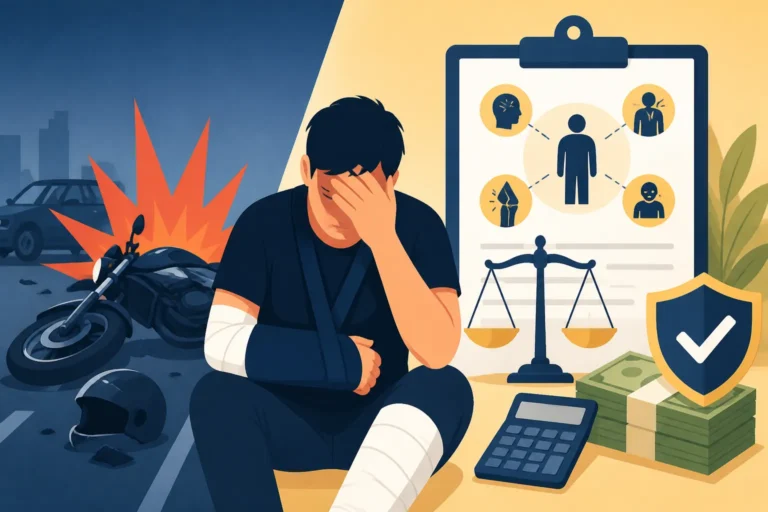
When you've been in a motorcycle accident, the immediate aftermath can be a blur of adrenaline, pain, and confusion. While many injuries are visible, some of the most devastating and life-altering impacts happen beneath the surface, especially when it comes to a traumatic brain injury (TBI). Dealing with a TBI isn't just about the initial hospital stay; it's a marathon of recovery, often fraught with unexpected challenges and long-term changes to your life and the lives of your loved ones. This guide is here to walk you through the complexities of a motorcycle-related traumatic brain injury, from the critical first treatments to understanding the lasting effects and the comprehensive care that can help you navigate this difficult journey.
Understanding Traumatic Brain Injuries from Motorcycle Accidents
Motorcyclists, due to their inherent lack of external protection compared to occupants in a car, are incredibly vulnerable to severe head trauma. Even with a helmet, the sheer force involved in a collision can cause significant damage to the brain, leading to what we know as a traumatic brain injury. It’s a terrifying prospect that every rider implicitly understands, but few truly grasp the full scope until it happens.
The Mechanics of a Motorcycle TBI
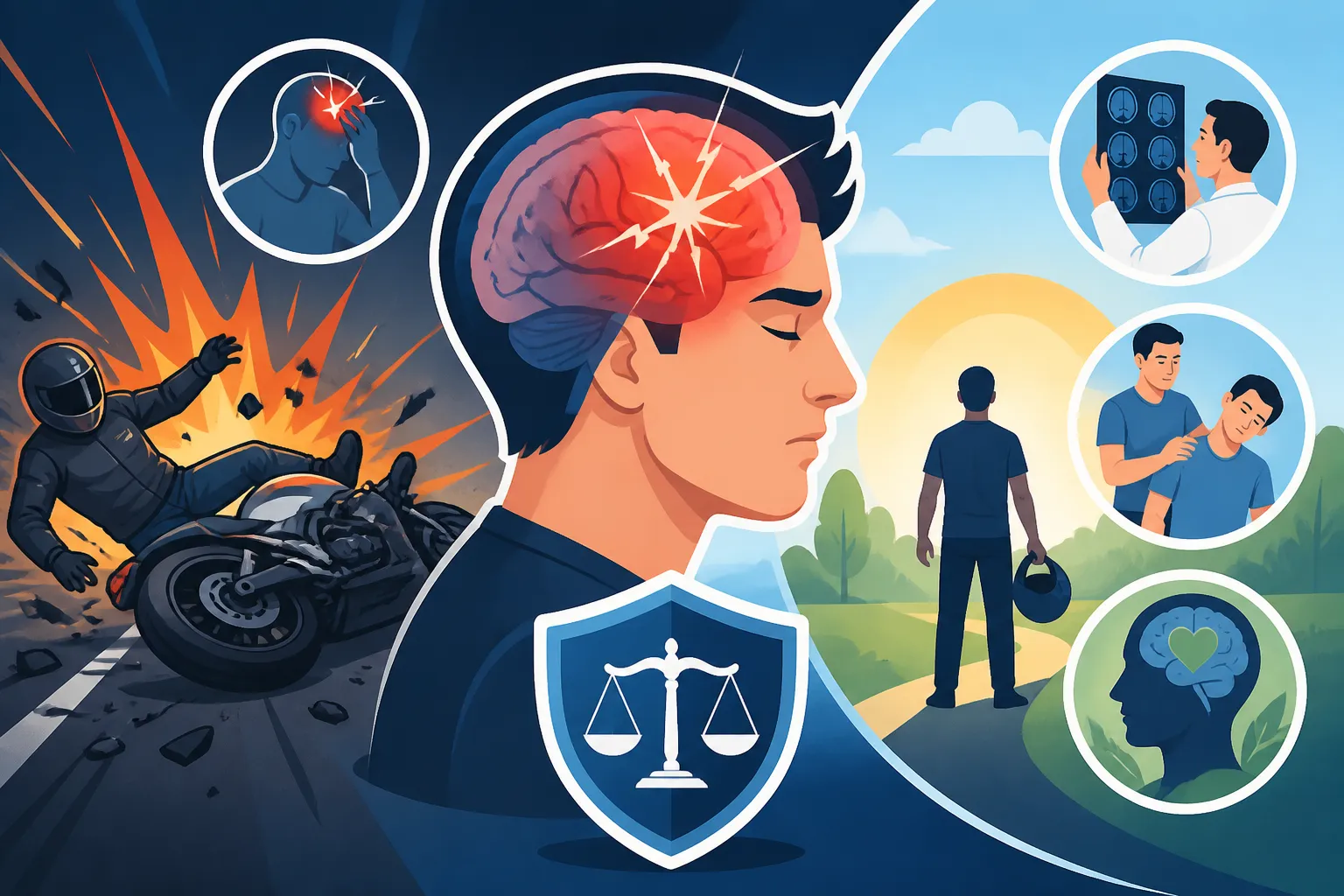
A traumatic brain injury occurs when an external force impacts the head, causing the brain to move violently within the skull. In a motorcycle accident, this can happen in several ways. You might experience a direct blow to the head, such as hitting the pavement, another vehicle, or an object. Even if your head doesn't make direct contact, the sudden acceleration, deceleration, or rotational forces of a crash can cause your brain to slosh back and forth, tearing delicate tissues, blood vessels, and nerve fibers. This is often referred to as a "coup-contrecoup" injury, where the brain is damaged at the point of impact (coup) and also on the opposite side as it rebounds against the skull (contrecoup).
Consider a scenario where a car suddenly pulls out in front of you, causing a rapid stop or evasive maneuver. Even if you manage to avoid a direct collision, the violent jarring motion alone could be enough to cause your brain to strike the inside of your skull. This kind of impact can lead to bruising, bleeding, swelling, and diffuse axonal injury (DAI), where nerve fibers are stretched and torn throughout the brain. The severity of the TBI depends heavily on the force of the impact and the specific areas of the brain affected. It’s a stark reminder that simply avoiding a direct hit doesn’t mean you’re out of the woods when it comes to head trauma.
Common Symptoms and Initial Diagnosis
Recognizing the signs of a TBI can be tricky because they vary widely depending on the severity and location of the injury. Mild TBIs, often called concussions, might present with temporary confusion, headache, dizziness, or memory issues. However, even a "mild" TBI can have lasting effects if not properly addressed. Moderate to severe TBIs can involve loss of consciousness, persistent headaches, nausea, vomiting, seizures, dilated pupils, slurred speech, weakness or numbness in limbs, and profound confusion. It's not uncommon for symptoms to be delayed, sometimes appearing hours or even days after the accident, which can complicate diagnosis and treatment.
The initial diagnosis often begins at the accident scene with first responders, but definitive diagnosis requires medical imaging. Once you're transported to an emergency room, doctors will typically perform a neurological exam and order imaging tests like CT scans or MRIs. These scans can detect bleeding, swelling, fractures, or other structural damage to the brain. Sometimes, a TBI might not show up immediately on a scan, especially in cases of diffuse axonal injury. This is why thorough medical follow-up and careful observation are crucial. Never brush off a head injury, even if you feel okay at first; delayed symptoms can be just as dangerous. Early detection and intervention are key to managing the injury and improving long-term outcomes.
Immediate Treatment and Medical Interventions
The moments immediately following a motorcycle accident that results in a TBI are absolutely critical. The speed and quality of emergency care can significantly influence the patient's prognosis and recovery trajectory. It’s a scramble against time to stabilize the patient and prevent further damage to the delicate brain tissue.
Emergency Care and Stabilization
From the moment first responders arrive, their primary goal is to stabilize the patient and protect the brain from secondary injuries. This often means ensuring an open airway, maintaining adequate breathing and circulation, and carefully immobilizing the head and neck to prevent further spinal cord damage. Paramedics might administer oxygen, intravenous fluids, and medications to control blood pressure or reduce brain swelling. They'll also perform a quick assessment of your neurological status, often using the Glasgow Coma Scale (GCS) to gauge consciousness and responsiveness. This initial assessment helps them determine the severity of the injury and prioritize transport to the most appropriate medical facility.
For instance, if you were involved in a serious crash on a highway outside of Phoenix, Arizona, paramedics would likely transport you to a Level I trauma center like Banner – University Medical Center Phoenix. These specialized centers have the resources and expertise to handle the most critical injuries, including severe TBIs. The immediate focus in the ambulance will be on keeping your brain perfused with oxygenated blood and preventing any increases in intracranial pressure, which can be devastating. This swift, coordinated effort is the first line of defense against the long-term impact of a TBI.
Hospitalization and Advanced Diagnostics
Once at the hospital, medical teams intensify their efforts to diagnose and manage the TBI. This often involves repeated neurological assessments, continuous monitoring of vital signs, and advanced diagnostic imaging. While a CT scan is often the first imaging tool used in an emergency to detect acute bleeding or skull fractures, an MRI might be performed later to identify more subtle brain damage, such as diffuse axonal injury or smaller contusions. Doctors will closely monitor intracranial pressure (ICP), sometimes by inserting a small probe into the brain, to ensure swelling doesn't compromise blood flow.
Treatment during hospitalization focuses on minimizing secondary brain damage. This can involve medications to reduce brain swelling, control seizures, or manage pain. In some cases, a medically induced coma might be considered to allow the brain to rest and heal. The medical team, which often includes neurologists, neurosurgeons, critical care specialists, and rehabilitation physicians, works collaboratively to create a comprehensive treatment plan tailored to the individual's specific injuries. It's a complex dance of monitoring, medication, and strategic intervention to guide the brain through its most vulnerable phase.
Surgical Interventions for Severe TBIs
For some severe TBIs, surgery becomes a necessary and life-saving intervention. Surgical procedures are typically performed to address specific issues like intracranial hematomas (blood clots within the skull), depressed skull fractures, or hydrocephalus (buildup of cerebrospinal fluid). A neurosurgeon might perform a craniotomy to remove a hematoma, relieving pressure on the brain. In cases of significant brain swelling that can't be controlled by medication, a decompressive craniectomy might be performed, where a section of the skull is temporarily removed to give the swollen brain room to expand. This is often a last resort but can prevent catastrophic damage from uncontrolled intracranial pressure.
These surgeries are complex and carry their own risks, but they can be crucial in preventing further neurological deterioration and saving lives. For example, if a rider in Florida sustains a significant subdural hematoma after a crash, swift surgical intervention at a facility like Ryder Trauma Center in Miami could be the difference between severe, permanent disability and a chance at a more meaningful recovery. While surgery addresses the acute physical trauma, it's just the beginning of the long road toward healing and rehabilitation, highlighting the importance of understanding your Types of Damages in a Motorcycle Accident Claim to cover these extensive medical needs.
Navigating the Long-Term Impact of a Motorcycle TBI
Surviving the initial accident and acute treatment phase of a TBI is a monumental achievement, but it's often just the beginning of a lifetime of adjustments. The long-term impact of a motorcycle TBI can be profound and far-reaching, affecting not just the individual but their entire support system. It’s a journey that requires immense resilience, patience, and a comprehensive understanding of the challenges ahead.
Cognitive and Neurological Challenges
One of the most common and often frustrating aspects of living with a TBI is the array of cognitive and neurological challenges that can emerge. Memory problems, difficulty concentrating, slower processing speed, and issues with executive functions like planning and problem-solving are frequently reported. Many survivors describe feeling like their brain simply doesn't work the way it used to, struggling with tasks that were once second nature. This can impact their ability to return to work, manage daily finances, or even follow a conversation. Fatigue is also a pervasive issue, as the injured brain expends much more energy to perform basic cognitive functions.
For instance, a rider who was once a meticulous accountant might find themselves unable to concentrate on spreadsheets or remember client details after a severe TBI, leading to significant career disruption. Even in cases of milder TBIs or concussions, individuals can experience persistent post-concussion syndrome, marked by headaches, dizziness, and cognitive fogginess that can last for months or even years. These subtle yet significant changes can be incredibly isolating and require specific therapies, such as cognitive rehabilitation, to help re-learn skills or develop compensatory strategies. Understanding these Long-Term Effects of Motorcycle Injuries is crucial for both the patient and their loved ones.
Emotional and Behavioral Changes
Beyond cognitive hurdles, TBIs often bring about significant emotional and behavioral changes that can be deeply distressing for both the survivor and their family. Mood swings, irritability, anxiety, depression, and impulsive behaviors are not uncommon. These changes stem from damage to the parts of the brain that regulate emotions and social conduct, making it difficult for individuals to control their reactions or understand social cues. A person who was once mild-mannered might become easily angered, or someone outgoing might withdraw and become socially isolated.
Imagine a parent who suddenly struggles to connect emotionally with their children or becomes easily agitated by typical family noise. This can create immense strain on personal relationships and the family dynamic. Counseling, psychotherapy, and sometimes medication can be vital tools in managing these emotional and behavioral shifts. Support groups can also provide a safe space for survivors and their families to share experiences and learn coping mechanisms. It’s important to remember that these changes are not a personal failing but a direct consequence of the brain injury itself.
Physical Rehabilitation and Ongoing Care
Physical impairments are another major long-term consequence of motorcycle TBIs, especially in severe cases. These can include weakness or paralysis on one side of the body, balance and coordination problems, persistent headaches, visual disturbances, and difficulty with speech or swallowing. Extensive physical, occupational, and speech therapy are often required to regain lost functions and adapt to new limitations. The journey through rehabilitation can be lengthy, arduous, and demand immense dedication.
A typical rehabilitation journey might start with inpatient rehabilitation at a specialized center, followed by outpatient therapy for months or even years. For example, a TBI survivor might work with a physical therapist at a facility like the Shepherd Center in Atlanta, Georgia, to improve gait and balance, an occupational therapist to relearn daily living activities such as dressing and cooking, and a speech-language pathologist to address communication or swallowing issues. The goal is always to maximize functional independence and improve the overall quality of life. This level of comprehensive, ongoing care underlines the potential for Future Medical Costs Explained in a personal injury claim.
Financial Burden of Long-Term TBI Care
The financial implications of a long-term TBI are staggering. The costs can rapidly accumulate, encompassing everything from emergency care and hospitalization to extended rehabilitation, specialized equipment, medications, and potential modifications to the home. Many TBI survivors find themselves unable to return to their previous employment, leading to a significant loss of income and earning capacity. This combination of high medical expenses and reduced income can place an immense financial strain on individuals and their families.
Consider the cumulative cost of therapy sessions three times a week for several years, plus adaptive equipment like wheelchairs or ramps, prescription medications, and potentially in-home care. These expenses can quickly reach hundreds of thousands, or even millions, of dollars over a lifetime. This is where a thorough understanding of Economic vs Non-Economic Damages Explained becomes paramount for those pursuing a motorcycle accident claim. Securing adequate compensation is not just about covering past bills but ensuring financial stability for a future profoundly altered by the injury.
Supporting Recovery and Maximizing Quality of Life
Living with a TBI is a marathon, not a sprint. The journey to recovery and adaptation often involves a multi-faceted approach, integrating medical care, various therapies, and a strong support system. Maximizing quality of life post-TBI requires dedication from the individual and a deep understanding from their loved ones and care providers.
The Role of Rehabilitation Therapies
Rehabilitation is the cornerstone of long-term TBI recovery. It's not a one-size-fits-all program but a highly individualized plan tailored to the specific deficits and goals of each patient. Key therapies include:
- Physical Therapy (PT): Focuses on restoring strength, coordination, balance, and mobility. A physical therapist might work on range of motion exercises, gait training, or improving fine motor skills.
- Occupational Therapy (OT): Helps individuals relearn daily living activities (ADLs) such as dressing, eating, bathing, and managing household tasks. OTs also assess the home environment for necessary modifications to enhance independence.
- Speech-Language Pathology (SLP): Addresses communication difficulties (aphasia), cognitive-communication deficits (e.g., problems with attention, memory, problem-solving that affect communication), and swallowing disorders (dysphagia).
- Cognitive Rehabilitation Therapy (CRT): Specialized therapy aimed at improving cognitive functions like memory, attention, problem-solving, and executive functions through specific exercises and strategies.
- Psychological Counseling/Neuropsychology: Essential for managing emotional and behavioral changes, addressing depression, anxiety, PTSD, and helping individuals cope with the psychological impact of their injury.
These therapies, often performed in a coordinated fashion, are crucial for helping the brain rewire itself (neuroplasticity) and develop compensatory strategies for lost functions. While the recovery can be slow and challenging, consistent engagement with these therapies can yield significant improvements in function and independence.
| Therapy Type | Primary Focus | Goals |
|---|---|---|
| Physical Therapy | Strength, balance, mobility | Restore physical function, improve gait, prevent falls |
| Occupational Therapy | Activities of daily living (ADLs), functional independence | Relearn self-care, adapt environment, return to meaningful activities |
| Speech-Language | Communication, swallowing, cognitive-comm. | Improve speech clarity, memory, problem-solving, safe eating |
| Cognitive Rehab | Attention, memory, executive functions | Enhance cognitive processing, organizational skills, planning |
| Psychological Support | Emotional regulation, coping mechanisms | Manage mood swings, anxiety, depression, facilitate adjustment |
Creating a Supportive Home Environment
Beyond formal therapy, a supportive and understanding home environment plays a colossal role in a TBI survivor's long-term recovery. This often involves making practical adjustments to the living space to promote safety and independence. This could mean installing grab bars in bathrooms, removing tripping hazards, improving lighting, or simplifying routines. More importantly, it requires family members to educate themselves about TBIs and understand the subtle and overt changes their loved one may be experiencing. Patience, empathy, and clear communication become more vital than ever.
Family involvement in therapy sessions can be incredibly beneficial, as it equips caregivers with strategies to help their loved one at home and manage challenging behaviors. For instance, if a TBI survivor struggles with short-term memory, family members can implement consistent routines, use calendars or whiteboards for reminders, and break down complex tasks into smaller, manageable steps. Establishing a predictable and low-stimulation environment can reduce confusion and agitation, fostering a sense of security. This comprehensive approach ensures that the gains made in therapy are reinforced and integrated into daily life, paving the way for maximum independence.
Legal Considerations for TBI Claims
Dealing with a traumatic brain injury is overwhelming enough without the added stress of navigating a complex legal system. However, for many TBI survivors, pursuing a personal injury claim is essential to secure the financial resources needed for long-term care and lost income. Injuries like a TBI often result in Catastrophic Motorcycle Injuries Explained, and the compensation sought must reflect the lifelong impact.
The process involves meticulously documenting all medical expenses, therapy records, lost wages, and the intangible costs of pain and suffering and loss of enjoyment of life. This is where understanding How Medical Bills Affect Your Settlement and How Future Medical Costs Are Estimated becomes critically important. Insurance companies, unfortunately, often try to minimize payouts, especially when dealing with complex, subjective injuries like TBIs, making it difficult for an individual to fight alone. This is precisely why many TBI survivors decide to seek legal counsel. A seasoned attorney specializing in motorcycle accidents can help prove liability, accurately calculate damages, and negotiate with insurance adjusters. They can also connect you with accident reconstruction experts or medical specialists to strengthen your case and ensure you receive the full compensation you deserve. If you're wondering if you Do You Need a Motorcycle Accident Lawyer after a TBI, the answer is almost always yes.
Disclaimer
Please remember that the information provided in this guide is intended for informational purposes only and does not constitute legal or medical advice. Every motorcycle accident and TBI is unique, and the legal and medical guidance you receive should be specific to your individual circumstances. Always consult with qualified legal and medical professionals for personalized advice regarding your situation.