Motorcycle Broken Bones: Treatment and Long-Term Impact
The moment your bike goes down, and you feel that sickening crunch, it's often more than just a bruise or a scrape. For many riders, motorcycle accidents mean broken bones—and not just simple breaks, but often complex, life-altering fractures that bring excruciating pain and a long, arduous journey toward recovery. This guide aims to walk you through the harsh realities of motorcycle broken bones, from the immediate medical interventions to the extensive treatment process, and the often-overlooked long-term physical, emotional, and financial impacts that can linger for years.
The Brutal Reality of Motorcycle Bone Fractures
When you're riding, you don't have the steel cage of a car around you. This simple fact is why Common Motorcycle Accident Injuries sustained by motorcyclists are often so much more severe than those in car accidents. The direct impact with the road, another vehicle, or an immovable object, combined with the sheer force of being thrown from your bike, translates into bone fractures that are frequently catastrophic.
Why Motorcycle Fractures Are Different and Often Worse
Unlike a typical car occupant who might experience whiplash or soft tissue injuries from an impact, a motorcyclist’s body bears the full brunt of the collision. There's nothing to absorb the energy, leading to direct trauma to bones. This often results in what doctors call "high-energy trauma" fractures.
- Open Fractures: These are particularly nasty, where the broken bone pierces through the skin. Not only is the bone broken, but there's also an open wound, dramatically increasing the risk of infection and complicating treatment. Imagine being thrown onto asphalt, and your tibia—the strong shin bone—snaps clean and pokes through your riding pants. It’s a terrifying image, and a terrifying reality for many.
- Comminuted Fractures: Instead of a clean break into two pieces, a comminuted fracture means the bone shatters into three or more fragments. These are incredibly difficult to repair because the bone essentially explodes on impact. Reconstructing a shattered femur or pelvis is a monumental task for orthopedic surgeons, often requiring extensive hardware.
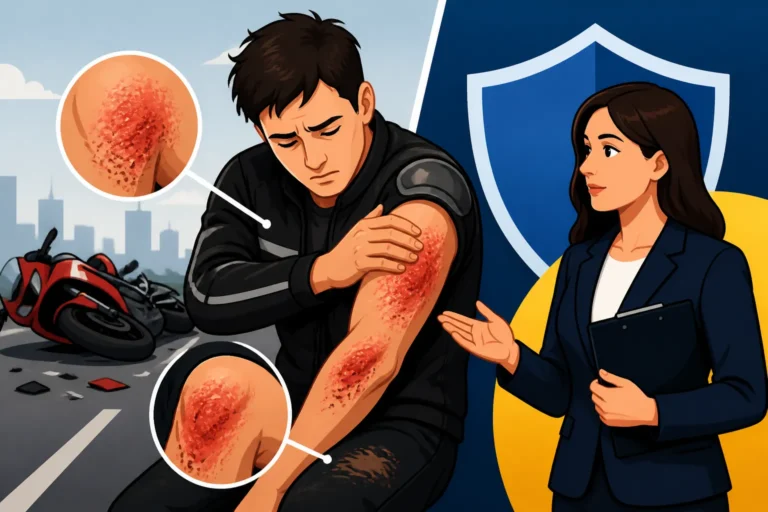
- Multiple Fractures and Poly-Trauma: It's rare for a motorcyclist to sustain just one broken bone. Often, riders suffer multiple fractures in different parts of their body, alongside other injuries like Motorcycle Traumatic Brain Injury Claims and Compensation or severe road rash. This "poly-trauma" scenario complicates treatment immensely, as doctors must prioritize life-threatening injuries while also addressing numerous broken bones. For instance, a rider might have a broken arm, a fractured collarbone, and a crushed foot all at once, each requiring its own specialized attention.
Common Sites for Motorcycle Bone Breaks
While any bone in the body can break in a motorcycle crash, certain areas are particularly vulnerable due to how riders impact the ground or are struck.
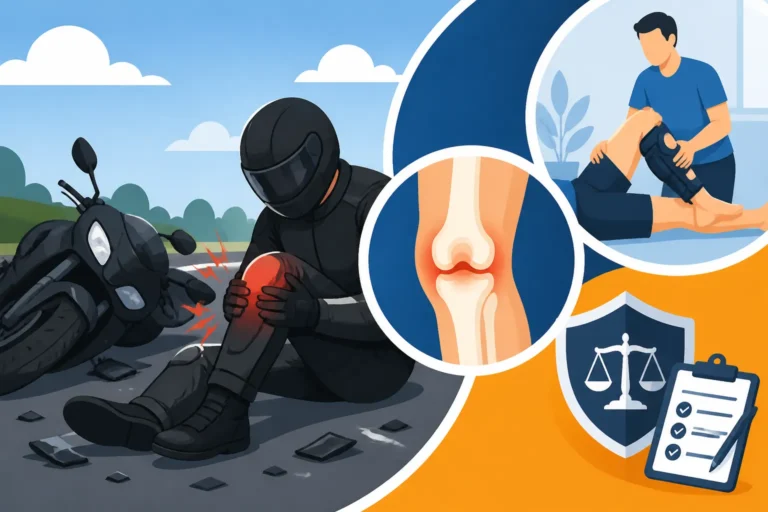
- Lower Extremities (Legs and Ankles): The legs are often the first point of contact with the ground or another vehicle, leading to frequent fractures of the tibia, fibula, femur, and ankle bones. A common scenario is a driver failing to yield and hitting a rider's leg from the side.
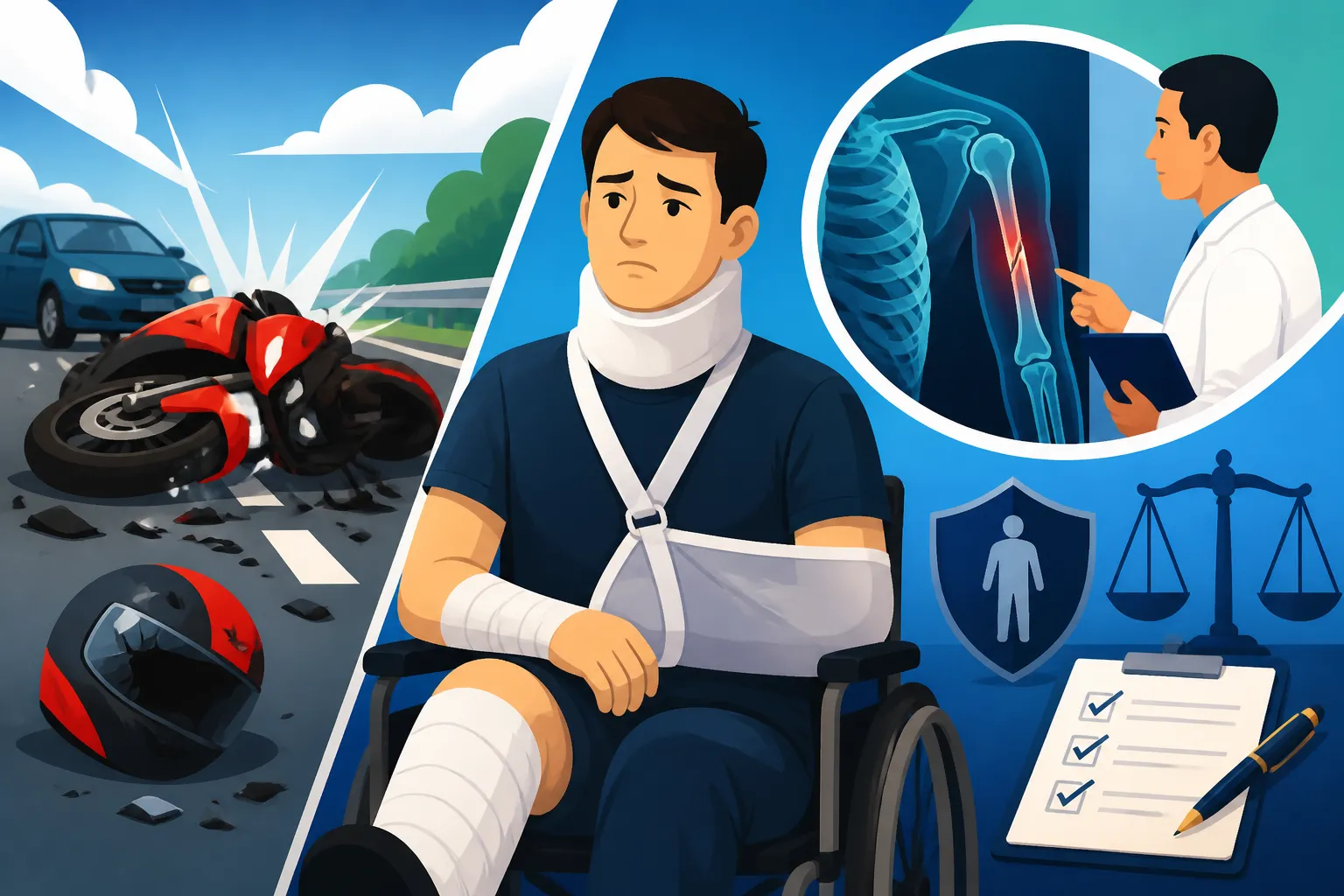
- Upper Extremities (Arms, Wrists, Shoulders): Riders instinctively brace for impact with their arms, leading to fractures of the radius, ulna, humerus, clavicle (collarbone), and scapula (shoulder blade). A "rider's fracture" of the wrist is unfortunately common when attempting to break a fall.
- Ribs and Spine: The torso is also highly susceptible. Crushed ribs can puncture lungs, leading to life-threatening internal injuries. Spinal fractures, especially in the thoracic or lumbar regions, can lead to excruciating pain and even permanent paralysis, profoundly changing a person's life.
- Pelvis: Pelvic fractures are incredibly severe due to the large forces required to break these strong bones, often indicating massive internal trauma and bleeding. Recovery from a shattered pelvis can be one of the most debilitating experiences, often requiring long periods of non-weight bearing and extensive rehabilitation.
Immediate Medical Care and the Hospital Experience
The moments immediately following a motorcycle accident are critical, not only for your health but also for your future motorcycle accident claim. Why You Should Seek Immediate Treatment cannot be stressed enough, as delaying care can exacerbate injuries and provide ammunition for insurance companies to dispute the severity of your wounds.
Emergency Response and Stabilization
When paramedics arrive on the scene, their first priority is stabilization. This involves checking for life-threatening injuries, ensuring an open airway, controlling bleeding, and immobilizing any suspected fractures to prevent further damage. They'll often apply splints, neck braces, and backboards before carefully transporting you to the nearest trauma center.
At the hospital, you'll enter a whirlwind of tests and evaluations. X-rays, CT scans, and sometimes MRIs will be performed to precisely map out the extent of your broken bones and check for internal bleeding or organ damage. Doctors will assess nerve and blood vessel function around the fracture sites. This thorough documentation forms the foundation of your medical record, which will be vital for How to Document Injuries for a Claim.
Surgical Interventions
Many motorcycle-related broken bones require surgery. Depending on the type and severity of the fracture, you might undergo one or more of these procedures:
- Open Reduction and Internal Fixation (ORIF): This is a common procedure where surgeons make an incision to expose the broken bone, realign the fragments (open reduction), and then use metal plates, screws, rods, or pins (internal fixation) to hold the bone in place while it heals. Imagine a shattered femur needing a long titanium rod inserted down its length, secured with screws at each end—a testament to modern orthopedics, but a lengthy and painful recovery for the patient.
- External Fixation: In cases of severe comminuted fractures, open fractures with significant soft tissue damage, or when swelling is too great for immediate internal fixation, an external fixator might be used. This involves pins inserted into the bone outside the body, connected to a frame that stabilizes the fracture. It’s effective, but cumbersome and can be prone to infection.
- Bone Grafts: If bone fragments are missing or crushed beyond repair, surgeons may need to perform a bone graft. This can involve taking bone from another part of your body (autograft) or using donor bone (allograft) to fill gaps and promote healing.
- Amputation: In the most severe cases, particularly with catastrophic crushing injuries or uncontrolled infection, amputation may be necessary to save the patient's life or prevent further complications. This is a devastating outcome that carries immense Motorcycle Amputation Claims and Compensation and lifelong adjustments.
The recovery from these surgeries is often long and painful. Pain management is a significant concern, with doctors carefully balancing the need to control discomfort with the risks associated with powerful painkillers.
The Long Road to Recovery and Rehabilitation
Once immediate medical and surgical interventions are complete, the real work of healing begins. This isn't a quick fix; it's a marathon that demands patience, resilience, and often, a dedicated support system.
Post-Surgery Immobilization and Initial Healing
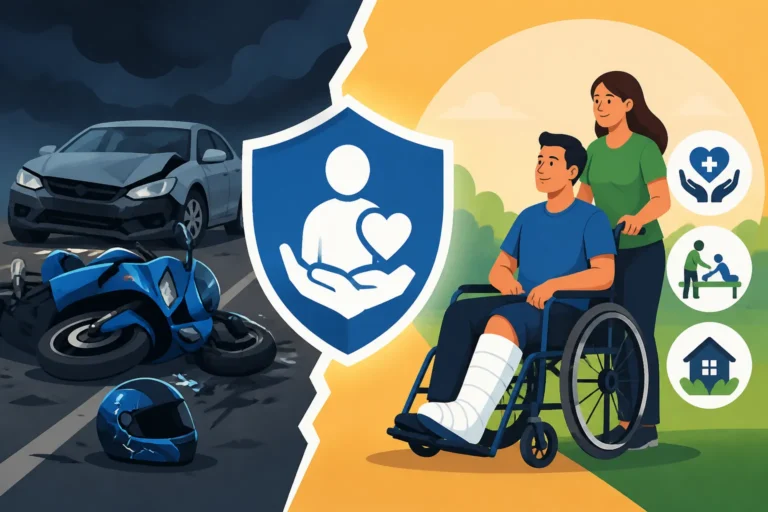
After surgery, the fractured limb or body part will typically be immobilized in a cast, brace, or boot to allow the bones to knit together. This period can last anywhere from several weeks to several months, depending on the bone and the severity of the break. During this time, you might be non-weight bearing, relying on crutches, a wheelchair, or even bed rest, which can be incredibly frustrating and isolating.
Imagine being an active rider, used to the freedom of the open road, suddenly confined to a couch or bed, unable to perform even simple tasks without assistance. This drastic shift impacts not only your physical well-being but also your mental health.
Physical and Occupational Therapy
Once the initial healing allows, physical therapy (PT) becomes paramount. This is where you work to regain strength, flexibility, and range of motion. A physical therapist will guide you through exercises designed to rebuild muscle wasted during immobilization, reduce stiffness, and improve your overall function. It's often painful, repetitive, and emotionally draining, but it's absolutely essential for a meaningful recovery.
- Regaining Mobility: For a broken femur, for example, PT will involve gentle weight-bearing exercises, strengthening the quadriceps and hamstrings, and working on hip and knee flexion. For a fractured wrist, it means delicate hand exercises to restore grip strength and dexterity.
- Occupational Therapy (OT): If your injuries affect your ability to perform daily tasks like dressing, cooking, or even holding a toothbrush, an occupational therapist steps in. They help you adapt to your limitations and find new ways to accomplish essential activities, often providing specialized equipment or modifying your home environment. This is especially crucial for riders whose livelihood depends on manual dexterity or physical labor.
How to Document Your Recovery through diligent record-keeping of your therapy sessions, progress, and any setbacks, is vital. This information helps your medical team track your healing and provides crucial evidence for your claim later on.
Potential Complications During Recovery
Even with the best medical care and diligent therapy, complications can arise during the healing process:
- Nonunion or Malunion: Sometimes, bones don't heal properly (nonunion) or heal in an incorrect position (malunion), often requiring additional surgery. This can be a devastating setback after months of effort.
- Infection: Open fractures or surgical sites are vulnerable to infection, which can require antibiotics, further surgeries, and significantly prolong recovery.
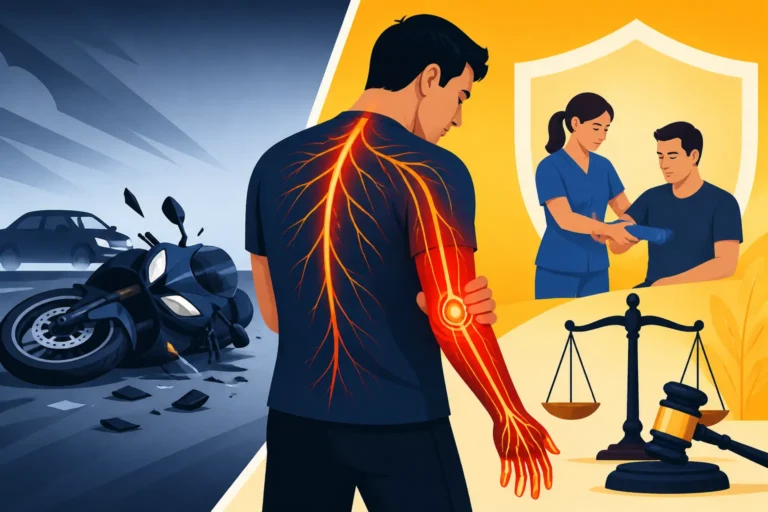
- Nerve Damage: The impact of the crash or swelling around a fracture can cause nerve damage, leading to numbness, tingling, weakness, or chronic pain. Motorcycle Nerve Damage Treatment and Long-Term Impact can be a persistent and frustrating issue.
- Arthritis: Fractures that involve joints, such as the knee, ankle, or shoulder, significantly increase the risk of developing post-traumatic arthritis years down the line.
Living with the Aftermath: Long-Term Impacts
Even after the cast comes off and therapy winds down, the effects of severe broken bones from a motorcycle accident can linger for a lifetime. These are the Long-Term Effects of Motorcycle Injuries that extend far beyond the initial pain and physical rehabilitation.
Chronic Pain and Limited Mobility
For many, chronic pain becomes an unwelcome companion. This can stem from nerve damage, persistent inflammation, hardware irritation (plates, screws, rods), or the early onset of arthritis in affected joints. Imagine a rider who, years later, still feels a dull ache in their ankle every time the weather changes, or whose shoulder gives out after a few hours of activity.
Limited mobility is another significant long-term impact. Even after extensive therapy, a fractured limb might never regain its full range of motion or strength. This can affect everything from leisure activities like hiking or sports to simply being able to comfortably stand for long periods or lift objects. For a motorcyclist, it can mean the heartbreaking reality of never being able to ride again, or at least not with the same freedom and comfort.
Psychological and Emotional Toll
Beyond the physical pain, the psychological and emotional scars can run deep. Dealing with a severe injury, prolonged recovery, and the loss of independence can lead to:
- Depression and Anxiety: The financial strain, the inability to work, the constant pain, and the fear of future accidents can trigger profound feelings of sadness, anxiety, and helplessness.
- Post-Traumatic Stress Disorder (PTSD): Experiencing a traumatic motorcycle accident can lead to PTSD, causing flashbacks, nightmares, heightened startle responses, and avoidance of anything related to riding or even driving.
- Loss of Enjoyment of Life: Simple pleasures, hobbies, and social activities can become difficult or impossible, leading to a diminished quality of life. The freedom of riding, a core part of many riders' identities, is often lost, leading to a profound sense of grief.
These non-economic damages are very real and should be documented as diligently as physical injuries. Emotional Distress Damages are a critical component of any comprehensive motorcycle accident claim.
Financial Strain and Economic Hardship
The financial impact of a serious broken bone can be crushing, affecting every aspect of a rider's life.
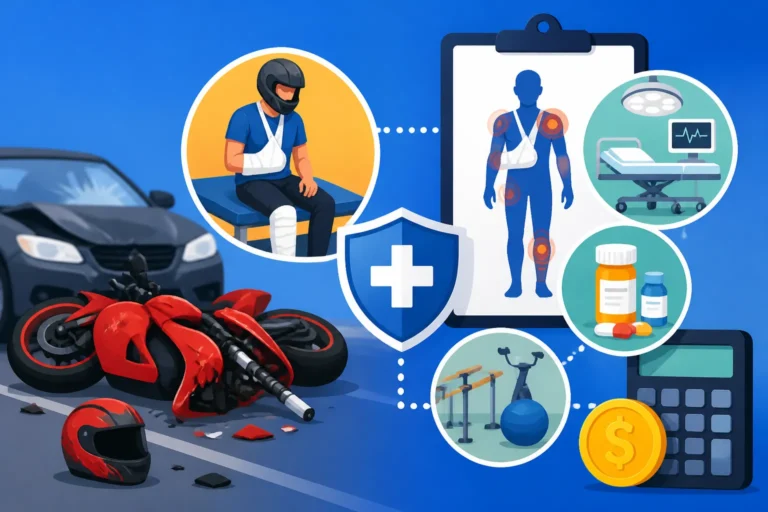
- Medical Bills: The costs associated with emergency care, surgeries, hospital stays, medications, physical therapy, and follow-up appointments can quickly climb into the tens or even hundreds of thousands of dollars. Even with good insurance, co-pays, deductibles, and uncovered treatments can leave you drowning in debt. These are central to Economic Damages Explained in a personal injury claim.
- Lost Wages and Earning Capacity: If your injuries prevent you from working, even temporarily, the loss of income can be devastating. For those with physically demanding jobs, a permanent impairment can mean a total loss of their career, leading to a claim for Loss of Earning Capacity Explained.
- Future Medical Costs: It's not just the immediate bills; many riders with severe fractures will face ongoing medical needs, including future surgeries to remove hardware, pain management, physical therapy, and even potential joint replacement years down the line. Accurately estimating future medical costs is crucial for a fair settlement.
Understanding the full scope of these financial burdens is essential when evaluating your motorcycle accident claim. Motorcycle Broken Bones Claims and Compensation will take into account all these factors.
Comparison of Common Fracture Types and Recovery
This table provides a generalized overview. Individual recovery times can vary widely based on severity, age, overall health, and complications.
| Fracture Type | Common Location(s) | Typical Treatment | Average Initial Immobilization | Average Full Recovery (Return to activity) | Potential Long-Term Issues |
|---|---|---|---|---|---|
| Tibia/Fibula | Shin bone | Cast, internal rod/plates & screws | 6-12 weeks | 4-12 months | Chronic pain, ankle stiffness, arthritis |
| Femur | Thigh bone | Internal rod (IM Nail) | 8-12 weeks | 6-12 months (or more for complex) | Leg length discrepancy, weakness, arthritis |
| Collarbone (Clavicle) | Shoulder | Sling, sometimes plate & screws | 4-8 weeks | 3-6 months | Numbness, weakness, stiffness, cosmetic bump |
| Radius/Ulna | Forearm | Cast, plates & screws | 6-10 weeks | 3-9 months | Limited rotation, wrist stiffness, pain |
| Pelvis | Hip region | External fixator, plates & screws | 8-12 weeks (non-weight bearing) | 6-18 months | Chronic pain, gait issues, nerve damage |
| Ribs (Multiple) | Chest cavity | Pain management, rest, sometimes surgery | 4-8 weeks | 3-6 months (for bone healing) | Chronic pain, respiratory issues |
Navigating the complexities of severe bone fractures after a motorcycle accident is incredibly challenging. From the moment of impact through years of recovery, the journey is fraught with physical pain, emotional distress, and significant financial burdens. Documenting every medical visit, physical therapy session, and even your daily struggles in a journal can provide invaluable evidence for your claim. It’s also crucial to understand how insurers might try to downplay your injuries or assign partial blame, especially with How Insurers Attack Pre-Existing Conditions. Ensuring you have Motorcycle Accident Evidence for Proving Fault is equally critical.
Disclaimer
The information provided in this guide is for informational purposes only and does not constitute medical or legal advice. Every accident and injury is unique, and you should consult with qualified medical professionals for treatment and experienced legal counsel for advice regarding your specific situation.