Motorcycle Fractures: Treatment and Long-Term Impact
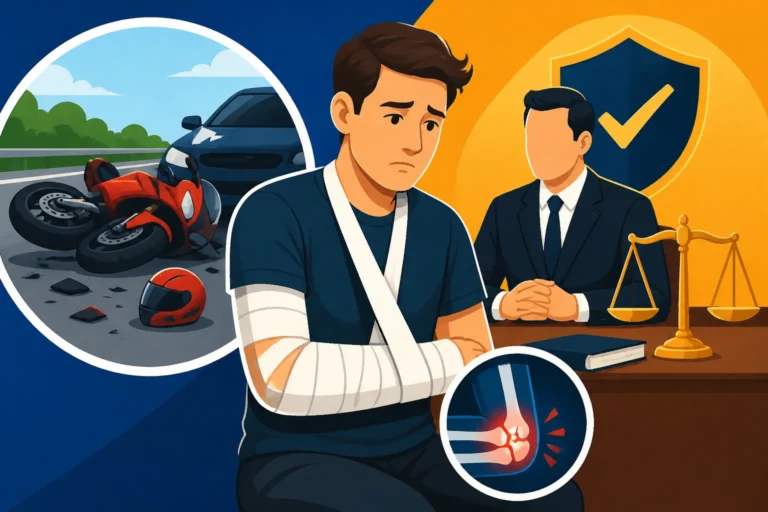
When you've been in a motorcycle accident and suffered a fracture, it's not just a "broken bone." It's an agonizing disruption, a sudden halt to your life, and often the start of a long, uncertain journey toward recovery. The immediate pain is overwhelming, but the questions about what comes next – the surgeries, the therapy, the ability to ride again – can be just as daunting. This guide is here to walk you through the realities of motorcycle fractures, from the urgent medical interventions to the profound long-term impacts they can have on your life.
The Brutal Reality of Motorcycle Fractures
Motorcycle crashes deliver a unique and often devastating brand of trauma, and fractures are unfortunately all too common. Unlike someone in a car, riders lack the protective cage of a vehicle around them. When you go down, your body directly absorbs the impact with the road, other vehicles, or obstacles, leading to severe bone breaks that are often complex and difficult to heal.
Why Motorcycle Fractures are Different
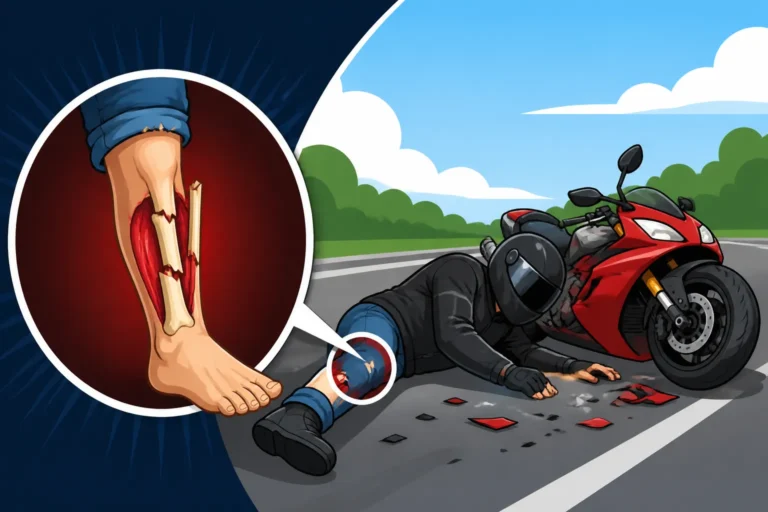
The physics of a motorcycle accident are brutal. You're typically traveling at speed with minimal body protection, even with the best gear. When that kinetic energy is suddenly transferred to your body upon impact, bones can shatter, twist, and break in ways rarely seen in other types of accidents. We're not just talking about simple hairline cracks; many motorcycle fractures are compound, meaning the bone breaks through the skin, or comminuted, where the bone shatters into multiple pieces.
Commonly fractured bones include the lower extremities like the tibia and fibula in the leg, the femur (thigh bone), and the delicate bones of the foot and ankle. These weight-bearing bones are critical for mobility, and their injury can sideline you for months or even years. Upper body fractures are also frequent, with the collarbone (clavicle), wrist (scaphoid or distal radius), and arm bones (humerus, ulna, radius) bearing the brunt of impacts when riders attempt to brace themselves during a fall. These injuries aren't just painful; they directly compromise your ability to perform daily tasks, work, and, of course, ride. The sheer force involved in these incidents often means that recovery is not a straightforward path.
Recognizing the Signs of a Fracture
While some fractures are immediately obvious due to severe deformity or an open wound, others might be less apparent initially, especially if adrenaline is coursing through you. However, recognizing the signs promptly is crucial for proper treatment and to prevent further damage. Intense, localized pain that worsens with movement or pressure is a primary indicator. You might also notice significant swelling, bruising, or tenderness around the suspected fracture site. Deformity, where the limb looks bent or twisted unnaturally, is a clear red flag.
The inability to bear weight on a leg or ankle, or to move an arm or wrist, is another strong sign. Sometimes, you might even hear a popping or grinding sound at the moment of impact. Regardless of the immediate visual evidence, if you suspect a fracture after a motorcycle accident, the absolute priority is to seek immediate medical attention. Don't try to "tough it out" or self-diagnose; a qualified medical professional needs to assess the injury with imaging techniques like X-rays, CT scans, or MRIs to determine the exact nature and extent of the damage. Delaying treatment can lead to complications such as improper healing, chronic pain, or even permanent disability. This initial medical assessment is also the first critical step in documenting your injuries for a potential claim.
Immediate Treatment and Medical Interventions
The moments and days following a motorcycle fracture are a whirlwind of medical decisions and procedures aimed at stabilizing your condition and setting the stage for healing. It's a scary time, often filled with uncertainty, but understanding the process can help you feel a bit more prepared.
Emergency Response and First Aid
After the unthinkable happens, the immediate focus is always on safety and stabilization. If you or someone else has suffered a fracture in a motorcycle accident, the very first step is to call 911. Until emergency responders arrive, try to keep the injured person as still as possible to prevent further damage. If there's an open wound or bleeding, gentle pressure should be applied with a clean cloth, but do not attempt to realign the bone. Once paramedics arrive, they will stabilize the limb, manage pain, and transport you to the nearest emergency room.
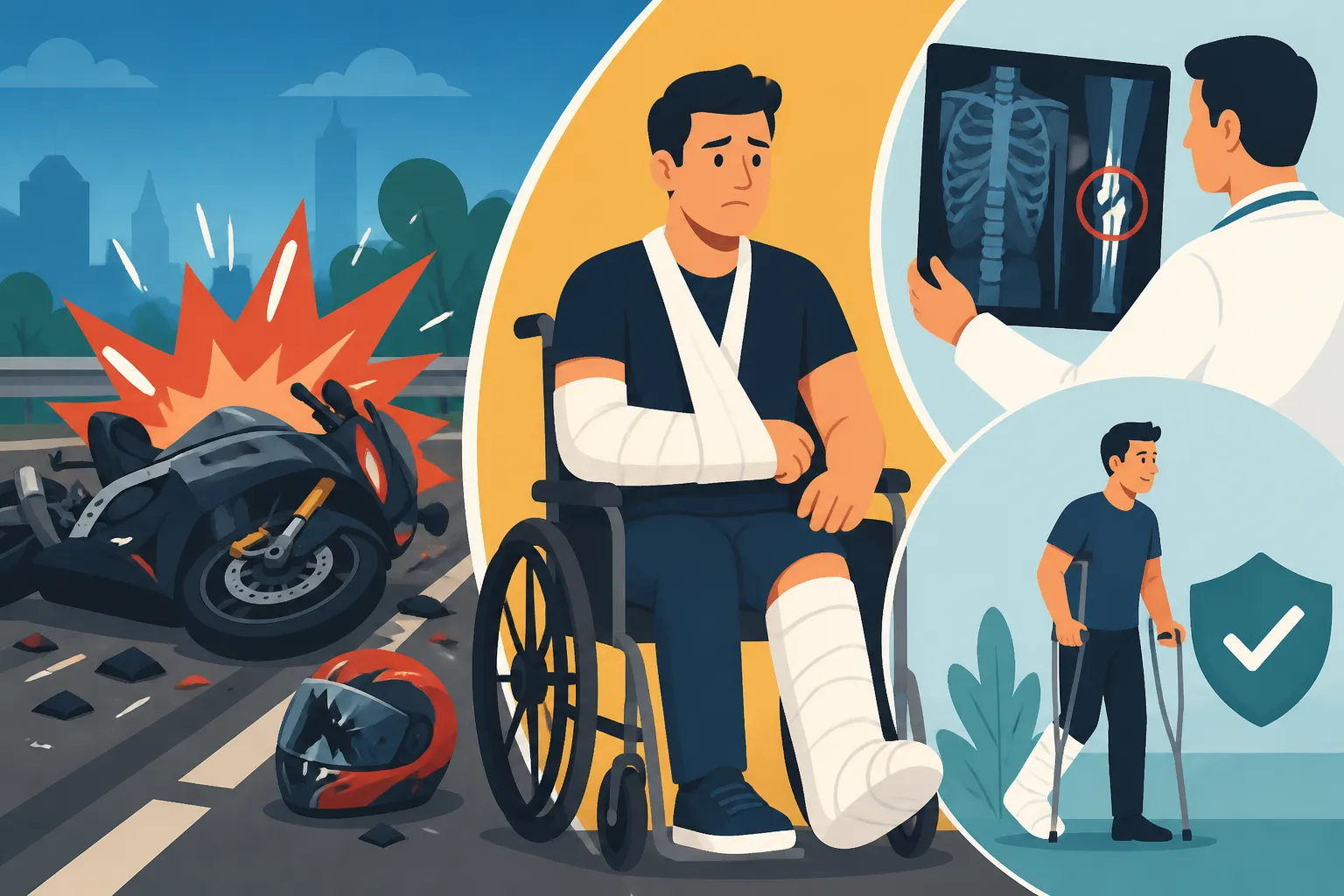
At the ER, doctors will conduct a thorough examination and order imaging tests. X-rays are standard for diagnosing fractures, but for complex breaks, or if soft tissue damage is suspected, a CT scan or MRI may be necessary. These scans provide detailed images of the bone structure, helping doctors understand the severity of the fracture, whether it's displaced, and if there are any bone fragments. This initial assessment dictates the next steps in your treatment journey, whether it's a simple cast or immediate surgery.
Surgical vs Non-Surgical Approaches
Once a fracture is diagnosed, the medical team will determine the best course of action. This decision hinges on several factors, including the type of fracture, its location, its severity (e.g., simple, compound, comminuted), and the patient's overall health.
-
Non-Surgical Treatments: For less severe fractures where the bone pieces are well-aligned or can be easily manipulated back into place, non-surgical methods are often effective. This typically involves closed reduction, where the doctor manually repositions the bone fragments without surgery. Once aligned, the limb is then immobilized using a cast or splint to hold the bones in place while they heal. Casts are usually made of plaster or fiberglass and provide rigid support. Splints offer less rigid support and are sometimes used initially to allow for swelling before a cast is applied. In some cases, traction might be used, which involves a system of weights and pulleys to gently pull the bone segments into alignment over time. While non-surgical options might seem less invasive, they still require significant patience and adherence to medical advice for proper healing. Recovery can take weeks to months, and regular check-ups with X-rays are essential to monitor progress.
-
Surgical Treatments: Many motorcycle fractures, especially severe or complex ones, require surgical intervention. One of the most common procedures is Open Reduction Internal Fixation (ORIF). During an ORIF, surgeons make an incision to expose the bone (open reduction), manually realign the fractured pieces, and then use internal fixation devices – such as metal plates, screws, rods, or pins – to hold the bone fragments together securely. These devices remain inside the body, often permanently, though sometimes they are removed after healing. Another surgical option is external fixation, where pins or screws are placed into the bone through the skin and then connected to an external frame outside the body. This method is often used for highly unstable fractures, severe open fractures with significant soft tissue damage, or when there's a risk of infection. The external fixator provides stability while allowing doctors to manage the wound. Surgical recovery is often more intense, involving hospital stays, significant pain management, and a greater risk of complications like infection. However, for many complex fractures, surgery is the only way to restore proper anatomical alignment and function.
The Role of Rehabilitation in Recovery
Whether your fracture requires surgery or not, rehabilitation is a non-negotiable part of the healing process. It's not just about the bone mending; it's about regaining strength, flexibility, and function that may have been lost due to immobilization or trauma. This phase can be incredibly challenging, both physically and mentally, as you push through pain and frustration.
Physical therapy (PT) is usually at the forefront of rehabilitation. A physical therapist will guide you through exercises designed to improve your range of motion, strengthen surrounding muscles that may have atrophied, and restore coordination. For example, if you've had a broken leg, PT will focus on weight-bearing exercises, gait training, and eventually, more dynamic movements. For an arm or wrist fracture, it will involve fine motor skills, grip strength, and exercises to prevent stiffness.
Occupational therapy (OT) might also be crucial, especially if the fracture impacts your ability to perform daily tasks, hobbies, or work-related duties. An occupational therapist helps you adapt to new ways of doing things, provides assistive devices (like specialized utensils or dressing aids), and works on skills that allow you to regain independence in your everyday life. This can be especially important if your fracture affects your dominant hand or leg.
Throughout rehabilitation, pain management is a key component. This might involve medication, but also non-pharmacological approaches like heat/cold therapy, massage, and gentle exercises. The goal is to minimize discomfort while maximizing your ability to participate in therapy. It's a long, often grueling process, but consistent effort in rehabilitation is essential to achieving the best possible long-term outcome. Neglecting rehab can lead to prolonged stiffness, weakness, and chronic pain, significantly impacting your quality of life. For more on the severity of such injuries, you might find our article on Common Motorcycle Accident Injuries insightful.
The Long Road Ahead: Long-Term Impact of Fractures
A fracture isn't just a temporary setback; for many motorcycle accident survivors, it leaves a lasting legacy. The long-term impact of these injuries can be profound, affecting everything from physical capabilities to mental well-being and financial stability.
Chronic Pain and Mobility Challenges
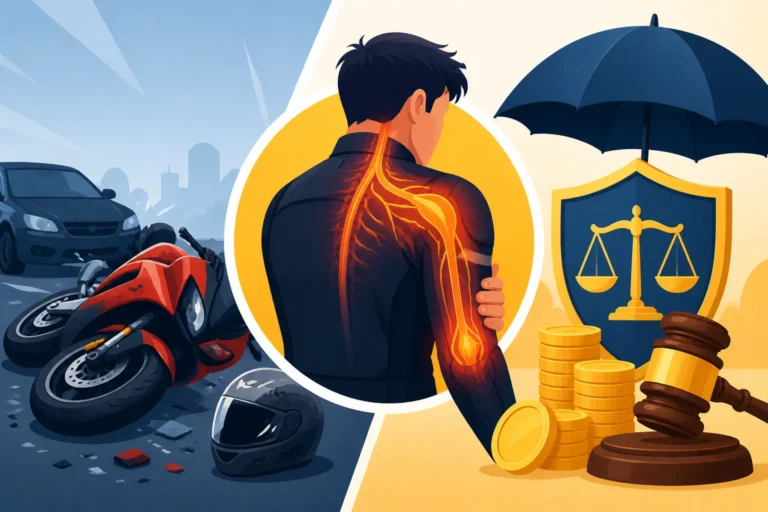
One of the most persistent issues after a severe fracture is chronic pain. Even after the bone has visibly healed, many individuals experience lingering aches, sharp pains, or a dull throbbing that can become a constant companion. This pain often worsens with activity, weather changes, or prolonged periods of standing or sitting. It's not uncommon for riders to report residual stiffness and a reduced range of motion in the affected joint, making simple movements feel difficult or impossible.
Imagine a rider who once effortlessly navigated winding roads, now struggling with a stiff ankle that makes shifting gears painful, or a wrist that can no longer grip the handlebars comfortably for long distances. These mobility challenges can severely impact hobbies, exercise, and even basic activities of daily living. Tasks that were once automatic, like climbing stairs, carrying groceries, or even sleeping comfortably, can become daily battles. This can lead to a significant decline in quality of life and a feeling of loss, as parts of your former life become inaccessible. This persistent pain and limitation are key components when considering Pain and Suffering Damages Explained in a personal injury claim.
Secondary Complications and Future Surgeries
Unfortunately, the initial healing of a fracture doesn't always mark the end of medical interventions. Many secondary complications can arise years down the line. One of the most common long-term issues is the development of post-traumatic arthritis in joints adjacent to or affected by the fracture. The trauma to the cartilage and bone can accelerate joint degeneration, leading to pain, swelling, and stiffness that may eventually necessitate a joint replacement.
Other complications include non-union, where the bone fails to heal completely, or malunion, where it heals in an incorrect position, leading to deformity and impaired function. Both often require additional surgeries to correct. Infections, especially with open fractures or surgical interventions, can also become chronic issues, requiring repeated treatments and possibly leading to further bone damage. Nerve damage during the accident or surgery can result in numbness, tingling, or persistent neuropathic pain. Sometimes, the hardware (plates, screws, rods) inserted during surgery can become irritating, cause pain, or loosen, necessitating another surgery for its removal. These potential future medical needs are critical when considering Future Medical Costs Explained as part of your overall damages.
Psychological and Financial Burdens
Beyond the physical scars, motorcycle fractures often leave deep psychological and financial wounds. The trauma of the accident itself can lead to Post-Traumatic Stress Disorder (PTSD), characterized by flashbacks, nightmares, and heightened anxiety, particularly around riding or even just being near traffic. Depression and anxiety are also common, stemming from chronic pain, loss of independence, inability to work, and the sheer frustration of a prolonged recovery. The inability to participate in activities you once loved, like riding, can exacerbate these feelings of loss and isolation.
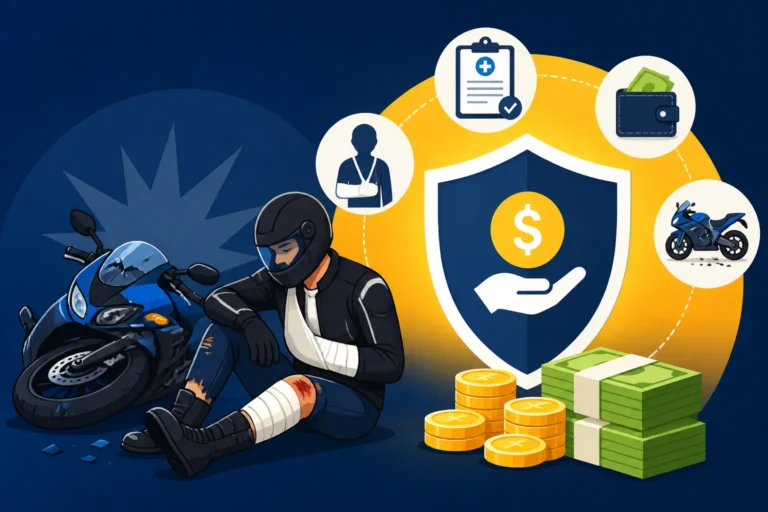
Financially, the burden can be astronomical. The immediate costs of emergency care, surgeries, hospital stays, medications, and rehabilitation can quickly accumulate. But then there are the ongoing costs: future medical treatments, potential adaptive equipment, and loss of income dueital if your injury has made it impossible to return to your previous job, or if you're earning significantly less. These financial stressors can add immense pressure to an already challenging situation, affecting not just the injured rider but their entire family. Understanding all the types of damages available, both economic and non-economic, is crucial for your financial recovery. Our guide on Types of Damages in a Motorcycle Accident Claim delves into this further.
Documenting Your Journey for a Claim
Dealing with the aftermath of a motorcycle fracture is incredibly tough, but if another party's negligence caused your accident, you shouldn't have to bear the financial burden alone. Proper documentation of your injuries and their impact is absolutely critical for any personal injury claim.
The Importance of Medical Records
Your medical records are the backbone of your motorcycle accident claim. They provide objective evidence of your injuries, the severity of your fractures, and the extensive treatment you've undergone. Every doctor's visit, every imaging report (X-rays, CT scans, MRIs), every surgical report, every prescription, and every note from your physical or occupational therapist is vital.
These records detail the diagnosis, the treatment plan, the progression of your healing (or lack thereof), and any complications. They demonstrate the necessity of your medical care and help to quantify the extent of your pain and suffering. Without clear, comprehensive medical documentation, it becomes incredibly difficult to prove the link between the accident and your injuries, or to argue for the true cost of your medical expenses. For more on what to include, check out our guide on How to Document Injuries for a Claim.
Tracking Expenses and Lost Income
Beyond medical proof, you'll need to meticulously track all financial losses related to your fracture. This includes all medical bills, from the ambulance ride and emergency room visit to specialist consultations, surgeries, medications, and ongoing physical therapy. Keep original receipts, billing statements, and Explanation of Benefits (EOB) from your insurance company. Don't forget smaller, often overlooked expenses like mileage to and from medical appointments, parking fees, and any over-the-counter pain relievers or medical supplies you've purchased.
For lost income, gather pay stubs from before and after the accident, tax returns, and any letters from your employer detailing your time off. If you're self-employed, this might involve more detailed financial records, like profit and loss statements. If your injury prevents you from returning to your former line of work or reduces your earning capacity, this needs to be thoroughly documented by vocational experts or economists. These detailed records are indispensable when calculating damages for both Medical Expenses in a Motorcycle Claim and Lost Wages in a Motorcycle Claim.
The Value of an Injury Journal
While medical records and financial documents cover the tangible aspects of your injury, an injury journal captures the deeply personal and often invisible impact of a fracture. This is where you document your daily pain levels, stiffness, limitations in movement, emotional struggles, and how your injury affects your ability to enjoy life.
For instance, describe how a broken wrist makes it impossible to tie your shoes, cook, or even hold a cup of coffee. Detail the sleepless nights due to pain, the frustration of not being able to ride your motorcycle, or the anxiety you feel around traffic. An injury journal provides a narrative that supplements the cold, hard medical facts. It gives a human face to your suffering and helps to demonstrate the non-economic damages, such as pain and suffering, emotional distress, and loss of enjoyment of life, which are a significant component of your claim. This personal account can be incredibly powerful in conveying the true extent of your trauma to insurance adjusters or a jury.
Here's a quick look at how common motorcycle fracture treatments compare:
| Feature | Non-Surgical Treatment (e.g., Casting/Splinting) | Surgical Treatment (e.g., ORIF/External Fixation) |
|---|---|---|
| Fracture Type | Simple, non-displaced, or easily reducible fractures | Complex, displaced, unstable, or comminuted fractures |
| Procedure | Manual realignment (closed reduction), immobilization | Open incision, bone realignment, internal hardware |
| Immobilization | Casts, splints, braces | Internal plates/screws, external frames |
| Recovery Time | Weeks to months (often shorter initial healing) | Months to over a year (longer initial recovery) |
| Pain Level | Managed with medication, gradually lessens | More intense post-op, managed with stronger medication |
| Risks | Stiffness, skin irritation, improper healing | Infection, nerve damage, hardware issues, scarring |
| Rehabilitation | Crucial for regaining strength & range of motion | Intensive PT/OT, often begins early (post-op approval) |
| Long-Term Outlook | Good for appropriate fractures, less invasive | Often restores better alignment for complex breaks |
Navigating the Legal Landscape of Your Fracture Claim
Dealing with the physical and emotional toll of a motorcycle fracture is more than enough to handle. Trying to navigate the complex legal and insurance landscape on top of that can feel impossible. This is precisely why many riders find themselves overwhelmed and unsure where to turn.
When a Lawyer Becomes Your Co-Pilot
After a serious motorcycle accident resulting in a fracture, the thought of adding "hire a lawyer" to your already overflowing plate might seem daunting. However, it's often one of the smartest moves you can make. The reality is, insurance companies are not on your side. Their primary goal is to minimize payouts, and they often employ tactics to undervalue your claim, shift blame, or pressure you into a quick, lowball settlement. This is especially true with motorcycle accidents, where there can be a bias against riders.
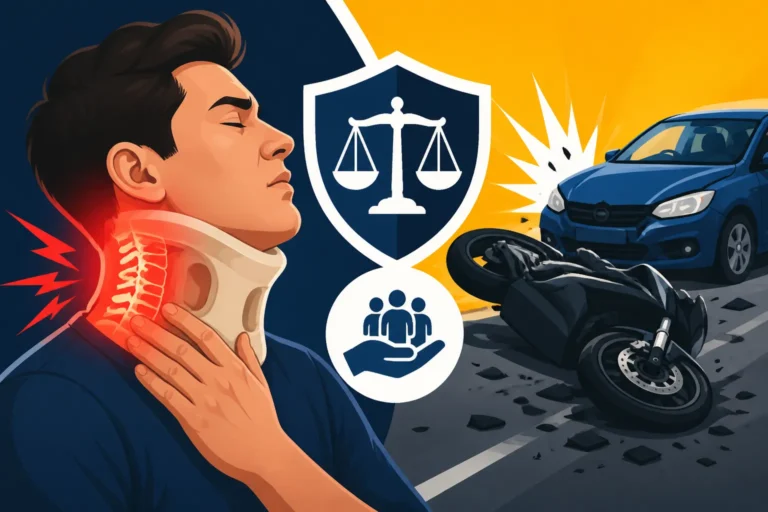
A knowledgeable personal injury attorney, particularly one with experience in motorcycle accidents, acts as your advocate. They understand the intricacies of injury law, the local regulations (like Motorcycle Accident Fault Laws in California, or whichever state you're in), and how to counter the insurance company's strategies. They will handle all communication, paperwork, and negotiations, allowing you to focus on what truly matters: your recovery. They know how to properly calculate all your damages, including economic losses like medical bills and lost wages, and non-economic losses like pain and suffering, ensuring nothing is overlooked. For a deeper dive into whether legal representation is right for you, consider our piece on Do You Need a Motorcycle Accident Lawyer.
Proving Fault and Maximizing Compensation
One of the biggest hurdles in any motorcycle accident claim, particularly with a fracture, is establishing who was at fault. Insurance companies will often try to pin some, or all, of the blame on the rider. Your lawyer will meticulously gather evidence – police reports, witness statements, accident reconstruction reports, traffic camera footage, and even cell phone records if distracted driving is suspected – to prove the other party's negligence. Understanding who is ultimately liable is key to securing your rightful compensation. Our resource on Motorcycle Accident Liability A Complete Guide provides a comprehensive overview.
Once fault is established, the focus shifts to maximizing your compensation. This means demonstrating the full extent of your damages, both present and future. For a severe fracture, this includes not just current medical bills but also anticipated future surgeries, ongoing physical therapy, adaptive equipment, and even potential long-term care. It also includes lost income, both past and future, and the immense impact on your quality of life. An attorney will work with medical experts, vocational experts, and economists to provide a clear, compelling picture of your losses, ensuring you receive a fair settlement that truly reflects the devastating long-term impact of your fracture. This is particularly important when dealing with severe breaks or Motorcycle Amputation Claims and Compensation.
The Statute of Limitations and Why Timing Matters
It’s a harsh reality that you don't have forever to file a claim. Every state has a legal deadline, known as the "statute of limitations," for personal injury lawsuits. This deadline varies significantly from state to state; for example, in California, it's typically two years from the date of the injury, but it can be different in other places like Statute of Limitations for Motorcycle Claims in Texas or Statute of Limitations for Motorcycle Claims in Florida. If you miss this deadline, you could lose your right to pursue compensation, regardless of how strong your case is.
This is another critical reason to consult with an attorney as soon as possible after your accident, especially once your immediate medical needs are stable. An attorney will ensure all necessary paperwork is filed within the legal timeframes, protecting your right to seek justice and recovery. They can begin investigating your case, gathering evidence, and building a strong foundation for your claim while you focus on healing.
Disclaimer
Please remember that the information provided in this guide is intended for general informational purposes only and does not constitute legal or medical advice. Every motorcycle accident and injury claim is unique, and the specifics of your situation will determine the best course of action. It is highly recommended to consult with a qualified medical professional for diagnosis and treatment of any injuries and to seek advice from an experienced motorcycle accident attorney regarding your legal rights and options.