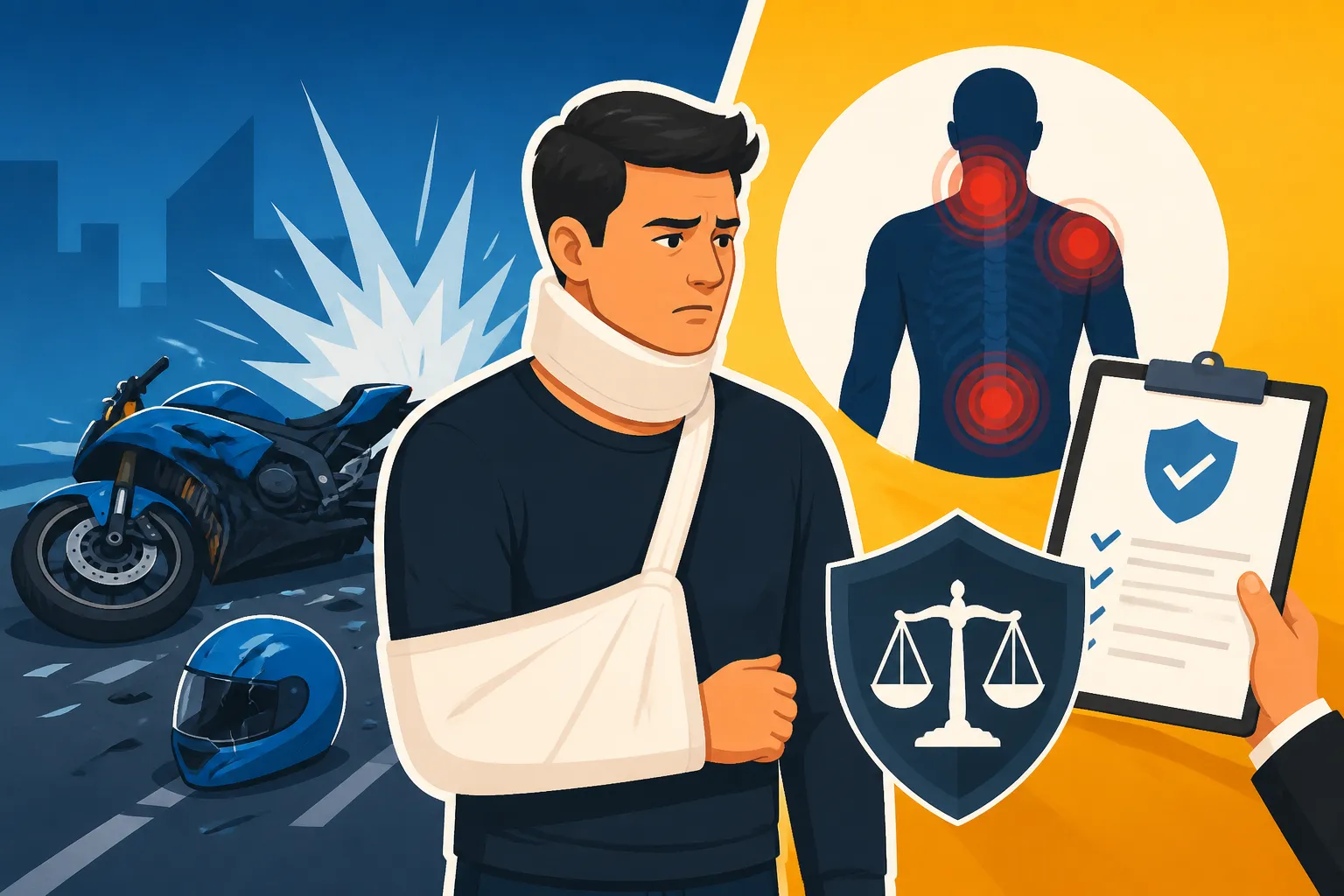
How Pre-Existing Injuries Affect Your Claim
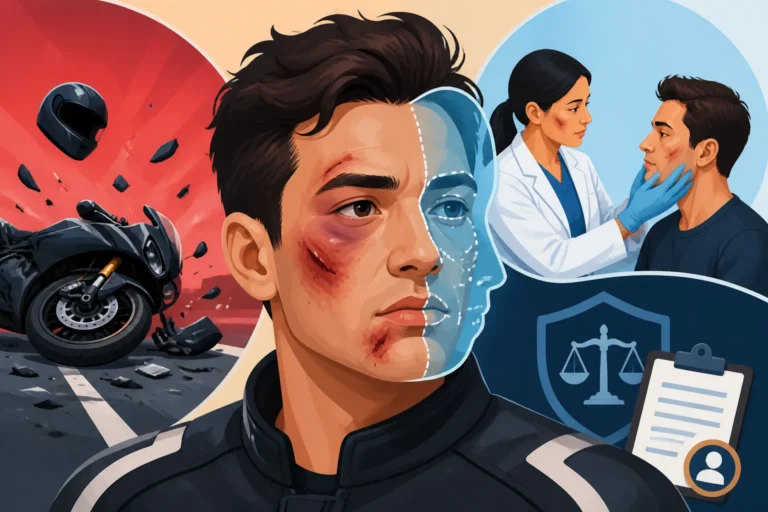
It’s a frustrating reality when you’re involved in a motorcycle accident and you’re already dealing with a pre-existing injury or condition. The immediate worry isn’t just about the new pain, but how this whole mess will complicate your ability to get fair compensation. You might be wondering if that old back injury or a previous knee surgery will derail your entire motorcycle accident claim, making it seem like your current suffering isn't "new" enough to warrant damages. This guide aims to clear up those concerns, explaining how pre-existing conditions are handled and what you can do to protect your claim.
Understanding the "Eggshell Skull Rule" in Motorcycle Accident Claims
One of the most crucial legal principles that can protect your claim when you have a pre-existing injury is something known as the "eggshell skull rule," or sometimes, the "eggshell plaintiff rule." This rule sounds a bit odd, but it’s incredibly important for injury victims, especially motorcycle riders who often face severe impacts. In essence, it means that a defendant, the person at fault for your accident, must take their victim as they find them. They can't argue that your injuries would have been less severe if you hadn't had a particular pre-existing condition.
Let's break this down further. If you, unfortunately, have a skull as fragile as an eggshell and someone negligently causes an accident that cracks it, they are responsible for the full extent of that injury, even if a "normal" person's skull wouldn't have fractured in the same way. The at-fault driver isn't excused because you were more susceptible to harm. Their negligence is what caused the harm to you, specifically, with all your unique vulnerabilities. This rule is designed to prevent negligent parties from escaping liability just because their victim wasn't in perfect health.
How the Eggshell Skull Rule Protects Vulnerable Riders
For us riders, this rule is a powerful shield. Imagine you had a previous neck injury from a fall years ago, and it's mostly healed but still leaves you a bit more vulnerable. Then, you're involved in a rear-end collision on your motorcycle caused by a distracted driver. Your old neck injury flares up intensely, or perhaps you suffer a new, more severe injury in the same area. The negligent driver or their insurance company cannot argue, "Well, if you didn't have that old neck injury, this new accident wouldn't have been so bad, so we're only paying for a 'normal' person's whiplash." That's precisely what the eggshell skull rule prevents. They are liable for all the harm their negligence caused, including the exacerbation of your pre-existing condition.
This means that if a new trauma aggravated an old injury, or turned a dormant condition into an active, painful one, you are entitled to seek compensation for that increased pain, suffering, medical expenses, and lost wages. It’s not about claiming for the old injury itself, but for how the new accident changed or worsened your situation. The rule ensures that the person responsible for the crash bears the full financial burden of the consequences, regardless of your prior health status. This is a fundamental principle in personal injury law across many states, including those with Motorcycle Accident Fault Laws in California or Motorcycle Accident Fault Laws in Texas.
Limitations and Nuances of the Rule
While the eggshell skull rule is a significant protection, it's not a blank check. It doesn't mean you can claim compensation for an injury that was going to happen anyway due to your pre-existing condition, even without the accident. The key is causation. You must be able to demonstrate that the motorcycle accident either directly caused a new injury or worsened a pre-existing one. If your back pain was steadily worsening due to a degenerative disc disease, and the accident simply coincided with a natural progression of that disease, it might be harder to claim. However, if the accident significantly accelerated that degeneration or turned mild discomfort into debilitating pain, then the rule comes into play.
Another important nuance is that the rule doesn't excuse you from disclosing your full medical history. In fact, transparency is key. Insurers will undoubtedly dig into your past medical records. If you try to hide a pre-existing condition, it can severely damage your credibility and, by extension, your entire claim. The rule works best when you are upfront about your condition and can clearly articulate how the accident impacted it.
How Insurance Companies Use Pre-Existing Conditions Against You
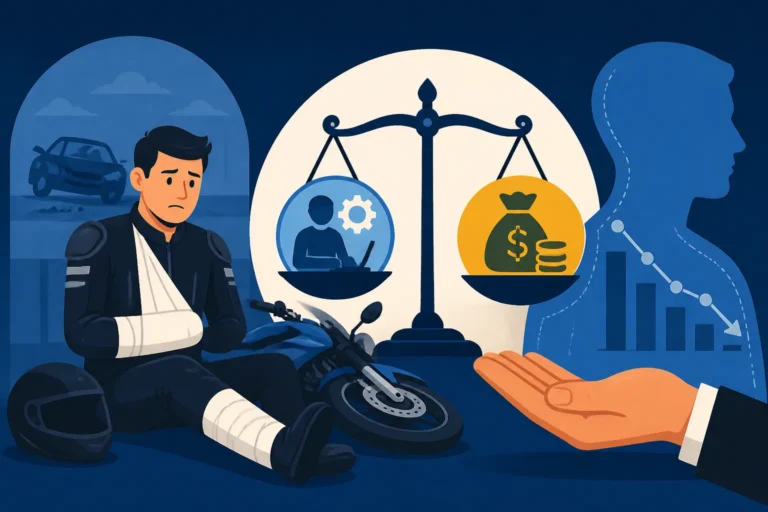
Let's be realistic: insurance companies are not typically in the business of readily handing out large settlements, especially when there's an opportunity to minimize their payout. When you have a pre-existing injury, their adjusters will often try to use it as a primary weapon against your claim. Their goal is to prove that your current suffering isn't a direct result of their insured's negligence, but rather a continuation or natural progression of your prior health issues. This is a tactic designed to reduce the value of your Types of Damages in a Motorcycle Accident Claim.
They might employ several strategies to achieve this. One common approach is to request extensive medical records, not just from after the accident, but from years prior. They'll scour these records for any mention of the same body part or similar symptoms, hoping to find evidence that your current complaints are old news. They might highlight a doctor's note from five years ago about occasional knee pain, even if you hadn't experienced it for years before the crash, to argue that your current knee injury is entirely unrelated to the accident.
Denying or Minimizing Liability
Insurance adjusters are trained to look for any reason to deny or reduce the amount they have to pay. If they can successfully argue that your pain is solely due to an old injury, they can deny liability for your medical expenses and pain and suffering. They might say, "Your medical records show you had back surgery three years ago. We believe your current back pain is just a recurrence of that prior issue, not something caused by our insured's accident." This puts the burden on you to prove otherwise, which can be incredibly stressful, especially when you're also trying to recover.
They may also offer a "lowball" settlement, hoping you'll be desperate enough to accept it rather than fight. They might even try to make you feel as if your pre-existing condition makes your case inherently weak, even when the law is on your side due to the eggshell skull rule. This is one of the many reasons why having a clear understanding of How Insurance Companies Assign Blame to Riders is crucial. They exploit any ambiguity to their advantage, and a pre-existing condition provides ample room for them to do so.
Blaming Your Prior Lifestyle or Hobbies
Another tactic might involve trying to link your pre-existing condition to your lifestyle or hobbies, particularly riding a motorcycle. While riding itself isn't inherently dangerous in a legal sense, they might try to paint a picture that your prior activities contributed to your vulnerability, thereby downplaying the impact of the accident. For instance, if you had shoulder problems before, they might suggest that the act of riding a motorcycle itself exacerbated that condition over time, rather than the sudden force of a collision.
It's important to recognize these tactics for what they are: attempts to save the insurance company money. They are not genuinely concerned with your well-being or the true impact of the accident on your life. This is why being prepared and understanding how to counter these arguments is so vital to maximizing your motorcycle accident settlement.
Proving Your Injuries Were Exacerbated or New
The key to a successful motorcycle accident claim, especially with a pre-existing injury, lies in proving causation. You need to clearly demonstrate that the recent accident either caused entirely new injuries or significantly worsened an existing condition. This isn't always easy, but with the right approach and evidence, it's absolutely achievable. The strength of your claim will heavily depend on robust medical documentation and expert testimony.
The Importance of Medical Documentation
Your medical records are the backbone of your claim. Immediately after a motorcycle accident, even if you feel okay or only experience a slight worsening of an old ache, it is paramount to What to Do Immediately After a Motorcycle Accident and seek professional medical attention. Explain everything to your doctors: all your symptoms, where you hurt, and crucially, mention any pre-existing conditions you have in those areas. Be specific about how the accident changed your condition – did the pain increase from a 2 to an 8? Did numbness appear where there was none before?
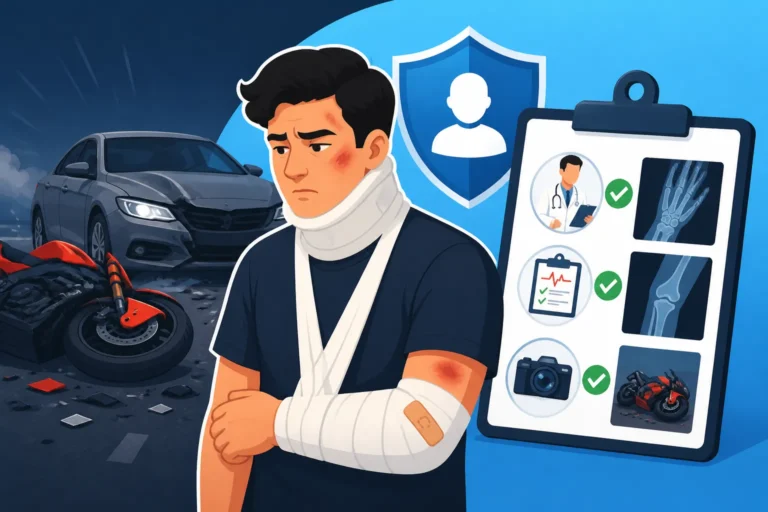
Doctors will document your current complaints and, ideally, perform diagnostic tests (X-rays, MRIs, CT scans) that can provide a snapshot of your condition post-accident. If you have older records, these new images can be compared to show changes, such as new fractures, disc herniations, or increased swelling that weren't present before. Consistent medical care is also essential; gaps in treatment can be interpreted by insurers as a sign that your injuries aren't severe or aren't related to the accident. Every visit, every therapy session, and every prescription becomes part of the evidence. How to Document Injuries for a Claim is paramount.
Medical Expert Testimony and Opinion
Sometimes, your existing doctors might be able to provide clear statements or reports indicating that your pre-existing condition was aggravated by the accident. However, in more complex cases, or when insurers push back aggressively, you might need a medical expert. This could be a specialist who reviews your entire medical history – both before and after the accident – and provides an expert opinion. They can explain how the forces of a typical motorcycle accident could impact someone with your specific pre-existing condition, and directly link your current symptoms and diagnoses to the crash.
For example, an orthopedic surgeon could testify that while you had some minor degenerative changes in your spine before the accident, the sudden trauma of the collision caused a new herniated disc or significantly accelerated the degenerative process, leading to severe, new symptoms. This kind of expert testimony carries significant weight because it comes from an unbiased medical professional who can translate complex medical information into understandable terms for a jury or an insurance adjuster. This is a critical piece of Motorcycle Accident Evidence for Proving Fault.
Strategies for Strengthening Your Claim with Pre-Existing Injuries
Dealing with a motorcycle accident claim is already a complex process, but adding a pre-existing injury can make it feel overwhelming. However, by being proactive and strategic, you can significantly strengthen your position and protect your right to fair compensation. It's about building a compelling case that clearly connects your current suffering to the negligence of the at-fault party, even with your medical history.
Maintain Thorough Records and Be Transparent
From the moment of the accident, meticulous record-keeping is your best friend. This means not just your medical records, but also a detailed journal of your symptoms, pain levels, limitations, and how your daily life has changed. Note dates, times, and specific incidents. For example, "November 10: Couldn't lift my arm to brush my hair due to shoulder pain, worse than before the accident." This personal account complements the clinical data and vividly illustrates the impact of the accident on your life.
Crucially, always be transparent about your pre-existing conditions with your medical providers and, eventually, with your legal team. Trying to hide anything will inevitably backfire. When an insurance company uncovers a hidden medical history, it instantly erodes your credibility, making it much harder to believe anything else you say. Instead, embrace your history and clearly explain how the accident affected it. A good motorcycle accident lawyer will know how to present this information effectively, without allowing it to unfairly prejudice your case.
Seek Specialized Medical Evaluation
While your primary care physician is a vital resource, a severe motorcycle accident, especially one involving an exacerbated pre-existing condition, often warrants consultation with specialists. If your old knee injury now requires surgery, seeing an orthopedic surgeon is essential. If you're experiencing new or worsened neurological symptoms, a neurologist is crucial. These specialists can provide in-depth diagnoses and explain how the new trauma specifically impacted your pre-existing condition. Their expert opinions will be invaluable in countering the insurance company's arguments.
Moreover, if you had a period of stability or improvement with your pre-existing condition before the accident, gathering those medical records can be highly beneficial. Records showing that you were managing your condition well, or that symptoms had significantly lessened, can serve as a powerful baseline against which to compare your post-accident state. A sudden downturn in health or a return of severe symptoms after years of remission directly following an accident can strongly suggest causation.
Work with an Experienced Motorcycle Accident Lawyer
Perhaps the most critical step you can take when a pre-existing injury complicates your claim is to Do You Need a Motorcycle Accident Lawyer. An attorney specializing in motorcycle accidents will have a deep understanding of the eggshell skull rule and how insurance companies operate. They know the tactics insurers use to deny or minimize claims and, more importantly, they know how to counter them effectively. They can help you gather all necessary medical records, coordinate with your doctors, and even arrange for independent medical examinations or expert witnesses if needed.
Your lawyer will build a compelling case, focusing on the evidence that links the accident to your new or worsened injuries. They can negotiate with insurance adjusters on your behalf, preventing you from accidentally saying something that could harm your claim. If negotiations fail, they'll be prepared to take your case to court, where they can vigorously argue for your rights under the eggshell skull rule. Facing a powerful insurance company alone, especially with the added complexity of a pre-existing condition, is a daunting task, and having a knowledgeable advocate significantly increases your chances of a fair outcome. This is especially true When the Driver Is Clearly at Fault, but they are still trying to blame your prior health.
Comparing New vs. Exacerbated Injuries
It’s helpful to understand the distinction between a brand-new injury caused by an accident and a pre-existing injury that has been exacerbated. Both are compensable under the law, but the way you prove them and the evidence required can differ slightly.
| Aspect | New Injury (Directly Caused) | Exacerbated Pre-Existing Injury (Worsened by Accident) |
|---|---|---|
| Definition | An injury that did not exist before the accident. | An existing injury or condition made worse, more painful, or active by the accident. |
| Causation Focus | Proving the accident directly created the injury. | Proving the accident aggravated or accelerated the pre-existing condition. |
| Evidence Needed | Post-accident diagnostic imaging (X-rays, MRI), doctor's notes confirming new diagnosis. | Pre-accident medical records (showing stable/improving condition), post-accident records (showing worsening), comparative imaging, doctor's opinion. |
| Key Legal Principle | Standard negligence principles (duty, breach, causation, damages). | Eggshell Skull Rule (defendant takes victim as they find them). |
| Insurance Tactics | May try to argue no direct link to accident, or minor injury. | Will try to attribute all current symptoms to the pre-existing condition. |
| Proving Impact | Demonstrating onset of pain, new physical limitations. | Showing increase in pain, new symptoms, loss of prior functionality, need for new/more aggressive treatment. |
Regardless of whether your injury is entirely new or an exacerbation of an old one, the underlying principle is that the at-fault party is responsible for the damages their negligence caused. The challenge lies in clearly documenting and proving that causal link, which is where careful record-keeping, medical expertise, and legal guidance become indispensable. Whether it's a minor injury or something more serious like Motorcycle Traumatic Brain Injury Claims and Compensation, the impact of the accident must be clearly established.
Common Myths About Pre-Existing Conditions and Claims
There are a lot of misconceptions floating around about how pre-existing injuries impact personal injury claims. These myths often cause riders unnecessary stress and can even lead them to abandon valid claims. Let's debunk a few of these common misunderstandings.
Myth 1: "If I have a pre-existing condition, I can't get any compensation."
This is simply not true, thanks to the eggshell skull rule. As discussed, you absolutely can seek compensation if the motorcycle accident worsened your pre-existing condition or caused new injuries that wouldn't have been as severe if not for your prior vulnerability. The law is designed to protect individuals, not just those in perfect health. Insurers want you to believe this myth so you'll give up easily, but a skilled attorney knows how to fight this narrative. This applies even if you were already managing something like Motorcycle Neck Injury Claims and Compensation prior to the crash.
Myth 2: "I have to disclose everything, even if it's not related to the accident."
While transparency is important, the insurance company isn't entitled to every single detail of your medical history, especially if it's completely irrelevant to the injured body part or the type of injury sustained. Your attorney will help you navigate what medical information is relevant and must be disclosed, and what is considered an overreach by the insurance company. They cannot go on a "fishing expedition" through your entire medical history without reasonable cause. However, if your arm was injured, and you have records of prior arm injuries, those will certainly be relevant.
Myth 3: "The insurance company will automatically know about my pre-existing condition."
Not necessarily. While they have ways of searching for public records or may ask for broad medical releases, they don't automatically know your entire medical history. However, once you file a claim, they will almost certainly investigate. If you hide a relevant pre-existing condition and they discover it, it could be devastating to your case. It's always better to be upfront and proactive, allowing your legal team to prepare a strong defense against any attempts to minimize your injuries. By proactively documenting everything, you prevent insurers from building a case against you, as detailed in guides like How to Document the Scene to Prove Fault.
Moving Forward With Your Claim
Navigating a motorcycle accident claim with a pre-existing injury can feel like an uphill battle, but it's a fight you can win with the right information and support. The legal system, particularly through the eggshell skull rule, is designed to protect you. Your focus should be on your recovery, diligently following medical advice, and meticulously documenting how the accident has affected your life.
Remember, the insurance company’s job is to protect its bottom line, not your well-being. They will scrutinize your medical history and try to attribute your current pain to old injuries. This is where an experienced motorcycle accident attorney becomes invaluable. They understand these tactics and possess the legal acumen to effectively counter them, ensuring that the full impact of the accident on your health and life is recognized and compensated. Don't let the existence of a pre-existing condition deter you from seeking the justice and compensation you deserve after a traumatic event. Always remember to prioritize your health, document thoroughly, and seek professional legal guidance.
Disclaimer
Please note that this article provides general information and insights into motorcycle accident claims and legal principles. It is not intended as legal advice and should not be relied upon as such. Every motorcycle accident claim is unique, and the outcome depends on specific facts, applicable laws, and individual circumstances. For personalized advice regarding your situation and pre-existing injuries, it is crucial to consult with a qualified personal injury attorney in your jurisdiction.