What to Do Immediately After a Motorcycle Accident
In the chaotic moments right after a motorcycle accident, it's incredibly easy to feel overwhelmed, disoriented, and scared. The roar of the crash, the sudden impact, and the immediate pain can make it hard to think straight, let alone remember what steps you need to take. This guide is here to cut through that confusion, providing clear, actionable advice on what you should do immediately following a motorcycle collision to protect your safety, your health, and your legal rights.
Prioritize Safety and Seek Medical Attention
The very first things on your mind should always be your personal safety and getting any necessary medical help. Everything else, while important, comes second to your well-being.
Securing the Scene and Personal Safety
It’s completely normal to be in shock after an accident. Your adrenaline will be pumping, your heart racing, and you might not even realize the full extent of what just happened or if you're seriously hurt. However, if you are able, the immediate aftermath requires you to take a few crucial steps to prevent further harm. First and foremost, assess your surroundings. Is your motorcycle still in the lane of traffic, creating a hazard for oncoming vehicles? Are you lying in a dangerous spot? If it is safe to do so, and you are physically able, try to move yourself and your motorcycle to the side of the road or out of the direct path of traffic. This might mean pushing your bike a few feet onto the shoulder, or simply crawling a short distance yourself.
Don't be a hero if you're seriously injured; if moving causes immense pain or you suspect a spinal injury, stay put and wait for emergency services. Once you're in a safer spot, or if you can't move, activate your motorcycle's hazard lights if they're functional. This makes you more visible to other drivers, especially if the accident occurred at night or in poor visibility. If you have any reflective gear, a high-visibility vest, or roadside flares (a smart item to carry, by the way!), deploy them to further warn approaching traffic. Many riders instinctively want to assess their bike, but your personal safety, and the safety of others, must come first. Remember, the road can be a dangerous place, and being a visible, stationary obstacle only increases the risk of a secondary collision.
Checking for Injuries and Calling for Help
Once you've managed to secure the scene as best as you can without risking further injury, your next, and arguably most critical, step is to check yourself and anyone else involved for injuries. Even if you feel okay at first, adrenaline can mask significant pain and serious internal injuries. You might not notice a broken bone or internal bleeding until hours later when the shock wears off. Do a quick head-to-toe assessment. Can you move your limbs? Do you feel any sharp pains? Is there any visible bleeding or bruising? Don't dismiss any discomfort, no matter how minor it seems in the moment.
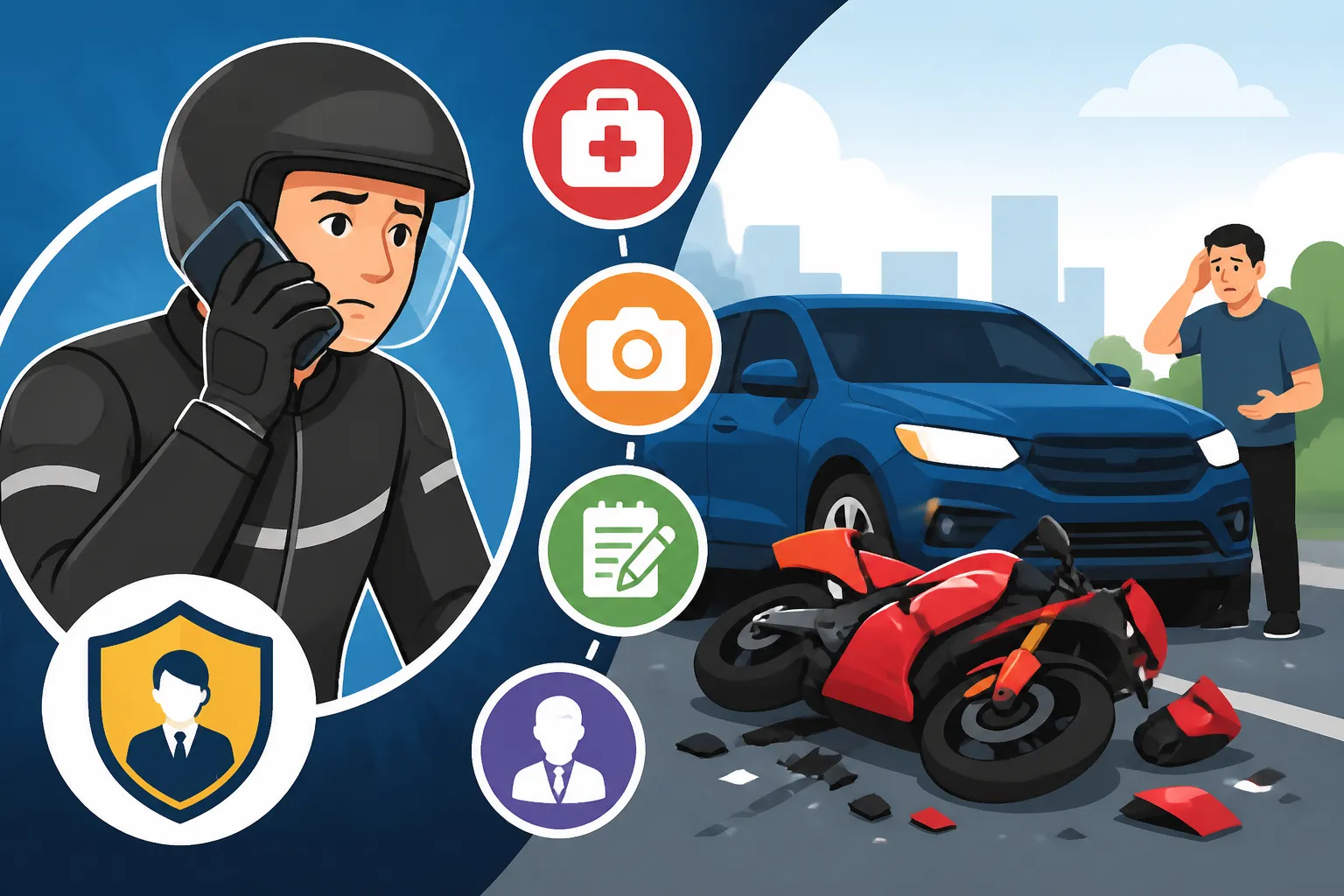
Immediately call 911 or have someone call for you. This call will dispatch both law enforcement and emergency medical personnel. Even if you believe your injuries are minor, getting checked out by paramedics at the scene is vital. They can assess you for concussions, internal injuries, and other issues that might not be immediately obvious. Moreover, refusing medical attention at the scene can be used against you later by insurance companies, who might argue that your injuries weren't serious enough to warrant immediate care, thereby reducing the value of your claim. Accepting medical transport to the nearest hospital, like an urgent care clinic or emergency room, ensures a thorough examination and creates an official record of your injuries. This record will become crucial evidence if you pursue a motorcycle accident claim later on. This initial medical documentation is often the foundation of proving your damages.
Documenting the Accident Scene
After prioritizing your safety and ensuring emergency services are on their way, the next critical phase is to gather as much information as possible from the accident scene. This data will be invaluable for establishing fault and supporting any future claims. Understanding how to document the scene to prove fault is a critical step many riders overlook.
Gathering Essential Information
While the scene is likely bustling with emergency personnel, try to stay focused and collect key details. Your primary goal is to get information from the other driver(s) involved. If there are multiple vehicles, get details from all drivers. Don't rely solely on the police to do this, as their report might not be immediately available or could contain errors.
Here's a list of what you should aim to collect:
- Other Driver's Information:
- Full name
- Phone number
- Address
- Driver's license number
- License plate number
- Vehicle Information:
- Make, model, and year of their vehicle
- Vehicle identification number (VIN), if easily accessible (often visible through the windshield on the driver's side)
- Color of the vehicle
- Any visible damage to their vehicle
- Insurance Information:
- Insurance company name
- Policy number
- Name of the insured party (if different from the driver)
- Witness Information:
- Names
- Phone numbers
- Email addresses
- Any statements they might have made (e.g., "I saw them run the red light!")
It's natural to feel shaken, but try to write down these details in a notebook or on your phone. If you're too injured, ask a trusted bystander or even a police officer to help you gather this information. Remember, your memory can fade quickly under stress, so getting it down immediately is best.
Capturing Photo and Video Evidence
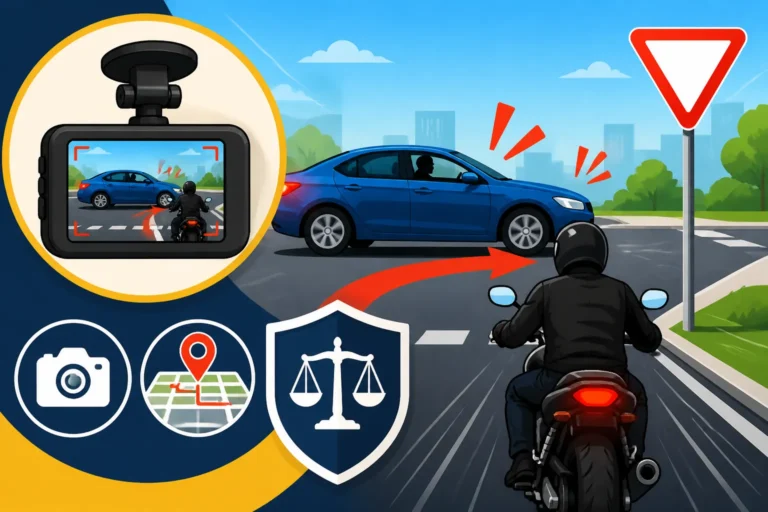
In today's digital age, your smartphone is one of your most powerful tools for documenting an accident scene. Take as many photos and videos as you possibly can. There’s no such thing as too much visual evidence. These photos to take to prove motorcycle fault can make or break your claim.
Consider these angles and subjects:
- Overall Scene: Start with wide-angle shots showing the entire intersection or stretch of road where the accident occurred. Capture the positions of all vehicles involved before they are moved (if safe to do so). Include road signs, traffic signals, skid marks, and any debris on the road.
- Vehicle Damage: Take close-up photos of the damage to your motorcycle from multiple angles. Don't forget to photograph areas that might seem minor – a small scratch could indicate the point of impact. Do the same for the other vehicle(s) involved.
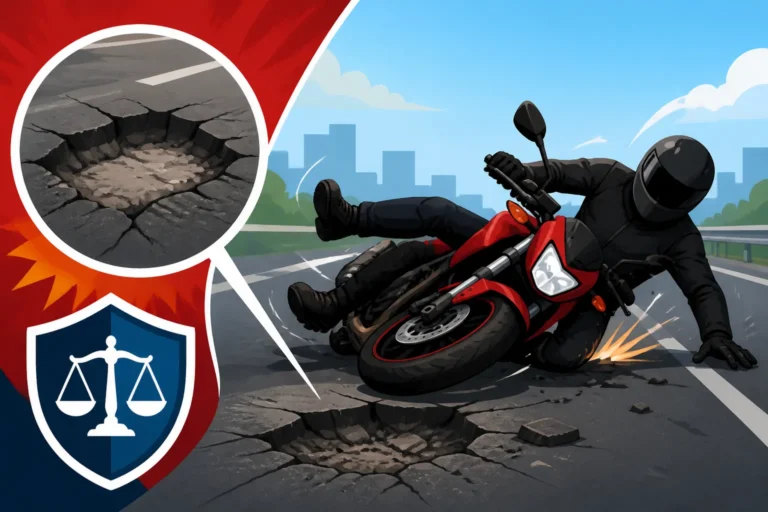
- Road Conditions: Document anything on the road that might have contributed to the accident: potholes, gravel, oil slicks, uneven pavement, construction zones, or even poorly marked lanes. These can be crucial in cases involving road hazards.
- Weather Conditions: If weather played a role (rain, snow, ice, fog, bright sun glare), take photos that show this.
- Injuries: Photograph any visible injuries you or your passenger sustained, such as road rash, cuts, bruises, or swelling. These photos provide immediate visual proof of the physical impact.
- License Plates: Get clear shots of all license plates involved.
- Witnesses and Bystanders: If there are witnesses, respectfully ask if you can take a photo of them and their vehicle (if they're leaving) as a record of their presence.
Video footage can also be incredibly powerful. A quick video walk-through of the scene, narrating what you see, can capture dynamic elements that still photos might miss. For example, a video might show the flow of traffic, the function of a traffic light, or the extent of debris scattered across the roadway. The more comprehensive your visual record, the stronger your position will be when dealing with insurance adjusters later on.
Here’s a quick checklist of information to gather at the scene:
| Category | Specific Items to Collect |
|---|---|
| Other Driver | Name, Phone, Address, Driver's License #, Plate # |
| Other Vehicle | Make, Model, Year, Color, VIN, Visible Damage |
| Insurance | Company Name, Policy #, Insured Party's Name |
| Witnesses | Name, Phone, Email, Brief Statement |
| Scene Photos | Vehicle positions, Damage, Road hazards, Traffic signs |
| Personal Docs | Your Driver's License, Registration, Insurance Card |
Notifying Authorities and Insurance
Once the immediate crisis has passed and you've documented as much as possible, your attention needs to turn to the official notifications. How you communicate with law enforcement and your insurance company can significantly impact the outcome of your claim.
Interacting with Law Enforcement
When police arrive at the scene, they are there to secure the area, gather facts, and potentially issue citations. It's crucial to cooperate with them, but also to be mindful of what you say. Provide them with accurate information about the accident, your contact details, and what you observed. However, avoid speculating or admitting fault. Remember, you might still be in shock, and your perception of events could be incomplete or inaccurate. A simple statement like, "I'm not sure exactly what happened, but I was riding down Main Street when the car suddenly pulled out," is much better than, "I think I might have been going a little fast, and then they turned."
One of the most important things the police will do is create an official police report. This report will detail their findings, including diagrams of the accident, witness statements, and their preliminary assessment of fault. This document can be a cornerstone for your claim, as it's often viewed as an objective account of the incident. Make sure you know which agency responded (city police, county sheriff, state highway patrol) and how to obtain a copy of the report later. The police report can significantly help establish fault in a motorcycle accident and is often requested by insurance companies. However, don't solely rely on it; sometimes, police reports can be incomplete or even contain errors, especially if the officer didn't witness the event directly or if there's a strong rider bias in fault determination.
Reporting to Your Insurance Company
After addressing immediate safety and police involvement, contact your own insurance company as soon as you reasonably can. Most policies require timely notification of an accident. Delaying could potentially jeopardize your coverage. When you call, stick to the facts: state that you were involved in an accident, provide the date, time, and location, and mention if there were any injuries. Again, avoid speculating about fault or giving a detailed, speculative narrative. Simply report the bare facts.
While you need to report the accident, you are not obligated to give a recorded statement to the other driver's insurance company without first consulting with an attorney. Insurance adjusters, even those from your own company, are ultimately looking out for their company's bottom line. They might try to get you to say something that could be used to minimize your injuries or assign a portion of the blame to you. This is why you should never admit fault at the scene or in early conversations. If the other driver was clearly at fault, their insurance company might attempt to offer a quick, lowball settlement before you even fully understand the extent of your injuries or the long-term costs involved. Be particularly wary if you have injuries; accepting an early settlement could prevent you from recovering full compensation for ongoing medical care, lost wages, and pain and suffering. If you have uninsured/underinsured motorist (UM/UIM) coverage, this is the time to make your insurer aware, as it could be vital if the other driver has insufficient coverage.
Protecting Your Rights and Next Steps
The moments and days following an accident are critical, not just for your physical recovery, but for safeguarding your legal and financial future. Don't let the initial shock lead you to make decisions that could harm your claim down the line.
Avoiding Early Settlements or Statements
After a motorcycle accident, it's very common for the at-fault driver's insurance company to contact you quickly. They might seem sympathetic and offer a rapid settlement for your property damage or even for what they deem "minor" injuries. It’s crucial to understand that these early offers are almost always lowball attempts designed to settle your claim for the least amount of money possible, before you've even had a chance to fully assess your damages. You simply cannot know the full extent of your injuries or financial losses in the days or even weeks immediately following a crash. What might seem like a minor backache could develop into a herniated disc requiring surgery, or a mild concussion could lead to long-term cognitive issues.
Signing a release or accepting a settlement too early means you waive your right to seek further compensation, even if your medical condition worsens dramatically. Insurance companies are skilled at minimizing payouts, and they will use anything you say or do against you. That's why it's so important to refrain from giving recorded statements, signing documents, or accepting any offers until you've received a thorough medical evaluation and ideally, spoken with legal counsel. Think of it this way: their goal is to close the case quickly and cheaply, while your goal should be comprehensive recovery. This often takes time and careful evaluation of all your economic vs non-economic damages.
Seeking Legal Guidance
Given the complexities of motorcycle accident claims, from proving fault to battling insurance companies, consulting with an experienced personal injury attorney is one of the smartest moves you can make. Even if you think your case is straightforward, there are many nuances unique to motorcycle accidents that a lawyer specializing in these cases will understand. For instance, insurers often try to assign blame to riders, propagating harmful stereotypes about motorcyclists being reckless, regardless of the actual circumstances of the crash. An attorney can help counter this rider bias in fault determination.
A motorcycle accident lawyer will handle communication with insurance companies, investigate the accident thoroughly, gather all necessary evidence (including medical records, police reports, and witness statements), negotiate on your behalf, and represent you in court if a fair settlement can't be reached. They can help you understand all the types of damages in a motorcycle accident claim you're entitled to seek, not just immediate medical bills and bike repair costs, but also lost wages, future medical expenses, pain and suffering, and loss of enjoyment of life. Most reputable motorcycle accident attorneys work on a contingency fee basis, meaning you don't pay anything upfront, and they only get paid if they win your case. This arrangement makes legal representation accessible to everyone, regardless of their financial situation after an accident. If you're wondering, "Do you need a motorcycle accident lawyer?", the answer is almost always yes, especially if you've suffered injuries. They can provide invaluable guidance, allowing you to focus on your recovery while they handle the legal heavy lifting. This is why learning when to hire a motorcycle accident lawyer is so important.
Disclaimer
Please remember that this information is intended for general guidance only and does not constitute legal advice. Every motorcycle accident is unique, and the laws governing personal injury claims vary by state. It is always recommended to consult with a qualified legal professional for advice specific to your situation.