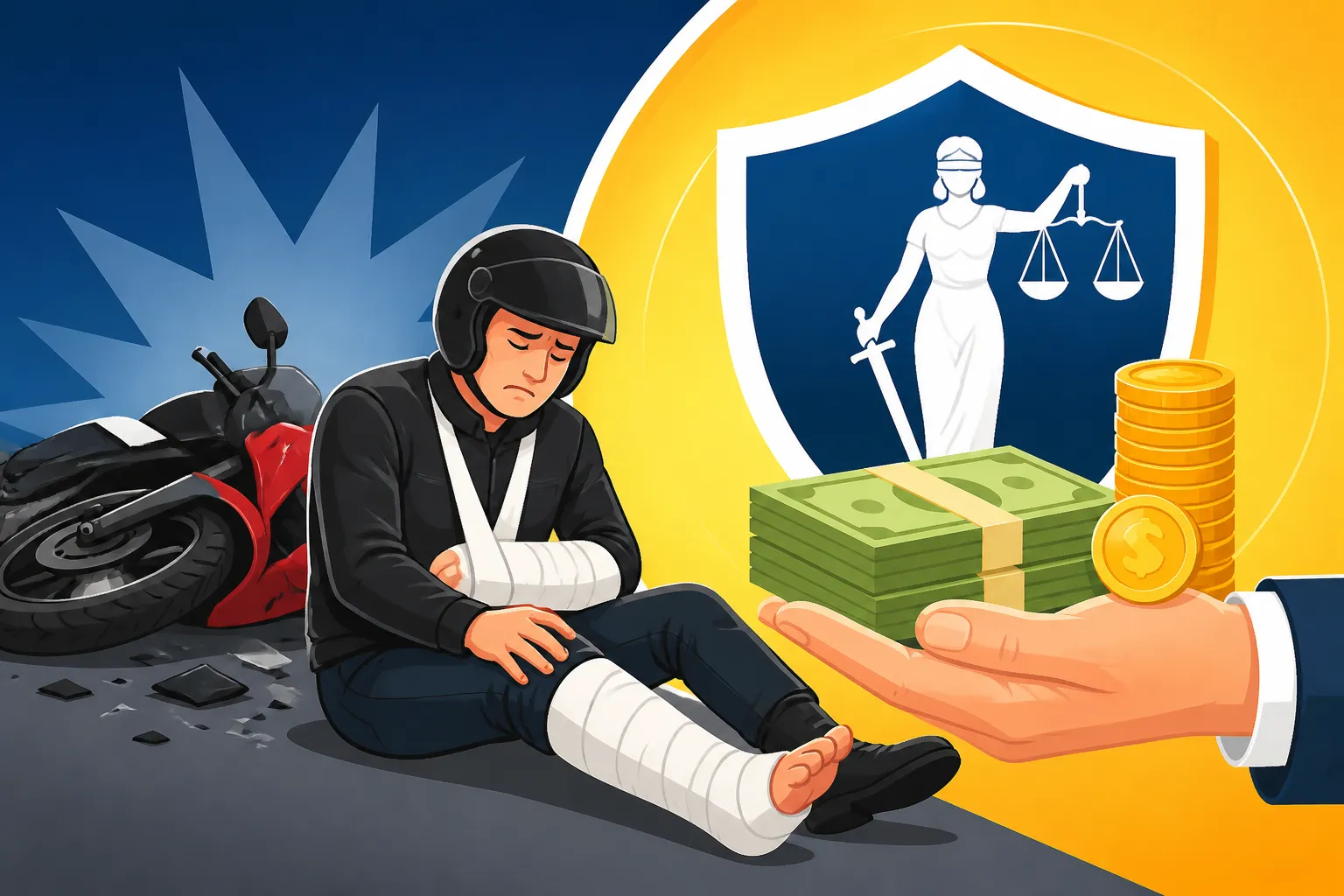
How Much Compensation for Motorcycle Fractures
Riding a motorcycle offers unparalleled freedom, but it also comes with unique risks. When an accident happens, the injuries can be severe, and few are as debilitating as fractures. Dealing with the immediate pain, hospital stays, and endless rehabilitation is overwhelming enough, let alone trying to figure out how you'll pay for it all and what your life will look like afterward. This guide is here to help you understand the complex world of compensation for motorcycle fractures, detailing how these claims are valued and what you need to do to protect your rights.
Understanding Motorcycle Fractures and Their Impact
A fracture isn't just a "broken bone." It's a spectrum of injuries, each with its own severity, treatment path, and long-term consequences. When you're involved in a motorcycle accident, the forces at play are often immense, leading to more complex and serious fractures than those typically seen in other vehicle collisions. The ground, other vehicles, and even your own bike can become crushing forces, leaving you with devastating injuries.
Types of Fractures Common in Motorcycle Accidents
Motorcycle accidents often result in specific types of fractures due to the nature of impact and the lack of external protection compared to an enclosed vehicle. The way your body hits the ground, another vehicle, or even slides across the pavement can dictate the type of break you sustain.
For instance, a simple fall at low speed might lead to a clean break, known as a simple fracture, where the bone is broken but the skin remains intact. These are often seen in wrists or collarbones when a rider instinctively puts out a hand to break their fall. While less severe, they still require significant recovery time, casting, and physical therapy. The costs associated with even these "minor" breaks can quickly add up, from emergency room visits to follow-up orthopedic appointments and imaging tests.
However, many motorcycle accidents involve high speeds and significant trauma, leading to far more complex injuries. A compound fracture, also known as an open fracture, is where the broken bone pierces through the skin. This not only causes immense pain but also carries a high risk of infection and often requires immediate surgical intervention to clean the wound and stabilize the bone. Think about a scenario where a rider is T-boned at an intersection, and their leg is crushed between their bike and the car. The tibia or fibula might snap with such force that the bone protrudes, a truly gruesome and life-altering injury.
Then there are comminuted fractures, where the bone shatters into three or more pieces. These are incredibly difficult to repair and often require extensive surgery involving plates, screws, and rods to reconstruct the bone. Imagine a rider laid down their bike to avoid a distracted driver, and their arm took the brunt of the slide on rough asphalt. The humerus could splinter, making a clean repair a monumental task. These types of breaks usually involve longer hospital stays, multiple surgeries, and a prolonged, often painful, recovery period that stretches for months, if not years.
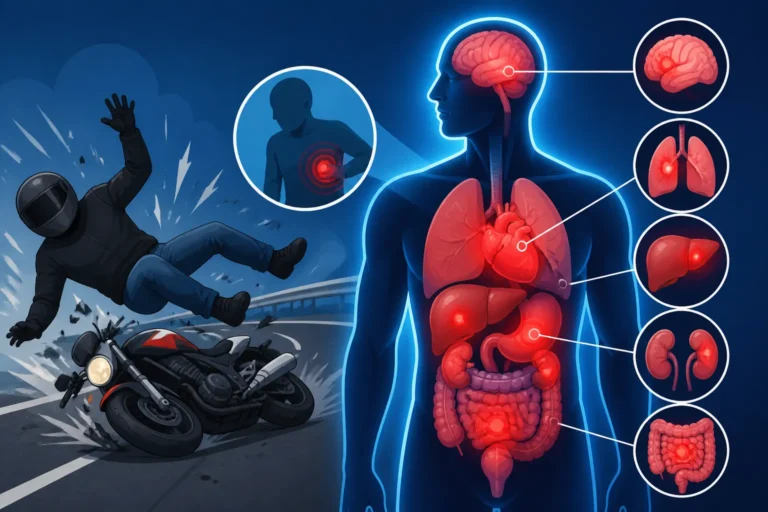
Other common fracture locations include the pelvis, spine, and ribs. A pelvic fracture can be incredibly unstable and life-threatening, often occurring in head-on collisions where the rider's lower body absorbs massive impact. Spinal fractures, even seemingly minor ones, can lead to chronic pain, nerve damage, or even paralysis, profoundly altering a person's life. Rib fractures, while sometimes appearing less severe on the surface, can puncture lungs or other internal organs, leading to serious complications and prolonged hospitalizations. Each of these different types of fractures, from a straightforward wrist break to a shattered femur or a cracked vertebra, presents unique challenges in terms of treatment, recovery, and ultimately, the compensation required to put your life back together.
Immediate and Long-Term Consequences
The moment a motorcycle fracture occurs, your life changes irrevocably, at least for a significant period. The immediate aftermath is usually characterized by excruciating pain, shock, and a flurry of medical interventions aimed at stabilizing your condition. Emergency medical services will likely transport you to the nearest trauma center, where a team of doctors will assess the damage, perform diagnostic imaging like X-rays or CT scans, and plan immediate surgical procedures if necessary. You might undergo open reduction and internal fixation (ORIF), where surgeons realign the bone fragments and secure them with metal plates and screws, or external fixation, where pins are inserted into the bone and connected to an external frame. Hospital stays can range from a few days to several weeks, depending on the complexity of the fracture and any associated injuries. During this time, you're not just dealing with physical pain but also the emotional trauma of the accident, the fear for your future, and the initial shock of your new reality.
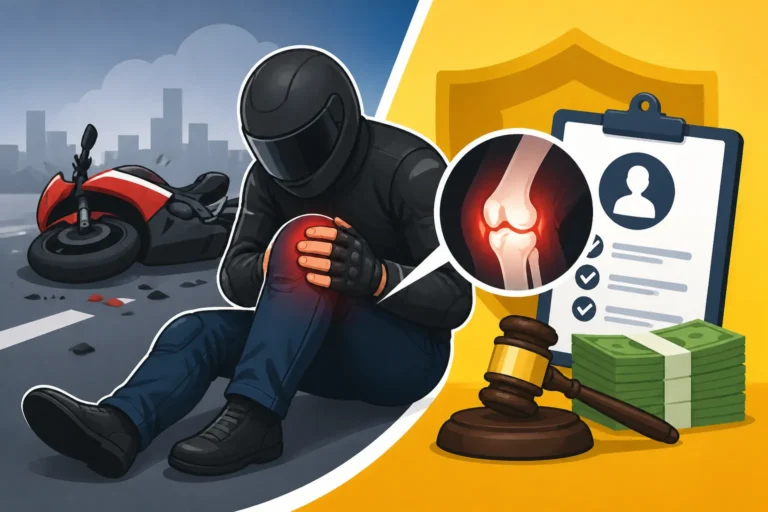
However, the journey doesn't end when you leave the hospital. In many cases, it's just the beginning of a long and arduous recovery. The long-term consequences of motorcycle fractures can be truly devastating. You might face months or even years of physical therapy, occupational therapy, and ongoing medical appointments. Chronic pain is a very real and persistent issue for many fracture survivors, even after the bone has healed. Nerves can be damaged during the impact or surgery, leading to numbness, tingling, or persistent burning sensations that make daily tasks difficult. Reduced mobility is another common outcome, impacting everything from walking and climbing stairs to simply reaching for an item on a high shelf. Even with the best medical care, some fractures never heal perfectly, leading to permanent deformities, limb length discrepancies, or post-traumatic arthritis, which can be debilitating and require future surgeries.
Beyond the physical toll, the psychological impact of a severe motorcycle fracture is often profound and underestimated. Many riders experience post-traumatic stress disorder (PTSD), replaying the accident in their minds, suffering from nightmares, flashbacks, and an intense fear of riding again. Depression and anxiety are also common as individuals grapple with the loss of their former capabilities, independence, and hobbies. Imagine a passionate rider who can no longer comfortably sit on a bike or participate in the activities they once loved because of persistent pain or limited range of motion. The emotional and mental anguish, combined with the physical limitations, can severely diminish a person's quality of life. Understanding these immediate and long-term consequences is crucial when assessing the true value of your motorcycle accident claim.
Key Factors Influencing Fracture Compensation
When it comes to figuring out how much compensation you might receive for a motorcycle fracture, there's no magic formula. It's a deeply personal and often complicated calculation that takes into account a myriad of factors, from the specific bone broken to the long-term impact on your life. Insurance companies, and eventually courts, look at both the tangible financial losses and the intangible suffering you've endured.
Severity of the Fracture and Medical Treatment
The most significant factor in determining compensation for a motorcycle fracture is, unsurprisingly, the severity and nature of the injury itself. A clean, non-displaced fracture that heals with a cast will undeniably warrant less compensation than a complex, comminuted fracture requiring multiple surgeries and extensive rehabilitation. The medical expenses alone tell a significant part of this story.
Consider a scenario where a rider suffers a non-displaced wrist fracture after a low-speed tip-over. Their medical journey might involve an initial emergency room visit, X-rays, a cast, and a few follow-up appointments with an orthopedic specialist. Total medical bills could be in the range of a few thousand dollars, and they might be back to work in 6-8 weeks with some physical therapy. This is a painful and inconvenient injury, but the medical costs and recovery time are relatively contained.
Now, contrast that with a rider who sustains a shattered femur and a complex pelvic fracture in a high-speed collision caused by a negligent driver. Their treatment path will be vastly different and exponentially more expensive. It would likely begin with immediate transport to a Level I trauma center, multiple life-saving surgeries such as open reduction and internal fixation (ORIF) for the femur, and possibly external fixation or reconstruction for the pelvis. This might be followed by weeks in intensive care, then a move to a regular hospital room, and potentially a long stint in an inpatient rehabilitation facility. The surgeries alone can cost tens of thousands of dollars, not including the daily hospital charges, specialist consultations with orthopedists, pain management doctors, and physical therapists, or the cost of imaging and medication.
After hospital discharge, the recovery continues at home, often requiring expensive modifications to the living space, assistive devices like crutches or wheelchairs, and potentially home health care. Physical therapy might continue for well over a year, involving specialized equipment and continuous monitoring. The cumulative medical expenses in such a catastrophic case could easily run into the hundreds of thousands of dollars, or even over a million for lifelong care. These staggering costs are a primary component of the economic damages you would seek in a claim. The longer your hospital stay, the more complex your surgeries, and the more extensive your rehabilitation, the higher the overall value of your claim will be, reflecting the true cost of getting you back on your feet – or as close to it as possible.
Economic Damages Related to Fractures
When you're dealing with a motorcycle fracture, the financial fallout can be absolutely staggering. These are the quantifiable losses you've incurred, the bills you can literally put a price tag on. These economic damages form the bedrock of any personal injury claim and are often the easiest to prove, assuming you keep meticulous records.
First and foremost are medical expenses. This category isn't just your emergency room visit. It encompasses everything from the ambulance ride, the initial diagnostic tests (X-rays, CT scans, MRIs), multiple surgeries (which often come with huge facility and surgeon fees), anesthesia, post-operative care, hospital stays, prescription medications, and durable medical equipment like crutches, wheelchairs, or specialized braces. Beyond the immediate care, you'll also have ongoing costs for physical therapy, occupational therapy, follow-up appointments with orthopedic specialists, pain management treatments, and potentially future surgeries to remove hardware or address complications like non-union or post-traumatic arthritis. Every single one of these costs, present and future, needs to be thoroughly documented. For more information on securing compensation for injuries, check out our guide on Types of Damages in a Motorcycle Accident Claim.
Then there's the critical issue of lost wages and loss of earning capacity. If your fracture is severe enough to keep you from working, you're entitled to compensation for all the income you've lost while recovering. This includes your regular salary, commissions, bonuses, and even benefits you might have missed out on. If you're a self-employed rider, proving lost income can be a bit trickier, requiring detailed financial records and tax returns, but it's absolutely recoverable. Even more impactful, particularly with a severe or permanently disabling fracture, is the concept of loss of earning capacity. This refers to the reduction in your ability to earn money in the future due to your injury. For example, if a construction worker breaks their dominant arm and can no longer perform heavy labor, their entire career trajectory might be altered, leading to a permanent reduction in their lifetime earnings. This is a complex calculation, often requiring expert testimony from vocational rehabilitation specialists and economists, but it can represent a substantial portion of your settlement.
Don't forget property damage. While not directly related to your physical injury, the cost of repairing or replacing your motorcycle and damaged riding gear (helmet, jacket, boots) is a significant economic loss. Even if your bike is totaled, the fair market value needs to be recovered. Lastly, there are other out-of-pocket expenses. These often overlooked costs can quickly accumulate: travel expenses for medical appointments (gas, parking, public transport), childcare costs if you're unable to care for your children, home modifications to accommodate a wheelchair or limited mobility, and even over-the-counter pain relievers or wound care supplies. Keeping a detailed log and receipts for every single expense, no matter how small, is paramount. This robust documentation is key to proving the full extent of your economic losses and ensuring you receive fair compensation.
Non-Economic Damages for Fracture Injuries
While economic damages account for the measurable financial losses, non-economic damages address the intangible suffering that often accompanies a severe motorcycle fracture. These are the human costs, the ways in which your quality of life has been diminished, and they are often the most challenging yet crucial aspects of a claim to quantify. Insurance adjusters and juries alike understand that a broken bone is more than just a bill. It’s an experience that can alter your world.
At the forefront is pain and suffering. This isn't just the acute agony you feel immediately after the crash, but also the chronic, persistent pain that can linger for months or years, even after the bone has technically healed. Think about the grinding discomfort of a shattered ankle during physical therapy, the constant ache of a pelvic fracture, or the throbbing pain from nerve damage. Beyond the physical, "suffering" encompasses the emotional distress, anxiety, and fear you experience. Many riders struggle with the psychological trauma of the accident itself, leading to nightmares, flashbacks, and a general sense of unease. For more details on calculating this, you can look into how Pain and Suffering Damages Explained are handled in claims.
Equally important is the loss of enjoyment of life. Before your accident, you might have been an avid motorcyclist who loved long rides through scenic routes, or perhaps you enjoyed hiking, playing sports, or simply being able to perform daily tasks without pain. A severe fracture can strip away these abilities. If you can no longer ride your bike, play with your kids, pursue hobbies, or even comfortably sit through a movie, that represents a profound loss. Imagine a musician who fractures their wrist and can no longer play their instrument, or an active retiree who can no longer garden due to a spinal injury. These aren't just inconveniences; they are fundamental shifts in a person's ability to experience joy and participate in life, and they deserve significant compensation.
Finally, disfigurement and scarring can be a painful reminder of the accident long after the initial injury has healed. Open fractures often leave significant scarring, as do the necessary surgical procedures involving plates and screws. If you’ve suffered an injury like severe road rash alongside a fracture, the scarring can be even more extensive. These scars, especially if on visible parts of the body, can lead to self-consciousness, embarrassment, and a lasting emotional toll. A rider with severe facial fractures might face multiple reconstructive surgeries and still be left with permanent changes to their appearance, impacting their self-esteem and social interactions. Even nerve damage, which can lead to visible muscle wasting or an inability to move certain facial muscles, falls into this category. The legal system recognizes the profound impact these permanent physical changes have on a person’s life, and they are a vital component of non-economic damages.
The Role of Evidence and Legal Process in Securing Compensation
Navigating the aftermath of a motorcycle accident, especially when you're dealing with a serious fracture, is a daunting task. You're not just fighting for your health; you're often fighting against an insurance system that is designed to minimize payouts. Having the right evidence and understanding the legal process is absolutely critical to securing the compensation you deserve.
Documenting Your Injuries and Expenses
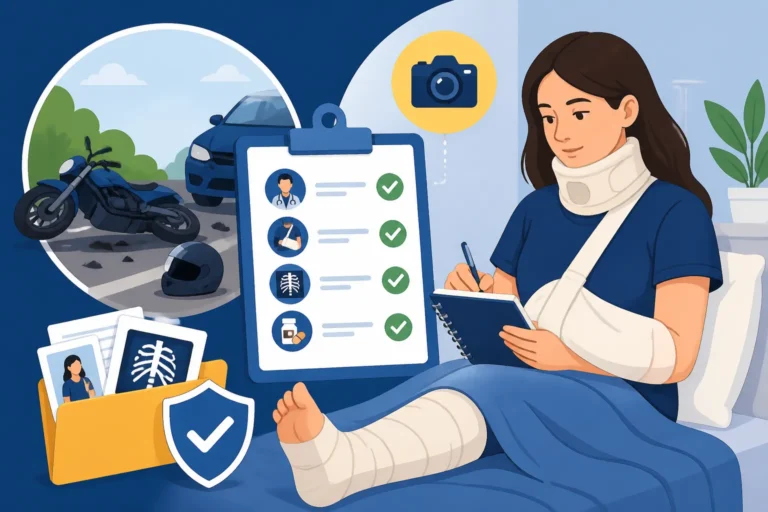
When you've suffered a motorcycle fracture, every single piece of information related to your injury and recovery becomes vital evidence. The cornerstone of your claim will be your medical records. These aren't just important for your treatment; they are the objective proof of your injuries, their severity, and the course of your recovery. This includes everything from the initial paramedic report and emergency room notes to surgical reports, physician's notes, diagnostic imaging results (X-rays, CT scans, MRIs), physical therapy records, and medication prescriptions. These documents provide a chronological narrative of your injury, showing the progression of your condition, the pain you've endured, and the treatments you've received. Gaps in treatment can be used by insurance companies to argue that your injuries weren't serious or that you didn't follow medical advice, so consistent care is crucial.
Beyond medical documentation, you need to keep meticulously organized records of all your financial expenses. This means every single bill, receipt, and statement related to your accident. Think about not just hospital and doctor bills, but also receipts for prescription medications, over-the-counter pain relievers, bandages, crutches, wheelchairs, or any other assistive devices. Don't forget travel expenses to and from appointments, including gas receipts, bus tickets, or parking stubs. If you've had to hire childcare or household help because of your injuries, keep those invoices too. For lost wages, gather pay stubs, employment contracts, and a letter from your employer confirming your time off. If you're self-employed, tax returns and business records will be essential. This level of detail can feel overwhelming when you're in pain, but it's indispensable for proving the full extent of your economic losses. Our guide on How to Document Injuries for a Claim offers more specific advice.
Finally, it's highly recommended to maintain an injury journal or log. This is a personal record where you document your daily pain levels, how your injuries impact your ability to perform routine activities, your emotional state, and any difficulties you encounter. For example, you might note, "Day 10 post-op: Woke up at 3 AM due to intense throbbing in my shattered ankle. Couldn't sleep. Needed help getting out of bed. Missed my son's soccer game." While not a formal medical record, this journal provides a powerful, human narrative that complements the objective medical and financial evidence. It helps demonstrate the real-world impact of your fracture on your quality of life, which is critical for calculating non-economic damages like pain and suffering. This comprehensive documentation package helps paint a complete picture of your journey, making it far more difficult for insurance companies to deny or undervalue your claim.
Navigating Insurance Companies and Settlement Negotiations
Dealing with insurance companies after a motorcycle fracture is often a frustrating and complex experience, especially when you're at your most vulnerable. Their primary goal, understandably, is to settle your claim for the lowest possible amount. They have sophisticated systems and experienced adjusters trained to evaluate claims and identify weaknesses.
Insurance adjusters often use computer software programs, like Colossus or Claims Outcome Advisor (COA), to generate a preliminary settlement offer. These programs input data like the type of injury, medical treatments, and bills, then compare it to similar cases, often heavily weighted in the insurer's favor. This is why you'll often receive a lowball initial offer for your motorcycle injury. They might argue that your pre-existing conditions contributed to your fracture, or that your treatment was excessive, or even that your own actions contributed to the accident. Common tactics include delaying communication, asking for excessive documentation, or trying to get you to sign a quick settlement before you truly understand the full extent of your injuries. This is particularly dangerous with fractures, as complications can arise months after the initial injury.
A critical mistake many injured riders make is settling their claim too early. With a fracture, it's often impossible to know the full extent of your damages until you've reached what's called Maximum Medical Improvement (MMI). This means your doctors determine your condition has stabilized, and no further medical treatment will significantly improve your condition. Until you reach MMI, you won't know if you'll have chronic pain, permanent mobility limitations, or require future surgeries. Settling before MMI means you might waive your right to claim compensation for future medical needs or long-term disability, leaving you personally responsible for potentially enormous costs. This is why it's vital to heed advice on Why You Should Wait Until MMI to Settle.
Negotiating with insurance companies requires a deep understanding of personal injury law, the value of your specific injuries, and effective negotiation strategies. It means presenting a comprehensive demand package that thoroughly documents all your economic and non-economic damages, backed by medical records, bills, and expert opinions. It involves pushing back against lowball offers, articulating the true impact of your fracture on your life, and demonstrating a willingness to take the case to court if a fair settlement isn't reached. For more insights on this process, consider reading How to Negotiate a Motorcycle Accident Settlement. This intricate dance with insurance companies highlights why having experienced legal representation can be an invaluable asset in protecting your financial future.
The Impact of Shared Fault and Legal Representation
One of the most disheartening challenges motorcycle riders face in an accident claim is the pervasive stereotype that they are inherently reckless. This "rider bias" often leads insurance companies and even some juries to assign partial fault to the motorcyclist, even when a car driver was clearly negligent. This is where the legal concept of comparative negligence comes into play, and it can significantly reduce your compensation.
Most states follow a comparative negligence system, meaning if you are found partially at fault for the accident, your total compensation award will be reduced by your percentage of fault. For example, if you sustained $100,000 in damages for a severe leg fracture, but a jury determines you were 20% at fault (perhaps for speeding slightly, even if the other driver made a dangerous left turn), your compensation would be reduced to $80,000. Some states, like California, have a "pure comparative negligence" rule, allowing recovery even if you are mostly at fault. Others, like Texas, follow a "modified comparative negligence" rule (often the 51% rule), where you cannot recover any damages if you are found 51% or more at fault. Understanding How Comparative Negligence Reduces Your Payout is crucial. Proving fault in a motorcycle accident is often a complex endeavor, requiring careful investigation into traffic laws, witness statements, accident reconstruction, and sometimes even dashcam footage.
Given these complexities and biases, hiring an experienced motorcycle accident lawyer is not just recommended; it's often essential, especially with severe injuries like fractures. A lawyer levels the playing field against large insurance corporations. They understand the nuances of motorcycle accident law, are skilled at gathering evidence, and know how to counter common insurance tactics. They can investigate the accident, reconstruct the scene, interview witnesses, obtain police reports, and consult with medical and vocational experts to build a strong case proving the other driver's fault and the full extent of your damages. For example, they can demonstrate that even if you were speeding slightly, the primary cause of your broken leg was the car driver failing to yield and turning directly into your path, a common scenario in Left-Turn Motorcycle Accidents Explained.
Furthermore, a lawyer acts as your advocate in all communications and negotiations with the insurance company, protecting you from inadvertently saying or doing something that could jeopardize your claim. Their expertise in valuing complex fracture claims, including projected future medical costs and loss of earning capacity, often results in a significantly higher settlement than what an individual could achieve on their own. Studies and anecdotal evidence consistently show that individuals with legal representation receive substantially more compensation for their injuries. Ultimately, a lawyer can fight to maximize your settlement and ensure you receive fair compensation for all your economic and non-economic damages. For many, the question isn't if they need a lawyer, but when to hire one, as detailed in Do You Need a Motorcycle Accident Lawyer.
Real-World Compensation Scenarios and What to Expect
It's natural to wonder, "How much is my broken leg really worth?" The truth is, there's no single average figure for motorcycle fracture compensation because every accident, every injury, and every individual's circumstances are unique. However, by understanding the range of factors and what typically influences payouts, you can gain a more realistic expectation.
Typical Ranges for Different Fracture Types
When we talk about compensation for motorcycle fractures, it’s important to understand that the "average" settlement is a bit of a myth, given the sheer variability of cases. However, we can discuss typical ranges based on the severity and complexity of the fracture, along with all the other contributing factors like medical expenses, lost wages, and pain and suffering.
For a relatively minor, uncomplicated fracture, such as a non-displaced wrist or collarbone fracture, where recovery is straightforward with a cast and physical therapy, settlements might range from tens of thousands to low six figures. For instance, a simple broken wrist that fully heals within a few months, with no long-term complications, might see a settlement between $25,000 and $75,000. This covers medical bills, a few weeks of lost wages, and some pain and suffering.
However, once you move into moderate to severe fractures, the numbers jump significantly. This category includes more complex breaks like a displaced arm or leg fracture requiring surgery (ORIF with plates and screws), a few weeks of hospital stay, and several months of intensive rehabilitation. For example, a broken femur that requires surgery and results in six months of lost work and ongoing therapy could easily see settlements ranging from $100,000 to $500,000. These cases involve higher medical bills, more substantial lost wages, and a much greater impact on the individual's quality of life.
For catastrophic fractures, such as multiple comminuted fractures, severe pelvic fractures, or spinal fractures with nerve damage that lead to permanent disability, chronic pain, or lifelong care needs, settlements can climb into the high six figures or even well over a million dollars. Consider a rider who sustains a shattered pelvis, multiple internal injuries, and a complex spinal fracture that requires multiple reconstructive surgeries, causes permanent nerve damage, and prevents them from ever returning to their previous job. The lifetime medical expenses, loss of earning capacity, and immense pain and suffering in such a case would justify a multi-million dollar settlement. The sheer extent of the injuries, the prolonged recovery, and the lasting impact on one's independence are the primary drivers of such high valuations.
It's crucial to remember that these are very broad estimates. A seemingly "minor" fracture can have unforeseen complications, while a "severe" one might heal better than expected. Every case is evaluated on its own merits, and factors like the strength of evidence, the clarity of fault, and the state's specific laws (e.g., Motorcycle Accident Fault Laws in California vs. others) will heavily influence the final outcome. The table below illustrates some of the key elements that contribute to the variability in compensation.
| Factor | Low Compensation Range | High Compensation Range |
|---|---|---|
| Fracture Type | Simple, non-displaced, small bones (e.g., finger, toe) | Complex, comminuted, open, weight-bearing bones (e.g., femur, spine, pelvis), multiple fractures |
| Medical Treatment | Casting, minor surgery (e.g., closed reduction), few physical therapy sessions | Multiple surgeries (ORIF, reconstruction), lengthy hospital/rehab stays, extensive/long-term physical/occupational therapy, home health care, assistive devices, future surgeries anticipated |
| Recovery Period | Weeks to a few months, full recovery expected | Many months to years, partial or incomplete recovery, permanent limitations, chronic pain |
| Lost Wages | A few weeks to a couple of months, full return to work | Extended period out of work, permanent inability to return to previous job, loss of earning capacity, career change |
| Pain & Suffering | Moderate, temporary discomfort, minimal emotional distress | Severe, chronic pain, significant emotional distress (PTSD, depression, anxiety), long-term medication use, severe impact on daily life |
| Impact on Quality of Life | Minor disruption, able to resume most activities | Inability to participate in hobbies, sports, daily activities; loss of independence, significant scarring/disfigurement, permanent disability |
| Clearness of Fault | Other driver clearly 100% at fault | Disputed fault, comparative negligence applies, strong evidence of negligence against the at-fault driver |
| Insurance Policy Limits | Low policy limits for at-fault driver | High policy limits for at-fault driver, substantial UM/UIM coverage |
Understanding Policy Limits and Uninsured/Underinsured Motorist Coverage
One of the most disheartening realities in a severe motorcycle accident claim, especially one involving debilitating fractures, is hitting the policy limits of the at-fault driver's insurance. No matter how extensive your injuries, how high your medical bills, or how profound your pain and suffering, the maximum amount you can recover from the other driver's insurance company is typically capped by the limits of their bodily injury liability policy.
Imagine you've suffered a compound tibia fracture, requiring multiple surgeries, months of physical therapy, and incurring over $200,000 in medical expenses and lost wages. If the at-fault driver only carries the minimum state liability coverage, which in many states is as low as $25,000 per person, you're immediately facing a massive shortfall. This is a common and incredibly frustrating scenario, as discussed in How Insurance Policy Limits Affect Your Payout. Unless the at-fault driver has significant personal assets that can be pursued, which is rare, you're left holding the bag for a substantial portion of your damages.
This is precisely where your own Uninsured/Underinsured Motorist (UM/UIM) coverage becomes an absolute lifesaver. This coverage, which you purchase as part of your own motorcycle insurance policy, steps in when the at-fault driver either has no insurance (uninsured) or their insurance limits are too low to cover your full damages (underinsured). If you carry $100,000 in UM/UIM coverage, and the negligent driver only has $25,000, your UM/UIM policy could cover the remaining $75,000 of your eligible damages, up to your policy limit.
The importance of carrying robust UM/UIM coverage cannot be overstated for motorcyclists. Due to the inherent vulnerability of riders, their injuries are often more severe and costly than those suffered by occupants of cars. Without adequate UM/UIM coverage, even if you clearly prove the other driver was 100% at fault for your devastating fractures, you could be left with massive unpaid medical bills and uncompensated lost income. This is why many experienced riders advocate for purchasing as much UM/UIM coverage as you can reasonably afford, ideally matching or exceeding your bodily injury liability limits. It's your safety net against the financial catastrophe of a severe fracture caused by an underinsured driver, and it's a primary way How UM/UIM Coverage Increases Payouts when you need it most.
The Settlement Timeline
The timeline for resolving a motorcycle accident claim involving fractures can feel incredibly drawn out, and it's certainly not a quick process. While you might be eager for a swift resolution, understanding the typical stages helps manage expectations. Our comprehensive guide on How Long Does a Motorcycle Settlement Take delves deeper into this, but here's a general overview.
Immediately after the accident, you'll be focused on emergency medical care and initial treatment. This phase can last from days to weeks, involving hospital stays, surgeries, and the stabilization of your condition. Simultaneously, an initial investigation into the accident begins. This involves collecting police reports, witness statements, accident scene photos, and evidence of fault. Your legal team will be working on this while you're recovering.
Following initial treatment, you enter the crucial ongoing medical treatment and rehabilitation phase. This is often the longest part of the timeline, extending for months, or even a year or more, depending on the severity of your fractures. During this period, you'll be attending physical therapy, follow-up doctor appointments, and possibly undergoing additional surgeries. It's imperative not to rush this phase, as your doctors need to accurately assess your long-term prognosis and determine when you've reached Maximum Medical Improvement (MMI). As discussed earlier, settling before MMI can be a huge mistake, as you won't know the full extent of your future medical needs or permanent limitations.
Once you've reached MMI, and all your medical expenses and other damages have been clearly established, your attorney will compile a comprehensive demand package. This detailed document includes all your medical records, bills, lost wage documentation, and a narrative explaining the full impact of your fractures on your life. This package is then sent to the at-fault driver's insurance company, initiating the negotiation phase. This can involve several rounds of offers and counteroffers between your lawyer and the insurance adjuster. This stage can take weeks or even a few months.
If negotiations fail to produce a fair settlement offer, the next step is often to file a lawsuit. This doesn't necessarily mean going to trial, as many cases settle during the litigation process. However, filing a lawsuit initiates formal discovery, where both sides exchange information and evidence. This can include depositions, where you, witnesses, and medical experts provide sworn testimony. Litigation can add many months, and sometimes over a year, to the overall timeline. While most cases do settle out of court, if a settlement isn't reached, the case would proceed to trial, which is the longest and most unpredictable outcome. While the wait can be agonizing, especially when you're recovering from severe fractures, patiently following this process is often the best way to ensure you receive the full and fair compensation you deserve.
Disclaimer
The information provided in this guide is for general informational purposes only and does not constitute legal advice. Every motorcycle accident claim is unique, and the outcome depends on specific facts, applicable laws, and individual circumstances. It is essential to consult with an experienced motorcycle accident attorney to discuss your specific situation and obtain advice tailored to your needs.