Internal Injuries You Might Not Notice
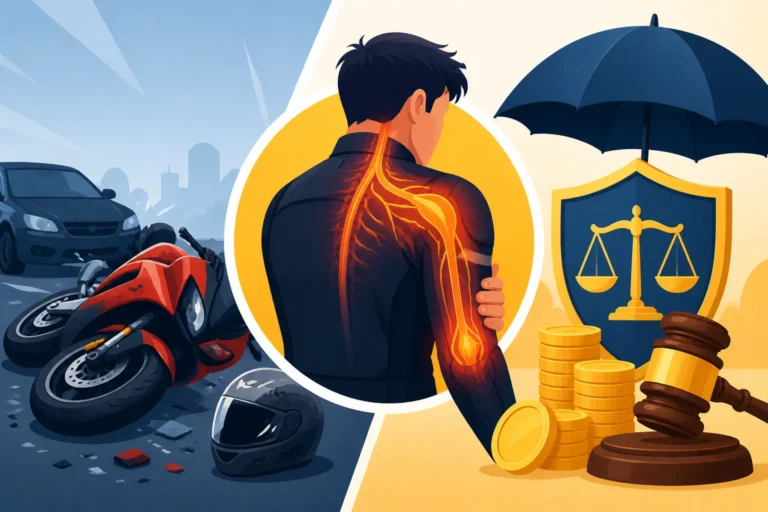
When you’ve been through the sheer chaos and immediate shock of a motorcycle accident, it’s completely natural for your mind to zero in on the obvious: the road rash burning through your gear, the searing pain of a broken bone, or the twisted wreckage of your beloved bike. But what many riders don't realize, and what can truly sneak up on you, are the silent, often invisible internal injuries. These hidden dangers can be far more serious than what you see on the surface, and understanding them is crucial for your health and any potential motorcycle accident claim. This guide will walk you through the internal injuries you might not notice, the subtle signs, and why getting a thorough medical check-up is absolutely non-negotiable.
The Deceptive Silence of Internal Injuries After a Crash
Motorcycle accidents are notorious for causing severe injuries, but not all of them announce their presence with immediate, excruciating pain or visible trauma. This is where internal injuries become incredibly insidious. Your body's natural response mechanisms, coupled with the unique dynamics of a motorcycle crash, often mask these grave issues.
The Adrenaline Veil
Think back to any stressful, high-impact situation you've faced. Your body floods with adrenaline, a powerful hormone designed to help you cope with immediate danger. This "fight or flight" response dulls pain receptors, boosts your heart rate, and can make you feel surprisingly okay right after a crash, even if you’ve sustained serious damage. It's a survival mechanism, but it can be a deceptive one. Many riders, still amped up from the crash, might walk away thinking they're fine, only for critical symptoms to emerge hours or even days later once the adrenaline subsides. You might be focused on What to Do Immediately After a Motorcycle Accident, but your body could be silently screaming for help. This is why it's so easy to miss the early warning signs of something truly serious brewing inside.
Lack of Visible Trauma
Unlike a car accident where occupants might be contained within a steel cage, motorcycle riders are often ejected, resulting in direct impact with the road, other vehicles, or obstacles. While this often leads to external injuries like fractures, road rash, and contusions, the sheer force of impact can also cause significant internal trauma without breaking the skin or causing obvious bleeding externally. For instance, a forceful blow to the abdomen might not leave a huge bruise but could rupture an organ. Or a sudden deceleration could cause your brain to impact your skull, leading to Motorcycle Traumatic Brain Injury: Claims and Compensation without a single cut on your scalp. These unseen forces are precisely why internal injuries are so dangerous; they don't always come with a flashing red light.
Focus on Obvious Injuries
It's human nature to prioritize what's most obvious and painful. If you've got a compound fracture or extensive road rash, that's where your attention, and the attention of first responders, will likely be drawn. While these injuries demand immediate care, the focus on visible trauma can inadvertently overshadow the more covert, but equally life-threatening, internal damage. You might be checking yourself over for Common Motorcycle Accident Injuries like scrapes and broken bones, completely missing the critical symptoms of internal bleeding or organ damage. This is a common pitfall that riders must be acutely aware of, making a comprehensive medical evaluation essential even if you feel "mostly okay."
Common Types of Internal Injuries You Might Not Notice
The variety of internal injuries a rider can suffer is wide, each with its own set of delayed or subtle symptoms. Knowing what to look out for can literally be a lifesaver.
Abdominal Organ Damage and Internal Bleeding
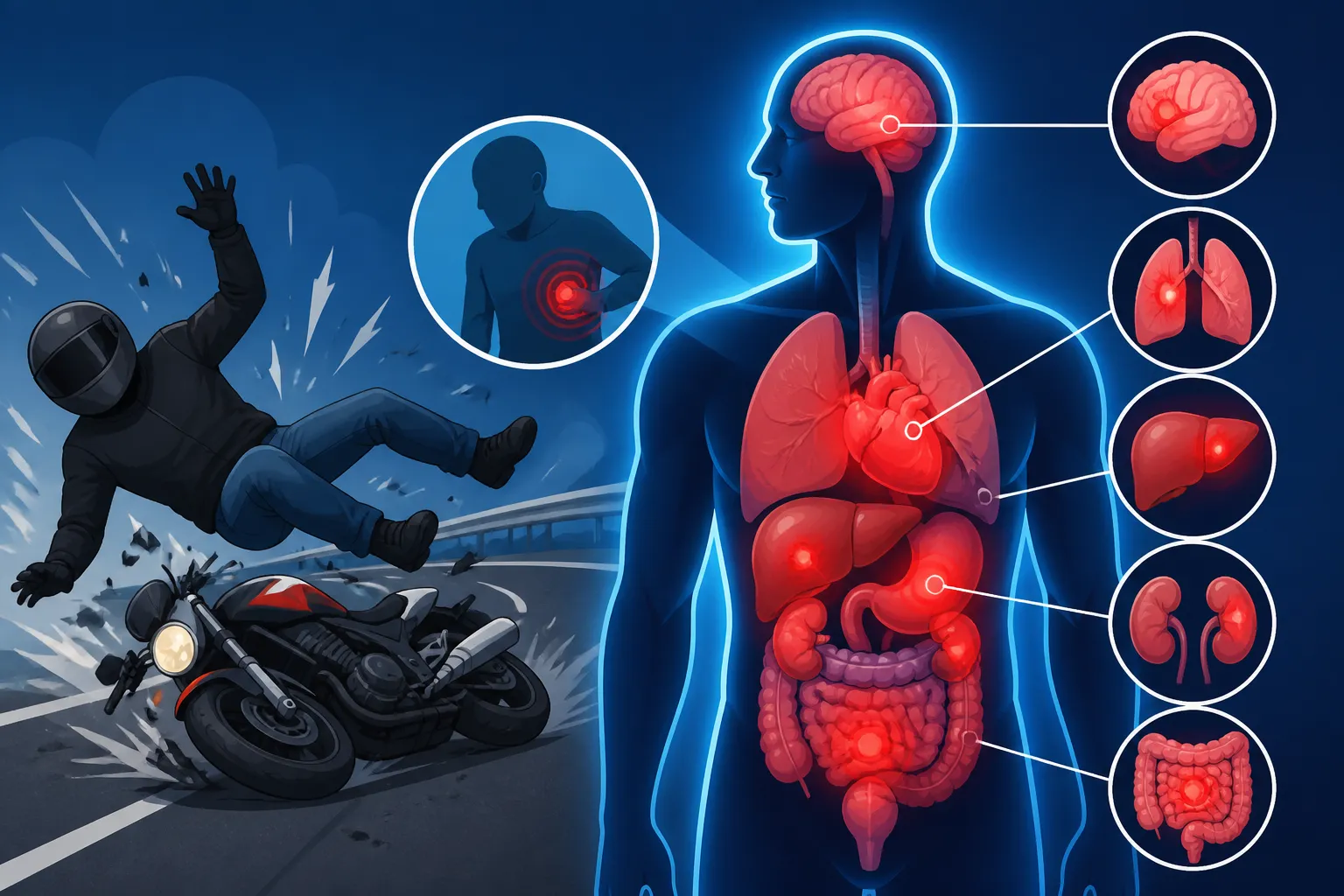
The abdomen is particularly vulnerable in motorcycle crashes, often taking the brunt of impacts from handlebars, tanks, or the ground. Organs like the spleen, liver, and kidneys are relatively fragile and can rupture or tear from blunt force trauma.
- Spleen and Liver Damage: These organs are highly vascular, meaning they contain a lot of blood vessels. A lacerated spleen or liver can lead to rapid and significant internal bleeding, which can quickly become life-threatening. Symptoms might include pain in the upper left (spleen) or upper right (liver) abdomen, tenderness, distension, or referred pain in the shoulder (Kehr's sign for splenic rupture). However, in the initial stages, you might just feel a generalized stomach ache or discomfort, which could easily be dismissed as soreness from the fall. Many people initially don't even realize they've hurt their spleen.
- Kidney Injuries: Your kidneys are located near your back, protected by ribs and muscle, but a severe impact can bruise, lacerate, or even shatter them. Blood in the urine (hematuria) is a key sign, but it might not be visible to the naked eye at first, or you might dismiss slight discoloration. Flank pain or tenderness, swelling, or abdominal pain can also indicate kidney damage.
- Internal Bleeding: Beyond specific organ damage, blood vessels themselves can tear, leading to internal hemorrhage. This can occur in the chest, abdomen, or even around major bones. Signs include dizziness, lightheadedness, extreme thirst, a rapid heart rate, low blood pressure, or a sudden drop in energy. The danger is that these symptoms might mimic shock or simply being "shaken up," so they are often overlooked until a significant amount of blood has been lost.
Chest Injuries: Lungs and Heart
The chest cavity houses your vital respiratory and circulatory organs, which are highly susceptible to trauma during a motorcycle crash.
- Pneumothorax (Collapsed Lung): A fractured rib can puncture a lung, causing air to leak into the space between the lung and the chest wall, leading to a collapsed lung. Even without a fracture, the sheer force of impact can rupture the lung. Symptoms often include sudden sharp chest pain, shortness of breath, rapid breathing, and a dry cough. These might be subtle at first, especially if you're trying to push through discomfort. You might just feel a little winded or think you "knocked the wind out of yourself."
- Hemothorax: Similar to a pneumothorax, a hemothorax occurs when blood fills the space between the lung and chest wall, often from damaged blood vessels or lung tissue. Symptoms are similar to a collapsed lung – chest pain and difficulty breathing – but can also include signs of internal bleeding if the blood loss is significant.
- Cardiac Contusion: A direct blow to the chest, such as hitting the handlebars or tank, can bruise the heart muscle itself. This is a cardiac contusion. While rare, it can disrupt the heart's electrical activity or pumping function. Symptoms might include chest pain, palpitations, shortness of breath, or dizziness, but sometimes there are no obvious symptoms until complications arise. It's a truly frightening prospect to consider your heart might be bruised, yet it happens.
Traumatic Brain Injuries (TBIs)
Even with a helmet, the brain can suffer severe trauma from the sudden acceleration and deceleration forces or direct impact. Motorcycle Traumatic Brain Injury: Claims and Compensation are notoriously complex because their symptoms can be delayed or mimic other conditions.
- Concussion: This is a mild TBI, but don't let "mild" fool you. Even a seemingly minor bump to the head can cause a concussion. Symptoms include headaches, dizziness, confusion, memory problems, fatigue, irritability, and sensitivity to light or sound. These can emerge hours or days later. You might just feel "foggy" or "off," attributing it to the stress of the accident, rather than a brain injury.
- Contusion/Hematoma (Brain Bruise/Bleeding): More severe impacts can cause the brain to bruise (contusion) or blood vessels to rupture, leading to a hematoma (collection of blood) inside the skull. An epidural or subdural hematoma can put immense pressure on the brain. Symptoms can be delayed for hours or even days, including severe headaches, nausea, vomiting, drowsiness, confusion, weakness on one side of the body, or even seizures. The danger here is that these injuries can rapidly worsen.
Spinal Cord and Soft Tissue Damage
While often associated with fractures, spinal cord injuries can also involve less obvious damage, and soft tissue injuries can hide deeper problems.
- Spinal Cord Contusion/Edema: Even without a fracture, the spinal cord can be bruised (contusion) or swell (edema) due to trauma. This can disrupt nerve signals, leading to numbness, tingling, weakness, or even partial paralysis that might not be immediately apparent. You might feel general back or neck pain, not realizing the underlying spinal cord involvement. This is why a thorough evaluation for Motorcycle Spinal Cord Injury: Claims and Compensation is critical.
- Whiplash-Associated Disorders: Often dismissed as minor neck pain, severe whiplash from the violent forces of a crash can cause significant damage to the ligaments, tendons, and muscles in the neck, and even injure the discs. Symptoms like chronic neck pain, stiffness, headaches, dizziness, and vision problems can be delayed and debilitating.
Recognizing the Delayed Symptoms
The insidious nature of internal injuries means that symptoms often don't appear immediately. It's vital to monitor yourself carefully in the days and weeks following a motorcycle accident. This sustained vigilance is part of protecting your health and strengthening your claim.
Symptoms Appearing Hours to Days Later
After the initial shock wears off, and your adrenaline levels return to normal, your body starts to react to the trauma. This is when many internal injury symptoms begin to manifest.
- Worsening Pain or New Pains: If pain that seemed minor initially starts to intensify, or if new pain emerges in an unexpected area (like your abdomen, flank, or chest), it's a huge red flag. A generalized soreness that evolves into a sharp, localized pain is particularly concerning. Don't just dismiss it as "being sore from the crash."
- Changes in Mental Status: Any shifts in your cognitive function should be taken seriously. This includes increased confusion, difficulty concentrating, persistent headaches that don't respond to over-the-counter pain relievers, memory issues, or unusual irritability. If friends or family notice you're "not yourself," listen to them. These are classic signs of a Motorcycle Traumatic Brain Injury: Treatment and Long-Term Impact.
- Digestive Issues: Nausea, vomiting (especially if it contains blood), abdominal swelling or distension, changes in bowel movements (tarry stools can indicate internal bleeding), or severe abdominal pain are all signs that your internal organs might be compromised.
- Respiratory Difficulties: Shortness of breath, shallow breathing, pain when inhaling deeply, or a persistent cough could indicate a collapsed lung or other chest injury.
- Signs of Internal Bleeding: Dizziness, lightheadedness, pale skin, cold sweats, extreme thirst, a rapid or weak pulse, or a sudden feeling of weakness or fatigue that doesn't go away with rest are all indicators of significant internal blood loss.
The Importance of Monitoring and Documentation
Because these symptoms can be subtle and delayed, actively monitoring your condition is paramount. Keep a detailed injury journal, noting any new or worsening symptoms, when they occur, their severity, and how they impact your daily life. This documentation is not just for your health; it's also crucial evidence for How to Document Injuries for a Claim. Taking photos of any visible changes, like new bruising or swelling, can also be helpful. Being proactive in monitoring your health gives you the best chance of catching a hidden injury before it becomes a crisis.
| Internal Injury Type | Common Location | Subtle/Delayed Symptoms | Immediate Action Needed |
|---|---|---|---|
| Spleen/Liver Laceration | Abdomen | Dull abdominal pain, tenderness, shoulder pain (left for spleen), distension, rapid pulse. | Emergency medical evaluation (ER), imaging (CT scan). |
| Kidney Contusion/Laceration | Flank/Back | Back pain, tenderness in flanks, blood in urine (visible or microscopic), abdominal pain. | Medical check-up, urinalysis, imaging. |
| Internal Hemorrhage | Various | Dizziness, lightheadedness, severe fatigue, pale skin, thirst, rapid heart rate. | Emergency medical evaluation (ER), blood tests, imaging. |
| Collapsed Lung (Pneumothorax) | Chest | Sharp chest pain, shortness of breath, rapid breathing, dry cough, feeling winded. | Emergency medical evaluation (ER), chest X-ray or CT scan. |
| Cardiac Contusion | Chest | Chest pain, palpitations, shortness of breath, dizziness, abnormal heart rhythm. | Medical evaluation, EKG, cardiac enzyme tests. |
| Concussion/TBI | Head | Persistent headache, confusion, memory issues, irritability, dizziness, sensitivity. | Medical evaluation, neurological assessment, imaging (CT/MRI). |
| Spinal Cord Injury | Neck/Back | Numbness, tingling, weakness, radiating pain, difficulty walking, loss of sensation. | Emergency medical evaluation, neurological exam, MRI. |
Why Immediate Medical Attention is Non-Negotiable
Given the deceptive nature of internal injuries, you might be tempted to tough it out or wait to see if your symptoms improve. This is a critical mistake that can have dire consequences for your health and severely undermine any future motorcycle accident claim.
The Dangers of Delaying Diagnosis
Delaying a medical evaluation after a motorcycle accident, even if you feel "fine," is incredibly risky. Many internal injuries, like a slowly bleeding organ or a developing hematoma in the brain, can worsen rapidly without warning. What starts as a minor discomfort could escalate into a life-threatening emergency within hours. For example, a small tear in the spleen might initially cause only mild pain, but as blood accumulates, it can lead to hemorrhagic shock.
Furthermore, a delayed diagnosis directly impacts your legal standing. Insurance companies are notorious for scrutinizing gaps in medical treatment. If you wait days or weeks to see a doctor and then an internal injury is diagnosed, the insurer might argue that the injury wasn't caused by the motorcycle accident or that you exacerbated it by not seeking prompt care. This "gap in treatment" defense is a common tactic used to devalue or deny claims. You need clear documentation from the outset to support How Medical Records Support Your Claim.
Diagnostic Tools Doctors Use
Modern medicine offers powerful tools to detect internal injuries that aren't visible to the naked eye. When you seek immediate medical attention, doctors aren't just looking at your scrapes; they're looking inside you.
- Imaging Scans (CT, MRI, X-rays): A Computerized Tomography (CT) scan is often the first line of defense for detecting internal bleeding, organ damage, or brain injuries. Magnetic Resonance Imaging (MRI) provides even more detailed images of soft tissues, the brain, and the spinal cord, crucial for diagnosing things like spinal cord contusions or subtle brain lesions. X-rays, while not showing soft tissue, are vital for identifying fractures that might indicate underlying internal trauma.
- Ultrasound (FAST Exam): A Focused Assessment with Sonography for Trauma (FAST) exam is a quick ultrasound used in emergency settings to detect free fluid (blood) in the abdomen or around the heart, providing rapid insights into potential internal bleeding.
- Blood Tests: Lab tests can reveal a lot about your internal state. A complete blood count (CBC) can indicate significant blood loss. Liver and kidney function tests can show if these organs are under stress or damaged. Cardiac enzyme tests can help diagnose heart muscle damage.
- Neurological Exams: For any head trauma, a thorough neurological exam will assess your cognitive function, reflexes, and balance, helping to identify signs of brain injury, even if subtle.
These diagnostic tools are your best defense against a hidden injury. Don't assume you're okay just because you can't see the damage. You should absolutely follow the advice of Why You Should See a Doctor Even If You Feel Fine.
Protecting Your Health and Your Claim
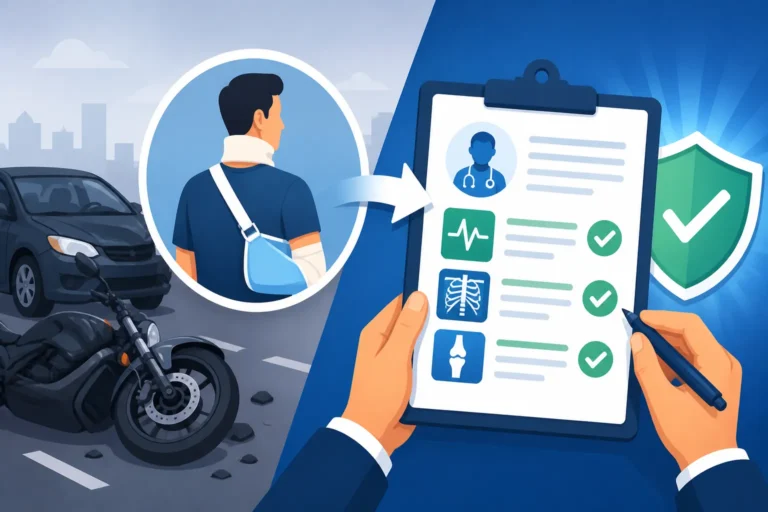
Seeking immediate medical attention serves two crucial purposes: first, and most importantly, it safeguards your health by ensuring any life-threatening internal injuries are promptly diagnosed and treated. Second, it creates an irrefutable paper trail that links your injuries directly to the motorcycle accident. This is paramount for any personal injury claim.
Think of it this way: your medical records become the backbone of your case. They document the extent of your injuries, the treatments you received, and the associated costs. Without this crucial evidence, proving the severity of your damages, especially for something as complex as internal trauma, becomes incredibly difficult. Insurance adjusters are looking for any reason to undervalue your claim, and a lack of immediate, thorough medical documentation is one of their favorite targets. How Fault Affects Your Settlement is also directly tied to the documented severity of your injuries.
So, don't play hero. After a motorcycle accident, get to an emergency room or urgent care facility right away. Even if you feel only minor discomfort, let medical professionals conduct a full evaluation. It’s the smartest move you can make for your body and your future.
Disclaimer
This article is for general informational purposes only and does not constitute professional advice. Laws and regulations vary by location and change over time. Consult a qualified professional for guidance on your specific situation.