How Multiple Fractures Affect a Claim
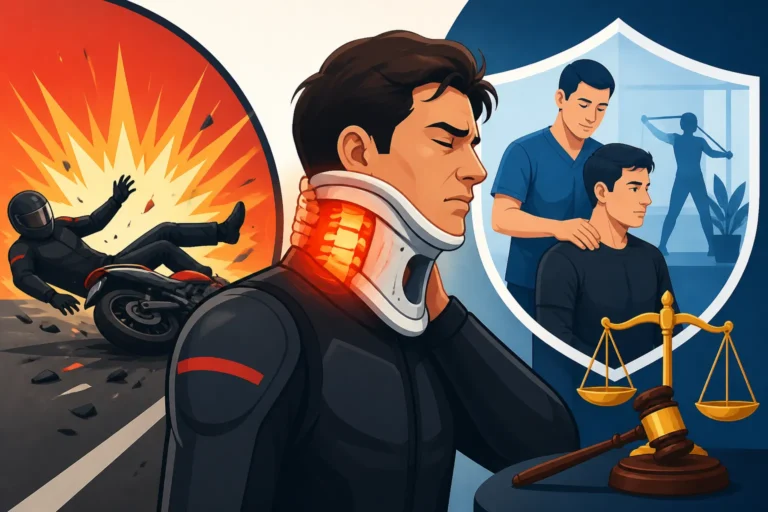
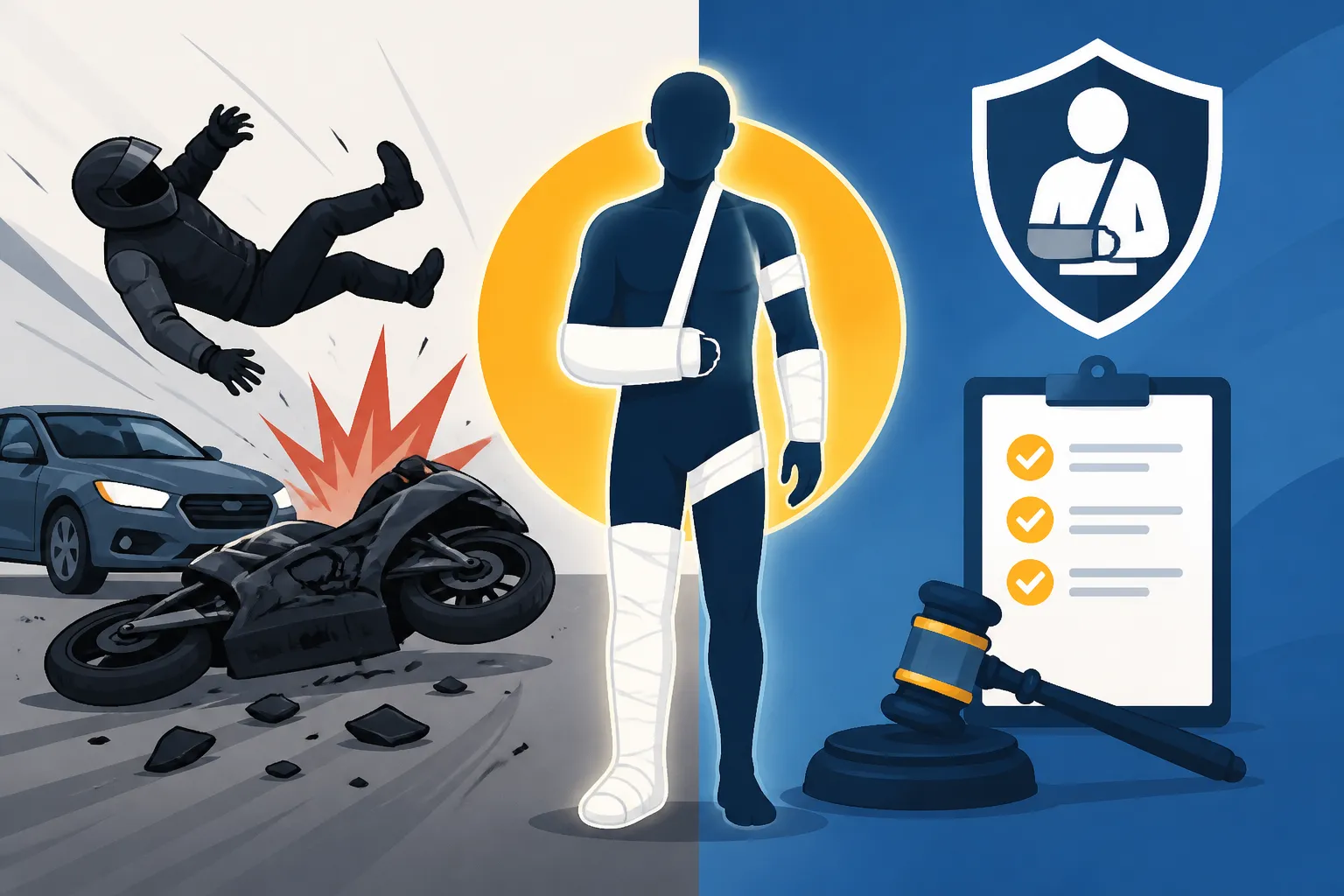
When you're out riding, there's nothing quite like the freedom of the open road. But that freedom can turn to dust in a second, leaving you with devastating injuries, and few are as brutally impactful as multiple bone fractures. The physical pain is just the beginning; the thought of how these extensive injuries will affect your life, your work, and your motorcycle accident claim can be overwhelming. This guide is here to walk you through exactly how multiple fractures complicate your claim and what steps you can take to ensure you get the compensation you deserve.
The Devastating Reality of Multiple Fractures
A single broken bone is bad enough, but sustaining multiple fractures in a motorcycle accident is a game-changer. It transforms a difficult recovery into an arduous, months-long, or even years-long ordeal, dramatically increasing the complexity and value of your accident claim. It’s not just about the number of bones; it’s about which bones, the type of break, and the ripple effect across your entire body and life.
Understanding the Severity and Types of Fractures
Not all fractures are created equal, and when you have multiple, their combined impact is far greater than the sum of their parts. You might be dealing with a variety of breaks, each requiring its own treatment protocol and recovery timeline. Imagine a scenario where a rider, say, cruising down I-75 in Florida, is cut off by a distracted driver. They go down hard, suffering a compound fracture to their tibia and fibula, a comminuted fracture in their wrist, and a simple fracture in their collarbone. Each of these breaks presents unique challenges.
A compound fracture, where the bone breaks through the skin, carries an immediate risk of severe infection and often requires immediate surgical intervention to clean and stabilize the bone. A comminuted fracture, where the bone shatters into several pieces, means a longer healing time and potentially more hardware like plates and screws to put it back together. A simple break, while less complex, still means immobilization and weeks of healing. The medical community often categorizes fractures by location, severity (e.g., open vs. closed), and pattern (e.g., transverse, oblique, spiral). When multiple different types of fractures occur simultaneously, the body's resources are stretched thin, prolonging overall healing and rehabilitation. This layered complexity makes your claim inherently more valuable because the injuries are more severe, and the path to recovery is significantly longer and more uncertain.
The Immediate and Long-Term Medical Journey
The journey after sustaining multiple fractures is rarely a straight line. It often begins with emergency surgery, followed by extensive hospitalization, and then a long road of rehabilitation. For our hypothetical Florida rider, this could mean multiple trips to the operating room at a trauma center like Tampa General Hospital, followed by weeks in a hospital bed before being transferred to an inpatient rehabilitation facility. They'd face physical therapy sessions, occupational therapy to regain fine motor skills in their wrist, and possibly even psychological counseling to cope with the trauma.
The cost of this journey escalates rapidly. We're talking about not just the initial surgeon's fees and hospital stay, but also follow-up orthopedic specialist visits, imaging scans (X-rays, MRIs), medication for pain and infection, specialized durable medical equipment like crutches, wheelchairs, or even a specialized bed. And that's just the direct medical costs. There are also potential complications such as non-union (where bones don't heal properly), malunion (where they heal incorrectly), chronic pain syndromes, nerve damage, or the need for future surgeries to remove hardware or address long-term issues like arthritis. All of these factors underscore why documenting your injuries for a claim is so critical. Every medical visit, every prescription, every therapy session builds a comprehensive picture of the impact on your health and your life.
Quantifying Your Losses: Economic and Non-Economic Damages
When you're dealing with multiple fractures from a motorcycle accident, the financial and personal fallout is enormous. Your claim needs to reflect every single way this incident has impacted your life, both in terms of quantifiable expenses and the less tangible losses that are just as real.
Soaring Medical Bills and Lost Income
One of the most immediate and impactful consequences of multiple fractures is the sheer volume of medical expenses and the disruption to your income. Think about our rider again. Their emergency room visit, the surgeries, the anesthesia, the hospital stay, and then the follow-up care like physical therapy, occupational therapy, and pain management specialists—it all adds up incredibly fast. We're talking about figures that can quickly climb into the tens or even hundreds of thousands of dollars, depending on the severity and duration of care. These are your , encompassing everything from your initial treatment to anticipated future medical costs, like potential hardware removal surgeries or long-term physical therapy to combat chronic stiffness or weakness.
Beyond the medical bills, there’s the crushing reality of lost income. If your job involves physical labor, or even just regular office work that requires use of your hands or mobility, multiple fractures will likely put you out of commission for an extended period. A contractor might lose months of work and vital projects. A full-time employee might exhaust their sick leave and short-term disability benefits, facing a significant drop in income. Not only do you lose the wages you would have earned during your recovery, but there’s also the potential for a loss of earning capacity if your injuries result in permanent disability or limitations. This means you might not be able to return to your previous job, or you might have to take a lower-paying position, or work fewer hours. All of these financial repercussions are vital components of , and a thorough calculation is necessary to ensure you are fully compensated.
The Intangible Toll: Pain, Suffering, and Lost Enjoyment
While medical bills and lost wages are concrete numbers, the "intangible" losses from multiple fractures are often far more profound, yet harder to quantify. This is where comes in. Imagine the constant, throbbing pain in your fractured leg, the frustration of not being able to perform simple tasks due to a broken wrist, or the emotional distress that comes from being so severely injured and dependent on others. These are not line items on a hospital bill, but they are very real damages that deserve compensation.
Pain and suffering encompass physical agony, emotional distress, anxiety, depression, and the loss of enjoyment of life. Our rider might have previously loved taking their motorcycle on weekend trips through the Blue Ridge Mountains, or simply enjoyed playing catch with their kids in the backyard. Multiple fractures can put an end to these activities, permanently altering their quality of life. The inability to participate in hobbies, social events, or even basic daily functions can lead to profound psychological impacts. Insurers often use complex formulas, sometimes called the "multiplier method," to estimate pain and suffering, taking into account the severity and permanency of your injuries. Because multiple fractures signify significant trauma and a long, painful recovery, they typically warrant a higher multiplier, leading to a much more substantial non-economic damage award compared to a minor injury.
Navigating the Complexities of a Fracture Claim
Dealing with the aftermath of a motorcycle accident, especially one involving multiple fractures, is incredibly challenging. Beyond your physical recovery, you're faced with a daunting legal and financial battle. Understanding the intricacies of proving your case and anticipating the tactics of insurance companies is crucial for a successful outcome.
The Critical Role of Documentation and Evidence
To effectively pursue a claim involving multiple fractures, meticulous documentation is not just helpful; it's absolutely essential. Every piece of paper, every photograph, every medical record tells a part of your story and serves as evidence of your injuries and their impact. This includes detailed medical records from the emergency room, surgeon's reports, rehabilitation notes, prescription lists, and any receipts for medical devices. You should also maintain a detailed journal documenting your daily pain levels, limitations, emotional state, and how your injuries affect your daily life. Taking regular photos of your injuries as they heal can also be powerful visual evidence, showcasing the severity and progression of your recovery. This robust collection of evidence helps to .
Moreover, expert testimonies can play a pivotal role. Orthopedic surgeons can explain the complex nature of your fractures, the necessity of surgeries, and the long-term prognosis. Vocational experts can testify to your lost earning capacity, detailing how your injuries prevent you from returning to your previous profession. An accident reconstruction expert might even be necessary to establish the exact dynamics of the crash that led to your injuries, especially if there's any dispute about . The more thoroughly you document and substantiate your injuries, the harder it is for insurance companies to dispute their severity or question the necessity of your treatment.
How Insurers View Multiple Fracture Cases
Insurance companies are in the business of minimizing payouts, and they often employ various strategies to achieve this, even in cases involving severe injuries like multiple fractures. One common tactic is to scrutinize your medical records for any pre-existing conditions that they might try to link to your current injuries, attempting to argue that your fractures weren't solely caused by the accident. They might also claim that you are over-treating your injuries, or that some of your treatments are not medically necessary. For example, if you had a prior injury to the same limb, they might try to attribute some of the current issues to that older incident, even if the accident clearly exacerbated or created new damage.
Another hurdle is the inherent bias against motorcyclists. Unfortunately, some insurance adjusters and even juries can harbor stereotypes, implying that riders are inherently reckless and therefore somehow responsible for their own injuries. This "rider bias" can be a silent opponent in your claim. They might try to argue that you were partially at fault for the accident, which, depending on your state's laws, could significantly reduce your payout. It’s important to understand that even if you were partially at fault, you may still be able to recover damages. For example, in states like California, which follow a pure comparative negligence rule, even if you are found 90% at fault, you can still recover 10% of your damages.
Maximizing Your Compensation for Multiple Fractures
Navigating a motorcycle accident claim with multiple fractures is a high-stakes endeavor. Your future health, financial stability, and quality of life are on the line. Ensuring you receive adequate compensation means understanding how settlements are valued and recognizing the invaluable support an experienced legal team can provide.
Understanding the Settlement Calculation
When it comes to calculating a settlement for multiple fractures, there's no magic formula, but there are key factors that weigh heavily. The severity and number of your fractures are primary drivers, of course. A broken finger is very different from a shattered femur and pelvis, especially when compounded by other breaks. The permanence of your injuries, such as ongoing pain, limited mobility, or disfigurement, will also significantly increase the value. For instance, if your fractures lead to permanent nerve damage or require lifelong physical therapy, that will be factored in. Your age, occupation, and overall health before the accident also play a role, as a younger person with a long career ahead has more lost earning potential than someone nearing retirement. All of these elements contribute to .
Insurance policy limits are another critical consideration. The at-fault driver's bodily injury liability limits can create a ceiling for your settlement. If your damages exceed these limits, you might need to pursue additional avenues, such as your own coverage, if you have it. Additionally, the in your state can dramatically impact your final payout. If you're found to be 20% at fault for an accident in a state with a modified comparative negligence rule (like Texas, which uses the 51% bar rule), your total damages might be reduced by that 20%. Understanding these complexities is paramount to accurately assessing what your claim is truly worth and preventing you from accepting a lowball offer that won't cover your lifetime of needs.
The Value of Expert Legal Representation
Given the severe nature of multiple fractures and the complex interplay of medical, legal, and financial factors, trying to handle such a claim on your own is incredibly risky. This is where an experienced becomes not just helpful, but truly essential. A lawyer specializing in motorcycle accidents understands the specific challenges riders face, including the biases, and knows how to effectively counter them. They also have a deep understanding of from catastrophic injuries.
An attorney will meticulously investigate your accident, gather all necessary evidence, and work with medical and vocational experts to build an irrefutable case demonstrating the full extent of your damages. They will handle all communications and negotiations with the insurance companies, protecting you from aggressive tactics and ensuring your rights are upheld. Furthermore, they can help you understand complex legal concepts like , which outlines the timeframe within which you must file your lawsuit. Missing this deadline, which can be as short as two years in many states, means losing your right to compensation forever. With a skilled legal team on your side, you can focus on your arduous recovery, knowing that your claim is in capable hands, fighting to maximize your compensation for every single fracture and every aspect of your suffering.
| Factor | Single Minor Fracture (e.g., uncomplicated finger break) | Multiple Severe Fractures (e.g., shattered femur, pelvis, wrist) |
|---|---|---|
| Medical Expenses | Hundreds to a few thousand dollars | Tens of thousands to hundreds of thousands or more |
| Recovery Time | Weeks to a few months | Many months to years, potentially lifelong |
| Lost Wages | Minimal, short-term | Significant, long-term, potential loss of earning capacity |
| Pain & Suffering | Moderate, temporary discomfort | Severe, chronic, pervasive impact on quality of life |
| Impact on Daily Life | Temporary inconvenience, minimal lifestyle change | Profound limitations, inability to work/hobbies, dependency |
| Settlement Value | Generally lower (e.g., $5,000 – $25,000) | Substantially higher (e.g., $100,000 to over $1,000,000+) |
| Complexity of Claim | Relatively straightforward | Highly complex, requiring extensive documentation & expert help |
Disclaimer
Please remember that this article provides general information and insights into how multiple fractures affect a motorcycle accident claim. Every accident and injury is unique, and the information presented here should not be taken as legal advice. It is always recommended to consult with a qualified legal professional specializing in motorcycle accident claims to discuss your specific situation and understand your rights and options.