How Much Compensation for Motorcycle Amputation
Experiencing a motorcycle accident is terrifying, but facing the life-altering reality of an amputation afterward is a nightmare no rider should ever have to endure. Beyond the immediate physical pain and trauma, you're left grappling with a future that looks drastically different, filled with immense medical bills, rehabilitation, and profound emotional challenges. This guide is here to walk you through the complex world of compensation for a motorcycle accident amputation, ensuring you understand the full scope of what you might be entitled to as you navigate this difficult journey.
Understanding the Profound Impact of a Motorcycle Accident Amputation
An amputation following a motorcycle accident isn't just a physical injury; it's a profound transformation that affects every facet of a person's life. It fundamentally alters daily routines, capabilities, independence, and even one's sense of self. When we talk about compensation, we're not just putting a price tag on a limb; we're talking about providing the resources necessary to adapt to a new reality, manage ongoing challenges, and reclaim as much quality of life as possible.
The Immediate Trauma and Medical Care
The moments right after a severe motorcycle accident are chaotic, often involving critical injuries that require immediate, life-saving intervention. For an amputation, this can mean emergency surgery to address the damaged limb, stabilize the patient, and prevent further complications like infection. This initial phase is often a blur of pain, medication, and overwhelming medical decisions. You might be in an intensive care unit, facing multiple surgical procedures, and dealing with intense pain management. The medical bills start piling up immediately—ambulance rides, emergency room visits, hospital stays, and the first rounds of surgery.
Beyond the physical, the psychological shock is immense. Waking up to a missing limb, or facing the agonizing decision to amputate to save your life, can trigger immediate and severe emotional distress. It's a sudden, irreversible change that forces you to confront mortality and an entirely unforeseen future. Often, patients require extensive wound care, managing residual limb pain, and learning how to cope with the early stages of recovery, all while trying to process the enormity of what has happened. The initial weeks and months are a grueling testament to human resilience, but they are also incredibly expensive and emotionally draining.
Long-Term Physical and Emotional Challenges
The road to recovery after an amputation is not linear; it's a marathon with many complex stages. Once the initial surgical wounds heal, the real work begins. Physical rehabilitation is crucial, focusing on strengthening the remaining limb, improving balance, and preparing the body for prosthetic use. This involves countless hours of physical therapy, occupational therapy, and pain management strategies. Many individuals experience "phantom limb pain," a persistent and often severe sensation that the missing limb is still there, causing pain, itching, or cramping. This pain can be debilitating and requires specialized treatment, often involving nerve blocks, medication, or alternative therapies.
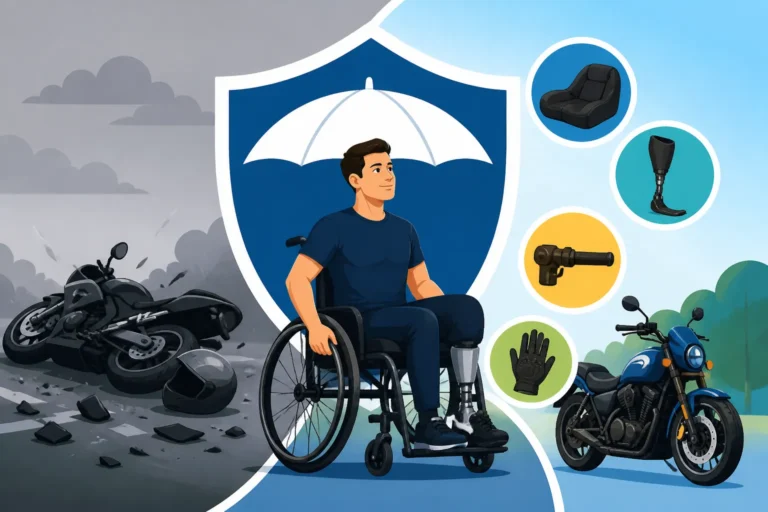
Then there's the journey to being fitted for a prosthetic limb. This isn't a one-time event; it's an ongoing process. Initial prosthetics are often temporary, designed to help with early mobility. As the residual limb changes shape and strengthens, new, custom-fitted prosthetics are required. These devices can be incredibly expensive, costing tens of thousands of dollars, and they need to be replaced every few years due to wear and tear, technological advancements, or changes in the user's body. Learning to walk, run, or perform daily tasks with a prosthetic takes immense dedication, patience, and professional guidance. For many, modifications to their home, vehicle, and even workplace become necessary, adding further costs and logistical hurdles.
The emotional and psychological impact can be just as profound, if not more so, than the physical. Depression, anxiety, and post-traumatic stress disorder (PTSD) are common among amputation survivors. There can be significant body image issues, a sense of loss of identity, and grief for the life that was. Adapting to social situations, managing public perception, and rebuilding self-confidence are ongoing battles. Many find immense benefit from psychological counseling, support groups, and therapy, which are long-term commitments. All these factors contribute to the true cost of an amputation and underscore why understanding Types of Damages in a Motorcycle Accident Claim is so important when seeking compensation.
Key Factors Influencing Amputation Compensation
When it comes to determining how much compensation you might receive for a motorcycle accident amputation, there isn't a magic calculator. Each case is unique, and the final amount hinges on a multitude of complex factors. Broadly, these factors fall into categories of economic and non-economic damages, as well as the crucial element of fault and liability.
Economic Damages: The Tangible Costs
Economic damages are the quantifiable financial losses you've incurred or will incur due to your amputation. These are typically easier to calculate because they come with receipts, invoices, and clear projections. However, projecting these costs over a lifetime for a severe injury like an amputation requires meticulous planning and expert input.
- Medical Expenses (Past and Future): This is often the largest component of an amputation claim. It includes everything from the immediate emergency medical care, ambulance transportation, and initial hospital stays to multiple surgeries (including revision surgeries), pain management, medications, and extensive inpatient and outpatient rehabilitation. Beyond the initial recovery, future medical costs are immense. This includes the staggering cost of prosthetic limbs, which need to be custom-fitted, maintained, and replaced every 3 to 5 years throughout your lifetime. Depending on the type of amputation and desired functionality, a single advanced prosthetic can cost anywhere from $5,000 to over $100,000. Factor in physical therapy, occupational therapy, psychological counseling, and specialized equipment like wheelchairs or adaptive devices, and these costs can quickly reach into the millions over a lifetime.
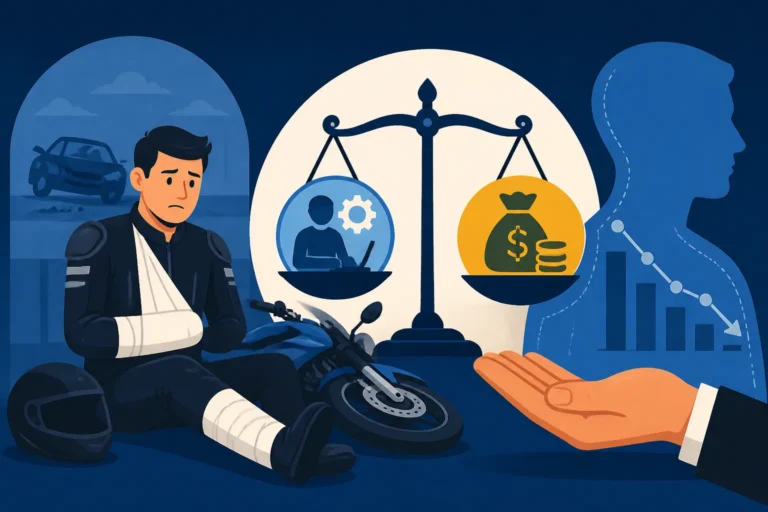
- Lost Wages and Earning Capacity: An amputation can severely impact your ability to work, both immediately and in the long term. You'll likely lose income during your initial recovery and rehabilitation. More critically, you might be unable to return to your previous job, especially if it involved manual labor, standing for long periods, or specific physical dexterity. This loss of future income potential, known as "loss of earning capacity," is a significant component. If you were a construction worker and can no longer perform that physically demanding job, you might have to retrain for a less lucrative career. The difference in your earning potential over your working life can be substantial. Even if you can return to work, you might be limited to part-time hours or require workplace modifications, all of which impact your income.
- Property Damage: While secondary to personal injury, the damage to your motorcycle and protective gear is also a part of your economic damages. This includes the cost to repair or replace your bike, helmet, riding jacket, boots, and any other gear damaged in the crash. For more details on this, you might find information on How Fault Affects Your Settlement helpful, as property damage is often tied to liability.
Non-Economic Damages: The Intangible Losses
Non-economic damages are harder to quantify with a dollar amount, but they represent the profound impact the amputation has had on your quality of life. These losses are deeply personal and subjective, requiring a comprehensive understanding of your suffering. For severe injuries like amputations, these damages can often make up a significant portion of the total compensation. Understanding the difference between Economic vs Non-Economic Damages Explained is vital here.
- Pain and Suffering: This category encompasses the physical pain endured during the accident, surgeries, recovery, and rehabilitation, as well as the chronic pain that many amputees experience (including phantom limb pain). It also includes the intense emotional distress, mental anguish, anxiety, depression, and psychological trauma that accompany such a life-altering injury. The fear, frustration, and grief associated with losing a limb are immense and ongoing.
- Loss of Enjoyment of Life: An amputation can strip away your ability to participate in hobbies, recreational activities, and daily pleasures you once took for granted. If you loved riding your motorcycle, playing sports, hiking, dancing, or even simple activities like gardening or playing with your kids, these may now be difficult or impossible. This loss of enjoyment of life, and the inability to engage in activities that bring you joy and fulfillment, is a compensable damage.
- Scarring and Disfigurement: The physical appearance of the residual limb, scars from surgeries, and the visible presence of a prosthetic can lead to significant disfigurement. This can cause self-consciousness, embarrassment, and negatively impact self-esteem and social interactions. The psychological toll of these permanent physical changes is a valid component of your non-economic damages.
- Loss of Consortium: If you are married or in a committed partnership, your spouse may be able to claim loss of consortium. This accounts for the loss of companionship, affection, intimacy, and the ability to perform household duties or participate in family activities due to your injuries.
The Role of Fault and Liability
Ultimately, the amount of compensation you receive is directly tied to who was at fault for the motorcycle accident. If the other driver was entirely negligent, you stand a better chance of recovering full damages. However, states have different rules regarding shared fault, which can significantly impact your payout.
- How Fault is Determined: This involves gathering evidence from the accident scene, police reports, witness statements, accident reconstruction, and medical records to establish who caused the collision. Was the other driver distracted? Did they fail to yield? These are critical questions when establishing Who Is at Fault in a Motorcycle Accident.
- Comparative Negligence Rules: Most states operate under some form of comparative negligence. This means that if you are found partially at fault for the accident, your compensation will be reduced by your percentage of fault. For example, in a pure comparative negligence state like California, if your damages are assessed at $5 million, but you're found 20% at fault, you would receive $4 million. In modified comparative negligence states (like Texas or Ohio), if you are found more than 50% or 51% at fault, you may be barred from recovering any damages at all. Understanding How Comparative Negligence Reduces Your Payout is crucial in these cases.
- Proving Negligence: You and your legal team must clearly demonstrate that the other party's negligence directly caused your injuries and subsequent amputation. This often requires expert testimony from accident reconstructionists and medical professionals to link the crash to your specific devastating injury.
Calculating and Maximizing Your Amputation Claim
When dealing with an amputation, the stakes are incredibly high. The long-term costs and life adjustments are staggering, making it absolutely essential to pursue maximum compensation. This isn't about getting rich; it's about securing your future and ensuring you have the resources to live a dignified life. The process of calculating and negotiating such a complex claim is intricate and demanding.
Estimating Future Costs and Needs
One of the most challenging, yet critical, aspects of an amputation claim is accurately projecting your future needs and associated costs over a lifetime. This goes far beyond just current medical bills and involves a detailed financial and medical forecast.
- Life Care Plans: For catastrophic injuries like amputation, a life care plan is indispensable. Developed by a certified life care planner, this comprehensive document outlines all your anticipated medical and non-medical needs for the remainder of your life. This includes future surgeries, physical therapy, occupational therapy, medications, pain management, psychological counseling, home health care, specialized equipment (like shower chairs or ramps), accessible vehicle modifications, and the ongoing purchase and maintenance of prosthetic limbs. A life care plan provides a concrete, evidence-based roadmap of your future expenses, making it incredibly persuasive in settlement negotiations or in court.
- Expert Testimony: To support your claim for future costs and losses, your legal team will often bring in a range of experts. Medical experts (orthopedic surgeons, neurologists, prosthetists) will testify about the nature and severity of your amputation, your prognosis, and your future medical needs. Vocational rehabilitation experts can assess your lost earning capacity, detailing how your injury impacts your ability to work and what career changes might be necessary. Economic experts can then translate these future losses and expenses into present-day dollar values, accounting for inflation and investment returns. These experts provide the scientific and financial backbone to your claim, ensuring that no potential future cost is overlooked.
- Projecting Prosthetic Replacements: As mentioned, prosthetics are not a one-time purchase. A key component of a life care plan is projecting the number of prosthetic limbs you'll need over your lifetime. For example, a prosthetic leg might need replacing every 3-5 years for an active adult, costing tens of thousands of dollars each time. Children and adolescents might require replacements even more frequently as they grow. The technology also evolves rapidly, with newer, more advanced prosthetics offering better mobility and comfort, but at a higher price point. Accurately forecasting these replacements, upgrades, and associated fitting fees is crucial to a robust claim. Don't forget the costs of maintenance and repairs for these complex devices, which can also add up.
The Settlement Negotiation Process
Dealing with insurance companies after an amputation is often frustrating and overwhelming. They are businesses focused on minimizing their payouts, and they will likely try to offer a lowball settlement that doesn't adequately cover your long-term needs. This is where the guidance of an experienced legal professional becomes invaluable. The process itself can be a lengthy one, and understanding the Motorcycle Accident Settlement Process Explained can help manage expectations.
- Dealing with Insurance Companies and Lowball Offers: After you've recovered sufficiently and your medical condition has stabilized (reaching Maximum Medical Improvement, or MMI), your attorney will typically submit a comprehensive demand letter to the at-fault driver's insurance company. This letter outlines your injuries, medical expenses, lost wages, and non-economic damages, backed by all your meticulously gathered evidence, including your life care plan and expert reports. It asks for a specific amount of compensation. Insurance companies will almost always respond with a much lower offer, often attempting to downplay the severity of your injuries or suggest you were partially at fault. It's important to remember that their first offer is rarely their best, and you should not feel pressured to accept it.
- When a Lawsuit Becomes Necessary: If negotiations with the insurance company reach an impasse and they are unwilling to offer a fair settlement that adequately compensates you for your catastrophic injuries, filing a lawsuit becomes the next step. A lawsuit doesn't necessarily mean you'll go to trial; many cases still settle out of court even after litigation begins. However, preparing for a trial demonstrates to the insurance company that you are serious about pursuing full compensation, often prompting them to negotiate more earnestly. The lawsuit process involves discovery (exchanging information and evidence), depositions (sworn testimonies), and potentially mediation or arbitration before a trial. If your case does go to trial, a jury would ultimately decide the amount of compensation. Learning How to Negotiate a Motorcycle Accident Settlement can prepare you for these discussions.
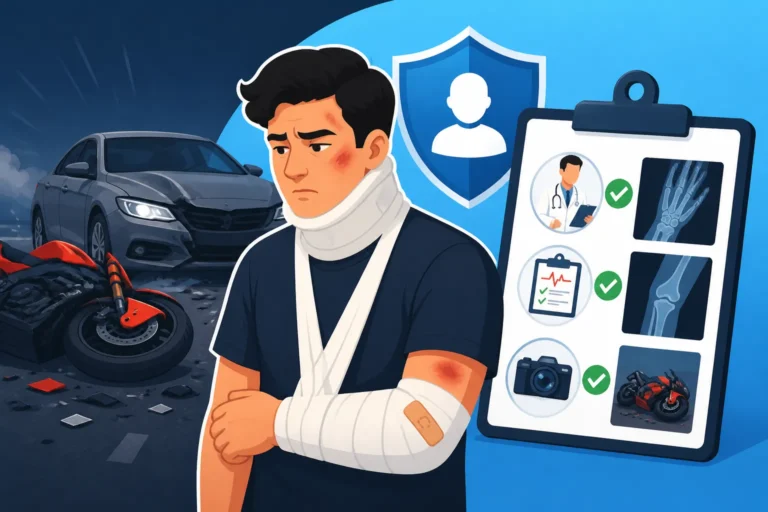
- The Importance of Thorough Documentation: From the moment of your accident, documenting everything is paramount. This includes all medical records, bills, prescriptions, rehabilitation reports, photographs of your injuries (before and after surgeries), photos of your damaged motorcycle and gear, police reports, witness statements, and an injury journal detailing your pain levels, emotional struggles, and how the injury impacts your daily life. Every piece of evidence strengthens your claim and makes it harder for the insurance company to dispute the severity of your losses. Even something as simple as photos of your damaged gear can provide Motorcycle Accident Evidence for Proving Fault.
| Type of Damage | Description | Examples Specific to Amputation |
|---|---|---|
| Economic | Measurable financial losses | Emergency medical care, surgeries, hospital stays, physical therapy, occupational therapy, medications, pain management, prosthetic limbs (initial & replacements), home modifications, vehicle adaptations, lost wages, diminished earning capacity, damaged motorcycle/gear. |
| Non-Economic | Non-financial losses, subjective | Physical pain, phantom limb pain, emotional distress, mental anguish, anxiety, depression, PTSD, loss of enjoyment of life, scarring and permanent disfigurement, loss of independence, loss of companionship/intimacy (loss of consortium). |
Navigating the aftermath of a motorcycle accident that results in an amputation is an incredibly difficult journey, both personally and legally. The financial implications alone are staggering, let alone the emotional and physical toll. Ensuring you receive adequate compensation isn't just about financial recovery; it's about securing the best possible future given the profound changes you've endured. This complex process underscores the vital question: Do You Need a Motorcycle Accident Lawyer to help you fight for what you deserve?
Disclaimer
Please remember that this information is intended for general guidance and informational purposes only, and does not constitute legal advice. Every motorcycle accident claim is unique, and the compensation you may receive for an amputation injury will depend on the specific circumstances of your case, the laws of your state, and the strength of your evidence. It is crucial to consult with an experienced motorcycle accident attorney to discuss your individual situation and receive personalized legal advice.