Motorcycle Neck Injury: Claims and Compensation
Riding a motorcycle offers an unparalleled sense of freedom, but that freedom comes with inherent risks. When a crash happens, one of the most terrifying and debilitating injuries a rider can sustain is a neck injury. These aren't just minor kinks; they can be life-altering, causing excruciating pain, limited mobility, and a cascade of medical bills and lost income. This guide will walk you through the complexities of motorcycle neck injuries, from understanding their types and impact to navigating the claims process and seeking the compensation you deserve.
The Harsh Reality of Motorcycle Neck Injuries
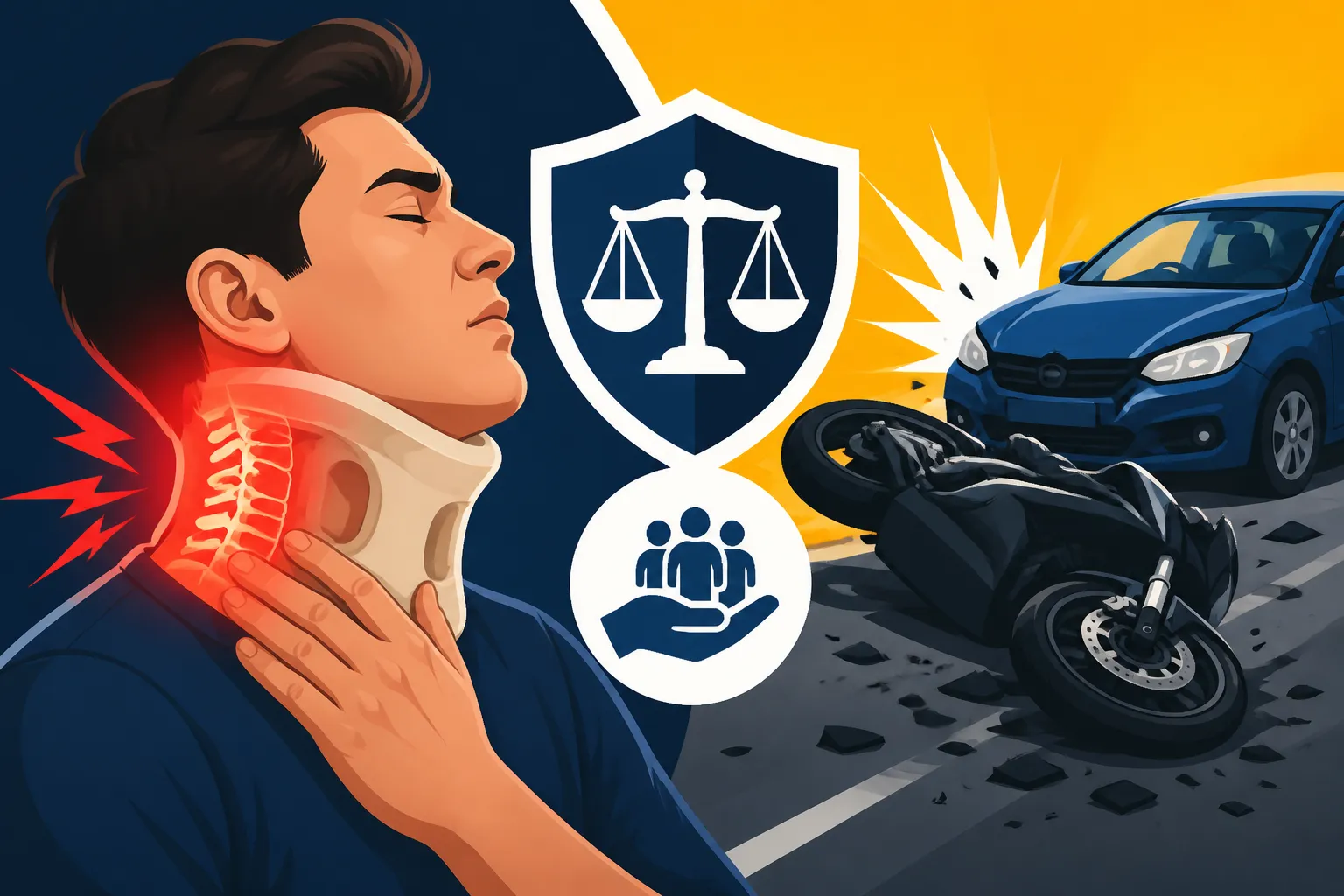
Motorcycle accidents are notorious for causing severe injuries due to the lack of protection compared to an enclosed vehicle. When you're thrown from your bike, or if your head and neck are subjected to sudden, violent forces, the delicate structures of your cervical spine are incredibly vulnerable. Unlike a car driver who might have airbags and a seatbelt to cushion some of the impact, a rider is directly exposed, making neck injuries a far too common and often devastating outcome. The sheer forces involved can snap your head forward, backward, or sideways, tearing ligaments, fracturing bones, and even damaging the spinal cord itself.
Common Types of Neck Injuries Sustained by Riders
When we talk about neck injuries in motorcycle accidents, it's not a single diagnosis but a spectrum of painful and debilitating conditions. Each type carries its own challenges, both medically and in terms of your accident claim.
First, there's the ever-present threat of whiplash. This isn't just a minor discomfort; whiplash is a soft tissue injury to the neck, caused by an abrupt back-and-forth movement of the head, much like the cracking of a whip. While often associated with rear-end car collisions, motorcycle riders can experience severe whiplash from sudden impacts, falls, or even rapid stops. Symptoms, including neck pain, stiffness, headaches, dizziness, and radiating pain into the shoulders or arms, can appear immediately or several days after the accident, sometimes making it difficult to link directly to the crash without consistent medical follow-up.
Beyond whiplash, riders often face more serious structural damage. Herniated discs in the cervical spine are a frequent and painful consequence. The discs act as cushions between the vertebrae, and a sudden trauma can cause them to rupture or bulge, pressing on nearby nerves. This can lead to excruciating localized pain, numbness, tingling, or weakness in the arms and hands, potentially requiring extensive physical therapy, injections, or even surgery.
Then there are cervical fractures, which are broken bones in the neck. These are among the most dangerous injuries, ranging from relatively stable fractures that can heal with immobilization to unstable ones that threaten the spinal cord. A fractured vertebra can cause intense pain, neurological deficits, and in the worst cases, paralysis or even death. Similarly, nerve damage, such as a pinched nerve or brachial plexus injury (affecting the network of nerves that control movement and sensation in the arm and hand), can result from direct trauma, stretching, or compression during the accident. These injuries can lead to chronic pain, loss of sensation, and significant muscle weakness.
The Immediate and Delayed Symptoms of Neck Trauma
One of the most insidious aspects of motorcycle neck injuries is that their symptoms often don't manifest immediately. In the immediate aftermath of a crash, your body is flooded with adrenaline, which can mask pain and other signs of injury. You might feel a bit shaken up, perhaps some mild stiffness, but nothing that screams "emergency." This delay can be incredibly misleading and dangerous. Many riders, feeling "okay," might decline immediate medical attention or delay seeing a doctor, only for severe pain, stiffness, or neurological symptoms to emerge hours, days, or even weeks later.
This delayed onset is a critical point that insurance companies often try to exploit. They might argue that because you didn't report immediate pain, your neck injury wasn't severe or wasn't caused by the accident itself. However, it's a well-documented medical fact that soft tissue injuries, inflammation, and even some neurological issues can take time to develop and become apparent. That initial "fine" feeling can quickly give way to debilitating neck pain, headaches, muscle spasms, numbness, and tingling in the extremities. It's why seeking medical evaluation as soon as possible after any motorcycle accident, regardless of how you feel, is absolutely crucial. This proactive step not only protects your health but also creates an undeniable medical record that directly links your symptoms to the incident, strengthening any potential claim.
Understanding the Medical Journey and Documentation
After a motorcycle accident, your health is the absolute priority. The road to recovery from a neck injury can be long and challenging, but the medical journey you undertake is also the bedrock of your personal injury claim. Every diagnosis, every treatment, every prescription – it all contributes to documenting the full extent of your damages.
Initial Diagnosis and Treatment Protocols
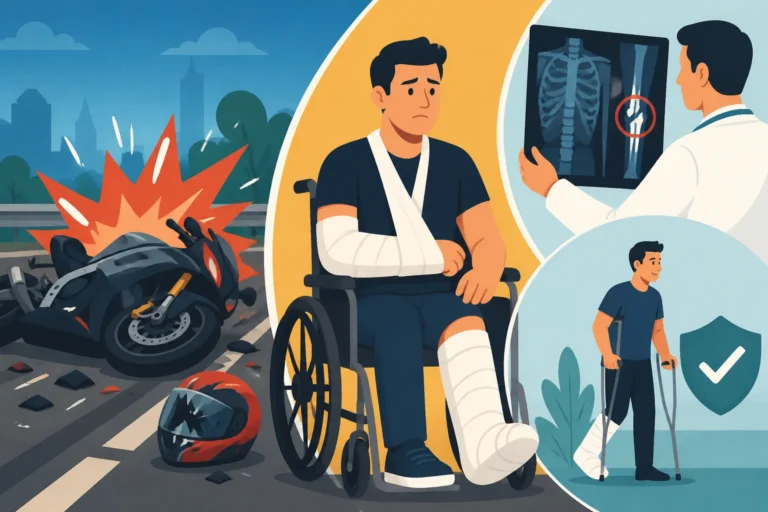
When you've been in a motorcycle accident, even if you feel relatively okay, it's paramount to get checked out by medical professionals immediately. The first stop is often the emergency room or an urgent care facility. Here, doctors will conduct an initial assessment, looking for immediate life-threatening injuries. For neck pain, they'll likely perform physical examinations to check your range of motion, tenderness, and any neurological deficits. They might order imaging tests, such as X-rays, to rule out fractures or dislocations. If soft tissue damage or disc issues are suspected, an MRI (Magnetic Resonance Imaging) or CT (Computed Tomography) scan might be necessary to provide a more detailed view of your discs, ligaments, muscles, and spinal cord.
Once diagnosed, your treatment protocol will vary based on the severity and type of neck injury. For whiplash or mild strains, this could involve pain medication, muscle relaxers, anti-inflammatory drugs, and a regimen of physical therapy. Physical therapy is often a cornerstone of recovery, focusing on exercises to restore strength, flexibility, and range of motion. For more severe injuries like herniated discs, doctors might recommend epidural steroid injections to reduce inflammation and pain. In cases of severe fractures, spinal instability, or persistent nerve compression, surgery might be the only option to stabilize the spine, remove disc material, or fuse vertebrae. Each step in this process, from initial diagnosis to long-term rehabilitation, generates crucial medical records.
The Importance of Consistent Medical Records
Consistency in your medical care is not just vital for your recovery; it's absolutely critical for the strength of your motorcycle accident claim. Insurance companies are notorious for scrutinizing medical records, looking for any gaps or inconsistencies they can use to downplay the severity of your injuries or argue they weren't accident-related. If you wait too long to seek treatment, or if you miss multiple appointments, an adjuster might claim that your injuries weren't serious enough to warrant continuous care, or that a new injury occurred in the interim. This is a common tactic to reduce payouts.
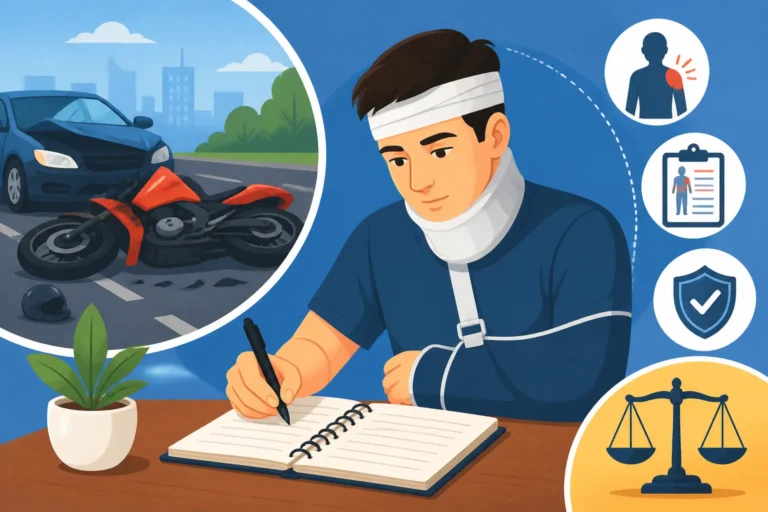
Therefore, meticulous documentation is your best defense. Keep every medical bill, every prescription receipt, every therapy schedule, and every doctor's note. Maintain a detailed journal of your symptoms, pain levels, and how your injuries impact your daily life. This personal account, combined with objective medical evidence, paints a comprehensive picture of your suffering and the costs you've incurred. Remember, your medical records are proof of your injuries, the treatment you received, and the expenses that directly resulted from the accident. Without a clear and continuous paper trail, it becomes much harder to prove the full extent of your damages, potentially affecting your ability to secure a fair settlement.
Calculating Compensation for Neck Injuries
Understanding how compensation is calculated after a motorcycle accident, especially for a neck injury, can feel like trying to decipher a secret code. But it's essential to grasp the various components that make up your potential settlement. Your compensation will generally fall into two main categories: economic and non-economic damages.
Economic Damages: The Tangible Costs
Economic damages are the straightforward, quantifiable losses you've incurred due to your neck injury. These are often easier to calculate because they come with receipts, invoices, and pay stubs.
First and foremost are your medical expenses. This includes everything from that initial ambulance ride and emergency room visit to diagnostic tests like X-rays and MRIs, doctor's consultations, specialist fees (orthopedists, neurologists, pain management specialists), physical therapy sessions, prescription medications, and any surgical procedures or post-operative care. It also encompasses future medical costs, which can be substantial for chronic neck pain or long-term rehabilitation needs. For example, if your neck injury necessitates years of ongoing physical therapy or future corrective surgeries, those projected costs must be included.
Next are lost wages. If your neck injury prevents you from working, whether temporarily or permanently, you are entitled to compensation for the income you've lost. This includes not just your base salary or hourly wage but also any lost bonuses, commissions, or benefits. For self-employed riders, proving lost income can be more complex but is just as crucial. Beyond current lost wages, if your neck injury causes long-term disability or reduces your ability to earn at the same capacity you did before the accident, you can claim for loss of earning capacity. This looks at your potential future income stream that has been diminished due to your injury.
Finally, there's property damage. While not directly a neck injury cost, the damage to your motorcycle and any gear (like your helmet, which likely took some of the impact protecting your head, or leathers) is a part of your overall economic losses. This typically covers repair costs or the replacement value of your bike if it's totaled.
Non-Economic Damages: The Intangible Toll
Non-economic damages are often harder to quantify but represent a significant portion of a motorcycle accident settlement, especially for severe neck injuries. These damages compensate you for the intangible losses that deeply impact your quality of life.
The most common non-economic damage is pain and suffering. This isn't just about the physical pain of your neck injury; it encompasses the discomfort, agony, and inconvenience you experience on a daily basis. Imagine the struggle of turning your head, lifting objects, or even just trying to get a comfortable night's sleep. These are all part of your pain and suffering.
Closely related is emotional distress. A traumatic motorcycle accident and a debilitating neck injury can lead to significant psychological impacts, such as anxiety, depression, fear of riding again, or even Post-Traumatic Stress Disorder (PTSD). The inability to perform simple tasks, the constant pain, and the uncertainty of recovery can take a tremendous toll on your mental well-being. Furthermore, there's loss of enjoyment of life. If your neck injury prevents you from participating in hobbies or activities you once loved – riding your bike, playing with your kids, engaging in sports, or even just going for a long walk – you can be compensated for this profound loss. For many riders, the inability to get back on two wheels is a huge emotional blow.
Insurance companies often use formulas, like the "multiplier method," to estimate non-economic damages, multiplying your economic damages by a factor (usually 1.5 to 5, depending on injury severity). However, for a severe neck injury, this calculation can be much more nuanced, often requiring skilled negotiation to truly reflect the profound impact on your life.
To give you a clearer picture, here's a table outlining the common types of damages:
| Damage Category | Description | Examples |
|---|---|---|
| Economic | Tangible, quantifiable losses with direct monetary value. | Medical Bills (ER, doctors, specialists, therapy, prescriptions, surgery), Lost Wages (past & future), Loss of Earning Capacity, Property Damage (motorcycle, gear), Travel Expenses for medical care. |
| Non-Economic | Intangible losses that affect quality of life, harder to assign a precise dollar amount. | Physical Pain and Suffering, Emotional Distress (anxiety, depression, PTSD), Loss of Enjoyment of Life, Disfigurement/Scarring (if applicable), Loss of Consortium (impact on spouse/family). |
Navigating the Claims Process with a Neck Injury
The claims process after a motorcycle accident, particularly one involving a neck injury, can feel like a daunting battle. It's often complex, frustrating, and designed to minimize payouts. Knowing what to expect and how to protect yourself is key. For more general information about what to do, you can refer to our article on What to Do After a Motorcycle Accident.
Insurer Tactics and "The Helmet Defense"
Let's be blunt: insurance companies are not on your side, even their own. Their primary goal is to pay out as little as possible. When you have a neck injury, they'll deploy various tactics to undermine your claim. One common strategy is to question the severity of your injury or its direct link to the accident, especially if there was a delay in seeking medical treatment. They might argue that your pain is due to a pre-existing condition, an unrelated incident, or simply exaggerated. They'll look for any inconsistencies in your statements or medical records to build their case against you.
A particularly frustrating tactic, especially for motorcycle riders, is "the helmet defense." Even if you were wearing a DOT-compliant helmet, some insurance companies might try to argue that any head or neck injury you sustained was exacerbated because your helmet wasn't "good enough," or they might try to imply that the very nature of motorcycling inherently makes such injuries more likely, attempting to shift some blame onto you. If you weren't wearing a helmet in a state with Motorcycle Helmet Laws by State requiring one, they will absolutely use this against you to reduce your settlement, arguing that your injuries would have been less severe had you complied. For detailed insights, check out our piece on How Insurance Companies Assign Blame to Riders.
They might also offer a quick, lowball settlement early on, hoping you'll accept it before you fully understand the long-term impact and costs of your neck injury. Never accept an offer without knowing the full extent of your damages, including future medical needs and lost earning capacity.
Proving the Severity of Your Injury
To counter these tactics and secure fair compensation, you must proactively prove the severity of your neck injury. This goes beyond just presenting medical bills.
First, comprehensive medical documentation is paramount. This includes all diagnostic imaging (X-rays, MRIs, CT scans) that show objective evidence of your injury (e.g., herniated disc, fracture). Detailed reports from your doctors, specialists (orthopedists, neurologists), and physical therapists outlining your diagnosis, prognosis, pain levels, and functional limitations are crucial. If you've undergone surgery, all surgical reports and post-operative care instructions are vital.
Second, your personal testimony and daily injury journal play a significant role. While medical records are objective, your lived experience provides context. Document how your neck injury affects your daily activities, sleep, work, hobbies, and overall quality of life. Be specific: "Couldn't lift my coffee mug this morning," "Sharp pain when turning to check blind spot," "Missed my daughter's soccer game because I couldn't sit up straight." This helps quantify the Pain and Suffering in Motorcycle Settlements you're enduring.
Third, witness statements can corroborate your claims. If family members, friends, or co-workers have observed your struggles, their statements about your limitations and changed demeanor can be powerful evidence. Finally, accident reconstruction experts can provide critical testimony, explaining the forces involved in the crash and how those forces directly led to your specific neck injury, countering any arguments that the injury was pre-existing or unrelated. This robust body of evidence is essential for demonstrating the true impact of your neck injury and preventing insurers from devaluing your claim. For more advice, refer to our guide on How to Document Injuries for a Claim.
Maximizing Your Claim for a Motorcycle Neck Injury
When dealing with a significant neck injury from a motorcycle accident, it’s not enough to just file a claim and hope for the best. You need to be proactive and strategic to ensure you receive the full and fair compensation you deserve. The stakes are incredibly high, as these injuries can lead to lifelong challenges.
The Role of Expert Testimony
In complex motorcycle accident claims involving severe neck injuries, expert testimony can be the lynchpin of your case. These professionals bring specialized knowledge that helps clarify the intricate details of your injury and the accident itself for adjusters, juries, and judges.
Medical experts, such as orthopedic surgeons, neurologists, pain management specialists, and physical therapists, can provide critical testimony. They can explain the precise nature of your neck injury, its mechanism (how it occurred), the long-term prognosis, and the necessity of past and future medical treatments. For instance, a neurologist might explain how a cervical disc herniation is impacting specific nerve roots, causing radiating pain and weakness in your arm, and project the cost of long-term care or potential future surgeries. They can definitively link your injury to the accident and counter any arguments from the insurance company about pre-existing conditions or exaggerated symptoms. Their detailed reports and expert opinions can significantly increase the perceived value of your claim, especially when estimating Future Medical Costs Explained.
Beyond medical professionals, accident reconstruction experts can be invaluable. These specialists can analyze the scene of the crash, vehicle damage, police reports, and other evidence to recreate the accident sequence. They can then scientifically explain the forces involved and how those forces would predictably cause the specific neck injury you sustained. This can be crucial in cases where fault is disputed, or when the insurance company tries to downplay the impact of the collision. Their objective analysis can effectively prove How Fault Is Determined in Motorcycle Accidents and demonstrate the direct causal link between the other driver's negligence and your severe neck trauma.
When to Seek Legal Counsel for Your Neck Injury
Given the complexity of neck injuries and the aggressive tactics often employed by insurance companies, attempting to handle a significant motorcycle accident claim on your own is rarely advisable. The moment you suspect you have a neck injury after a crash is precisely when you should be considering legal counsel.
A qualified motorcycle accident attorney understands the nuances of neck injury claims. They know how to gather and present compelling medical evidence, effectively calculate both economic and non-economic damages, and anticipate the strategies insurance adjusters will use. They can help you prove Who Is at Fault in a Motorcycle Accident and navigate the intricacies of your state's laws, such as Motorcycle Accident Fault Laws in California or wherever your accident occurred.
An attorney will handle all communication with insurance companies, protecting you from saying anything that could jeopardize your claim. They can negotiate on your behalf to ensure you receive a fair settlement that covers not only your immediate medical bills and lost wages but also accounts for potential long-term care, future loss of income, and the full extent of your pain and suffering. If negotiations fail, they are prepared to take your case to trial. While the "average" settlement can vary widely depending on specific injuries and locations, a serious neck injury often warrants a higher payout than minor injuries, and a lawyer can fight to maximize that value. For more detailed information on typical compensation figures, you might find our article on Average Motorcycle Accident Settlement Amounts helpful. Ultimately, hiring an attorney allows you to focus on your recovery, secure in the knowledge that your legal rights are being vigorously protected. If you're wondering, "Do I need a Motorcycle Accident Lawyer?", the answer is almost always yes, especially with a neck injury.
Disclaimer
The information provided in this guide is intended for general informational purposes only and does not constitute legal advice. Motorcycle accident claims are complex and highly dependent on individual circumstances and local laws. It is crucial to consult with a qualified personal injury attorney to discuss your specific situation and receive advice tailored to your needs.