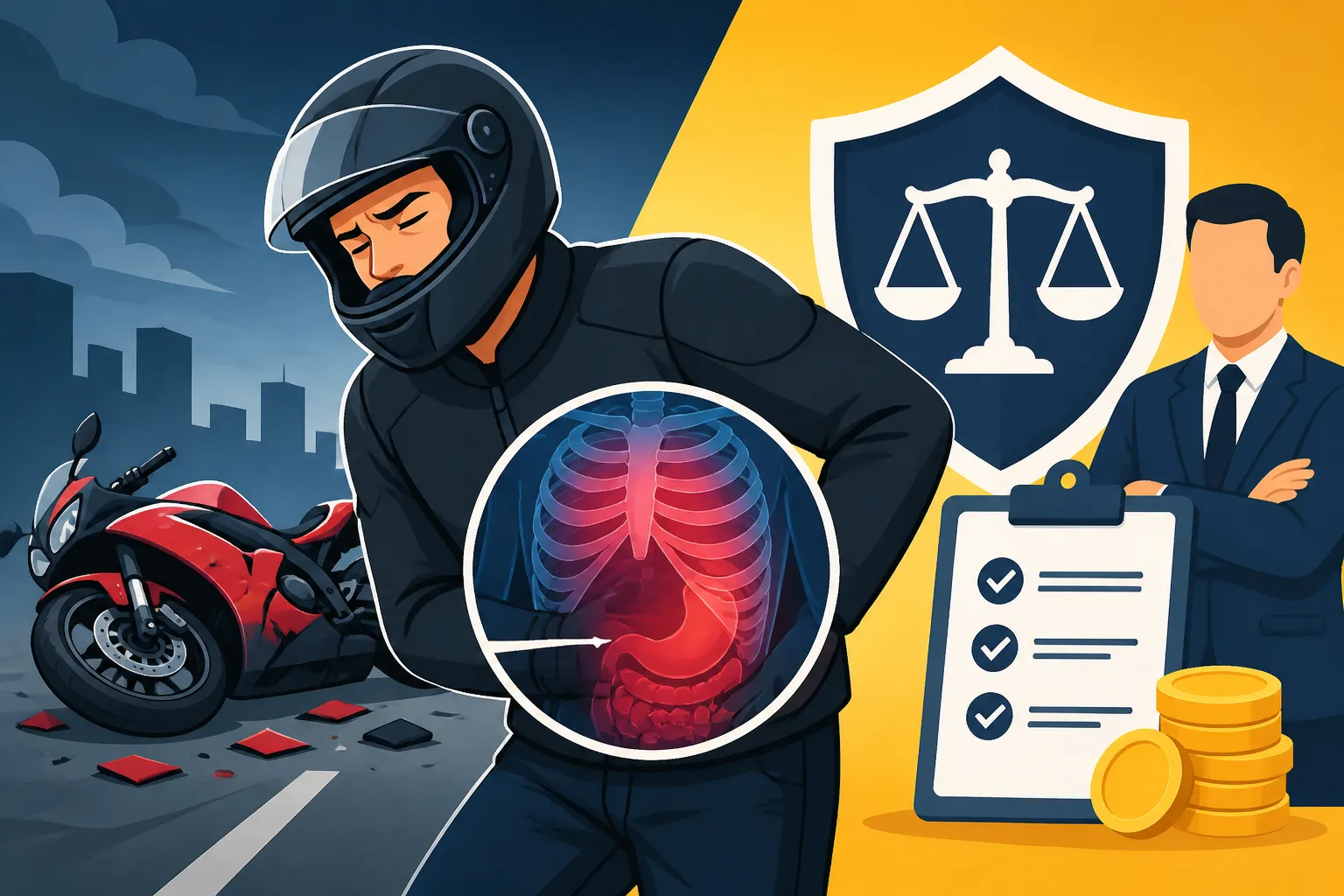
Motorcycle Internal Injuries: Claims and Compensation
Riding a motorcycle offers an unparalleled sense of freedom and connection with the road, but it also carries inherent risks. One of the most terrifying realities for riders after a crash is the possibility of internal injuries, which often go unnoticed in the immediate aftermath, masquerading as minor bumps and bruises while serious damage brews beneath the surface. This guide will explore the various types of internal injuries, why they are so dangerous, how to ensure they are properly diagnosed and treated, and crucially, how to build a strong claim for the compensation you deserve.
The Hidden Dangers of Internal Injuries After a Motorcycle Accident
It’s a common misconception that if you don't have visible lacerations or broken bones, you're "fine" after a motorcycle accident. Unfortunately, this couldn't be further from the truth, especially for riders. The unique dynamics of a motorcycle crash – often involving high-speed impacts, direct contact with hard surfaces, and ejection from the bike – create immense blunt force trauma that can wreak havoc on internal organs without leaving an obvious external mark. This silent damage is precisely why internal injuries are among the most dangerous and often overlooked consequences of a motorcycle collision.
Why Symptoms Can Be Delayed and Deceptive
One of the most insidious aspects of internal injuries is their deceptive nature. Unlike a compound fracture or a deep cut that demands immediate attention, internal bleeding or organ damage might not present clear symptoms for hours, or even days, after the incident. Adrenaline, shock, and the pain from more obvious external injuries can mask the subtle warning signs of internal trauma. A rider might feel a generalized soreness or discomfort, attributing it to the crash impact, while a vital organ like the spleen or liver is slowly leaking blood. This delay can be catastrophic, as conditions that might have been treatable if caught early can become life-threatening emergencies.
Imagine you've been T-boned by a car that failed to yield at an intersection. You're shaken, your bike is a mess, and you have some nasty road rash, but you feel relatively okay beyond the initial shock. You might even decline an ambulance ride, convincing yourself you'll just follow up with your doctor. However, that blunt impact to your side, though not breaking a rib, could have caused a significant tear in your kidney, leading to internal bleeding that you don't notice until you're at home, feeling dizzy and weak hours later. This is a terrifyingly common scenario where immediate intervention could mean the difference between a full recovery and severe, lasting complications, or even worse. This highlights why understanding What to Do After a Motorcycle Accident is crucial, even if you feel fine.
Common Impact Scenarios Leading to Internal Trauma
Motorcycle accidents are rarely gentle. They often involve high-energy impacts where the rider's body absorbs significant force. These scenarios are ripe for internal injuries. For example, a head-on collision or a sudden stop can cause internal organs to continue moving forward, tearing from their ligaments or impacting against the rib cage or spinal column. This is often referred to as deceleration injury. Similarly, a direct blow to the abdomen from a handlebar, a gas tank, or even a vehicle component during a slide can compress and damage organs like the liver, spleen, or intestines.
Another common scenario involves crush injuries, where a rider might be pinned between their bike and another vehicle, or between their bike and the road surface. Even if the external compression is brief, the internal pressure can lead to organ rupture or severe soft tissue damage deep within the body. Think about a low-side slide where your torso grinds against the asphalt, or a high-side where you're launched and land hard on your side. These seemingly different impacts all share the potential to inflict devastating internal trauma. Factors like Common Causes of Motorcycle Accidents often dictate the nature of these impacts.
Specific Types of Internal Injuries Riders Face
When we talk about internal injuries, we're discussing damage that occurs inside the body, affecting organs, blood vessels, and soft tissues. These injuries are particularly dangerous because they're not always visible from the outside, and their symptoms can be subtle or delayed. Yet, they can be life-threatening if not diagnosed and treated promptly.
Abdominal Organ Damage Liver, Spleen, Kidney, Pancreas
The abdomen is particularly vulnerable in motorcycle accidents because it's largely unprotected by bone, unlike the chest or head. The organs here are suspended in a fluid-filled cavity, making them susceptible to shear forces during rapid deceleration, or direct blunt trauma.
- Spleen: The spleen is frequently injured in blunt abdominal trauma due to its fragile nature and location. A ruptured spleen can cause massive internal bleeding and shock, requiring immediate surgery, often a splenectomy (removal of the spleen). While life is possible without a spleen, it significantly compromises the immune system, making the individual more vulnerable to infections for the rest of their life.
- Liver: The liver is a large, solid organ that can be lacerated or crushed. Liver injuries can also lead to significant internal bleeding. Depending on the severity, treatment can range from observation to surgical repair or even removal of damaged sections. Long-term complications might include liver function issues, chronic pain, or digestive problems.
- Kidneys: Located near the back, the kidneys can be damaged by direct impact to the lower back or side, or by violent deceleration. Injuries can range from contusions (bruises) to lacerations or even complete rupture. Kidney trauma can lead to blood in the urine, pain, and, in severe cases, kidney failure, requiring dialysis or transplantation.
- Pancreas: While less common, pancreatic injuries are very serious. The pancreas can be crushed against the spine during a frontal impact. Damage to the pancreas can release digestive enzymes into the abdominal cavity, leading to severe inflammation (pancreatitis), infection, and digestive issues that can be chronic and debilitating.
These types of injuries often necessitate complex medical interventions, extensive recovery periods, and potentially lifelong management, profoundly impacting a rider's future.
Thoracic Injuries Lung Contusions, Hemothorax, Pneumothorax
The chest, or thorax, contains vital organs like the heart and lungs, protected by the rib cage. However, severe motorcycle accident forces can overwhelm this protection, leading to critical thoracic injuries.
- Lung Contusions: This is essentially a bruise to the lung tissue, caused by blunt force trauma to the chest. It can lead to bleeding and swelling in the lung, impairing oxygen exchange. While often not immediately apparent, it can worsen over hours or days, causing severe respiratory distress. Treatment often involves oxygen therapy and pain management, but severe cases might require mechanical ventilation.
- Hemothorax: This occurs when blood collects in the space between the lung and the chest wall (pleural cavity). It's typically caused by bleeding from damaged blood vessels in the chest wall or lung. A large hemothorax can compress the lung, making breathing difficult, and can lead to hypovolemic shock from blood loss. It usually requires a chest tube insertion to drain the blood and potentially surgery to stop the bleeding.
- Pneumothorax: Also known as a collapsed lung, a pneumothorax happens when air leaks into the space between the lung and the chest wall. This air pressure causes the lung to collapse. It can result from direct chest trauma that punctures the lung or from a fractured rib piercing the lung. Symptoms include sudden chest pain and shortness of breath. Treatment usually involves a chest tube to remove the air and allow the lung to re-expand.
These thoracic injuries are often associated with other injuries, like fractured ribs, and can quickly become life-threatening, demanding immediate medical intervention.
Internal Bleeding and Hemorrhage
Internal bleeding is perhaps the most dangerous and elusive of all internal injuries. It occurs when blood vessels rupture inside the body, often as a result of blunt force trauma, and blood collects within body cavities or tissues rather than exiting the body. The severity depends on the location and amount of blood loss.
A major hemorrhage from a large artery or organ can lead to hypovolemic shock, where the body loses so much blood that the heart can no longer pump enough blood to the body. This is a medical emergency that can be fatal if not treated rapidly. Symptoms might include dizziness, weakness, rapid heart rate, low blood pressure, pale skin, and extreme thirst. However, these symptoms may not appear until a significant amount of blood has been lost. Common sites for dangerous internal bleeding include the abdomen (from spleen or liver lacerations), the chest (from lung or heart vessel damage), and around major bones like the pelvis or femur. Even seemingly minor falls can cause significant retroperitoneal bleeding (bleeding behind the abdominal cavity) which can be very difficult to diagnose. Swift medical assessment is paramount.
Traumatic Brain Injuries and Spinal Cord Trauma
While often discussed as distinct categories, Traumatic Brain Injuries (TBIs) and Spinal Cord Injuries (SCIs) are, at their core, internal injuries to the central nervous system. They involve damage to the brain or spinal cord tissue, often without a visible break in the skull or vertebrae.
- Traumatic Brain Injuries (TBIs): These range from concussions to severe brain damage. Even a mild TBI, like a concussion, involves internal bruising or swelling of the brain tissue. More severe TBIs can cause hemorrhages within the brain (intracranial hematoma), diffuse axonal injury (shearing of nerve fibers), or swelling that increases pressure inside the skull, leading to permanent neurological deficits, cognitive impairment, or even death. Helmets are crucial for protection, but even with a DOT-approved helmet, the brain can still suffer significant internal trauma from the forces involved. For more in-depth information, see Motorcycle Traumatic Brain Injuries.
- Spinal Cord Trauma: Like the brain, the spinal cord can be bruised, compressed, or severed by violent forces in an accident. This can happen without any obvious fracture to the spinal column. The internal damage to the delicate nerve fibers can result in partial or complete paralysis below the site of the injury, loss of sensation, and impaired organ function. These are often catastrophic injuries with lifelong implications, requiring extensive care and adaptation. Read more about Spinal Cord Injuries from Motorcycle Accidents.
The internal nature of these injuries makes them exceptionally challenging both medically and legally.
The Critical Importance of Immediate Medical Attention and Diagnosis
After a motorcycle accident, the moments and hours following the crash are crucial, especially when internal injuries are a concern. Many riders, in their adrenaline-fueled state, might minimize their symptoms or feel pressured to leave the scene without a thorough medical evaluation. This is a monumental mistake that can have dire consequences, both for your health and for any potential legal claim.
Initial Medical Assessment and Emergency Protocols
Even if you feel "okay" or have only superficial scrapes, accepting transport to the nearest emergency room is always the smartest move. Paramedics at the scene are trained to recognize subtle signs of internal trauma and can provide initial life-saving interventions. Once at the hospital, medical professionals will perform a comprehensive assessment. This isn't just about visible injuries; they'll check vital signs, perform physical examinations looking for tenderness, distension, or abnormal sounds in the abdomen and chest, and gather a detailed history of the accident.
Emergency room doctors often follow specific protocols for high-impact trauma, which include a series of diagnostic tests even if initial symptoms are mild. This proactive approach is essential because early detection of internal bleeding or organ damage can literally save your life. Waiting until severe symptoms manifest can mean the difference between a successful intervention and a tragic outcome. Your immediate medical care establishes the initial record of your injuries, which is foundational for any future claim.
Advanced Diagnostic Imaging and Procedures
To truly understand the extent of potential internal damage, medical professionals rely on advanced diagnostic tools. These are critical for identifying injuries that are hidden from the naked eye.
- CT Scans (Computed Tomography): This is one of the most common and effective ways to detect internal injuries. A CT scan can quickly image the chest, abdomen, and pelvis, revealing organ lacerations, internal bleeding, fluid collections, and bone fractures. For brain injuries, a head CT can identify hemorrhages, contusions, and swelling.
- Ultrasound (FAST Exam): In emergency settings, a Focused Assessment with Sonography for Trauma (FAST) exam is a rapid ultrasound scan used to quickly check for fluid (blood) in the pericardial sac (around the heart) and in the abdominal cavity. It's a quick, non-invasive way to screen for major internal bleeding.
- MRI (Magnetic Resonance Imaging): While often not used in the immediate emergency phase due to time constraints, MRI provides incredibly detailed images of soft tissues, nerves, and organs. It's often employed later in the diagnostic process to assess the full extent of spinal cord injuries, complex ligament tears, or subtle brain damage that might not be fully visible on a CT scan.
- Diagnostic Peritoneal Lavage (DPL) or Thoracentesis: In some critical situations, invasive procedures like DPL (sampling fluid from the abdominal cavity) or thoracentesis (sampling fluid from the chest cavity) might be used to confirm internal bleeding if imaging is inconclusive or not immediately available.
These diagnostic tools are not just about treatment; they create irrefutable evidence of the physical trauma you sustained. This evidence is absolutely vital when it comes to proving your claim later on. If you've been in a crash and haven't had these diagnostics performed despite concerns, advocate for them.
The Link Between Prompt Care and Successful Claims
Beyond the obvious health benefits, seeking immediate and thorough medical attention after a motorcycle accident is crucial for the strength of your personal injury claim. Insurance companies are notorious for scrutinizing medical records, and any delay in seeking treatment can be used against you. They might argue that your injuries weren't severe enough to warrant immediate care, or that they were sustained in a subsequent event, not the motorcycle crash.
Consistent medical documentation, starting from the emergency room visit and continuing through all follow-up appointments, physical therapy, and specialist consultations, provides a clear timeline and direct link between the accident and your injuries. Without this continuity, you give the insurance company an opening to dispute the severity or causation of your internal injuries, potentially reducing your compensation. This is one of the core principles of How to Document Injuries for a Claim.
Long-Term Consequences and Treatment of Internal Injuries
The immediate aftermath of a motorcycle accident focuses on stabilization and life-saving measures for internal injuries. However, the journey often extends far beyond the hospital doors. Internal trauma can lead to a host of long-term consequences that profoundly affect a rider's life, requiring ongoing treatment, rehabilitation, and significant adjustments to their daily routines.
Surgical Interventions and Recovery Roadblocks
Many severe internal injuries, such as ruptured organs, significant internal bleeding, or complex fractures to bones protecting vital organs, necessitate emergency surgery. A splenectomy, for example, might save a life but leaves the individual with a compromised immune system. Liver or kidney repairs can be extensive, involving long hospital stays and a recovery period marked by pain and restricted activity. Similarly, severe thoracic injuries might require open-chest surgery to repair lung damage or stop bleeding, leading to painful recovery and potential chronic respiratory issues.
The recovery from these surgeries is rarely straightforward. Complications like infection, further bleeding, adverse reactions to medication, or the failure of repaired organs are real possibilities. For riders, who often lead active lifestyles, being confined to bed rest or severely limited in movement can be incredibly frustrating and debilitating. The psychological toll of these extensive surgeries and the fear of complications can be immense, adding another layer to the recovery process.
Rehabilitation, Therapies, and Ongoing Medical Needs
Even after the initial surgery and hospital discharge, the path to recovery for internal injuries is typically long and arduous. Depending on the specific injuries, a rider might need:
- Physical Therapy: To regain strength, mobility, and range of motion, especially after abdominal or chest surgeries that can affect core strength and breathing.
- Occupational Therapy: To help adapt to any new physical limitations and relearn how to perform daily tasks, such as dressing, cooking, or managing personal hygiene. This is particularly crucial if organ damage leads to chronic fatigue or pain.
- Respiratory Therapy: For lung injuries, to improve lung function and manage any long-term breathing difficulties.
- Pain Management: Chronic pain is a common issue after severe internal trauma, necessitating ongoing management with medication, injections, or alternative therapies.
- Nutritional Support: If digestive organs like the pancreas or intestines were damaged, dietary modifications and supplements might be required indefinitely.
- Psychological Counseling: The trauma of the accident, the pain, the prolonged recovery, and the potential for permanent disability can lead to significant emotional distress, anxiety, depression, and even PTSD. Mental health support is just as vital as physical recovery.
These therapies and ongoing medical needs are not one-time expenses; they represent a significant financial and emotional burden that can last for months, years, or even a lifetime.
Impact on Quality of Life and Earning Capacity
The long-term effects of internal injuries often extend far beyond physical health, fundamentally altering a person's quality of life and their ability to earn a living. A rider who loved weekend trips or daily commutes on their bike might find they can no longer ride, or that the joy is gone due to chronic pain or fear. Hobbies, sports, and even simple daily activities with family can become challenging or impossible. This loss of enjoyment of life, often termed "loss of consortium" if it impacts a spouse, is a significant component of non-economic damages.
Furthermore, severe internal injuries can lead to a reduced earning capacity. If a rider's job requires physical exertion, standing for long periods, or heavy lifting, they might be unable to return to their previous occupation. Even if they can return, chronic fatigue, pain, or compromised immune function (e.g., after splenectomy) can affect their productivity, leading to missed workdays or a need to switch to a lower-paying, less physically demanding job. In some cases, catastrophic internal injuries result in permanent disability, preventing a return to work altogether. When this happens, a critical component of compensation involves calculating Loss of Earning Capacity Explained, which considers not just current lost wages but future potential income.
Documenting Your Internal Injury Claim for Compensation
Proving internal injuries in a personal injury claim can be more complex than proving a visible injury like a broken bone. Because these injuries are hidden, the documentation needs to be meticulous and comprehensive. The goal is to create an undeniable link between the motorcycle accident, your internal injuries, and all the resulting damages.
Compiling Comprehensive Medical Evidence
The backbone of any successful internal injury claim is an exhaustive collection of medical records. This includes everything from the moment paramedics arrived at the scene to every follow-up appointment, specialist consultation, and therapy session.
- Emergency Room Records: These are paramount, detailing initial assessments, vital signs, diagnostic imaging results (CT scans, ultrasounds), preliminary diagnoses, and any immediate treatments or surgeries performed. They establish the earliest evidence of trauma.
- Hospitalization Records: If you were admitted, these records will show your length of stay, surgical reports, daily nurse's notes, medication charts, and discharge summaries. Every detail helps paint a picture of your condition and the intensive care you received.
- Specialist Reports: Documentation from surgeons, gastroenterologists, pulmonologists, neurologists, nephrologists, or any other specialists involved in your care is crucial. Their expert opinions and findings solidify the diagnosis and prognosis of your internal injuries.
- Therapy Records: Physical, occupational, or respiratory therapy notes document your progress, limitations, and the necessity of ongoing treatment.
- Prescription Records: A list of all medications prescribed for pain, infection, or other related conditions provides further evidence of your suffering and medical needs.
- Medical Bills: Keep every single bill, no matter how small. These are direct proof of the financial burden of your injuries.
Collecting all this can be a daunting task, but it’s essential. Each piece of paper strengthens your argument against skeptical insurance adjusters. This process is detailed further in How to Document Injuries for a Claim.
Quantifying Economic Damages: Bills, Lost Wages, and Future Costs
Economic damages are the quantifiable financial losses you've incurred or will incur due to your internal injuries. These are often the easiest to calculate because they come with receipts and clear financial figures.
- Medical Expenses: This includes all past and present medical bills, but it also must account for future medical care. This is particularly important with internal injuries, which often require long-term monitoring, follow-up surgeries, medication, or ongoing therapies. An economist or medical expert may be needed to project these future costs accurately. This can include anything from anticipated check-ups to potential organ transplants or lifelong medication for conditions like compromised immune function after a splenectomy.
- Lost Wages: This covers any income you've lost from being unable to work due to your injuries or recovery. This includes hourly wages, salary, commissions, bonuses, and even lost benefits. For self-employed individuals, this can be more complex, requiring tax returns and business records to prove income loss.
- Loss of Earning Capacity: If your internal injuries prevent you from returning to your previous job or reduce your ability to earn at the same level in the future, you can claim for loss of earning capacity. This isn't just about what you've lost; it's about what you will lose. This requires expert analysis, often from vocational rehabilitation specialists or forensic economists, to demonstrate the long-term financial impact.
- Property Damage: While not directly tied to internal injuries, the cost to repair or replace your motorcycle, helmet, and other damaged gear is an essential part of your economic damages.
A thorough accounting of these damages is vital for receiving fair compensation. For a broader understanding of how these figures impact your claim, refer to Economic vs Non-Economic Damages Explained.
Valuing Non-Economic Damages: Pain, Suffering, and Emotional Distress
While economic damages are straightforward to calculate, non-economic damages are far more subjective but equally, if not more, important, especially with severe internal injuries. These damages compensate you for the intangible losses that profoundly impact your life.
- Pain and Suffering: This encompasses the physical pain you've endured from the injury itself, surgeries, and rehabilitation, as well as the chronic pain you may continue to experience. Documenting this through pain journals, doctor's notes, and testimony is crucial.
- Emotional Distress: The psychological impact of a severe internal injury can be devastating. This includes anxiety, depression, fear (e.g., fear of future medical complications or another accident), PTSD, and the emotional toll of a prolonged and difficult recovery. Psychiatric or psychological evaluations and therapy records can help substantiate this.
- Loss of Enjoyment of Life: This compensates you for the inability to participate in hobbies, recreational activities, social events, or simply everyday activities you once enjoyed due to your injuries. If you can no longer ride your motorcycle, play with your children, or pursue a beloved sport, this is a significant loss.
- Disfigurement and Scarring: While internal injuries don't typically lead to external disfigurement directly, the necessary surgical interventions often result in significant scarring (e.g., from abdominal or chest surgeries), which can cause psychological distress and impact body image.
Insurance companies often try to minimize these damages. An experienced attorney can effectively convey the profound impact of these non-economic losses to ensure they are adequately reflected in your settlement. Understanding Pain and Suffering in Motorcycle Settlements is key here.
Navigating the Insurance and Legal Landscape
Dealing with the aftermath of a motorcycle accident is stressful enough, but when you're also grappling with complex internal injuries, the thought of negotiating with insurance companies or navigating legal procedures can feel overwhelming. This is where informed action and professional guidance become indispensable.
Dealing with Skeptical Insurance Adjusters
It’s an unfortunate reality that insurance adjusters, while seemingly helpful, are primarily focused on protecting their company's bottom line. They are trained to find reasons to deny or minimize claims, and motorcycle accident claims often face additional scrutiny due to negative stereotypes about riders. When it comes to internal injuries, their skepticism can be particularly pronounced.
Adjusters might:
- Question Causation: They may argue that your internal injuries aren't directly related to the accident, especially if there was a delay in diagnosis or if you had any pre-existing conditions. They might suggest your injuries are due to something else.
- Minimize Severity: They could downplay the long-term impact of your injuries, suggesting you'll make a full recovery quickly, despite medical evidence to the contrary.
- Exploit Gaps in Treatment: Any inconsistency in your medical care, such as missed appointments or a delay in seeking follow-up treatment, will be used as evidence that your injuries weren't as serious as you claim.
- Offer Lowball Settlements: They might make a quick, low offer early in the process, hoping you'll accept it out of desperation or lack of understanding of the true value of your claim, especially if your initial medical bills are still accumulating.
It is crucial to be wary of these tactics. Never give a recorded statement to an insurance adjuster without legal counsel, and never sign anything that waives your rights, especially a general release. Remember, the insurance company is not on your side. Their goal is to pay you as little as possible. For more insights into how these entities operate, see How Insurance Companies Assign Blame to Riders.
The Role of Legal Representation in Complex Cases
Given the complexity of internal injuries and the often-aggressive tactics of insurance companies, having a knowledgeable legal professional on your side is almost always beneficial. An experienced motorcycle accident attorney understands the unique challenges associated with these claims.
A lawyer can:
- Investigate and Gather Evidence: They will meticulously collect all necessary medical records, police reports, witness statements, and accident reconstruction evidence to build a robust case proving fault and the extent of your internal injuries.
- Navigate Medical Liens: Your health insurance or other providers may place a lien on your settlement to recover their costs. An attorney can negotiate these liens down, ensuring you keep more of your compensation.
- Value Your Claim Accurately: They can accurately assess both your economic and non-economic damages, including future medical costs and loss of earning capacity, ensuring you don't settle for less than your claim is truly worth.
- Negotiate with Insurance Companies: Lawyers are skilled negotiators who can counter lowball offers and fight for fair compensation, pushing back against skeptical adjusters and their tactics.
- Prepare for Litigation: If a fair settlement cannot be reached, an attorney will be ready to take your case to court, preparing all necessary filings, depositions, and trial strategies.
- Protect Your Rights: From the moment you hire them, they ensure your rights are protected, advise you on what to say (and what not to say), and handle all communications with the insurance companies.
The presence of an attorney often signals to insurance companies that you are serious about your claim, which can encourage more reasonable settlement offers. This is why many riders find themselves asking Do You Need a Motorcycle Accident Lawyer.
The Role of Expert Witnesses in Proving Your Case
For internal injury claims, expert witnesses often play a crucial role, especially when injuries are severe, long-lasting, or their causation is disputed. These experts provide credible, scientific evidence that strengthens your claim.
- Medical Experts: Treating physicians, specialists (like a trauma surgeon, neurologist, or gastroenterologist), and independent medical examiners can provide testimony about the nature of your injuries, their direct link to the accident, the necessity of past and future medical treatments, and the long-term prognosis. Their opinions can be invaluable in establishing the severity and duration of your pain and suffering.
- Accident Reconstructionists: These experts can analyze the dynamics of the crash, the forces involved, and how those forces likely caused your specific internal injuries. They can counter arguments by the defense that your injuries were not a direct result of the accident.
- Vocational Experts: If your internal injuries have impacted your ability to work, a vocational expert can assess your pre-injury earning capacity versus your post-injury earning potential, helping to quantify your loss of earning capacity.
- Economists: For complex claims involving significant future medical costs or long-term lost wages, a forensic economist can project these financial losses into the future, providing a comprehensive figure for your economic damages.
These experts lend significant weight to your claim, providing the objective, professional validation needed to convince insurers, judges, or juries of the validity and extent of your internal injuries and the compensation you deserve.
Common Internal Injuries, Symptoms, and Diagnostic Methods
To help visualize the hidden dangers, here's a table outlining common internal injuries, potential delayed symptoms, and the typical diagnostic tools used to identify them:
| Internal Injury Type | Common Delayed Symptoms | Key Diagnostic Methods |
|---|---|---|
| Spleen/Liver Laceration | Abdominal pain (especially upper left or right quadrant), tenderness, distension, pale skin, dizziness, rapid heart rate, low blood pressure, fainting. | CT Scan (abdomen/pelvis), Ultrasound (FAST exam), Blood tests (hemoglobin, hematocrit). |
| Kidney Trauma | Flank pain, blood in urine (hematuria), pain during urination, abdominal tenderness, fever. | CT Scan (abdomen/pelvis), Urinalysis, Blood tests (kidney function). |
| Pancreatic Injury | Severe upper abdominal pain radiating to the back, nausea, vomiting, fever, rapid heart rate. | CT Scan (abdomen), MRI (abdomen), Blood tests (amylase, lipase). |
| Lung Contusion | Shortness of breath, chest pain, coughing (may be bloody), rapid shallow breathing, wheezing. | Chest X-ray, CT Scan (chest), Arterial Blood Gas (ABG). |
| Hemothorax/Pneumothorax | Sudden sharp chest pain, shortness of breath, rapid heart rate, cyanosis (bluish skin), weakness. | Chest X-ray, CT Scan (chest), Ultrasound, Chest tube insertion. |
| Internal Bleeding (General) | Dizziness, weakness, faintness, pale skin, confusion, extreme thirst, rapid shallow breathing, swelling/bruising without external wound. | CT Scan (relevant body area), Ultrasound, Blood tests (complete blood count). |
| Traumatic Brain Injury | Persistent headache, confusion, memory loss, dizziness, nausea, vision changes, mood swings, fatigue, difficulty concentrating. | CT Scan (head), MRI (brain), Neurological exam, Neuropsychological testing. |
| Spinal Cord Injury | Numbness, tingling, weakness or paralysis below injury site, loss of bowel/bladder control, pain, muscle spasms. | MRI (spine), CT Scan (spine), Neurological exam. |
This table is not exhaustive but illustrates how crucial medical diagnostics are for proving internal injuries and linking them directly to your motorcycle accident.
Disclaimer
Please remember that this article provides general information and insights into motorcycle internal injuries and their claims. It is not legal advice. Every accident and injury case is unique. If you have been involved in a motorcycle accident and suspect internal injuries, seek immediate medical attention. For specific legal advice regarding your situation, it is crucial to consult with a qualified personal injury attorney in your jurisdiction.