How Much Compensation for Motorcycle Concussion
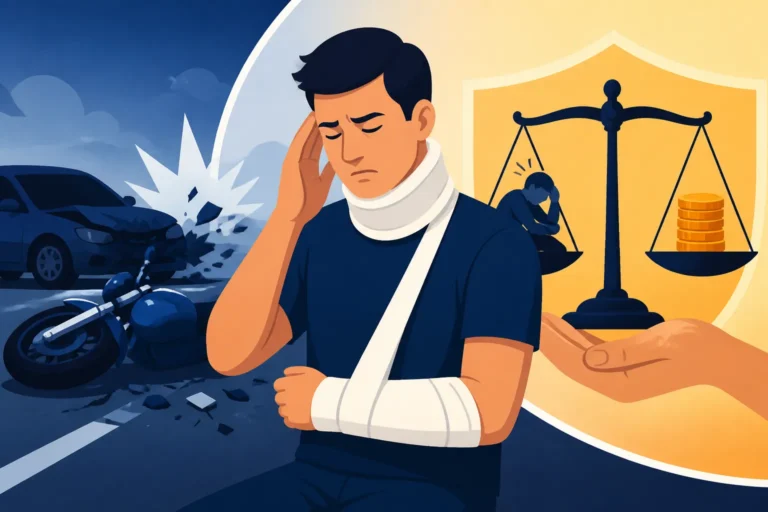
Experiencing a motorcycle accident is traumatic enough, but when you realize you might be dealing with a concussion, the aftermath can feel even more overwhelming. The dizzying fog, persistent headaches, and struggle to focus can turn your daily life upside down, leaving you wondering not just about your recovery, but also about the financial burden of treatment and lost income. This guide is here to shed some light on how compensation is typically determined for a motorcycle concussion, helping you understand what to expect and how to protect your rights.
Understanding Concussion Injuries in Motorcycle Accidents
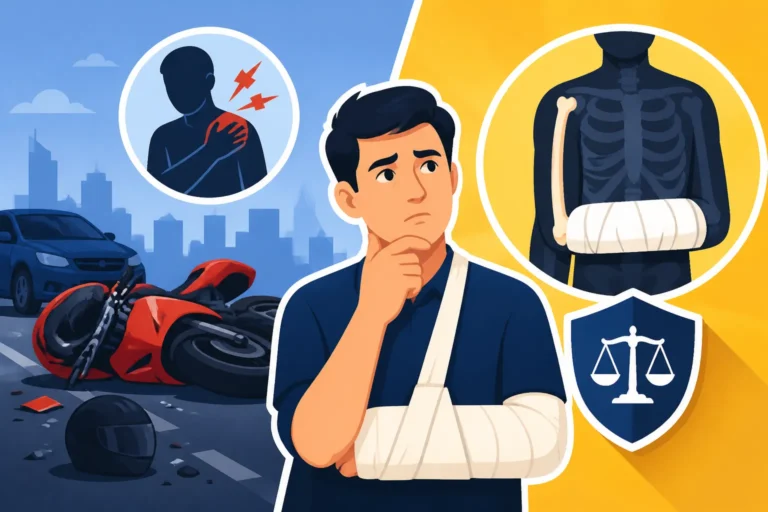
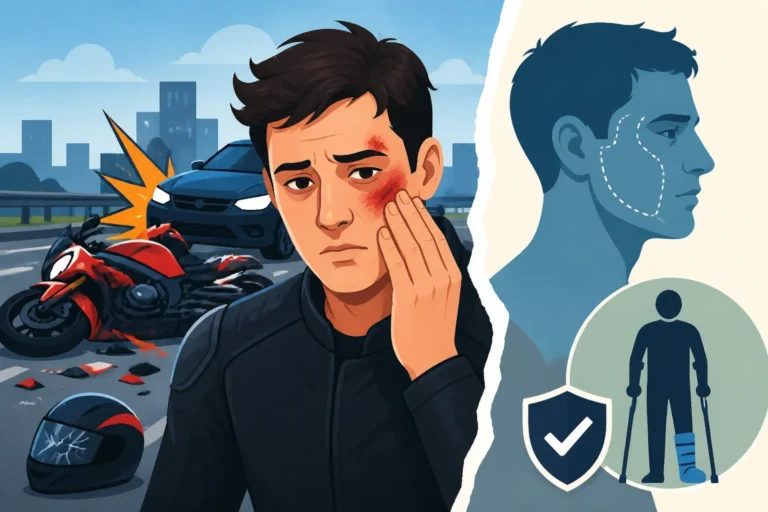
A motorcycle concussion, or mild traumatic brain injury (mTBI), might not always be immediately obvious after a crash, but its impact can be profound and long-lasting. Unlike a broken bone that shows up clearly on an X-ray, a concussion often involves a complex injury to the brain that can disrupt cognitive function, emotional stability, and physical well-being. Riders are especially vulnerable to head injuries, even with proper helmet use, due to the lack of protective enclosure a car provides.
What Exactly Is a Concussion
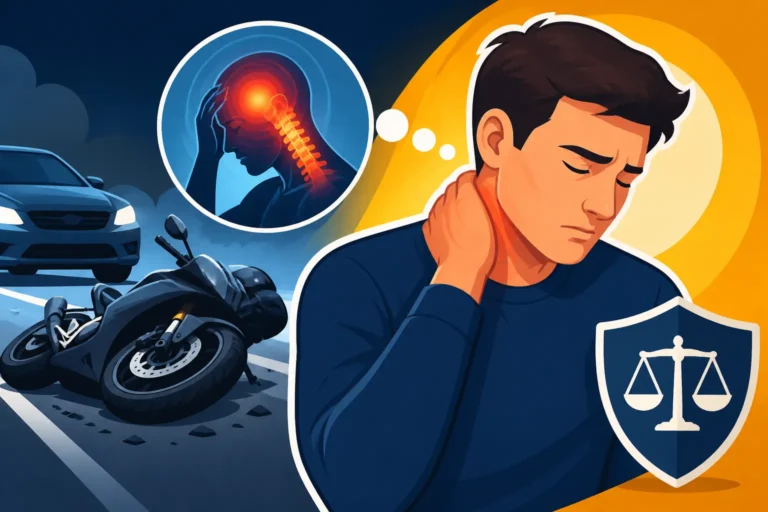
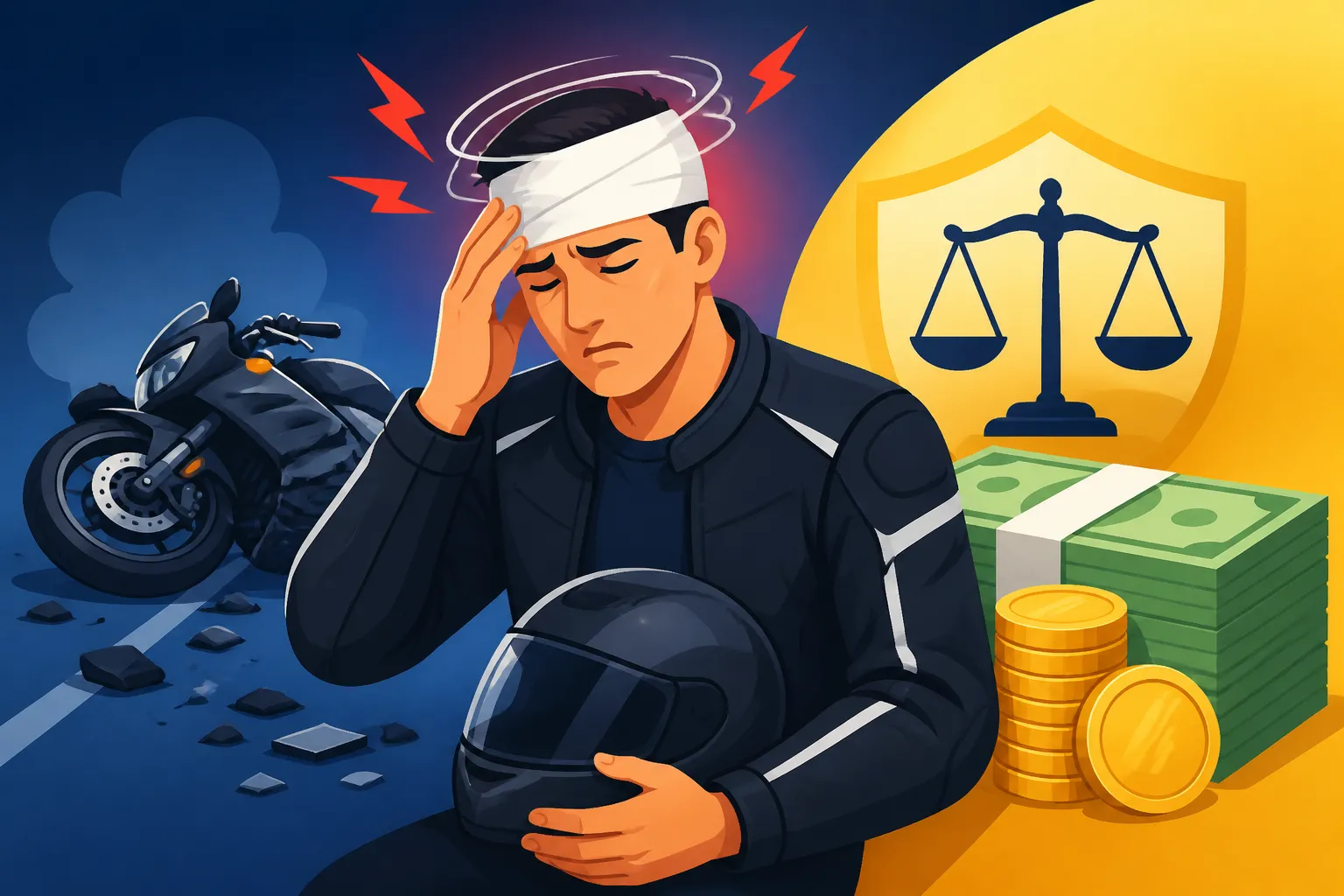
At its core, a concussion is a brain injury caused by a sudden jolt, blow, or violent shaking to the head or body. This force can cause the brain to move rapidly inside the skull, leading to chemical changes and damage to brain cells. Think of it like a delicate computer being violently shaken – things might look fine on the outside, but the internal components can be disrupted, leading to glitches and malfunctions. While often termed "mild," there's nothing truly mild about a brain injury. Symptoms can range from headaches and dizziness to memory problems, mood swings, and sensitivity to light and sound. These aren't just minor inconveniences; they can severely impact your ability to work, socialize, and even perform simple daily tasks.
Why Concussions Are So Serious for Riders
For motorcycle riders, concussions carry a unique weight. The very nature of riding demands high levels of focus, quick decision-making, and excellent balance. A concussion can compromise all of these abilities, making it dangerous or impossible to return to riding. Beyond that, the social stigma surrounding concussions, where "invisible injuries" are often downplayed or misunderstood by others, including insurance adjusters, can be incredibly frustrating. It’s not uncommon for riders to feel their symptoms aren't being taken seriously, or that they are being accused of exaggerating their pain. This adds another layer of stress to an already difficult recovery process, especially when trying to understand How Insurance Companies Assign Blame to Riders. Furthermore, a concussion can have long-term effects, sometimes developing into post-concussion syndrome, which prolongs symptoms for weeks, months, or even years after the initial injury. This prolonged recovery can mean extended time off work, ongoing medical treatment, and a significant impact on your quality of life, all of which factor into potential compensation.
Types of Damages for Motorcycle Concussion Claims
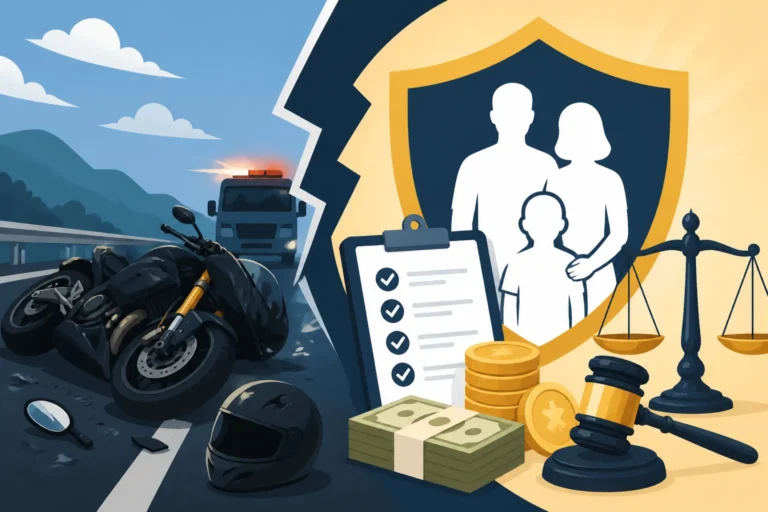
When pursuing compensation for a motorcycle concussion, the damages you can claim typically fall into two main categories: economic and non-economic. Understanding the difference is crucial because both play a significant role in calculating the total value of your claim.
Economic Damages
Economic damages are essentially the quantifiable financial losses you've incurred or will incur as a direct result of your concussion. These are the "hard costs" that have a specific dollar amount attached to them, making them relatively easier to calculate and prove with documentation like bills, invoices, and pay stubs.
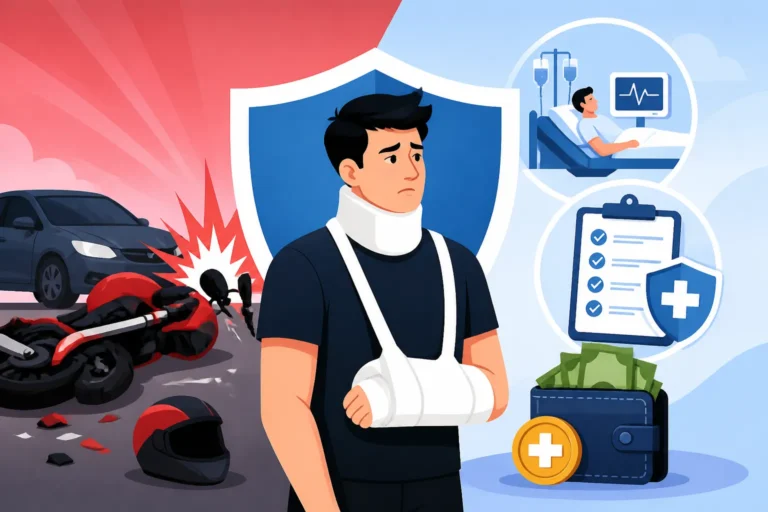
First and foremost, medical expenses will be a major component. This includes everything from the immediate emergency room visit after the accident to ongoing treatments. Think about ambulance rides, diagnostic tests like CT scans or MRIs to assess the extent of the brain injury, doctor's visits, prescription medications, and any specialist consultations such as neurologists, neurosurgeons, or neuropsychologists. If your concussion requires physical therapy, occupational therapy, or speech therapy to regain lost function, those costs are also included. For severe cases, long-term rehabilitation programs, cognitive therapy, or even in-home care might be necessary, and these substantial future medical costs must be accurately projected.
Next, lost wages come into play. A concussion often means you can't work for a period. Whether you're an hourly employee, salaried, or self-employed, the income you lose while recovering is recoverable. This isn't just about the days immediately following the accident; it extends to any time you've had to take off for follow-up appointments, therapy sessions, or simply because your symptoms prevent you from performing your job duties safely or effectively. It also includes potential lost bonuses, commissions, or other employment benefits. For riders whose careers heavily depend on cognitive function or physical stamina, a severe concussion could lead to a Loss of Earning Capacity Explained – meaning you might not be able to return to your previous job or earn at the same level you did before the accident. This long-term financial impact is a critical, and often substantial, part of economic damages.
Finally, property damage for your motorcycle is usually part of the overall claim. While not directly related to your concussion, the cost to repair or replace your bike, helmet, and other damaged gear (which can include expensive specialized riding apparel) is an economic loss. Documenting all these expenses thoroughly is key to a strong claim. Remember, you should always seek immediate medical treatment after any motorcycle crash, even if you feel fine at first, as symptoms of a concussion can be delayed.
Non-Economic Damages
Non-economic damages are far more challenging to quantify because they don't come with a bill or a price tag. These are the subjective, intangible losses that impact your quality of life and overall well-being. They aim to compensate you for the pain, suffering, and emotional distress caused by your concussion.
One of the most significant non-economic damages is pain and suffering. This isn't just about the physical pain of persistent headaches or neck stiffness; it encompasses the emotional toll, the constant fatigue, the irritability, and the anxiety that often accompanies a concussion. Imagine trying to live your life with a persistent fog in your brain, struggling with everyday tasks that used to be second nature. That psychological burden is a form of suffering. Insurers often try to minimize these damages, but a detailed account of your daily struggles, often through an injury journal, can help illustrate the true extent of your pain.
Emotional distress is closely linked to pain and suffering but specifically addresses the psychological impact. A concussion can lead to profound changes in mood, personality, and emotional regulation. Many concussion sufferers experience increased anxiety, depression, frustration, and even PTSD, especially after a traumatic event like a motorcycle accident. The inability to enjoy hobbies, participate in family activities, or simply feel like your old self contributes heavily to emotional distress. This category also covers loss of enjoyment of life, which accounts for the diminished ability to engage in activities and pleasures you once enjoyed. If riding your motorcycle was a significant part of your identity and your concussion prevents you from doing so, that loss is a legitimate component of your non-economic damages.
Calculating non-economic damages often involves methodologies like the "multiplier method," where your total economic damages are multiplied by a factor (usually between 1.5 and 5, depending on injury severity) to arrive at a value for your non-economic losses. While complex, these damages are a vital part of fully compensating a motorcycle accident victim for a concussion, recognizing that the injury goes far beyond just medical bills.
Factors Affecting Your Concussion Claim Value
The amount of compensation you can receive for a motorcycle concussion isn't set in stone. It's a highly variable figure influenced by a multitude of factors, some within your control and others determined by the specific circumstances of the accident and the laws of your state. Understanding these elements can help you make informed decisions throughout your claim process.
Severity and Long-Term Impact of the Concussion
This is arguably the most critical factor. A mild concussion with symptoms that resolve in a few weeks will yield a vastly different settlement than a severe concussion leading to post-concussion syndrome or permanent cognitive impairment. The more severe your symptoms, the longer they last, and the greater their impact on your daily life, the higher your potential compensation.
Consider the following:
- Diagnosis and Medical Documentation: A clear and prompt diagnosis from a medical professional, along with consistent medical records detailing your symptoms, treatments, and prognosis, is paramount. Gaps in treatment or delays in seeking medical attention can be used by insurance companies to argue that your injuries aren't as severe as you claim or weren't caused by the accident. Make sure to document everything.
- Duration of Symptoms and Recovery: How long did your headaches, dizziness, memory issues, or other symptoms last? If you developed post-concussion syndrome, where symptoms persist for months or even years, your claim value will increase significantly. This prolonged suffering and disruption to your life warrants higher compensation.
- Permanent Impairment or Disability: In the most severe cases, a concussion can lead to permanent cognitive deficits, chronic pain, or long-term neurological issues. If your concussion results in a recognized permanent impairment, such as difficulty with speech, concentration, or coordination, an expert medical opinion outlining this disability will dramatically increase the value of your claim, covering future care and lost earning potential. Understanding the Long-Term Effects of Motorcycle Injuries is crucial here.
Clear Evidence of Fault and Liability
Even the most severe concussion won't lead to substantial compensation if you can't prove that another party was at fault for the accident. States like California operate under a "pure comparative negligence" system, meaning you can recover damages even if you are partially at fault, though your compensation will be reduced by your percentage of blame. Other states might have different rules, like a 50% or 51% bar to recovery.
Key considerations include:
- Police Reports: A police report can be a powerful piece of evidence in establishing fault, especially if it clearly places blame on the other driver. However, sometimes police reports can hurt your claim, so it's important to know How a Police Report Can Hurt Your Claim.
- Witness Statements: Eyewitness accounts can corroborate your version of events and counter any "I didn't see the motorcycle" defenses.
- Dashcam Footage/Surveillance Video: Increasingly, dashcam footage from your bike or other vehicles, or surveillance video from nearby businesses, can provide irrefutable proof of how the accident occurred. This can be critical in demonstrating the other driver's negligence, perhaps showing they were distracted driving or failed to yield.
- Expert Testimony: In complex cases, accident reconstruction experts can analyze the scene, vehicle damage, and other data to provide a scientific determination of fault.
- Traffic Violations: If the other driver received a traffic citation for their actions, it strengthens your case significantly.
Without clear proof that the other driver's negligence caused your accident and subsequent concussion, the insurance company will aggressively try to minimize their payout.
Insurance Policy Limits and Coverage
Unfortunately, even with clear fault and severe injuries, your compensation can be capped by the at-fault driver's insurance policy limits. Most states require drivers to carry minimum liability insurance, but these minimums are often surprisingly low and may not cover the full extent of damages from a severe motorcycle concussion.
Here's how this plays out:
- At-Fault Driver's Liability Coverage: This is the primary source of compensation. If the driver who caused your accident only has the state minimum coverage (e.g., $25,000 for bodily injury per person), and your concussion-related medical bills and lost wages alone exceed that, you might hit the policy limit quickly.
- Underinsured Motorist (UIM) Coverage: This is where your own insurance policy becomes incredibly important. If the at-fault driver's insurance isn't enough to cover your damages, your UIM coverage can kick in to cover the difference, up to your policy's limits. Having robust UIM coverage is a lifesaver for motorcycle riders, as the severity of injuries often surpasses standard minimum coverage.
- Multiple Policies: In some cases, it might be possible to pursue compensation from multiple insurance policies, such as if the at-fault driver was driving a company vehicle or if there are other contributing negligent parties. This can increase the overall pool of available funds for your settlement.
Understanding your own insurance policies, particularly UIM coverage, before an accident occurs is a crucial step for any rider to protect themselves financially.
The Role of Legal Representation
While not a direct "factor" of the injury itself, having an experienced motorcycle accident lawyer can dramatically impact your concussion claim's value. Insurance companies often try to minimize payouts, especially for "invisible" injuries like concussions. A seasoned attorney understands how to gather comprehensive evidence, quantify both economic and non-economic damages, and negotiate fiercely on your behalf. They know the tactics insurers use, such as trying to pin partial fault on you or suggesting your concussion symptoms are pre-existing or exaggerated. An attorney can counter these arguments with medical expert testimony and other compelling evidence. They can also ensure all deadlines are met, handle complex paperwork, and represent you in court if a fair settlement cannot be reached. Many studies and anecdotal evidence suggest that victims with legal representation often receive significantly higher settlements than those who attempt to navigate the claims process alone.
Comparative Fault Laws
The state where your accident occurred has laws governing how shared fault impacts your compensation. This is known as comparative negligence.
- Pure Comparative Negligence: In states like California, even if you are found 99% at fault, you can still recover 1% of your damages. Your compensation is simply reduced by your percentage of fault.
- Modified Comparative Negligence (50% Rule): States like Texas and Ohio follow this rule, where you can recover damages as long as you are not 50% or more at fault. If you are 50% at fault, you cannot recover anything. If you are 49% at fault, your damages are reduced by 49%.
- Modified Comparative Negligence (51% Rule): Many states, including Florida and Pennsylvania, use this variation. You can recover damages as long as you are not 51% or more at fault. If you are 51% or more responsible for the crash, you get nothing. If you are 50% at fault, your damages are reduced by 50%.
- Contributory Negligence: A handful of states, like Virginia, use the harsh contributory negligence rule. If you are found even 1% at fault for the accident, you are completely barred from recovering any damages.
These rules have a huge impact on how much compensation for a motorcycle concussion you can receive. For example, if you're deemed 20% at fault for an accident in a pure comparative negligence state that caused a $100,000 concussion injury, your settlement would be reduced to $80,000. In a contributory negligence state, that 20% fault would mean $0. An attorney can help fight unfair fault assignments to protect your compensation.
Navigating the Claims Process for Concussion Compensation
Getting compensation for a motorcycle concussion isn't always a straightforward path. It involves careful steps, consistent documentation, and often, a willingness to stand firm against insurance companies. Knowing what to do can make a significant difference in the outcome of your claim.
Documenting Your Injuries and Treatment
This is the bedrock of your entire claim. From the moment the accident happens, every piece of information related to your injury and its impact is crucial.
- Medical Records: This includes everything: ambulance reports, emergency room visit summaries, diagnostic imaging results (CT, MRI), neurologist reports, therapy notes (physical, occupational, cognitive), prescription lists, and medical bills. These documents provide objective proof of your injury, its severity, and the treatments you've undergone. Make sure your medical records clearly state the diagnosis of a concussion and link it directly to the motorcycle accident.
- Keep an Injury Journal: Beyond formal medical records, maintaining a personal journal detailing your daily symptoms is incredibly powerful. Note your pain levels, frequency of headaches, struggles with memory or concentration, mood changes, sleep disturbances, and how these symptoms affect your ability to perform daily tasks, work, or enjoy hobbies. This journal offers a firsthand, continuous account of your suffering and the real-world impact of your concussion, providing crucial evidence for How to Prove Pain and Suffering.
- Photos and Videos: Take photos of any visible injuries, even minor ones, immediately after the accident and as they heal. Also, document any changes to your living or work environment necessitated by your concussion (e.g., adaptive equipment, grab bars). While a concussion itself isn't visible, photos of a damaged helmet or other injuries can help underscore the force of impact.
- Witnesses: Get contact information for anyone who saw the accident or who can attest to the changes in your behavior or abilities since the concussion. Their statements can confirm your physical and emotional struggles, which can be invaluable when trying to establish damages like emotional distress.
Dealing with Insurance Companies
Insurance adjusters are not on your side. Their job is to minimize the payout, and they are highly skilled at doing so. After a motorcycle accident, especially one involving a concussion, you need to be very cautious.
- Avoid Admitting Fault: Never, under any circumstances, admit fault at the scene or to an insurance adjuster. Even a casual apology can be twisted and used against you to reduce your compensation. Focus only on getting medical help and documenting the scene.
- Limit Communication: Provide only essential information (name, contact, insurance details) to the other driver's insurer. Do not give a recorded statement. Adjusters may try to elicit information that can harm your claim or pressure you into accepting a quick, lowball settlement before the full extent of your concussion injuries is known.
- Don't Sign Anything: Do not sign any medical releases or settlement agreements without consulting with a lawyer. Signing a general release, for instance, could waive your right to pursue further compensation if your concussion symptoms worsen or new issues arise later. You might be asked to sign a property damage release to get your bike fixed, but be sure it only applies to property damage and not your bodily injury claim.
- Understand Settlement Offers: Initial settlement offers from insurance companies are almost always much lower than what your claim is truly worth. They are testing to see if you are desperate or unrepresented. Understanding How Insurers Lowball Motorcycle Riders is vital. It's crucial to evaluate your full damages, including future medical costs and long-term lost earning capacity due to your concussion, before even considering an offer.
The Negotiation and Litigation Process
If initial negotiations with the insurance company don't yield a fair offer, the process can escalate.
- Demand Letter: Your attorney will typically send a comprehensive demand letter to the insurance company, detailing your injuries, treatment, medical expenses, lost wages, and pain and suffering, backed by all your collected evidence. This letter will also outline a reasonable settlement amount.
- Negotiation: This is often a back-and-forth process where your attorney will negotiate with the adjuster, presenting arguments for higher compensation and countering the insurer's attempts to devalue your claim. A skilled negotiator can often secure a significantly higher settlement.
- Filing a Lawsuit: If negotiations fail to reach a satisfactory resolution, your attorney may advise filing a personal injury lawsuit. This doesn't necessarily mean going to trial; most lawsuits settle out of court before ever reaching that stage. However, filing a lawsuit signals to the insurance company that you are serious about pursuing fair compensation and are prepared to take your case before a judge or jury.
- Trial: Only a small percentage of cases actually go to trial. If yours does, both sides will present their evidence, including medical expert testimony regarding your concussion, and a jury will decide on fault and the amount of damages. This can be a lengthy and emotionally taxing process, but sometimes it is the only way to achieve justice, particularly for severe, long-lasting concussion injuries.
The journey to compensation for a motorcycle concussion can be complex and challenging. However, by understanding the types of damages, the factors that influence your claim's value, and the steps involved in the claims process, you can navigate it more effectively and increase your chances of securing the fair compensation you deserve.
| Damage Type | Description | Evidence Examples |
|---|---|---|
| Economic Damages | ||
| Medical Expenses | Costs for emergency care, doctor visits, tests, therapies, medications, future care | Bills, EOBs, treatment plans, expert medical reports, prescriptions |
| Lost Wages | Income lost due to time off work, reduced earning capacity | Pay stubs, employment records, tax returns, employer statements, expert vocational reports |
| Property Damage | Cost to repair/replace motorcycle, helmet, gear | Repair estimates, replacement receipts, photos of damaged items |
| Non-Economic Damages | ||
| Pain and Suffering | Physical pain, discomfort, emotional distress, mental anguish | Medical records (documenting pain), personal injury journal, therapist notes, witness statements |
| Loss of Enjoyment | Inability to participate in hobbies, social activities, or daily life | Personal injury journal, witness statements, testimony from family/friends |
| Emotional Distress | Anxiety, depression, PTSD, fear, frustration stemming from the injury | Therapy records, psychological evaluations, personal testimony |
Disclaimer
The information provided in this guide is intended for general informational purposes only and does not constitute legal advice. Every motorcycle accident claim is unique, and the compensation you may receive for a concussion will depend on the specific facts of your case, applicable state laws, and the severity of your injuries. It is highly recommended to consult with an experienced motorcycle accident attorney to discuss your particular situation and understand your legal options.