Is a Motorcycle Fractures a Permanent Injury
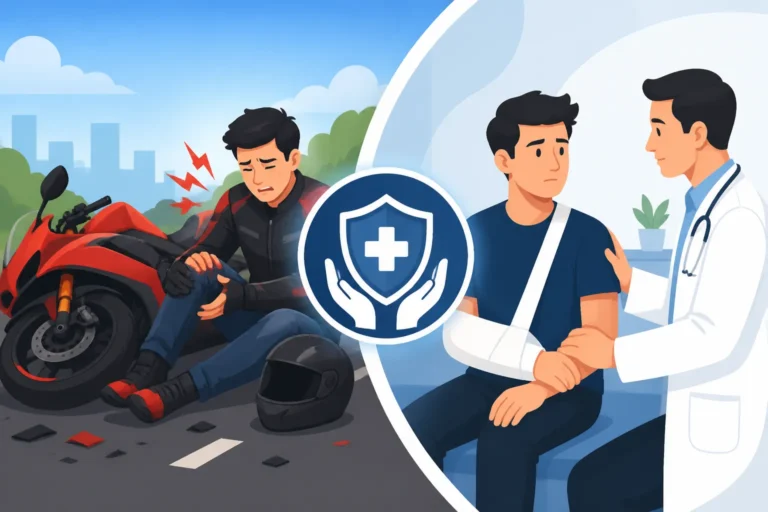
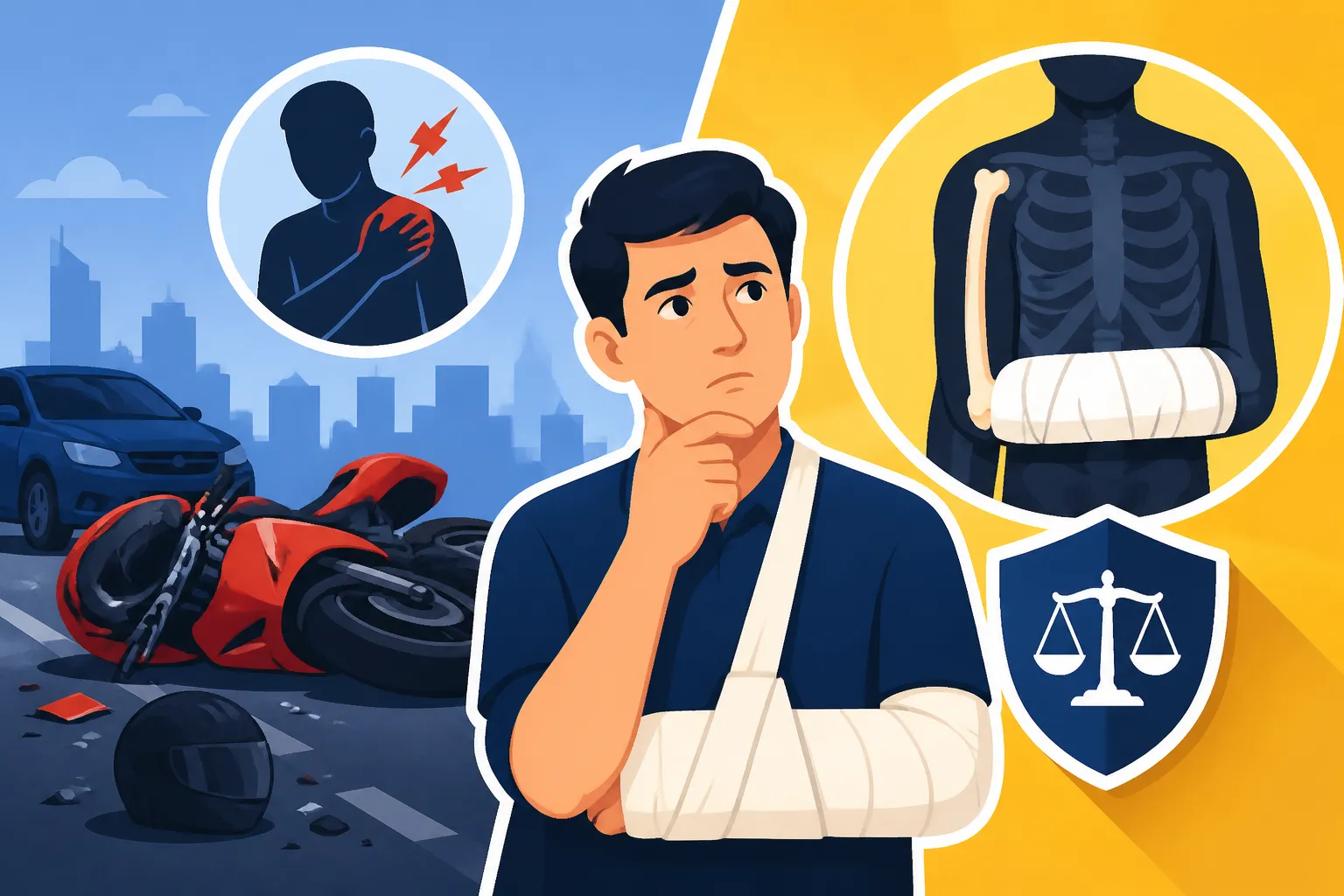
One of the most terrifying thoughts after a motorcycle accident, beyond the initial impact, is the idea that your life might never be the same. When you hear the word "fracture," it often sounds like a temporary setback, a broken bone that will eventually heal. But for many riders, a fracture sustained in a crash can lead to lasting pain, limited mobility, and a stark reality that some injuries are indeed permanent. This guide is here to shed light on how and why some motorcycle accident fractures can result in long-term or even permanent impairment, and what that means for your future and any potential claim.
Understanding Motorcycle Accident Fractures and Their Severity
When you’re a rider, you know the vulnerability. A moment of inattention from another driver, a patch of gravel, or even a sudden stop can send you sprawling. And when that happens, the impact forces on your body can be immense, often leading to bone fractures. These aren't just simple cracks; they can be complex, devastating breaks that significantly alter your life.
Types of Fractures Common in Motorcycle Accidents
Motorcycle accidents are notorious for causing specific types of fractures due to the nature of the impact, often involving direct trauma to limbs or the spine, or the rider being thrown from the bike. Understanding the different kinds of breaks helps in grasping why some are far more severe than others.
For instance, an open (or compound) fracture is particularly gruesome and dangerous. This is where the bone breaks through the skin, exposing it to the outside world. The immediate concerns are severe blood loss and a high risk of infection. Even after surgical repair, the bone may struggle to heal correctly, and the chances of chronic pain or impaired function are much higher. Then there are comminuted fractures, where the bone shatters into three or more pieces. Imagine your femur, one of the strongest bones in your body, splintering like kindling. This kind of injury often requires extensive surgery, including plates, screws, or rods, and the healing process is usually prolonged and incredibly painful. The more fragments there are, the harder it is for the bone to knit back together perfectly, increasing the likelihood of long-term issues. We also see spiral fractures, which occur when a limb is twisted, causing the bone to break in a spiral pattern. These are common in scenarios where a rider's leg gets caught under the bike or twisted during a fall. These breaks can be unstable and take a long time to heal. Less severe, but still impactful, are hairline (or stress) fractures, which are tiny cracks that can develop in bones. While they might not be immediately obvious, if left untreated or if they occur in a critical weight-bearing area, they can worsen and lead to chronic pain or structural weakness. Lastly, and unfortunately all too common, are fractures to the vertebrae in the spine, which can have catastrophic consequences, sometimes even leading to a Motorcycle Spinal Cord Injury: Claims and Compensation.
Factors Influencing Fracture Severity and Prognosis
It’s not just what bone broke, but how it broke and a myriad of other factors that dictate whether a fracture will heal completely or become a permanent problem. The forces involved in a motorcycle crash are far different from, say, falling off a ladder. The sheer energy transference during impact can cause extensive soft tissue damage, which plays a huge role in healing.
The speed of impact is a massive determinant. A low-speed tip-over might result in a simple wrist fracture, but a high-speed collision, especially one involving a direct hit from a car, can lead to multiple, complex fractures throughout the body. The location of the fracture also matters immensely. A broken toe, while painful, is unlikely to cause permanent disability, but a fractured hip, pelvis, or any bone in the spine or skull carries a much higher risk of long-term complications. Your age and general health are critical too. A healthy 25-year-old might bounce back from a tibia fracture much quicker than a 65-year-old with osteoporosis or diabetes. Pre-existing conditions can hinder bone regeneration and increase the risk of complications like non-union (where the bone fails to heal) or infection. Furthermore, the quality of initial medical treatment is paramount. Rapid stabilization, proper surgical intervention, and diligent post-operative care, including physical therapy, all contribute to the best possible outcome.
When a Fracture Leads to Permanent Impairment
The hope is always for a full recovery, but sometimes, despite everyone’s best efforts, a fracture leaves a lasting mark. It's a tough pill to swallow, realizing that your body might never return to its pre-accident state. This permanence can affect everything from your daily routines to your ability to work and enjoy life.
Identifying Red Flags for Long-Term Issues
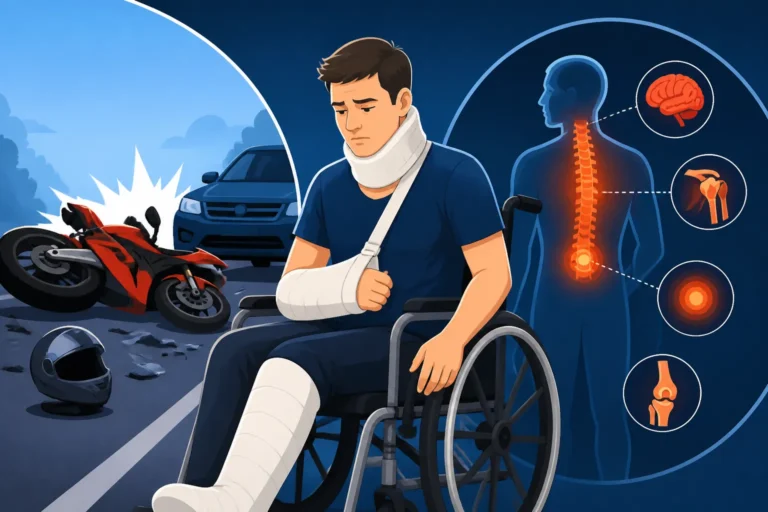
Not all fractures are created equal, and some come with inherent risks for developing into permanent impairments. It's crucial for both you and your medical team to be vigilant for these warning signs. One major concern is nerve damage. If the force of the impact or the jagged edges of a broken bone sever or compress nerves, it can lead to numbness, weakness, chronic pain, or even paralysis in the affected limb, sometimes irreversibly. Think about a badly fractured humerus (upper arm bone) that damages the radial nerve, potentially causing "wrist drop." This isn't just a temporary inconvenience; it can be a debilitating long-term condition.
Another common red flag is a non-union or malunion. A non-union means the bone completely fails to heal, leaving a gap where the fracture occurred. This often requires further surgeries, such as bone grafting, and can lead to instability and persistent pain. A malunion, on the other hand, means the bone heals incorrectly, often leaving a noticeable deformity or shortening of the limb. This can throw off your body's biomechanics, leading to chronic pain in other joints (e.g., knee pain after a malunion of the tibia) and potentially accelerate the onset of arthritis in the affected joint due to uneven wear and tear. A fracture that damages the articular cartilage, which cushions the ends of bones in a joint, is also a serious concern. Such injuries, like a tibial plateau fracture impacting the knee joint, dramatically increase the risk of post-traumatic arthritis, which can be a lifelong source of pain and mobility issues. The presence of these issues means the injury has moved beyond a temporary break to a permanent change in your physical capabilities.
The Concept of Maximum Medical Improvement (MMI) and Its Significance
When you’ve been through a motorcycle accident, the journey of recovery can feel endless. You're constantly going to doctor appointments, physical therapy sessions, and perhaps even undergoing surgeries. At some point, your doctors will likely introduce the concept of "Maximum Medical Improvement" or MMI. This isn't about being "cured" in the traditional sense; rather, it's the point at which your treating physicians determine that your condition has stabilized and is unlikely to improve further, even with additional medical treatment.
Reaching MMI is a critical milestone, especially when dealing with injuries that might become permanent. It means your body has done all the healing it’s going to do. Whatever residual pain, stiffness, limited range of motion, or functional deficits you experience at MMI are generally considered permanent. For example, if you suffered a complex Motorcycle Broken Bones: Claims and Compensation in your leg, and after months of rehabilitation, you still have a permanent limp or can't fully bend your knee, that's what's left after MMI. This assessment often involves functional capacity evaluations (FCEs) and reports from various specialists, like orthopedic surgeons, neurologists, or pain management experts. These reports will detail the extent of your permanent impairment, often assigning a percentage of disability. This documentation is incredibly significant because it provides a clear picture of your long-term prognosis and is a cornerstone in determining the true value of your motorcycle accident claim. For more on this, you might find our guide on What Reaching MMI Means for Your Settlement helpful.
Documenting Long-Term Effects and Building Your Claim
If your fracture has led to permanent impairment, documenting every aspect of that reality becomes incredibly important, especially if you plan to pursue a claim for damages. The insurance company isn't just going to take your word for it; they'll need clear, objective evidence of your long-term suffering and losses. This isn't just about the initial hospital stay; it's about the decades ahead.
Essential Medical Documentation for Permanent Injuries
Building a compelling case for permanent injury relies heavily on comprehensive and consistent medical documentation. This means every single piece of paper from your medical journey becomes a vital part of your narrative. It starts with those initial emergency room records and imaging scans – X-rays, CT scans, and MRIs – that clearly show the nature and extent of your fractures right after the accident. But it doesn't stop there.
Ongoing doctor's notes from your orthopedic surgeon, physical therapists, occupational therapists, and any specialists you see (like neurologists or pain management doctors) are crucial. These notes should detail your progress, lack of progress, specific limitations, and any complications you encounter, such as infections or nerve damage. Physical therapy records that show your restricted range of motion or inability to perform certain exercises are invaluable. If you’ve undergone multiple surgeries, the surgical reports and post-operative evaluations are equally important. Think about gathering prescriptions for pain medication, assistive devices like crutches or braces, and even a detailed log of your pain levels and daily struggles. This exhaustive paper trail paints a vivid picture of your journey and substantiates the permanence of your injuries, demonstrating the Long-Term Effects of Motorcycle Injuries.
Accounting for Future Medical Needs and Lost Earning Capacity
One of the biggest financial impacts of a permanent fracture injury isn't just the medical bills you've already incurred, but the ones that will pile up over the rest of your life. This is where How Future Medical Costs Are Estimated comes into play. You’ll need to work with medical experts, often called life care planners, who can project the cost of your ongoing care. This could include future surgeries (such as hardware removal or joint replacement), continued physical therapy, adaptive equipment (like custom orthotics or even home modifications for accessibility), long-term pain management, and prescription medications. These costs can easily run into hundreds of thousands, or even millions, of dollars over your lifetime, especially for a Catastrophic Motorcycle Injuries Explained.
Beyond medical expenses, a permanent injury often impacts your ability to earn a living. If you can no longer perform the duties of your pre-accident job, or if your career progression is stifled, you're looking at lost earning capacity. This isn't just about the wages you've already missed; it's about the income you would have earned for years or decades to come if the accident hadn't happened. An economist or vocational expert might be called upon to calculate these losses, taking into account your age, education, work history, and the severity of your permanent disability. This expert analysis helps quantify what Economic vs Non-Economic Damages Explained you’ve suffered, ensuring your claim accurately reflects the full financial burden you now face.
Living with Permanent Fracture Injuries
The reality of living with a permanent fracture injury extends far beyond medical bills and lost wages. It’s a daily struggle, a constant reminder of an event that fundamentally changed your life. Understanding and acknowledging these challenges is crucial, not only for your own well-being but also for adequately articulating the full scope of your damages in a claim for Pain and Suffering in Motorcycle Settlements.
The Physical and Emotional Toll
Imagine waking up every day to a dull ache or sharp pain in a limb that once moved freely. This is the reality for many who suffer permanent fracture injuries. Chronic pain becomes a constant companion, impacting sleep, concentration, and overall quality of life. Simple tasks, like climbing stairs, lifting groceries, or even sitting comfortably, can become monumental challenges. You might experience limited mobility, a reduced range of motion, or weakness in the affected area, making once-enjoyed activities impossible. For instance, a permanently stiff ankle after a Pilon fracture can make riding your motorcycle, hiking, or even walking long distances incredibly difficult, if not impossible.
Beyond the physical, there's a heavy emotional and psychological burden. Feelings of frustration, anger, and grief are common as you mourn the loss of your former self. Many riders experience depression, anxiety, or even post-traumatic stress disorder (PTSD) after a severe accident, especially when facing a permanent disability. The inability to pursue hobbies, engage in sports, or even play with children in the same way can lead to a profound sense of loss of enjoyment of life. This emotional distress is a very real part of your damages, and it should be acknowledged and documented.
Adaptations and Support Systems
Living with a permanent fracture injury often means making significant adaptations to your lifestyle and daily environment. This might involve physical therapy long after MMI to maintain what function you have, or to learn new ways of moving. Occupational therapy can help you adapt your home or workplace to better suit your physical limitations, perhaps recommending ergonomic adjustments, assistive devices like grab bars, or even changes to your vehicle. Some individuals might require assistive devices for the long haul, such as custom braces, orthotics, or mobility aids like canes or walkers, which are not just practical but can also be a constant reminder of the injury.
Building a strong support system is absolutely vital. This includes not only your immediate family and friends but also potentially connecting with others who have experienced similar injuries through support groups. Sharing experiences and coping strategies can be incredibly validating and empowering. Additionally, working with mental health professionals can provide tools for managing chronic pain, depression, and anxiety. For some, home modifications become necessary to navigate their living space safely and independently. These adaptations, both physical and psychological, are ongoing and contribute to the overall impact of a permanent injury on your life, directly affecting How Injury Severity Affects Compensation.
| Type of Fracture | Potential for Permanent Impairment | Common Long-Term Issues | Examples |
|---|---|---|---|
| Simple/Hairline | Low, but possible with complications | Chronic pain if untreated | Rib, phalange |
| Open (Compound) | High, due to infection/soft tissue damage | Infection, non-union, nerve damage, scarring | Tibia, ulna |
| Comminuted | High, due to bone fragmentation | Malunion, arthritis, chronic pain, stiffness | Femur, humerus, calcaneus |
| Spiral | Moderate to High, due to instability | Instability, chronic pain, muscle weakness | Tibia, fibula |
| Joint Fractures | Very High, due to cartilage damage | Post-traumatic arthritis, reduced range of motion, chronic pain | Tibial plateau, ankle malleolus, hip |
| Spinal Fractures | Extremely High, depending on severity | Paralysis, numbness, chronic back pain, nerve damage, incontinence | Vertebrae (thoracic, lumbar, cervical) |
This table outlines that while some fractures may heal completely, many—especially those sustained in high-impact motorcycle accidents—carry a significant risk of causing lasting problems that change your life permanently. It underscores why it's so important to fully document your injuries and their progression. How to Document Injuries for a Claim is crucial.
Disclaimer
Please remember that this article provides general information and insights into motorcycle accident injuries and claims. It is not a substitute for professional medical or legal advice. Every accident and injury is unique, and you should consult with qualified medical professionals for your health and an experienced motorcycle accident attorney for legal guidance tailored to your specific situation.