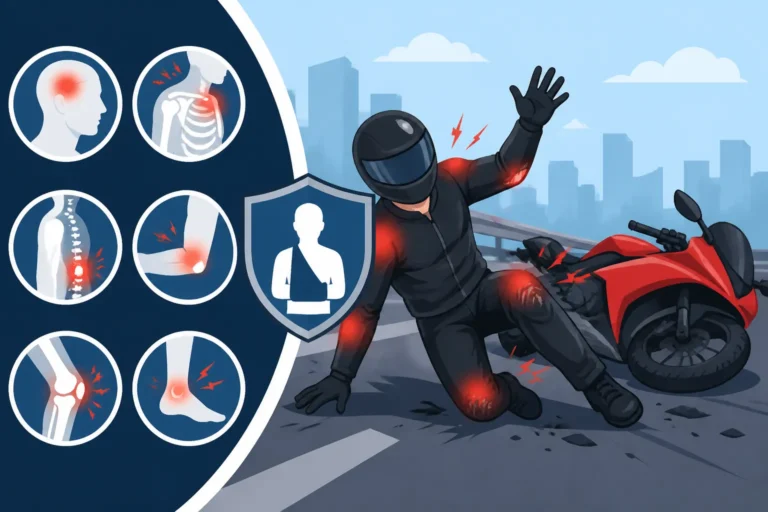
How Much Compensation for Motorcycle Whiplash
Experiencing a motorcycle accident is jarring, and often, the immediate aftermath can obscure some of the most insidious injuries. One common yet often underestimated injury is whiplash, which can leave you with nagging pain, limited mobility, and a cascade of other symptoms long after the initial impact. It's frustrating to deal with the physical recovery while also worrying about how to cover medical bills, lost income, and the sheer discomfort you're experiencing. This guide is here to shed light on what whiplash entails after a motorcycle crash and how compensation for your injuries is typically determined.
Understanding Whiplash Injuries in Motorcycle Accidents
When people think of motorcycle accidents, they often envision broken bones, road rash, or even more catastrophic injuries. While those are tragically common, whiplash is a silent, often delayed, but incredibly debilitating injury that can drastically impact a rider's life. It's not just a "neck sprain"; it's a complex injury to the soft tissues of your neck that can ripple through your entire body.
The Unique Mechanics of Motorcycle Whiplash
Whiplash occurs when your head is suddenly and forcefully thrown backward and then forward, much like the cracking of a whip. This rapid, violent motion overstretches and tears the muscles, ligaments, and tendons in your neck and upper back. On a motorcycle, the dynamics are often different and can make whiplash injuries even more severe. Unlike a car, where a seatbelt and headrest might offer some restraint, a motorcyclist is completely exposed.
Consider a rear-end collision. In a car, your body is pushed forward into the seatback, and your head then whips back. On a motorcycle, especially if you're hit from behind or thrown from your bike, the forces are unrestrained. Your head and neck absorb the full brunt of the acceleration and deceleration, often without any support to mitigate the extreme flexion and extension. Even a relatively low-speed impact can generate enough force to cause significant damage. Furthermore, the sheer physical exertion of trying to maintain control of a motorcycle during an unexpected event can cause muscles to tense up, exacerbating the whiplash effect. Helmets, while crucial for preventing traumatic brain injuries, can also add weight and rotational forces to the head and neck during impact, potentially contributing to the severity of whiplash.
Recognizing Symptoms and Obtaining a Diagnosis
One of the most frustrating aspects of whiplash is that symptoms aren't always immediate. You might walk away from a crash feeling shaken but otherwise "fine," only for stiffness, pain, and headaches to creep in hours or even days later. This delayed onset of symptoms can sometimes be used by insurance companies to downplay the severity of your injury, suggesting it wasn't directly caused by the accident. This is why understanding Delayed Symptoms After a Motorcycle Crash is so important.
Common symptoms include neck pain and stiffness, headaches (often starting at the base of the skull), shoulder pain, dizziness, fatigue, and even numbness or tingling in the arms. More severe cases can involve blurred vision, tinnitus, memory problems, and difficulty concentrating. Diagnosing whiplash typically involves a thorough physical examination by a doctor, who will assess your range of motion, tenderness, and neurological function. X-rays are often taken to rule out fractures or dislocations, while MRIs or CT scans might be used to visualize soft tissue damage, herniated discs, or nerve impingement if symptoms are persistent or severe. Getting prompt medical attention, even if you feel okay initially, is paramount not just for your health but for establishing a clear medical record linking your injuries to the accident.
Severity Levels and Their Impact on Recovery
Whiplash isn't a one-size-fits-all injury. Medical professionals often classify whiplash into different grades based on the severity of the damage to the soft tissues and the presence of neurological symptoms. The Quebec Task Force classification, for example, ranges from Grade 0 (no complaints, no physical signs) to Grade 4 (neck complaints and fracture/dislocation).
Lower grades might involve only mild pain and stiffness, resolving within a few weeks with conservative treatment like rest, ice, and physical therapy. Higher grades, however, can mean significant ligamentous injury, nerve involvement, and chronic pain, requiring extensive physical therapy, medication, injections, or even surgical intervention. The severity directly correlates with the duration of recovery, the types of treatments needed, and ultimately, the impact on your daily life and your ability to work. A severe whiplash injury can leave you with chronic pain for years, affecting everything from your sleep to your ability to enjoy riding your motorcycle again.
Factors Influencing Whiplash Compensation
When you're dealing with the fallout of a motorcycle accident, understanding how compensation is determined can feel like navigating a maze. It’s not just about the pain you feel; it’s about proving the financial and personal impact your whiplash injury has had on your life.
Comprehensive Medical Expenses
Medical bills quickly stack up after a motorcycle accident, and for whiplash, these can include a wide range of treatments. Right after the crash, you might have emergency room visits, initial diagnostic imaging like X-rays or MRI scans, and consultations with orthopedists or neurologists. As your treatment progresses, you're likely looking at weeks or months of physical therapy, chiropractic care, or even acupuncture. Prescribed pain medications, muscle relaxers, and anti-inflammatory drugs also contribute to the cost.
For more severe or persistent whiplash, you might require specialized care like steroid injections, nerve blocks, or even radiofrequency ablation to manage chronic pain. In some rare but serious cases where whiplash leads to disc herniation or nerve compression, surgical intervention might become necessary. All these current and projected future medical costs are a significant component of your claim. Documenting every single expense, from co-pays to prescriptions, is crucial for demonstrating the true financial burden of your injury. This is a key part of How Medical Expenses Are Calculated in a Motorcycle Claim.
Lost Wages and Earning Capacity
Beyond medical bills, a whiplash injury can severely impact your ability to earn a living. The immediate pain, stiffness, and reduced range of motion might make it impossible to perform your job, especially if it involves physical labor, driving, or even prolonged sitting at a desk. You might miss days, weeks, or even months of work during your recovery period, leading to substantial lost wages.
But the compensation for lost income goes beyond just the paychecks you've already missed. If your whiplash injury results in long-term disability or limits your ability to perform your job duties as effectively as before, you could also claim for loss of earning capacity. This considers how your injury might affect your career trajectory, promotion opportunities, and potential income over your lifetime. For example, a construction worker with chronic neck pain might not be able to return to heavy lifting, forcing a career change or reduced hours, which would significantly impact their future income. Detailed documentation of your pre-accident earnings and medical statements supporting your inability to work are essential here, aligning with principles of How Lost Wages Are Calculated in a Motorcycle Claim.
Pain and Suffering Damages
This is often the most significant and subjective component of a whiplash settlement. "Pain and suffering" falls under non-economic damages, and it accounts for the physical pain, emotional distress, discomfort, inconvenience, and loss of enjoyment of life caused by your injury. It's not about a bill; it's about how your injury has altered your daily existence.
Think about the chronic headaches that prevent you from focusing, the sleepless nights due to neck pain, the inability to play with your kids, or even the simple act of turning your head to check your blind spot when driving. Whiplash can lead to anxiety, depression, and post-traumatic stress, especially after a motorcycle crash. The multiplier method is commonly used to calculate these damages, where your economic damages (medical bills, lost wages) are multiplied by a factor (typically 1.5 to 5, depending on severity) to arrive at a value for your pain and suffering. This multiplier can vary greatly based on the severity and permanence of your whiplash, as outlined in How Pain And Suffering Are Calculated in a Motorcycle Claim.
Impact of Pre-Existing Conditions and Shared Fault
Two factors can significantly complicate your whiplash claim: pre-existing conditions and shared fault. If you had a prior neck injury, degenerative disc disease, or even chronic headaches before the accident, the insurance company might argue that your current whiplash symptoms are not solely due to the crash. This is where the "eggshell skull" rule comes into play: you take your victim as you find them. Even if you were more susceptible to injury, the at-fault driver is still responsible for aggravating a pre-existing condition or causing new injuries. However, proving this often requires extensive medical records and expert testimony.
Furthermore, if you are found to be partially at fault for the accident, your total compensation could be reduced. Most states follow some form of comparative negligence. For instance, in a modified comparative negligence state like Texas or Ohio, if you are found 20% at fault for the accident, your total settlement will be reduced by 20%. If you are found to be 51% or more at fault, you might be barred from recovery entirely in many states. Understanding How Comparative Negligence Reduces Your Payout is critical. This complex area highlights why strong evidence proving the other driver's liability is so important.
Calculating Whiplash Compensation: A Deeper Look
Determining a fair value for whiplash compensation isn't an exact science, but it follows established principles and calculations. It combines quantifiable losses with subjective assessments of suffering.
Economic Damages: The Tangible Costs
Economic damages are the direct, measurable financial losses you incur due to your whiplash injury. These are often easier to calculate because they come with receipts, bills, and pay stubs.
Let's break down the key components:
- Medical Treatment Costs: This includes everything from the ambulance ride and emergency room visit immediately after the accident, to specialist consultations (orthopedists, neurologists), physical therapy, chiropractic care, prescription medications, diagnostic tests (X-rays, MRIs), and any future medical care recommended by your doctors. Imagine a scenario where you've had an initial ER visit costing $2,000, followed by two months of physical therapy three times a week at $150 per session ($3,600), monthly chiropractor visits for six months at $100 per visit ($600), and $500 in prescriptions. Your current medical costs alone are already at $6,700.
- Lost Wages: This accounts for any income you've lost because you couldn't work due to your injury and recovery. This includes your regular salary, commissions, bonuses, and even lost benefits. For self-employed individuals, this can be proven through tax returns and business records. If your whiplash causes a long-term or permanent disability that impacts your earning potential, you would also seek compensation for future lost earning capacity, factoring in potential career advancement and inflation.
- Property Damage: While not directly related to your physical injury, the cost to repair or replace your damaged motorcycle, helmet, and other riding gear is also an economic damage. This is usually handled separately but is part of the overall financial loss from the accident.
- Out-of-Pocket Expenses: Don't forget the smaller costs that add up: transportation to medical appointments, parking fees, over-the-counter pain relievers, heating pads, and any assistive devices you might need during recovery.
Here's a simplified table illustrating potential economic damages for a moderate whiplash injury:
| Category | Example Costs/Losses | Estimated Amount |
|---|---|---|
| Medical Expenses | ER visit, X-rays, MRI, specialist consults | $5,000 – $15,000 |
| Physical therapy, chiropractic care, medication | $3,000 – $10,000 | |
| Future Medical (if chronic) | $0 – $20,000+ | |
| Lost Wages | 4 weeks off work at $800/week | $3,200 |
| Lost Earning Capacity (if applicable) | $0 – $50,000+ | |
| Property Damage | Motorcycle repair/replacement, gear replacement | $2,000 – $15,000+ |
| Other Out-of-Pocket | Travel, parking, OTC meds | $200 – $1,000 |
| Total Economic Damages | Varies Widely |
Non-Economic Damages: Valuing Your Suffering
Unlike economic damages, non-economic damages are harder to quantify with a precise dollar figure. They compensate you for the subjective impact of your whiplash injury on your life.
- Pain and Suffering: This is the most common non-economic damage. It covers the physical pain and discomfort you endure, from the acute pain immediately after the crash to chronic soreness or stiffness.
- Emotional Distress: Motorcycle accidents are traumatic. Beyond physical pain, whiplash can lead to anxiety, fear of riding again, depression, sleep disturbances, and even symptoms of PTSD. These mental and emotional tolls are compensable.
- Loss of Enjoyment of Life: This covers how your injury prevents you from participating in hobbies, social activities, or daily routines you enjoyed before. If whiplash prevents you from riding your motorcycle, playing sports, or even simply enjoying a pain-free walk, that loss is considered.
- Loss of Consortium: In cases of severe injury, this damage compensates your spouse for the loss of companionship, affection, and support from their injured partner.
To value non-economic damages, insurance adjusters and courts often use a multiplier method. They take the total economic damages and multiply them by a factor (usually between 1.5 and 5, sometimes higher for catastrophic injuries) based on the severity, permanence, and impact of your whiplash. For a relatively minor whiplash that resolves quickly, a multiplier of 1.5 or 2 might be used. For a severe whiplash causing chronic pain and significant lifestyle changes, a multiplier of 3, 4, or even 5 could be applied.
The Indispensable Role of Medical Records and Documentation
Without comprehensive medical records, your whiplash claim will struggle. Insurance companies will scrutinize every detail, looking for inconsistencies, gaps in treatment, or any way to minimize your injuries.
- Immediate Medical Attention: Seeking immediate medical care after the accident, even if you feel okay, is crucial. This creates a clear paper trail linking your injuries directly to the crash. Delaying treatment can allow the insurer to argue that your injuries were caused by something else. This emphasizes Why You Should Seek Immediate Treatment.
- Consistent Treatment: Following your doctor's recommendations for physical therapy, medication, and follow-up appointments is vital. Gaps in treatment can be interpreted as a sign that your injuries weren't as severe as you claim.
- Detailed Medical Reports: Ensure your doctors document all your symptoms, complaints, diagnoses, and prognoses thoroughly. Descriptions of your pain levels, limitations, and how the injury affects your daily life are invaluable.
- Injury Journal: Keeping a daily journal where you record your pain levels, symptoms, medications, limitations, and emotional state can be incredibly powerful evidence. It provides a personal, detailed account of your suffering that supplements official medical records. Photos of your injuries, even seemingly minor ones, can also support your claim. This ties into How to Document Injuries for a Claim.
Ultimately, the more thoroughly you document your injuries and their impact, the stronger your argument for maximum compensation will be.
Navigating the Claims Process for Whiplash
Dealing with a motorcycle accident claim, especially when you're suffering from whiplash, can feel overwhelming. It's a complex process that demands attention to detail and a strategic approach.
Initial Steps After a Motorcycle Accident
Your actions immediately following a motorcycle accident lay the groundwork for any future claim, including for whiplash. First and foremost, your health and safety are paramount. Even if you feel shaken but not seriously hurt, seek medical attention right away. Adrenaline can mask pain, and whiplash symptoms often appear hours or days later. Going to the emergency room or your doctor promptly creates an official medical record connecting your injuries to the incident, which is incredibly important for your claim. This initial visit can also uncover other Common Motorcycle Accident Injuries that might not be immediately apparent.
After ensuring your medical needs are addressed, documenting the scene is crucial. If you're able, take photos of everything: your motorcycle, the other vehicles involved, road conditions, traffic signs, skid marks, and your injuries. Collect contact information from any witnesses, as their testimony can be invaluable in proving fault. Get the other driver's insurance and contact details. However, when speaking with the police or the other driver, never admit fault, even if you think you might be partially to blame. Stick to the facts. Remember, everything you say can potentially be used against you later by insurance companies trying to minimize your payout.
Dealing with Insurance Companies and Their Tactics
Once you start the claims process, you'll inevitably be dealing with insurance companies – both your own and the at-fault driver's. It's important to remember that their primary goal is to pay out as little as possible, not to look out for your best interests. They are businesses, after all.
One common tactic is offering a quick, lowball settlement, especially if you haven't yet completed your medical treatment. They might suggest that a small amount upfront will take care of your "minor" whiplash, hoping you'll settle before you fully understand the long-term impact and true cost of your injuries. This is why it's crucial to understand How Insurers Lowball Motorcycle Riders. They might also try to get you to sign a medical release that gives them access to your entire medical history, not just records related to the accident, hoping to find a pre-existing condition to blame for your whiplash. Be wary of providing recorded statements without legal counsel, as your words can be twisted or used to undermine your claim. It's best to consult with an attorney before engaging in detailed discussions with an insurance adjuster about your injuries or how the accident happened.
When to Consider Legal Help for Your Whiplash Claim
While you might be able to handle a very minor claim on your own, the complexities of whiplash injuries and insurance negotiations often warrant professional legal assistance. If your whiplash is anything more than a minor ache that resolves in a week, you should seriously consider consulting an attorney.
A motorcycle accident lawyer can be a game-changer. They understand the nuances of personal injury law, how to accurately value your claim, and how to effectively negotiate with insurance companies. They can help you gather necessary evidence, secure expert medical opinions, and navigate the tricky waters of comparative negligence if fault is disputed. They also understand how different types of insurance, such as underinsured/uninsured motorist (UM/UIM) coverage, can impact your ability to recover damages, especially when the at-fault driver's policy limits are low. For example, if your medical bills and lost wages for severe whiplash exceed the other driver's policy limits (which can be as low as $25,000 for bodily injury in some states), your UM/UIM coverage could be essential. Understanding How Insurance Policy Limits Affect Your Payout is critical. Ultimately, hiring an attorney can help ensure you receive fair compensation that truly covers all your present and future costs and suffering related to your motorcycle whiplash injury. If you're wondering Do You Need a Motorcycle Accident Lawyer, for whiplash, the answer is often yes.
Disclaimer
The information provided in this article is for general informational purposes only and does not constitute legal, medical, or professional advice. Motorcycle accident claims are complex and highly dependent on individual circumstances, local laws, and the specifics of your insurance policy. Always consult with a qualified legal professional and medical provider for advice tailored to your specific situation. Relying solely on the information presented here is at your own risk.