How Long-Term Care Is Valued
When a motorcycle accident shatters your life, the immediate focus is always on getting out of the emergency room, healing from visible injuries, and trying to regain some semblance of normalcy. But what often goes overlooked, until it becomes an overwhelming reality, are the significant, often lifelong costs of long-term care. This guide is here to shed light on how those future care needs are identified, quantified, and ultimately valued in a motorcycle accident claim, helping you understand what to expect.
Understanding Long-Term Care Needs After a Motorcycle Accident
Dealing with the aftermath of a motorcycle accident is rarely a straightforward path to recovery. Unlike a broken arm that heals in a few months, many motorcycle accident injuries leave a lasting impact, necessitating continuous care, support, and specialized equipment. This isn't just about hospital bills; it's about the decades of adjustments and assistance that lie ahead.
What Constitutes Long-Term Care?
Long-term care, in the context of a personal injury claim, encompasses a broad spectrum of services and support designed to meet a person's health or personal care needs over an extended period. It’s not just about nursing homes, though that can certainly be a component. For motorcycle accident victims, it often involves a blend of medical, therapeutic, and personal assistance tailored to their unique circumstances. This can include anything from regular physical therapy sessions to in-home assistance, specialized medical equipment, and even modifications to one's living environment. The goal is to allow the injured individual to live as independently and comfortably as possible, given their limitations.
Think about a rider who suffered a severe spinal cord injury. Their initial hospital stay is just the beginning. They might need years of physical rehabilitation, occupational therapy to relearn daily tasks, specialized medical equipment like a custom wheelchair or a lift system for their home, and potentially even a personal care attendant for activities of daily living. Similarly, someone with a traumatic brain injury might require cognitive therapy, speech therapy, and ongoing supervision, making it clear that long-term care is about supporting the whole person, not just treating a single ailment.
Common Injuries Requiring Long-Term Care
Many types of injuries sustained in a motorcycle crash can lead to the need for long-term care, simply because of the sheer force and vulnerability involved in these incidents. While any injury can have lasting effects, some categories are particularly prone to requiring extensive, ongoing support. These often involve significant damage to the body's most critical systems.
For instance, Spinal Cord Injuries from Motorcycle Accidents are almost guaranteed to require long-term care. The degree of paralysis can range, but even partial paralysis often necessitates significant lifestyle changes, rehabilitation, and adaptive technologies. Another major category is Motorcycle Accident Traumatic Brain Injuries. A TBI can impact cognitive function, memory, speech, motor skills, and even personality, leading to a need for lifelong therapy, medication, and sometimes supervised living. Amputations, while less common, also result in a clear need for prosthetics, fitting, maintenance, and potentially physical and occupational therapy for many years. Even severe orthopedic injuries, like multiple complex fractures, might lead to chronic pain, limited mobility, and the need for ongoing physical therapy or future surgeries, which fall under the umbrella of long-term care. Understanding these Common Motorcycle Accident Injuries is the first step in recognizing the potential for long-term needs.
The Complexities of Valuing Future Medical Costs
One of the most challenging aspects of a motorcycle accident claim involving serious injuries is accurately calculating the value of future medical care and long-term support. It's not just about adding up current bills; it's about projecting expenses years, and even decades, into the future. This requires specialized expertise and a meticulous approach to ensure all potential costs are accounted for.
The Role of Medical Experts and Life Care Planners
When your long-term health is on the line, you can't just guess at future costs. This is where a team of highly specialized professionals becomes indispensable. Medical experts, such as neurologists, orthopedic surgeons, physiatrists (rehabilitation doctors), and psychologists, are crucial for providing detailed prognoses regarding your injuries. They assess the extent of the damage, predict the course of your recovery, identify potential complications, and outline the specific medical treatments you'll need in the years to come. Their reports become the foundation of any long-term care valuation.
Building upon these medical prognoses, a life care planner steps in. A life care planner is a certified professional who specializes in creating a comprehensive document, known as a life care plan, that outlines all of an injured individual's anticipated future medical and non-medical needs, along with their associated costs, for the remainder of their life expectancy. They consider everything: from surgical revisions and medication to adaptive equipment, home modifications, vocational retraining, and even potential psychological counseling. These plans are incredibly detailed, often spanning dozens of pages, and serve as powerful evidence to demonstrate the true financial impact of your injuries. Without such an expert, it would be nearly impossible to present a credible, well-supported claim for these substantial future expenses.
Projecting Future Expenses
The process of projecting future expenses is exhaustive, aiming to capture every possible cost associated with an individual's long-term care. It goes far beyond simply estimating doctor visits. A thorough projection includes ongoing medical treatment, such as regular consultations with specialists, diagnostic tests, and potentially future surgeries. The cost of prescription medications, which can be considerable for chronic conditions, is also factored in. Rehabilitation costs, including physical therapy, occupational therapy, and speech therapy, are projected over the necessary duration, often for many years.
Beyond direct medical care, the plan details expenses for specialized medical equipment, such as wheelchairs, mobility aids, home hospital beds, or communication devices, including their initial purchase and ongoing maintenance or replacement. If the individual's home needs to be modified for accessibility – adding ramps, widening doorways, or installing grab bars – those costs are included. Personal care services, whether from a home health aide or a skilled nursing professional, are also a significant component, especially for those with severe disabilities. Furthermore, transportation to and from medical appointments, vocational retraining if the injury prevents a return to a previous job, and mental health counseling to cope with the emotional trauma of the accident are all critical elements. Each cost is estimated, often taking into account inflation and projected increases in healthcare costs over the individual's life expectancy. This meticulous accounting is vital for proving How Future Medical Costs Are Estimated in your claim.
How Insurance Companies and Courts Assess Long-Term Care Value
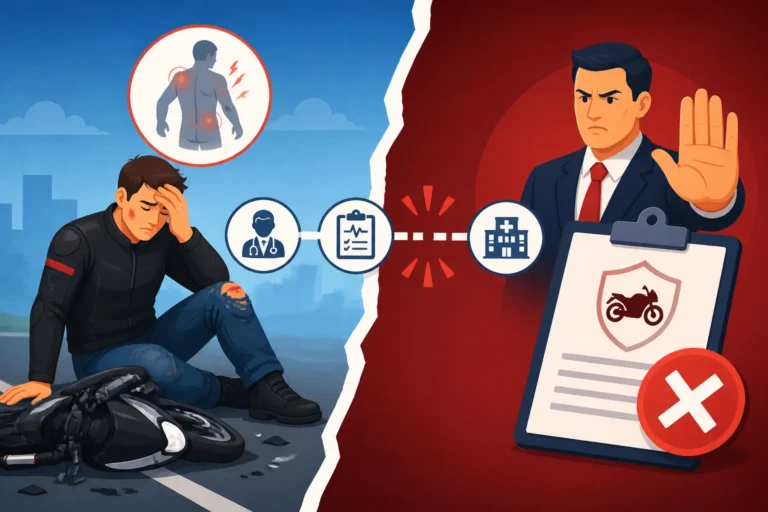
When you're dealing with life-altering injuries, the insurance company on the other side isn't going to simply take your word for what your future care needs will be. They are a business, and their primary goal is to minimize payouts. This is where the valuation process becomes an intense negotiation, often requiring judicial intervention to ensure fair compensation.
The Impact of Injury Severity and Prognosis
The severity and permanence of your injuries are, without a doubt, the most significant drivers of your long-term care valuation. A minor fracture might mean a few months of physical therapy, whereas a catastrophic injury like permanent paralysis or severe brain damage means a lifetime of extraordinary expenses. The prognosis from medical experts—whether your condition is expected to improve, remain stable, or worsen over time—directly dictates the scope and duration of the care plan. If a medical expert confirms a permanent disability, the life care plan will reflect needs for the individual's entire remaining life expectancy, which can be decades.
The more comprehensive and devastating the injuries, the higher the valuation of long-term care. For example, a rider with a permanent Spinal Cord Injury: Claims and Compensation will have a vastly different long-term care valuation than someone with a relatively minor Motorcycle Road Rash: Claims and Compensation. Insurers and courts scrutinize these medical records and expert opinions to determine the reasonableness and necessity of each item in the life care plan. The goal is to calculate How Injury Severity Affects Compensation accurately.
State-Specific Legal Considerations
It’s crucial to understand that the legal landscape surrounding personal injury claims, and thus the valuation of long-term care, can vary significantly from state to state. Different jurisdictions have different rules regarding how damages are calculated and awarded. For example, some states follow a pure comparative negligence system, while others adhere to modified comparative negligence. This means that if you are found partially at fault for the accident, your total compensation, including for long-term care, could be reduced by your percentage of fault. This concept, known as Comparative Negligence in Motorcycle Accidents, directly impacts your final payout.
Furthermore, states have varying laws regarding economic vs. non-economic damages, and some may have caps on certain types of awards, particularly for pain and suffering. While future medical costs and long-term care are generally considered economic damages and are less frequently capped, understanding your state's specific laws is paramount. For instance, a state like California has a different approach to comparative negligence than, say, North Carolina. These legal nuances can affect how aggressively insurance companies negotiate and how a jury might ultimately decide on the value of your claim.
Challenges in Proving Long-Term Care Needs
Even with detailed life care plans and expert testimony, proving long-term care needs is rarely without its challenges. Insurance companies are notorious for employing various tactics to dispute or minimize these claims. They might hire their own medical experts to challenge your prognosis, arguing that your injuries are not as severe or permanent as claimed, or that less expensive care alternatives exist. They might also try to attribute your current condition to pre-existing conditions, attempting to shift blame away from the accident.
Another common tactic is to scrutinize the life care plan, questioning the necessity or cost of individual items. For example, they might argue that a cheaper model of a wheelchair is sufficient or that fewer hours of personal care are required. They also often try to devalue future costs by arguing for a lower "discount rate," which is used to calculate the present-day value of money that would be spent over many years. Successfully countering these arguments requires robust evidence, consistent medical documentation, and the strategic expertise of a legal team experienced in motorcycle accident cases.
Maximizing Your Claim for Long-Term Care
Securing fair compensation for long-term care needs is a monumental task, but it is absolutely essential for your future well-being. This isn't just about financial recovery; it's about ensuring you have the resources to live a life of dignity and receive the care you deserve.
Comprehensive Documentation is Key
When it comes to proving the extent of your injuries and the necessity of long-term care, thorough and consistent documentation is your strongest ally. Every single medical record, from your initial emergency room visit to ongoing therapy notes, specialist reports, and prescription refills, needs to be meticulously collected and organized. This paper trail paints a clear picture of your medical journey, detailing your diagnoses, treatments received, and the progression of your condition. Any gaps in treatment can be used by insurance companies to argue that your injuries weren't as severe or that your need for care is not continuous.
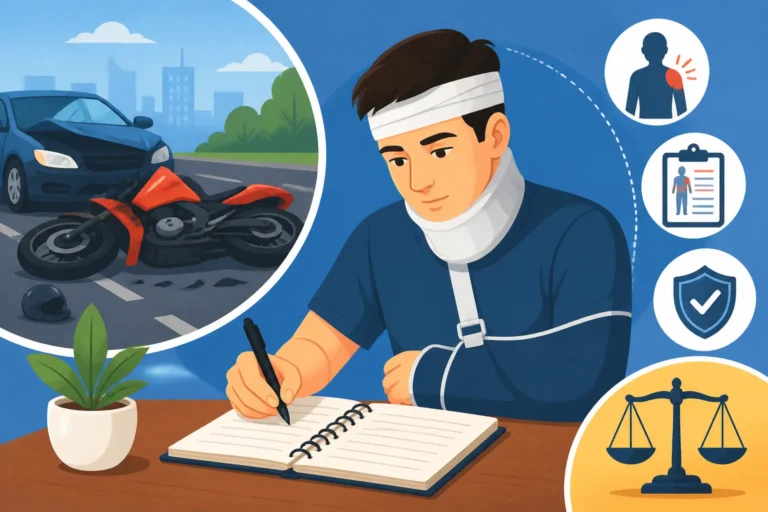
Beyond medical records, keeping a detailed injury journal can be incredibly powerful. Document your daily struggles, pain levels, limitations, and how your injuries impact your quality of life. Photographs or videos showing your injuries, your struggles with daily tasks, or home modifications can provide compelling visual evidence. Remember, the more evidence you can gather to support your claims about your injuries and their impact, the harder it will be for the insurance company to dispute them. Knowing How to Document Injuries for a Claim is foundational to a successful outcome.
The Importance of Legal Representation
Navigating a motorcycle accident claim, especially one involving complex long-term care valuations, is not something you should attempt on your own. The stakes are simply too high. An experienced motorcycle accident attorney understands the intricacies of personal injury law, the tactics insurance companies employ, and how to effectively present a case for maximum compensation. They can connect you with the necessary medical experts and life care planners, ensuring that a comprehensive and credible plan for your future care is developed.
Furthermore, a lawyer will handle all communications and negotiations with the insurance company, protecting you from common pitfalls like inadvertently admitting fault or accepting a lowball settlement offer that doesn't account for your true long-term needs. They know How Motorcycle Accident Settlements Are Calculated and will fight to ensure all Types of Damages in a Motorcycle Accident Claim, including extensive long-term care, are properly valued. In a system designed to protect insurance company profits, having a dedicated legal advocate on your side is not just helpful—it's often essential to securing a future that provides the care and support you genuinely need. If you're wondering Do You Need a Motorcycle Accident Lawyer, for a case with long-term care needs, the answer is almost certainly yes.
Comparing Long-Term Care Elements and Their Valuation Impact
| Long-Term Care Element | Description | Valuation Impact | Evidence Needed |
|---|---|---|---|
| Ongoing Medical Treatment | Regular doctor visits, specialist consultations, diagnostic tests. | Direct costs, inflation projections. | Medical records, specialist reports, future appointment schedules. |
| Prescription Medications | Daily or regular medications for chronic pain, spasticity, mental health. | Direct costs, inflation projections, potential generic/brand changes. | Prescription history, doctor's orders, pharmacy cost estimates. |
| Rehabilitation Services | Physical, occupational, speech, cognitive therapy sessions. | Cost per session, frequency, duration (often long-term or intermittent). | Therapist reports, treatment plans, progress notes. |
| Specialized Equipment | Wheelchairs, mobility aids, prosthetics, communication devices, assistive tech. | Purchase cost, maintenance, future replacement cycles. | Vendor quotes, expert testimony on necessity, lifespan of equipment. |
| Home Modifications | Ramps, widened doorways, accessible bathrooms, stair lifts. | One-time construction/renovation costs. | Contractor bids, architectural plans, occupational therapist recommendations. |
| Personal Care Assistance | In-home aides for daily living activities (bathing, dressing, eating). | Hourly/daily rates, total hours needed, duration. | Care agency estimates, medical assessment of functional limitations. |
| Vocational Retraining | Education or training for a new career if old one is no longer possible. | Tuition, materials, opportunity cost of lost wages during training. | Vocational expert assessment, market research for new career paths. |
| Mental Health Support | Counseling, therapy for PTSD, depression, anxiety. | Cost per session, frequency, duration. | Psychiatrist/psychologist reports, therapy session notes. |
| Transportation | Modified vehicles, accessible transport services. | Vehicle purchase/modification cost, ongoing service fees. | Specialist recommendations, vehicle modification quotes. |
The road to recovery after a motorcycle accident can be long and arduous, and the financial burden of long-term care can feel insurmountable. However, with the right medical experts, a meticulously crafted life care plan, and experienced legal representation, it is possible to secure the compensation you need to face the future with greater peace of mind. Your focus should be on healing, and a dedicated legal team can shoulder the responsibility of fighting for your right to comprehensive, lifelong care.
Disclaimer
Please remember that this article provides general information and insights into the valuation of long-term care in motorcycle accident claims. It is not legal advice. Every accident and injury claim is unique, and the information presented here may not apply to your specific situation. For personalized advice and guidance, it is crucial to consult with a qualified personal injury attorney in your jurisdiction.