How Gaps in Treatment Hurt Your Claim
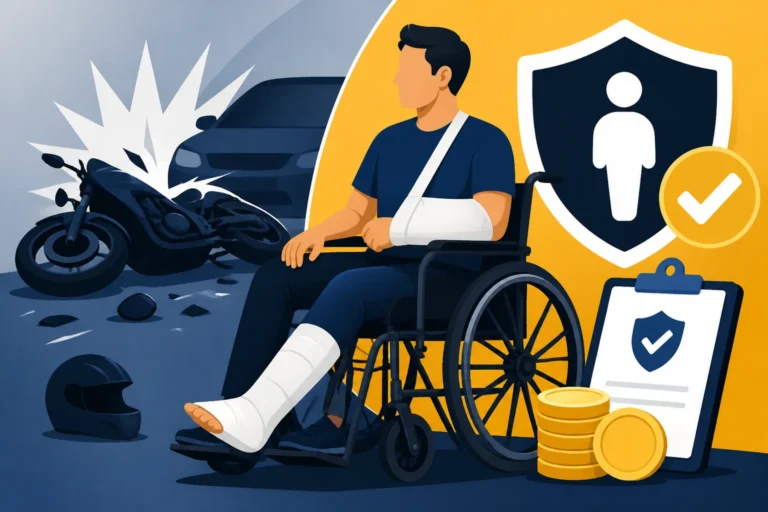
It's an unfortunate truth that after the shock and chaos of a motorcycle accident, many riders, often fueled by adrenaline or a tough-it-out mentality, might delay seeking medical attention. You might feel a bit stiff, bruised, or just shaken up, thinking you can sleep it off. However, that seemingly innocuous gap between the crash and your first doctor's visit can quietly chip away at the strength of any future motorcycle accident claim you might need to make, turning a clear-cut injury into a battleground of doubt with insurance companies. This guide will walk you through exactly why those treatment gaps become such a significant hurdle and what you can do to protect yourself.
The Slippery Slope of Delayed Medical Care
When you've been in a motorcycle accident, your body often goes into a kind of protective overdrive. Adrenaline floods your system, masking pain and making you feel far less injured than you actually are. This is a natural, physiological response, but it sets up a dangerous trap for your personal injury claim. You might feel okay enough to go home, talk to the police, and then decide to "wait and see" how you feel the next day, or even a few days later. That wait, however brief, can open the door for insurance companies to undermine your case.
Why Riders Often Delay Treatment
There are so many understandable reasons why a rider might not rush to the emergency room immediately after a crash. We're often independent, resilient people, and sometimes that extends to our health.
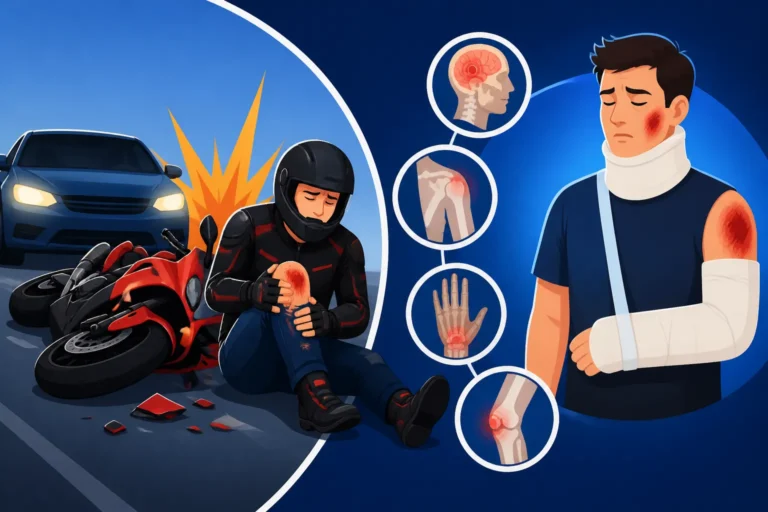
First, there's the genuine belief that the injuries aren't severe enough. Many of us have a high pain tolerance, and what might send someone else to the hospital, we might just brush off as a minor scrape or bruise. It’s only later, once the adrenaline wears off, that the real aches and pains start to surface, often much worse than anticipated. You might start feeling stiffness in your neck or persistent headaches days after the incident, realizing it's more than just a bump on the head.
Then there's the practical side of things. Maybe you don't have health insurance, or you're worried about the astronomical cost of an emergency room visit when you're already facing potential damage to your beloved bike. Perhaps you have a job you can't miss, or family obligations that take precedence. Life doesn't stop for an accident, and sometimes, handling immediate necessities seems more urgent than sitting in a doctor's waiting room. The thought of navigating hospitals, paperwork, and medical bills can be overwhelming, especially when you're still processing the trauma of the crash itself. This fear of financial burden, unfortunately, often leads people to delay, thinking they can deal with it once other matters are sorted out.
The Insurer's Interpretation of Gaps
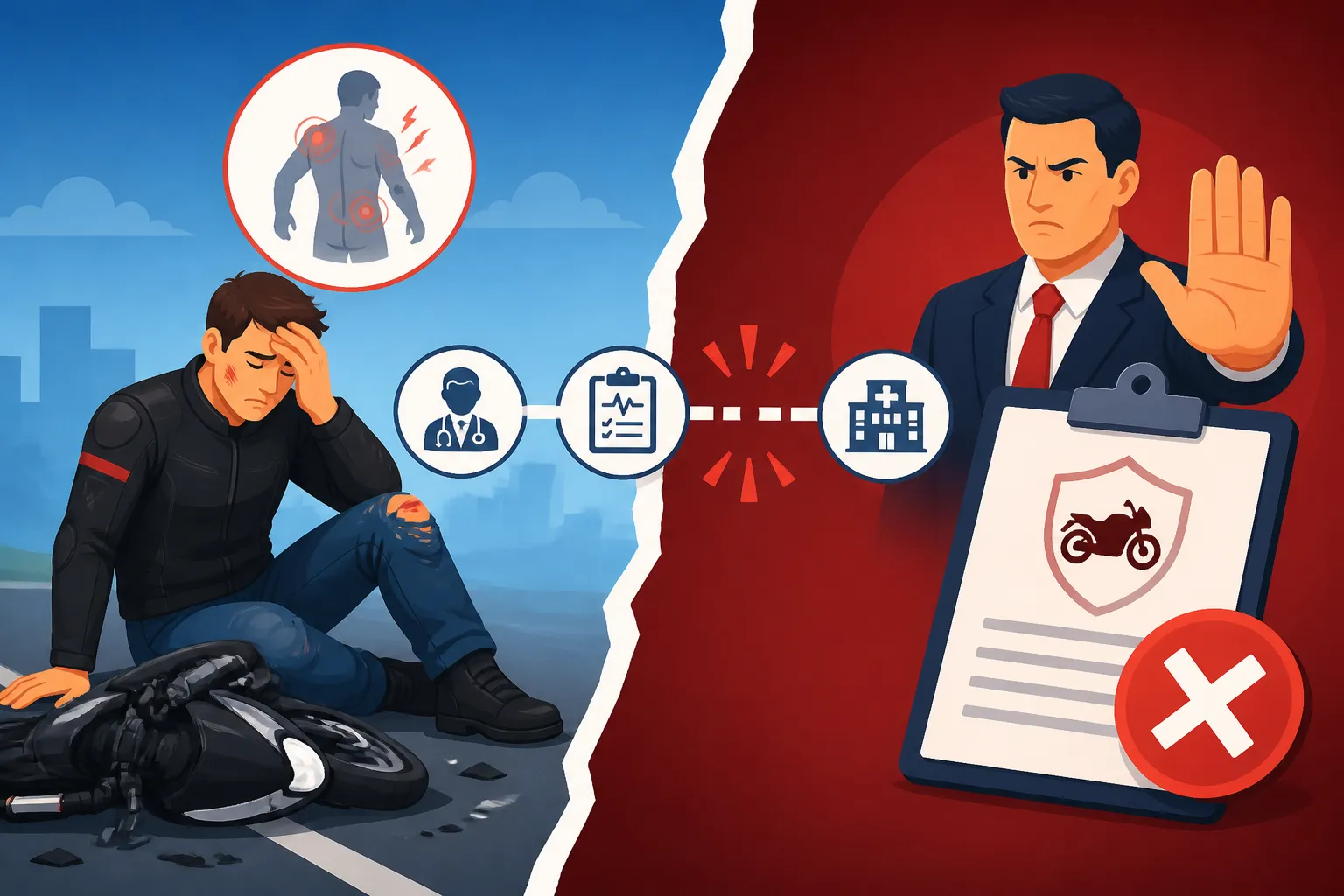
While your reasons for delaying treatment are perfectly valid and human, insurance adjusters see things through a very different lens. Their primary goal is to minimize the payout, and any gap in your medical treatment is a golden opportunity for them. They're looking for reasons to deny, devalue, or outright reject your claim, and a delay in seeking care is one of their go-to tactics.
An adjuster might argue that if your injuries were truly serious, you would have gone to the doctor immediately. They'll suggest that since you waited, your injuries must not have been caused by the motorcycle accident at all, but rather by some intervening event or a pre-existing condition. They might even imply you're fabricating or exaggerating your symptoms for financial gain. This is a common tactic, and it's incredibly frustrating when you know you're genuinely hurt. For instance, if you sustain a "soft tissue" injury like whiplash, which might not manifest severe symptoms for a day or two, an insurer will seize on that delay. They might claim that because you didn't seek care for 48 hours, something else must have happened in those 48 hours to cause the injury, not the crash itself. They may also attempt to argue that if you didn't seek treatment right away, your injuries weren't severe enough to warrant the compensation you are seeking. This is often an attempt to reduce the value of your pain and suffering damages.
This strategy is particularly prevalent in states like Florida or Texas, where personal injury claims often hinge on proving direct causation. If you take too long to get checked out, the causal link between the crash and your injuries becomes harder to establish in the eyes of the insurer and, potentially, a jury.
How Gaps in Treatment Weaken Your Claim
The immediate aftermath of a crash is a critical window for gathering evidence, and that includes medical documentation. Every day that passes without formal medical assessment creates a larger hole in the evidentiary chain, making it harder to prove that your injuries are directly attributable to the accident. This can significantly impact various components of your claim, from proving fault to calculating damages.
Undermining the Causation of Injuries
One of the foundational principles of any personal injury claim is causation – proving that the defendant's negligence directly caused your injuries. When there's a significant gap between the accident and your first medical visit, insurance companies will argue that this causal link is broken. They'll contend that something else must have happened in the interim, or that your pain is simply a natural progression of some unrelated issue. This argument is powerful because it casts doubt on the very legitimacy of your claim.
Imagine a scenario where you experience a jarring impact in a rear-end collision, but you feel mostly okay initially, just a bit shaken. You decide to wait a week, thinking the soreness will pass. By day five, however, you're experiencing severe neck pain and numbness down your arm. When you finally see a doctor, the insurance company for the at-fault driver might argue that your neck issues could have come from lifting something heavy, sleeping in a strange position, or even a minor fender-bender you might have forgotten about in the intervening days. Without immediate medical records establishing the injury soon after the accident, it becomes much harder to definitively tie that neck injury back to the motorcycle crash. This is why even seemingly minor injuries should be documented right away, especially if you're experiencing delayed symptoms after a motorcycle crash.
Reducing Damages and Payouts
Beyond denying causation, treatment gaps directly impact the value of your claim. Damages in a motorcycle accident claim are typically categorized as economic and non-economic. Both can be severely diminished by a lack of consistent medical documentation.
Economic damages, like medical bills and lost wages, are usually straightforward to calculate if you have continuous records. However, if there are gaps, the insurer can dispute the necessity of certain treatments or the duration of your recovery. If you stopped going to physical therapy for a month and then resumed, they might argue that the additional therapy wasn't necessary or that you prolonged your recovery through your own actions. For example, if you claim a loss of earning capacity due to your injuries, but your medical records show inconsistent treatment, the insurer might assert that your inability to work is not entirely due to the accident, but partly due to your lack of commitment to recovery. This could lead to a significantly reduced payout for your lost wages.
Non-economic damages, such as pain and suffering, are even more subjective and thus more vulnerable to these arguments. Insurance companies often use a multiplier method to estimate pain and suffering, where your medical bills are multiplied by a factor (e.g., 1.5x to 5x). If your medical treatment is inconsistent or delayed, your overall medical bills might be lower, which automatically reduces the starting point for this calculation. More importantly, the narrative of your pain and suffering becomes harder to tell convincingly. If you weren't seeking regular treatment, an adjuster might question how much pain you were truly in or how significantly your life was impacted, affecting how much compensation for motorcycle pain and suffering you receive.
It’s a cruel irony that the very act of trying to be resilient or fiscally responsible can end up costing you dearly when it comes to your settlement.
Credibility and the "Helmet Defense"
A gap in treatment can also chip away at your overall credibility, especially in states with "helmet defense" laws. While not directly related to gaps, the helmet defense is an example of how a defendant can try to reduce your settlement if they can argue you contributed to your injuries. In states like California, where universal helmet laws exist, or even in states with partial helmet laws like Texas, the defense might try to argue that even if you were wearing a helmet, a lack of immediate medical attention suggests you weren't taking your injuries seriously.
Even if you were wearing a DOT-compliant helmet, insurers might argue that your delayed care exacerbated your head injury. This isn't just about helmets, though. It's about demonstrating due diligence in your own recovery. When you seek immediate and consistent medical care, you are actively showing a jury (or an adjuster) that you are taking your injuries seriously and doing everything in your power to heal. This consistent action builds a strong narrative of a responsible, genuinely injured party.
Preventing and Mitigating the Damage
While it's always best to seek immediate medical attention after any motorcycle accident, sometimes life happens, and a gap in treatment is unavoidable. But don't despair! There are still steps you can take to protect your claim and mitigate the potential damage caused by such delays. The key is proactive action and thorough documentation.
Prioritize Immediate Medical Attention
The most critical advice, which cannot be overstated, is to seek medical attention as soon as possible after a motorcycle accident. Even if you feel fine, go to an urgent care clinic or your primary care physician within 24-48 hours. Many serious injuries, especially those involving the neck, spine, or head, have delayed symptoms. A doctor can perform a thorough examination, order imaging tests like X-rays or MRIs, and document any initial findings. This creates an official record of your injuries directly linked to the accident date. This first visit creates the vital paper trail connecting the crash to your physical harm.
Remember, seeking treatment immediately is not just about your claim; it's about your health. Why You Should Seek Immediate Treatment after a motorcycle accident can uncover hidden injuries that might worsen if left untreated. For instance, a mild traumatic brain injury (TBI) might initially present as a headache or mild confusion, but can have severe long-term consequences if not diagnosed and managed promptly.
Consistent Follow-Up and Adherence to Treatment
Once you've started treatment, consistency is paramount. Attend all scheduled appointments with doctors, specialists, physical therapists, or chiropractors. Follow their medical advice to the letter. If they prescribe medication, take it. If they recommend physical therapy exercises, do them. Each visit, each prescription, each therapy session adds to the continuous documentation of your recovery journey and the severity of your injuries.
Any breaks in treatment, no matter how small, can be used by the insurance company to argue that your injuries weren't that bad, that you stopped treatment because you felt better, or that you contributed to your own prolonged recovery by not following medical advice. Maintaining a consistent treatment schedule shows diligence and reinforces the narrative that your injuries are significant and require ongoing care. This consistency strengthens your argument for How Injury Severity Affects Compensation.
Document Everything Diligently
Documentation is your best friend when dealing with insurance companies. Keep a meticulous record of every single aspect of your injury and recovery.
- Medical Records: Ensure you get copies of all medical reports, doctor's notes, test results, prescription receipts, and therapy progress notes. These form the backbone of your claim.
- Injury Journal: Start an injury journal from day one. Document your daily pain levels, how your injuries impact your daily activities (like sleeping, working, hobbies), and any emotional distress you experience. This personal record helps to articulate your pain and suffering, providing a human element that mere medical bills cannot. This can be crucial evidence for How to Prove Pain and Suffering.
- Photos and Videos: Take photos of your injuries from the outset and continue to do so as they heal or change. Visual evidence can be incredibly powerful in conveying the extent of your suffering. Also, document any limitations caused by your injuries, such as needing assistance with daily tasks or being unable to participate in hobbies you once enjoyed.
- Communication: Keep detailed records of all communications with insurance adjusters, doctors' offices, and your legal team. Note dates, times, names, and a summary of the conversation.
Explaining the Gap When It Happens
If, despite your best efforts, a gap in treatment occurs, be prepared to explain it clearly and honestly. This is where the help of an experienced motorcycle accident attorney becomes invaluable. They can help you articulate legitimate reasons for the delay, such as:
- Delayed onset of symptoms: Many injuries, particularly soft tissue injuries or certain traumatic brain injuries, don't show full symptoms until days or even weeks after the incident. Your attorney can explain the medical science behind this phenomenon.
- Financial constraints: If you delayed due to concerns about co-pays or lack of insurance, your attorney can present this as a legitimate hurdle, not a sign of lesser injury.
- Misinformation: Perhaps you were told by a friend or even an initial medical professional that your injuries were minor, only for them to worsen later.
- Focus on property damage: Sometimes, the initial stress of dealing with a totaled motorcycle or other property damage overshadows the concern for personal injury.
A skilled attorney can work with your medical providers to get written statements explaining the nature of delayed symptoms or the necessity of resuming treatment after a pause. They can effectively counter the insurance company's arguments by presenting a compelling case built on medical facts and your personal circumstances. This is part of What a Motorcycle Accident Lawyer Does.
Legal Implications and How Attorneys Help
Understanding the legal landscape surrounding treatment gaps is crucial. States have different rules regarding how comparative negligence might apply and how insurers assign blame to riders. A knowledgeable attorney is your best defense against these tactics.
Navigating Causation and Expert Testimony
The central battleground when a treatment gap exists is always causation. The insurance company’s defense relies on creating doubt about whether the accident truly caused all your claimed injuries. This is where expert medical testimony becomes absolutely essential. Your attorney will work with your treating physicians to obtain expert opinions that clearly link your injuries to the motorcycle crash, even if there was a delay in diagnosis or treatment.
For example, if you sustained a spinal cord injury, a neurosurgeon or orthopedic specialist can provide testimony explaining the mechanics of the injury, how symptoms can evolve over time, and why an initial lack of immediate severe symptoms doesn't negate the accident as the cause. They can articulate that pain might be masked by adrenaline or simply take time to become debilitating. This medical expertise directly combats the insurance company's cynical interpretation of your treatment timeline. Without such testimony, it's often your word against a well-funded insurance company’s narrative, which is never a fair fight.
Counteracting "Contributory" or "Comparative Negligence" Arguments
In many states, laws on comparative negligence or, more rarely, contributory negligence, dictate how shared fault impacts a claim. While a gap in treatment doesn't directly assign fault for the accident itself, insurance companies can attempt to use it to argue that you contributed to the severity of your own injuries by delaying care. This is known as the "avoidable consequences" doctrine in some jurisdictions.
For instance, in a modified comparative negligence state like Ohio or Texas, if you're found even 1% at fault for your injuries (not necessarily the accident), your compensation could be reduced. If an insurer successfully argues that your injuries worsened because you waited too long to seek treatment, they might try to assign a percentage of fault to you for that exacerbation, thereby reducing your overall settlement. A skilled attorney understands How Comparative Negligence Reduces Your Payout and can preemptively counter these arguments. They can demonstrate that any delay was reasonable given the circumstances or that the injury would have been severe regardless of the treatment timeline.
The Role of an Experienced Motorcycle Accident Lawyer
Having an attorney who specifically handles motorcycle accidents is not just beneficial; it's often critical. These lawyers are acutely aware of the biases and tactics insurance companies employ against riders. They know how to effectively counter the "gap in treatment" defense and protect your right to full compensation.
An attorney will:
- Collect and organize all medical records: They ensure a complete chronological record is presented, highlighting the progression of your injuries.
- Consult with medical experts: They can connect you with doctors who understand personal injury claims and can provide compelling testimony.
- Negotiate with insurance adjusters: They know the adjusters' playbook and how to dismantle their arguments. For example, they can present evidence of your consistent follow-up, even if there was an initial delay, to show you took your recovery seriously.
- Prepare for litigation: If negotiations fail, they are ready to take your case to court and present a strong argument to a judge or jury, explaining any treatment gaps in a favorable light.
Without a knowledgeable advocate, you are at a distinct disadvantage. An attorney can help to ensure that your specific injury, such as a painful case of Motorcycle Road Rash: Claims and Compensation, is properly documented and valued, even if challenges arise from treatment gaps. They can also explain the complexities of Motorcycle Accident Liability: A Complete Guide and how it intertwines with your medical journey.
Comparative Table: Reasons for Gaps vs. Insurer Interpretation
To truly understand how seemingly innocent delays can be weaponized, let's look at a comparison:
| Rider's Real Reason for Treatment Gap | Insurance Company's Interpretation/Argument | Impact on Claim |
|---|---|---|
| Adrenaline masked pain / Delayed symptoms | "Injuries weren't serious enough to warrant immediate care." | Undermines severity, reduces pain and suffering valuation. |
| Concerned about high medical costs | "Rider was not truly injured if they prioritized cost over health." | Suggests injuries are fabricated, devalues medical necessity. |
| Busy schedule, couldn't take time off | "Injuries weren't debilitating if rider could continue normal activities." | Questions impact on daily life, lost wages, and earning capacity. |
| Initially thought injuries were minor | "Something else caused the injuries later, not the accident." | Breaks the causation link, makes it harder to prove accident responsibility. |
| Didn't want to seem "weak" or "complain" | "If pain was manageable enough to avoid treatment, it wasn't significant." | Significantly reduces non-economic damages, questions credibility. |
As you can see, the disconnect between your lived experience and the insurer's interpretation is vast and deliberate. This table highlights why minimizing those gaps, and having an attorney ready to explain them, is so vital.
Final Thoughts: Don't Let a Delay Derail Your Recovery
Navigating the aftermath of a motorcycle accident is an intensely stressful experience. Between physical recovery, property damage, and dealing with the emotional trauma, it’s easy to overlook what seems like a minor detail – getting to the doctor right away. But as we've explored, those gaps in treatment, no matter how understandable, can create significant obstacles for your personal injury claim, allowing insurance companies to downplay your suffering and reduce your rightful compensation.
Your health should always be your top priority. Seek medical attention immediately, follow your doctor’s orders, and document every step of your recovery. If you find yourself facing a claim where a gap in treatment has become an issue, remember that you don't have to fight this battle alone. An experienced motorcycle accident lawyer can be an invaluable ally, helping to bridge those gaps with compelling medical evidence and expert negotiation. Don't let a moment of hesitation cost you the compensation you deserve to heal and move forward. Taking care of yourself physically and medically is the first, most important step in taking care of your legal claim.
Disclaimer
The information provided in this blog post is for general informational purposes only and does not constitute legal advice. Every motorcycle accident claim is unique, and the applicable laws and outcomes can vary significantly based on individual circumstances. It is essential to consult with a qualified attorney for advice regarding your specific situation. Reliance on any information provided in this article is solely at your own risk.