Is a Motorcycle Knee Injury a Permanent Injury
Experiencing a motorcycle accident is terrifying, but beyond the initial shock, one of the most pressing fears for any rider is whether their injuries will leave lasting damage. When it comes to a knee injury, that fear is amplified. Many riders worry about whether they'll ever walk, ride, or even live life the same way again. This guide is here to shed light on the complex reality of motorcycle knee injuries, exploring which ones can lead to permanent issues and what that might mean for your future and your recovery journey.
Understanding Motorcycle Knee Injuries
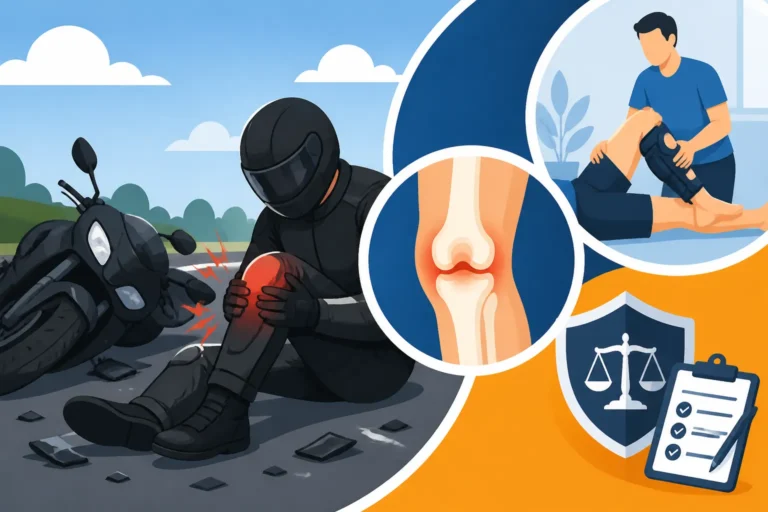
The knee is an incredibly complex joint, vital for mobility, balance, and absorbing impact. Unfortunately, its very design, while allowing for flexibility, also makes it highly vulnerable in the event of a motorcycle accident. Unlike the relatively protected limbs of a car driver, a motorcyclist's legs are often the first point of impact or get trapped beneath the bike, leading to devastating knee injuries.
Common Types of Knee Injuries from Motorcycle Accidents
Motorcycle accidents can inflict a wide range of damage to the knee, from relatively minor scrapes to catastrophic structural failures. The sheer force involved, often combined with twisting motions or direct blunt trauma, can compromise multiple components of the joint simultaneously. It's not uncommon for riders to experience a combination of these injuries, which only complicates diagnosis and recovery.
One of the most frequently seen types of knee damage involves the ligaments. These tough bands of tissue connect bones to other bones, providing stability to the knee joint. The anterior cruciate ligament (ACL), posterior cruciate ligament (PCL), medial collateral ligament (MCL), and lateral collateral ligament (LCL) are all susceptible to tears. An ACL tear, for instance, often occurs when the knee is twisted unnaturally or hyperextended, a common scenario if your leg is caught under the bike or hits the pavement at an awkward angle. These can range from a mild stretch (Grade I) to a complete rupture (Grade III), with the latter almost always requiring surgical intervention. Similarly, meniscal tears, involving the C-shaped cartilage that acts as a shock absorber, are also prevalent, often resulting from the same twisting forces.
Beyond soft tissue, the bones around the knee are also at significant risk. Patellar fractures, a break in the kneecap, can happen from direct impact, like hitting the gas tank or the road. These fractures can be simple or complex, sometimes fragmenting the kneecap into multiple pieces. Tibial plateau fractures, a break in the top part of the shin bone where it meets the knee, are particularly concerning because they involve the joint surface itself. These injuries are often high-energy and can lead to uneven joint surfaces, making smooth movement difficult even after healing. Dislocated kneecaps, where the patella slips out of its groove, can also occur, often accompanied by damage to the surrounding ligaments and tendons. Deep tissue road rash, while seemingly superficial, can sometimes extend into the muscle, tendon, and even bone surrounding the knee, causing significant infection risk and scarring. For a broader overview of the various ways a rider can get hurt, you might find our guide on Common Motorcycle Accident Injuries particularly informative.
Factors Influencing Injury Severity and Permanence
The severity of a knee injury, and by extension, its potential for permanence, isn't just about the type of injury. A multitude of factors play a critical role in how well — or how poorly — a knee recovers after a motorcycle accident. These elements can determine whether you face a full recovery or a lifelong struggle with chronic pain and limited mobility.
The speed and angle of impact are paramount. A high-speed collision imparts more energy, increasing the likelihood of catastrophic damage to bone, ligaments, and cartilage. A direct blow to the knee, such as hitting the pavement or another vehicle, can shatter the patella or cause a severe tibial plateau fracture. Conversely, a twisting impact, where the foot is planted but the bike goes one way and the body another, is notorious for causing ligamentous tears like ACL or MCL ruptures. The specific mechanics of your crash, therefore, directly correlate with the kind of trauma your knee endures.
Furthermore, your protective gear, or lack thereof, can dramatically influence the outcome. While no gear can guarantee complete protection in every scenario, sturdy motorcycle boots that protect the ankle and shin, and knee sliders or reinforced riding pants, can absorb significant impact energy, potentially preventing or lessening the severity of bone fractures and deep road rash. Without such protection, the knee is completely exposed. The rider's age and any pre-existing conditions, such as arthritis, previous knee surgeries, or even generalized joint laxity, also play a significant role. A younger, healthier rider generally has a better capacity for healing than an older individual with pre-existing degenerative changes. Finally, immediate medical attention is absolutely crucial. Delays in diagnosis and treatment can exacerbate injuries, lead to complications like infection or improper healing, and ultimately increase the risk of permanent damage. This combination of factors often dictates the long-term prognosis for a motorcycle knee injury.
The Reality of Permanent Knee Damage
For many riders, the idea of a "permanent injury" conjures images of complete immobility or severe disability. While that can certainly be the case with the most extreme knee injuries, more often, a permanent knee injury refers to chronic issues that significantly impact daily life and quality of enjoyment, rather than a total loss of function. Understanding this distinction is vital for setting realistic expectations and navigating your recovery and potential legal claim.
When a Knee Injury Becomes Permanent
A knee injury is generally considered permanent when, even after all possible medical treatments and rehabilitation, the joint does not return to its pre-injury state and continues to cause pain, instability, or significantly limited function. This assessment often occurs once a patient has reached what is known as What Reaching MMI Means for Your Settlement, or Maximum Medical Improvement. At this point, doctors determine that no further medical intervention is likely to improve the condition.
Severe ligament tears, especially Grade III ruptures of the ACL, PCL, or multiple ligaments, frequently lead to permanent instability or altered mechanics even after successful surgical reconstruction. While surgery can restore a good degree of function, the knee may never feel exactly the same, potentially having a slight laxity or increased vulnerability to re-injury. Complex fractures involving the joint surface, such as tibial plateau fractures, are particularly prone to permanence. If the bone fragments don't heal perfectly aligned, it can lead to an uneven joint surface, causing persistent pain, stiffness, and accelerating the development of post-traumatic arthritis. This arthritis, in turn, can necessitate future knee replacement surgeries. Significant cartilage loss, which might occur during the initial trauma or as a consequence of altered joint mechanics, cannot be fully regenerated and often results in chronic pain and progressive degeneration. Nerve damage around the knee, while less common, can lead to permanent numbness, weakness, or even neuropathic pain that is notoriously difficult to treat. These are the scenarios where the likelihood of a permanent impact on your life becomes very high.
Long-Term Consequences and Complications
Living with a permanent knee injury goes far beyond the initial pain of the accident. It often involves a cascade of long-term consequences and complications that can dramatically alter a person's lifestyle, career, and overall well-being. These effects are what truly define the "permanence" of such an injury, shaping the ongoing challenges a rider faces.
Chronic pain is arguably the most pervasive and debilitating long-term consequence. This isn't just the ache from a rainy day; it's persistent, often daily pain that can range from a dull throb to sharp, incapacitating agony. This pain can limit activity, disrupt sleep, and require ongoing management through medication, injections, or alternative therapies. Alongside pain, many individuals experience stiffness and a reduced range of motion. Even after rigorous physical therapy, a knee might not fully extend or flex, making simple actions like squatting, kneeling, or even just bending to tie a shoe a painful struggle. This limitation can significantly impact a rider's ability to get back on their bike, participate in sports they once loved, or even perform job duties that require physical activity.
Muscle atrophy around the injured knee is another common issue. When a joint is painful or unstable, the surrounding muscles tend to weaken from disuse or altered movement patterns. This weakness, in turn, can contribute to further instability and increase the risk of falls or re-injury, creating a vicious cycle. Moreover, the body often compensates for a compromised knee, leading to secondary issues like hip, ankle, or back pain. The psychological impact can be just as profound, with many individuals experiencing depression, anxiety, or even post-traumatic stress disorder (PTSD) as they grapple with chronic pain, loss of independence, and the inability to engage in activities that once brought them joy. In the most severe cases, a permanent knee injury can ultimately necessitate future surgeries, such as a total knee replacement, years down the line. Such an event would come with its own set of recovery challenges and expenses. This comprehensive view of long-term challenges is crucial when considering the Long-Term Effects of Motorcycle Injuries and how they shape a rider's future.
Medical Treatment and Prognosis
The journey to recovery from a motorcycle knee injury is often long and arduous, requiring significant commitment to medical treatment and rehabilitation. While the goal is always to restore as much function as possible, the reality is that the path varies wildly depending on the injury's severity and the individual's response to treatment. Understanding this process is key to navigating the aftermath of a crash.
Initial Treatment and Rehabilitation
Immediately following a motorcycle accident, the focus of medical professionals is to stabilize the injury, manage pain, and prevent further damage. This typically begins with initial assessment at the accident scene, often by paramedics, followed by a trip to the emergency room for thorough evaluation. X-rays, MRI scans, and CT scans are standard tools used to pinpoint the exact nature and extent of the knee injury, identifying fractures, ligament tears, and other soft tissue damage. Depending on the severity, the knee may be immobilized in a brace or cast to protect it and allow for initial healing. Pain management, usually through prescription medications, is also a critical component in the early stages.
Once the initial acute phase passes, rehabilitation becomes paramount. Physical therapy is almost always a cornerstone of recovery, even for injuries that don't require surgery. A tailored rehabilitation program will focus on reducing swelling, restoring range of motion, strengthening the muscles surrounding the knee (quadriceps, hamstrings, calves), and improving balance and proprioception. Adherence to this program is crucial, but it's often a painful and frustrating process, requiring dedication and patience. The physical therapist works closely with the patient, gradually progressing exercises from passive movements to active resistance training. For example, a rider recovering from a meniscal tear might start with gentle knee bends and straight leg raises, eventually moving to squats and lunges. This phase is about rebuilding the knee's capacity to bear weight and move efficiently, setting the foundation for any potential surgical interventions or long-term management strategies.
Surgical Interventions and Long-Term Management
For many severe motorcycle knee injuries, surgery is not just an option but a necessity to restore stability and function. Ligament ruptures, particularly of the ACL, frequently require reconstructive surgery where a new ligament graft (often from the patient's own body or a donor) is used to replace the torn one. Meniscal tears might be repaired or, if the damage is too extensive, partially removed (meniscectomy) through arthroscopic surgery, a minimally invasive procedure. Fractures, especially complex ones like tibial plateau or comminuted patellar fractures, often need open reduction and internal fixation (ORIF), where the bone fragments are surgically realigned and held in place with plates, screws, or pins. While these surgeries aim to bring the knee back to its best possible state, they are followed by extensive, and often lengthy, post-operative rehabilitation, which can last for many months.
Even after successful surgery and diligent physical therapy, long-term management is often required, particularly if the injury has a permanent component. This might include ongoing exercises to maintain strength and flexibility, lifestyle modifications to avoid aggravating the knee, and potentially continued pain management. Many individuals find that they can no longer participate in high-impact sports or activities they once enjoyed, including intense motorcycle riding, without risking further damage or experiencing significant discomfort. Regular check-ups with an orthopedic specialist become common, monitoring for signs of developing arthritis or other degenerative changes. For those with chronic pain or significant functional limitations, injections (like corticosteroids or hyaluronic acid) might be used to reduce inflammation or lubricate the joint. In some cases, years after the initial injury, a total knee replacement may become necessary due to progressive arthritis or severe degeneration caused by the original trauma. The decision to undergo surgery and commit to the rigorous post-operative care is a significant one, underscoring the severe and potentially lifelong impact of these injuries.
Documenting Permanent Knee Injuries for Your Claim
When you're dealing with a permanent knee injury after a motorcycle accident, proving the full extent of your damages to an insurance company or in court is paramount. This isn't just about showing your initial injury; it's about demonstrating how that injury will impact every aspect of your life for years, or even decades, to come. Thorough documentation is your strongest ally in this fight.
Essential Medical Evidence
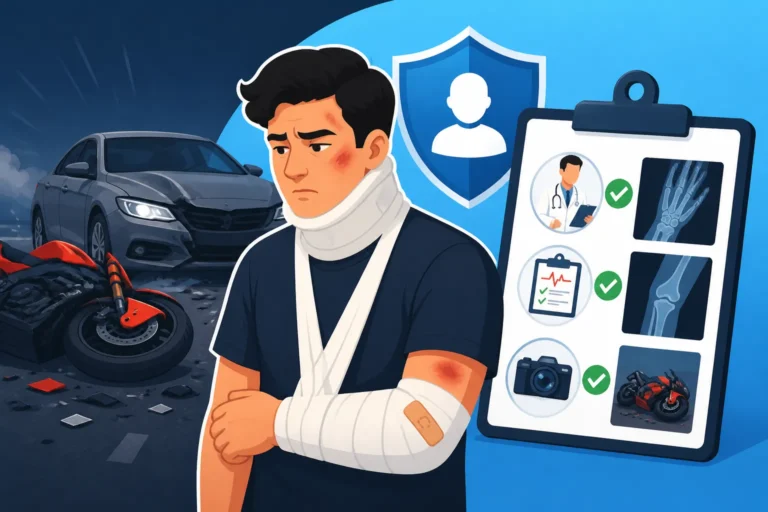
To successfully claim compensation for a permanent knee injury, you need an ironclad trail of medical evidence. This is the bedrock of your case and will be meticulously scrutinized by adjusters and defense attorneys. Start with comprehensive medical records from the moment of the accident: ambulance reports, emergency room charts, surgical reports, hospital stays, and detailed physician's notes from every single appointment. These documents confirm the immediate trauma and the procedures undertaken to address it.
Imaging studies are equally crucial. X-rays will show any fractures, while MRI scans are invaluable for visualizing soft tissue damage like ligament tears, meniscal damage, and cartilage issues. CT scans can provide even more detailed images of complex bone fractures. Ensure that all these reports, along with the actual images, are part of your documentation. Physical therapy records, including notes on your progress, limitations, and pain levels, are also vital as they illustrate the journey of your recovery and highlight ongoing functional deficits. Finally, and perhaps most importantly for a permanent injury, you will need a clear prognosis from your treating physician. This report should specify that you have reached What Reaching MMI Means for Your Settlement (Maximum Medical Improvement) and detail any permanent impairments, restrictions, or the likelihood of future medical needs, such as knee replacement surgery or ongoing injections. Without this definitive medical opinion, it can be incredibly challenging to prove the lasting nature of your injury and its impact on your life, which is essential for How to Document Injuries for a Claim.
Impact on Your Life and Damages
A permanent knee injury doesn't just show up on an MRI; it profoundly impacts your daily existence, your ability to work, and your overall happiness. Documenting this far-reaching impact is crucial for claiming all the Types of Damages in a Motorcycle Accident Claim you are entitled to, which typically fall into two main categories: economic and non-economic.
When it comes to economic damages, your permanent knee injury means more than just past medical bills. It often entails significant Future Medical Costs Explained, including potential future surgeries (like knee replacement years down the line), ongoing physical therapy, pain management, prescription medications, and adaptive equipment. An expert witness, such as a life care planner, can help project these costs over your lifetime. Furthermore, if your permanent knee injury has limited your ability to work or forced you into a lower-paying job, you can claim Loss of Earning Capacity Explained. This accounts for the difference between what you could have earned versus what you will earn due to your injury. Detailed records of your employment history, income, and vocational assessments are essential here.
The non-economic damages, often referred to as Pain and Suffering Damages Explained, are equally important. A permanent knee injury can lead to chronic pain, emotional distress, anxiety, depression, and a significant loss of enjoyment of life. You may no longer be able to ride your motorcycle, engage in hobbies, play with your children, or even perform simple household tasks without pain. Keeping a detailed journal of your daily struggles, pain levels, and emotional state can provide compelling evidence. Witness statements from family and friends who have observed your limitations can also be invaluable. Proving these types of damages is often more challenging but essential to a full recovery, especially as How Injury Severity Affects Compensation for permanent issues tends to be higher. By meticulously documenting both the financial and personal tolls, you build a robust claim that truly reflects the severe and lasting consequences of your motorcycle knee injury.
Disclaimer
Please remember that this article provides general information and insights into motorcycle accident claims and related injuries. It is not a substitute for professional legal or medical advice. Every accident and injury is unique, and the specifics of your situation will determine the best course of action. You should always consult with a qualified legal professional and medical doctor to discuss your individual circumstances.