Who Is at Fault in a Rear-End Collisions Motorcycle Accident
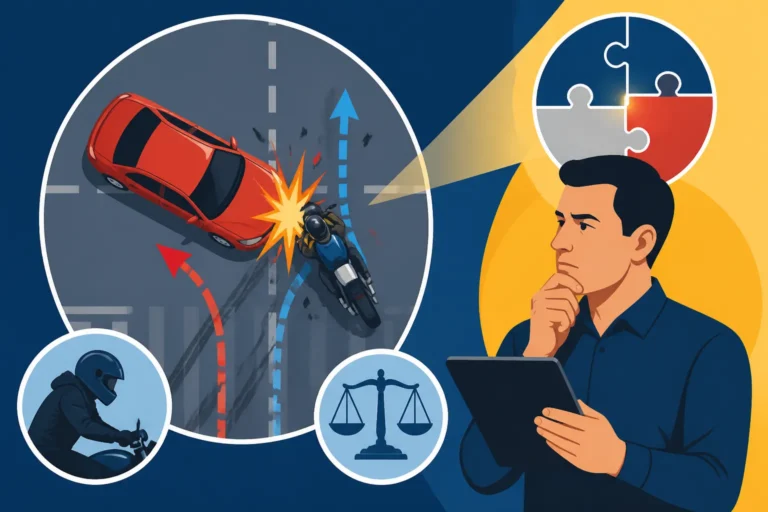
It’s a situation far too many riders face: you're cruising along, enjoying the open road, and suddenly, you're hit from behind. Rear-end collisions can be incredibly jarring, especially on a motorcycle, often leading to severe injuries and property damage. When something like this happens, one of the first and most pressing questions is always, "Who is at fault?" This guide dives deep into the complexities of fault determination in rear-end motorcycle accidents, helping you understand the typical legal presumptions and the nuanced factors that can shift responsibility.
Understanding Rear-End Collisions and the Presumption of Fault
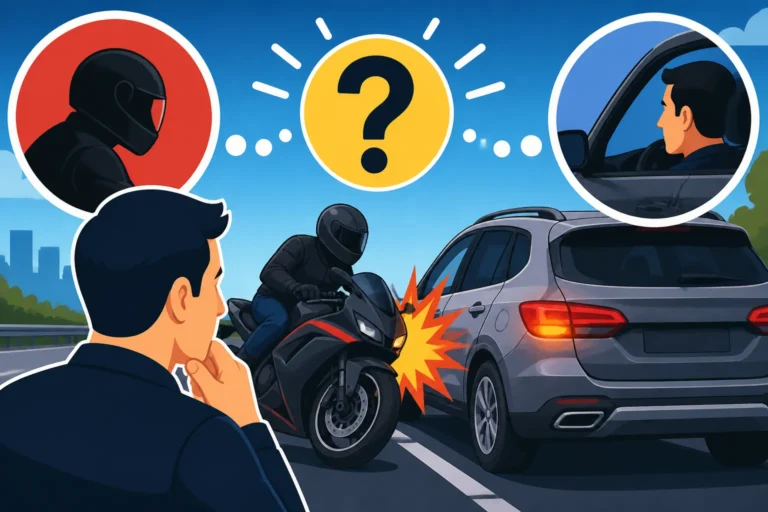
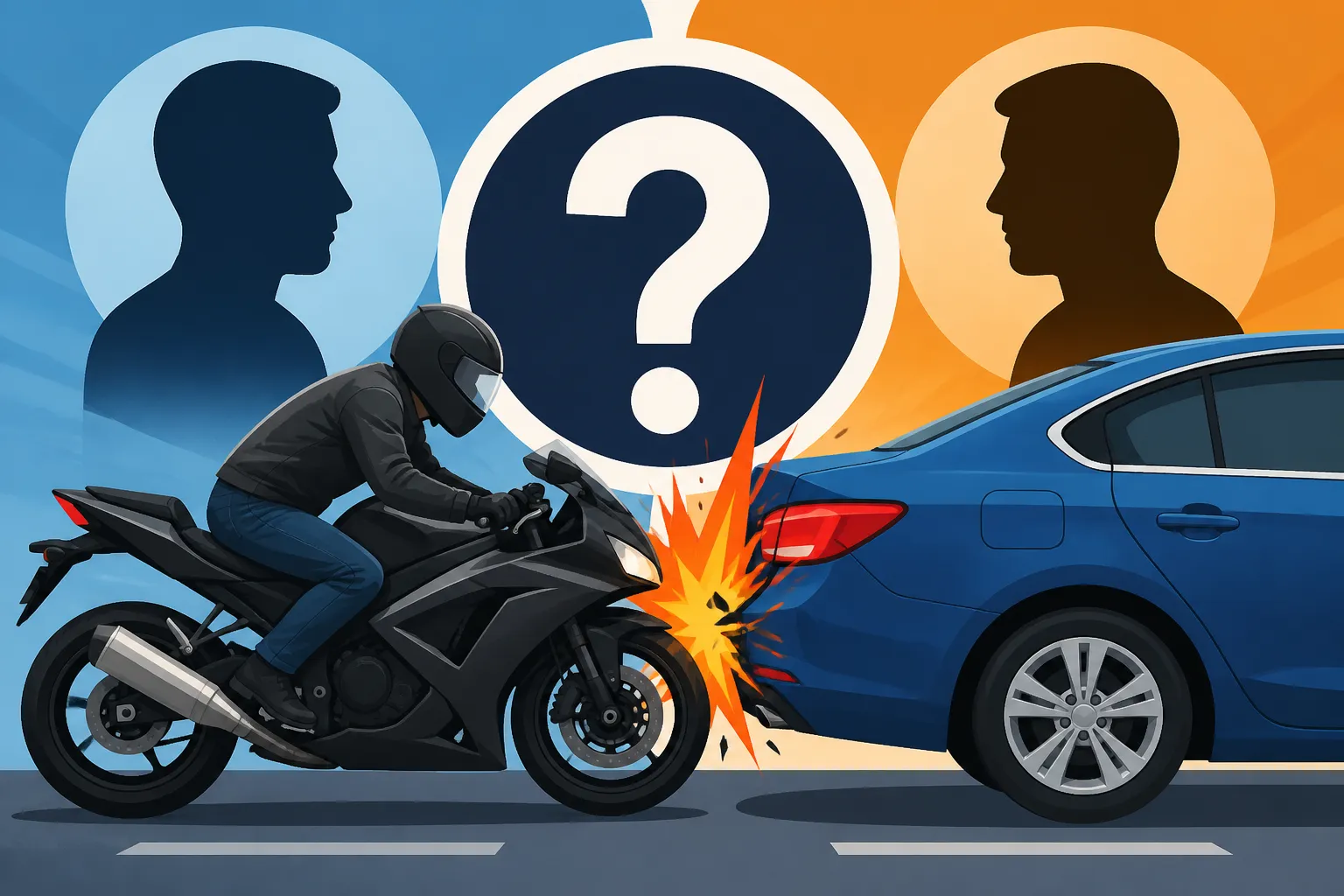
In the vast majority of rear-end accidents, whether involving a car or a motorcycle, the driver of the vehicle that strikes the rear of another vehicle is presumed to be at fault. This isn't just a common assumption; it's often a legal principle rooted in basic traffic safety regulations. Drivers are expected to maintain a safe following distance and be attentive enough to stop or react to traffic ahead. When they fail to do so, and a collision occurs, the blame usually falls on them.
Why the Rear Driver is Usually at Fault
The law generally dictates that every driver has a duty to operate their vehicle safely and prudently. This includes adhering to specific rules of the road designed to prevent collisions, particularly rear-end crashes. One of the most fundamental of these is maintaining a proper following distance. This distance isn't just about avoiding a bumper-to-bumper incident; it's about allowing enough space and time to react to sudden stops, unexpected obstacles, or changes in traffic flow.
When a driver fails to keep a safe following distance, they are often considered to be negligent. This negligence can manifest in several ways: perhaps they were driving too close, weren't paying attention (distracted driving is a huge culprit here), were speeding, or simply didn't account for road conditions. Because motorcyclists are smaller and harder to see, the "I Didn't See the Motorcycle" Defense Explained is a tragically common excuse used by drivers who rear-end bikes. However, this defense rarely absolves the striking driver of fault, as drivers are expected to see what is plainly visible on the road. The onus is on them to operate their vehicle with due care, and that includes being aware of all traffic, including motorcycles.
Common Scenarios Leading to Rear-End Motorcycle Accidents
Rear-end motorcycle accidents don't just happen out of the blue; they often stem from a few recurring scenarios, almost all of which point to the striking driver's negligence.
- Distracted Driving: This is perhaps the most prevalent cause today. Drivers looking at their phones, adjusting the radio, eating, or engaging in conversations are not fully focused on the road. A moment's lapse can lead to them not seeing a motorcycle ahead, especially if traffic suddenly slows or stops. A quick glance down at a text message can mean the difference between a safe stop and a devastating impact.
- Tailgating: Some drivers simply follow too closely, eager to get somewhere faster or perhaps unaware of the dangers. When traffic ahead brakes suddenly, or a motorcyclist needs to slow down for a hazard, there isn't enough time or space for the tailgating driver to react, leading to a rear-end collision. This is a clear violation of maintaining a safe following distance.
- Speeding: Excessive speed reduces a driver's reaction time and increases stopping distance. Even if a driver is paying attention, if they are going too fast, they may not be able to stop in time to avoid hitting a motorcycle that has slowed down or stopped in front of them.
- Impaired Driving: Driving under the influence of alcohol or drugs significantly impairs a driver's judgment, reaction time, and ability to perceive hazards. An impaired driver might not notice a motorcycle braking or stopped until it's too late, resulting in a severe rear-end crash.
- Fatigue: Drowsy driving can be as dangerous as impaired driving, leading to slow reactions and lapses in attention that can cause a driver to collide with a motorcycle ahead.
These scenarios all highlight the common causes of motorcycle accidents that can lead to a rear-end impact, almost always tracing back to the negligence of the driver behind.
Situations Where the Motorcycle Rider Might Share Fault
While the default assumption is that the rear driver is at fault, it’s not always black and white. There are indeed situations where the motorcyclist might share some degree of fault for a rear-end collision. Understanding these nuances is crucial, as any shared fault can impact your ability to recover full compensation for your injuries and damages.
Unsafe Lane Changes or Sudden Stops by the Rider
One of the most common ways a motorcyclist might be found partially at fault is if they executed an unsafe maneuver that contributed to the collision. For instance, if a rider makes a sudden lane change without proper signaling, cutting off a vehicle behind them and then immediately slamming on their brakes, an argument could be made that their actions contributed to the rear-end crash. Similarly, if a rider stops abruptly in traffic without any clear reason (e.g., no immediate hazard, just a spontaneous, unnecessary stop), and the following driver, despite maintaining a reasonable distance, cannot avoid the collision, some fault might be assigned to the rider.
However, it's important to differentiate between an "unsafe" stop and a "necessary" stop. If a rider stops suddenly because a child ran into the road, or a car unexpectedly swerved in front of them, that's not typically considered unsafe. The key is whether the rider's action was unexpected and unprovoked by external factors, making it difficult for the following driver to react.
Malfunctioning Brake Lights or Signaling Issues
Another scenario where a rider could potentially bear some fault involves equipment failure on their motorcycle. If your brake lights are not working correctly, or your turn signals are broken, and this directly contributes to the rear-end collision, an insurer or court might assign a percentage of fault to you. Drivers behind you rely on these signals to anticipate your actions. If they don't light up when you brake, the following driver has less warning and less time to react.
This underscores the importance of regularly checking your bike's equipment, ensuring all lights, signals, and reflectors are in perfect working order. A pre-ride inspection isn't just about safety; it's about protecting your liability in an unforeseen incident. Even minor issues like dim bulbs could be scrutinized.
Lane Splitting and Rear-End Collisions
Lane splitting, while legal in some states like California, can introduce complexities when it comes to fault in a rear-end collision. If a rider is lane splitting and is rear-ended, the determination of fault can depend heavily on the specifics of the situation and the state's laws regarding lane splitting. For instance, if a rider is weaving erratically between lanes or traveling at an excessive speed while lane splitting, and this directly contributes to a rear-end incident with a vehicle already in the lane, an argument for shared fault might arise.
Conversely, if a rider is lane splitting safely and legally, adhering to speed and conditions guidelines, and a driver aggressively changes lanes or fails to yield, hitting the lane-splitting motorcycle, the fault would likely rest with the driver. Laws regarding Lane Splitting and Motorcycle Accident Liability vary, so understanding your local regulations is paramount. Generally, legal lane splitting itself does not automatically make a rider at fault, but unsafe lane splitting can certainly contribute to a finding of partial fault.
Evidence Critical for Proving Fault in Rear-End Motorcycle Accidents
After a terrifying rear-end collision, especially on a motorcycle, proving who was at fault can feel like a daunting task. However, gathering the right evidence is absolutely crucial to protect your rights and ensure you receive fair compensation. Without solid proof, insurance companies might try to minimize their driver's liability or even shift blame onto you, the motorcyclist.
Gathering Evidence at the Scene
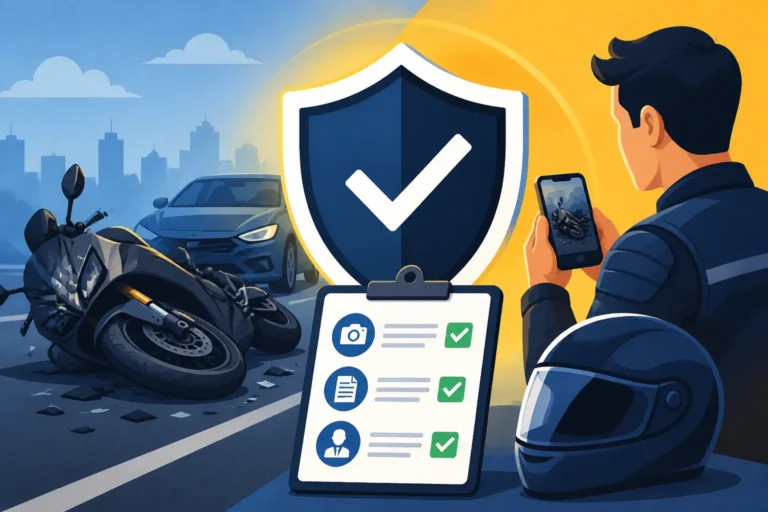
What you do immediately following a motorcycle accident can make a profound difference in establishing fault. If you are physically able, documenting the scene is one of the most vital steps.
- Take Photographs and Videos: Use your smartphone to take extensive photos and videos of everything. Capture the position of both vehicles, showing the point of impact, skid marks (if any), road conditions, traffic signals, and any relevant signage. Don't forget to photograph your injuries and any damage to your motorcycle. The more visual documentation, the better. Photos to Take to Prove Motorcycle Fault are extensive, covering everything from vehicle damage to road debris.
- Exchange Information: Get the other driver's name, contact information, insurance details, and license plate number. Do not engage in arguments or admit fault, even if you think you might be partially to blame. Simply exchange information.
- Identify Witnesses: Look for anyone who saw the accident occur. Get their names and contact information. Witness statements can be incredibly powerful, especially if they corroborate your version of events or refute the other driver's claims. Their fresh perspective can be invaluable when proving fault in a motorcycle accident.
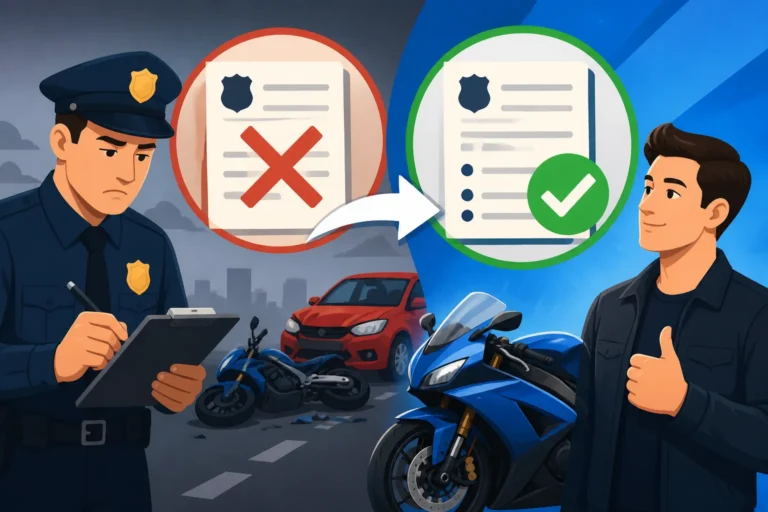
- Call the Police: Always call law enforcement, even if the damage seems minor. A police report creates an official record of the incident, which can be critical for your claim. This report will often include details about the accident, including who the officer believes was at fault, or at least a factual account of the circumstances.
Remember, your First Steps to Protect Your Motorcycle Claim begin at the scene.
The Role of Traffic Laws and Police Reports
Traffic laws are the backbone of determining fault in any accident. In rear-end collisions, specific laws regarding following distance, distracted driving, and speed are often central to the investigation. The police officer investigating the accident will reference these laws in their report.
- Police Reports: The official police report is a key piece of evidence. While not always conclusive on fault (it's often an officer's opinion based on their investigation), it provides an objective account of the scene, diagrams, witness information, and any citations issued. If the other driver was ticketed for tailgating or distracted driving, it significantly strengthens your case. However, be aware that How a Police Report Can Hurt Your Claim if it contains inaccuracies or unfavorable observations, so it’s important to review it carefully.
- Traffic Citations: If the at-fault driver received a ticket for a traffic violation like following too closely or careless driving, this serves as strong evidence of their negligence.
Witness Statements and Expert Reconstruction
Beyond the initial scene evidence, witness statements and, in complex cases, expert accident reconstruction can be pivotal.
- Witness Statements: Independent witnesses can provide unbiased accounts of what happened. Their testimony can confirm that the other driver was distracted, driving too fast, or following too closely. For instance, a witness might testify that they saw the car behind you on their phone just before impact, or that your brake lights were clearly working. Understanding How Witnesses Affect Motorcycle Fault is key to leveraging these accounts effectively.
- Accident Reconstruction Experts: In cases involving severe injuries or disputed fault, an accident reconstruction expert can be invaluable. These professionals use scientific principles, physical evidence from the scene (like skid marks, vehicle damage, and debris fields), and even computer simulations to determine the sequence of events leading to the crash. They can often precisely calculate speeds, points of impact, and reaction times, providing irrefutable evidence of who was truly at fault. When to Hire an Accident Reconstruction Expert is typically after serious injuries or when liability is strongly contested by the insurance company.
By meticulously gathering and presenting this evidence, you significantly increase your chances of proving the other driver was at fault and securing the compensation you deserve.
The Impact of Shared Fault on Your Claim
It's a tough pill to swallow, but sometimes, even if another driver is mostly to blame, you might bear some percentage of fault for a motorcycle accident. This concept, known as comparative negligence, is incredibly important because it directly impacts the amount of compensation you can recover. Understanding this legal principle is crucial for navigating your claim effectively.
Comparative Negligence in Action
Most states operate under some form of comparative negligence. This legal doctrine allows injured parties to recover damages even if they were partially at fault for the accident, but their recovery amount is reduced by their percentage of fault. For example, if you are found 20% at fault for a rear-end collision (perhaps due to a non-functional brake light), and your total damages are $100,000, you would only be able to recover $80,000 (100% – 20% = 80%).
There are two main types of comparative negligence:
- Pure Comparative Negligence: In states like California, you can recover damages even if you are 99% at fault, though your payout will be significantly reduced.
- Modified Comparative Negligence: Many states, such as Texas, Florida, and Pennsylvania, follow a "51% rule" or a "50% rule." Under the 51% rule, if you are found 51% or more at fault, you cannot recover any damages. If you are 50% or less at fault, you can recover, but your award is reduced by your percentage of fault. The 50% rule means you cannot recover if you are 50% or more at fault.
It's clear that understanding your state's specific rules on Comparative Negligence in Motorcycle Accidents is critical, as it directly answers the question, "Can You Still Recover If You Were Partly at Fault?"
How Insurance Companies Assign Blame
Insurance companies are not in the business of readily admitting their policyholder's full fault, especially when a motorcyclist is involved. They have adjusters whose job it is to investigate the accident and assign a percentage of fault to each party. This assessment is often a key point of contention.
Insurance companies frequently employ tactics that leverage Rider Bias in Fault Determination. Due to negative stereotypes, they might try to paint motorcyclists as inherently reckless or risky, even without concrete evidence in your specific case. They might scrutinize your riding habits, your gear, or even your bike's modifications to try and shift some blame.
They will review the police report, witness statements, photographs, and any other evidence. They will also look for any inconsistencies in your statements or any actions you took that could be construed as contributing to the accident, such as making a sudden stop, riding with faulty equipment, or even legally lane splitting in a way they deem "unsafe." This is why it's so important to be precise and factual in all your communications and to document everything thoroughly.
Maximizing Your Recovery Even with Shared Fault
Even if you are found to be partially at fault, there are still steps you can take to maximize your recovery.
- Collect Comprehensive Evidence: As discussed earlier, the more evidence you have to support your claim that the other driver was primarily at fault, the stronger your position. This includes scene photos, witness contacts, and medical records documenting your injuries.
- Seek Immediate Medical Attention: Gaps in treatment can be used by insurance companies to argue that your injuries weren't severe or weren't caused by the accident. Always prioritize your health and document every visit, diagnosis, and treatment.
- Consult with an Experienced Motorcycle Accident Attorney: This is perhaps the most important step. A skilled attorney understands the nuances of shared fault laws and how insurance companies operate. They can help investigate the accident, gather critical evidence, negotiate with insurance adjusters, and fiercely advocate for your rights. They know How Comparative Negligence Reduces Your Payout and will work to minimize your assigned fault percentage and maximize your compensation. They can also counter unfair blame assignments and fight against rider bias. When a Rider Is Partially at Fault, having an expert on your side makes all the difference.
By being proactive, meticulous, and seeking expert legal guidance, you can significantly improve your chances of a fair outcome, even when fault is shared.
Disclaimer
Please remember that this article provides general information and insights into motorcycle accident claims. It is not a substitute for professional legal advice. Laws regarding fault, negligence, and personal injury claims vary significantly by state and jurisdiction. After a motorcycle accident, it is always recommended to consult with a qualified attorney to discuss the specifics of your situation and understand your legal rights and options.