Who Is at Fault in a Blind Spot Accidents Motorcycle Accident
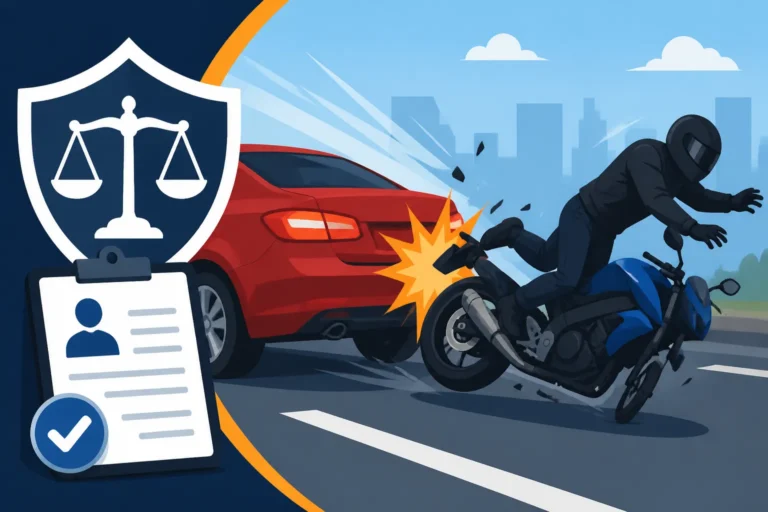
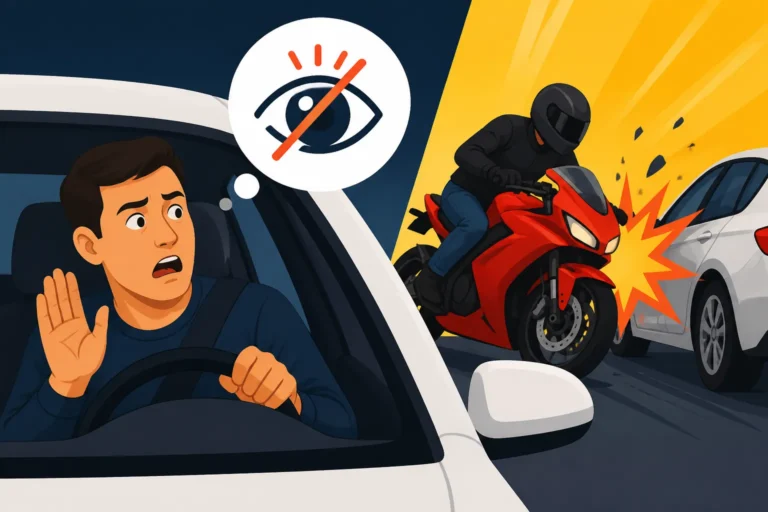
There's nothing quite as harrowing for a motorcyclist as the sudden, stomach-dropping realization that a driver in a much larger vehicle simply doesn't see you. It's a common, terrifying scenario: you're cruising along, minding your own business, and suddenly a car starts drifting into your lane, totally oblivious to your presence in their blind spot. These blind spot accidents aren't just frustrating; they can lead to severe injuries and leave you wondering how on earth you're supposed to prove it wasn't your fault. This guide is here to shed light on exactly who is typically at fault in blind spot motorcycle accidents, detailing the responsibilities of both drivers and riders, and providing clear steps to protect yourself.
Understanding Blind Spot Accidents Involving Motorcycles
Blind spot accidents are a leading cause of collisions, and for motorcycle riders, they carry a particularly high risk of serious injury or worse. The physics alone put riders at a significant disadvantage, and the sheer visibility challenge makes these incidents a persistent concern on our roads.
What Exactly is a Blind Spot?
A blind spot isn't just a vague concept; it's a very real, physical area around a vehicle that its driver cannot see using their mirrors. Every vehicle on the road has them, from the smallest compact car to the largest semi-truck. For cars, these areas are typically to the rear-sides, just beyond what the side mirrors can capture. Even with properly adjusted mirrors, there will always be a small segment that remains out of sight without a driver physically turning their head to look over their shoulder.
Imagine a typical four-door sedan. Its rear-view mirror gives a good view directly behind, and the side mirrors extend that view to the left and right. However, there's often a trapezoidal area on each side, starting from roughly the rear wheel well and extending backward, where a vehicle can hide completely. This is why you constantly hear the advice to "check your blind spot" or "do a head check" before changing lanes. When drivers fail to perform these essential checks, they are effectively driving blind into an adjacent lane, creating an enormous hazard for anyone already occupying that space, especially a smaller vehicle like a motorcycle.
Why Motorcycles Are Especially Vulnerable
Motorcycles, by their very nature, are much smaller and less conspicuous than cars, SUVs, or trucks. This inherent size difference makes them incredibly susceptible to disappearing into a vehicle's blind spots. It's not just that they're small; their narrow profile means they don't take up much space in a mirror, making them easy to overlook even when they are technically visible. Many drivers, conditioned to look for the larger silhouette of a car, might scan their mirrors and subconsciously register "clear" without fully processing the presence of a motorcycle.
Furthermore, the stereotype of "motorcyclists being reckless" can unfortunately play a role in how drivers perceive and react to riders, or often, fail to perceive them at all. This phenomenon, often dubbed "inattentional blindness" or the "looked but failed to see" problem, is a significant factor in many motorcycle collisions. Drivers might glance in their mirrors, but their brains don't process the motorcycle's presence because they aren't actively looking for a motorcycle. This isn't an excuse, but a stark reality that places an extra burden of defensive riding on motorcyclists, even when they have the right of way. Being aware of these vulnerabilities is the first step in understanding Common Causes of Motorcycle Accidents and how fault is often assessed.
Determining Fault in a Blind Spot Accident
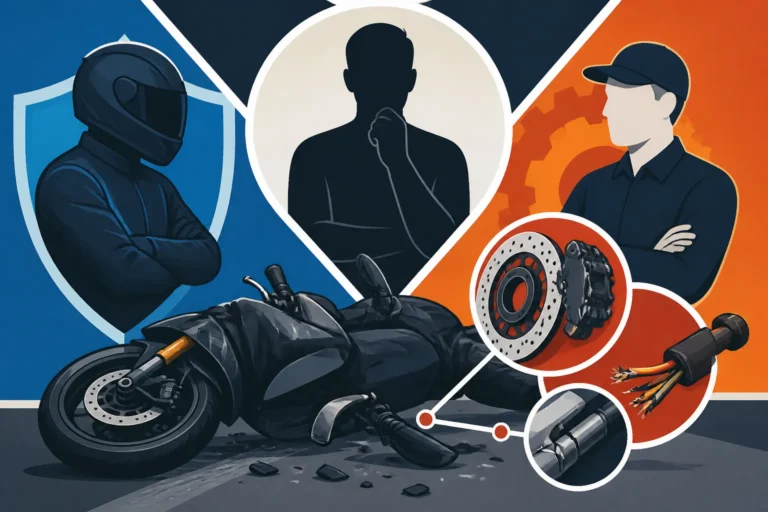
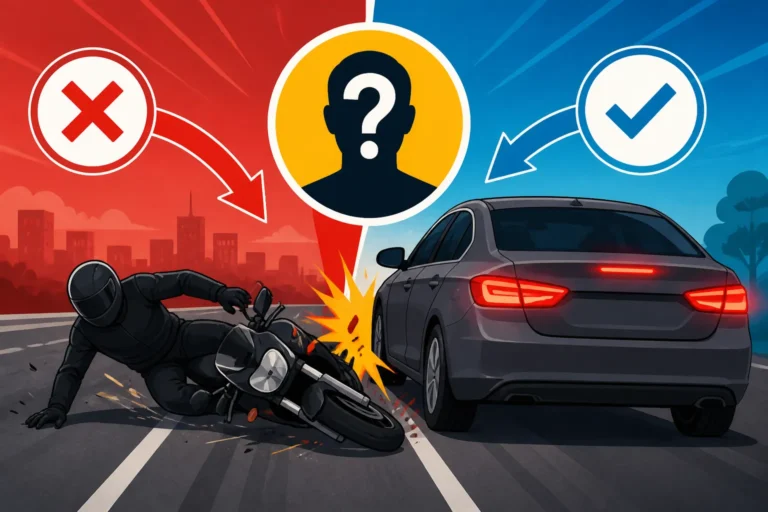
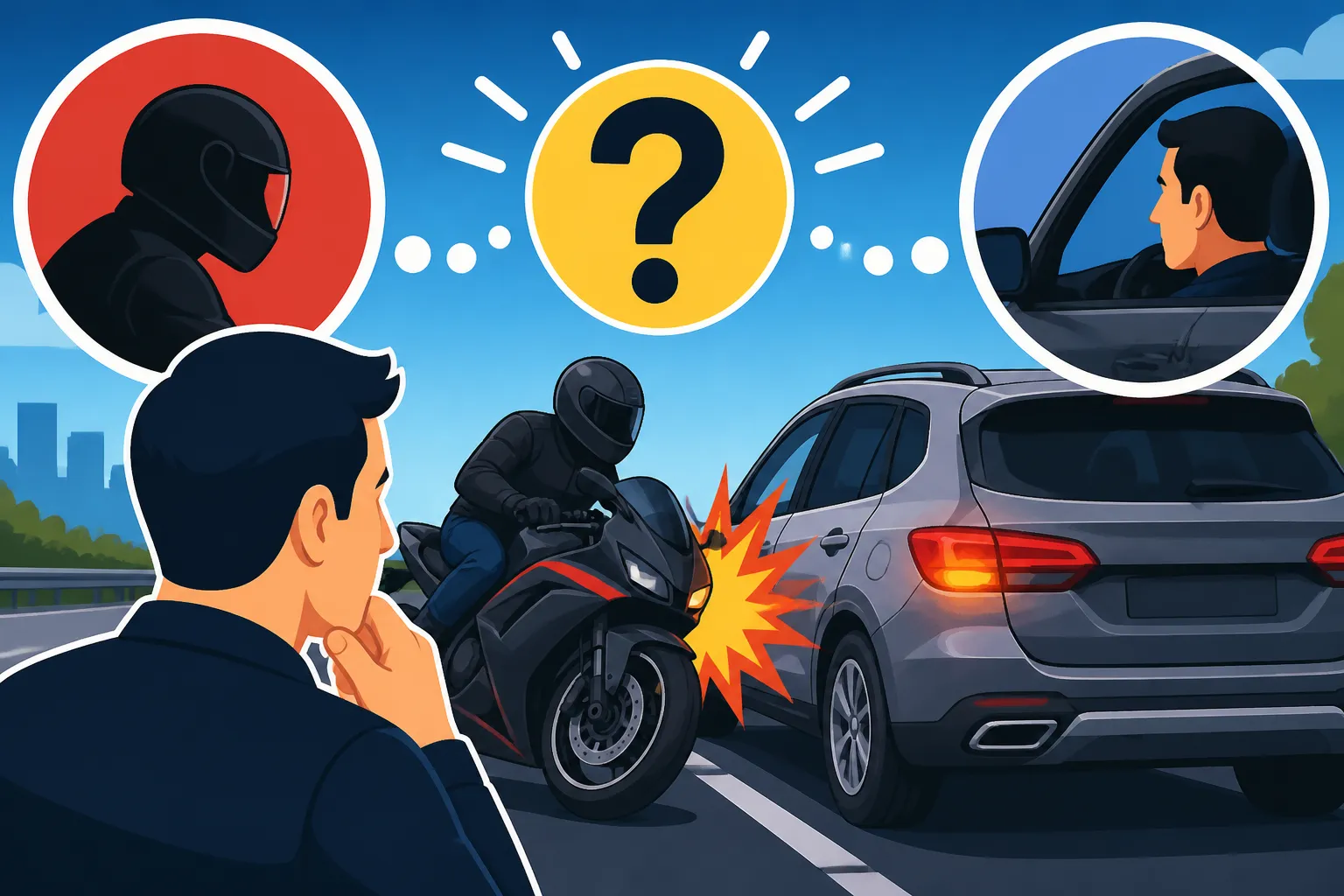
When a motorcycle accident occurs due to a driver's failure to check their blind spot, the question of fault can seem straightforward. However, the reality of accident investigations and insurance claims is often far more complex. It's rarely as simple as one person being 100% to blame, as contributing factors from both sides are frequently scrutinized.
When the Car Driver is Primarily at Fault
In the vast majority of blind spot accidents involving a motorcycle, the driver of the larger vehicle is found to be primarily, if not entirely, at fault. This stems from the fundamental duty of care that every driver has to operate their vehicle safely and be aware of their surroundings. This duty explicitly includes checking mirrors, signaling, and performing a physical head check before executing a lane change or merging maneuver. When a driver fails to do this, and consequently collides with a motorcycle already occupying that space, they are acting negligently.
Consider a scenario on Interstate 5 in California, notorious for its heavy traffic. A sedan driver, engrossed in their podcast and rushing to make their exit, glances quickly at their side mirror but doesn't turn their head. They begin to merge right, directly into a lane already occupied by a motorcycle. The motorcyclist, traveling at the speed limit and holding their lane, has no time to react as the car encroaches. In this instance, the sedan driver's failure to adequately check their surroundings and yield the right of way to a vehicle already in the lane constitutes clear negligence. Their action (or lack thereof) directly caused the collision. This is a classic example of Who Is at Fault in a Motorcycle Accident where the car driver's actions are the direct cause.
When the Motorcycle Rider Shares Some Fault
While the car driver often bears the brunt of the blame, there are situations where a motorcycle rider might share some degree of fault for a blind spot accident. This doesn't necessarily mean the rider caused the accident, but that their actions might have contributed to its occurrence or severity. States operate under different fault rules, such as Comparative Negligence in Motorcycle Accidents, which can significantly impact a rider's ability to recover damages if they are found partially at fault.
For example, if a motorcyclist was excessively speeding, weaving in and out of traffic, or riding in a driver's blind spot for an extended period, an argument could be made that their actions contributed to the accident. Let's say a rider was aggressively lane splitting (where legal) or changing lanes without proper signaling, moving into a blind spot so quickly that even a diligent driver might not have had time to react. Or, perhaps the rider was actively tailgating the vehicle, making it difficult for the driver to see them even with a head check. While these actions don't absolve the car driver of their duty to look, they could introduce an element of shared responsibility. Insurance adjusters and courts will meticulously examine both parties' conduct leading up to the crash to assign percentages of fault.
The Role of Evidence in Proving Fault
Proving fault after a blind spot accident hinges almost entirely on the quality and quantity of evidence collected. Without strong evidence, it becomes a "he said, she said" situation, which rarely works in the motorcyclist's favor due to inherent biases against riders. This is where Motorcycle Accident Evidence for Proving Fault becomes crucial.
- Police Reports: The accident report filed by law enforcement is a foundational piece of evidence. It details the officer's initial assessment of the scene, witness statements, and any citations issued. While not always conclusive, a police report can provide an official account of what happened and sometimes indicate fault.
- Witness Statements: Independent witnesses are invaluable. A bystander who saw the car merge without signaling or checking, or saw the motorcycle traveling responsibly, can offer an unbiased perspective that heavily sways fault determination. If you're able to, always try to get contact information from anyone who saw the crash.
- Dashcam Footage: This is increasingly becoming the gold standard. Many cars and even some motorcycles are equipped with dashcams. Footage from either vehicle, or even from nearby businesses or traffic cameras, can definitively show exactly what transpired, including whether a driver signaled, checked mirrors, or if a rider was in a blind spot for an extended duration. This type of evidence can be game-changing in cases where How Dashcam Footage Proves Fault is the deciding factor.
- Vehicle Damage: The nature and location of damage on both vehicles can tell a story. For instance, if the impact is on the front quarter panel of the car and the side of the motorcycle, it suggests the car was moving into the motorcycle's space.
- Debris Field: The spread of debris on the road can help accident reconstructionists determine the point of impact and the vehicles' trajectories, further illuminating how the accident unfolded.
- Traffic Laws: Knowledge of specific traffic laws, like right-of-way rules for lane changes or merging, is essential. Showing that the other driver violated a specific traffic law strengthens the argument for their fault.
Collecting and preserving this evidence immediately after an accident is paramount for building a strong case and ensuring that fault is accurately assigned. It's why one of the first things you should do after any incident is document everything you can, as covered in What to Do After a Motorcycle Accident.
Key Factors Influencing Fault Determination
Beyond the immediate actions of the drivers involved, several overarching factors influence how fault is ultimately determined in a blind spot motorcycle accident. These include the general legal concept of driver negligence, the actions and positioning of the rider, and the specific traffic laws in the state where the accident occurred.
Driver Negligence and Due Care
Every driver on the road owes a fundamental "duty of care" to others. This means they must operate their vehicle in a reasonably safe manner, paying attention to their surroundings and following traffic laws. When a driver fails to meet this duty, they are considered negligent. In the context of blind spot accidents, several aspects of driver negligence come into play:
- Failure to Scan Adequately: This is the most direct form of negligence. A driver who doesn't check their side mirrors, fails to perform a "head check" (looking over their shoulder), or simply makes a cursory glance that misses a motorcycle, is not exercising due care. Many jurisdictions specifically require drivers to check for all traffic, including smaller vehicles, before changing lanes.
- Distracted Driving: Texting, talking on the phone, eating, or being otherwise mentally or physically distracted can severely impair a driver's ability to notice a motorcycle in their blind spot. A distracted driver is far less likely to perform the necessary checks or react in time.
- Aggressive Lane Changes: Sudden, unsignaled, or aggressive lane changes significantly increase the risk. A driver who swerves into another lane without giving ample warning or checking for other vehicles is behaving recklessly, making it nearly impossible for a motorcyclist to anticipate and avoid the collision.
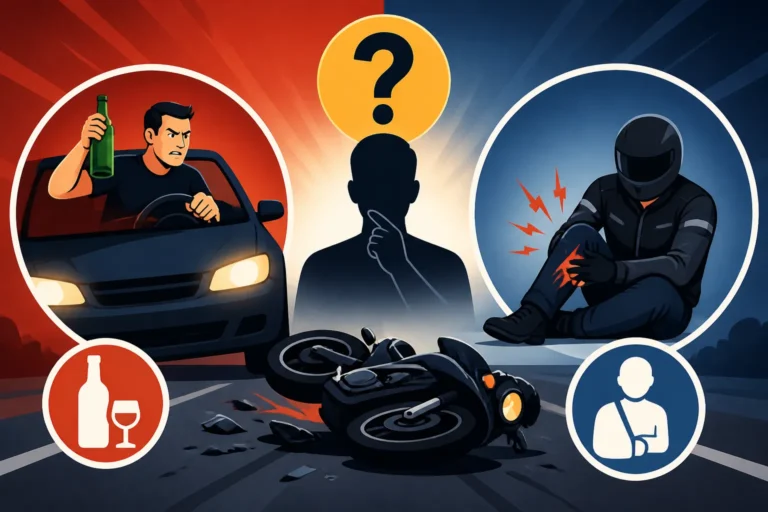
- Impaired Driving: Alcohol or drug impairment severely diminishes reaction time, perception, and judgment, making a driver even more prone to blind spot accidents. This is a clear indicator of extreme negligence.
Establishing that the car driver was negligent is often the cornerstone of a successful claim. This requires demonstrating that they failed in their duty of care, and that this failure directly led to the accident and your injuries.
Rider Actions and Lane Positioning
While car drivers carry a heavy burden of responsibility, motorcyclists are also expected to ride defensively and adhere to traffic laws. A rider's actions can sometimes contribute to a blind spot accident, even if they aren't the primary cause.
- Prolonged Blind Spot Riding: Intentionally or unintentionally riding in another vehicle's blind spot for an extended period puts the rider at unnecessary risk. Defensive riding often dictates staying out of these zones or passing through them quickly. While it doesn't excuse the driver's failure to look, it can be a point of contention for insurance companies.
- Lack of Proper Signaling: Just like cars, motorcycles are required to use turn signals when changing lanes. Failure to signal can deprive other drivers of crucial information about a rider's intentions, even if the driver should have seen them.
- Excessive Speed or Erratic Riding: Speeding, weaving, or making sudden lane changes without warning can make it incredibly difficult for other drivers to perceive a motorcycle, even if they are actively checking their mirrors. This behavior can be cited as contributing negligence.
- Rider Visibility: While drivers are responsible for looking, riders are also encouraged to enhance their visibility. Wearing bright, contrasting gear, using reflective materials, and ensuring headlights are always on can make a difference. While not a legal requirement for fault, it can sometimes be brought up by the defense.
It's important to remember that even if a rider contributes to the accident, it doesn't automatically mean they lose their claim entirely. In most states, the principle of How Fault Is Determined in Motorcycle Accidents allows for shared fault.
State-Specific Laws and Comparative Negligence
The legal outcome of a blind spot accident can vary significantly depending on the state where the crash occurred, particularly concerning its comparative negligence laws. These laws dictate how damages are awarded when more than one party shares fault.
- Pure Comparative Negligence: In states like California, if you are found 20% at fault, your total damages would simply be reduced by 20%. You can recover even if you are mostly at fault.
- Modified Comparative Negligence (50% Bar Rule): Many states, including Texas and Ohio, follow a modified comparative negligence rule where you can recover damages as long as you are not more than 50% at fault. If you are found 51% or more at fault, you cannot recover any damages. This is critical to understand as demonstrated by rules like How the 50% Fault Rule Works or How the 51% Fault Rule Works.
- Modified Comparative Negligence (51% Bar Rule): Other states, such as Illinois and Pennsylvania, use a 51% bar rule. Here, you can recover as long as you are not more than 51% at fault. If you are 51% at fault, you can still recover; if you are 52% or more, you cannot.
- Contributory Negligence: A few states still follow strict contributory negligence rules. In these states (e.g., Maryland, North Carolina, Virginia), if a rider is found even 1% at fault, they are completely barred from recovering any damages, no matter how negligent the other driver was. This harsh rule makes proving the other driver's sole fault absolutely vital.
Understanding your state's specific laws is crucial. These laws directly impact how much compensation you might be able to receive, even if the other driver was clearly in the wrong for failing to check their blind spot.
Steps to Take After a Blind Spot Accident
The moments immediately following a motorcycle accident can be chaotic and overwhelming, but what you do in those crucial first hours can profoundly impact your ability to prove fault and recover damages. Taking specific, deliberate steps is essential for protecting your legal rights and your health.
Documenting the Scene
After ensuring your immediate safety and checking for injuries, documenting the accident scene thoroughly is one of the most critical things you can do. Far too often, riders, still shaken from the impact, overlook details that could become vital evidence later on.
- Call 911 Immediately: Even if injuries seem minor, contacting law enforcement is paramount. A police report creates an official record of the accident, which can be invaluable when dealing with insurance companies. They will typically investigate, document the scene, and gather initial witness statements. Forgetting to call the police can significantly complicate matters, especially when How Police Reports Establish Fault is in question.
- Take Photos and Videos: Use your phone to take as many pictures and videos as possible from various angles. Capture the damage to both vehicles, the positions of the vehicles, any skid marks, road debris, traffic signs, road conditions, and the surrounding environment. Include wider shots that show the intersection or stretch of road where the accident occurred. If you have visible injuries, document those too.
- Gather Contact Information: Exchange insurance and contact information with the other driver. Get their name, phone number, insurance company, policy number, and vehicle license plate number. If there are any witnesses, politely ask for their names and phone numbers. Their unbiased account can be gold.
- Do Not Admit Fault: This is a golden rule. Even if you feel shaken or partly to blame, do not apologize or make any statements that could be interpreted as admitting fault. Stick to the facts when speaking with the other driver or law enforcement. This is why Why You Should Never Admit Fault at the Scene is critical advice. Anything you say can and will be used against you by the other driver's insurance company.
- Note the Time and Location: Be precise about when and where the accident happened. These details can help corroborate your story with traffic camera footage or other records.
Thorough documentation acts as your memory aid and provides concrete facts that can counter an insurance company's attempts to downplay your claim or shift blame.
Seeking Medical Attention and Legal Counsel
Beyond documenting the scene, your health and legal protection require immediate attention following a blind spot motorcycle accident.
- Prioritize Medical Attention: Your well-being is the most important thing. Even if you feel okay after the crash, seek medical evaluation as soon as possible. Adrenaline can mask pain, and some serious injuries, like concussions or internal bleeding, may not manifest symptoms until hours or even days later. A visit to the emergency room or your doctor establishes a medical record that directly links your injuries to the accident, which is crucial for any personal injury claim. Gaps in medical treatment or delayed treatment can be used by insurance companies to argue that your injuries weren't severe or weren't caused by the accident.
- Contact a Motorcycle Accident Attorney: Dealing with the aftermath of an accident, especially one involving severe injuries, can be incredibly complex. Insurance companies, even your own, are businesses focused on minimizing payouts. A skilled motorcycle accident attorney understands the nuances of these cases, knows how to investigate, gather evidence, negotiate with insurers, and will fight to protect your rights. They can help you understand How Insurance Companies Assign Blame to Riders and how to counter it. They can also explain how factors like How Comparative Negligence Reduces Your Payout might affect your case. Trying to navigate this process alone, especially while recovering from injuries, is a recipe for stress and potentially a much lower settlement. Consulting with an attorney is particularly important if fault is disputed or if you've suffered significant injuries. They can advise you on the best course of action and ensure that all deadlines, such as the statute of limitations for filing a personal injury claim, are met. This is often the point where you truly assess Do You Need a Motorcycle Accident Lawyer.
Taking these steps ensures that both your physical recovery and your legal claim are handled with the utmost care, increasing your chances of a fair outcome after a blind spot accident.
Comparing Driver and Rider Responsibilities in Blind Spot Accidents
Understanding the distinct, yet sometimes overlapping, responsibilities of both the car driver and the motorcycle rider is key to determining fault in a blind spot accident. Here's a quick look at how their duties typically align and diverge:
| Aspect of Responsibility | Car Driver's Duty | Motorcycle Rider's Duty |
|---|---|---|
| Visibility Check | Must perform thorough mirror and head checks before lane changes/merging. | Should anticipate blind spots and avoid lingering in them; be visible. |
| Signaling | Required to use turn signals well in advance of a maneuver. | Required to use turn signals well in advance of a maneuver. |
| Right of Way | Must yield to vehicles already in the lane they are entering. | Has right of way if already established in the lane; must not force right of way. |
| Defensive Driving | Avoid aggressive maneuvers, maintain awareness of smaller vehicles. | Ride defensively, anticipate driver errors, maintain safe following distances. |
| Lane Position | Stay within their lane markings. | Position self to maximize visibility to other drivers, avoid prolonged blind spot presence. |
| Speed | Adhere to speed limits and adjust for conditions. | Adhere to speed limits and adjust for conditions. |
| Distraction | Must avoid all forms of distracted driving (phone, eating, etc.). | Must avoid all forms of distracted riding. |
As you can see, while drivers bear the primary responsibility for clearing their blind spots, riders also have a role in defensive riding to minimize risk.
Disclaimer
Please remember that this article provides general information and insights into motorcycle accident claims and is not legal advice. Every accident is unique, and the laws governing fault and liability vary significantly by jurisdiction. If you have been involved in a motorcycle accident, it is highly recommended to consult with a qualified legal professional in your area to discuss your specific situation and rights.