How Much Compensation for Motorcycle Road Rash
Being involved in a motorcycle accident is a terrifying experience, and one of the most common, yet often underestimated, injuries is road rash. Many people, including insurance adjusters, tend to dismiss road rash as just a "scrape," but anyone who's actually experienced it knows it's far from minor. The excruciating pain, the constant risk of infection, the agonizing cleaning process, and the potential for permanent scarring can turn your life upside down. This comprehensive guide is here to shed light on how compensation for motorcycle road rash is truly calculated, helping you understand the real value of your claim and ensuring you don't let anyone minimize your suffering.
Understanding Road Rash and Its True Impact
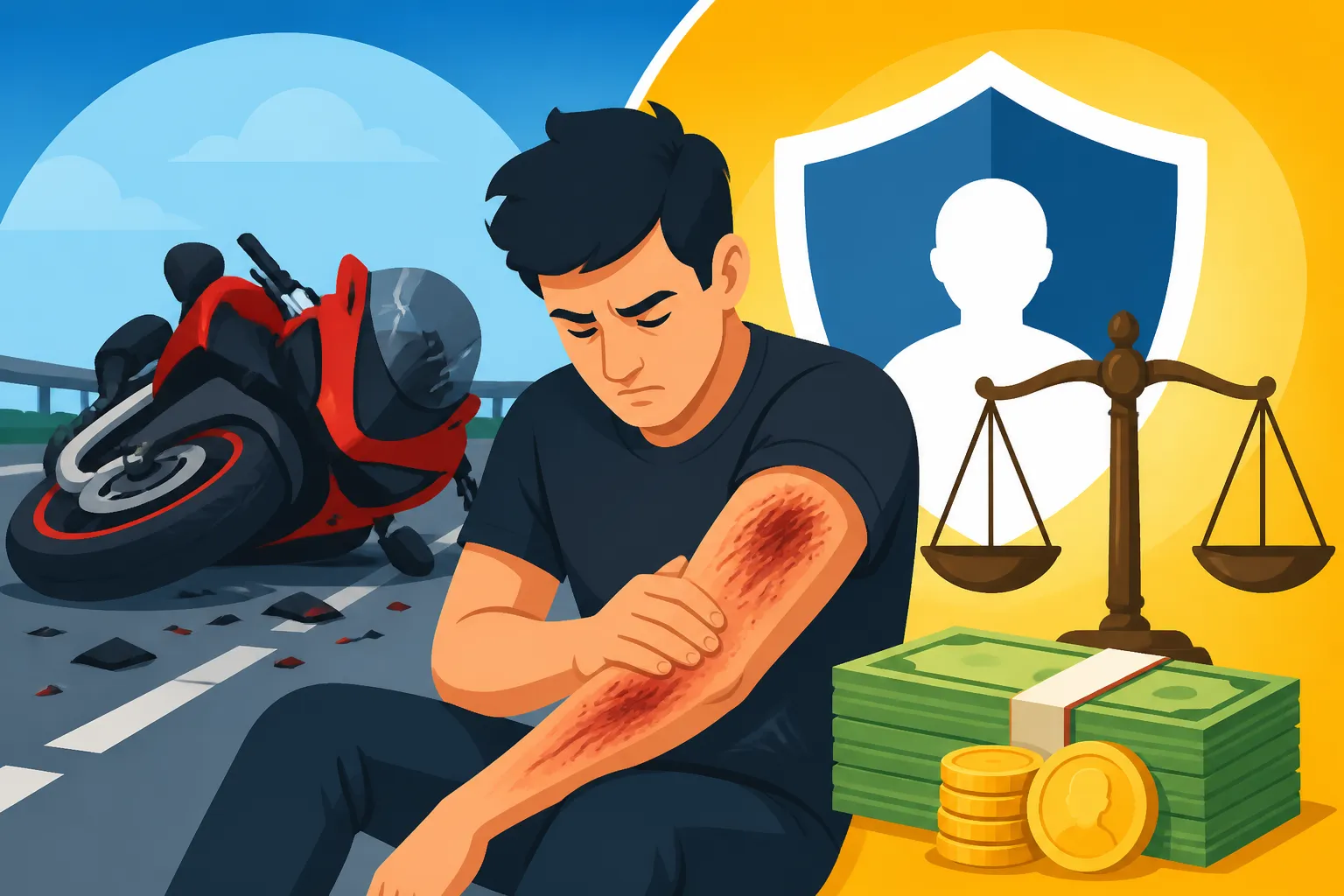
Road rash, or traumatic abrasion, occurs when your skin scrapes across a rough surface, like asphalt, during a fall or collision. It’s not just a superficial wound; depending on the speed, impact, and duration of the slide, it can strip away multiple layers of skin, exposing muscle, tendon, or even bone. The immediate aftermath is usually overwhelming, with adrenaline masking the true extent of the injury, but once that wears off, the pain can be intense and relentless.
Beyond Surface Scrapes: Types and Severity of Road Rash
Road rash isn't a one-size-fits-all injury. Just like burns, there are different degrees of road rash, and each level dictates the severity of treatment needed and, consequently, the potential compensation you might receive. It’s crucial to understand these distinctions because an insurance adjuster might try to classify a severe injury as minor to reduce your payout.
- First-Degree Road Rash: This is the most superficial type, akin to a severe scrape. It involves only the outermost layer of skin (epidermis). You’ll likely experience redness, tenderness, and some minor bleeding. While painful, these injuries usually heal within a week or two with proper cleaning and bandages, leaving minimal to no scarring. Think of it like a very bad rug burn that stings for days.
- Second-Degree Road Rash: This level goes deeper, affecting both the epidermis and the dermis (the second layer of skin). You’ll see significant redness, swelling, blistering, and exposed raw skin. The pain is considerably more intense, and there's a higher risk of infection. Healing can take several weeks, and scarring is a common outcome. The debridement process—where medical professionals clean the wound of debris, dirt, and dead tissue—can be excruciatingly painful and may require local anesthesia. This is where you might feel like your skin has been grated off.
- Third-Degree Road Rash: This is a severe injury where all layers of skin are completely worn away, and underlying fat, muscle, or even bone might be exposed. Nerve endings can be damaged, paradoxically leading to less pain in the immediate wound area but intense pain around the edges. These injuries are highly susceptible to severe infection, require extensive medical intervention, and often necessitate skin grafts. Healing is prolonged, complications are common, and permanent disfigurement is almost guaranteed. This type of injury is no longer just a scrape; it's a gaping wound that can permanently alter your body.
- Fourth-Degree Road Rash: While less commonly categorized, some medical professionals refer to injuries that expose muscle, tendon, or bone as fourth-degree. These are catastrophic injuries demanding immediate and aggressive medical and surgical intervention. The long-term consequences are severe, often involving extensive reconstructive surgery, prolonged rehabilitation, and a significant impact on mobility and quality of life.
The psychological impact shouldn't be overlooked either. Many riders develop PTSD After a Motorcycle Accident after experiencing such traumatic physical injuries, especially those involving extensive road rash.
Medical Treatment and Costs Associated with Road Rash
The treatment for road rash is not just about slapping on a bandage; it's often a complex, painful, and costly process that can stretch out over weeks or even months. The immediate focus is always on preventing infection and promoting healing.
- Initial Wound Care: This begins at the scene or in the emergency room. Medical staff will thoroughly clean the wound, removing any dirt, gravel, or debris embedded in the skin. This process, known as debridement, can be incredibly painful, even with local anesthetics, and might need to be repeated. Imagine scrubbing a wound that feels like an open raw nerve. After cleaning, the wound is dressed with sterile bandages and often a non-adherent dressing, sometimes specialized dressings like hydrocolloid or silver-infused ones to prevent infection and promote healing.
- Antibiotics: Due to the high risk of infection from contaminants in the road, oral or topical antibiotics are almost always prescribed. Infections can complicate healing, lead to sepsis, and worsen scarring.
- Ongoing Dressing Changes: Depending on the severity, daily or every-other-day dressing changes are necessary. This isn't a quick fix; it's an ongoing, time-consuming, and often painful task. You might need special medicated creams or ointments.
- Skin Grafts: For third-degree or severe second-degree road rash, skin grafts are often required. This involves taking healthy skin from another part of your body (the donor site) and surgically transplanting it to the injured area. Skin grafts are major surgeries, involving their own set of risks, recovery time, and additional pain at the donor site. The cost of a skin graft surgery can be tens of thousands of dollars, not including pre- and post-operative care, hospital stays, and rehabilitation.
- Physical Therapy: If road rash affects areas over joints (like knees, elbows, shoulders), the tightness from scarring can restrict movement. Physical therapy might be necessary to regain full range of motion.
- Pain Management: The pain from road rash can be severe and persistent, requiring prescription pain medication for weeks, especially during dressing changes.
- Specialist Consultations: You may see dermatologists for scar management, plastic surgeons for reconstructive procedures, or even burn specialists if the injury is extensive. Each specialist visit adds to the medical bills.
It's vital to document all these medical expenses meticulously as part of building your claim for How Much Compensation for Motorcycle Road Rash.
Calculating Economic Damages for Road Rash
Economic damages are the measurable, out-of-pocket financial losses you incur directly because of your road rash injury. These are generally easier to quantify than non-economic damages, but thoroughly documenting everything is crucial.
Documenting Medical Expenses
Every single penny spent on your treatment, from the ambulance ride to the last tube of scar cream, needs to be accounted for. Insurance companies will scrutinize these costs, so detailed records are your best friend.
- Tracking All Bills: Keep a meticulous record of every medical bill, receipt, and statement. This includes:
- Emergency room visits and hospital stays.
- Doctor's appointments (primary care, dermatologists, plastic surgeons, burn specialists).
- Diagnostic tests (blood tests, imaging if related to the accident).
- Prescription medications (antibiotics, pain relievers, scar treatments).
- Over-the-counter wound care supplies (bandages, gauze, antiseptic washes).
- Physical therapy or occupational therapy sessions.
- Transportation costs to and from medical appointments.
- Future Medical Expenses: This is where it gets more complex, especially with severe road rash. If you have significant scarring, you might need future scar revision surgeries, laser treatments, or long-term therapy to improve appearance or mobility. An experienced attorney can work with medical experts to project these future costs, which can significantly increase your compensation. For instance, a third-degree road rash victim in Phoenix might face multiple plastic surgeries over several years, costing hundreds of thousands of dollars. These are not speculative; they are necessary to achieve the best possible recovery.
Remember, gaps in treatment can hurt your claim, so it's essential to Why You Should Seek Immediate Treatment and follow your doctor's orders.
Lost Wages and Other Financial Losses
Beyond medical bills, road rash can seriously impact your ability to earn a living, both immediately and in the long term.
- Time Off Work: Healing from severe road rash takes time. The pain, discomfort, and necessity of constant wound care can make it impossible to perform your job duties. Even office workers might struggle with the pain of sitting or the distraction of wound care. If you're a construction worker, mechanic, or any job requiring physical labor, you could be out of commission for weeks or even months. Keep records of all missed workdays, including pay stubs, employer statements, and doctor's notes confirming your inability to work.
- Loss of Earning Capacity: This refers to the future income you might lose if your road rash leads to permanent disability, disfigurement, or chronic pain that prevents you from returning to your previous job or working at the same capacity. For example, if extensive scarring on your hands prevents a tattoo artist from working with the precision they once had, or a professional chef can no longer stand for long periods due to scarring on their legs, this loss of future earning potential is a compensable damage. This often requires expert testimony from vocational specialists and economists.
- Property Damage to Gear: Your motorcycle gear—helmet, jacket, gloves, pants, boots—is designed to protect you, and in doing so, it often gets destroyed. The cost of replacing high-quality riding gear can be substantial. For instance, a premium full-face helmet like a Shoei or Arai can easily cost $600-$1000, and a good leather riding suit could be several thousand dollars. While the focus is on your body, the fact that your gear took the brunt of the impact highlights the severity of the incident and what might have happened without it. Make sure to include these costs in your claim for Types of Damages in a Motorcycle Accident Claim.
Valuing Non-Economic Damages for Road Rash
Non-economic damages are the intangible losses that don't come with a bill but profoundly affect your life. These are often the largest component of a settlement for severe road rash, recognizing the subjective suffering you endure.
Pain and Suffering: The Invisible Burden
Pain and suffering encompass not just the physical pain but also the emotional distress, discomfort, and inconvenience caused by your injuries. For road rash, this can be immense.
- Intense and Prolonged Pain: The initial pain of road rash is often described as excruciating, like being branded or having your skin scraped off with sandpaper. This pain continues through the debridement process, daily dressing changes, and during the long healing period. For those needing skin grafts, the pain at both the donor and recipient sites adds another layer of agony. This isn't just a few days of discomfort; it's a marathon of pain that can last for weeks or months.
- Emotional Toll: The physical pain is often accompanied by significant emotional distress. Many road rash victims experience anxiety, depression, difficulty sleeping, and even a fear of riding again. The trauma of the accident combined with the disfiguring nature of the injury can lead to serious psychological issues. This is why documenting your emotional journey, perhaps through an injury journal, is critical. This can become a key piece of evidence to How to Prove Your Injuries and the associated mental anguish.
- Calculating Pain and Suffering: Insurance companies typically use a "multiplier method" or "per diem method" to estimate pain and suffering. The multiplier method takes your total economic damages and multiplies them by a number (usually between 1.5 and 5, depending on injury severity). For severe road rash, a higher multiplier is justified due to the intense pain, prolonged healing, and potential for permanent scarring. Alternatively, a "per diem" method assigns a daily value to your pain from the date of injury until maximum medical improvement (MMI). Understanding Pain and Suffering Damages Explained is crucial to ensure you get a fair valuation.
Scarring, Disfigurement, and Loss of Enjoyment of Life
These are perhaps the most visually obvious and emotionally impactful non-economic damages associated with severe road rash.
- Permanent Scarring: Road rash, especially second- and third-degree, almost always leaves permanent scars. These scars can be thick, raised (hypertrophic or keloid), discolored, and very noticeable. If the scars are on visible parts of your body—your face, neck, hands, or arms—they can lead to significant self-consciousness, affecting your self-esteem and social interactions. A rider in California might have road rash scars on their face that make them hesitant to go out in public, impacting their social life and even career.
- Disfigurement: Beyond mere scarring, disfigurement refers to a severe alteration of your physical appearance. This is common with extensive third-degree road rash, particularly if skin grafts result in uneven skin texture or color. The psychological impact of disfigurement can be profound, often requiring long-term psychological counseling.
- Loss of Enjoyment of Life: This damage encompasses the ways your injuries prevent you from participating in activities you once enjoyed. If road rash on your dominant hand limits your ability to play guitar, or extensive scarring on your legs makes you avoid swimming or beach activities, that's a loss of enjoyment. The chronic pain might prevent you from hobbies like hiking, gardening, or even playing with your children. This is a very real, very personal loss that deserves compensation. Keep an How to Document Your Recovery journal and detail how your injuries have changed your daily life.
Factors Influencing Your Road Rash Compensation
While every case is unique, several key factors heavily influence the amount of compensation you might receive for road rash. Understanding these can help you better prepare your claim.
Severity of Injuries and Treatment Required
This is arguably the most significant factor. The more severe your road rash, the more extensive and costly your medical treatment, and the greater your pain, suffering, and potential long-term impact.
- Objective Medical Evidence: X-rays, MRIs, doctor's notes, surgical reports, and even photographs of your injuries (before, during, and after healing) provide objective proof of your damages. A medical report detailing third-degree road rash requiring multiple skin grafts and extensive follow-up care will support a much higher claim than a report for minor first-degree abrasions.
- Permanence and Prognosis: Is the scarring permanent? Will you have ongoing pain or limited mobility? Will you require future surgeries or treatments? Expert medical opinions regarding your long-term prognosis are crucial for valuing future damages. This is why it's wise to wait until you reach What Reaching MMI Means for Your Settlement (Maximum Medical Improvement) before settling, as your full recovery picture isn't clear until then.
Here's a simplified table illustrating how road rash severity can impact potential compensation:
| Road Rash Severity | Typical Medical Needs | Impact on Compensation (General) |
|---|---|---|
| First Degree | Basic wound cleaning, bandaging, OTC pain relief | Lower; primarily covers medical bills, minor lost wages, minimal pain and suffering. |
| Second Degree | Professional cleaning (debridement), prescription meds, daily dressings, follow-up visits | Moderate; includes all first-degree costs, higher pain & suffering, potential for noticeable scarring. |
| Third Degree | Extensive debridement, antibiotics, possible skin grafts, specialist consultations, physical therapy | High; covers major medical expenses, significant lost wages/earning capacity, severe pain, permanent disfigurement, psychological trauma. |
| Fourth Degree | Emergency surgery, multiple skin grafts, long-term rehabilitation, reconstructive surgery | Very High; often involves catastrophic injury compensation, extensive future care, profound loss of enjoyment of life. |
Proving Fault and Mitigating Your Own Actions
The amount you receive also heavily depends on your ability to prove that another party was at fault for the accident. If you can't establish the other driver's negligence, your compensation will be severely limited or non-existent.
- Clear Liability: If the other driver clearly ran a red light or Left-Turn Motorcycle Accidents Explained directly into your path, proving their fault is straightforward. Evidence like police reports, witness statements, and traffic camera footage is invaluable. For a deeper dive, check out Proving Fault in a Motorcycle Accident.
- Comparative Negligence: Many states follow comparative negligence laws, which means your compensation can be reduced by your percentage of fault. For example, in a state like Florida, if you're found 20% at fault for an accident that caused your road rash, your total compensation will be reduced by 20%. Insurance companies love to use this to minimize payouts, often employing stereotypes against riders. They might claim you were speeding or riding recklessly, even if not true. This is where How Insurance Companies Assign Blame to Riders can become biased. Understanding How Comparative Negligence Reduces Your Payout is key to protecting your claim.
- Mitigation of Damages: While not directly related to fault, insurers might argue that your injuries were worse because you weren't wearing appropriate riding gear. For road rash, wearing proper gear (like a leather jacket and riding pants from brands like Dainese or Alpinestars) would actually prevent severe road rash. If you weren't wearing proper gear, an insurance company might argue you failed to mitigate your damages, potentially reducing your payout. However, this argument is often less effective when the other driver's negligence is clearly established as the primary cause of the accident. It's more about the severity of injury than the accident's cause itself.
Final Thoughts on Your Road Rash Claim
Dealing with road rash is an ordeal. From the agonizing pain and the risk of infection to the potential for permanent scarring and the emotional toll, it's an injury that demands serious attention and fair compensation. Never let an insurance adjuster trivialize your experience. By meticulously documenting your injuries, medical treatments, financial losses, and personal suffering, you lay the groundwork for a strong claim. Remember, your journey to recovery from road rash is not just physical; it's emotional and financial too.
Disclaimer
Please remember that this article provides general information and insights into motorcycle accident claims and road rash compensation. It is not a substitute for professional legal or medical advice. Every accident and injury claim is unique, and the information presented here may not apply to your specific situation. For personalized guidance and to understand your legal rights and options, it is highly recommended to consult with a qualified motorcycle accident attorney.