Motorcycle Shoulder Injury: Claims and Compensation
Experiencing a motorcycle accident is a terrifying ordeal, and the aftermath can be overwhelming. Beyond the immediate shock and adrenaline, many riders discover they've sustained painful and debilitating shoulder injuries that can drastically alter their lives, making even simple tasks excruciating. This comprehensive guide aims to walk you through understanding these common injuries, navigating the complex claims process, and securing the compensation you rightfully deserve.
Understanding Motorcycle Shoulder Injuries
Shoulder injuries are unfortunately common in motorcycle accidents due to the nature of how riders are thrown or impact the ground. Unlike a car, there's no protective cage, meaning your body often bears the brunt of the collision or fall. The shoulder, being a highly mobile but inherently unstable joint, is particularly vulnerable.
Common Types of Shoulder Injuries
When a rider is involved in a crash, especially if they're thrown from their bike or land directly on their shoulder, a range of injuries can occur, from soft tissue damage to severe fractures.
- Rotator Cuff Tears: This is incredibly common. The rotator cuff is a group of four muscles and their tendons that surround the shoulder joint, providing stability and allowing for arm movement. A sudden impact or a violent wrenching motion, such as trying to brace for impact or being thrown from the bike, can cause these tendons to tear. These tears can range from partial to full thickness, often requiring surgery, extensive physical therapy, and a long recovery period that can severely limit a rider's ability to perform daily activities, let alone ride again. The pain can be constant, even at rest.
- Shoulder Dislocations: The shoulder is a ball-and-socket joint, and a dislocation occurs when the head of the humerus (upper arm bone) pops out of the glenoid (the socket in the shoulder blade). This is excruciatingly painful and often happens when a rider lands directly on an outstretched arm or shoulder, or when the arm is violently pulled. While some dislocations can be reduced (put back into place) by medical professionals, repeated dislocations are a risk, and the soft tissues around the joint can be stretched or torn, leading to chronic instability.
- Fractures (Clavicle, Scapula, Humerus): Broken bones in the shoulder area are serious. The clavicle (collarbone) is one of the most frequently fractured bones in motorcycle accidents, often from a direct blow to the shoulder or a fall onto an outstretched arm. Scapular (shoulder blade) fractures are less common but indicate a very high-energy impact, often with significant associated injuries. Fractures of the proximal humerus (the upper part of the arm bone near the shoulder) can also be devastating, especially if they involve the joint surface, potentially leading to long-term pain and limited mobility. These breaks often require surgery, casting, or specialized braces, followed by extensive rehabilitation.
- Labral Tears: The labrum is a rim of cartilage around the shoulder socket that helps keep the humerus in place. Tears to this cartilage, like a SLAP tear (Superior Labrum Anterior Posterior), often occur from falls onto an outstretched arm or a direct impact. These injuries can cause deep shoulder pain, a popping or clicking sensation, and a feeling of instability. They frequently require arthroscopic surgery to repair, followed by a lengthy recovery.
Symptoms and Diagnosis
After a motorcycle crash, it's crucial to pay close attention to any pain or discomfort in your shoulder, even if it doesn't seem severe at first. The adrenaline from the accident can mask significant injuries.
- Immediate Pain and Swelling: This is the most obvious sign. Any significant pain, especially when trying to move your arm, or visible swelling and bruising around the shoulder, warrants immediate medical attention. Don't try to "tough it out." What feels like a bruise could be a fracture or a severe tear.
- Limited Range of Motion: If you find it difficult or impossible to lift your arm, reach behind your back, or even move it without sharp pain, your shoulder has likely sustained more than a minor sprain. This could indicate a torn rotator cuff, a dislocation, or a fracture that is preventing normal movement.
- Deformity or Instability: A visibly deformed shoulder, or one that feels "out of place" or excessively loose, points strongly to a dislocation or severe fracture. If your shoulder feels weak or gives way when you try to use it, this is a major red flag.
- Diagnostic Tools: Doctors will typically start with a physical examination, assessing your range of motion, strength, and tenderness. They'll then often order imaging tests. X-rays are excellent for detecting fractures. However, soft tissue injuries like rotator cuff tears or labral tears often require an MRI (Magnetic Resonance Imaging) scan for a definitive diagnosis. Sometimes, a CT scan might be used for more detailed bone imaging, especially for complex fractures. These diagnostic steps are critical not just for treatment but also for documenting the full extent of your injuries for your claim.
Long-Term Impact on Daily Life
A shoulder injury is far more than just temporary pain; it can profoundly affect nearly every aspect of your life, from your career to your favorite hobbies. Many riders understand that this is not just about the pain of the moment but about the potential loss of their passion and independence.
- Work and Income Loss: Many jobs, even those not considered physically demanding, require a significant amount of arm and shoulder use. If you work in construction, mechanics, or any trade, a severe shoulder injury can make returning to work impossible for an extended period, leading to substantial lost wages. Even office jobs can be affected if you can't comfortably type or use a mouse. For riders who are self-employed, the impact can be even more immediate and devastating, as there's no sick leave or short-term disability to fall back on initially. This can lead to tremendous financial stress on top of physical pain.
- Loss of Hobbies and Recreational Activities: For many, riding a motorcycle isn't just transportation; it's a way of life, a passion. A shoulder injury can mean giving up riding, at least temporarily, or even permanently in severe cases. Beyond riding, imagine not being able to play sports, lift weights, garden, or even simply throw a ball with your kids. These losses aren't just inconveniences; they strip away parts of your identity and sources of joy, contributing to emotional distress.
- Daily Living Challenges: Even the simplest tasks can become monumental hurdles. Reaching for something on a high shelf, washing your hair, dressing yourself, cooking, or even sleeping comfortably can become incredibly difficult and painful. This dependence on others can be frustrating and contribute to feelings of helplessness and isolation. The need for assistance with basic personal care can also add to household expenses if you need to hire help or burden family members.
- Chronic Pain and Psychological Impact: Unfortunately, some shoulder injuries lead to chronic pain that can persist long after the initial healing period. This constant discomfort can lead to sleep disturbances, irritability, depression, and anxiety. The psychological toll of an accident, combined with the physical limitations and pain, can be immense. Fear of riding again, or even driving, can develop. All of these long-term effects are critical components of your claim for damages.
Immediate Steps After a Motorcycle Shoulder Injury
The moments and days following a motorcycle accident are critical, not just for your physical recovery but also for protecting your legal rights and future compensation. What you do or don't do can significantly impact your ability to make a successful claim. This includes understanding what to do after a motorcycle accident to secure evidence.
Prioritizing Medical Attention
Your health is paramount. No matter how minor you think your shoulder injury might be, seeking immediate medical attention is non-negotiable.
- Emergency Care at the Scene: If you're able to, allow paramedics to examine you at the scene. Even if you decline ambulance transport, get checked out. They can assess for immediate, life-threatening injuries and advise you on next steps. If you feel any pain, especially in your neck, back, or head, or notice a visible deformity, go to the emergency room immediately.
- Follow-Up with Doctors: Even if you weren't taken directly from the scene, see a doctor or go to an urgent care clinic within 24-48 hours. Many injuries, particularly soft tissue damage or concussions, might not show their full symptoms until the adrenaline wears off. A medical professional can properly diagnose your shoulder injury and recommend a treatment plan, which might include X-rays, MRIs, or referrals to specialists like orthopedic surgeons or physical therapists. Delaying treatment can not only worsen your injury but also give insurance companies an opportunity to argue that your injuries weren't caused by the accident.
- Adherence to Treatment Plans: Once you have a diagnosis, it's crucial to follow your doctor's orders meticulously. Attend all appointments, take prescribed medications, and diligently complete any physical therapy or rehabilitation exercises. Gaps in treatment can be used by insurance adjusters to suggest that your injuries weren't as severe as you claim or that you failed to mitigate your damages. Maintaining a detailed record of all your medical appointments, treatments, and expenses will be invaluable for your claim.
Documenting the Scene and Injuries
Gathering comprehensive evidence at the accident scene, if safe to do so, is vital for proving who is at fault in a motorcycle accident and the extent of your damages.
- Photographs and Videos: Use your smartphone to take extensive photos and videos of everything. Capture the position of your motorcycle and the other vehicle(s), skid marks, road conditions, traffic signs, debris, and any visible injuries on yourself (like road rash or bruising, even if minor) or property damage to your bike and gear. Get wide shots and close-ups. These visual records are incredibly powerful in demonstrating the mechanics of the crash and the immediate physical aftermath. Don't just focus on the shoulder; document any and all injuries.
- Witness Information: If anyone saw the accident happen, get their names and contact information. Independent witnesses can provide unbiased accounts that contradict the other driver's story or support yours, which is crucial, especially given the common 'I Didn't See the Motorcycle' Defense Explained. Ask them what they saw and if they'd be willing to provide a statement.
- Police Report Details: When law enforcement arrives, they will create an official accident report. This report often contains details about the involved parties, vehicle information, and the officers' initial assessment of fault. While not always conclusive, it's a vital piece of evidence. Get the report number and the contact information for the investigating officers. It's important to remember that while a police report can hurt your claim if it unfairly assigns blame to you, it can also be invaluable in proving the other party's negligence.
- Keep Your Damaged Gear: Do not throw away your helmet or any other damaged riding gear. Even if your helmet appears fine, it may have sustained invisible damage. Keep it, along with your jacket, pants, gloves, and boots. Damage to your gear can serve as powerful physical evidence of the impact forces involved in the crash and can corroborate your injury claims, especially for severe injuries like a traumatic brain injury or your shoulder injury. Photos of your damaged gear at the scene also support your narrative.
Reporting the Accident
Beyond the police report, there are other crucial notifications you need to make to safeguard your interests.
- Notify Your Insurance Company: You must report the accident to your own insurance company promptly, even if you believe the other driver was entirely at fault. Most policies have a clause requiring timely notification. Provide them with the basic facts, but avoid giving a detailed recorded statement without consulting with a legal professional first. Remember, their primary goal is to minimize their payout, even if it's your own insurer.
- Notify the Other Driver's Insurance: If you know who the other driver's insurance carrier is, you can initiate a claim with them. Again, provide only basic information. Do not discuss your injuries in detail, admit any fault, or accept any settlement offers at this early stage. Their adjusters will likely try to get you to sign releases or make statements that could devalue your claim.
- Documenting All Communications: Keep a meticulous record of every phone call, email, and letter related to the accident. Note the date, time, who you spoke with, what was discussed, and any agreements made. This paper trail is invaluable should disputes arise later. This documentation, alongside your medical records and accident scene evidence, forms the foundation of proving fault in a motorcycle accident and the full extent of your damages.
Types of Damages for a Shoulder Injury Claim
When you've suffered a motorcycle shoulder injury, you're not just dealing with physical pain; you're facing a cascade of financial burdens and personal losses. The legal system allows you to seek compensation for these various types of damages. Understanding them is key to a comprehensive claim. This generally falls under the umbrella of Types of Damages in a Motorcycle Accident Claim.
Economic Damages: Tangible Losses
Economic damages are the quantifiable financial losses you've incurred or will incur as a direct result of your shoulder injury. These are often easier to calculate because they come with bills, invoices, and wage statements.
- Medical Expenses: This is often the largest component of economic damages, especially for severe shoulder injuries. It includes everything from the initial ambulance ride and emergency room visit to doctor consultations, diagnostic tests (X-rays, MRIs, CT scans), surgeries, anesthesia, hospital stays, prescription medications, physical therapy, rehabilitation, chiropractic care, and specialized equipment like slings, braces, or adaptive devices. For long-term or permanent injuries, future medical costs must also be meticulously calculated and projected, which might include ongoing pain management, future surgeries, or lifelong physical therapy.
- Lost Wages and Loss of Earning Capacity: If your shoulder injury prevents you from working, you can claim compensation for lost income. This includes wages, salary, commissions, bonuses, and benefits you would have earned during your recovery period. For self-employed riders, proving lost income can be more complex but is entirely possible with proper documentation of past earnings. Furthermore, if your injury is severe enough to permanently impair your ability to perform your job or work in your chosen field, you can claim for loss of earning capacity. This accounts for the difference between what you could have earned over your lifetime and what you are now realistically able to earn due to your injury. This is particularly relevant for professions requiring significant arm and shoulder strength or dexterity, like construction, skilled trades, or healthcare.
- Property Damage: This includes the cost to repair or replace your motorcycle, helmet, and any other damaged riding gear. If your bike is totaled, you are entitled to its fair market value. You can also claim for personal items damaged in the crash, such as a smartphone or eyeglasses. Often, insurers will try to offer a quick settlement for property damage, but it's important not to sign a full release of liability for your injury claim when accepting a property damage settlement.
- Out-of-Pocket Expenses: Don't forget the smaller, yet cumulative, expenses that add up. This can include transportation costs to and from medical appointments (gas, Uber, public transit), parking fees, childcare expenses while you're at appointments or recovering, over-the-counter pain relievers, and any necessary modifications to your home or vehicle to accommodate your injury (e.g., grab bars, temporary ramps). Keep detailed receipts for everything.
Non-Economic Damages: Intangible Suffering
While harder to quantify, non-economic damages are often a significant part of a motorcycle accident claim, especially given the severity of common motorcycle injuries. These compensate you for the subjective, intangible impacts on your life.
- Pain and Suffering: This is compensation for the actual physical pain you endure from the moment of the accident through recovery and any chronic pain you might experience in the future. It also covers the mental anguish, emotional distress, and discomfort caused by the injury and its treatment. The more severe and prolonged the pain, the higher this component of your damages is likely to be. Documenting your injuries for a claim, through medical records and even a pain journal, helps prove this.
- Emotional Distress: Beyond physical pain, the trauma of a motorcycle accident can lead to significant psychological and emotional distress. This includes anxiety, fear (especially of riding again), depression, sleeplessness, flashbacks, and even Post-Traumatic Stress Disorder (PTSD). Experiencing an accident, especially one that results in serious injury, is a deeply distressing event, and the emotional recovery can sometimes be as challenging as the physical.
- Loss of Enjoyment of Life: This accounts for the inability to participate in activities and hobbies you once enjoyed due to your shoulder injury. As discussed, if riding, sports, gardening, or even playing with your children is now impossible or severely limited, you can seek compensation for this profound loss. This acknowledges that an injury takes away more than just your physical well-being; it takes away your quality of life and personal fulfillment.
- Loss of Consortium: If your shoulder injury has severely impacted your relationship with your spouse or partner, they may be able to file a separate claim for loss of consortium. This compensates for the loss of companionship, affection, intimacy, and household services due to your injury. This is an important recognition of how a severe injury can ripple through a family.
Understanding Punitive Damages (if applicable)
In rare cases, you might also be able to claim punitive damages. These are not intended to compensate you for your losses but rather to punish the at-fault party for particularly egregious conduct and deter similar behavior in the future.
- When Punitive Damages Apply: Punitive damages are typically awarded when the defendant's actions were grossly negligent, reckless, malicious, or intentionally harmful. For example, if the other driver was driving under the influence of alcohol or drugs, engaged in extreme speeding, or committed a deliberate act of road rage that caused your accident and shoulder injury, punitive damages might be considered.
- State-Specific Rules: The availability and caps on punitive damages vary significantly by state. Some states have strict limits on how much can be awarded, while others allow them in a broader range of circumstances. These damages are typically awarded by a jury during a trial rather than through a settlement negotiation. It’s important to note that while they are possible, they are not a common component of most personal injury claims.
The Claims Process for a Motorcycle Shoulder Injury
Navigating the aftermath of a motorcycle accident with a shoulder injury can feel like a full-time job. Understanding the claims process is crucial to ensuring you receive fair compensation for your suffering and losses. This process can be lengthy and complex, often involving significant interaction with insurance companies.
Gathering Evidence and Medical Records
The strength of your claim hinges on the evidence you can present. Comprehensive documentation paints a clear picture of the accident and your resulting injuries.
- Collecting Medical Records and Bills: This is the bedrock of your injury claim. You need every single medical record related to your shoulder injury, from the ambulance report and emergency room notes to doctor's reports, surgical records, physical therapy notes, and bills for all treatments and medications. These documents prove the nature and extent of your injury, the course of treatment, and the associated costs. Ensure all diagnoses, prognoses, and any limitations or disabilities stemming from your shoulder injury are clearly documented by your medical providers. This also helps demonstrate how to prove your injuries to an insurance company.
- Accident Report and Witness Statements: As discussed earlier, the official police accident report provides an objective overview of the crash. It includes details like the date, time, location, involved parties, and often, an initial assessment of fault. Additionally, any statements from eyewitnesses can be invaluable, especially if their account contradicts the other driver's version of events or substantiates your claim that the other driver was negligent.
- Photos, Videos, and Physical Evidence: The photos and videos you took at the scene—of your bike, the other vehicle, the road conditions, and your initial injuries—are critical. They provide visual proof of the impact and the immediate aftermath. Furthermore, keeping your damaged helmet and riding gear can serve as tangible evidence of the force involved in the collision and how it contributed to your shoulder injury.
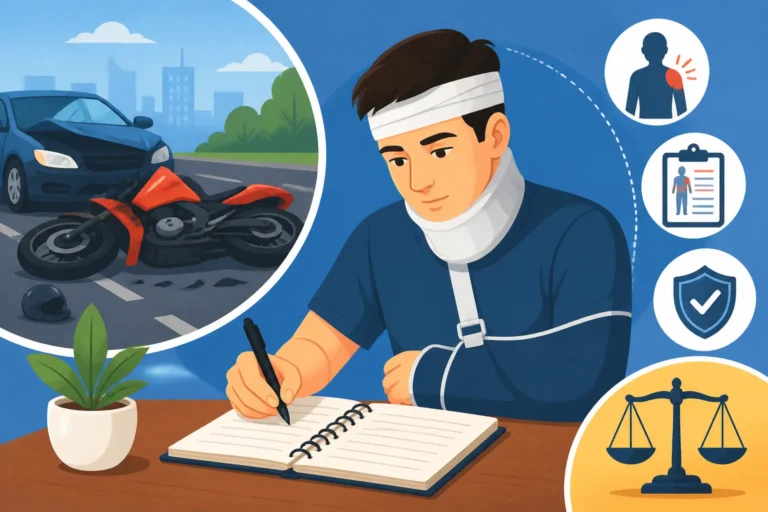
- Journaling Your Recovery: Keeping a detailed journal of your daily pain levels, limitations, emotional state, and how your shoulder injury impacts your life is highly recommended. Document specific instances where you couldn't participate in activities, needed help with daily tasks, or experienced emotional distress. This personal account can vividly illustrate your non-economic damages like pain and suffering and loss of enjoyment of life, giving a human touch to the clinical medical records.
Dealing with Insurance Companies
Interacting with insurance companies can be one of the most frustrating aspects of the claims process. Remember, insurance adjusters work for the company, and their goal is to pay out as little as possible.
- Initial Contact and Information Exchange: When you first report the accident to your own insurance, and potentially the other driver's, provide only the basic facts: date, time, location, and the names of the involved parties. Do not speculate about fault, discuss the severity of your injuries in detail (beyond stating you were injured and sought medical attention), or give a recorded statement without legal advice.
- Beware of Early Settlement Offers: It's common for insurance adjusters to offer a quick, lowball settlement, especially if your shoulder injury seems minor at first. They want to resolve the claim quickly before you fully understand the extent of your injuries and their long-term impact, and before all your medical bills are finalized. Accepting an early offer almost always means waiving your right to further compensation, even if your condition worsens or new issues arise. This is why you should never admit fault at the scene and seriously consider the implications of what happens if you settle too early.
- Handling Requests for Medical Records: Insurance companies will request access to your medical records. You are generally obligated to provide records related to the accident. However, adjusters may try to obtain your entire medical history, looking for pre-existing conditions they can blame for your current shoulder injury. It’s wise to have a legal professional review any medical release forms to ensure they are narrowly tailored only to the relevant injuries and treatment.
Negotiating a Fair Settlement
The vast majority of motorcycle accident claims are resolved through negotiation rather than going to trial. This requires careful calculation, strong evidence, and strategic communication.
- Calculating Your Damages: Before negotiating, you need a clear understanding of the full value of your claim, encompassing both economic and non-economic damages. This involves totaling all current medical bills, projecting future medical costs, calculating lost wages, and putting a value on your pain and suffering, which can be complex. Understanding how motorcycle accident settlements are calculated involves considering all these factors.
- Sending a Demand Letter: Once you've reached maximum medical improvement (MMI), meaning your condition is stable and unlikely to improve further, your attorney (if you have one) will typically send a comprehensive demand letter to the insurance company. This letter outlines the facts of the accident, establishes the other driver's fault, details your injuries (specifically your shoulder injury), lists all your damages (economic and non-economic), and demands a specific amount for settlement.
- Back-and-Forth Negotiations: The demand letter usually kicks off a period of negotiation. The insurance company will likely make a counteroffer, which is often lower than your demand. This can involve several rounds of offers and counteroffers. During this phase, having a skilled negotiator who understands the nuances of personal injury law and the tactics of insurance companies is invaluable. They can articulate the full impact of your shoulder injury, present compelling evidence, and leverage legal precedents to push for a higher settlement.
- Mediation or Arbitration: If direct negotiations stall, the parties might agree to mediation or arbitration. In mediation, a neutral third party facilitates discussions to help both sides reach a mutually agreeable settlement. In arbitration, a neutral third party hears arguments and evidence from both sides and makes a binding or non-binding decision. These are alternatives to going to court and can help move a stalled negotiation forward.
Factors Affecting Your Shoulder Injury Compensation
It's natural to wonder, "What affects your motorcycle accident payout?" The compensation you receive for a motorcycle shoulder injury isn't a fixed amount; it depends on a multitude of factors, unique to your situation. These elements are meticulously evaluated by insurance adjusters, and if necessary, by a court.
Severity of Injury and Treatment Required
The more severe your shoulder injury and the more extensive your medical treatment, the higher your potential compensation will generally be. This is a fundamental principle in personal injury claims.
- Type and Grade of Injury: A simple sprain will yield a much lower settlement than a rotator cuff tear requiring surgery, a complex fracture of the humerus, or a dislocated shoulder that leads to chronic instability. The specific diagnosis, such as a full-thickness tear versus a partial tear, or an open fracture versus a hairline fracture, directly influences the value of the claim. Insurers also look at the likelihood of full recovery; permanent injuries command higher compensation.
- Medical Procedures and Costs: Did your shoulder injury require surgery? Multiple surgeries? What about extensive physical therapy or specialist consultations? The total cost of your medical treatment is a direct measure of the injury's impact and forms a significant portion of your economic damages. Detailed billing records from hospitals, surgeons, therapists, and pharmacies are essential. Future medical costs for ongoing care, potential future surgeries, or long-term pain management also factor heavily into the calculation.
- Recovery Period and Prognosis: A shoulder injury that sidelines you for weeks will be valued differently than one that causes months of recovery or results in permanent impairment. The prognosis from your doctors—whether you're expected to make a full recovery, or if you'll have permanent limitations, chronic pain, or reduced range of motion—plays a critical role. If your doctor states that you've reached maximum medical improvement (MMI) but still have lingering issues, this permanent impairment significantly increases the value of your claim, affecting aspects like loss of earning capacity and pain and suffering.
Impact on Earning Capacity and Quality of Life
Beyond the immediate medical costs, how your shoulder injury affects your ability to work and enjoy your life is paramount in determining compensation.
- Lost Wages and Future Earning Potential: If your shoulder injury prevents you from returning to your job, or forces you into a lower-paying role due to physical limitations, your lost wages become a significant component of your claim. This isn't just about the weeks or months immediately following the accident; if the injury creates a permanent disability that affects your long-term career prospects, you can claim for lost earning capacity. This often requires expert testimony from vocational specialists or economists to project future losses, making the claim value much higher, especially for younger riders with longer careers ahead.
- Loss of Enjoyment of Life: As a rider, your shoulder is vital for control and balance. A severe shoulder injury might mean an end to your riding days, or at least a significant reduction. But beyond riding, think about all the other activities you love: sports, hobbies, gardening, playing with family, even simple tasks around the house. If your shoulder injury prevents you from doing these things, that loss of enjoyment significantly contributes to your non-economic damages. This is a crucial element that impacts your quality of life and sense of well-being.
- Pain and Suffering and Emotional Distress: The chronic pain, physical discomfort, and emotional toll of a severe shoulder injury can be immense. Living with constant pain, struggling with basic tasks, and dealing with the psychological impact of the accident (such as anxiety or PTSD) are all compensable. The more debilitating and long-lasting these effects, the higher the compensation for pain and suffering and emotional distress will likely be. This is where your personal injury journal and clear communication with your medical providers about your pain levels become invaluable.
Comparative Negligence and Fault
Determining who is at fault in a motorcycle accident is one of the most critical factors influencing your compensation. Even if the other driver seems obviously at fault, your actions might be scrutinized.
- Shared Fault in the Accident: Most states operate under some form of comparative negligence. This means that if you are found partially at fault for the accident, your compensation can be reduced by your percentage of fault. For example, if your shoulder injury damages are assessed at $100,000, but you are found 20% at fault for the crash (perhaps you were speeding slightly, or partially responsible for an unsafe lane change), your compensation would be reduced to $80,000. It is crucial to understand that even if the other driver clearly made a mistake, insurance companies will often try to assign some percentage of fault to the motorcycle rider to reduce their payout, often leveraging stereotypes about riders.
- Contributory Negligence (Rare but Critical): A few states still follow a strict contributory negligence rule. In these states, if you are found even 1% at fault for the accident, you could be completely barred from recovering any compensation. This is an extremely harsh rule and highlights why understanding your state's laws is paramount.
- The "Helmet Defense": In some states, even if you were wearing a helmet, or if your state doesn't have a universal helmet law, insurance companies might try to argue that your injuries (particularly head or neck injuries, but sometimes also related to the body's overall trauma) would have been less severe if you had worn a different type of helmet or full protective gear. This is a common tactic, even if irrelevant to your specific shoulder injury, used to reduce your payout. It emphasizes how helmet laws affect your accident claim and how insurers may try to use it against you. Always wear proper DOT-approved gear, as it not only protects you but also strengthens your claim.
- How Fault Is Determined: Fault can be determined through various pieces of evidence, including police reports, witness statements, accident reconstruction analysis, traffic camera footage, and even your own statements. It's why collecting evidence immediately after the crash, avoiding admitting fault, and being cautious about what you say to insurance adjusters is so important. When fault is disputed in a motorcycle crash, it becomes a much more challenging process, often requiring a skilled attorney.
Seeking Legal Assistance for Your Shoulder Injury Claim
Dealing with the aftermath of a motorcycle accident, especially with a debilitating shoulder injury, is incredibly stressful. On top of physical recovery, you're faced with medical bills, lost income, and complex insurance negotiations. This is where legal guidance becomes not just helpful, but often essential.
When to Hire a Motorcycle Accident Attorney
While you might think you can handle a minor claim yourself, a shoulder injury is rarely minor in terms of its impact. Here are clear signs you need a motorcycle accident lawyer.
- Serious or Permanent Injuries: If your shoulder injury involves fractures, dislocations requiring surgery, rotator cuff tears, nerve damage, or any injury that requires extensive medical treatment, causes significant pain, or results in long-term disability, you absolutely need an attorney. These injuries lead to high medical bills, substantial lost wages, and significant pain and suffering, making the potential compensation far too complex to handle on your own. Your attorney can help accurately calculate damages for a catastrophic motorcycle injury.
- Disputed Fault or Complicated Accidents: If the other driver denies responsibility, or if there are multiple vehicles involved, determining fault can become incredibly challenging. Insurance companies will always try to shift blame, and without legal representation, you may find yourself unfairly assigned partial fault, which could drastically reduce your settlement or even bar it entirely. An attorney can investigate, gather evidence, and use accident reconstructionists if necessary to clearly establish liability.
- Insurance Company Lowball Offers or Denials: Insurance adjusters are trained negotiators who work to minimize payouts. If they offer you a settlement that seems far too low, or if they deny your claim outright, it's a strong indicator that you need an attorney. They have the experience and legal knowledge to fight back against these tactics and ensure your rights are protected. They understand how insurers lowball motorcycle riders and how to counter an insurance offer effectively.
- Uninsured or Underinsured Drivers: If the at-fault driver has little or no insurance, recovering full compensation can be challenging. An attorney can explore other avenues, such as your own uninsured/underinsured motorist (UM/UIM) coverage, or pursue other responsible parties. Trying to navigate these complex insurance claims on your own can be overwhelming and lead to insufficient compensation.
How an Attorney Helps Your Case
A skilled motorcycle accident attorney brings invaluable expertise and resources to your claim, significantly increasing your chances of a fair outcome. This goes beyond simply filing paperwork; they are your advocate in a complex system.
- Expert Investigation and Evidence Gathering: An attorney will launch a thorough investigation into your accident. This includes obtaining police reports, interviewing witnesses, collecting all relevant medical records and bills, gathering evidence from the scene (including traffic camera footage or black box data), and potentially consulting with accident reconstruction specialists or medical experts to support your claim. They know exactly what evidence is needed to prove who is at fault and the full extent of your damages.
- Dealing with Insurance Companies: This is perhaps one of the biggest benefits. Your attorney will handle all communication and negotiations with the insurance companies on your behalf, shielding you from their aggressive tactics and ensuring you don't inadvertently say or do anything that could jeopardize your claim. They speak the insurance companies' language and know how to counter their arguments, especially when facing common defenses like rider bias in fault determination.
- Accurate Damage Calculation: Accurately calculating the full scope of your damages, including future medical expenses, lost earning capacity, and appropriate compensation for pain and suffering, is a complex task. Your attorney will work with medical and financial experts to ensure every aspect of your loss is considered and properly valued, helping you to maximize your motorcycle accident settlement. This includes understanding the nuances of how lost wages are calculated and future medical costs are estimated.
- Representation in Court: While most cases settle out of court, if a fair settlement cannot be reached, your attorney will be prepared to take your case to trial. This means filing a lawsuit, conducting discovery (exchanging information with the other side), preparing witnesses, and presenting your case persuasively to a judge or jury. Having an attorney who is willing and able to go to court significantly strengthens your negotiating position with the insurance company, as they know your lawyer means business.
Deciding to hire an attorney is a big step, but for a severe shoulder injury sustained in a motorcycle accident, it's often the most crucial decision you can make to protect your future and ensure you get the justice and compensation you deserve.
Disclaimer
The information provided in this guide is intended for general informational purposes only and does not constitute legal advice. Motorcycle accident claims are complex and highly dependent on the specific facts of your case and the laws of your jurisdiction. You should consult with a qualified legal professional for advice regarding your individual situation.